


Walk-in Freezer Repair in Sunnyvale: Same-Day Fixes That Save Your Inventory
Same-day walk-in freezer repair in Sunnyvale – door seals, compressors, and refrigerant lines diagnosed on the spot, before a rising box temperature turns into lost inventory.
What’s Covered on This Page
- Signs Your Walk-in Freezer Needs a Repair Call Now
- Repair or Replace: Making the Right Call for an Aging Unit
- Simple Checks to Try Before You Call for Repair
- What Drives Walk-in Freezer Repair Costs Up or Down
- How North Texas Summer Heat Strains Freezer Compressors in Sunnyvale
- How fast can you get a technician to my Sunnyvale business?
- What happens when your technician shows up at my walk-in freezer?
- Why does my walk-in freezer act up more during Sunnyvale summers?
- Should I try anything myself before calling for repair?
- How do I know if my freezer needs repair or a full replacement?
- What’s included when you repair my walk-in freezer?
Signs Your Walk-in Freezer Needs a Repair Call Now
You know your freezer better than anyone. When something’s wrong, it usually doesn’t fail all at once – it starts nagging you first. You may notice a little frost here or a weird sound there. Then one morning, the temperature gauge reads ten degrees warmer than it should. Now you’ve got a real problem on your hands.
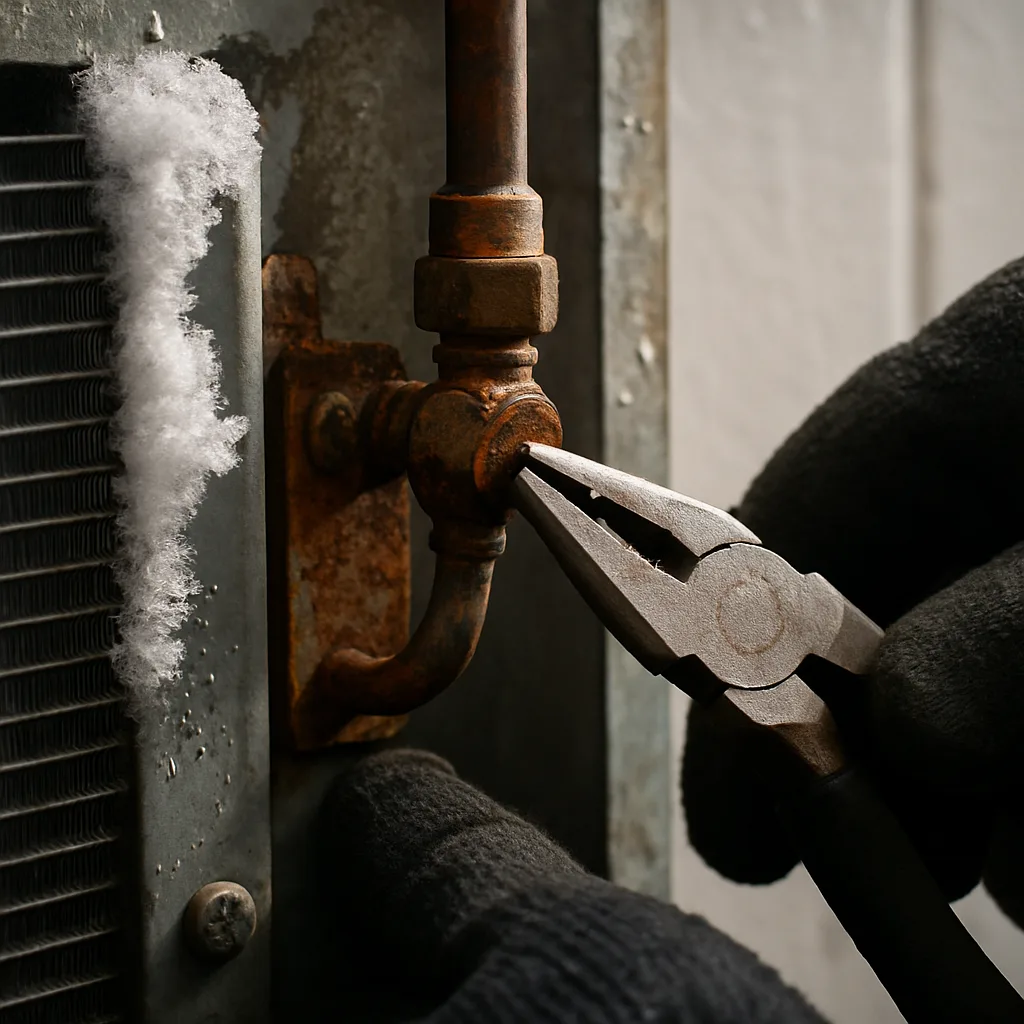
- Frost or ice builds up on the walls, ceiling, or floor instead of just the coil
- Water pools near the door or under the unit. This usually means a drain line or defrost issue
- The compressor runs constantly and never seems to cycle off
- The freezer struggles to hold temperature, even after you adjust the thermostat
- New rattling, clicking, or grinding sounds come from the condensing unit
Not sure if that hum is normal? That’s a fair question, and we hear it often. A healthy compressor cycles on and off in a steady rhythm. If yours keeps running, something is forcing it to work overtime. The cause could be low refrigerant, a bad fan motor, or a failing thermostat.
Most of these signs point to one failed part, not a whole-system breakdown. Common culprits include a cracked door seal or a stuck defrost timer. We can usually find and fix either problem during the same visit. Wait too long, though, and one small failure can damage another part. That’s when a simple repair becomes something bigger.
Repair or Replace: Making the Right Call for an Aging Unit
Here’s the honest truth: not every walk-in freezer is worth saving. Every week, we see a unit that’s ten or fifteen years old and patched together with several replacement parts. It’s still limping along, but another repair may no longer be the smart move. At some point, replacement makes more sense.
How do you know which side of that line you’re on? Age matters most. A freezer past its expected life span tends to fail in clusters. One part goes, and another shows up bad during the same visit. That’s a pattern, not a coincidence.
- Multiple components have failed within the same year
- The compressor or evaporator is failing, rather than a smaller component
- Replacement parts are getting hard to find for the brand or model
- You’re calling for repairs on the same freezer three or more times a season
- The unit runs constantly but still can’t hold temperature
If you’re dealing with only one of these issues, repair often makes sense. Part cost, availability, and the number of failed components all affect that decision. We’ll explain what we found before we touch a wrench.
Not sure which category you’re in? That’s fair; most owners aren’t refrigeration technicians. Get a diagnosis first, then decide.
Simple Checks to Try Before You Call for Repair
Before you pick up the phone, walk over and inspect the unit yourself. The problem may be small, and you might avoid a trip charge entirely.
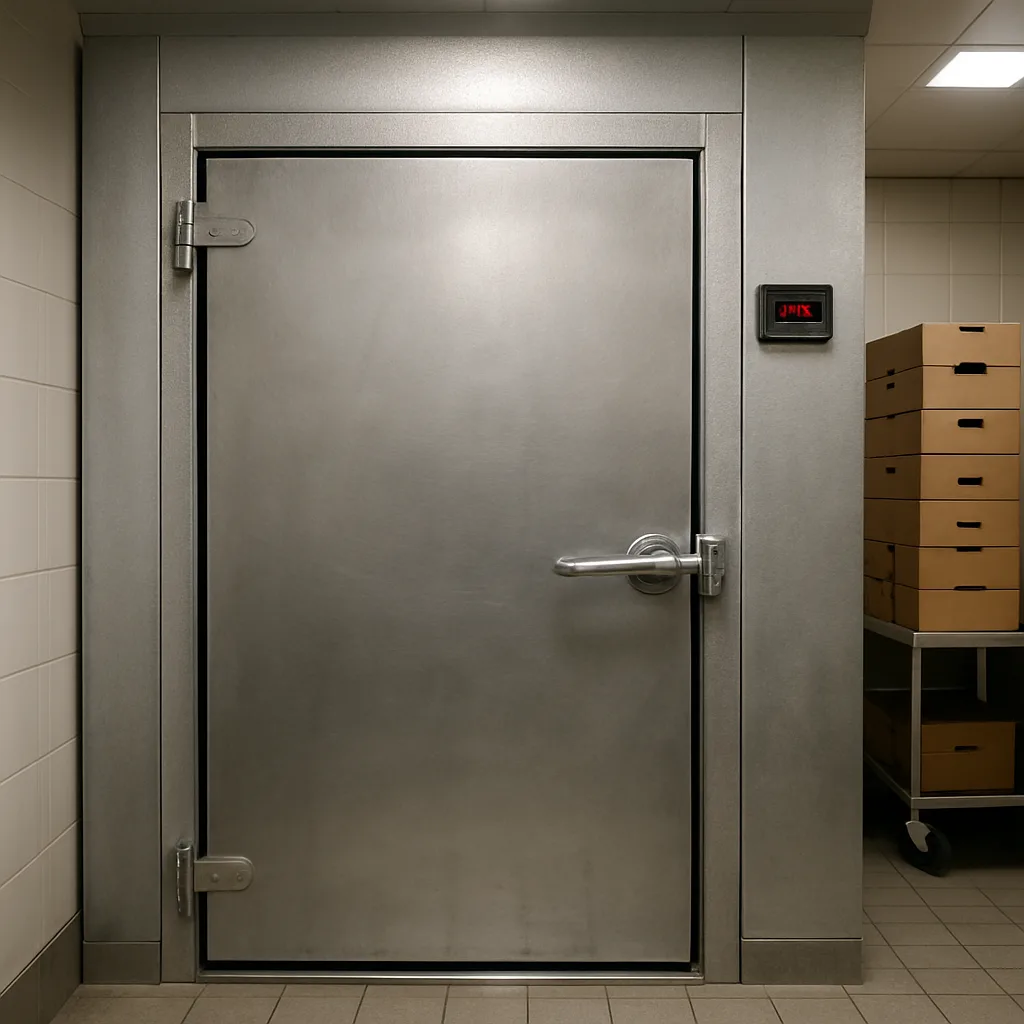
- Check the door. A torn, iced-over, or loose gasket lets warm air pour in all day.
- Look at the breaker. Walk-in units trip breakers more often than people expect, especially after a brief power interruption.
- Feel the airflow inside. No air movement from the evaporator fan usually points to ice buildup or a dead motor.
- Check what’s stacked near the unit. Boxes or products blocking the condenser can starve it of air.
- Look at the thermostat setting. Someone may have bumped it by accident.
If the door seals, the breaker is set, and there’s still no cold air, stop there. Don’t keep flipping switches or pulling off panels. The refrigerant lines and electrical components inside these units aren’t safe for DIY repairs. Poking around can turn a small problem into a bigger one.
Many Sunnyvale restaurants and grocery stores run older walk-in units installed when the building went up. Those units often show their age first around the door hinges and coil fins.
If you’ve checked the obvious items and it’s still warm inside, you’re likely dealing with a repair rather than a quick fix.
Have questions? We’re happy to help.
Call Today, Get Service Today. Xtreme Air Services is ready to help.
What Drives Walk-in Freezer Repair Costs Up or Down
What makes one walk-in freezer repair cost more than another? A few clear factors affect the price. The typical range for this job runs from 250 to 1,800 dollars. Most calls land on the lower end, between 250 and 950 dollars. That’s because most walk-in freezer failures come down to one part causing the trouble.
- How far the failure has spread. A single bad fan motor is a quick fix. A compressor struggling for weeks can damage other parts.
- Part cost and availability. Some fan motors and defrost boards are on the truck, while others must be sourced.
- Equipment age and brand. An older unit may need parts that aren’t stocked nearby.
- Whether more than one component failed at once. This is the biggest driver of a higher bill.
- Timing won’t raise your price here. We don’t charge extra for nights or weekends.
Here’s the part many customers don’t expect. A service call runs 26 to 99 dollars. That fee gets credited toward the repair if you move forward with us, so you’re not paying twice.
Your repair includes the diagnosis, labor, and standard replacement part. It also includes a full test run and cleanup before we leave. Additional parts that fail later and major components beyond the original repair aren’t included. Code upgrades and permits are also quoted separately if they come up. Financing isn’t typically part of a smaller repair; it’s more common for bigger jobs such as full replacements. Before work starts, ask your technician to show you the failed part. That question tells you exactly what you’re paying for.
How North Texas Summer Heat Strains Freezer Compressors in Sunnyvale
Summer in Sunnyvale is hard on refrigeration equipment. When outdoor temperatures stay in the high 90s for weeks, your walk-in freezer’s condenser must work overtime. It’s trying to release heat outside the box. That condenser usually sits on a rooftop or in a mechanical room that traps even more heat. We see this problem every week once June arrives.
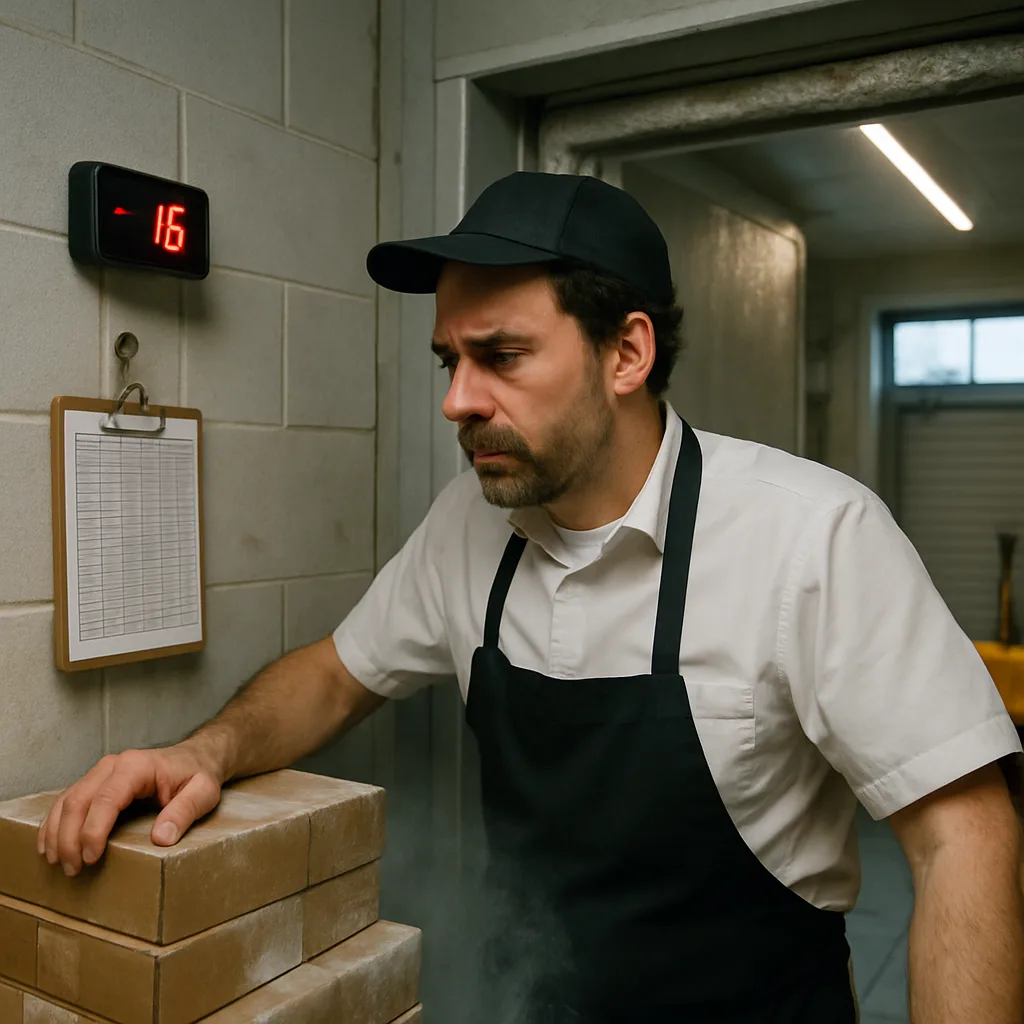
The mechanical problem is straightforward. A compressor moves heat from inside your freezer to the outside air. The bigger the temperature difference, the harder that compressor must run. Push it hard enough for long enough, and something gives. The failure may be a start capacitor, contactor, or an overheating compressor tripping its internal protection.
Restaurants and grocery stores around Sunnyvale often first notice a freezer that runs constantly but never reaches temperature. The compressor may also short-cycle, turning on and off every few minutes instead of completing a normal cycle. That’s heat stress putting strain on a part already working near its limit.
Older units feel this strain the most.
A compressor that’s five or more years old has less reserve capacity from the start. A 100-degree afternoon can finally push a weak capacitor over the edge. We first check the refrigerant charge, capacitor readings, and condenser airflow. That’s where summer failures usually begin, so the tests aren’t guesswork.
Frequently Asked Questions
Common questions about Walk-in freezer repair
How fast can you get a technician to my Sunnyvale business?
Most walk-in freezer calls in Sunnyvale get same-day service, especially when food or inventory is at risk. A freezer losing temperature can spoil product within hours, so we treat these calls as urgent. When you call, tell us what you’re seeing, like frost buildup or a compressor that won’t stop running. That helps us bring the right parts on the first trip. Quick action often means one visit fixes the whole problem.
What happens when your technician shows up at my walk-in freezer?
Your technician starts by checking the door seal, breaker, and airflow before opening any panels. This quick walkthrough often points to the failed part right away. Next, they’ll test the compressor cycle and check refrigerant lines for signs of trouble. Before any work begins, they’ll show you what failed and explain why. You’ll know exactly what you’re paying for. Most repairs, testing, and cleanup happen in one visit.
Why does my walk-in freezer act up more during Sunnyvale summers?
Hot weather forces your compressor to work harder to hold a safe temperature. Sunnyvale’s summer heat pushes older units past their limit, especially compressors already weakened by wear. This is when small issues, like a low refrigerant level or a struggling fan motor, turn into full stoppages. If your freezer runs constantly in warm months but seems fine in cooler ones, heat is likely part of the problem. Getting it checked before peak summer helps you avoid a breakdown.
Should I try anything myself before calling for repair?
Yes, a few quick checks can save you a trip charge. Look at the door gasket for tears or ice, check the breaker, and make sure nothing is blocking the condenser or evaporator fan. Also confirm the thermostat wasn’t bumped by accident. If the door seals and the breaker is fine but it’s still warm inside, stop there. The refrigerant lines and electrical parts aren’t safe to handle yourself, and you’re likely looking at a repair, not a quick fix.
How do I know if my freezer needs repair or a full replacement?
Age and repair history usually answer that question. If your freezer is ten or fifteen years old and you’ve called for repairs three or more times this season, replacement often makes more sense than another patch. A single failed part, like a fan motor or door seal, usually means repair is the smart choice. Multiple failures happening close together are a warning sign. Ask your technician for a diagnosis first, then decide with real information instead of guessing.
What’s included when you repair my walk-in freezer?
A standard repair covers diagnosis, labor, the replacement part, and a full test run before your technician leaves. Cleanup is part of the visit too, so you’re not left with a mess. It doesn’t cover unrelated components that fail later or major parts beyond the original problem. If code upgrades or permits come up during the job, those get quoted separately. Ask your technician to walk you through what’s covered before work starts.
Ready to Get Started?
Call 972-288-2263 Today, Get Service Today.