


Building Automation & Controls in Sunnyvale: Fix the System You Already Have
Zone-by-zone tracing of wiring and programming for Sunnyvale commercial buildings – the fix for hot-and-cold complaints that no amount of thermostat adjusting ever solves.
What’s Covered on This Page
- Signs Your Existing Controls Are the Problem, Not Your Equipment
- Building Automation vs. Smart Thermostats: Which One Fits
- When Basic Zoning or a Smart Thermostat Is Enough
- What Happens From Site Assessment to Commissioning
- How Building Automation Projects Are Priced
- How do I know if my Sunnyvale building needs full building automation controls instead of a smart thermostat?
- What happens when someone comes out to look at my building’s controls system?
- How fast can I get someone out if my building’s temperature control is way off?
- Why does my Sunnyvale building run hot in one area and cold in another?
- Can I maintain my building’s controls myself, or do I need a specialist?
- Can older Sunnyvale buildings with outdated pneumatic controls be upgraded to modern building automation?
Signs Your Existing Controls Are the Problem, Not Your Equipment
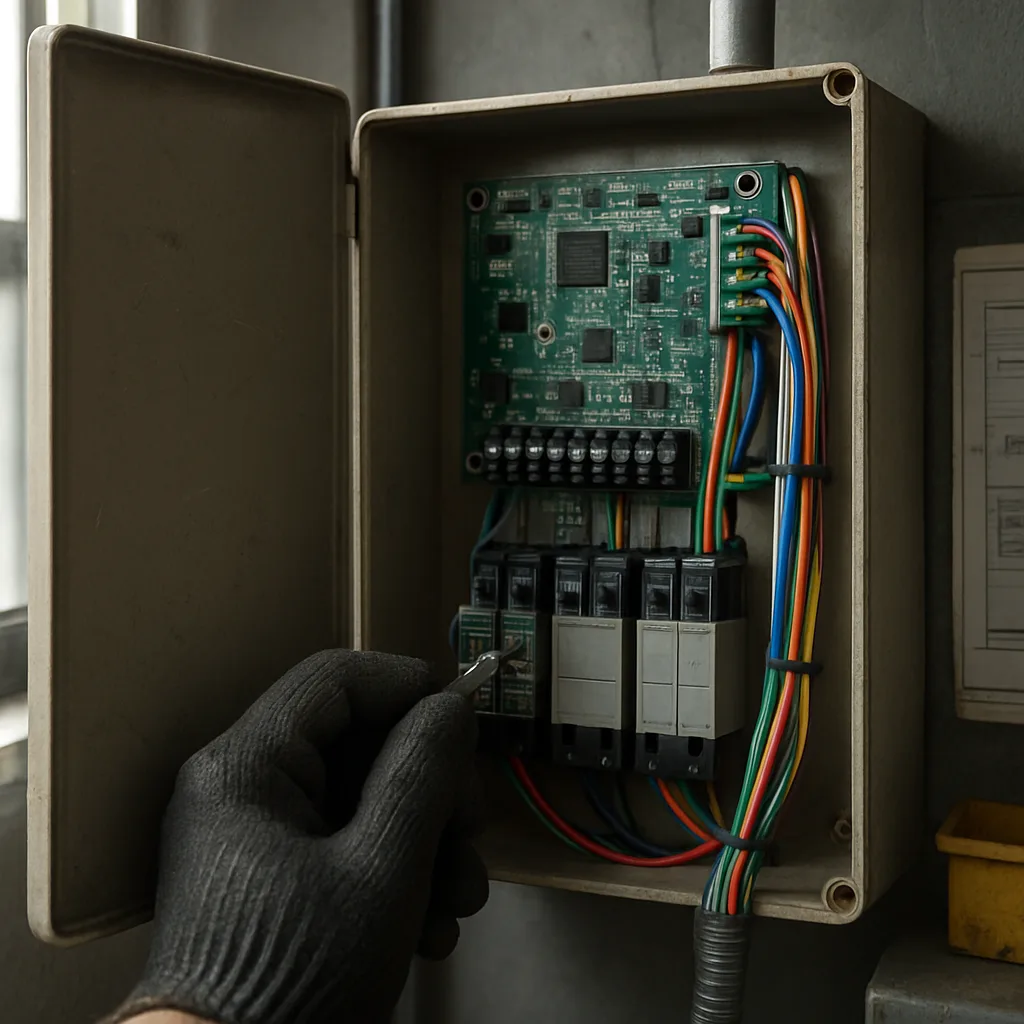
Here’s the thing about building automation and controls: when it’s working, nobody thinks about it. When it’s not, everybody in the building notices. We get calls from Sunnyvale property managers who can’t explain why the front office is freezing while the back warehouse feels like an oven. Usually it’s the same thing, a controls system that’s either outdated, miswired, or was never programmed right for how the space gets used.
- Staff manually adjusting thermostats or overriding schedules throughout the day
- Rooftop units or boilers cycling on and off more than they should
- No way to check or adjust building temperature without walking to each unit
- Energy bills climbing even though occupancy and hours haven’t changed
- Different zones fighting each other, one area calling for heat while another calls for cooling
Sunnyvale has a mix of older commercial buildings and newer light-industrial space, and both run into this. Older buildings, we often find pneumatic or first-generation digital controls that were never upgraded when the mechanical equipment got replaced. Newer buildings, the controls are modern but nobody set the schedules up to match the actual business hours. Either way, the fix starts with someone looking at how the system is wired and programmed, not guessing.
Building Automation vs. Smart Thermostats: Which One Fits
Here’s the honest answer nobody wants to give you: not every building needs building automation controls. If you’ve got a single rooftop unit running one open office space in Sunnyvale, a smart thermostat installation might be all you need. Set it, schedule it, done.
Building automation earns its keep when you’ve got multiple zones, multiple pieces of equipment, or a building where different tenants or departments need different temperatures at different times. Think a strip center with several suites, a multi-unit office building, or a facility running rooftop units alongside exhaust fans and make-up air systems. One thermostat can’t coordinate all that. It wasn’t built to.
We get calls from owners who bought a fancy smart thermostat, hoping it would fix uneven temps across a building with three separate air handlers. It won’t. A thermostat controls one zone, one system. It has no idea what the unit two rooms over is doing.
- One or two zones, single tenant, simple schedule: a smart thermostat usually covers it
- Multiple RTUs, mixed-use tenants, or after-hours scheduling needs: that’s a controls conversation
- Chasing energy waste across a whole building instead of one room: controls give you the visibility a thermostat can’t
So before you spend money either direction, walk your building and count your systems. If it’s one unit and one thermostat’s worth of space, save yourself the complexity. If you’re juggling several units, tenants, or schedules, that’s where building automation controls pays for themselves in fewer wasted equipment hours and less staff time chasing complaints.
When Basic Zoning or a Smart Thermostat Is Enough
Not every commercial space in Sunnyvale needs a full building automation system. If your building runs on one or two rooftop units, a networked BAS platform is usually more infrastructure than the space warrants. Small retail storefronts along Collins Road, single-suite offices off Belt Line Road, and standalone restaurants often fall into this category. In these cases, a quality commercial-grade smart thermostat, or a basic zoning damper system paired with a programmable controller, delivers most of the comfort and energy savings a full BAS would provide, at a fraction of the cost and without the ongoing service contract.
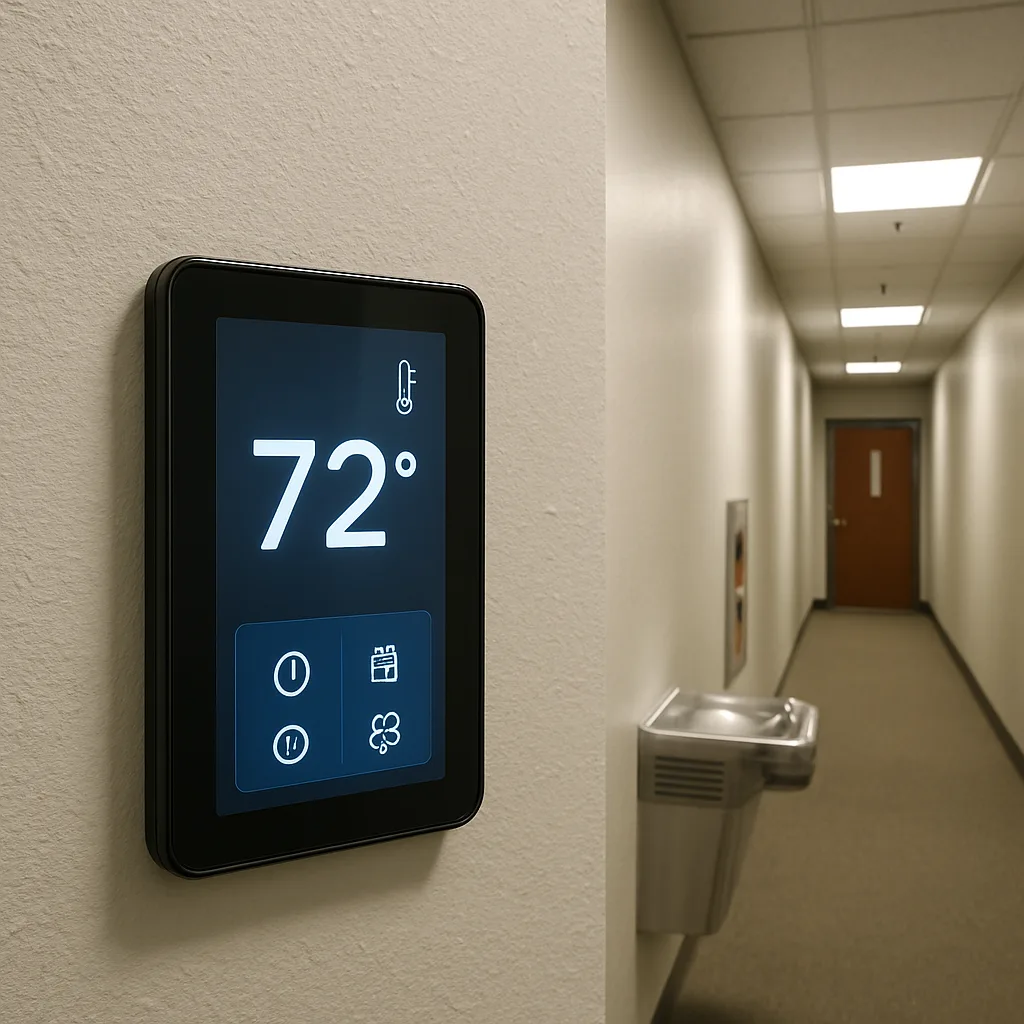
The line between ‘needs a BAS’ and ‘needs a thermostat’ usually comes down to the number of pieces of equipment that need to talk to each other. If you have one RTU serving an open floor plan, or two units split between a front and back zone, there is nothing to integrate. A smart thermostat with occupancy scheduling, remote access, and basic reporting covers the same ground a BAS would cover for that equipment count, without adding a proprietary controls network to maintain.
A lot of what building owners assume requires a controls contractor is routine maintenance that in-house staff or a regular HVAC service provider can handle. This includes:
- Swapping air filters on a recommended schedule to maintain airflow and efficiency
- Adjusting thermostat setpoints and occupied hours as business hours change
- Resetting a tripped breaker or an unresponsive thermostat display
- Updating holiday or seasonal schedules directly on a smart thermostat’s app or panel
- Basic battery replacement or firmware updates pushed by the thermostat manufacturer
None of that requires a controls specialist, and paying for one to handle it is an unnecessary recurring cost for a small footprint building.
That said, it is worth being clear about where the DIY line sits. A single smart thermostat is a reasonable owner-managed device. A true BAS, one that ties together multiple RTUs, exhaust fans, lighting relays, and possibly life-safety interlocks, is not something to piece together with off-the-shelf controllers. Integration missteps can create airflow imbalances, trip code compliance issues with Sunnyvale’s building and energy inspectors, or void equipment warranties. Once a project involves multiple systems talking to each other, it moves out of thermostat territory and into licensed controls contractor territory, even if the building itself is still relatively small.
Ready when you are – get in touch today.
Call Today, Get Service Today. Xtreme Air Services is ready to help.
What Happens From Site Assessment to Commissioning
A building automation project in Sunnyvale typically unfolds in six stages, each building on the last. Skipping steps or rushing the early assessment is the most common reason systems underperform once occupied, so a thorough process upfront saves money and headaches later.
- Site assessment and scope: A technician walks the property, documents existing HVAC equipment, electrical panels, and control points, and notes the age and condition of ductwork, thermostats, and wiring. Older Sunnyvale office parks and retail centers built in the 1980s and 1990s often have pneumatic or first-generation DDC controls that need full replacement rather than integration.
- Design and proposal: Based on the assessment, the team drafts a control sequence, points list, and network architecture, then presents a proposal outlining equipment, labor, and expected energy savings tailored to the building’s actual layout and usage patterns.
- Installation: Sensors, thermostats, dampers, and controllers are mounted, and low-voltage wiring is run between devices and the central panel. Where existing wiring is outdated or ductwork is undersized, this phase expands to include remediation before controls can be added.
- Startup and testing: Each device is powered on individually and checked for correct addressing, communication, and response to commands before the system is tied together as a whole.
- Commissioning across a full heating and cooling cycle: The system is monitored through at least one heating cycle and one cooling cycle to confirm setpoints, schedules, and equipment staging behave correctly under real seasonal conditions, not just in a lab test.
- Handoff and training: Building staff receive hands-on instruction on the dashboard, alarm notifications, schedule overrides, and basic troubleshooting so they can manage the system confidently day to day.
The condition of existing infrastructure has an outsized effect on timeline and cost. A building with clean, labeled wiring and sound ductwork might move from assessment to commissioning in a few weeks. A building with deteriorated pneumatic tubing, undocumented zoning changes, or leaky ducts will need additional diagnostic time and possibly ductwork repair before controls can deliver accurate results. Being upfront about this during the site assessment prevents surprise change orders mid-project.
How Building Automation Projects Are Priced
Unlike swapping a thermostat or replacing a single sensor, building automation work in Sunnyvale is almost never priced as a flat-rate service call. Every facility has a different mix of equipment, wiring age, and control logic, so contractors typically generate a scope-based estimate after walking the site. This means two buildings of similar square footage can receive very different quotes depending on how their systems were originally installed and how much of the existing infrastructure can be reused.

In a town like Sunnyvale, where the building stock ranges from older strip retail and small manufacturing shells to the newer light industrial and warehouse space going up along the U.S. 80 corridor, this variability is significant. Older buildings often carry pneumatic controls or first-generation DDC systems that require more labor to integrate, while newer construction may already have modern BACnet or Niagara-based infrastructure that simplifies the upgrade path.
- Number of points and zones being monitored or controlled, since each additional sensor, damper, or valve adds programming and wiring labor
- Integration complexity when tying together HVAC, lighting, metering, or access control from different manufacturers into one platform
- Condition of existing wiring and devices, which determines how much can be reused versus replaced outright
- Permits and code corrections required by the Town of Sunnyvale building department, particularly on older systems that predate current IECC energy standards
- Software and platform licensing costs tied to the specific BAS front end being installed or expanded
Because of these variables, a legitimate contractor will rarely give a binding number over the phone. Instead, expect a site visit, a review of existing panel schedules and drawings, and a written scope outlining exactly which points and sequences are included. This protects the building owner from change orders later and gives a clearer picture of long-term maintenance costs, not just installation price.
In short, BAS pricing is driven by scope rather than square footage alone, factoring in point count, integration difficulty, wiring condition, permitting, and licensing. Property owners comparing quotes should confirm each proposal covers the same points and sequences of operation before judging cost differences. For a closer look at typical price ranges and what influences them, ask us for a written breakdown by project size and system type.
Frequently Asked Questions
Common questions about Building automation / controls
How do I know if my Sunnyvale building needs full building automation controls instead of a smart thermostat?
You need building automation controls once more than one rooftop unit or system has to work together. A single suite off Belt Line Road with one RTU is fine with a smart thermostat. But a strip center with several tenants, or a building running exhaust fans and make-up air alongside rooftop units, needs controls that coordinate everything. Count your equipment first. One unit, one thermostat usually solves it. Multiple units or mixed schedules is where automation earns its keep. If you are putting in a brand new system rather than repairing one you already have, that is a different project. See our building automation system installation page.
What happens when someone comes out to look at my building’s controls system?
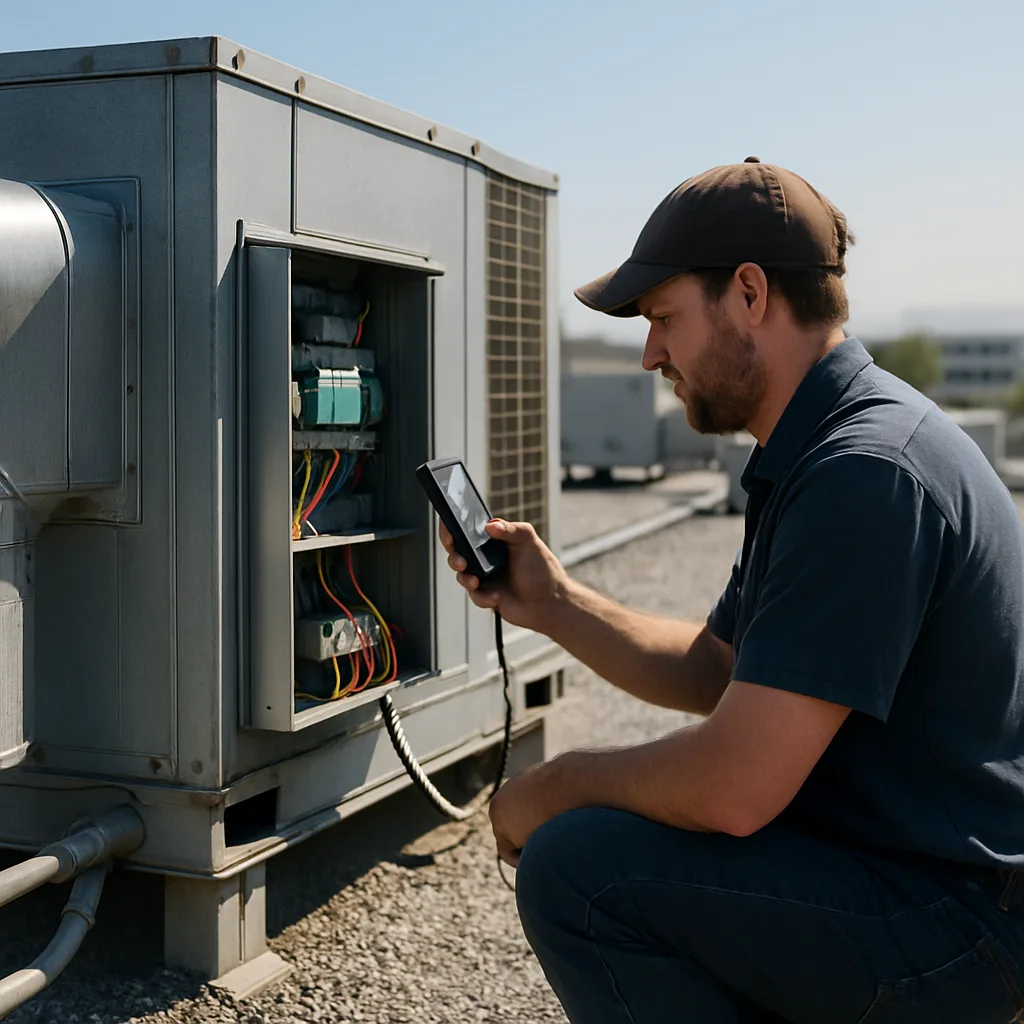
We start by tracing how your system is wired and programmed before touching anything. That means checking each zone, seeing how the rooftop units or boilers are scheduled, and finding out if staff are manually overriding thermostats to compensate for a bad setup. Most uneven temperature complaints in Sunnyvale buildings trace back to programming that never matched the actual business hours, not broken equipment. You’ll get a clear picture of what’s causing the imbalance before any work starts.
How fast can I get someone out if my building’s temperature control is way off?
We prioritize calls where staff are manually adjusting thermostats all day or a building is running way hot or cold in different zones, since that usually points to equipment short-cycling. Once we’re on site, most controls issues get diagnosed the same visit. Sunnyvale has a mix of older buildings with outdated pneumatic controls and newer buildings with modern but poorly scheduled systems, so we come ready to check both wiring and programming right away.
Why does my Sunnyvale building run hot in one area and cold in another?
This almost always means your zones are fighting each other, one area calling for heat while another calls for cooling at the same time. It happens a lot in Sunnyvale’s older commercial buildings where controls were never upgraded after the mechanical equipment got replaced. It also shows up in newer buildings where the schedules were never set to match how the space is used. A wiring and programming check usually finds the exact cause.
Can I maintain my building’s controls myself, or do I need a specialist?
You can handle basic tasks yourself, like swapping filters, updating thermostat schedules, or resetting a tripped breaker. Those don’t need a controls contractor. But once your building has multiple rooftop units, exhaust fans, and lighting relays all tied together, that’s true building automation territory. Piecing that together with off-the-shelf controllers can create airflow imbalances or trip compliance issues with Sunnyvale inspectors. Multiple systems talking to each other means it’s time to call a licensed controls specialist.
Can older Sunnyvale buildings with outdated pneumatic controls be upgraded to modern building automation?
Yes, older Sunnyvale buildings with pneumatic or first-generation digital controls can be retrofitted to modern automation. This is one of the most common calls we get, since a lot of these buildings had their mechanical equipment replaced over the years without ever updating the controls that run it. The retrofit starts with mapping the existing wiring against the current equipment, then programming the system to match how the building is used today.
Ready to Get Started?
Call 972-288-2263 Today, Get Service Today.