


Mechanical System Commissioning in Sunnyvale: Prove Your System Works
Design drawings checked against installed equipment and staged testing run before handover – proof the system performs, not an assumption that it does.
What’s Covered on This Page
- What Mechanical System Commissioning Verifies
- Startup vs. Full Commissioning: Know the Difference
- When You Don’t Need Full Commissioning
- The Commissioning Process, Step by Step
- Testing Cooling Systems Under Sunnyvale’s Summer Heat Load
- How long does mechanical system commissioning take?
- What should I expect when your technician arrives for a commissioning visit?
- Do I need full commissioning for a single furnace and condenser replacement in Sunnyvale?
- What’s the real difference between startup and commissioning?
- What happens if commissioning finds a bad part or failed component?
What Mechanical System Commissioning Verifies
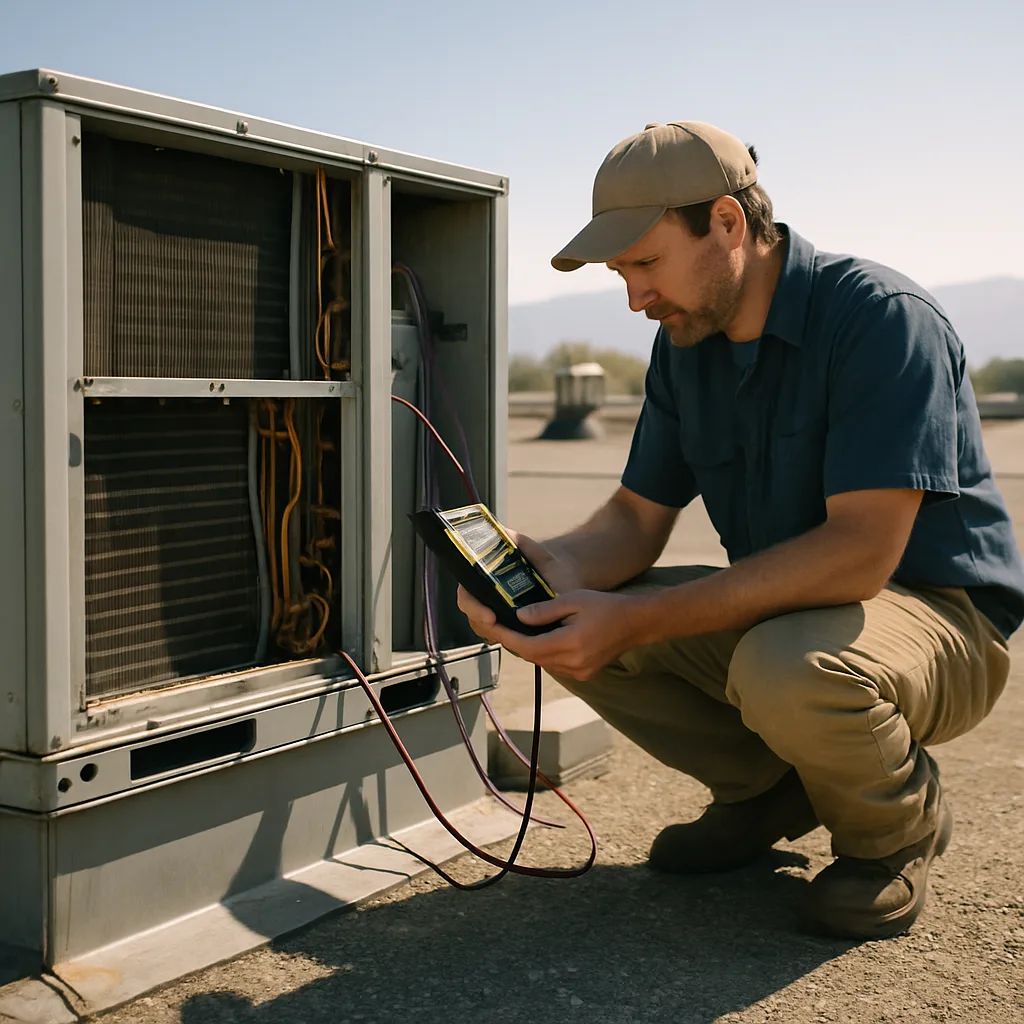
Here’s what people often get wrong: commissioning isn’t a repair call. It’s a checkup with paperwork. We run the system through its operating sequence, watch how every part responds, and record what we find. A pump that misses its rated flow shows up in the report. So does a control sequence that’s off by a few degrees.
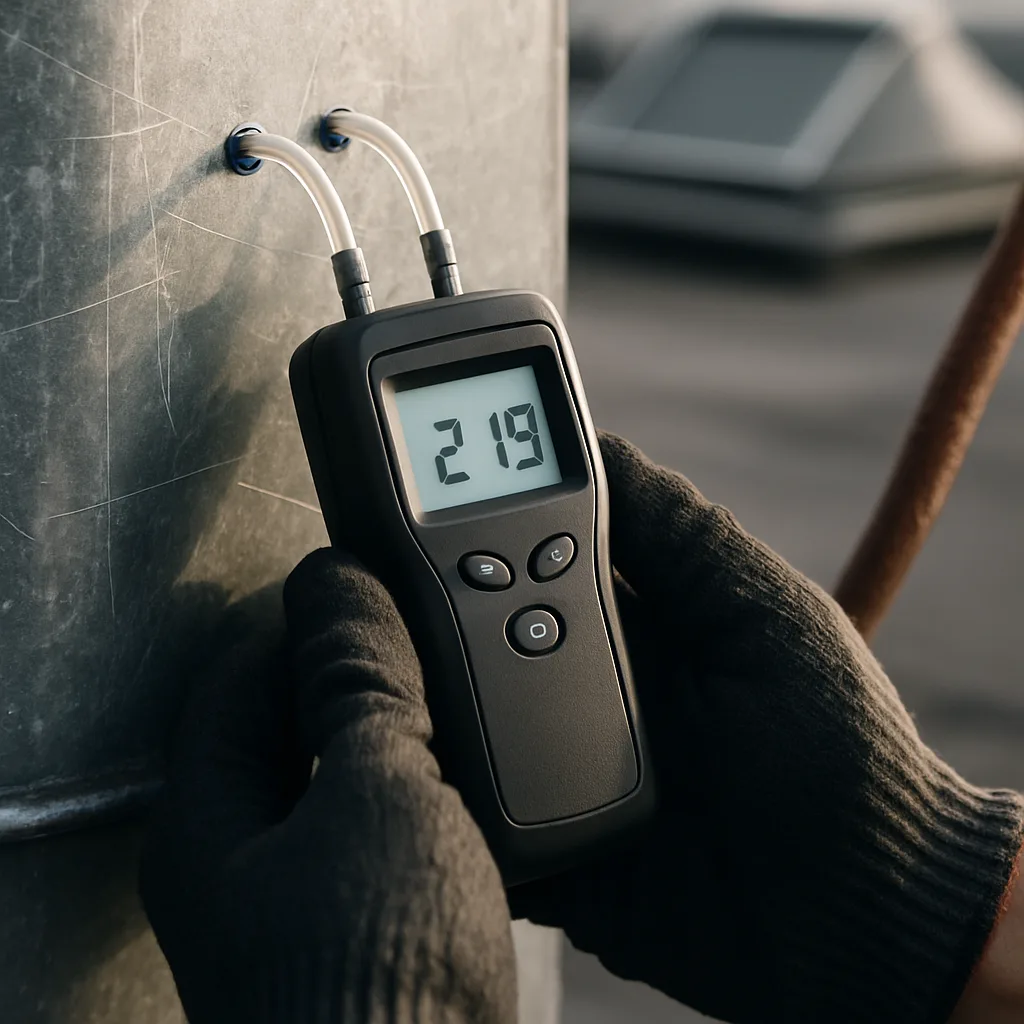
What gets checked? We measure airflow balance across the ductwork and take temperature readings at key points. We check whether the system responds correctly when a setpoint changes. We also test safety shutoffs, interlocks, refrigerant charge, and subsystem coordination. That coordination matters when several pieces of equipment communicate with each other.
- Functional testing of the equipment under real operating conditions
- Tuning adjustments that bring performance in line with the design
- A written commissioning report you can keep and reference later
- Verification that controls and safety devices respond correctly
One thing we tell you upfront: a bad part or failed component found during commissioning requires a separate conversation. Commissioning covers testing, tuning, and the report. It doesn’t automatically include repairs or replacement parts found along the way. Xtreme Air Services is a licensed and insured mechanical contractor. When our report says something needs repair, that finding comes from a real inspection rather than a hunch.
Startup vs. Full Commissioning: Know the Difference
This is where many people get confused, and we don’t blame them. A technician flips a switch, the unit hums to life, and everyone assumes that’s commissioning. It isn’t.
Startup is the first ten minutes. It checks that one piece of equipment turns on, runs, and doesn’t trigger an alarm. Commissioning covers the whole job. It checks whether every subsystem communicates correctly and whether the complete mechanical system meets its design performance numbers.
- Startup checks one piece of equipment. Commissioning checks the whole system working together.
- Startup confirms it runs. Commissioning confirms it runs correctly under a real load.
- Startup takes minutes. Commissioning includes functional testing, tuning, and a written report you can keep.
- Startup skips documentation. Commissioning leaves a paper trail for inspectors, owners, or your own records.
We see this in older commercial buildings around Sunnyvale. A rooftop unit gets replaced, but nobody checks how it interacts with the building’s other controls. The new unit runs fine by itself. The problem appears three weeks later when the neighboring zone won’t hold its temperature.
Which one do you need? Startup may be enough after installing one piece of equipment when you only need to confirm it isn’t defective. Full commissioning fits new construction, multiple subsystems, or a system built to meet a specific design specification. Many people who call about startup find that they need the full system check.
When You Don’t Need Full Commissioning
Not every mechanical job needs full commissioning. We’ll be straight about that.
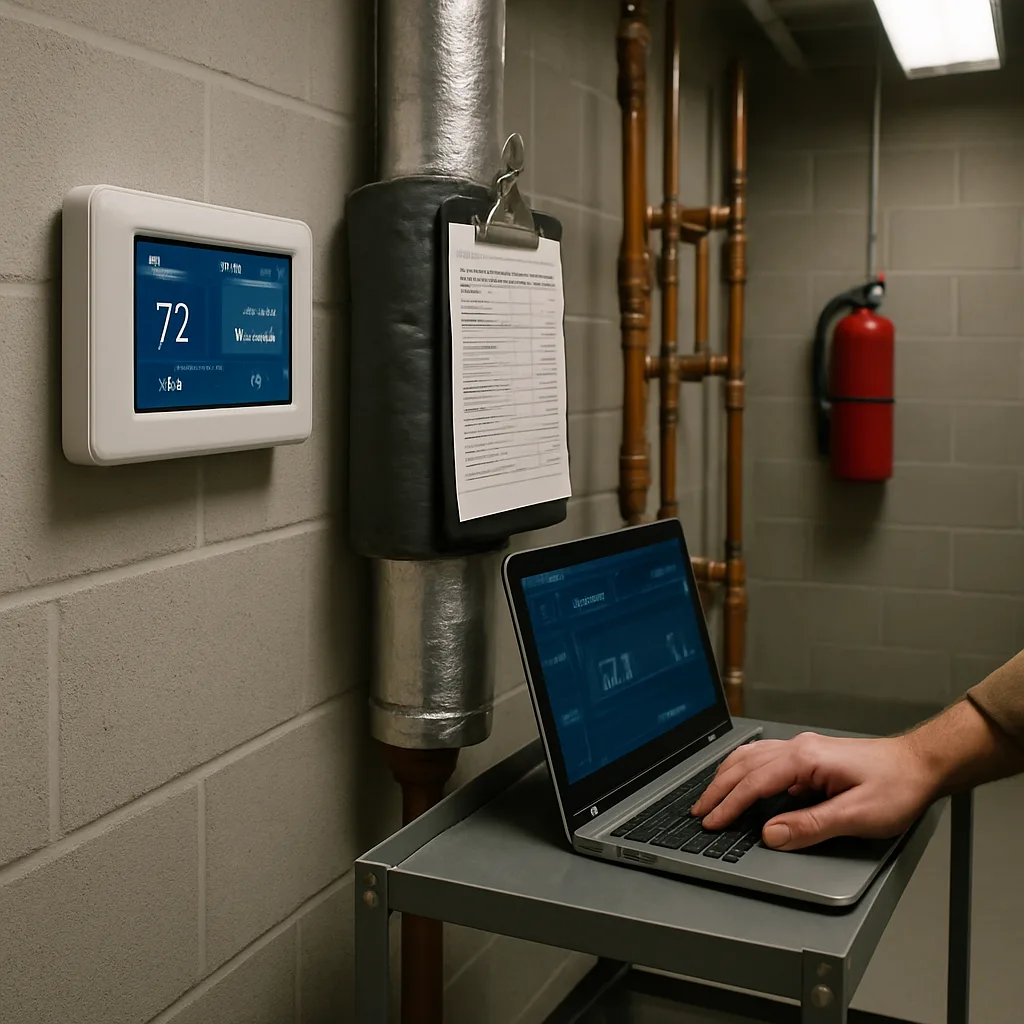
Say you are swapping a single furnace and condenser in a small Sunnyvale building off FM 1389. Your installer should run startup checks during the installation. Those checks cover refrigerant charge, airflow, and safety controls. That’s standard practice, not commissioning. Paying extra for a formal report on a single-zone equipment swap usually does not make sense. The system isn’t complex enough to justify that scope.
A basic equipment replacement does not need a commissioning report.
Commissioning pays off when several parts of a building must work together. That could mean a boiler connected to a hydronic loop or several rooftop units serving separate zones. It may also include a building automation system that connects everything to one panel. A single mini-split cooling your garage workshop doesn’t need commissioning. It needs a proper installation and startup check. We often hear from people asking about commissioning when they need a repair or tune-up. 80 six days a week.
If your system runs properly and only needs seasonal service, book a maintenance call. That’s different from commissioning. A furnace that lights and heats the space does not need a commissioning review.
We’d rather tell you that your job needs a simple installation or repair than sell you work you don’t need. That’s doing right by our customers.
Ready when you are – get in touch today.
Call Today, Get Service Today. Xtreme Air Services is ready to help.
The Commissioning Process, Step by Step
Commissioning isn’t one visit with a clipboard. It’s a sequence, and a skipped step can hide a problem for months. We follow the same order each time because every stage builds on the one before it.
- Design review. We compare the mechanical drawings and equipment specifications with the installed equipment.
- Startup and pre-functional checks. We power up the equipment and confirm wiring, refrigerant lines, and connections are correct. These checks happen before the system runs under load.
- Functional testing. We run every operating mode, including heating, cooling, and staged operation. Then we watch how the controls respond.
- Trend review. Some problems appear over several hours rather than a few minutes. We monitor system behavior over time instead of relying on one snapshot.
- Tuning. We adjust setpoints, calibrate sensors, and balance airflow so each space receives what the design calls for.
- Documentation. You receive a written commissioning report with the test results and any items that still need attention.
The report covers functional testing, tuning, and the final results. If testing finds a failed contactor, faulty sensor, or another needed repair, that work gets a separate scope. We don’t add surprise repairs to a commissioning visit without discussing them with you first.
Most jobs move through the full sequence in days, not weeks.
Testing Cooling Systems Under Sunnyvale’s Summer Heat Load
August in Sunnyvale doesn’t play around. When temperatures stay near 100 degrees for weeks, a mechanical system either keeps up or it doesn’t. That’s when commissioning proves its value. A unit can look fine on installation day with sealed ductwork, proper refrigerant charge, and a labeled breaker. It can still struggle under a real Texas summer heat load.

Many cooling problems aren’t wiring mistakes. They’re capacity mismatches that appear only under heavy demand. We test systems against their design tonnage when outdoor conditions are close to peak load. A mild 78-degree morning won’t show how the equipment handles August.
- Static pressure across the duct system, checked against design specifications to see whether airflow becomes restricted under high demand
- Refrigerant charge and superheat or subcooling readings, confirmed at or near peak outdoor temperature
- Supply and return air temperature split, verified room by room rather than only at the equipment
- Condenser and compressor amp draw, recorded to catch a unit working harder than it should
- Control sequences and staging, tested through a full cycle instead of a quick power-on check
Plenty of Sunnyvale buildings run air handlers in unconditioned mechanical spaces, and a North Texas roof deck pushes those areas well past 130 degrees in summer. That heat load is not a footnote, it is part of the test. A commissioning report that ignores it does not tell you how the system will actually perform in July.
The answer is simple: without testing under a real heat load, you don’t know how the system will perform when demand peaks.
Xtreme Air Services records every reading in the commissioning report, so you don’t have to take anyone’s word for it. The numbers show how your system performs under real conditions.
Frequently Asked Questions
Common questions about Mechanical system commissioning
How long does mechanical system commissioning take?
Commissioning takes longer than a single visit because it covers design review, startup checks, functional testing, and a trend review over time. Simple systems may wrap up in a day or two. Buildings with several rooftop units or a building automation system often need multiple visits so we can watch how the equipment behaves under real load. We won’t rush the trend review step, since some control problems only show up after several hours of run time.
What should I expect when your technician arrives for a commissioning visit?
You should expect us to start with the mechanical drawings before we touch the equipment. We compare the design specs to what’s installed, then move into startup and pre-functional checks. After that, we run the system through heating, cooling, and staged operation while we watch how the controls respond. You’ll get a written report at the end, not just a verbal thumbs-up.
Do I need full commissioning for a single furnace and condenser replacement in Sunnyvale?
No, a single furnace and condenser replacement usually doesn’t need full commissioning. We see this often on smaller buildings off FM 1389, where a straightforward equipment swap only calls for standard startup checks on refrigerant charge, airflow, and safety controls. Full commissioning makes sense when several pieces of equipment need to work together, like a boiler tied into a hydronic loop or multiple rooftop units serving different zones.
What’s the real difference between startup and commissioning?
Startup checks that one piece of equipment turns on and runs without tripping an alarm. Commissioning checks whether your whole mechanical system hits its design performance numbers together. We see this trip people up in older commercial buildings around Sunnyvale, where a replaced rooftop unit runs fine on its own but throws off a neighboring zone’s temperature weeks later because nobody tested how the systems talk to each other.
What happens if commissioning finds a bad part or failed component?
If we find a failed contactor, faulty sensor, or another bad part during testing, that becomes a separate repair conversation. Commissioning covers functional testing, tuning, and the written report, but it doesn’t automatically include fixing what we find. As a licensed and insured mechanical contractor, we base every finding on an actual inspection, so you know exactly what’s wrong before you decide on next steps.
Ready to Get Started?
Call 972-288-2263 Today, Get Service Today.