

Building Mechanical Upgrades in Sunnyvale: One Team for HVAC, Controls, and Ventilation
HVAC, controls, and ventilation upgraded as one connected system – so a new rooftop unit is not fighting a control sequence written for the equipment you just removed.
What’s Covered on This Page
- Signs a Commercial Building Needs Mechanical Upgrades
- One Licensed Contractor for HVAC, Controls, and Ventilation
- When a Repair Call Beats a Full Upgrade
- How Mechanical Upgrade Pricing Is Structured
- What to Expect From Assessment to Startup and Testing
- How fast can you get someone out to look at our building’s mechanical systems in Sunnyvale?
- What happens when your team shows up to check our mechanical systems?
- What mechanical problems come up most in Sunnyvale’s older commercial buildings?
- How do I know if my building needs a repair or a full mechanical upgrade?
- Do mechanical upgrades in Sunnyvale need a permit?
Signs a Commercial Building Needs Mechanical Upgrades
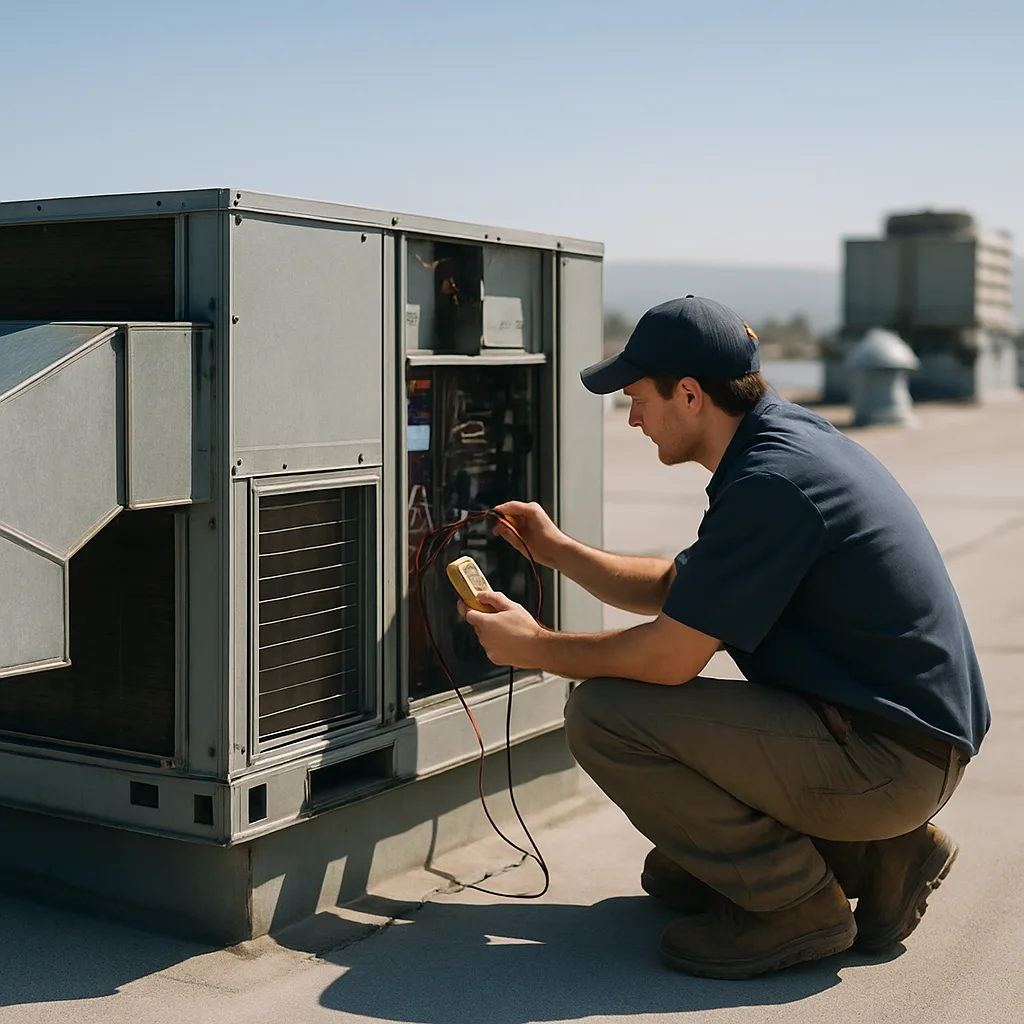
We often get called out for the same handful of complaints. Building mechanical upgrades don’t usually start when an owner decides to spend money on new equipment. They start with something annoying, such as a tenant calling about a stuffy conference room. The electric bill may jump forty dollars for no clear reason. You start asking questions, and that’s when the underlying problems show up.
- Energy bills climbing year over year even though usage hasn’t changed
- Rooftop units running constantly while rooms still feel stuffy or uneven
- Frequent repair calls on the same equipment, sometimes months apart
- Old ductwork or controls that can’t zone different areas of the building
- Equipment older than 12 to 15 years still running on original parts
- Noticeable drafts, humidity, or odor complaints from tenants or staff
Not sure if what you’re seeing counts? That’s common. A single loud rooftop unit might just need a repair. If three or four of these signs appear at once, the whole system may be falling behind. The problem may not be limited to one part.
Sunnyvale has small offices, retail spaces, and older commercial buildings. Much of that older building stock still uses mechanical systems installed decades ago.
One Licensed Contractor for HVAC, Controls, and Ventilation
Here’s what we see go wrong on many mechanical upgrade jobs. Someone hires one company for the HVAC swap, another for the controls, and a third for the ductwork. Then one part doesn’t communicate with another, and everyone points fingers. Xtreme Air Services handles this work under HVAC License #TACLA29023C. The same team manages the HVAC equipment, controls, and ventilation from day one.
That matters more than it may seem. A rooftop unit depends on controls that tell it when to run. It also needs ductwork that supplies the right airflow. Split those parts across different crews, and you’re stuck coordinating schedules. You may also have to sort out who is responsible for a problem.
- Equipment selection matched to your building’s actual load, not a one-size guess
- Controls programmed for the new system from the start, not bolted on afterward
- Ductwork and ventilation sized for the airflow the new equipment requires
- One point of contact for scheduling, permits, and questions during the job
In Sunnyvale, a mechanical upgrade may need permit sign-off, especially when electrical or structural work is involved. Code and permit requirements can affect the cost. They are easier to manage when one contractor owns the full scope rather than following three separate permit trails. Before you sign anything, ask who is responsible if the controls don’t match the equipment. The answer shows whether you’re hiring one accountable team or three companies relying on each other to get it right.
When a Repair Call Beats a Full Upgrade
Not every building needs a full mechanical upgrade. Sometimes one part quits while the rest of the system is fine.
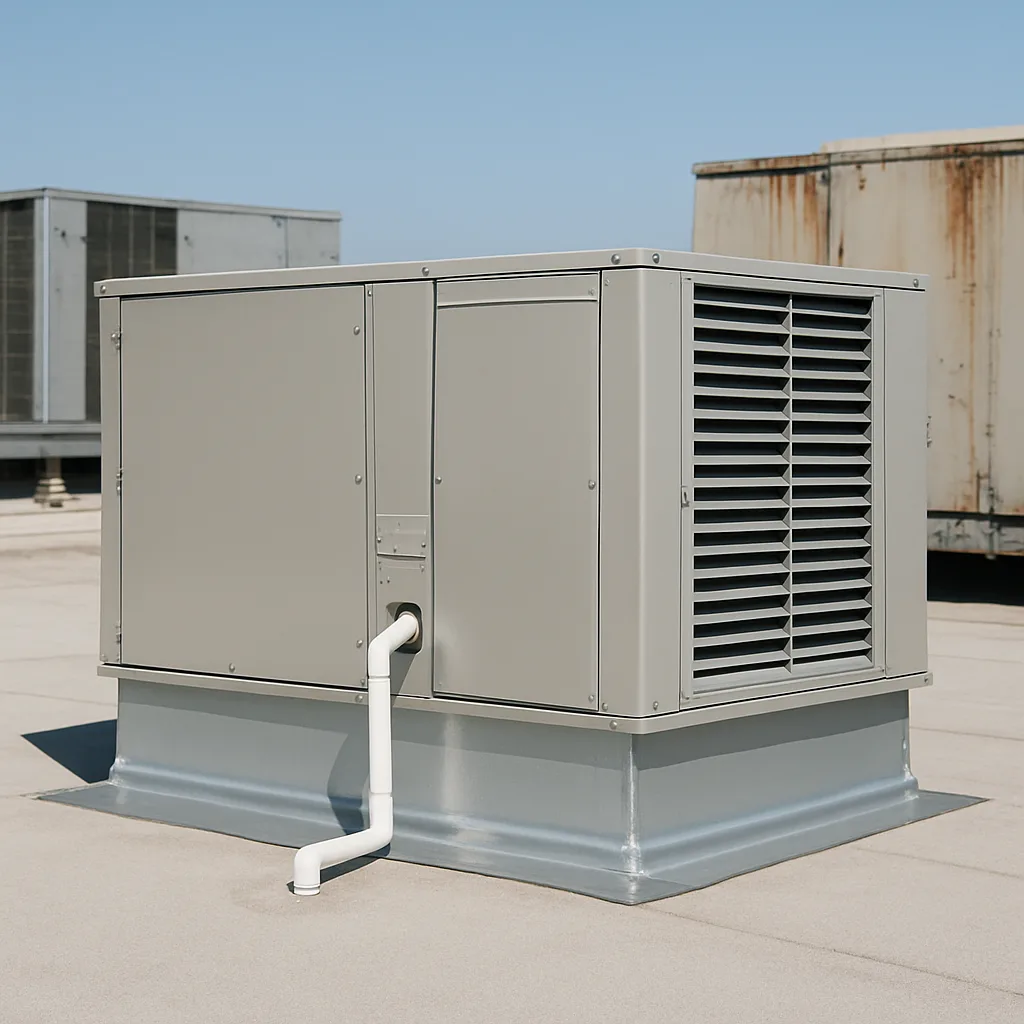
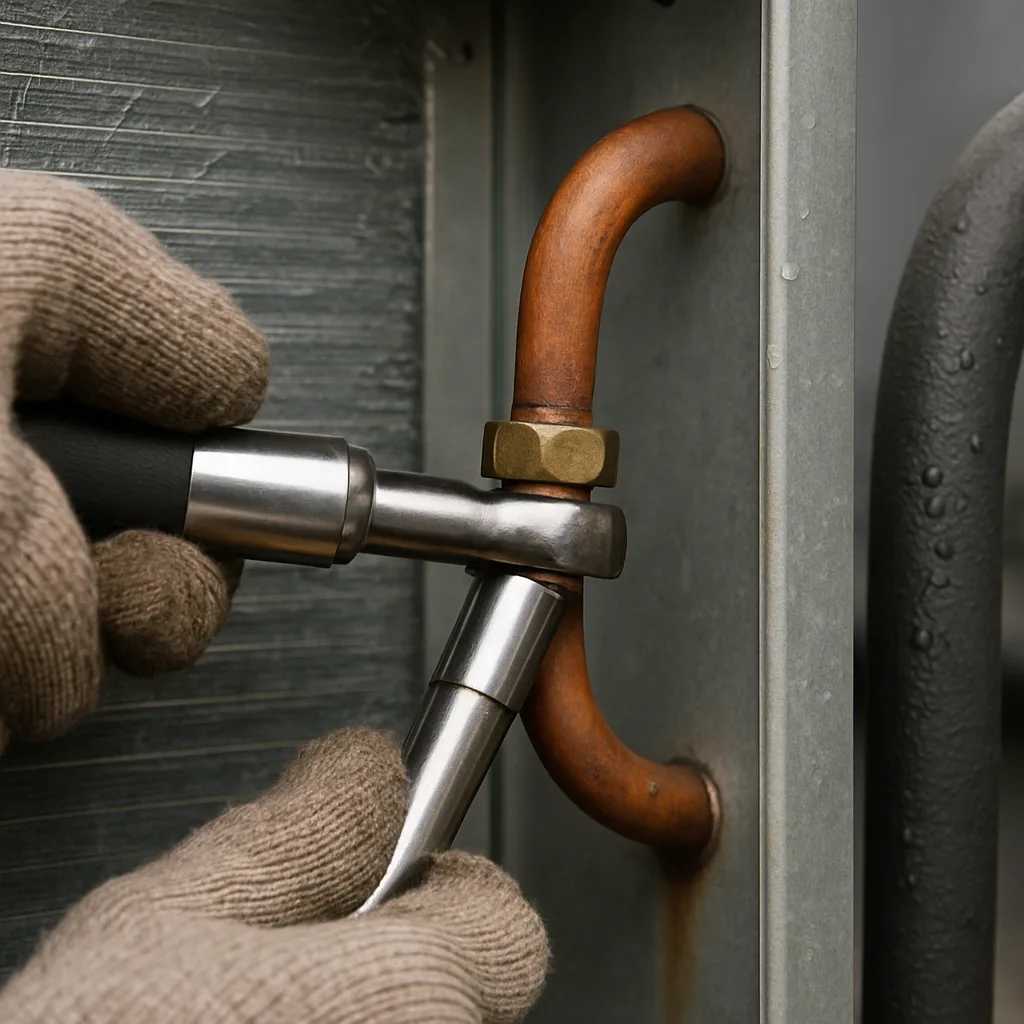
We see it every week: a rooftop unit trips on a bad capacitor or a blower motor burns out. A control board may also fail after a storm. That’s a repair. Replace the part, test the system, and move on. A targeted repair usually works when the equipment is under fifteen years old and still holds its efficiency rating. The ductwork and controls should also be working as they should. 80 six days a week.
- One system or component failed, not the whole setup
- The building’s ventilation and airflow still meet code today
- Energy bills haven’t climbed year over year
- No pending renovation, addition, or change in building use
- The rest of your equipment is inside its expected service life
When do we recommend waiting? If a single zone is acting up while the rest of your mechanical systems check out, you don’t need a bigger job. We’re not going to talk you into one.
The answer changes when you’re calling us three or four times a year for the same building. That’s not bad luck. It’s a system telling you it’s done. Repeated repairs on aging equipment may cost more over several years than one planned upgrade. Ask yourself whether this is the third capacitor this year or the first one in a decade. The answer tells you which category you’re in.
Ready when you are – get in touch today.
Call Today, Get Service Today. Xtreme Air Services is ready to help.
How Mechanical Upgrade Pricing Is Structured
Nobody can give you an honest mechanical upgrade quote over the phone. Every building and mix of systems is different. The scope affects the price more than anything else.
For most projects we see, total pricing for building mechanical upgrades runs between $5,000 and $100,000. The most common job involves upgrading HVAC, controls, or ventilation for better efficiency and performance. It usually costs between $5,000 and $48,000. The range covers a small office replacing an air handler. It also covers a larger property updating ductwork, controls, and equipment at once.
- Project scope and building size: a single-tenant retrofit costs less than work on a multi-zone building
- Systems involved: HVAC only versus HVAC with controls and ventilation
- Equipment selected: higher-efficiency units and smart controls change the price
- Code and permit requirements: older buildings sometimes need extra work to meet current code
That price includes the upgrade equipment and materials, installation, startup, and testing. It does not include unrelated trades or work outside the agreed scope. We won’t add work that wasn’t priced into the job upfront.
We charge a $26 to $99 service call fee for the visit. That fee is credited toward the job if you move forward with us. Financing is available on qualifying installations and larger jobs, subject to approved credit. A bigger upgrade doesn’t have to wait until the full budget is available.
What to Expect From Assessment to Startup and Testing
What happens once you tell us to move forward? The job involves more than swapping out a unit and walking away. A mechanical upgrade follows a set sequence. Skipping steps can leave a building with systems that don’t perform as they should.
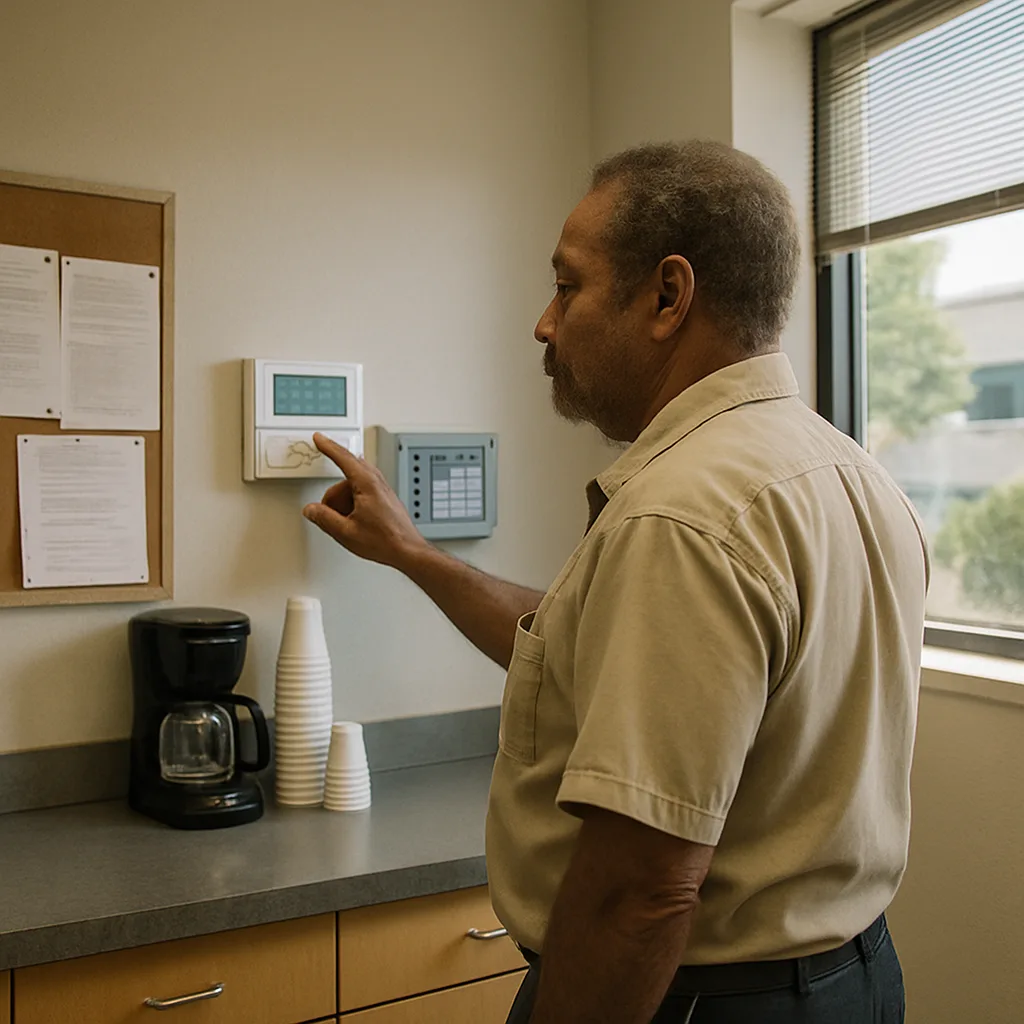
- We walk the building and check the current equipment, ductwork, controls, and how the space gets used.
- We check the load, airflow, and places where the building loses efficiency. Then we explain what needs upgrading and what can stay as-is.
- We set the scope together. Buildings with several systems take more planning than a single rooftop unit replacement.
- We pull permits when the work requires them. Code review matters for work tied to structural or life-safety systems.
- Our technicians install the new equipment, controls, and ventilation parts on the agreed schedule.
- We start the system, run it, and test it under real load before calling the job done.
Some contractors skip that last step, but they shouldn’t. Startup and testing catch small problems before they cause a callback. These might include a control communicating with the wrong unit or a damper that doesn’t seat properly.
Here’s what to know upfront: the job includes the upgrade equipment, materials, installation, startup, and testing. It doesn’t cover unrelated trades or work beyond the scope you approved. A building owner may assume a mechanical upgrade also fixes an old plumbing run in the same room. That work must be part of the plan before it is included.
Once testing is done, we walk you through the system before we leave.
Frequently Asked Questions
Common questions about Building mechanical upgrades
How fast can you get someone out to look at our building’s mechanical systems in Sunnyvale?
We schedule most Sunnyvale assessments within a few days of your call. During the visit, we check your HVAC equipment, controls, and ductwork together so you get one clear picture of what’s going on. If your building has a mix of older equipment and newer patches, that visit is where we spot the mismatches. You’ll walk away knowing whether you’re looking at a simple repair or a bigger upgrade, not just a guess over the phone.
What happens when your team shows up to check our mechanical systems?
We start by walking the building and looking at your rooftop units, ductwork, and controls as one connected system. We ask about tenant complaints, recent energy bills, and how often you’ve called for repairs. Then we check equipment age, airflow, and whether the controls match what’s installed. You get a straight answer on what’s failing, what’s still fine, and what your options are, without pressure to buy more than your building needs.
What mechanical problems come up most in Sunnyvale’s older commercial buildings?
Outdated controls and undersized ductwork are the two we see most in Sunnyvale’s older office and retail spaces. Many of these buildings still run mechanical systems installed decades ago, so the equipment can’t zone different areas or communicate properly with newer controls. That leads to stuffy conference rooms, uneven temperatures, and rooftop units that run nonstop without fixing the comfort problem. Catching this early usually means a smaller fix instead of a full system replacement later.
How do I know if my building needs a repair or a full mechanical upgrade?
A repair usually makes sense if only one part failed and everything else still works fine. If your equipment is under fifteen years old, your energy bills are steady, and this is the first breakdown in years, a targeted repair is the right call. But if you’re calling us three or four times a year for the same building, that’s a sign the whole system is falling behind, not just one part.
Do mechanical upgrades in Sunnyvale need a permit?
Yes, many mechanical upgrades in Sunnyvale need permit sign-off, especially when the work touches electrical or structural systems. Older buildings sometimes need extra work just to meet current code before new equipment can go in. Handling permits is easier when one contractor manages the whole job, since you’re not chasing down separate approvals for equipment, controls, and ductwork. That single point of contact keeps the paperwork from slowing down your project.
Ready to Get Started?
Call 972-288-2263 Today, Get Service Today.