

Mechanical System Maintenance in Sunnyvale: Keep Every System Running Right
Rooftop units, boilers and chillers on a scheduled plan across Sunnyvale’s warehouse and light industrial stock – HVAC, plumbing and electrical all caught in one visit.
What’s Covered on This Page
- What Mechanical System Maintenance Covers
- Signs a Rooftop Unit or Boiler Needs Attention
- When Maintenance Isn’t the Right Call
- What Happens During a Maintenance Visit
- How Mechanical Maintenance Pricing Works
- How quickly can you get a technician out to my building in Sunnyvale?
- What happens when your technician arrives for a maintenance visit?
- Why does one rooftop unit on my building run fine while another struggles?
- How often should mechanical systems get maintenance service?
- Does maintenance include fixing problems the technician finds?
What Mechanical System Maintenance Covers
Mechanical system maintenance is preventive service, not repair service. Technicians use a checklist to compare the equipment’s current operation with its designed performance. They verify refrigerant charge and pressures and check belts, bearings, and motors for wear. They also inspect electrical connections for looseness or heat damage. Safety controls such as high-limit switches, relief valves, and flame sensors are tested for proper operation.
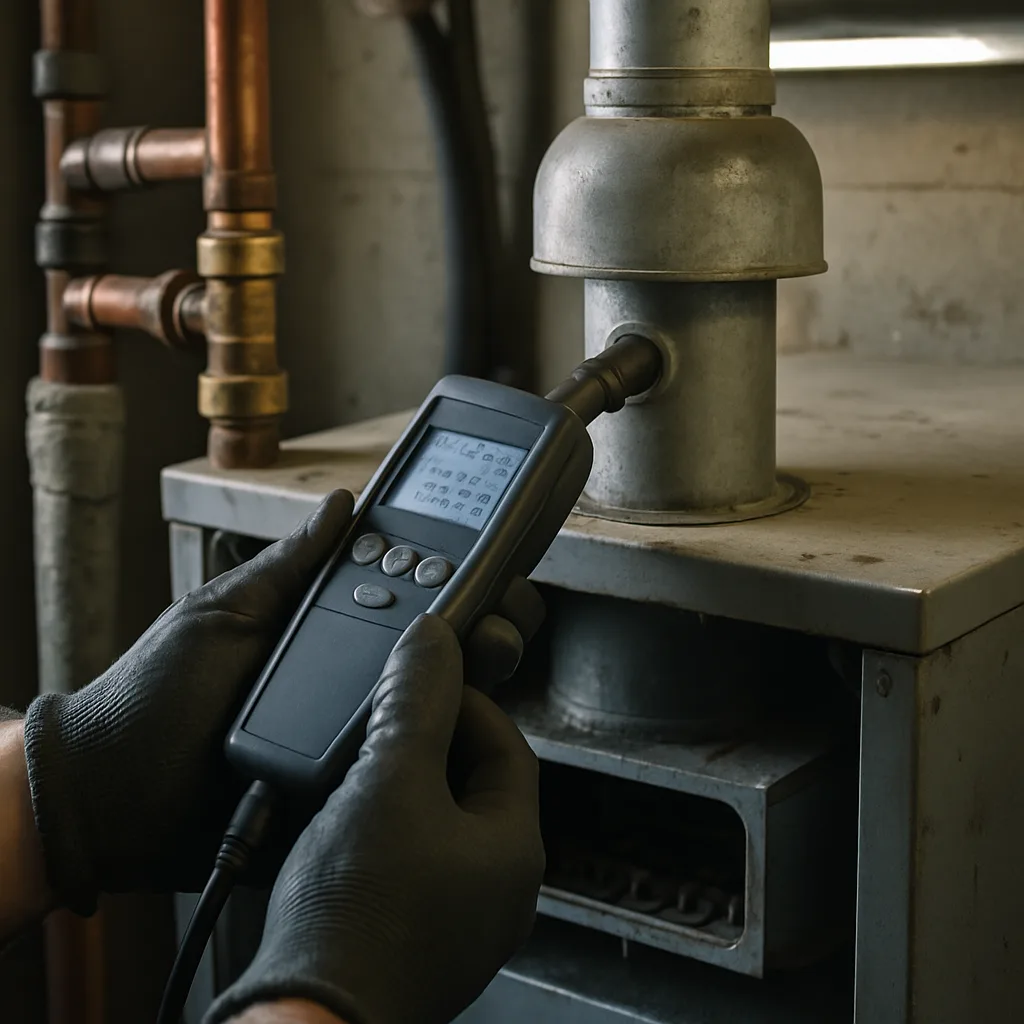
Cleaning is a major part of every visit. Coils, filters, burners, and heat exchangers collect dust, debris, and biological growth over time. That buildup reduces efficiency and strains components. A thorough cleaning brings airflow and heat transfer closer to original specifications. This directly affects energy costs and equipment lifespan. Buildings along the U.S.
- Visual and physical inspection of rooftop units, air handlers, boilers, and chillers
- Cleaning of coils, filters, burners, strainers, and condensate drains
- Performance testing of temperatures, pressures, airflow, and combustion efficiency
- Safety checks of controls, sensors, relief valves, and shutoff mechanisms
- Lubrication of moving parts, including motors, bearings, and fan assemblies
- Written documentation of findings, readings, and any recommended follow-up
You should also know what maintenance does not include. A technician may find a failing capacitor, cracked heat exchanger, refrigerant leak, or control board nearing failure. That finding is written up and priced as a separate repair proposal. Maintenance visits cover inspection and upkeep labor, along with materials such as filters or lubricant. They do not cover parts replacement, refrigerant recharge, or emergency corrective work. This separation keeps maintenance pricing predictable. It also lets you approve or decline repairs based on real findings rather than guesswork.
This basic scope applies to most commercial and industrial mechanical systems. It provides a foundation for planning service frequency and accounting for the needs of specific buildings, equipment, and climates.
Signs a Rooftop Unit or Boiler Needs Attention
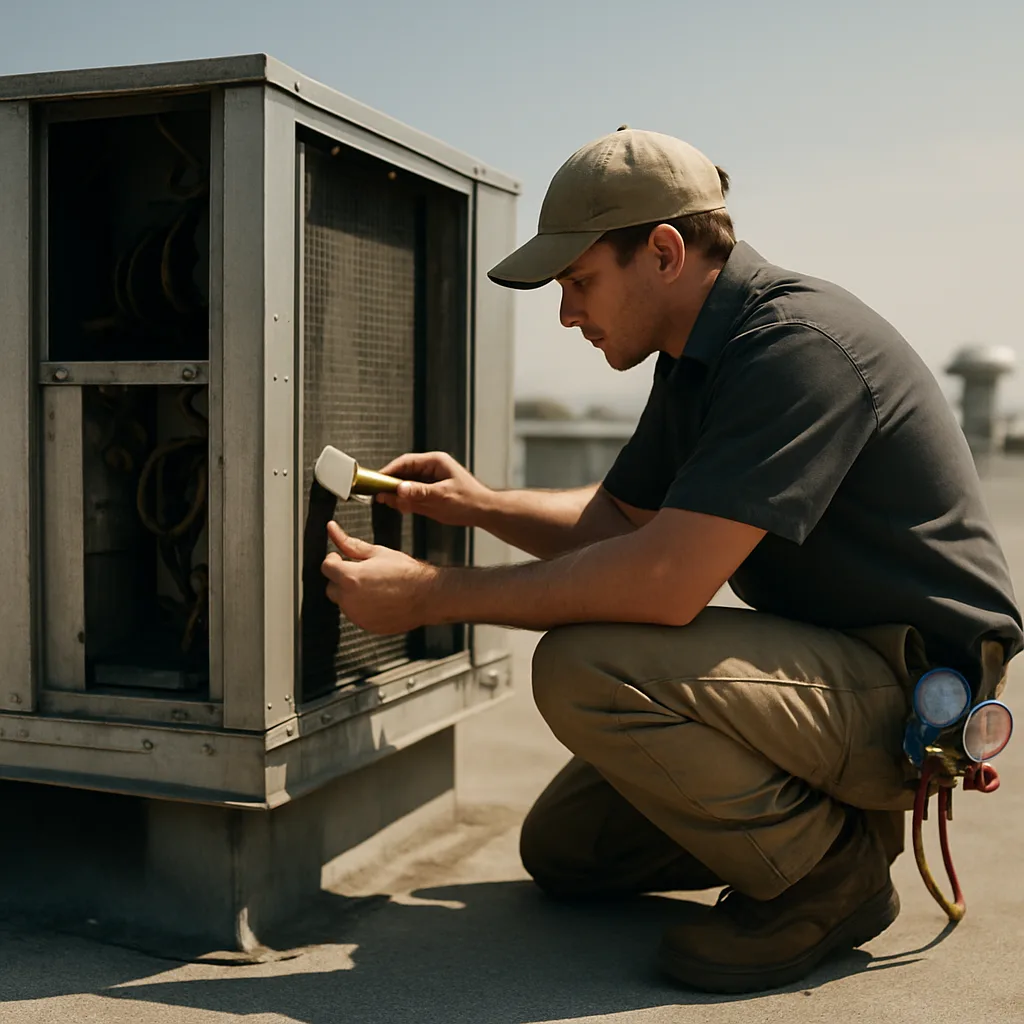
Mechanical systems rarely fail without warning. Rooftop units and boilers often send signals weeks or even months before a breakdown. Knowing what to watch for can separate a scheduled repair from an emergency shutdown during a heat wave or cold snap. Light-commercial and warehouse buildings along Sunnyvale’s US-80 corridor commonly use rooftop and package units instead of large central plants. Warning signs may appear unevenly across one roof instead of as one obvious failure.
- Reduced heating or cooling output, especially when some zones or rooms stay comfortable and others do not
- Utility bills that climb month over month without a similar change in occupancy or weather patterns
- Unusual noise or vibration from rooftop units, including grinding, rattling, or a new humming pitch
- A lease clause or insurance policy that requires documented, regular maintenance records for HVAC or boiler equipment
Many Sunnyvale warehouse and light-industrial buildings use several standalone rooftop units instead of one central system. Uneven performance is often the first clue that something needs attention. One unit may cycle normally while an adjacent unit on the same roof struggles to reach its setpoint. Building occupants may assume this is a design quirk. In many cases, it points to a failing compressor, low refrigerant, or a control board problem in that unit.
Rising utility bills also deserve attention. Dirty coils, failing bearings, or a refrigerant leak can make a boiler or rooftop unit work harder than it should. The equipment then draws more power to deliver the same output. If your energy costs are rising without an obvious explanation, have the mechanical system inspected. An inspection may catch the underlying problem before the unit fails.
Take new noise or vibration seriously. A rooftop unit that begins rattling, grinding, or vibrating differently may have loose panels, worn bearings, or a failing motor mount. Without service, a minor problem can lead to compressor or blower replacement.
Many commercial leases and insurance policies require a documented maintenance history for mechanical equipment. If your lease or policy requires proof of regular service, waiting for obvious failure signs may put you out of compliance before the equipment breaks down. 80 six days a week.
When Maintenance Isn’t the Right Call
Not every problem calls for a maintenance visit. Here’s the honest answer.
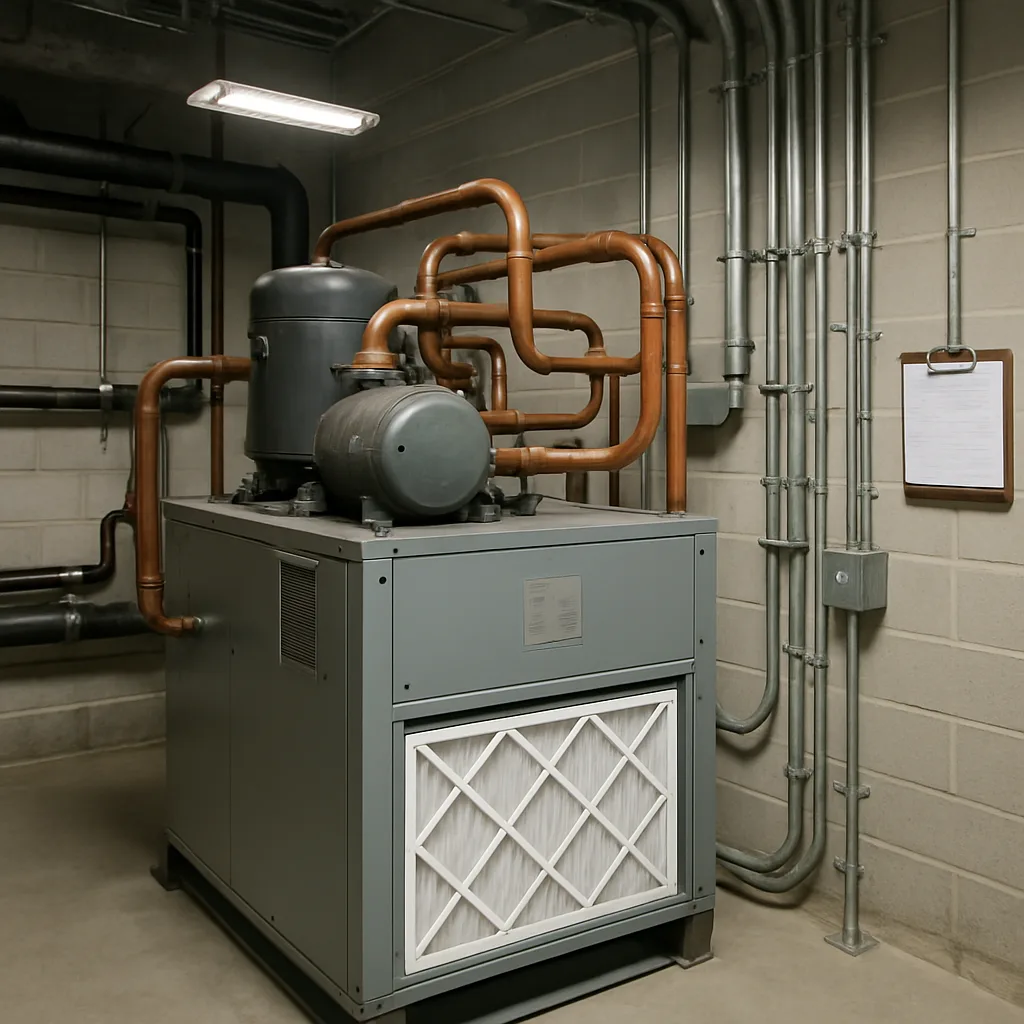
If your system was just installed, skip maintenance for now. New equipment does not need cleaning or a performance check yet. It should already be running as designed. The same applies if you have a maintenance plan and a technician visited within the last few months. Two visits that close together will not reveal much new about your equipment.
You can handle a few simple checks before picking up the phone.
- Replace a dirty air filter, which in-house maintenance staff can usually handle in under five minutes
- Clear leaves or debris away from an outdoor condenser or intake
- Check that the thermostat has fresh batteries and the correct settings
- Safely reset a tripped breaker feeding the equipment, but only once
If your system is grinding, banging, tripping breakers, or blowing warm air while cooling, it is no longer a maintenance job. That calls for repair and a technician who can diagnose the specific failure. A routine inspection is not enough. We see this mix-up every week. People book a tune-up hoping it will fix a noise caused by a failing motor or refrigerant leak. It will not. A maintenance visit covers inspection and cleaning; it does not diagnose an active breakdown.
How do you tell the difference? Ask whether the system is running but tired or actively failing now. Tired and sluggish points to maintenance. Failing, loud, or dead calls for repair.
Need help with Mechanical system maintenance?
Call Today, Get Service Today. Xtreme Air Services is ready to help.
What Happens During a Maintenance Visit
When a Xtreme Air Services technician arrives at your Sunnyvale property, the visit follows a set process. It is built to catch small problems before they lead to expensive repairs. The technician starts with a visual and diagnostic inspection of the mechanical system. That may be a packaged rooftop unit, a split system serving a single suite, or a boiler tied into a hydronic loop. The technician checks refrigerant levels, electrical connections, thermostats, and airflow. These checks reveal wear caused by North Texas heat, storms, and sudden cold fronts.
Cleaning is a core part of every visit. Coils, filters, blower components, and condensate drains collect dust and debris, especially in hot North Texas attics and commercial areas. Technicians remove coil buildup that reduces efficiency and flush drain lines to help prevent clogs and water damage. They also replace or clean filters. This helps the system run at its rated capacity instead of straining against restricted airflow.
- Inspection of ductwork, wiring, and connections for wear, corrosion, or loose fittings
- Cleaning of coils, filters, blower assemblies, and condensate lines
- Performance testing of temperature output, cycle times, and system operation
- Safety testing of electrical components, gas connections, and shutoff systems
- Documentation of findings with clear recommendations, not an upsell
The final phase covers performance and safety testing. The technician confirms that the system starts, runs, and shuts down correctly under normal conditions. This includes checking motor amperage, testing safety switches, and confirming that the system reaches target temperatures within the expected time.
Xtreme Air Services handles HVAC, plumbing, and electrical work under one roof. That means problems outside a narrow HVAC scope can still be spotted during the visit. A rooftop unit may have an electrical connection showing early corrosion. A condensate line may connect to a slow or improperly vented plumbing drain. The technician flags these findings instead of leaving you to schedule another contractor. This cross-trade knowledge matters in older Sunnyvale buildings, where the HVAC, plumbing, and electrical systems were often installed decades apart and were never designed to work together.
How Mechanical Maintenance Pricing Works
Here’s the honest answer: mechanical maintenance pricing depends on your equipment and the number of systems that need checking. A single rooftop unit on a small office differs from a building with a boiler, chillers, and several air handlers. Across our jobs, pricing for mechanical system maintenance typically runs between five hundred and ten thousand dollars. The most common job lands between five hundred and forty eight hundred dollars. Most of that range comes down to scope, not surprises.
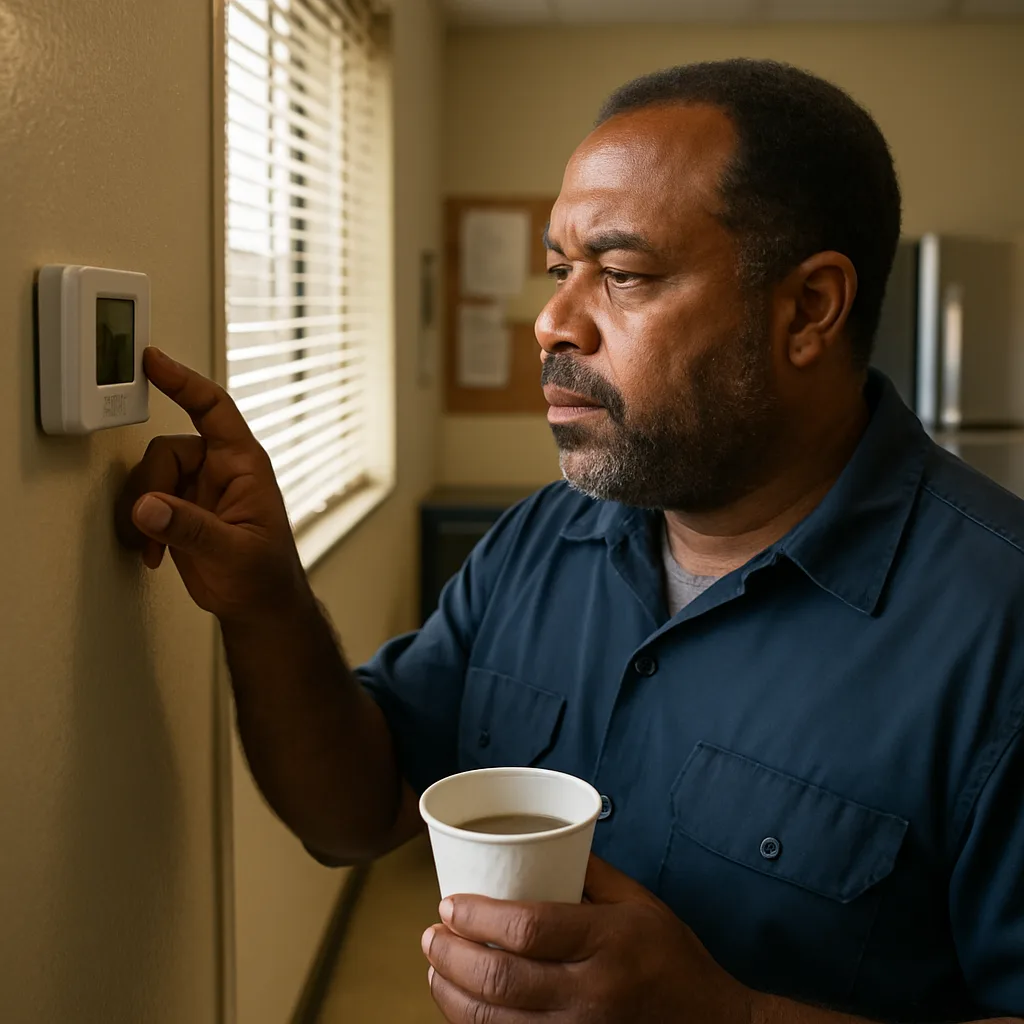
What moves the number? A few things.
- How many systems or units need inspection
- How easy or difficult it is to reach the equipment
- How much buildup or neglect we find during the visit
- Whether you need a one-time visit or an ongoing maintenance plan
A maintenance visit includes a full inspection, cleaning, and performance and safety checks for the equipment being serviced. If we find a failing part or needed repair, we quote it separately. We will not start replacing parts without telling you first. Our service-call fee runs twenty six to ninety nine dollars, and it gets credited toward the work if you move forward with us. That fee covers a technician coming to inspect your equipment. It does not cover the maintenance visit itself.
We offer flexible financing on qualifying installations and larger jobs, subject to approved credit. This may help if the inspection uncovers a bigger repair.
Frequently Asked Questions
Common questions about Mechanical system maintenance
How quickly can you get a technician out to my building in Sunnyvale?
Most maintenance visits are scheduled within a few business days, not same-day, since this is planned service rather than an emergency call. We cover buildings across Sunnyvale, including the warehouse and light-industrial properties along the US-80 corridor. If you’re setting up a recurring maintenance plan, we’ll work with you to pick a schedule that fits your building’s use, like avoiding your busiest hours or peak season. Call ahead if you have a lease deadline requiring documented service records.
What happens when your technician arrives for a maintenance visit?
Your technician will walk your rooftop units, boiler, or chiller and work through a checklist comparing current performance to design specs. This includes cleaning coils and filters, testing pressures and temperatures, checking safety controls, and inspecting belts and electrical connections. You’ll get written documentation of everything found, including readings and any recommended follow-up. If something needs repair, that gets quoted separately so you can decide before any corrective work begins.
Why does one rooftop unit on my building run fine while another struggles?
This is common in Sunnyvale warehouse and light-industrial buildings that use several standalone rooftop units instead of one central system. Uneven performance across units on the same roof usually points to a failing compressor, low refrigerant, or a control board problem in the struggling unit, not a design flaw. Left alone, that one unit can fail while its neighbors keep running normally. A maintenance inspection can usually identify which unit needs attention before it shuts down completely.
How often should mechanical systems get maintenance service?
Most commercial and industrial mechanical systems benefit from at least one scheduled maintenance visit per year, though buildings with heavier use or older equipment often do better with two. Frequency depends on your specific equipment, building type, and climate demands. Newly installed systems don’t need maintenance right away since they’re already running as designed. If your lease or insurance policy requires documented service records, sticking to a set schedule also keeps you in compliance.
Does maintenance include fixing problems the technician finds?
No, maintenance covers inspection, cleaning, and upkeep labor, not repairs or parts replacement. If a technician finds something like a failing capacitor, cracked heat exchanger, or refrigerant leak, that gets written up and priced as a separate repair proposal. This keeps maintenance costs predictable and lets you approve or decline repair work based on actual findings instead of guesswork. Maintenance and repair are two different jobs, even though they often get discovered on the same visit.
Ready to Get Started?
Call 972-288-2263 Today, Get Service Today.