


Mechanical Equipment Retrofits in Sunnyvale: Upgrade Aging Systems Without a Full Teardown
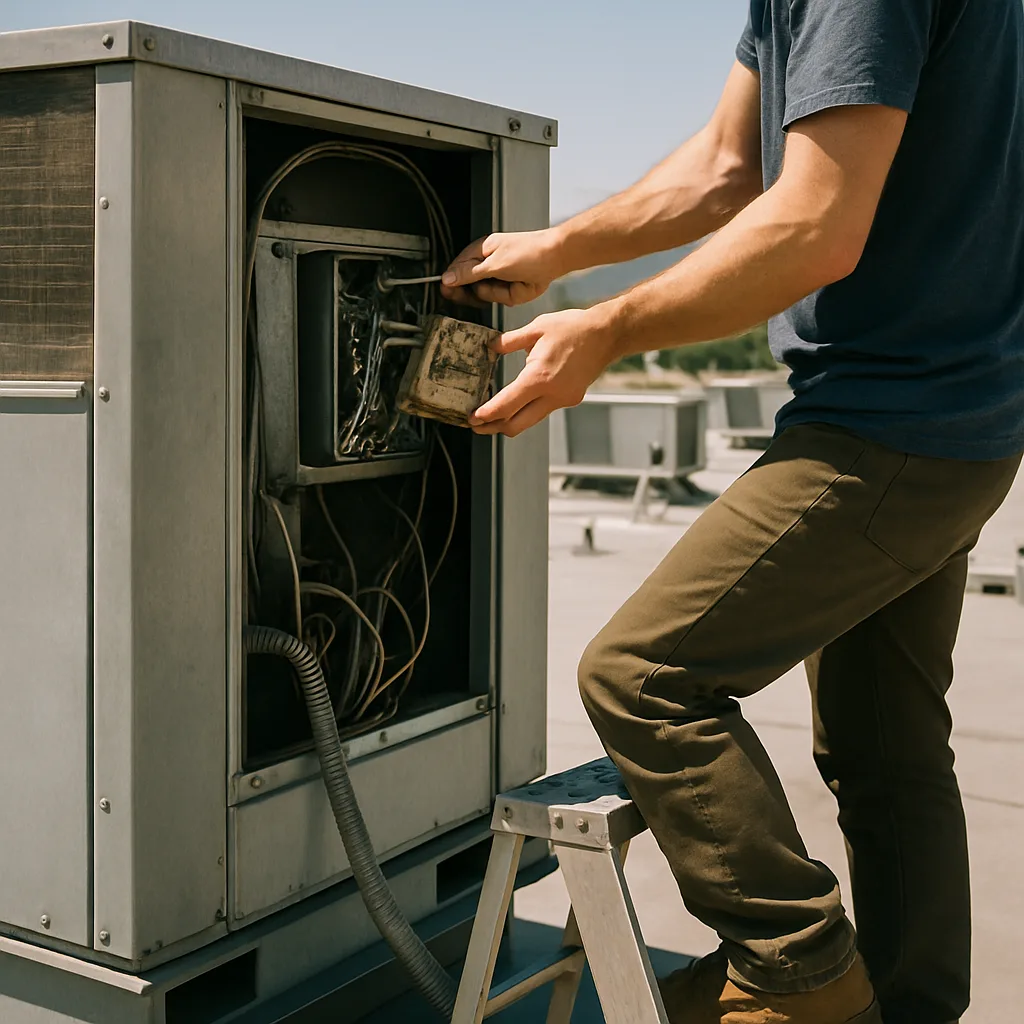
Aging equipment upgraded without a full teardown along the Highway 80 corridor – code corrections flagged during the walk rather than discovered at inspection.
What’s Covered on This Page
- Signs Your Mechanical System Needs a Retrofit, Not a Repair
- Retrofit vs. Full Replacement: How the Decision Gets Made
- When a Repair Is Enough and a Retrofit Isn’t
- The Retrofit Process: From Site Walkthrough to Proposal
- Installation, Startup, and Testing: What Happens On Site
- How do I know if my equipment needs a retrofit instead of a repair?
- What happens during the first site visit for a retrofit?
- How long does a mechanical retrofit take from start to finish?
- Do older Sunnyvale buildings usually need code corrections during a retrofit?
- Will a retrofit shut down my building while the work is happening?
- What if my building’s mechanical room was sized for older equipment?
Signs Your Mechanical System Needs a Retrofit, Not a Repair
Here’s how we tell the difference on a job site. If your rooftop unit, boiler, or air handler keeps breaking the same part, that’s usually a repair problem. But if the equipment runs fine mechanically and still can’t meet your demand, a retrofit is on the table.
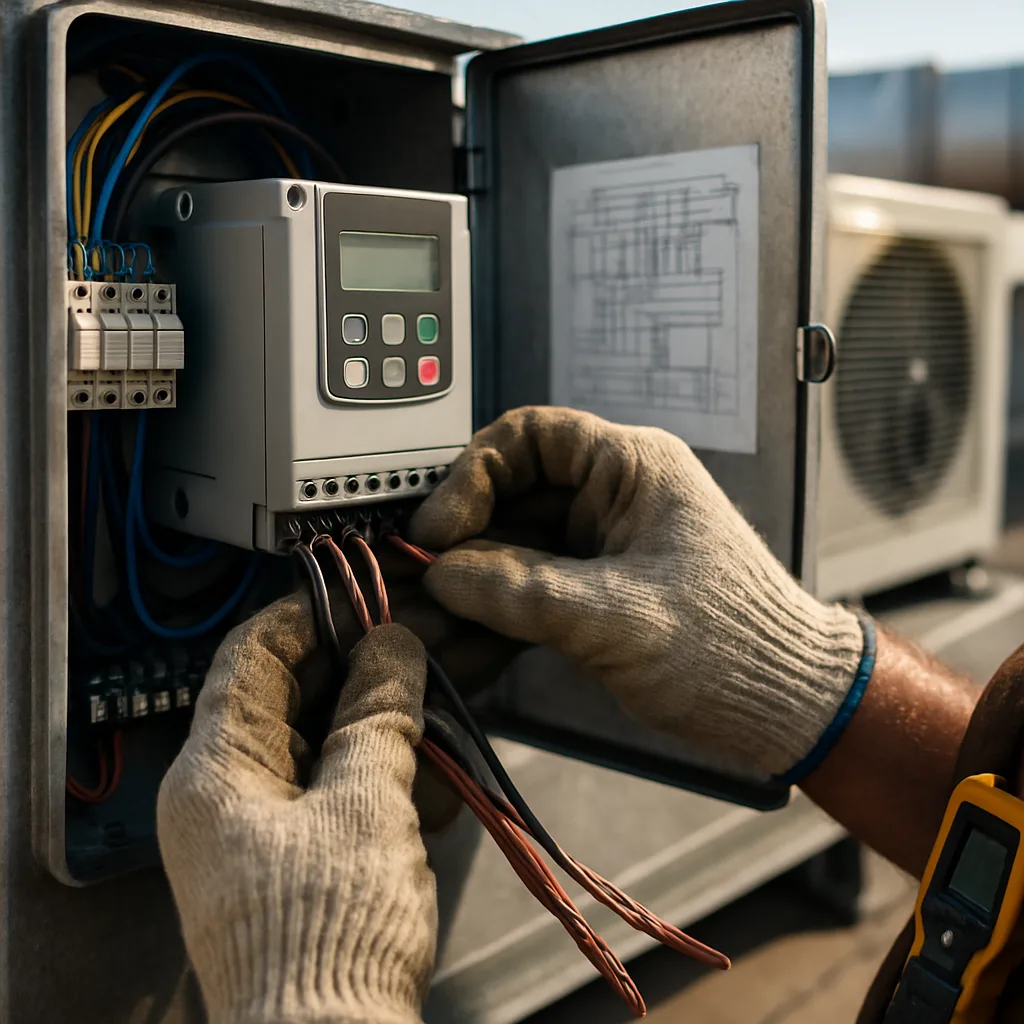
- Energy bills that climb year over year with no usage change, showing the equipment is working harder than it should
- A commercial kitchen or building that added square footage or equipment load after the mechanical system was sized
- Code corrections flagged during an inspection that the current setup can’t meet without upgraded components
- Comfort complaints in certain rooms or zones even though the main equipment tests fine
- Mid-life equipment running outdated controls or inefficient parts
We see this in Sunnyvale buildings that started small and grew. Maybe a back kitchen was added or warehouse space became offices. The shell changed, but the mechanical system never did. That mismatch is what a retrofit fixes. Not sure where your equipment falls? That’s a normal question our team can answer in about ten minutes on-site.
Retrofit vs. Full Replacement: How the Decision Gets Made
Here’s what nobody tells you up front: a failing system doesn’t always mean a dead system. Sometimes the boiler shell or air-handler frame is fine. The internal parts, controls, or drive may have failed. That’s where a retrofit earns its keep instead of a full teardown. Buildings along the U.S.
So how do we decide? We look at what’s wrong, not just what’s old. Age alone doesn’t disqualify a system. If the core equipment is sound, the problem may be efficiency, capacity, or reliability. A retrofit usually addresses those issues with less disruption.
- How much of the system is failing versus just outdated
- What new equipment is needed to meet your capacity or efficiency goal
- How complex the existing system is to work around
- Whether current code requires corrections while we’re in there
We see this in Sunnyvale’s older light-industrial buildings along Highway 80. Their mechanical rooms were sized decades ago for equipment that’s since been swapped out twice. The room stays the same, but the load doesn’t. That mismatch often causes the struggle, not the box’s age.
Full replacement makes sense when structural components are compromised. It’s also appropriate when nothing in the current setup can be reused safely. That’s a different job and conversation.
When a Repair Is Enough and a Retrofit Isn’t
Not every mechanical problem needs a retrofit. Sometimes it’s a bad capacitor, worn belt, or failed control board. If your equipment is under ten years old and one component quit, that’s a repair. Fix it, test it, and move on with your day.
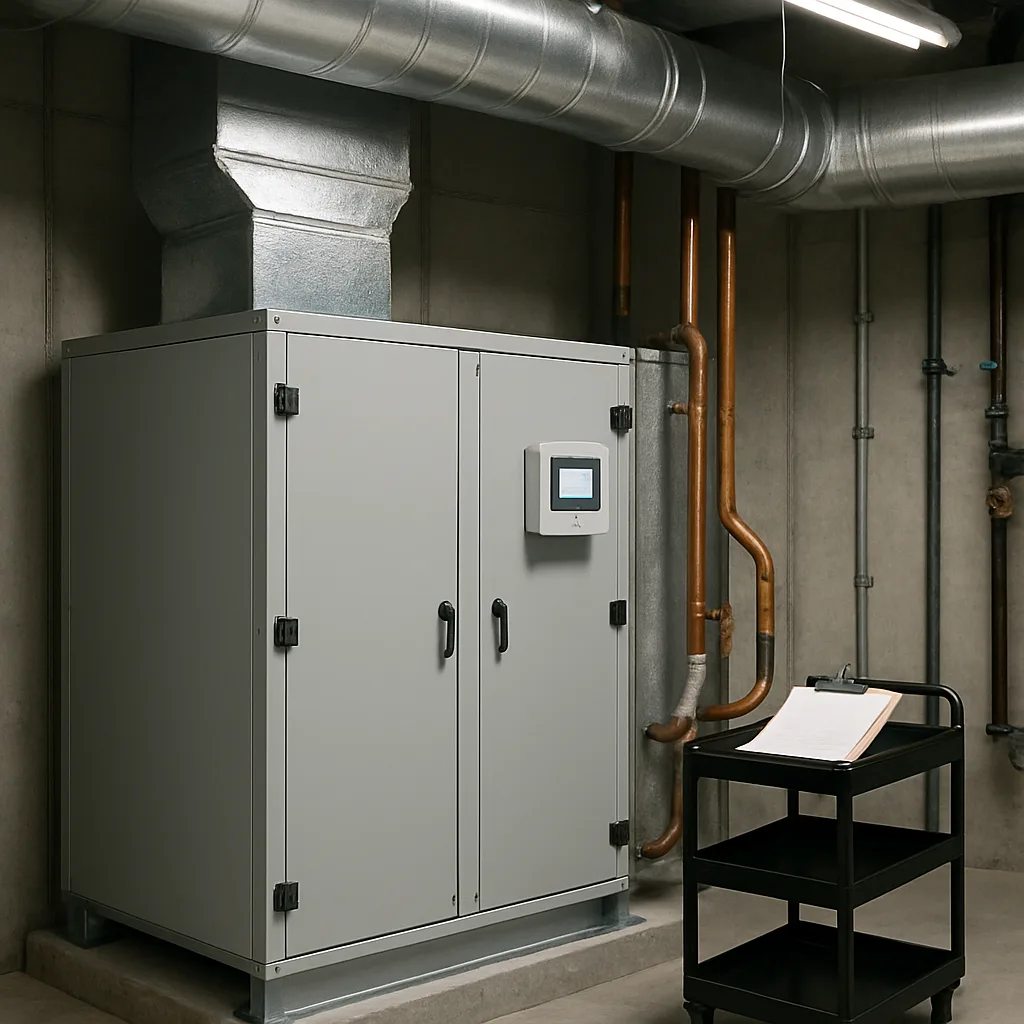
A retrofit makes sense when the equipment itself is the problem, not one part. Think rooftop units past their expected service life or boilers that can’t hold temperature as they once did. Chillers pulling far more power than the building needs also point to equipment problems. A new part won’t fix a design that’s outdated for your building’s current load.
So how do you tell the difference? Ask yourself a few things.
- Is this the second or third repair on the same equipment this year
- Is the equipment original to a building that’s since been renovated or expanded
- Are you seeing rising utility bills with no other explanation
- Is the repair estimate getting close to a sizable share of new equipment’s cost
- Is the manufacturer no longer making parts for this model
One yes doesn’t mean retrofit. Two or three make it worth a real conversation.
We’ll tell you straight if a repair solves it. That’s doing right by our customers. It’s why your neighbors trust us to give a real answer, not a bigger invoice. 80 six days a week.
Need help with Mechanical equipment retrofits?
Call Today, Get Service Today. Xtreme Air Services is ready to help.
The Retrofit Process: From Site Walkthrough to Proposal
A retrofit isn’t a quick swap-and-go job. We walk your building first. Guessing at equipment specifications is how projects go sideways halfway through.
Many Sunnyvale mechanical rooms were built for equipment that’s decades old. Step one starts with our eyes on your equipment, not a specification sheet.
- We walk the site and inspect the existing mechanical equipment, ductwork, piping, and controls.
- We measure the space, check clearances, and note any code corrections your building needs.
- We talk with you about what’s not working, including capacity issues, comfort complaints, breakdowns, and high bills.
- We prepare a proposal that spells out the equipment, labor, startup, and testing.
- Once you approve it, we schedule the work around your building’s hours.
- We install and start the new equipment, then test it under real load before calling it done.
The walkthrough often uncovers something you didn’t know about. It may be an undersized duct run or a control board patched together for years. That’s not padding the job. It’s doing right by our customers before you spend a dollar.
You’ll know the scope, equipment, and included work before we touch a wrench.
Installation, Startup, and Testing: What Happens On Site
A retrofit isn’t a swap-and-go job. It’s a sequence, and problems start when someone skips a step.
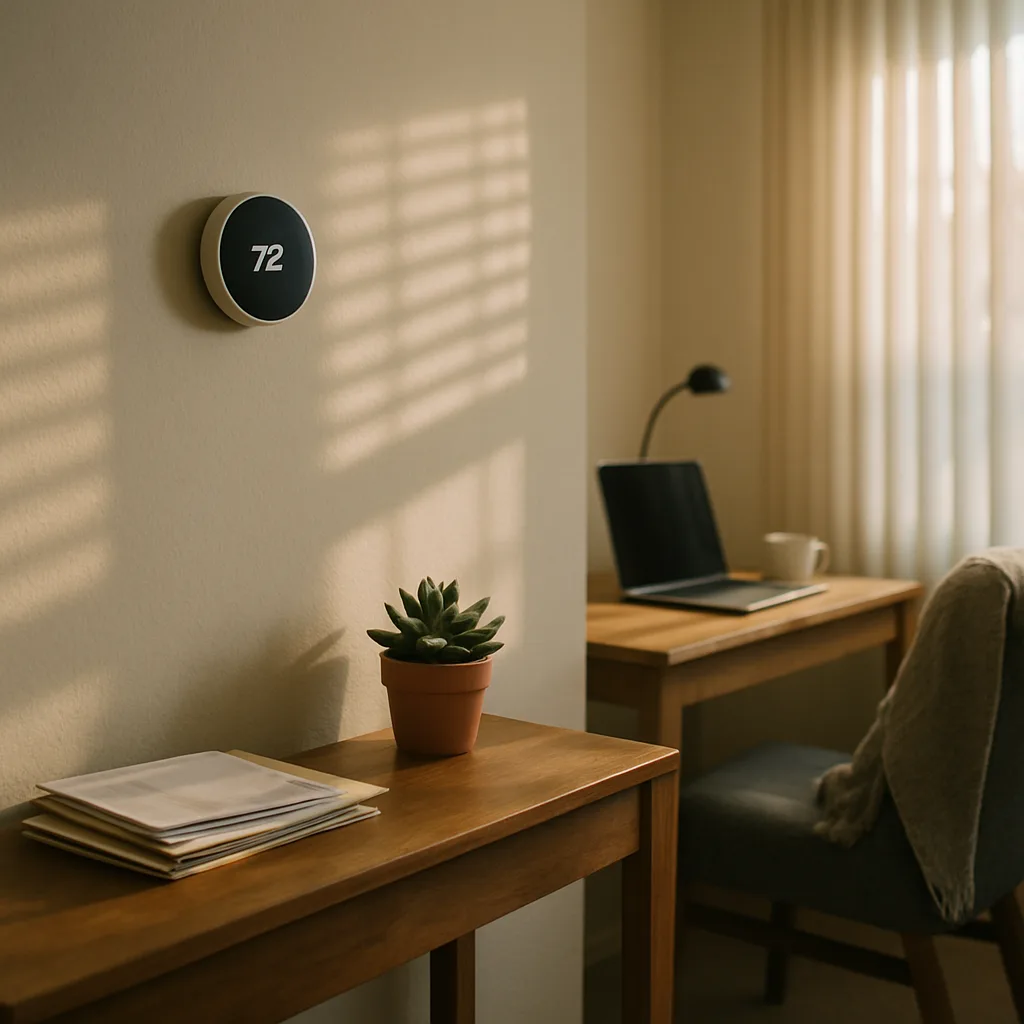
- We isolate and safely disconnect the old equipment. Then we confirm the existing connections, ductwork, or piping can handle the new unit.
- New equipment goes in with any structural supports, electrical hookups, or refrigerant lines the retrofit requires.
- We finish the connections and check for leaks, loose wiring, or anything that doesn’t sit right.
- Startup comes next. We power on the system and run it under real load, not just flip the switch.
- We test performance against the equipment’s rated numbers. Depending on the system, that may include airflow, temperature split, or amp draw.
- During the final walkthrough, we show you what changed and answer your questions before leaving.
That testing step matters more than many owners realize. We’ve seen correctly installed retrofit equipment that was never verified under load. It ran inefficiently for months before anyone caught the problem. We don’t call the job finished just because the unit turns on. The numbers need to check out.
Some retrofits wrap up in one visit. Larger commercial jobs can take longer when they involve code corrections or several pieces of equipment. Either way, testing and startup are included in the job. They aren’t extra steps tacked on later.
Frequently Asked Questions
Common questions about Mechanical equipment retrofits
How do I know if my equipment needs a retrofit instead of a repair?
You likely need a retrofit if the same part keeps failing or your energy bills keep climbing with no change in usage. A repair fixes one broken piece, like a belt or capacitor, on equipment under ten years old. A retrofit makes sense when the whole system struggles to meet your building’s current load. If you’ve had two or three repairs this year, or your building added space since the system was installed, that’s worth a real conversation with a technician.
What happens during the first site visit for a retrofit?
During the first visit, we walk your building and inspect the existing equipment, ductwork, piping, and controls before recommending anything. We measure clearances, check for code corrections your building may need, and ask what’s not working for you day to day. This usually takes about ten minutes to get a first read on your equipment. You’ll get a proposal that spells out equipment, labor, and testing before any work begins, so there are no surprises later.
How long does a mechanical retrofit take from start to finish?
Most retrofits move through a walkthrough, proposal, and scheduled install, with timing based on your building’s hours and how much equipment needs replacing. After you approve the proposal, we schedule the work to fit around your operations rather than force a shutdown. Once installed, we test the new equipment under real load before calling the job done. Buildings with more complex mechanical rooms, like older light-industrial spaces, may take longer due to extra code corrections.
Do older Sunnyvale buildings usually need code corrections during a retrofit?
Yes, many older Sunnyvale buildings need at least one code correction once we open up the mechanical room. This shows up often in light-industrial buildings along Highway 80, where equipment has been swapped out over the decades but the mechanical room and code requirements never caught up. We flag these corrections during the walkthrough, not after work starts, so you know the full scope before we touch anything.
Will a retrofit shut down my building while the work is happening?
A retrofit doesn’t have to shut down your whole building because we schedule installation around your operating hours. We isolate and disconnect the old equipment first, then confirm existing ductwork or piping can handle the new unit before installing it. This staged approach limits downtime for offices, kitchens, or warehouse space that converted to occupied areas. We’ll walk you through the schedule during the proposal stage so you know what to expect.
What if my building’s mechanical room was sized for older equipment?
This is common, and it’s usually the real reason equipment struggles, not just its age. Many Sunnyvale mechanical rooms were built decades ago for equipment that’s since been replaced once or twice, while the room and its clearances stayed the same. During the walkthrough, we check whether the current space and connections can support new equipment or if adjustments are needed. Catching this early keeps your retrofit on schedule and avoids mid-project surprises.
Ready to Get Started?
Call 972-288-2263 Today, Get Service Today.