


Boiler Safety Inspections in Sunnyvale: Know Before You Book
Relief valves, gauges, venting and low-water cutoffs tested component by component in Sunnyvale – a documented pass or fail, not a walk-past and a thumbs up.
What’s Covered on This Page
- Sunnyvale Boiler Inspections Focus on Commercial and Multi-Family Systems
- Texas Law Splits Residential and Commercial Boiler Rules
- What Happens During a Boiler Safety Inspection
- Warning Signs That Mean Don’t Wait
- How Boiler Inspection Costs Are Structured
- How long does a boiler safety inspection take in Sunnyvale?
- Does my Sunnyvale boiler need a state-certified inspection, or is it exempt?
- What should I expect when the technician arrives for the inspection?
- What happens after the boiler inspection if something looks wrong?
- How do I know if my building’s boiler needs an inspection now?
- Are older cast iron boilers in Sunnyvale buildings harder to inspect?
Sunnyvale Boiler Inspections Focus on Commercial and Multi-Family Systems
Sunnyvale isn’t a big city, but it’s growing fast. New commercial development along FM 1641 means more boilers serving larger buildings, apartment complexes, and small businesses. That is a different animal from a small building running a single furnace. A commercial or multi-family boiler often runs longer hours and serves more people. It may sit behind a mechanical room door that nobody checks until something smells off.
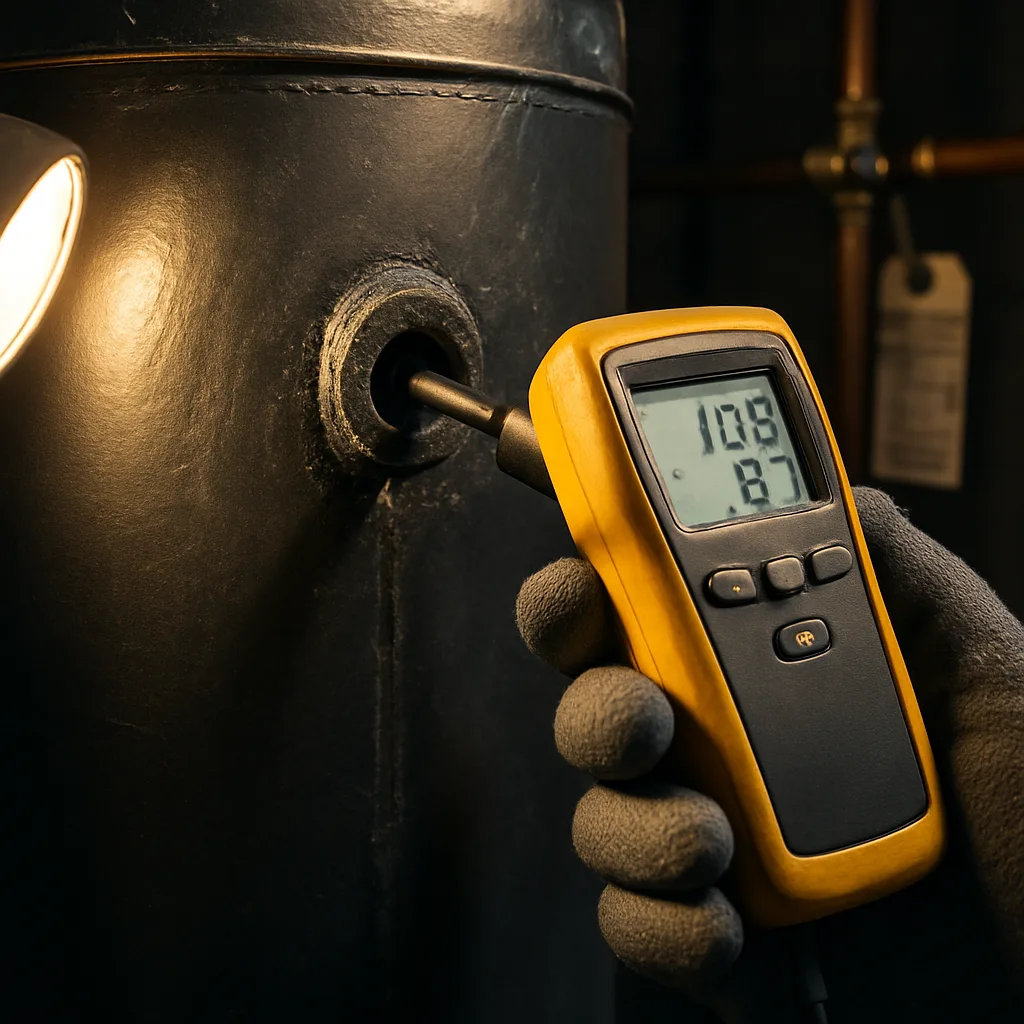
We see this every week. A property manager may call after a tenant notices an odd odor near the boiler room. Sometimes, it’s a combustion issue that has been building for months.
What do we check on a bigger system? A multi-unit boiler setup usually has more valves and zones. That creates more places for a leak or another problem to hide. Our on-site assessment covers the burner, venting, relief components, and controls. We then give you a written summary of our findings and recommended next steps. We don’t perform repairs during that visit. Repairs come after you’ve reviewed the findings and decided how to proceed.
Not sure whether your building needs an inspection yet? That’s a fair and common question. If your boiler is original to a building over a decade old, it’s worth calling. The same applies if nobody has inspected it since you moved in.
Texas Law Splits Residential and Commercial Boiler Rules
Texas regulates boiler safety through the Texas Health and Safety Code, Chapter 755. It gives the Texas Department of Licensing and Regulation, commonly called TDLR, statewide authority over boiler registration, inspection frequency, and inspector certification. This oversight applies to boilers operating anywhere in Texas, including properties in Sunnyvale and the surrounding Dallas County area. Local businesses cannot rely only on city code or informal maintenance schedules to stay compliant.
Under TDLR’s Boiler Program, covered boilers must be registered with the state and inspected at set intervals by a commissioned inspector. They must also have a valid inspection certificate posted on or near the unit. Commercial and institutional boilers almost always fall under this mandatory system because of their size, ratings, and potential impact. This includes boilers in Sunnyvale restaurants, manufacturing facilities, schools, apartment complexes, and office buildings.
Section 755.022 of the code provides an exemption for many residential boilers. Boilers serving single-family homes or small residential properties are generally exempt from state inspection and registration requirements if they fall below specific size and pressure thresholds. The owner of a single-family property with a standard residential hot water boiler often does not need a state-certified inspection. A property manager responsible for a multi-unit building or commercial boiler room typically does.
- Single-family residential boilers below the exempt size and pressure limits generally do not require state registration or certified inspection
- Commercial, institutional, and larger multi-family boilers are typically subject to mandatory TDLR registration and periodic inspection
- High-pressure steam boilers and larger hot water boilers rarely qualify for the residential exemption, regardless of building type
- Insurance carriers and local fire code officials may still require inspections even when state law does not
The line between exempt and regulated equipment depends on technical specifications, not simply whether a building is a home or business. A quick professional assessment can help Sunnyvale property owners confirm their legal status before assuming a boiler is regulated or exempt.
What Happens During a Boiler Safety Inspection
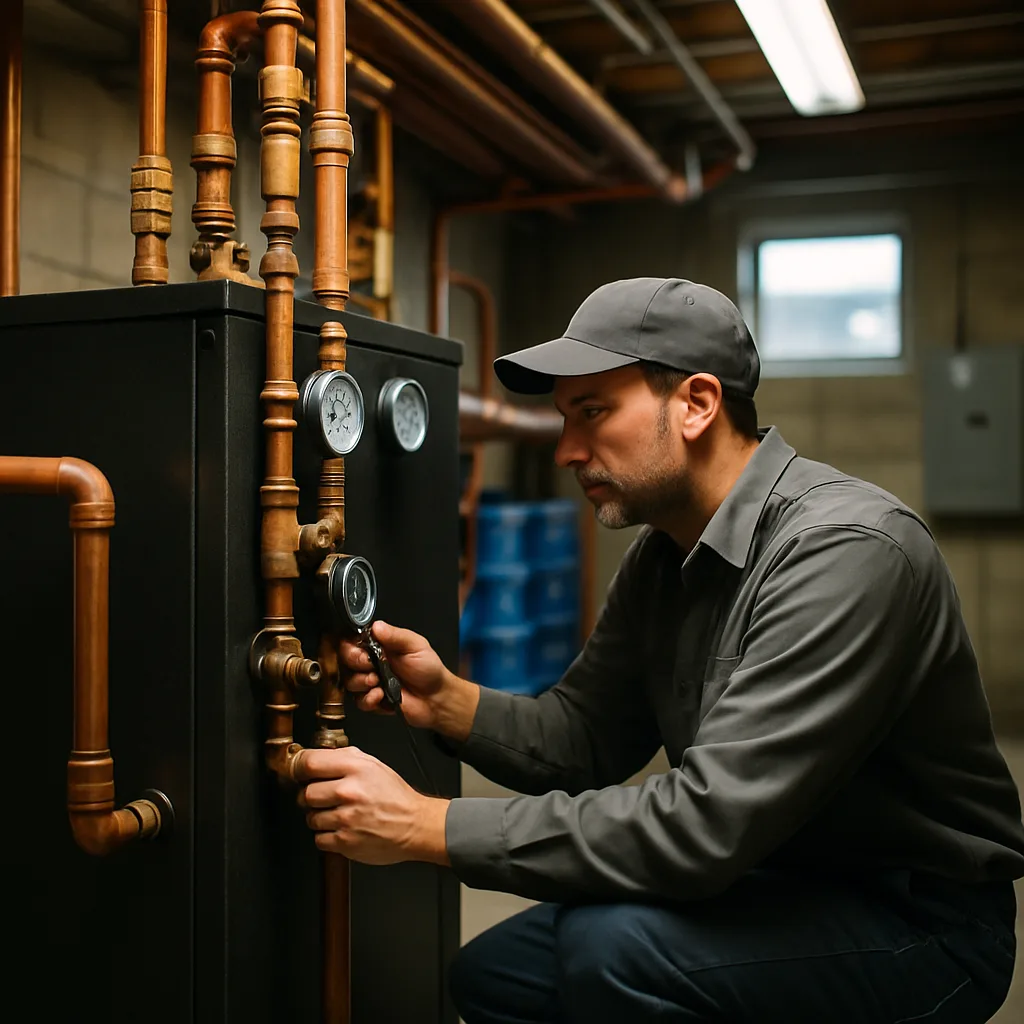
A boiler safety inspection in Sunnyvale typically takes between 45 minutes and two hours. Timing depends on the unit’s age, venting complexity, and whether it serves a single tenant or a multi-unit building along the U.S. 80 corridor. The technician arrives with a checklist based on manufacturer specifications and local code requirements. The system is then checked component by component instead of getting only a quick visual review.
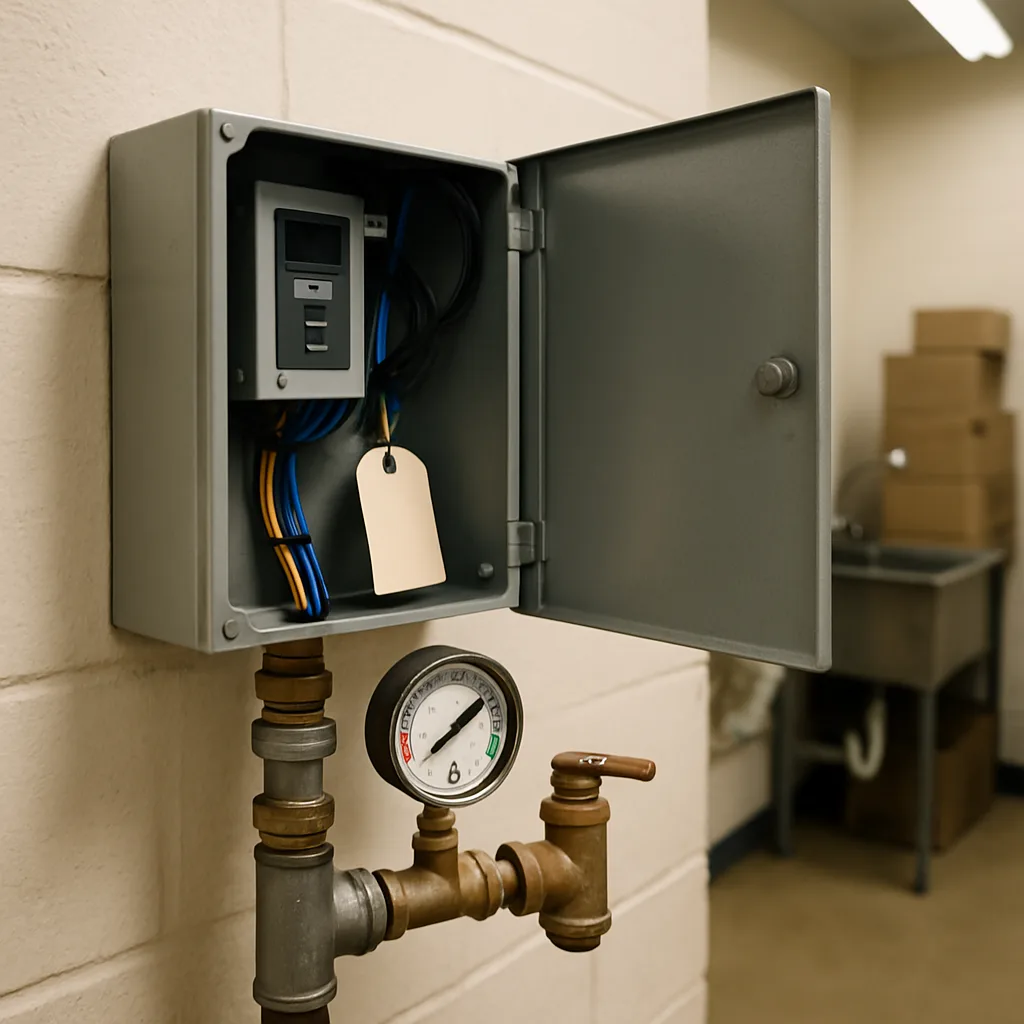
The inspection starts with the relief valve. It is tested to confirm that it will release excess pressure before conditions become dangerous. Technicians also check temperature and pressure gauges for accuracy because a faulty reading can hide a developing problem. Some older Sunnyvale buildings still run their original cast iron boilers. After decades of service, gauge drift is common on these units.
- Visual inspection of the heat exchanger and boiler shell for cracks, rust streaks, or soot buildup
- Corrosion check on fittings, unions, and the base of the unit, where moisture tends to collect
- Venting and flue inspection to confirm exhaust gases escape properly without backdrafting into occupied spaces
- Testing of low-water cutoff controls and safety switches that shut the unit down under unsafe conditions
- Combustion air supply check to confirm the boiler gets enough clean air to burn fuel completely
- Electrical connection and wiring inspection at the control panel for loose or frayed connections
After the mechanical review, the technician documents all findings in writing before packing up. This report lists what was tested and what passed. It also explains what shows early wear and what needs attention soon or immediately. Sunnyvale property owners often keep these reports for insurance purposes or rental property safety requirements.
The inspection itself does not include repairs. If the technician finds a failing relief valve or corroded fitting, it is noted in the report with a recommendation. Repairs are scheduled separately unless you request same-day work and the needed parts are available. Keeping these services separate helps the inspection remain focused and fairly priced. It also prevents the visit from becoming an open-ended repair bill.
Ready when you are – get in touch today.
Call Today, Get Service Today. Xtreme Air Services is ready to help.
Warning Signs That Mean Don’t Wait
Not every boiler concern requires dropping everything, but some do. Sunnyvale facility managers need to know what can wait for a scheduled inspection. They also need to recognize conditions that require an emergency shutdown and same-day technician response. Ignoring the wrong signal can turn a minor repair into a failure that shuts down operations for weeks.
- Water or steam leaking near the relief valve may indicate that the valve cannot hold within safe limits. It could also signal a developing overpressure event
- Scorch marks, discoloration, or soot around the burner or flue connections can point to incomplete combustion or a flue gas leak. Either issue may introduce carbon monoxide into occupied spaces
- Banging, popping, or kettling noises often come from scale buildup or sediment. These deposits create localized hot spots and place stress on the vessel walls
- Any carbon monoxide alarm near a boiler room or occupied space requires immediate evacuation. Call the fire department and a licensed boiler technician
- A lockout occurs when the boiler’s control system shuts down the unit and refuses to restart. This is often a safety interlock responding to a real fault, not a nuisance trip
Any one of these signs justifies calling for emergency service instead of waiting for the next available appointment. These are not cosmetic issues. They show that the boiler’s safety systems or physical structure may be warning you about a real risk to people and property.
Other situations can wait for a scheduled visit. Many commercial operators keep boilers on a routine compliance schedule tied to municipal code requirements or state boiler laws. These inspections are usually planned months ahead without urgency. An approaching insurance renewal that requires a current inspection certificate is also a scheduling matter, not an emergency. Property managers with several buildings often bundle routine inspections to reduce disruption. That approach is reasonable when none of the warning signs above are present.
How Boiler Inspection Costs Are Structured
Cost is usually one of your first questions. Boiler safety inspections in Sunnyvale typically run $200 to $600. The most common job is an on-site assessment with a written summary of findings. It usually lands between $200 and $375, depending on the system and property.
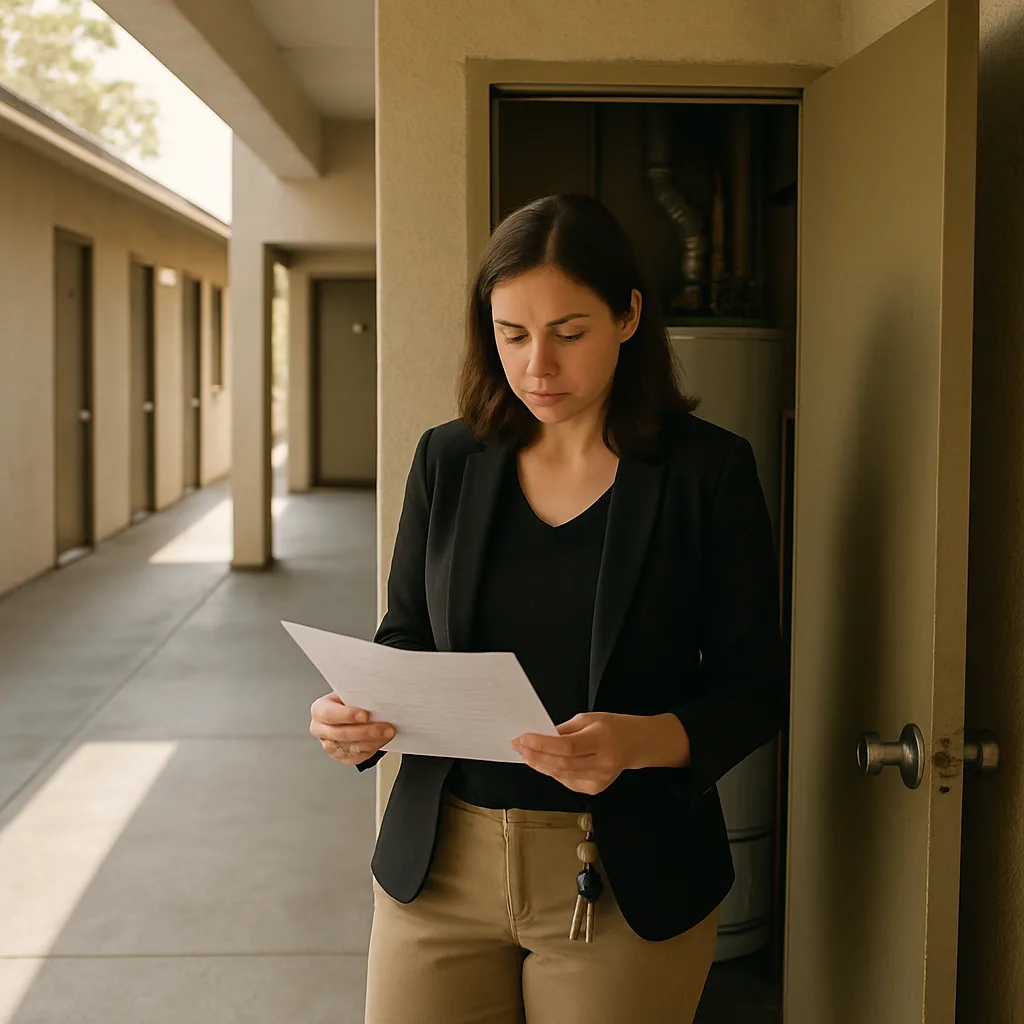
Several factors move the number up or down, including system complexity and property size. Sometimes we need a camera, leak detection tools, or specialized meters to check what a visual inspection cannot reveal. A single small boiler in a utility room takes less time to check than a commercial boiler serving multiple zones.
- How complex the boiler system is and how it’s set up
- The size of the property and the number of zones or units involved
- Whether specialized equipment is needed to check the full system
There’s also a service call fee of $26 to $99. If you move forward with a repair, that fee is credited toward the work. You won’t pay for the same visit twice.
The inspection covers the on-site assessment and a written recommendation, but it does not include repairs. Any repair identified during the inspection is a separate job with its own cost. Financing typically isn’t offered for a job this size. That option is generally reserved for larger repairs and full boiler replacements.
Frequently Asked Questions
Common questions about Boiler safety inspections
How long does a boiler safety inspection take in Sunnyvale?
Most boiler safety inspections take between 45 minutes and two hours. The exact time depends on the unit’s age, its venting setup, and whether it serves a single tenant or a multi-unit building along the U.S. 80 corridor. A simple single-zone boiler goes faster than a commercial system with more zones and valves. We test every component instead of doing a quick look-over, so larger systems naturally take longer. You’ll get a written summary before we leave, no matter the size of the job.
Does my Sunnyvale boiler need a state-certified inspection, or is it exempt?
It depends on your boiler’s size and how it’s used, not just whether it’s in a home or business. Texas Health and Safety Code Chapter 755 lets TDLR regulate most commercial and larger multi-family boilers, requiring registration and periodic certified inspection. Many single-family residential boilers fall below the size threshold and are exempt. High-pressure steam boilers rarely qualify for that exemption. If you’re not sure which category your building falls into, a quick assessment can confirm your legal status before you assume either way.
What should I expect when the technician arrives for the inspection?
You can expect a component-by-component check, not just a visual glance at the boiler. We start with the relief valve, testing that it releases pressure safely, then check gauges, venting, low-water cutoffs, and wiring at the control panel. On commercial and multi-family systems with more valves and zones, we spend extra time tracing each one. We don’t perform repairs during this visit. Instead, you get a written report explaining what passed, what shows early wear, and what needs attention soon.
What happens after the boiler inspection if something looks wrong?
You’ll get a written report listing everything we tested and flagging any issues, so you can decide how to move forward. Repairs happen after you’ve reviewed the findings, not during the inspection itself. This keeps the inspection focused on giving you clear information instead of rushing into work. Many Sunnyvale property managers and building owners keep these reports for insurance records or rental safety documentation, especially for buildings along FM 1641 with newer commercial systems.
How do I know if my building’s boiler needs an inspection now?
If your boiler is original to a building over a decade old, it’s worth scheduling an inspection soon. The same goes if nobody has checked it since you moved in or took over management. This matters even more for multi-family or commercial buildings, where a hydronic boiler often serves a dozen units or a restaurant kitchen and carries more risk than a single packaged furnace. When in doubt, a professional assessment settles the question quickly.
Are older cast iron boilers in Sunnyvale buildings harder to inspect?
They need closer attention, mainly because gauge drift is common after decades of use. Some older Sunnyvale buildings still run their original cast iron boilers, and the temperature and pressure gauges on them drift out of accuracy over time. That’s why we test gauge accuracy directly instead of trusting the display. We also check corrosion at fittings and unions, since moisture tends to collect at the base of older units after years of service.
Ready to Get Started?
Call 972-288-2263 Today, Get Service Today.