


Boiler Upgrades in Sunnyvale: Upgrade the Right Parts, Not the Whole System
Controls, circulators and burners replaced individually on aging Sunnyvale systems – so the money goes to the part that actually failed instead of the whole plant.
What’s Covered on This Page
- Signs Your Boiler Needs an Upgrade, Not a Repair
- Boiler Upgrade or Full Replacement: Making the Right Call
- Why Many Sunnyvale Buildings Don’t Need a Boiler Upgrade
- What a Boiler Upgrade Includes
- What Drives Boiler Upgrade Costs Up or Down
- How do I know whether my building even has a boiler to upgrade?
- How soon can someone come look at my boiler?
- What happens when the technician arrives to look at my boiler?
- My boiler keeps short-cycling overnight. Is that a sign I need a whole new system?
- Do older cast-iron boilers in Sunnyvale buildings still make sense to upgrade instead of replace?
Signs Your Boiler Needs an Upgrade, Not a Repair
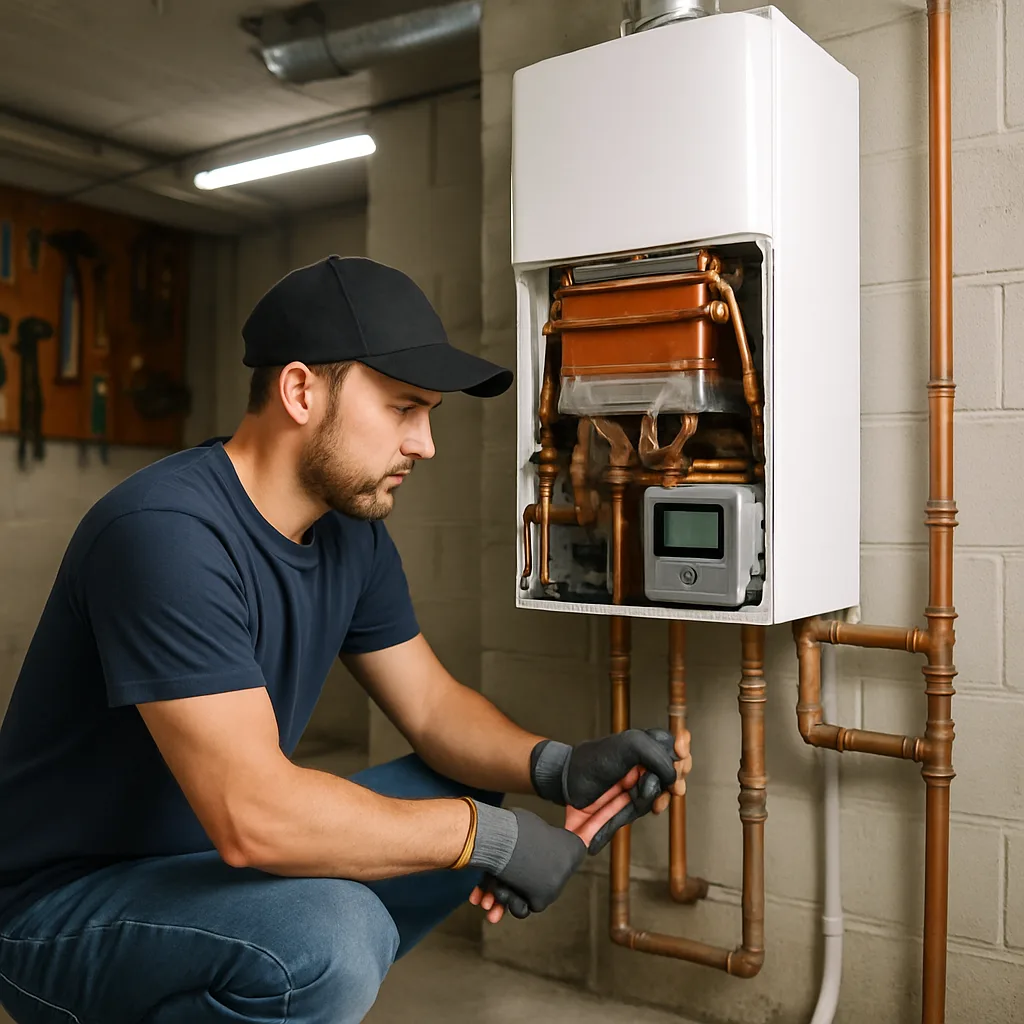
A boiler usually doesn’t fail all at once. It fades. One winter the pilot won’t hold steady, and the next year the controls stick. Before long, you’re calling someone every few months for the same fix.
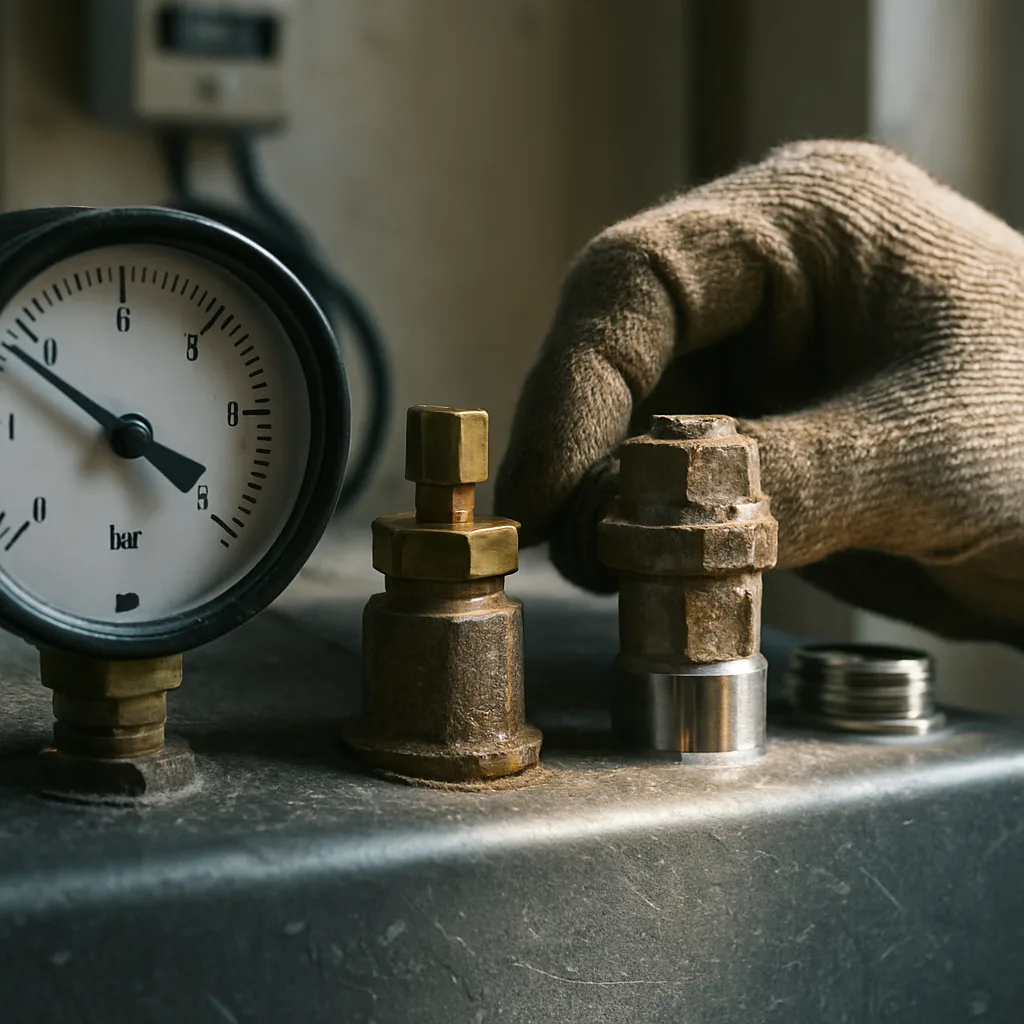
How do you know it’s time to stop repairing and start upgrading? That’s a common question, and there’s usually a pattern behind the trouble.
- You’ve had the same repair, or a similar one, more than once in a year
- The boiler short-cycles, turning on and off every few minutes instead of running a steady cycle
- One part of the building stays cold while another overheats
- Your gas bill keeps climbing, but comfort isn’t improving
- The system still uses an old standing pilot light instead of electronic ignition
We recently had an owner report that their boiler kept tripping out overnight. It would fire back up on its own by morning. That cycling often points to a worn control or ignition component, not a boiler that’s beyond saving. Replace the right parts, and it can run like new.
None of these signs automatically means you need a whole new system. An upgrade replaces the parts causing trouble, such as the controls, ignition, or circulator. Equipment that’s still doing its job can stay in place.
Boiler Upgrade or Full Replacement: Making the Right Call
Here’s a question we often hear: Do you need a whole new boiler or just the old components fixed? The answer depends on what’s failing.
Plenty of older buildings around Sunnyvale still run cast-iron boilers from an era when efficiency got less attention. The shell can easily outlast three sets of controls. If the heat exchanger and piping are sound, the problem may be the burner, circulator pump, or control board. In that case, an upgrade fixes the issue. Sometimes the burner is fine, but the electronics are failing.
How do you know which problem you have? Ask a technician to show you the corrosion rather than just describing it over the phone.
- Uneven heat or slow warm-up often points to a control or zoning issue, not the boiler itself
- Rising gas bills without a usage change usually point to burner or combustion efficiency
- Frequent short cycling often comes from a bad aquastat or circulator, not a dying unit
- Visible rust or leaks at the heat exchanger call for a replacement conversation, not an upgrade
If the heat exchanger is cracked or leaking, an upgrade won’t fix it. That’s a full replacement.
We’ll tell you which side of that line you’re on. There’s no point selling you a bigger job than you need. We also won’t patch something unlikely to last another winter.
Why Many Sunnyvale Buildings Don’t Need a Boiler Upgrade
Let’s clear something up first: most buildings in Sunnyvale do not have a boiler at all. Packaged rooftop units and forced-air heat are far more common here.
Sunnyvale has grown fast along the U.S. 80 corridor, and most of that construction is slab-on-grade retail, warehouse, and light industrial space. Those buildings run packaged rooftop units or split systems with ducted supply. That is forced-air heat, not a boiler. If your ceiling diffusers blow warm air, there is no boiler upgrade decision to make.
Boilers show up in a different kind of building.
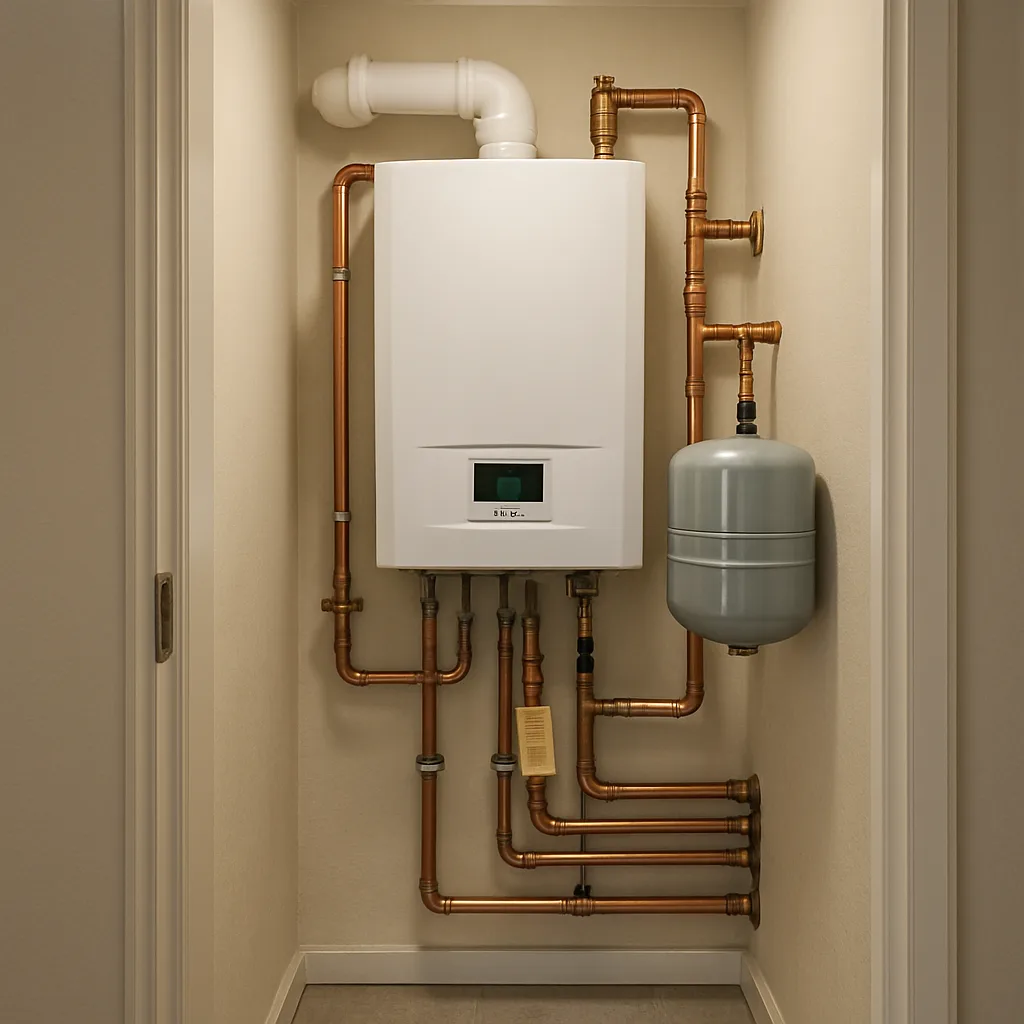
You will find boilers in older buildings with radiators, baseboard hydronic heat, or in-floor radiant loops, and in apartment complexes, schools, churches, and restaurants running hydronic heat or central hot water. A boiler heats water that circulates through pipes to warm the space. If your system blows air, it isn’t a boiler.
Not sure what you have? That’s common, and there’s no shame in asking. Look for pipes running to radiators or wall-mounted baseboards instead of ducts and vents. Before researching upgrades, take a minute to confirm that you have a boiler. You’ll avoid a wasted call and find the right fix, whether that’s furnace service or another repair.
Thinking about Boiler upgrades? Let’s talk.
Call Today, Get Service Today. Xtreme Air Services is ready to help.
What a Boiler Upgrade Includes
A boiler upgrade isn’t the same as removing your whole system and starting over. We may replace worn components, update controls, or repair the part hurting the boiler’s performance. That could mean a new circulator pump, updated aquastat, or control board that works properly with your thermostat.
In some older parts of Sunnyvale, we still find cast-iron boilers running controls installed decades ago. Those systems may not need to be scrapped. They might only need the right parts brought up to today’s standards.
- Included: the upgrade components, labor to install them, startup, and full testing before we leave
- Not included: a full system replacement, which is a different job with its own scope
- Not included: unrelated repairs that aren’t part of the upgrade you called about
Scope changes from job to job, and so does the price. A simple control upgrade takes less time than correcting old wiring or noncompliant venting. Equipment choice matters too. Some parts cost more but last longer. We explain what your boiler needs before work starts, so you know what you’re paying for and why.
We won’t sell you a full replacement if an upgrade will do the job. If your system needs replacement instead, we’ll tell you directly.
What Drives Boiler Upgrade Costs Up or Down
What changes the price of a boiler upgrade? A few factors shape the cost, and they aren’t a mystery once you know what to check.
Every boiler and mechanical room is different. Scope is the biggest factor. Replacing one control board costs less than upgrading the burner, circulator pump, and venting together. Equipment selection matters too. Higher-efficiency components cost more upfront but may lower your gas bills over time.
- Scope of the upgrade, from one component to several working together
- Equipment selected, and how efficiently you want the finished system to run
- System complexity, since older boilers in Sunnyvale’s established buildings often need extra work to integrate new controls
- Code corrections, if venting or gas piping must meet current standards before we move forward
We quote a typical range of 2,000 to 15,000 dollars for boiler upgrades. Our most common jobs land between 2,000 and 7,800 dollars. That covers upgrade components, labor, startup, and testing. It doesn’t cover full replacement or unrelated repairs, which are scoped separately.
Ask any provider whether the service call fee gets credited when you move forward. Ours does. We also offer financing on qualifying jobs, so a larger upgrade doesn’t have to wait for a bigger paycheck.
Frequently Asked Questions
Common questions about Boiler upgrades
How do I know whether my building even has a boiler to upgrade?
Most Sunnyvale buildings do not have a boiler at all. If your ceiling diffusers blow warm air, that is forced-air heat from a furnace or rooftop unit, not a boiler. Boilers turn up in older buildings with radiators, baseboard hydronic heat, or in-floor radiant loops. Look for pipes running to radiators or wall units instead of ducts. If you’re not sure what you have, that’s common. We can take a quick look and tell you exactly what type of system you’re working with before we talk about any upgrade.
How soon can someone come look at my boiler?
We schedule boiler visits based on how urgent the problem sounds when you call. A no-heat situation gets priority over a system that’s just running a little rough. When you call, tell us what the boiler is doing, like short cycling or an inconsistent pilot, and we’ll get you on the schedule accordingly. Most upgrade calls start with a diagnostic visit so we can see the actual issue rather than guess over the phone.
What happens when the technician arrives to look at my boiler?
The technician checks the controls, ignition, circulator, and heat exchanger before recommending anything. We look for signs like corrosion, leaks, or worn components rather than just describing the problem to you secondhand. You’ll get to see what we see, including any rust or damage at the heat exchanger. From there, we explain whether an upgrade will fix the issue or whether you’re looking at a full replacement conversation instead.
My boiler keeps short-cycling overnight. Is that a sign I need a whole new system?
Not usually. Short cycling, where the boiler turns on and off every few minutes, often points to a worn aquastat or circulator, not a dying unit. We’ve seen this exact pattern before, where a boiler trips overnight and fires back up on its own by morning. That behavior often means one control component needs replacing, not the whole boiler. Replacing the right part can get it running like new again for a fraction of the disruption of a full swap-out.
Do older cast-iron boilers in Sunnyvale buildings still make sense to upgrade instead of replace?
Yes, often they do. Plenty of older buildings around Sunnyvale still run cast-iron boilers built when efficiency was not the priority, and the shell can easily outlast three sets of controls. If the heat exchanger and piping are still sound, the burner, circulator pump, or control board is usually the real problem. We’ll tell you plainly which side of that line your system is on, so you’re not paying for a bigger job than you need.
Ready to Get Started?
Call 972-288-2263 Today, Get Service Today.