


Boiler Decommissioning in Sunnyvale: Safe Shutdown, Disconnect, and Haul-Away
Gas, water and electrical safely disconnected and the old unit hauled out of Sunnyvale mechanical rooms – usually in a single visit, even down a tight stairwell.
What’s Covered on This Page
- Signs Your Old Boiler Needs to Be Decommissioned
- Decommissioning vs. Replacement: Two Different Jobs
- What Happens During a Professional Boiler Shutdown
- What Drives the Cost of Boiler Removal
- Why Licensed Plumbing and Gas Work Matters
- How long does a boiler decommissioning job take?
- What happens when your crew arrives to shut down my boiler?
- Is it risky to leave an old boiler connected in my Sunnyvale building?
- Will you also install my new heating system when you decommission the old boiler?
- What happens to my old boiler after it’s removed?
- Can you decommission a boiler in a tight mechanical room or older Sunnyvale property?
Signs Your Old Boiler Needs to Be Decommissioned
So how do you know a boiler’s done, not just resting? It’s rarely one big thing. Instead, you’ll see a handful of small signs stacking up around the boiler.
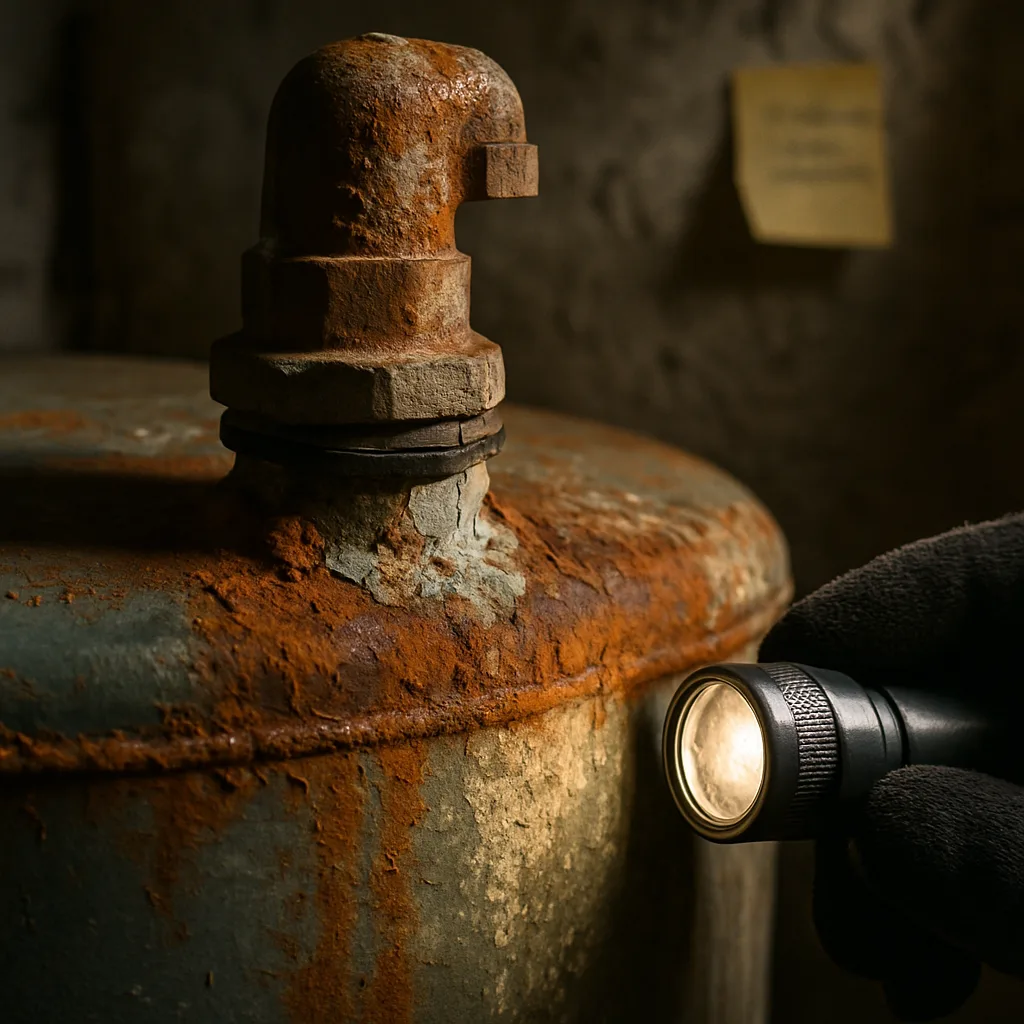
We find unused boilers in older commercial and institutional buildings around Sunnyvale. They’re often left behind after a property switches to a newer heat source. The old unit may still have water in the tank and pipes connected.
- Rust or flaking on the tank shell or fittings
- Water stains or pooling near the base of the unit
- The building already runs on a newer furnace or heat pump
- A musty or metallic smell in the room where it sits
- Gas or electrical lines still connected to equipment nobody uses
A boiler that’s cold and hasn’t fired in years isn’t on standby. It’s retired. The tank may still hold water, and nobody has touched the valve in months. That setup can lead to a slow leak or corroded fitting that goes unnoticed until it fails.
Not sure if your boiler qualifies? That’s common with older properties that have changed hands several times. If the unit isn’t heating anything and hasn’t been serviced in years, leaving it connected does your property no favors.
Decommissioning vs. Replacement: Two Different Jobs
Boiler decommissioning and heating system replacement are often quoted together, but they aren’t the same job. Decommissioning covers safely shutting down the boiler and disconnecting its gas, water, and electrical lines. It also includes capping or purging fuel lines to code and hauling away the unit for disposal or recycling. The job ends when the old equipment is gone and the space is safe and clean. It doesn’t include sizing, purchasing, or installing the next system.
Replacement is a separate project with its own technical questions. Most Sunnyvale owners retiring an old boiler do not install another one. They typically move to packaged rooftop units, a ducted heat pump, or ductless systems zoned by tenant space. Buildings originally put up without ductwork are increasingly retrofitted for forced-air heating and cooling. Some owners also choose electric heat pumps that may qualify for utility rebates.
The next system often uses different technology, so combining decommissioning and installation into one vague line item can cause problems. You might receive one lump-sum price that hides the cost of removing the old boiler, radiators, or piping. It can also obscure how much you’re paying for new equipment, ductwork, or heat-pump refrigerant lines.
- Decommissioning scope: shutdown, gas and water disconnection, line capping, unit removal and disposal
- Replacement scope: system selection, sizing, ductwork or line set installation, new equipment startup
- Separate line items let you compare removal costs against multiple installation bids
- Clear scopes prevent surprise charges when old piping or venting needs changes for the new system
A licensed contractor handling both sides should price decommissioning separately from the replacement system you choose. That separation helps you compare a furnace quote with a heat-pump quote. Removal costs stay fixed while installation prices vary by technology.
What Happens During a Professional Boiler Shutdown
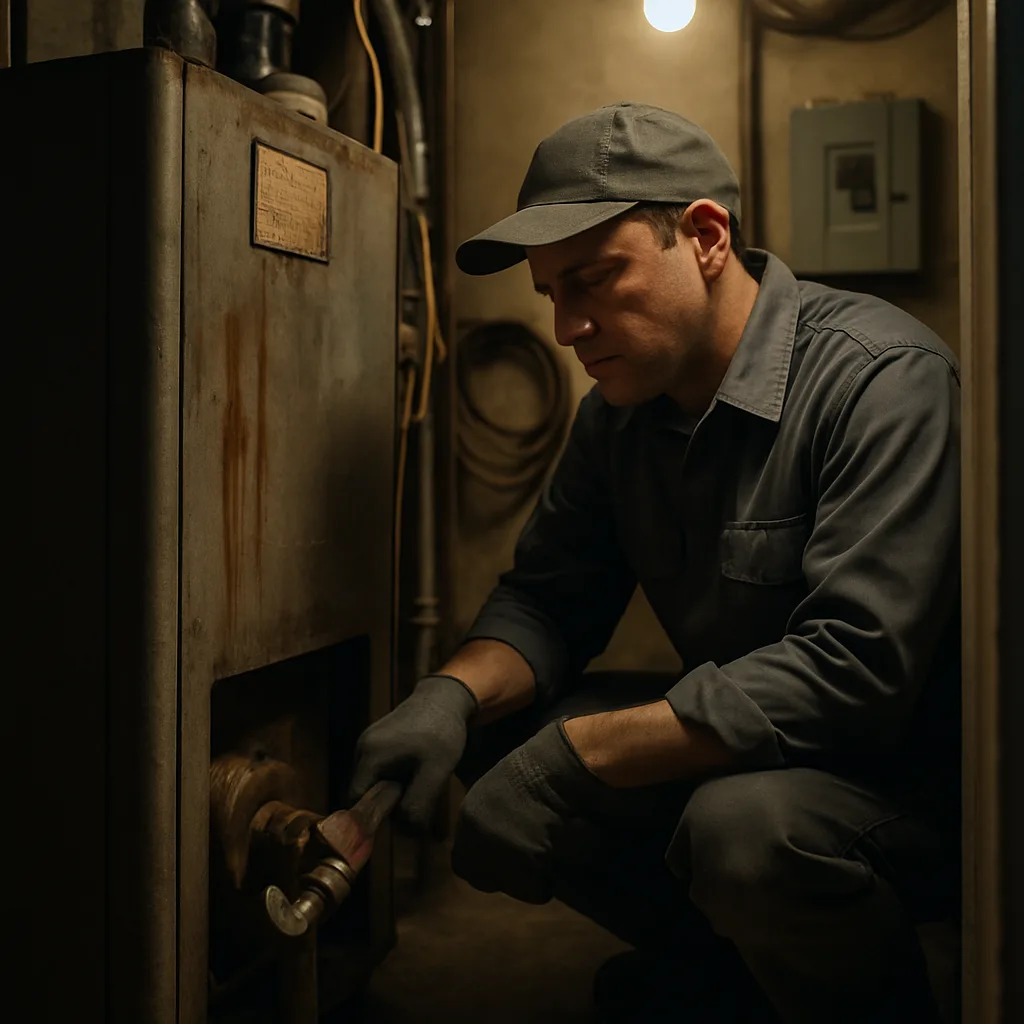
A professional boiler shutdown usually takes place during one coordinated visit, not several scattered appointments. The technician first checks the unit’s size, its connections, and the available clearance for safe removal. This inspection shows whether the job needs one trade or a small crew. Access can be limited when a boiler sits in a tight garage, utility closet, or mechanical room.
Once the scope is clear, the crew isolates each utility feeding the boiler. They shut and cap the gas line, close the water supply and return lines, and turn off the electrical circuit. These tasks fall under different license categories. A reputable company uses licensed HVAC, plumbing, and electrical trades for their respective parts of the job. You don’t want one generalist working beyond their certification.
- Confirm the unit is fully de-energized with a meter or gauge before disconnection begins
- Detach piping unions and venting connections without disturbing nearby structural elements
- Disable and remove thermostats, aquastats, and low-water cutoff controls tied to the system
- Drain remaining water from the boiler and connected lines to prevent spills during removal
- Detach the unit from its mounting or platform and prepare it for transport
With the controls disabled and connections separated, the team removes the boiler. A smaller unit may fit through a doorway. Larger commercial units may require partial disassembly or a dolly and ramp system. The crew hauls away the boiler for recycling or disposal. They also remove disconnected piping scraps and venting material that won’t be reused.
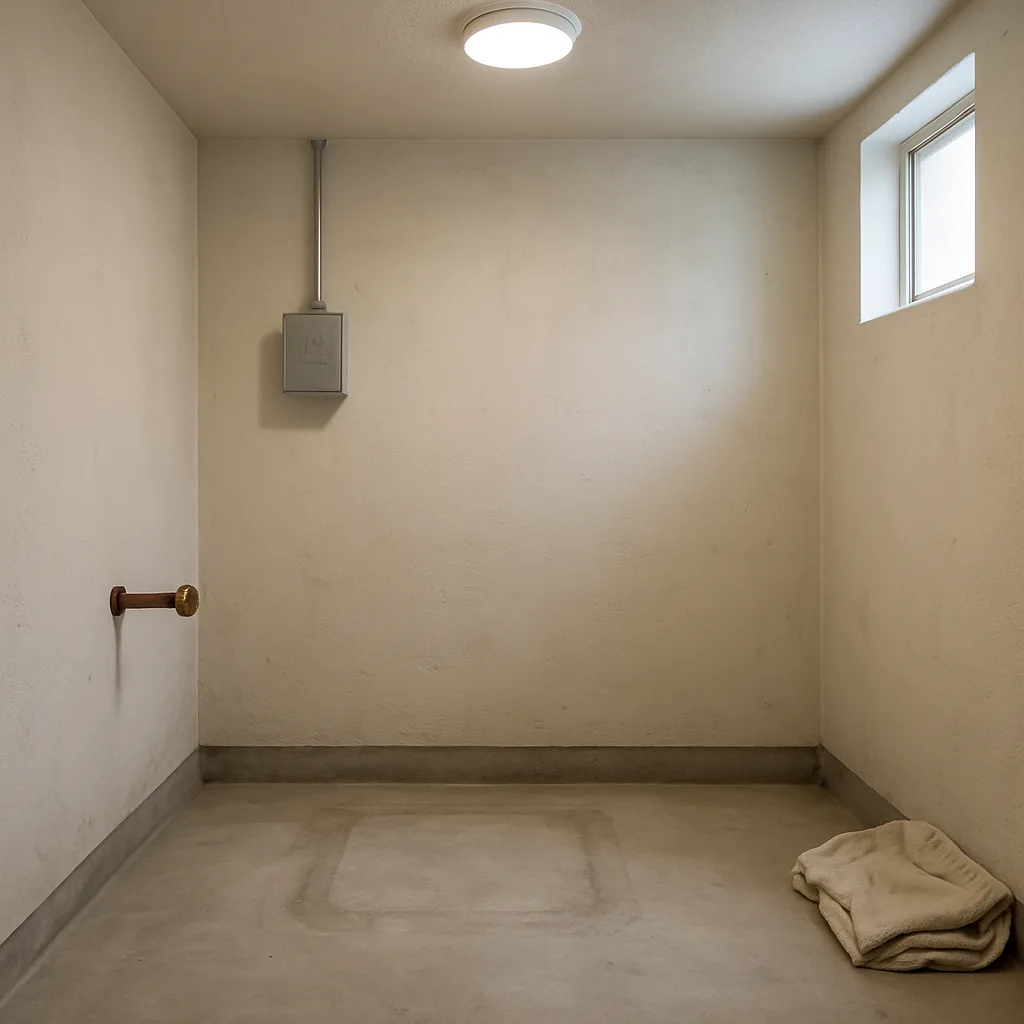
After removal, the space remains open and accessible. Capped lines stay visible, with no active connections left behind. Decommissioning doesn’t include patching walls, repairing flooring, or finishing the area cosmetically. That work remains separate because many owners plan a renovation or want to repurpose the space. You can then hire your preferred contractor rather than pay for patching that may be redone later. 80 six days a week.
Need help with Boiler decommissioning?
Call Today, Get Service Today. Xtreme Air Services is ready to help.
What Drives the Cost of Boiler Removal
Three variables shape a boiler decommissioning quote: system complexity, access, and the disposal or haul-away work required after disconnection. There’s no single price because boilers and utility spaces differ. An open, wall-mounted unit takes less labor than a large cast-iron boiler wedged into a tight mechanical room.
Most Sunnyvale jobs fall into a predictable range once a technician has inspected the equipment. Typical pricing runs from $1,000 to $5,000, depending on the scope. A straightforward shutdown, disconnection, and removal usually costs between $1,000 and $2,800. That price covers labor, utility disconnections, and removal of the boiler. It excludes a new heating system and unrelated plumbing, gas-line, or electrical repairs found during the visit. Those items receive separate quotes after they’re identified.
- System size and type: large cast-iron or multi-pass commercial boilers need more disassembly and heavier lifting gear than a compact packaged unit
- Access to the unit: tight utility closets and confined mechanical rooms slow the work compared with an open garage
- Disposal and haul-away: scrap weight, recycling logistics, and disposal fees for the boiler and related parts affect the final price
- Condition of connections: corroded shutoff valves or old gas fittings can add time to the disconnection
Access in an older property can add another variable. Narrow doorways, tight utility closets, or boilers placed without enough removal clearance add labor time. The job may also require extra crew members. Those conditions should appear in your estimate rather than as hidden charges after work starts.
A service-call fee of $26 to $99 applies to the first visit. That fee is credited toward the job if you proceed with removal. Financing is available on qualifying jobs if you’d rather spread out the cost. For a closer breakdown, see our pricing guide. It outlines typical ranges by system type and access level.
Why Licensed Plumbing and Gas Work Matters
An old boiler isn’t just sitting there. It’s tied to a gas line, a water line, and sometimes electrical controls. An improperly capped or open line can create a carbon monoxide risk or gas leak that goes unnoticed.
That’s why boiler decommissioning isn’t a job for a handyman with a wrench. It requires someone who understands gas piping and water systems. They must know how to shut down every connection so it stays off safely.
Xtreme Air Services is fully licensed and insured. Master Plumber Larry Breedlove oversees our plumbing work. HVAC License #TACLA29023C covers the mechanical side of the job. The crew disconnecting your gas also understands the boiler system itself.
- Gas line disconnected and properly capped, not just shut off at the valve
- Water lines drained and sealed so nothing backs up later
- Electrical controls and wiring disconnected safely
- Old unit removed and hauled away, with the area left clean
Sometimes maintenance staff start part of the shutdown, then stop halfway through. Stopping is the smart move. Gas work isn’t something you want to guess about. Most insurance policies also won’t look kindly on unlicensed work if something goes wrong.
When you’re ready to remove that old boiler, choose a team that treats the gas line with the same care as the unit.
Frequently Asked Questions
Common questions about Boiler decommissioning
How long does a boiler decommissioning job take?
Most boiler decommissioning jobs finish in one visit. Our crew checks the unit, shuts off gas, water, and power, then drains and removes the boiler the same day. Tight mechanical rooms and basements in older Sunnyvale buildings can add time if the unit needs partial disassembly to get it out. We schedule the visit based on your access and the boiler’s size, so you know what to expect before we start.
What happens when your crew arrives to shut down my boiler?
Our crew starts by checking the boiler’s size, its connections, and the clearance around it. We test that the unit is fully de-energized before touching any line. Then licensed trades handle each utility: gas, water, and electrical. You’ll see us cap lines, drain water, and remove controls like the aquastat and low-water cutoff. When we’re done, the space is open with no live connections left behind.
Is it risky to leave an old boiler connected in my Sunnyvale building?
Yes, an unused boiler that’s still connected can leak, rust, or leave gas and electrical lines live. We see it often in older Sunnyvale commercial and institutional buildings where the property moved to rooftop units or heat pumps years ago. If the tank still holds water and nobody’s checked the valve in months, a slow leak or corroded fitting can go unnoticed until it fails.
Will you also install my new heating system when you decommission the old boiler?
No, decommissioning and replacement are two separate jobs with different scopes. Decommissioning covers shutting down the boiler, disconnecting gas, water, and electrical lines, and hauling away the unit. Replacement means choosing, sizing, and installing your next system, like a furnace, ducted heat pump, or ductless mini-splits. Keeping these as separate line items lets you compare removal costs against multiple installation bids without surprise charges.
What happens to my old boiler after it’s removed?
We haul the boiler away for recycling or disposal, along with any disconnected piping scraps and venting material. We won’t leave patching or flooring repairs behind either, since that’s separate work many owners want to schedule with their own contractor. This way, you’re not paying for wall or floor patching that might get redone later during a bigger renovation.
Can you decommission a boiler in a tight mechanical room or older Sunnyvale property?
Yes. Tight access is common in older Sunnyvale buildings where boilers sit in cramped mechanical rooms or basements. We check clearance first to see if the job needs one technician or a small crew. Larger cast-iron units in cramped spaces sometimes need partial disassembly or a dolly and ramp system to get out safely without disturbing nearby walls or structures.
Ready to Get Started?
Call 972-288-2263 Today, Get Service Today.