

Drain Cleaning in Sunnyvale: Clear Clogs Fast, No Surprise Bills
Slow tubs, gurgling sinks, and backed-up kitchen lines cleared – with a camera check so you know what caused it, not just that it moved.
What’s Covered on This Page
- Signs Your Drain Needs Professional Attention
- When a Plunger or Basic Snake Is Enough
- What Happens During a Standard Drain-Clearing Visit
- Main Line Backups vs. Single-Fixture Clogs
- What Drives Drain Cleaning Costs Up or Down
- How fast can you get to my house for a clogged drain in Sunnyvale?
- What should I expect when a plumber arrives to clear my drain?
- Why do drains in older Sunnyvale homes clog so often?
- Should I try a plunger before calling a plumber?
- How do I know if it’s a small clog or a main line backup?
- What causes more than one drain to slow down at the same time?
Signs Your Drain Needs Professional Attention
You know your house, so pay attention when a drain that used to empty fast starts taking its time. One slow drain is annoying. When two or three drains slow down around the same time, that’s usually not a coincidence.
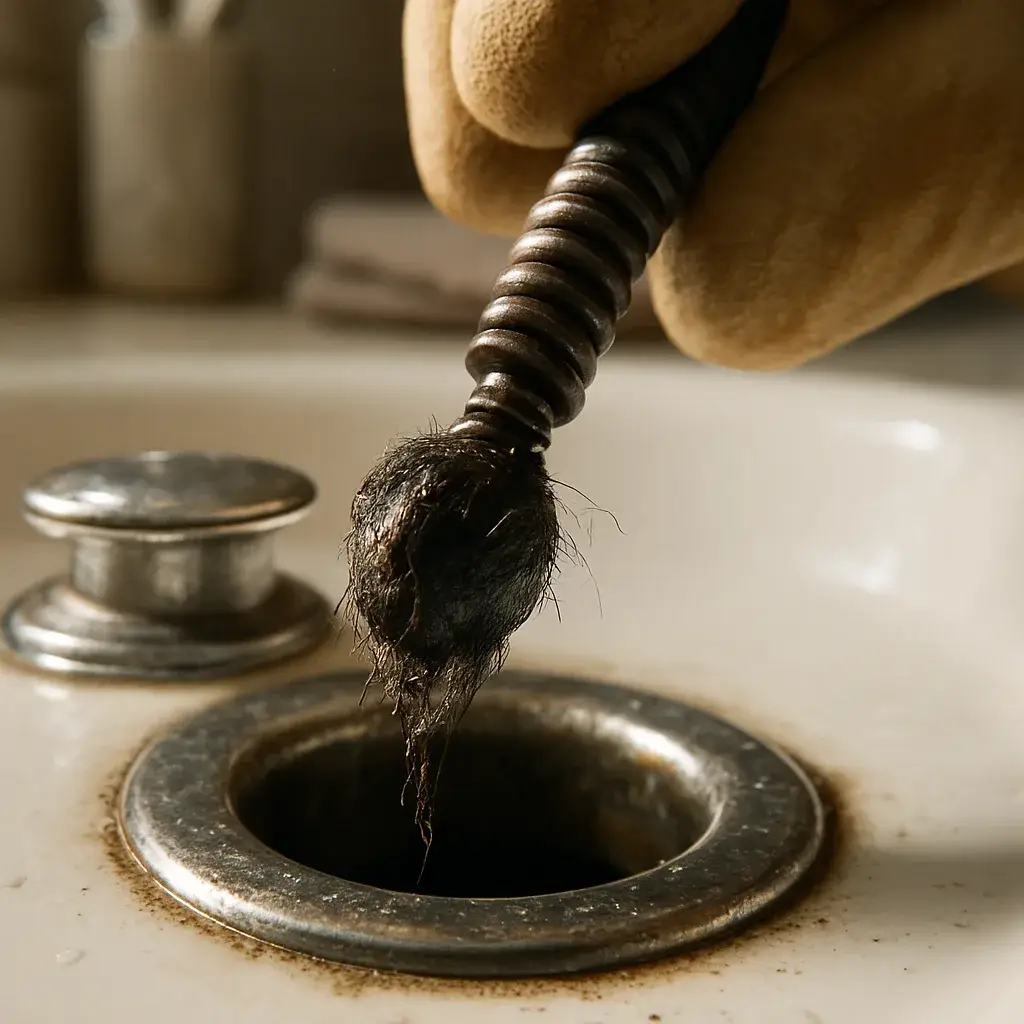
We see this every week in Sunnyvale homes with cast iron or older PVC lines. Grease, soap scum, and hair build up along the pipe wall until water can barely squeeze past. A kitchen sink that gets a lot of grease down it can develop a full clog.
- Water backs up in the sink, tub, or shower before it drains
- Gurgling or bubbling sounds come from a drain or toilet
- A sour or sewage smell lingers near a sink, floor drain, or cleanout
- More than one drain runs slowly at the same time
- Water pools around a floor drain in the garage or utility room
Not sure if it’s a clog? That’s a fair question. Your sign is a problem that returns within a few weeks or doesn’t respond to plunging or a hardware-store drain snake. A repeat clog in the same spot usually sits farther down the line than a store-bought tool can reach.
When a Plunger or Basic Snake Is Enough
Not every slow drain needs a truck in your driveway. If only one sink or toilet is acting up, and it’s the first time, grab a plunger before you grab the phone.
A single clogged toilet is usually paper or waste sitting right past the trap, and a few good plunges can clear it. With a slow bathroom sink, the culprit is often hair and soap scum caught a foot or two down. A short hand snake from the hardware store can hook that clump and pull it out.
We get calls when the tool needed for the fix was already sitting under the sink.
Here’s the honest test: Is only one fixture affected? Does the water eventually drain, only slower than normal? Has this never happened at that spot before? If you answered yes, try the plunger or snake first. Give it a real shot, not one half-hearted push.
It stops being a DIY job when more than one fixture backs up at once. The same applies when a clog returns every few weeks. Another sign is water backing up somewhere it shouldn’t, such as a shower drain gurgling when the washing machine runs. That pattern points to a blockage farther down the line, beyond a plunger’s reach.
Try the simple approach first. It costs nothing but a few minutes, and plenty of clogs need no more than that.
What Happens During a Standard Drain-Clearing Visit
A standard drain-clearing visit in Sunnyvale follows a consistent sequence. The technician diagnoses the clog, clears it without damaging the pipe, and confirms the fix before leaving.
The visit starts with a symptom check. The technician asks which fixture is backing up and whether water drains slowly in one room or throughout your home. You may also be asked about gurgling in other drains when the washing machine runs. These answers show whether the blockage is in one trap or farther down the main line. The location determines which tools and approach are needed.
The technician then locates the cleanout. In many Sunnyvale homes, this capped pipe sits near the foundation, in the garage, or along the side yard. Older properties sometimes have cleanouts buried under landscaping or covered during a remodel. In that case, the technician may use a flashlight or drain locator tool. The access point lets the technician work on the clog without pulling toilets or cutting into walls.
- Symptom check: identify affected fixtures, drainage speed, and any gurgling or odor patterns
- Cleanout location: find the nearest accessible point to the blockage and limit disruption
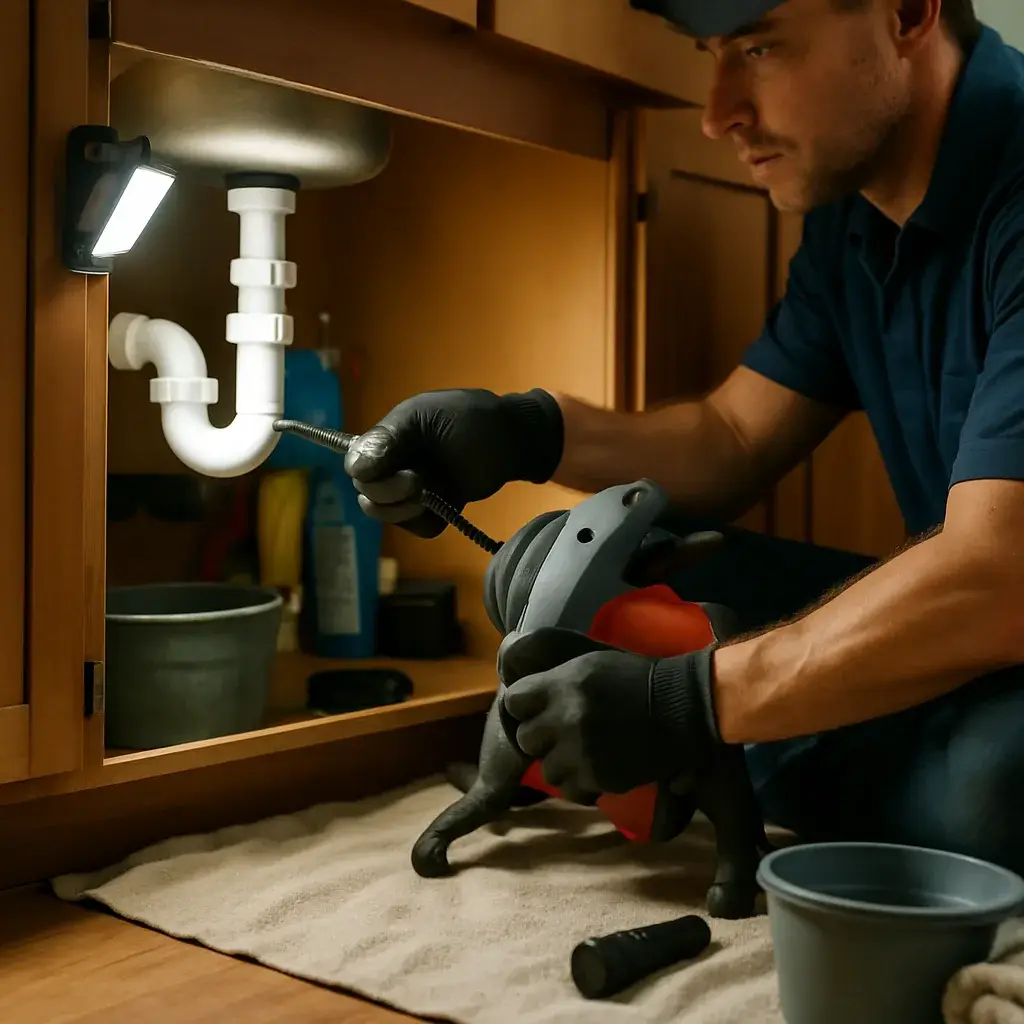
- Mechanical clearing: use a drain snake or auger sized for the pipe to break up or retrieve the obstruction
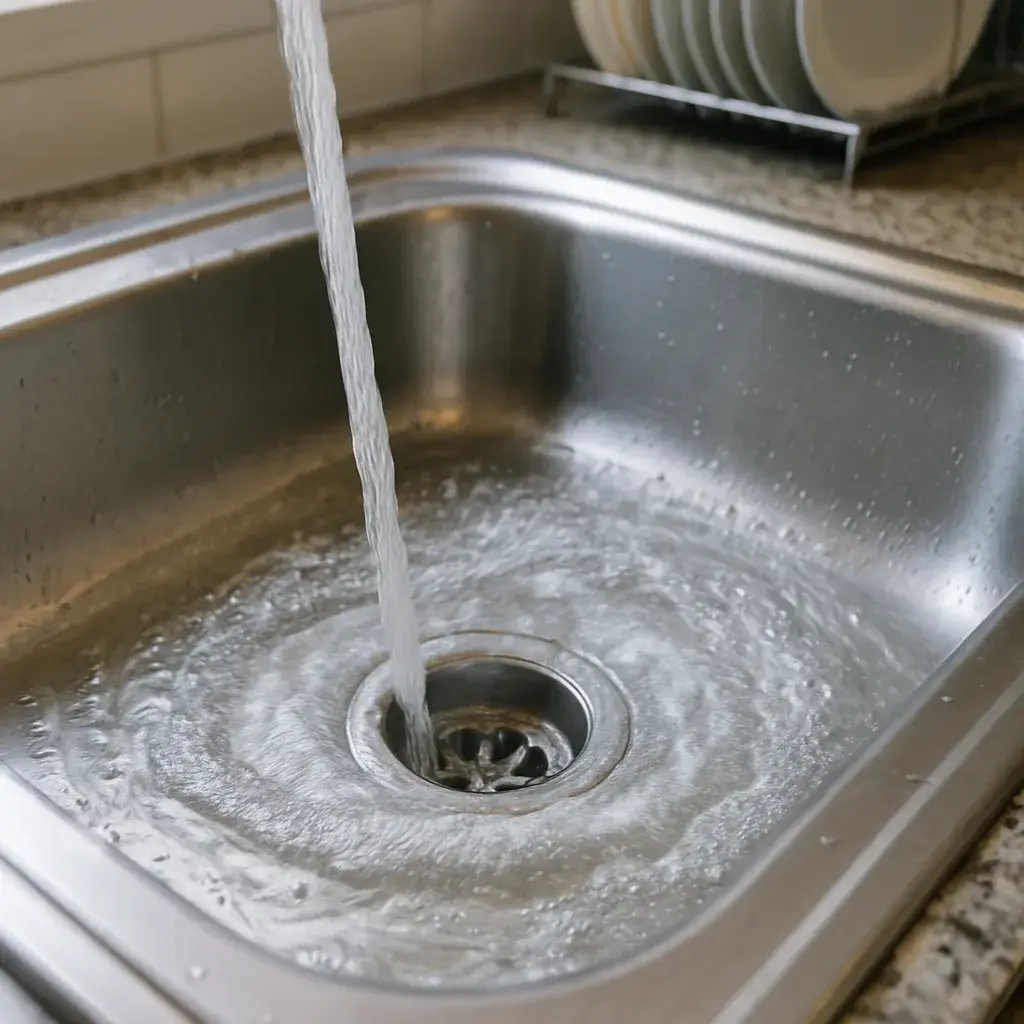
- Flow test: run water for several minutes and check nearby fixtures to confirm full drainage
- Cleanup: wipe down work areas, reseal cleanout caps, and remove debris brought up during clearing
Mechanical clearing is the main part of the visit. A cable-style auger goes through the cleanout to break apart grease buildup, roots, or debris. For most single-fixture clogs, this takes fifteen to thirty minutes. Once the line feels clear, the technician runs water and checks that it drains at normal speed. Nearby fixtures are also checked for backups. This confirms the clog is gone instead of pushed farther down the line.
The visit ends with cleanup. The technician contains and removes water or debris, reseals cleanout caps, and leaves the work area as it was found. You’ll hear what caused the clog and how you can help prevent another one. Nothing about the process should feel rushed or unexplained.
Ready when you are – get in touch today.
Call Today, Get Service Today. Xtreme Air Services is ready to help.
Main Line Backups vs. Single-Fixture Clogs
The most reliable clue separating a main line backup from a fixture clog is what happens elsewhere when you run water. If you flush a toilet and only that toilet clears slowly, the clog is likely in its trap or branch line. If the bathtub fills when you flush, the blockage is probably downstream in the main line. The same is true when running the washing machine makes another drain gurgle. That’s where waste from several fixtures meets before leaving your home.
The difference matters because the fixes vary in scope and cost. A single-fixture clog often responds to a plunger, hand auger, or short cable run through the nearest cleanout. A main line backup requires access to the main cleanout, which is often outside the house. It may call for a motorized drain snake or hydro jetting to clear roots, grease, or scale along a longer pipe run.
Sunnyvale homes often sit on slab foundations, so sewer lines run below the slab before continuing toward the street or a septic system. Homes on larger lots can have long horizontal sewer runs. More pipe means more space for roots to enter, joints to settle, or buildup to collect. A plumber’s camera may also need to travel farther before finding the blockage.
- Water backing up in a second, unrelated fixture usually points to the main line rather than an isolated clog
- Gurgling from drains not in use suggests air is being pushed through a blocked shared line
- Several slow drains may signal a partial main line blockage rather than separate clogs
- Longer Sunnyvale lot setbacks may require more camera cable to reach the problem area
- Older large-lot properties with septic systems may have line layouts that affect where the blockage sits
With these longer runs, guessing at the location wastes time and money. A camera inspection can map the clog’s distance and depth. On Sunnyvale’s larger residential lots, that is often faster than trying a drain snake at the nearest cleanout.
What Drives Drain Cleaning Costs Up or Down
Not every clogged drain costs the same to fix. In Sunnyvale, the price often depends on what’s happening inside the pipe, not only at the fixture. A slow bathroom sink is a different job from a backed-up kitchen line in an older slab-on-grade home. Older cast iron piping may have decades of scale buildup. Technicians price the work by severity, access, and the tools needed to clear the clog instead of pushing it farther down the line.
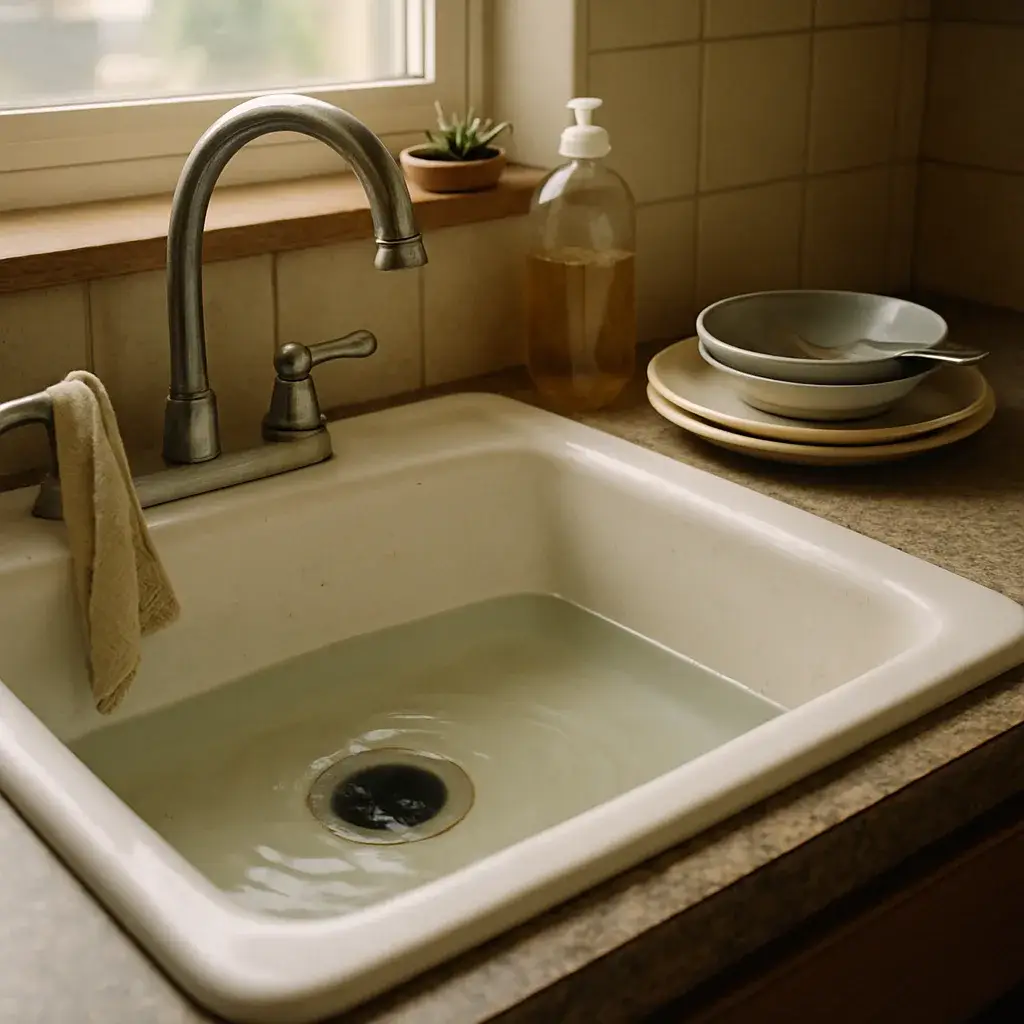
- Clog severity and location: a hair clog six feet into a sink line clears faster than grease forty feet down a kitchen main
- Pipe access: slab foundations, attic-run plumbing, and tight cabinet cutouts can add labor time
- Diagnostic needs: recurring or unexplained backups may require a camera inspection before clearing
- Method required: standard cabling handles most clogs, but grease, roots, or long-neglected lines may need hydro jetting
- Pipe material and age: older cast iron or clay pipe is more prone to scale, offset joints, and root entry than modern PVC
- Timing: Xtreme Air Services charges no extra fee for nights or weekends
Most drain cleaning companies use a flat rate for standard clearing and tiered pricing when camera inspection or hydro jetting is needed. Typical jobs run between $150 and $500 total. Most standard clogs land in the $150 to $300 range. A service-call fee of $26 to $99 is common industry practice. That fee is often credited toward the final cost when you approve the repair, so you don’t pay twice for the diagnosis. Standard pricing includes clearing the line, testing the flow, and cleaning the work area. It does not include hydro jetting, pipe repair, or root removal. Those jobs are quoted separately after the technician sees what’s happening inside the pipe. For more detail by job type, see our pricing guide.
Frequently Asked Questions
Common questions about Drain cleaning
How fast can you get to my house for a clogged drain in Sunnyvale?
We aim to get to slow or backed-up drains the same day you call, especially if more than one fixture is affected. A single slow sink can usually wait a day, but gurgling toilets or water pooling near a floor drain means the clog is worsening. Call as soon as you notice more than one drain acting up at once. That pattern often points to a bigger blockage than a plunger can handle, and catching it early keeps the fix simple.
What should I expect when a plumber arrives to clear my drain?
The technician starts by asking which fixtures are slow and whether you’ve heard gurgling elsewhere in the house. From there, they find the cleanout, which in many Sunnyvale homes sits near the foundation, garage, or side yard. Next comes mechanical clearing with a drain snake or auger sized for your pipe. Most single-fixture clogs take fifteen to thirty minutes. Before leaving, they run water to confirm full drainage and clean up any debris or water from the work area.
Why do drains in older Sunnyvale homes clog so often?
Older cast iron and early PVC lines build up grease, soap scum, and hair along the pipe walls over time, narrowing the space water can pass through. Many Sunnyvale homes also sit on slab foundations, so sewer lines run underneath before reaching the street. That layout means clogs near the slab are harder to reach with store-bought tools. If a clog keeps returning in the same spot, it’s usually sitting farther down the line than a hand snake can go.
Should I try a plunger before calling a plumber?
Yes, if only one fixture is affected and it’s the first time it’s happened. A single clogged toilet often clears with a few firm plunges, and a slow bathroom sink may respond to a hand snake pulling out hair and soap scum. It’s time to call a professional once more than one fixture backs up together, or the same drain clogs again within a few weeks. That pattern usually means the blockage sits beyond what a household tool can reach.
How do I know if it’s a small clog or a main line backup?
Run water and watch what happens elsewhere in your house. If only one drain is slow, the clog is likely in that fixture’s trap or branch line. If flushing a toilet makes the bathtub fill up, or running the washing machine makes another drain gurgle, the blockage is probably in the main line where several fixtures meet. Main line backups need access to the main cleanout, usually outside the house, and often call for a longer cable run or hydro jetting to fully clear.
What causes more than one drain to slow down at the same time?
This usually means the clog sits in a shared section of pipe, not in one fixture’s individual line. We see this weekly in Sunnyvale homes with grease buildup in kitchen lines or roots working into older sewer pipes. If a shower gurgles when the washing machine runs, or two bathrooms slow down together, the blockage is downstream where those lines connect. That’s your sign to stop plunging individual fixtures and get the main line checked before it backs up completely.
Ready to Get Started?
Call 972-288-2263 Today, Get Service Today.