


Water Heater Repair in Sunnyvale: Get Hot Water Back Fast
Pilot, thermostat, element, and thermocouple faults diagnosed before you replace a tank that may only need a part.
What’s Covered on This Page
- Common Signs Your Water Heater Needs Repair
- Repair or Replace: Using Your Tank’s Age as a Guide
- Quick Checks to Try Before You Call a Plumber
- What Happens During a Water Heater Repair Visit in Sunnyvale
- Why a Licensed Plumber Matters for This Repair
- How fast can you get someone out to fix my water heater in Sunnyvale?
- What should I expect when a plumber shows up to repair my water heater?
- Why does my water heater in Sunnyvale make popping or rumbling noises?
- Should I repair my water heater or just replace it?
- My water heater is in the attic, should I worry more about leaks?
- Is it safe to relight my own gas water heater pilot light?
Common Signs Your Water Heater Needs Repair
You turn on the shower and get lukewarm water, or none at all. That’s usually the first sign something’s wrong. Most often, the whole tank isn’t giving out. One part inside it has quit working.
- No hot water at all, or it runs out fast
- Water that’s warm but never gets hot
- Popping or rumbling sounds coming from the tank
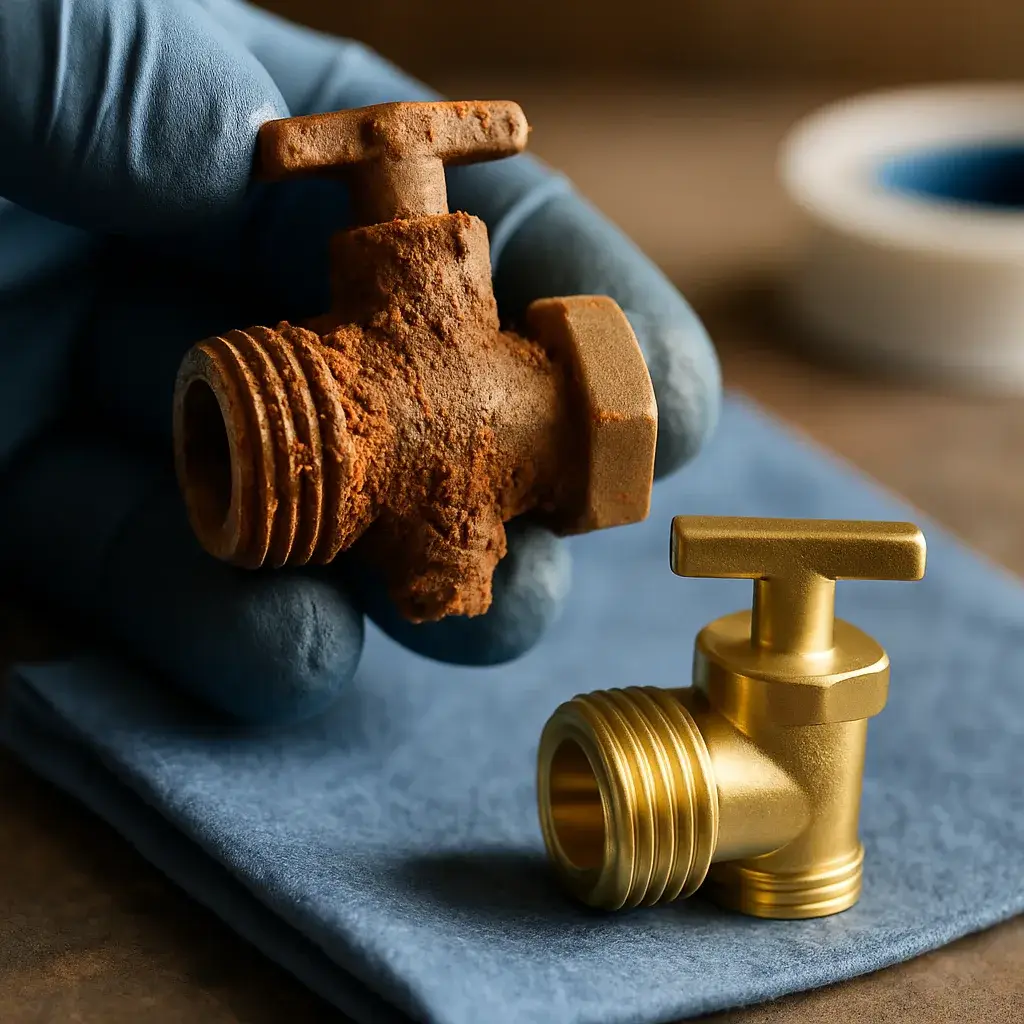
- Rusty or discolored water from the hot tap
- Water pooling around the base of the unit
- A pilot light that keeps going out on gas units
- A breaker that keeps tripping on electric units
That popping or rumbling noise deserves its own mention. Many Sunnyvale houses use well-supplied or municipal water that’s hard enough to build sediment in the tank over time. As that layer thickens, water trapped underneath boils and pops against the tank walls. We hear this same story at least once a week. It’s annoying and signals that the thermostat or heating element is working harder than it should.
Rusty water is a different problem. If it only shows up on the hot side, that points to corrosion inside the tank or on the anode rod. It likely isn’t coming from your pipes. Water leaking around the base could come from a loose fitting or valve. It could also mean the tank itself is failing. That’s the one case where repair might not be the answer. Have someone take a look before you guess.
Repair or Replace: Using Your Tank’s Age as a Guide
Here’s the honest question we ask before opening the panel: how old is this tank? Most water heaters last around 8 to 12 years. Once you’re past that window, repair math starts working against you. A new thermostat or heating element on a 4-year-old unit is a smart fix. The same part on a 13-year-old tank is a bandage.
We look at the tank first, then the failed part. Tank versus tankless matters here too. Tankless units run longer and can justify repair even when they’re older. A standard tank with rust starting on the fittings tells a different story.
- Age under 8 years and one component failed – repair almost always makes sense
- Age 8 to 12 years – it depends on the part and whether the tank shows rust or corrosion
- Past 12 years with a tank unit – we’ll tell you straight if replacement is a better use of your money
- Any age with a tankless unit – usually worth repairing because these systems are built to run longer
- Repeated failures on the same tank in under two years – that’s a pattern, not bad luck
We’re not going to sell you a repair on a tank that’s on its last leg. That’s not doing right by you. It isn’t how we want your neighbors talking about us either. 80 six days a week.
Quick Checks to Try Before You Call a Plumber
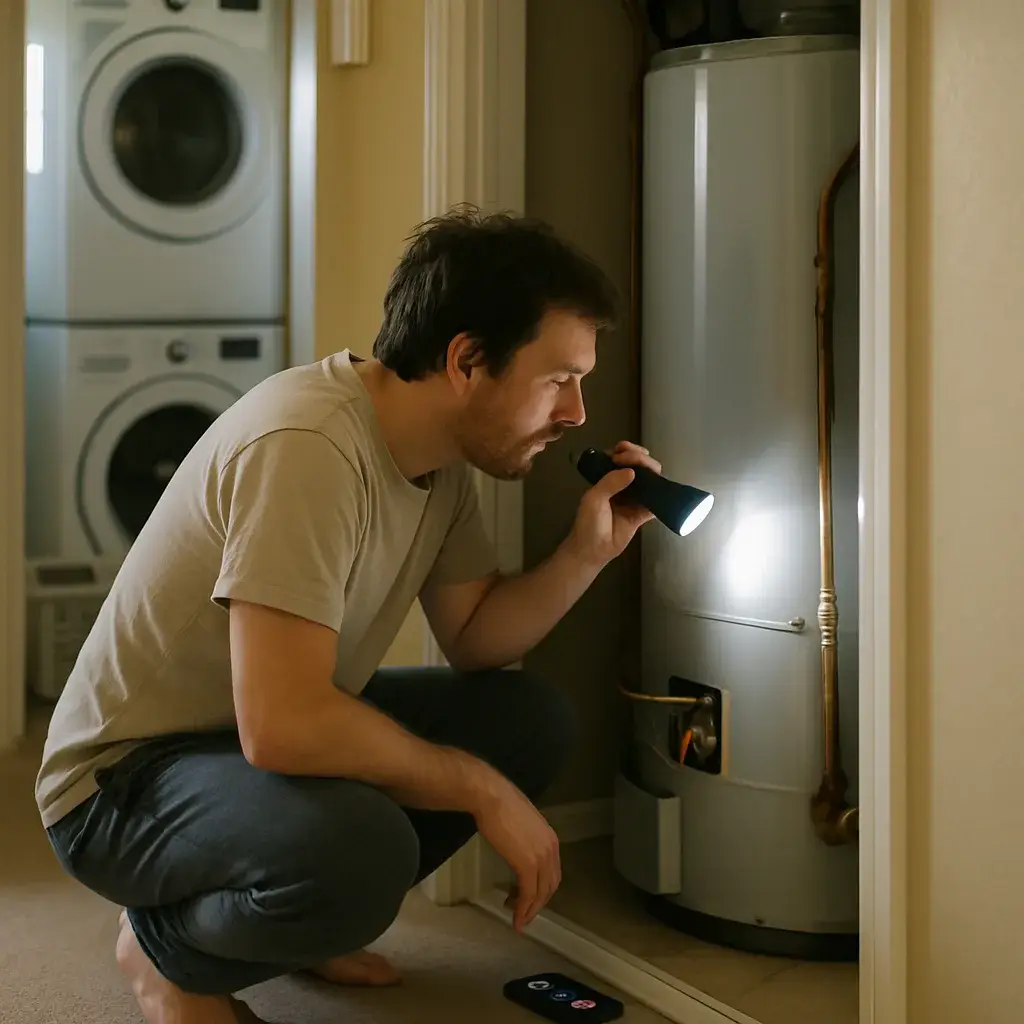
Not every cold shower means a broken water heater. Sometimes we get called out for a tripped breaker or a thermostat set too low. Before you pick up the phone, run through a few basics.
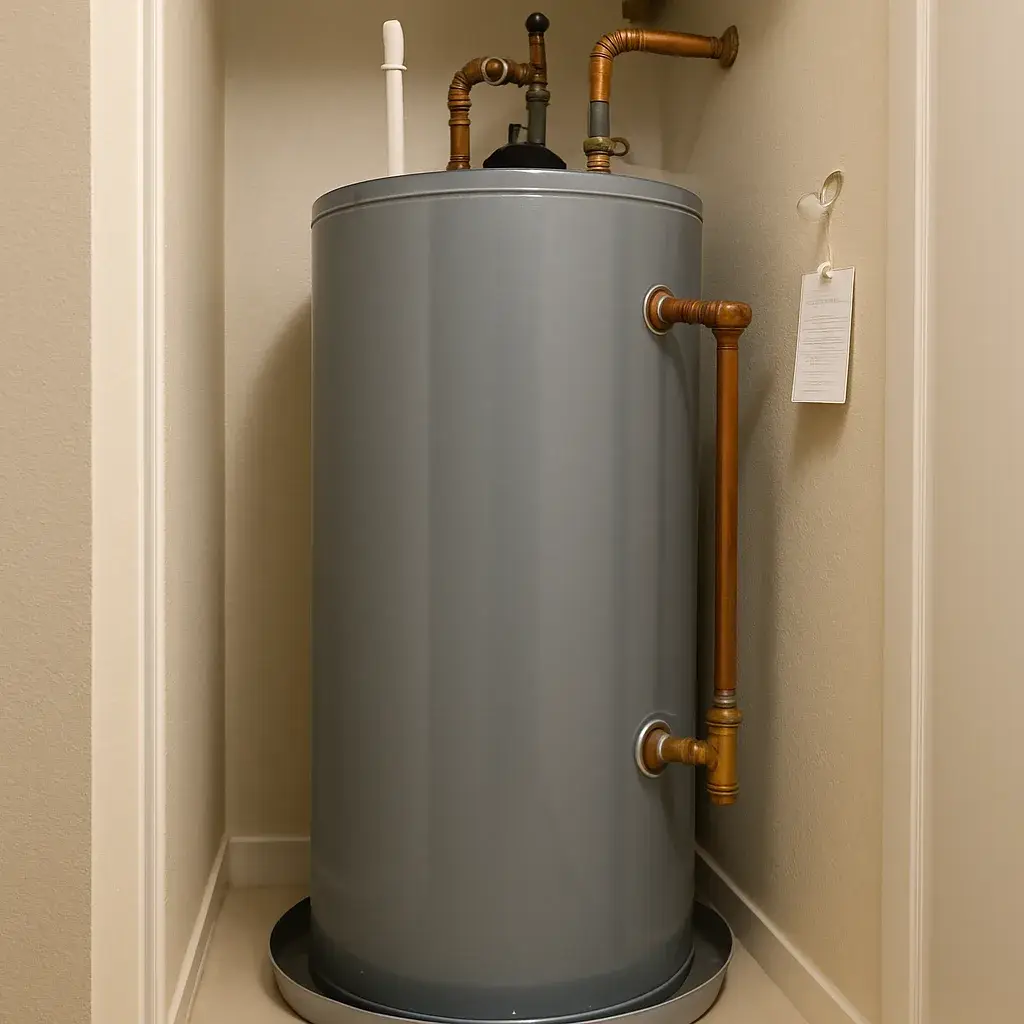
- Check the thermostat dial on the tank. It’s easy to bump while storing things nearby. A setting under 120 degrees can feel like no hot water at all.
- For electric units, check your breaker panel. Water heaters usually run on a dedicated 30-amp circuit. A tripped breaker looks just like a dead unit.
- For gas units, check the pilot light. If it’s out and you smell gas, stop there and don’t try to relight it yourself.
- Run hot water at another fixture in the house. If one faucet works and another doesn’t, the problem may not be the heater.
- Look at the age tag on the tank. Units past 10 to 12 years old fail more often. Repeated repairs may start costing more than they’re worth.
If you smell gas anywhere near the unit, leave the house and call your gas company first. That’s not a job for a checklist. It’s a safety issue, full stop.
Many newer Sunnyvale homes have the water heater tucked in the attic instead of a garage or closet. Attic units are harder to inspect yourself. A slow leak up there can soak insulation and drywall before you notice a drip below. If your unit is up there, pay attention to signs of trouble. These include dripping, ceiling stains, or an attic access door that feels warm. Those signs deserve a real inspection, not a guess.
If you’ve run through these checks and you’re still stuck, a trained eye is worth more than another hour of guessing.
Need help with Water heater repair?
Call Today, Get Service Today. Xtreme Air Services is ready to help.
What Happens During a Water Heater Repair Visit in Sunnyvale
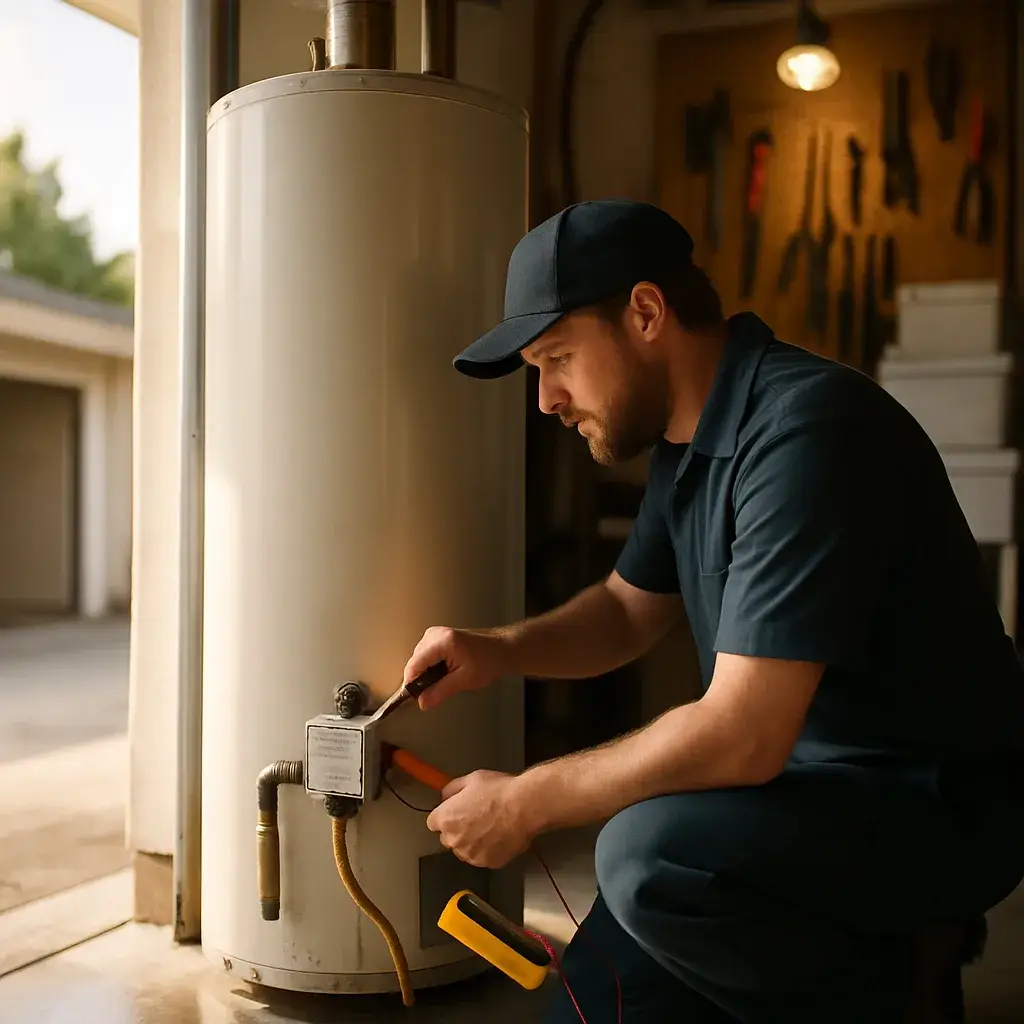
You called. What happens next? Here’s what a water heater repair visit looks like when one of our licensed and insured technicians arrives at your Sunnyvale home.
- We ask what you noticed first: cold water, a popping sound, or a puddle near the tank. That tells us where to start.
- We test the thermostat, heating element, gas valve, or ignitor based on your unit. One of these four parts is often the problem.
- We explain what’s wrong in plain English before touching anything else.
- We replace the failed part with a standard replacement from the truck. Then we test the unit under normal hot water use.
- We clean up and check for leaks one more time. Before leaving, we make sure you’ve got hot water.
The service call fee runs $26 to $99. It gets credited toward your repair if you move forward with us. That fee covers the diagnosis, labor, and the part itself. It also covers testing and cleanup. It doesn’t cover a full tank replacement or an unrelated plumbing issue we find while we’re under there. We’ll flag that separately and give you the honest picture.
Older tank units are still common in Sunnyvale garages and kitchen-adjacent closets. In those tight spaces, we sometimes drain a little water before reaching the element. It’s a routine part of the job.
Why a Licensed Plumber Matters for This Repair
A water heater isn’t just a tank. It’s connected to gas lines, electrical circuits, and sometimes a flue that vents carbon monoxide outside your home. If that work is done wrong, you don’t just lose hot water. You have a safety problem. That’s why licensing isn’t paperwork. It’s protection.
Xtreme Air Services is a fully licensed and insured HVAC, plumbing, and electrical contractor. Our master plumber, Larry Breedlove, holds a Texas plumbing license. That matters when a technician traces a gas valve or checks a thermocouple. A licensed plumber knows the code requirements for venting and gas connections, not just the repair steps.
We see homeowners attempt a DIY fix on a gas water heater and end up with a bigger issue. Often, a part was installed incorrectly or a connection was left loose. Those mistakes don’t always show up right away.
When you call a licensed shop, you get background-checked technicians and upfront flat-rate pricing. You also get a company that stands behind its work instead of gambling on a guess. Your home deserves someone who treats the job like it’s their own house.
Frequently Asked Questions
Common questions about Water heater repair
How fast can you get someone out to fix my water heater in Sunnyvale?
We schedule most water heater repairs in Sunnyvale within the same day or next day, depending on when you call. A cold shower or dead pilot light usually counts as urgent, so we move those calls up. When you reach out, tell us what you’re seeing, whether it’s no hot water, a popping tank, or a puddle on the floor. That helps us bring the right parts on the first visit instead of making you wait for a return trip.
What should I expect when a plumber shows up to repair my water heater?
A licensed technician will start by asking what you noticed first, like cold water or a strange sound, before touching anything. From there, we test the thermostat, heating element, gas valve, or ignitor to find the failed part. We’ll explain what’s wrong in plain language before we fix it. Once the part is replaced, we run the water heater under normal use to confirm it’s working, then clean up and check for leaks before we leave.
Why does my water heater in Sunnyvale make popping or rumbling noises?
Popping or rumbling almost always means sediment has built up inside your tank. Many Sunnyvale homes have water hard enough to leave mineral deposits over the years, and that layer traps water underneath that boils and pops against the tank walls. We hear this complaint at least once a week. Left alone, it makes the heating element or thermostat work harder and can shorten the life of your tank. A quick flush or part check usually clears it up.
Should I repair my water heater or just replace it?
It depends mostly on your tank’s age and how often it’s failing. If your unit is under 8 years old and only one part quit, repair almost always makes sense. Past 12 years, or if you’re seeing repeated failures within two years, replacement usually saves you more money long term. Tankless units are the exception since they’re built to run longer and are often worth repairing even at an older age. We’ll give you an honest read once we see the tank.
My water heater is in the attic, should I worry more about leaks?
Yes, attic units in newer Sunnyvale homes need closer attention because leaks are harder to spot early. A slow drip can soak insulation and drywall before water ever shows up below. Watch for dripping near the unit, ceiling stains, or an attic access door that feels warm to the touch. Any of those signs is worth a real inspection instead of guessing, since attic leaks tend to cause more hidden damage than garage or closet units.
Is it safe to relight my own gas water heater pilot light?
It’s safe only if you don’t smell gas anywhere near the unit. If the pilot is out and there’s no gas smell, most manufacturers include relight steps on a label near the control valve. But if you smell gas at all, stop and don’t touch the unit. Leave the house and call your gas company first. That’s a safety issue, not a repair job, and it’s worth having a technician check the gas valve and ignitor afterward.
Ready to Get Started?
Call 972-288-2263 Today, Get Service Today.