


Electrical Wiring Installation in Sunnyvale: Power Your Home or Business Right
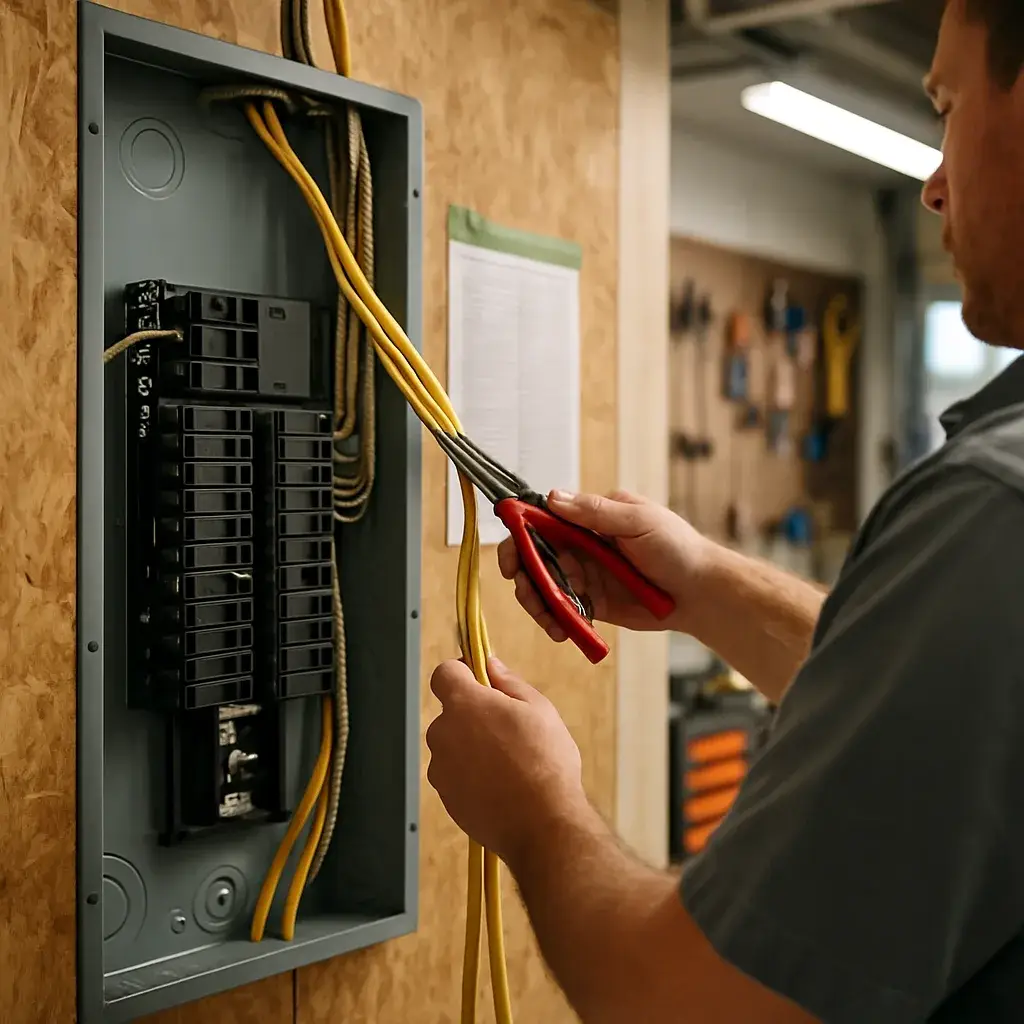
New circuits and branch wiring run for additions, remodels, and shops – sized to load, secured to code, and inspected before it disappears behind drywall.
What’s Covered on This Page
- Signs You Need New Electrical Wiring
- New Circuits vs. Whole-Home Rewiring: Choosing the Right Scope
- When a Repair or Panel Upgrade Makes More Sense
- What Happens During a Wiring Installation Visit
- Wiring Older Homes and New Construction in Sunnyvale
- How long does electrical wiring installation take?
- What happens when you come out for a wiring installation?
- Is aluminum wiring a problem in older Sunnyvale homes?
- Do I need a new circuit or a full rewire?
- How do I know if my electrical panel needs an upgrade too?
Signs You Need New Electrical Wiring
Here’s the thing about wiring problems. They don’t show up all at once. A light flickers, you shrug it off. A breaker trips during dinner, you reset it and move on. Usually, that pattern means the circuit is overloaded or the wire behind the wall just isn’t built for what you’re plugging into it now.
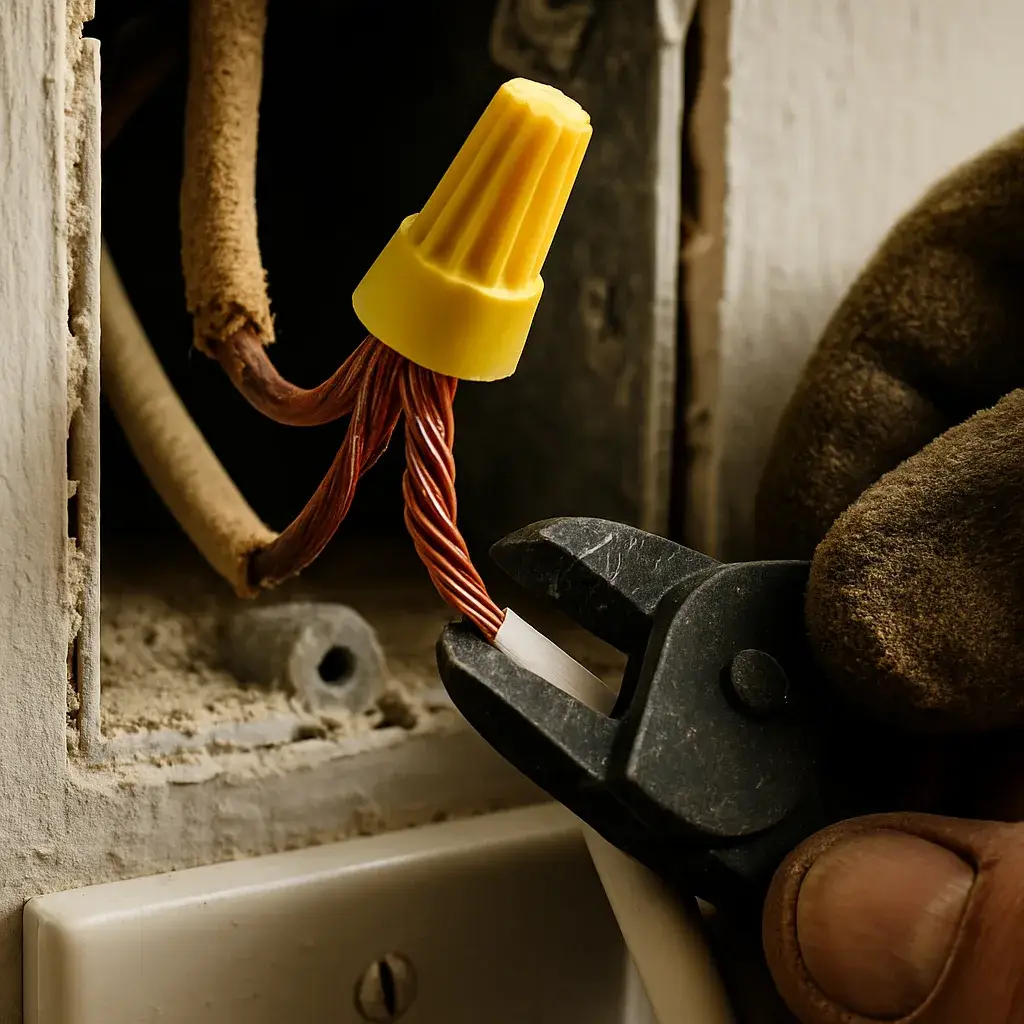
Older homes around Sunnyvale, especially ones built before the 1980s, sometimes still run on aluminum wiring. That wiring was common back then, but it expands and contracts more than copper, and connections loosen over time. That’s a real fire risk, not a hunch.
- Lights that flicker or dim when the AC or a big appliance kicks on
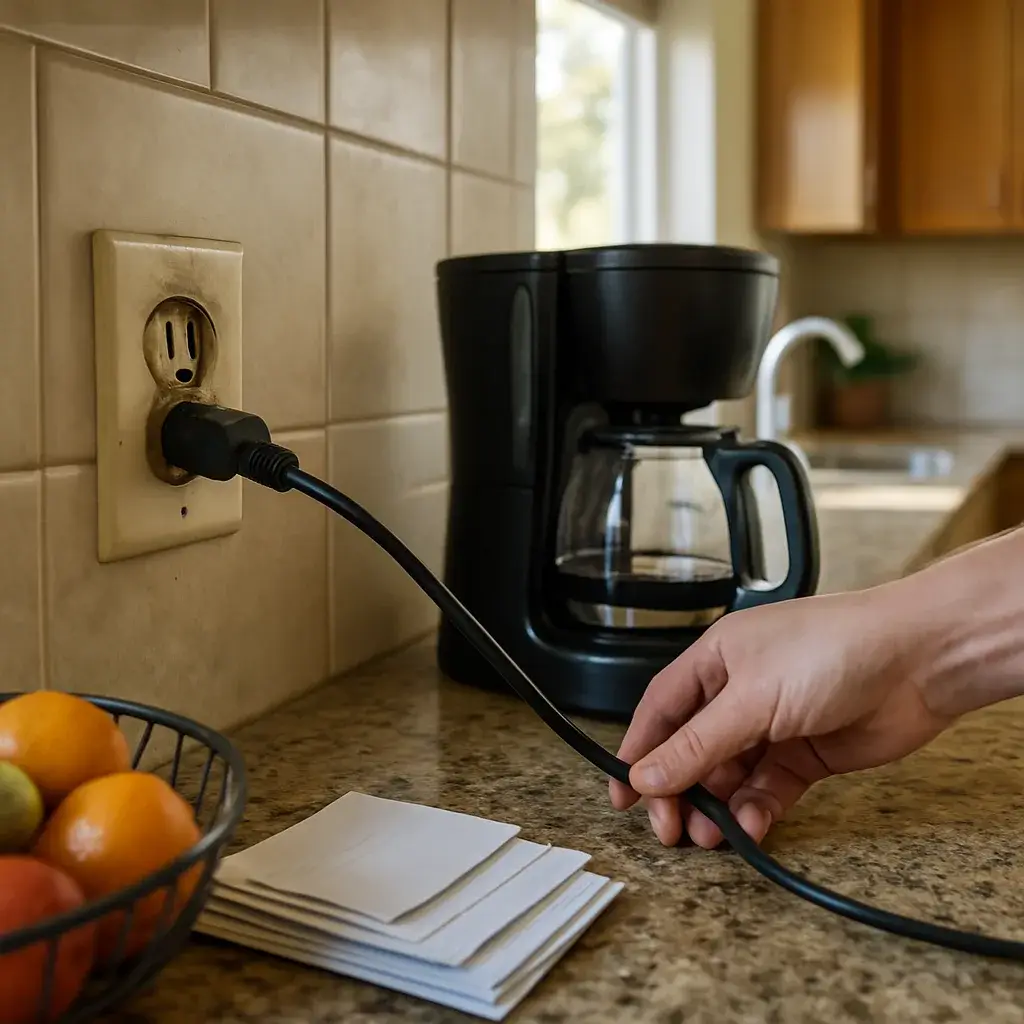
- Outlets or switch plates that feel warm to the touch
- A breaker that trips more than once a month on the same circuit
- Buzzing sounds from outlets, switches, or the panel itself
- Rooms with too few outlets, so you’re running extension cords year round
- Adding a home addition, workshop, or EV charger that needs its own dedicated circuit
Notice more than one of these? That’s usually the point where a repair stops being enough. We see this every week, someone tries to patch one outlet, and the same issue pops up two rooms over a month later.
New Circuits vs. Whole-Home Rewiring: Choosing the Right Scope
One new circuit or the whole house? That’s the first thing we sort out on the phone. Most calls we get are for the first one, a homeowner adding a hot tub, a home office, or a dedicated line for a new range.
A new circuit run is a focused job. We’re pulling wire from your panel to one spot, sizing the wire gauge to the load, and landing it on a breaker built for that job. Add an outlet in the garage, wire a new appliance, run power to a shed – none of that touches the rest of your home’s wiring. It’s quick, it’s contained, and it doesn’t require opening up every wall in the house.
Whole-home rewiring is a different animal entirely. Many of the older homes near Sunnyvale’s original townsite still carry wiring installed decades ago, some of it aluminum, and aluminum wiring has known connection problems that show up as warm outlets or flickering lights over time. That’s not a one-circuit fix.
- Breakers trip constantly, not just when you run the microwave and hair dryer together
- Outlets feel warm or you see scorch marks around switch plates
- Your panel still uses fuses or shows aluminum wiring at the connections
- You’re adding a whole addition, not just one appliance
See two or more of those? You’re probably past the point where a single new circuit solves it. And that’s fine, we tell you straight when a bigger scope makes more sense, rather than patching one circuit and leaving the underlying wiring as-is.
When a Repair or Panel Upgrade Makes More Sense
Not every electrical problem needs new wiring. Sometimes the wire already there is fine, and the real issue is somewhere else. We see this every single week, someone calls asking for a new circuit when what they need is a breaker swap or a bigger panel.
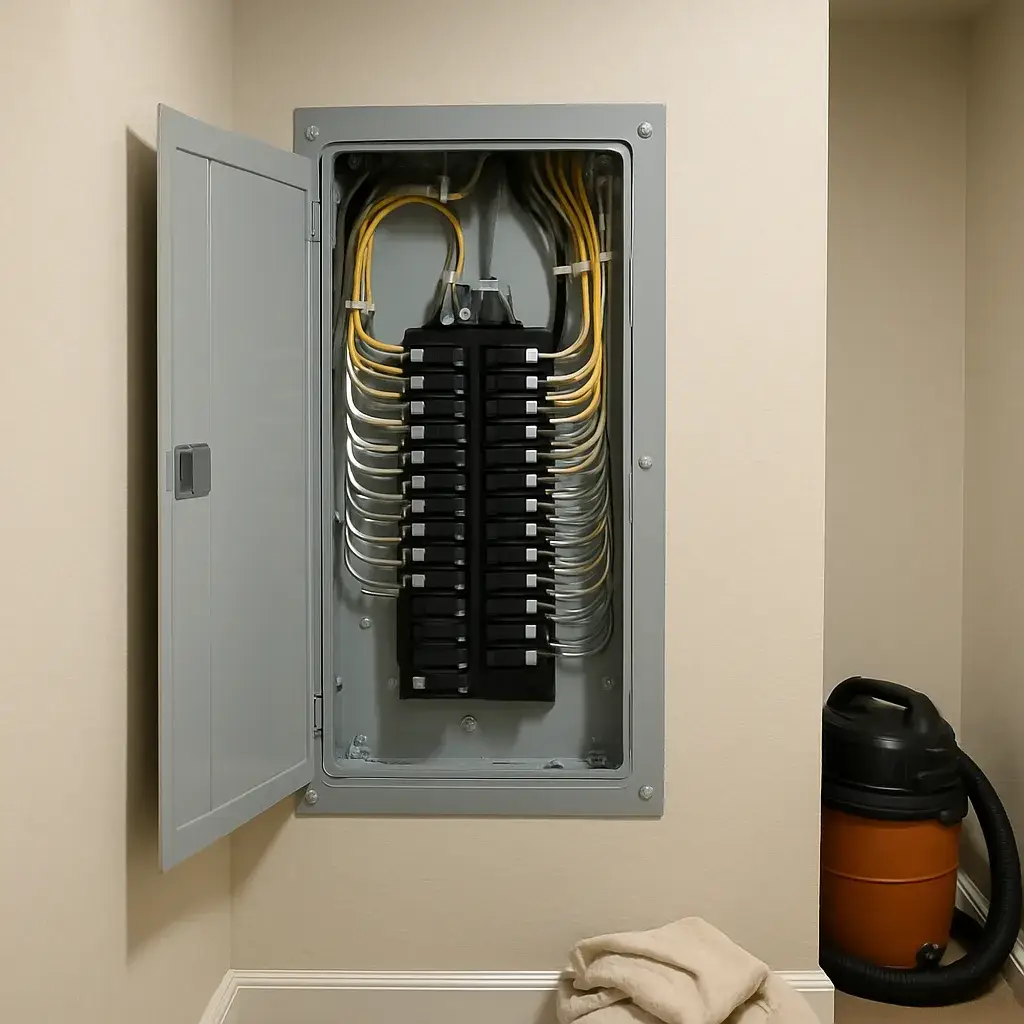
If your panel is maxed out, adding a new circuit isn’t really an option until that gets sorted first. Older homes around Sunnyvale built decades back often carry 100-amp panels, and those just don’t have room for a modern kitchen, a shop, or an EV charger down the road. Trying to squeeze new wiring onto a full panel is asking for trouble.
A single outlet that’s stopped working usually points to a loose connection or a bad device, not a wiring project. Breakers that trip constantly might mean the circuit is overloaded, but they might also mean the breaker itself has worn out. That’s a repair, not an installation.
- One dead outlet or switch while everything else works fine – likely a repair, not new wiring
- Panel already full or maxed on amperage – needs a panel evaluation before any new circuit goes in
- Flickering lights across the whole house rather than one room – often a panel or utility connection issue
- Old aluminum wiring in the walls – a different fix altogether, not a new-circuit job
So how do you tell the difference? Honestly, sometimes you can’t from the outside. That’s the whole point of having someone look at it before guessing.
Ready when you are – get in touch today.
Call Today, Get Service Today. Xtreme Air Services is ready to help.
What Happens During a Wiring Installation Visit
Here’s what a real visit looks like, start to finish. We don’t just show up and start drilling holes. There’s a process, and it’s the same one whether we’re adding a single outlet in a Sunnyvale kitchen or running circuits for a whole addition.
- We walk the space with you and talk through what you need power for, outlets, appliances, lighting, whatever the project calls for.
- We check your panel. Every new circuit needs room and capacity there, and that’s something we confirm before any wire gets pulled.
- We map the run. Attic access, crawl spaces, wall cavities, we figure out the shortest safe path from the panel to the new location.
- We pull the wire and set the devices, outlets, switches, junction boxes, whatever the job calls for.
- We connect everything back to the panel and test it. Every circuit gets checked for a solid connection and proper voltage before we call it done.
- We clean up. Wire scraps, packaging, footprints, gone.
Usually, the panel and the access points decide how the visit goes, not the wiring itself. A slab home with tight attic access takes longer than a newer build with open joists. And older Sunnyvale properties sometimes need a little extra time working around finished walls that weren’t built with future circuits in mind.
Not sure if your attic access is a problem? Most folks don’t know until we’re up there looking.
Testing isn’t optional. Every wire installation ends with us confirming the circuit works right, draws power correctly, and trips a breaker the way it should if something goes wrong. That last part matters more than people realize.
Wiring Older Homes and New Construction in Sunnyvale
Sunnyvale has a real mix of housing stock. You’ve got older established homes on smaller lots, and you’ve got newer subdivisions with bigger attics and easier access. That mix matters more than people think.
In an older Sunnyvale home, we’re often running new circuits through walls that were never meant to be opened up. Insulation’s tighter, stud spacing can be odd, and the attic access might be a tiny hatch instead of a full walk-in space. That kind of access adds time. And time is one of the biggest cost drivers in this trade, right alongside the number of circuits you need.
Newer construction in Sunnyvale is usually a different story. Bigger attics, easier drops down interior walls, panels with more open breaker slots. So a run for a new dedicated circuit in a newer home often goes faster than the same job three streets over in an older one.
Not sure which category your home falls into? Most folks don’t think about it until we’re standing in the attic looking at the layout.
Here’s the thing though, wire gauge and device type matter just as much as the house itself. A 20-amp circuit for a kitchen appliance calls for different wire than a light switch loop. And if your panel’s already near capacity, that’s a separate conversation before we even talk about running new wire.
We check all of it during the visit, no guessing.
Frequently Asked Questions
Common questions about Electrical wiring installation
How long does electrical wiring installation take?
Most single-circuit jobs take a few hours to a full day, while whole-home rewiring can take several days. The timeline depends on your panel and how easy it is to reach the walls, attic, or crawl space. A newer Sunnyvale home with open joists moves faster than an older slab home with finished walls and tight attic access. We walk your space first and map the wire path before we start, so you get a realistic timeline before any work begins.
What happens when you come out for a wiring installation?
We start by walking the space with you and talking through what needs power, then we check your panel for capacity before pulling any wire. Next we map the shortest safe path from the panel to the new location, run the wire, and set the outlets, switches, or junction boxes. Every circuit gets tested for a solid connection and proper voltage before we call it finished. We clean up wire scraps and footprints on the way out, so your home looks the way we found it.
Is aluminum wiring a problem in older Sunnyvale homes?
Yes, homes near Sunnyvale’s original townsite built before the 1980s sometimes still run on aluminum wiring, and that’s a real fire risk. Aluminum expands and contracts more than copper, so connections loosen over time and cause warm outlets or flickering lights. If your panel still shows aluminum wiring at the connections, that’s usually a bigger job than a single new circuit. We check for this during our panel evaluation, since it changes the whole scope of the work.
Do I need a new circuit or a full rewire?
Most calls we get are for one new circuit, like adding a hot tub, home office, or dedicated line for a new appliance. That’s a focused job, pulling wire from your panel to one spot without touching the rest of your home. A full rewire makes more sense if breakers trip constantly on different circuits, outlets feel warm, or your panel still uses fuses or aluminum connections. We sort this out on the phone first, so you know what you’re booking before we arrive.
How do I know if my electrical panel needs an upgrade too?
If your panel is already maxed out, adding a new circuit usually isn’t possible until the panel gets upgraded first. Older homes around Sunnyvale often carry 100-amp panels, which don’t leave room for a modern kitchen, a shop, or an EV charger. Flickering lights across the whole house, rather than just one room, often points to a panel or utility connection issue instead of the wiring itself. We check panel capacity as a standard step before any new circuit goes in.
Ready to Get Started?
Call 972-288-2263 Today, Get Service Today.