


Water Softener Repair in Sunnyvale: Fast Fixes for Hard Water Trouble
Repair for softeners that stopped regenerating, run constantly, or let hard water back through – with the simple checks worth trying before you call.
What’s Covered on This Page
- Signs Your Water Softener Needs Repair
- Common Causes Behind Softener Breakdowns
- Simple Fixes to Try Before You Call
- What Happens During a Professional Repair Visit
- Keeping Your Softener Running Between Repairs
- How fast can you get someone out to fix my water softener in Sunnyvale?
- What happens when the technician shows up to look at my softener?
- Why does my water softener struggle so much in Sunnyvale, Texas?
- What is a salt bridge and how do I know if I have one?
- Can I fix my water softener myself before calling a professional?
- How long does a typical water softener repair take?
Signs Your Water Softener Needs Repair
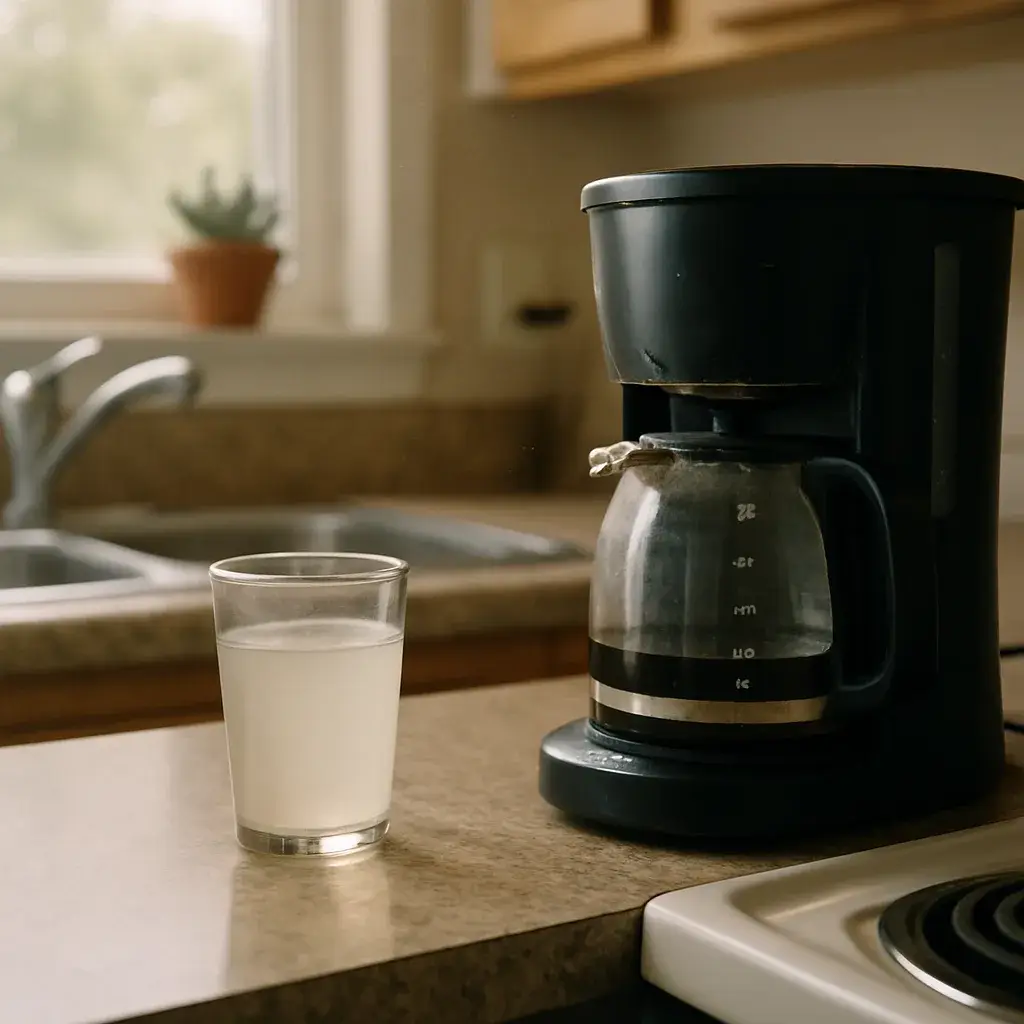
The first clue is soap. If your shampoo won’t lather, or you’re wiping a filmy residue off dishes, your softener has probably stopped working. Spots on shower glass and faucets are another giveaway, especially in Sunnyvale homes built in the 80s and 90s with slab foundations. Scale builds fast on older copper lines once soft water stops flowing.
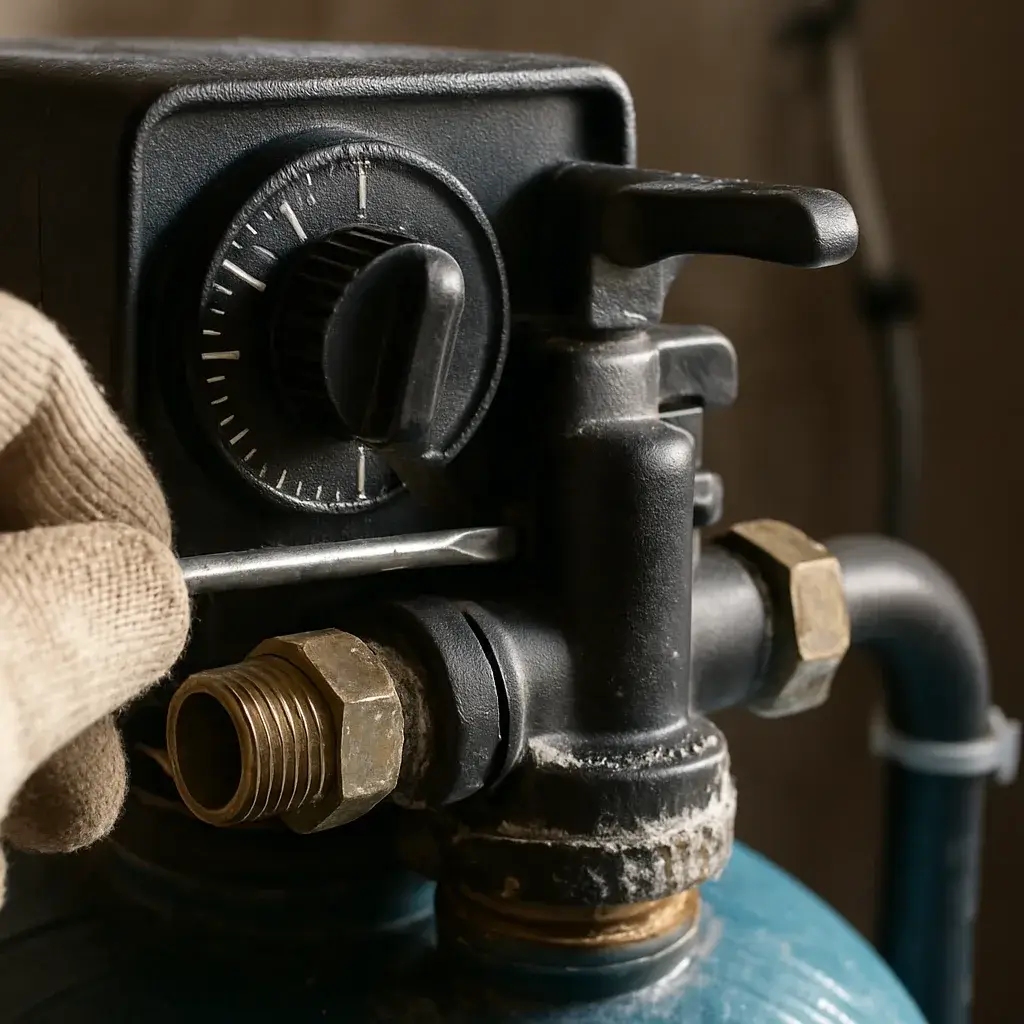
- Hard water symptoms return even though the softener seems to be running
- Water tastes salty or off. This often points to a stuck valve dumping brine into your supply.
- The resin tank makes grinding, clicking, or hissing sounds during regeneration.
- Salt in the brine tank isn’t going down week to week. This means the unit isn’t drawing brine at all.
- You notice small resin beads showing up in your water. They look like tiny yellow or tan beads.
Not sure if it’s the softener or just old plumbing? That’s a fair and common question. Test it simply: run a load of laundry and check if towels feel stiff and scratchy after drying. Stiff towels almost always mean hard water is getting through.
We see salt bridges more than almost anything else. A hard crust forms in the brine tank, and the softener can’t pull salt into the system even though the tank looks full. It’s an easy thing to miss unless you know to check for it.
Common Causes Behind Softener Breakdowns
It’s one of a handful of things. We see the same failures over and over on softeners across Sunnyvale homes. Most of them trace back to hard water doing exactly what hard water does over time.
Salt bridging is a big one. A hard crust forms above the water line in the brine tank, and salt stops dissolving into the water. The softener thinks it’s regenerating, but it’s really just running water through nothing.
- Resin bed fouling: iron and sediment coat the resin beads until they can’t grab calcium and magnesium anymore.
- Valve or control head failure: the brain of the unit stops telling it when to regenerate.
- Motor failure: the valve won’t turn at all, so no regeneration happens.
- Injector or nozzle clogs: small parts that block the brine draw.
- Worn seals and O-rings, especially on units that have run for years without a service check.
Age matters, too. Many homes in Sunnyvale still run softeners installed well over a decade ago. Parts wear out on a schedule whether anyone notices or not.
Brand and model drive some of this. Some control heads are easy to source parts for, some take a few extra days. Either way, the fault usually sits in one of these spots. It’s not a mystery, just wear and hard water doing its thing.
Simple Fixes to Try Before You Call
Before you pick up the phone, walk over to the softener and take a look. A soft water problem starts with something small. Salty taste gone? Skin feels dry again? Don’t assume the worst right away.
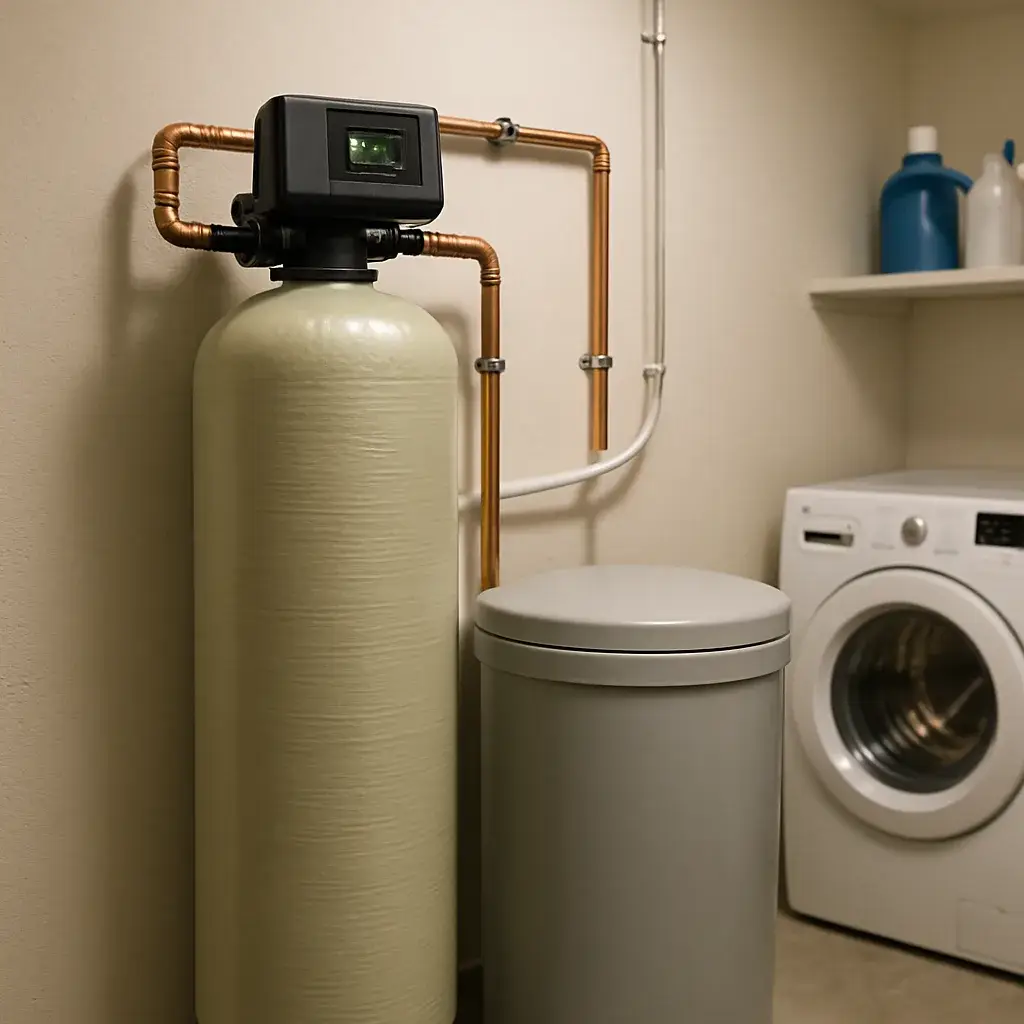
We get calls all the time for a unit that just needs a nudge, not a repair. Check these first.
- Look in the brine tank. If the salt’s low or you see a hard crust sitting above standing water, that’s a salt bridge. It can stop regeneration cold.
- Check the bypass valve. If it got bumped into the bypass position during other plumbing work, water skips the softener entirely.
- Confirm it’s plugged in and the outlet has power. A tripped breaker or a loose cord will shut the whole system down.
- Look at the control head display. A blinking clock or an error code usually points to a power blip, not a broken part.
- Check the drain line for kinks or a clog. If water can’t drain during regeneration, the cycle won’t finish right.
If you fix the salt bridge or flip the bypass valve and things go back to normal, great. No need for a truck to roll out. But if you’ve checked all that and you’re still getting hard water spots on your glassware or the unit won’t cycle at all, that’s a different story.
Thinking about Water softener repair? Let’s talk.
Call Today, Get Service Today. Xtreme Air Services is ready to help.
What Happens During a Professional Repair Visit
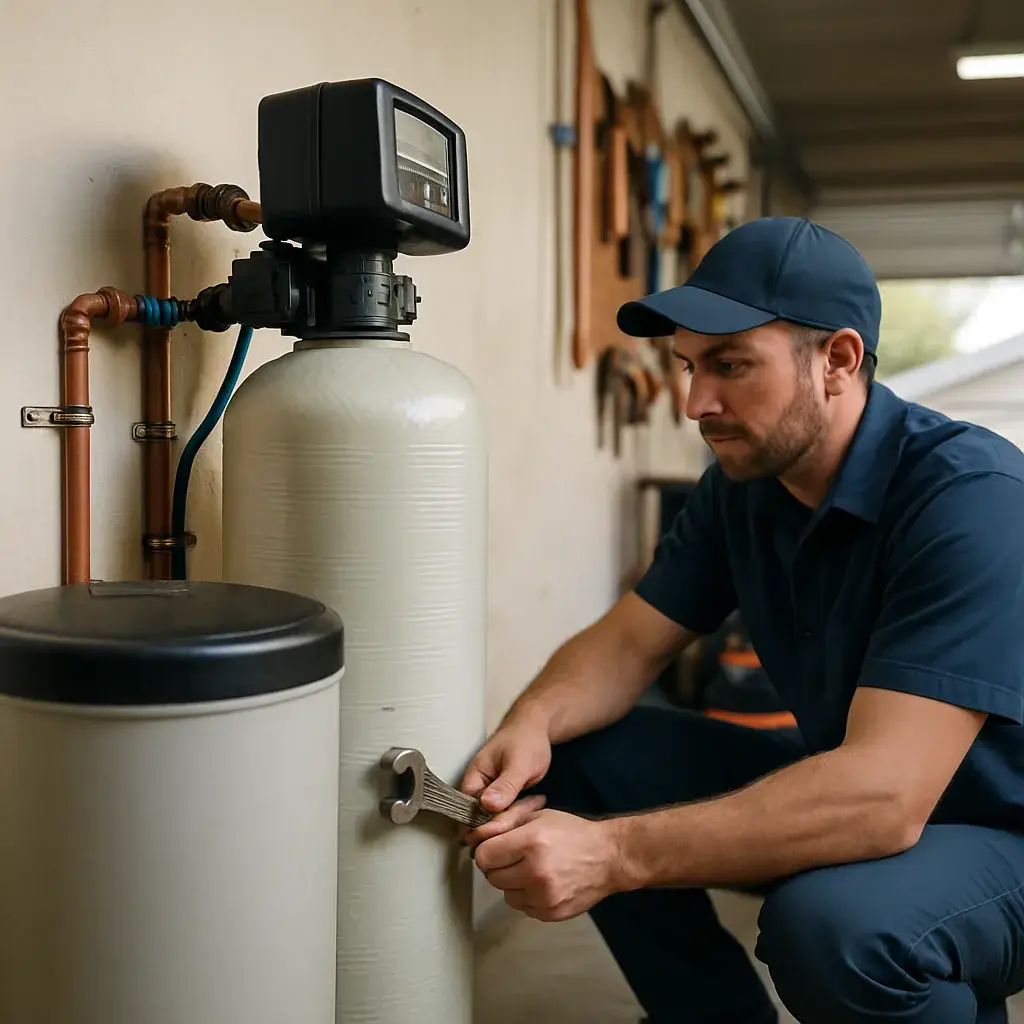
Here’s the honest version of what happens once we’re standing in front of your softener. No mystery, no guessing games.
- We ask what you’ve noticed. Salty tap water, no soft water at all, a tank stuck mid-cycle, salt bridging in the brine tank. Your answer points us in the right direction fast.
- We check the control head and valve first, since that’s where most failures start. It’s the same handful of parts acting up.
- We inspect the resin bed and motor if the valve checks out clean. Old resin loses its softening power, and a worn motor won’t turn the valve at all.
- We replace the failed part on the spot, using the standard part included in the repair.
- We reset and run a full regeneration cycle so the unit recharges the way it’s supposed to.
- We test your water before we leave. Soft water at the tap is the only proof that matters.
Most calls get fixed on that first visit. No second trip, no waiting on a part for a week. The service call runs between twenty-six and ninety-nine dollars. It gets credited toward your repair if you have us do the work. Nights and weekends cost the same as a Tuesday afternoon, no extra charge for after hours.
Keeping Your Softener Running Between Repairs
Most of the softener calls we run could’ve been pushed back months, sometimes years, with a little basic upkeep. The resin bed and control valve take a beating from constant regeneration cycles, and North Texas water gives them plenty of calcium and magnesium to fight. Sunnyvale sits along U.S. 80. Whether your home falls on the Dallas County or Kaufman County side of town, you’re pulling from the same hard water supply. Every softener in town works overtime, no exceptions.
- Check the salt level once a month. Keep it at least half full, but don’t overfill past the recommended line.
- Break up salt bridging before it hardens. A crusty layer above the water line stops the brine from mixing right.
- Use pellet or cube salt made for softeners. Rock salt leaves sediment that clogs the injector over time.
- Watch the bypass valve. If it’s stuck open or leaking, your whole house skips soft water without you knowing it.
- Book a softener maintenance visit once a year. It’s cheap insurance against the exact failures we talked about above.
Here’s the thing nobody tells you when you buy a softener: it’s not a set-it-and-forget-it box. It needs attention a few times a year, same as your AC filter or your water heater. Skip that, and you’re rolling the dice on a control head that fails from mineral buildup instead of old age.
We check all of this during a regular maintenance visit. It’s usually a lot less hassle than waiting for hard water spots to show up on your shower doors again.
Frequently Asked Questions
Common questions about Water softener repair
How fast can you get someone out to fix my water softener in Sunnyvale?
We offer same-day service six days a week across Sunnyvale and the surrounding DFW towns. Most softener problems don’t wait, especially once salty water or hard water spots show up. We schedule around your day, including evenings and weekends, at no extra charge. When you call, tell us what you’re seeing, like a stuck valve or a brine tank that won’t drain. That helps us bring the right parts on the first trip instead of a second visit.
What happens when the technician shows up to look at my softener?
We start by asking what you’ve noticed, like salty tap water or a tank stuck mid-cycle, since that points us to the problem fast. We check the control head and valve first, because that’s where most failures start. Then we inspect the resin bed and motor if needed. Once we find the issue, we replace the part on the spot and run a full regeneration cycle. Before we leave, we test your water at the tap. Soft water is the only proof that matters.
Why does my water softener struggle so much in Sunnyvale, Texas?
North Texas water carries a lot of calcium and magnesium, so your softener works overtime compared to units in other parts of the country. This heavy mineral load speeds up resin fouling and salt bridging in the brine tank. Homes built in the 80s and 90s with older copper lines feel it fastest, since scale builds up quickly once soft water stops flowing. Regular checks catch these issues early, before they turn into a bigger repair.
What is a salt bridge and how do I know if I have one?
A salt bridge is a hard crust that forms above the water line in your brine tank, blocking salt from dissolving into the water. Your tank looks full, but the softener can’t pull brine into the system. You’ll usually notice hard water symptoms coming back even though the unit seems to be running. Breaking up the crust with a broom handle sometimes fixes it. If hard water keeps returning after that, it’s time to call for a closer look.
Can I fix my water softener myself before calling a professional?
Yes, a few checks are worth trying first, and they take less than ten minutes. Look for a salt bridge in the brine tank, confirm the bypass valve wasn’t bumped during other plumbing work, and check that the unit still has power. A blinking clock or error code often means a power blip, not a broken part. If those checks don’t bring soft water back, or the unit won’t cycle at all, that’s when a repair visit makes sense.
How long does a typical water softener repair take?
Most repairs get finished in one visit, often within an hour once we’ve identified the failed part. We carry standard parts for control heads, valves, and motors, so there’s usually no waiting on a shipment. After the fix, we reset the unit and run a full regeneration cycle to confirm it’s working. We test your water before we leave, so you know soft water is reaching your tap, not just that the display looks normal.
Ready to Get Started?
Call 972-288-2263 Today, Get Service Today.