


A/C System Repair in Sunnyvale: Fast, Honest Fixes for Texas Heat
The general entry point for any cooling failure: what the visit covers, how we tell one failed part from a failing system, and how repair pricing works.
What’s Covered on This Page
- Common Signs Your A/C System Needs Repair
- Single Failed Part or Full System Failure: How to Tell
- When You Don’t Need a Repair Call
- What Happens During an A/C Repair Visit in Sunnyvale
- How A/C Repair Pricing Works
- How fast can you get someone out to fix my A/C in Sunnyvale?
- What happens when your technician arrives for an A/C repair?
- Why do so many A/C units fail in Sunnyvale during summer?
- How do I know if my A/C needs a small repair or a full replacement?
- Is there anything I should check before calling for A/C repair?
- Why is there ice building up on my A/C’s refrigerant line?
Common Signs Your A/C System Needs Repair
Your A/C doesn’t usually quit without warning. It drops hints for days. Maybe the house takes longer to cool than it used to. Maybe there’s a rattle you’ve been ignoring since last week.
In Sunnyvale, many A/C units sit in the attic, and attic temperatures in July can push past 130 degrees. That kind of heat stresses blower motors and electrical components hard. This is a big reason attic-mounted systems in older slab homes tend to show trouble first in the hottest stretch of summer.
- Air coming from the vents that’s warm or barely cool
- Weak airflow, like the system is working but not pushing much air
- Banging, clicking, or squealing noises from the indoor unit or the outside condenser
- The system short cycling, turning on and off every few minutes
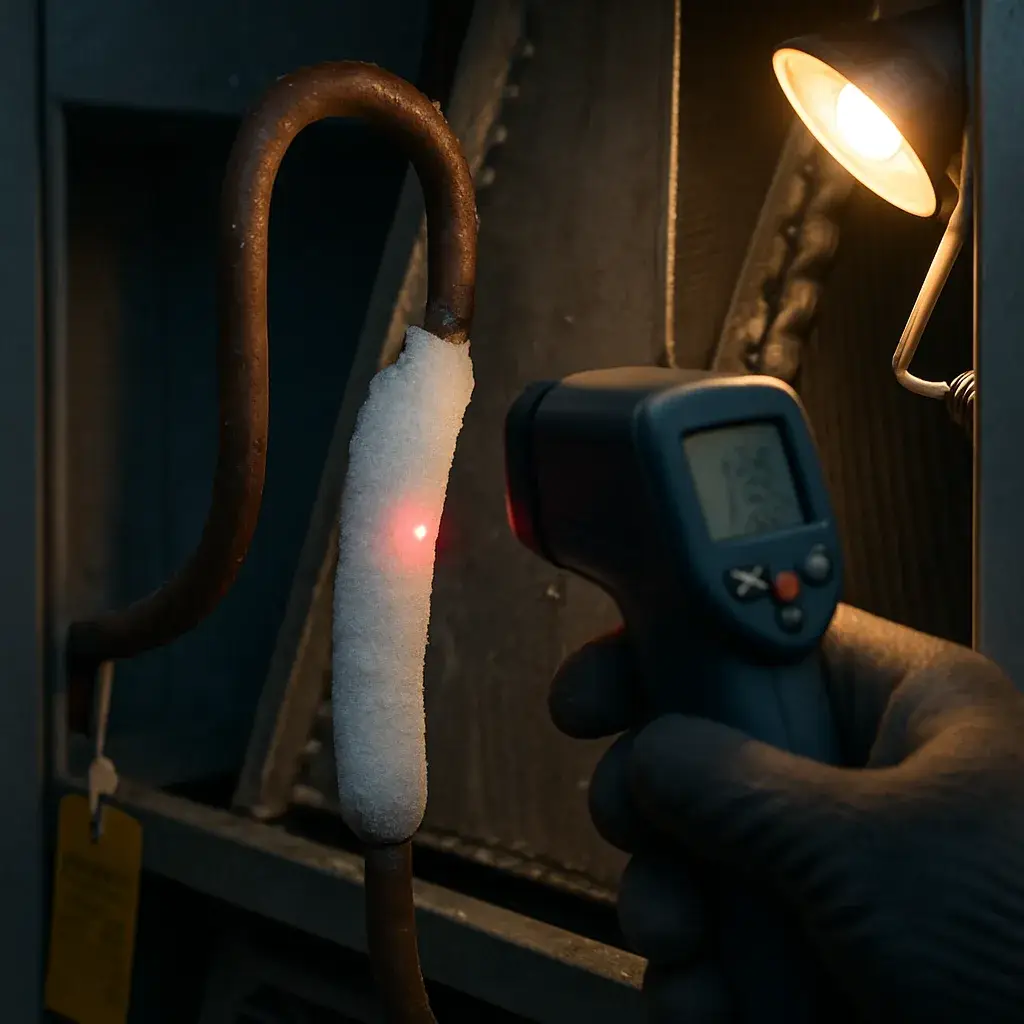
- Ice building up on the copper refrigerant line outside
- A thermostat that won’t respond, or a system that won’t turn on at all
- A power bill that jumped with no change in how you’re using the system
Seeing ice on that copper line is not normal. It usually points to low refrigerant or restricted airflow, not something to wait out. The same goes for short cycling. It stresses the compressor every time it kicks on, and that’s the most expensive part to replace.
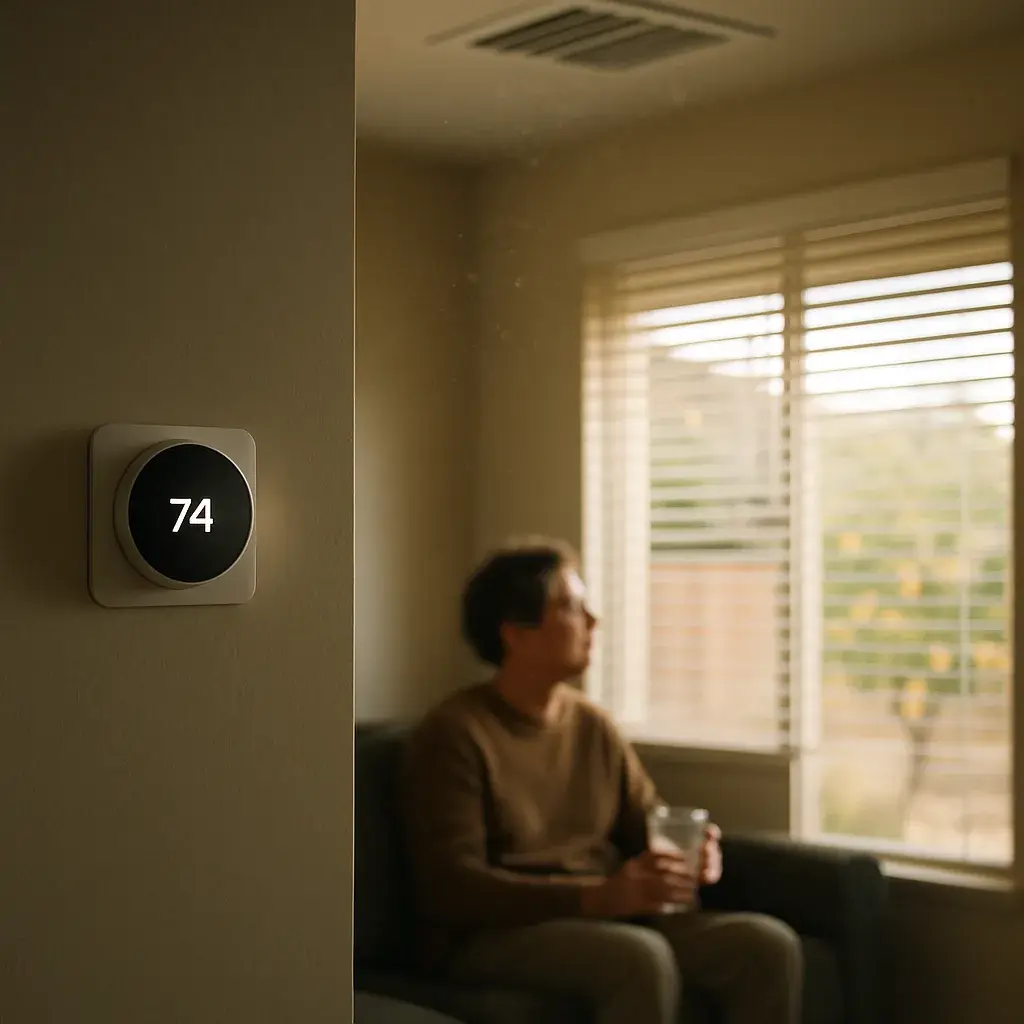
A common one we see: the house feels fine in the morning, then by mid-afternoon it’s climbing past 80 no matter what the thermostat says. That’s usually a failing part struggling to keep up once the heat of the day hits. It won’t fix itself.
Single Failed Part or Full System Failure: How to Tell
Here’s the truth. When your A/C quits in Sunnyvale, it’s not the whole system giving up. It’s one part. A capacitor. A contactor. A sensor that got confused. Full system failure, where the whole unit needs replacing, is rarer than folks assume.
How do you tell the difference before we even show up? Some signs point straight at a single fix.
- The system runs but blows warm air, usually a refrigerant issue or a failed capacitor
- You hear a hum or click but the fan won’t spin; that’s often a bad capacitor or motor
- The outdoor unit is dead quiet while the indoor fan runs; could be a tripped breaker or failed contactor
- Ice on the coil or lines, almost always airflow or refrigerant, not a dead system
- The thermostat looks fine but nothing happens; sensor or control board trouble
Full system failure looks different. Multiple parts are down at once. Or the unit is 15-plus years old and the failure is inside a major component like the compressor. Or it’s been limping along for two summers with repeated calls. That’s when repair starts costing more than it’s worth, and replacement gets discussed.
We had a call last month where the customer swore the whole unit was shot. It turned out to be one bad capacitor, twenty minutes, done.
You don’t need to diagnose it yourself. That’s what the visit is for. Our techs will tell you straight whether you’re looking at a quick fix or a bigger conversation. No guesswork, no upsell games.
When You Don’t Need a Repair Call
Not every warm house means a broken system. Sometimes it’s something small. We get calls in the middle of a Sunnyvale heat wave where the fix takes two minutes, not two hours.
Before you call anyone, walk through a few basics. It costs you nothing and might save you a service-call fee entirely.
- Check your thermostat batteries. Dead batteries can shut the whole system down and look exactly like a bigger failure.
- Look at your breaker panel. A tripped breaker from a storm or a power blip is common, especially after Oncor grid fluctuations during summer storms.
- Pull the air filter and hold it up to the light. A filter clogged with dust can choke airflow so bad the system seems dead even when it’s running fine.
- Check for closed or blocked vents in rooms you don’t use much. Furniture gets pushed in front of them more often than you’d think.
- Walk outside and look at the condenser unit. Grass clippings, leaves, or a fence built too close can starve it of airflow.
If you flip the breaker back on and the system fires up fine, you’re done. No call needed. If changing that filter brings the airflow right back, congratulations, you just fixed it yourself.
Here’s the honest line though. If the system runs but the air isn’t cold, if you hear grinding or clicking, or if it trips the breaker again after you reset it, that’s not a filter problem anymore. That’s a part that’s failed inside the unit, and no amount of checking vents is going to fix it.
Not sure what your A/C system repair project needs? Ask us.
Call Today, Get Service Today. Xtreme Air Services is ready to help.
What Happens During an A/C Repair Visit in Sunnyvale
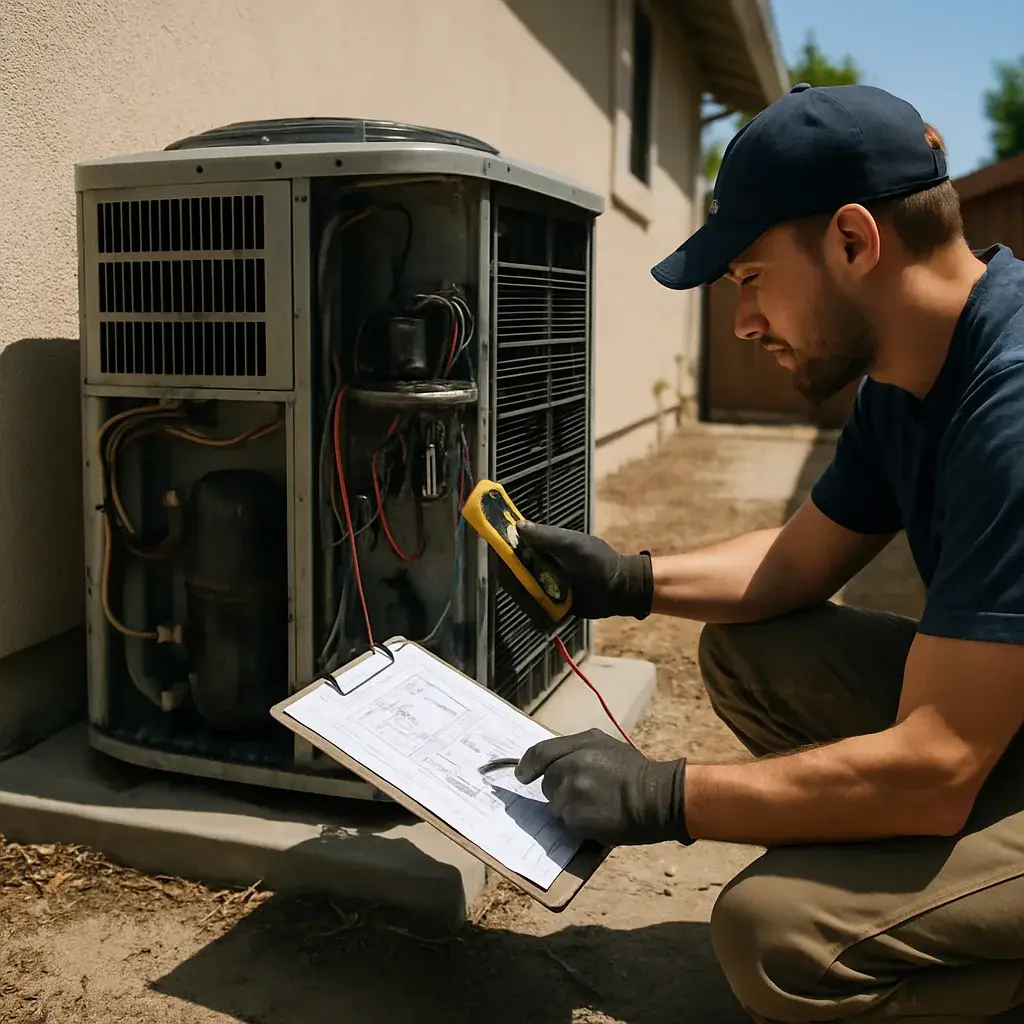
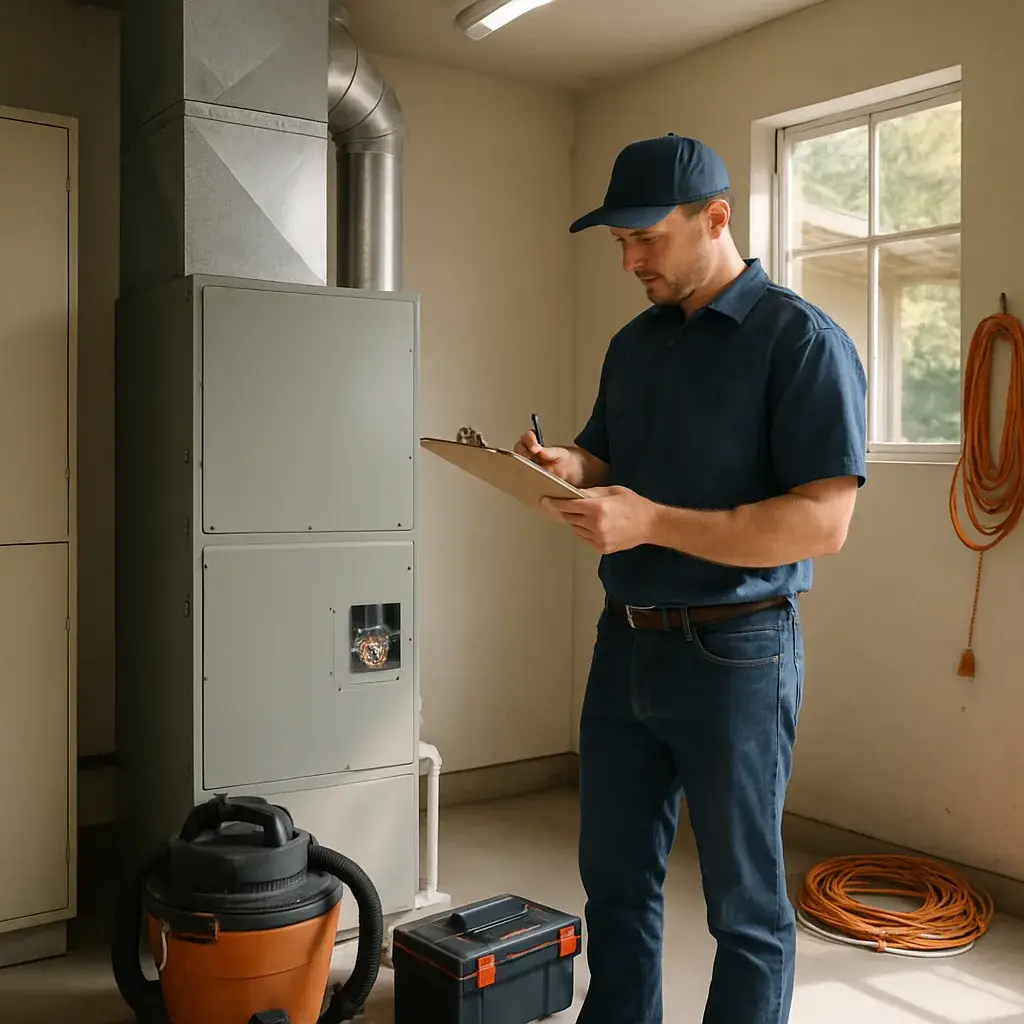
Here’s the thing about A/C system repair: most of it happens in the first twenty minutes. A technician shows up, and within that window they usually know exactly what’s wrong. We see this every week in Sunnyvale, where many homes run their air handler up in the attic. Summer attic heat bakes the air handler’s wiring and controls faster than a garage or closet unit would, so parts fail sooner than folks expect.
- We show up at the scheduled time and walk the system with you, so you can point out what you noticed: the noise, the warm air, the tripped breaker.
- The technician runs a diagnostic, checking refrigerant levels, electrical components, and airflow to pin down the failed part.
- You get a flat price before any tool touches your unit. No surprises, no meter running while you wait.
- If you approve the repair, the technician fixes it in most cases, since common failures are usually a single part on the truck.
- The system gets tested under load: cool air blowing, correct temperature split, no stray noises.
- We clean up, walk you through what got fixed, and answer any questions before we leave.
That service-call fee, twenty-six to ninety-nine dollars depending on the visit, gets credited toward the repair if you move forward with us. Nothing extra is tacked on for evenings or weekends. The diagnosis, labor, and standard replacement part are included. If something else fails, a major component or a second issue turns up, we’ll quote that separately before touching it. Our technicians are licensed and background-checked, so you’re not letting a stranger poke around your attic unit.
Most visits wrap in under two hours.
How A/C Repair Pricing Works
Most A/C system repair calls in Sunnyvale run between $150 and $700. That’s a wide range for a reason. Every unit fails differently. A stuck capacitor is a quick fix. A compressor problem is a much bigger job. It’s one part, not five, so the total usually lands on the lower end.
The most common call we run is a single failed part. We find it, replace it, and test the system before we leave. That kind of job typically falls between $150 and $400. Simple as that.
- How far the failure has spread through the system
- Whether the part is common stock or something harder to source
- Age and brand of your equipment
- Whether more than one component failed at the same time
- Nothing extra for nights or weekends; our pricing doesn’t change after hours
A standard repair price covers diagnosis, labor, the replacement part, testing, and cleanup. It does not cover a second failed part discovered mid-repair, a major component swap, or any code upgrade or permit work. We’ll always quote that separately before touching anything else.
There’s also a service-call fee, $26 to $99, and that gets credited toward your repair if you move forward with us. For bigger jobs like a full replacement, financing options exist. For a smaller repair like most of these calls, financing usually isn’t needed.
Frequently Asked Questions
Common questions about A/C system repair
How fast can you get someone out to fix my A/C in Sunnyvale?
We offer same-day service, six days a week, across Sunnyvale and the surrounding DFW towns. When your A/C quits during a Texas heat wave, waiting two or three days just isn’t safe for your home or your family. Call in the morning and a technician can often be at your door that same afternoon. We know a warm house in July isn’t something that can wait until next week, so scheduling is built around getting to you fast.
What happens when your technician arrives for an A/C repair?
Your technician walks the system with you first, so you can point out the noise, the warm air, or whatever tipped you off. From there, most repairs get diagnosed within the first twenty minutes. They check refrigerant levels, electrical parts, and airflow to find the exact failed component. You’ll get a flat price before any tool touches your unit, so there are no surprises once the work starts.
Why do so many A/C units fail in Sunnyvale during summer?
Attic heat is the main culprit. Many Sunnyvale homes run their air handler in the attic, and attic temperatures in July can climb past 130 degrees. That kind of heat bakes wiring, capacitors, and blower motors much faster than a unit sitting in a garage or closet would wear down. It’s why older slab homes with attic-mounted systems often show trouble first, right in the hottest stretch of the season.
How do I know if my A/C needs a small repair or a full replacement?
Most A/C failures come down to one bad part, not the whole system giving out. A capacitor, a contactor, or a confused sensor can cause symptoms that feel like a bigger problem than they are. Full replacement usually only makes sense when multiple parts fail together, the unit is 15 years or older, or it’s been limping along with repeat repair calls for a couple of summers. A technician can tell you straight during the visit, no guesswork needed.
Is there anything I should check before calling for A/C repair?
Yes, a few quick checks can save you a service call. Check your thermostat batteries first, since dead ones can shut the whole system down. Then look at your breaker panel, since Oncor grid fluctuations during summer storms sometimes trip breakers. Pull your air filter and check it for dust buildup, since a clogged filter can choke airflow badly enough to make the system look dead. If none of that fixes it, it’s time to call.
Why is there ice building up on my A/C’s refrigerant line?
Ice on the copper refrigerant line usually means low refrigerant or restricted airflow, and it’s not something to wait out. This isn’t a problem that fixes itself overnight, and running the system with ice buildup can stress the compressor, the most expensive part to replace. If you see frost or ice on that line outside your Sunnyvale home, it’s a sign to schedule a repair visit soon rather than later.
Ready to Get Started?
Call 972-288-2263 Today, Get Service Today.