

A gas leak announces itself through a rotten-egg smell, a hissing or roaring sound near appliances or the ground, dead grass or bubbling puddles outdoors, and physical symptoms like dizziness or nausea. If you notice any of these gas line leak signs, get everyone out of the house immediately, avoid flipping switches or striking a match, and call 911 and your gas utility once you’re outside and at a safe distance. Don’t wait for the smell to confirm it. Mercaptan, the chemical added to natural gas specifically so you can smell it, doesn’t always reach your nose. Pro Tip: Treat any single sign as reason enough to leave the house. You don’t need two or three confirming clues before you act.
Key Takeaways
Odor alone is not a reliable way to detect a gas leak, so treating sound, sight, and physical symptoms with equal urgency is what actually keeps a household safe.
| Point | Details |
|---|---|
| Don’t wait for smell alone | Odor fade and olfactory fatigue mean sound, sight, and health symptoms deserve equal weight. |
| Evacuate before you test | Leave the house first if signs are strong; save detector and soapy-water checks for uncertain, mild cases. |
| Call from outside only | Dial 911 and the gas utility once everyone is safely away from the property, not from inside it. |
| Watch for buried-line clues | Dead grass, bubbling puddles, and blowing dirt can signal a leak with almost no smell reaching the surface. |
| Schedule regular checks | Xtreme Air Services offers professional line tracing, pressure testing, and repair for gas leak detection and peace of mind. |
Table of Contents
- Recognizing Gas Line Leak Signs Through Smell, Sound, and Sight
- When Gas Exposure Symptoms Mean Get Out Now
- How to Safely Check for a Suspected Gas Leak
- What to Do the Moment You Suspect a Leak
- Preventing Leaks Before They Start
- Why a Professional Inspection Catches What DIY Can’t
- A Straight Answer From Someone Who Fixes These for a Living
- Get a Professional Gas Line Check Without the Guesswork
- Where to Verify Official Emergency Procedures
- Sources
- FAQ
Recognizing Gas Line Leak Signs Through Smell, Sound, and Sight
Natural gas has no odor on its own. Utilities add mercaptan, a sulfur compound, specifically so leaks announce themselves as a rotten-egg smell. That smell is the most familiar of the gas leak symptoms, but it’s also the least reliable one, and that distinction matters more than most homeowners realize.
Here’s how the signs break down by sense, and what each one actually tells you:
- Smell. A persistent sulfur or rotten-egg odor near appliances, the meter, or along your yard is the classic tip-off. Scented candles, cooking, and cleaning products can sometimes mimic it faintly, which is one reason to cross-check smell against other signs rather than relying on it alone.
- Sound. A hissing, whistling, or roaring noise near a gas appliance, the meter box, or a patch of ground often means gas is escaping under pressure. Turn off anything you’re using nearby, but don’t touch switches or unplug anything. Just back away and listen from a distance.
- Sight. Outdoors, watch for grass or plants that are dying or discolored in an otherwise healthy lawn, bubbles rising in standing water or puddles, or dirt and debris that appears to be blowing up from the ground. Some underground leaks even produce a visible white mist or fog.
- Feel. Unusual warmth radiating from the ground above a buried line, or a sudden pressure change when you turn on a stove or furnace, can point to a compromised connection nearby.
Buried lines are the trickiest case. Soil can absorb or chemically alter mercaptan before it ever reaches the surface, so a leak several feet underground might produce almost no smell at all while still killing your grass or bubbling through a puddle. That’s exactly why sight and sound deserve equal weight with smell, not a backup role.
When Gas Exposure Symptoms Mean Get Out Now

Physical symptoms often show up before you consciously register a smell, especially in a house that’s been slowly filling with gas overnight. Headache, nausea, dizziness, fatigue, and ringing in your ears are the most common early complaints, and they tend to ease up the moment you step outside.
Some symptoms mean you skip the checklist and call 911 immediately:
- Loss of consciousness or extreme drowsiness that doesn’t match the time of day
- Severe difficulty breathing or chest pain
- Confusion or an inability to think clearly, especially in more than one household member at once
Children, older adults, and anyone with asthma or another respiratory condition often notice symptoms before healthier adults do, simply because their bodies are more sensitive to reduced oxygen or airborne irritants. If a household with young kids or an elderly parent living inside repeatedly complains of headaches or nausea that improve outside, treat that as a real signal worth investigating, not a coincidence.
How to Safely Check for a Suspected Gas Leak
If the smell is strong, or you’ve already spotted a clear sign like hissing or dead grass over a line, skip the testing. Get everyone out first. These checks are for milder, uncertain situations, not confirmed leaks.
- Use a battery-powered gas detector. Plug-in detectors can spark during a power outage or electrical fault, so battery-powered units are the safer choice. Most units sound a steady alarm or flash a warning light once gas concentration crosses a threshold. Walk it slowly near appliance connections and the meter, not directly against them.
- Try the soapy-water test on outdoor fittings. Mix a few drops of dish soap into a cup of water and brush it onto exposed pipe joints, valves, or appliance connectors. Escaping gas will form bubbles within seconds, even from a pinhole leak too small to hiss or smell.
- Check your burner flame color. A healthy gas flame burns steady blue. Yellow, flickering, or orange flames suggest incomplete combustion or a ventilation problem, which is worth a professional look even if it isn’t a leak.
- Watch your gas bill for unexplained spikes. A sudden jump in usage with no change in habits can point to gas escaping somewhere in your system.
What you should never do near a suspected leak: strike a match, flip a light switch, use a phone, plug or unplug anything, or start a car engine nearby. Gas escaping through certain plastic pipe fittings can even generate its own static electricity, which is one more reason to leave electrical sources alone entirely.
Pro Tip: Keep your battery-powered detector’s location memorized, not just installed. In an actual leak you won’t want to be hunting through a closet for it.
What to Do the Moment You Suspect a Leak
Emergency guidance from gas utilities across the country tends to repeat the same sequence for a reason: it works under stress, when people aren’t thinking clearly.
- Stop whatever you’re doing. Don’t finish cooking, don’t turn off the stove, don’t flip the light switch on your way out.
- Get everyone, including pets, out of the house and to a safe distance recommended by your local guidelines. Avoid anything that could spark, including car ignitions if you’re near a leak outdoors.
- Once you’re safely outside, call 911 and your gas utility. Give them your address, describe exactly what you noticed (smell, sound, sight), and mention if anyone is feeling ill.
- Do not attempt to shut off the gas meter yourself unless a utility dispatcher specifically instructs you to. Wait for trained personnel.
Pipeline operators are legally required to maintain emergency response plans, and local fire departments typically coordinate directly with the gas operator once you call it in. That’s not a formality. It means two separate teams are already moving toward your address the moment you dial.
Expect the responding crew to test for gas concentration, ventilate the area if needed, locate the source, and either repair it on the spot or red tag the system until a qualified technician can. That process protects you from a rushed, incomplete fix as much as it protects the crew doing the work.
Preventing Leaks Before They Start
A few minutes of seasonal attention catches most problems before they become emergencies. Walk your appliance connections, flexible hoses, and the meter area once or twice a year, looking for corrosion, cracking, or loose fittings. Replace anything that looks worn rather than waiting for it to fail.
- Install battery-powered gas and carbon monoxide detectors near sleeping areas and swap the batteries on the same schedule as your smoke detectors.
- Call 811 before any digging or landscaping project. It’s a free service that marks buried gas lines so you don’t strike one with a shovel or post-hole digger.
- After yard work or excavation near a gas line, watch closely for any of the signs covered above over the following days.
- Schedule a professional inspection if you notice a persistent faint odor, visible damage to an exposed line, or a gas bill that’s climbed without explanation.
Pro Tip: Mark your gas meter location clearly with a stake or flag before winter landscaping. Snow cover hides it fast, and a shovel strike on a buried line is a preventable emergency.
Why a Professional Inspection Catches What DIY Can’t
Static discharge from certain gas line materials, pressurized fittings, and the sheer difficulty of finding a hairline crack in buried pipe are all reasons utilities and safety codes discourage homeowners from attempting gas line repair themselves. Xtreme Air Services approaches every suspected leak call the same methodical way:
- Line tracing to map the full run of pipe and identify likely failure points
- Pressure testing to confirm whether a section is holding gas properly
- Electronic leak detection tools that pick up concentrations no nose can
- A full safety check of connections, valves, and the meter assembly
- A written repair estimate before any work begins
Gas leak detection done by a licensed technician removes the guesswork and the ignition risk that come with poking around a gas line yourself. Homes with older plumbing sometimes have gas and water lines running close together, so a technician checking one often catches issues with the other.
A Straight Answer From Someone Who Fixes These for a Living
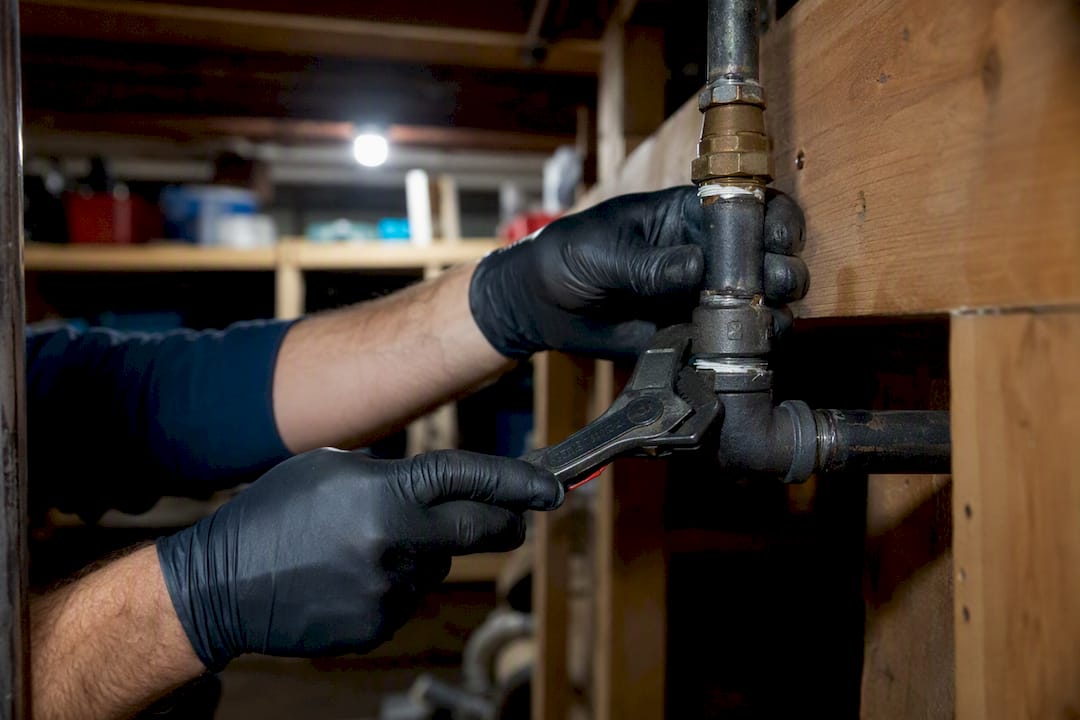
Most homeowners wait too long because they’re not sure the smell is real, or they assume a faint odor can wait until morning. Our position is simple: when in doubt, call for a professional check rather than talk yourself out of it. A wasted service call costs you far less than a delayed one.
If you take one habit away from this, make it an annual gas appliance and line inspection paired with a battery check on your detectors twice a year. That single routine catches most problems long before they turn into a 2 AM evacuation.
— Xtreme
Get a Professional Gas Line Check Without the Guesswork
Xtreme Air Services gives Dallas homeowners a faster path to a confirmed answer than waiting out a faint smell or Googling symptoms at midnight. If you’re reading this because something already smells off inside your home right now, stop reading and call 911 and your gas utility first. This section is for everyone else: the homeowner who wants a line checked before it becomes an emergency, or who just replaced a water heater and wants the connections verified.

A service call follows the same three steps every time: inspect the full line and connections, diagnose exactly where pressure or concentration readings look wrong, and repair or replace the failing section with a written estimate before work starts. That’s a more thorough process than a soapy-water test at home, and it comes with the electronic detection tools and pressure gauges a homeowner simply doesn’t have access to. If you’ve also had appliance work done recently, like a gas water heater installation, it’s worth having those connections checked in the same visit. Schedule a gas line repair inspection and get a technician looking at the actual source instead of guessing from a smell that may or may not still be there.
Where to Verify Official Emergency Procedures
- CPS Energy’s natural gas safety FAQ lists official signs of a leak and detection basics.
- SoCalGas safety guidance covers odor fade and why visual cues matter.
- PSE&G’s emergency instructions explain exactly what to do the moment you smell gas.
- Pennsylvania PUC’s pipeline safety division details operator emergency response requirements.
- a home inspection guide explains common non-gas odor sources that get confused with leaks.
Sources
- Natural Gas Safety | CPS Energy
- Natural gas leak (safety and prevention) | SoCalGas
- I smell gas | PSE&G
- Gas emergencies | Pennsylvania Public Utility Commission (Pipeline Safety Division)
FAQ
What smell can be mistaken for a gas leak?
Sewer gas, sulfur from well water, mold, and even certain cleaning products can produce a sulfur-like odor similar to mercaptan. A home inspection guide to odor sources covers several of these look-alikes in detail, though any persistent sulfur smell is still worth treating as a possible leak until ruled out.
How long can a gas leak go unnoticed?
A small leak, especially underground where soil absorbs the mercaptan odor, can persist for days or weeks before it produces a strong smell, which is why visual signs like dead grass or bubbling puddles matter so much.
What are the first signs of a gas leak?
The earliest signs are usually a faint sulfur smell, a soft hissing sound near an appliance or the meter, or mild symptoms like a headache that clears up once you’re outside.
Can you stay in a house with a gas leak?
No. Leave immediately once you notice any sign of a leak, avoid using switches or phones inside, and call 911 and your gas utility from a safe distance outside the home.