


Boiler Installation in Plano: Know If You Need It Before You Book
Boiler installs for buildings that heat with water, with what's included and what drives the cost explained.
What’s Covered on This Page
- Boiler Installation vs. Repair: How to Tell Which One You Need
- Who in Plano Needs Boiler Installation
- Why Boiler Work Requires More Than a Standard HVAC License
- What Happens During a Boiler Installation
- What Drives Boiler Installation Cost Up or Down
- How long does a boiler installation take?
- Will I lose heat during the boiler installation?
- Can I keep using my old radiators or baseboard heaters with a new boiler?
Boiler Installation vs. Repair: How to Tell Which One You Need
Here’s the honest truth. A boiler that stops heating doesn’t automatically need to be replaced. Many no-heat calls come down to one worn part. Fix that part and the boiler can keep running well for years. A new boiler is a big decision, so make it when the old one has earned retirement.
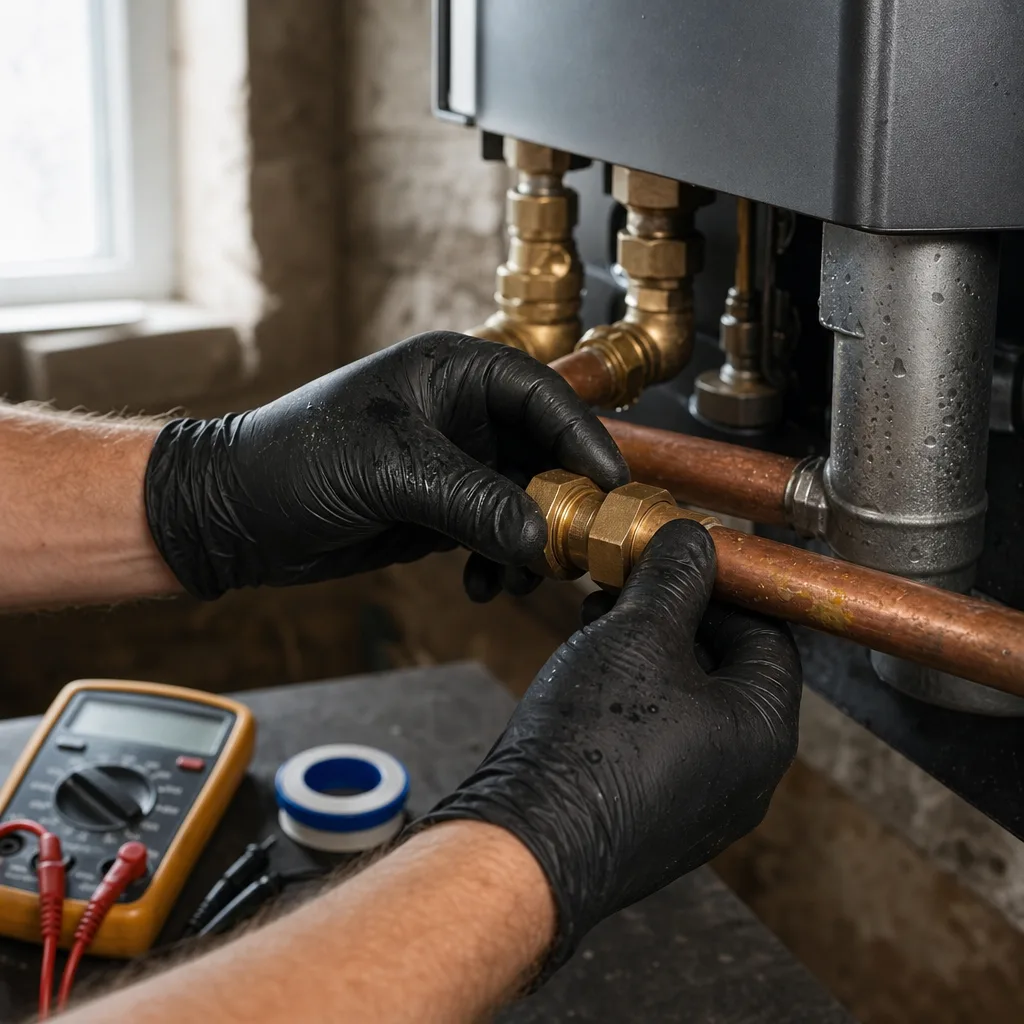
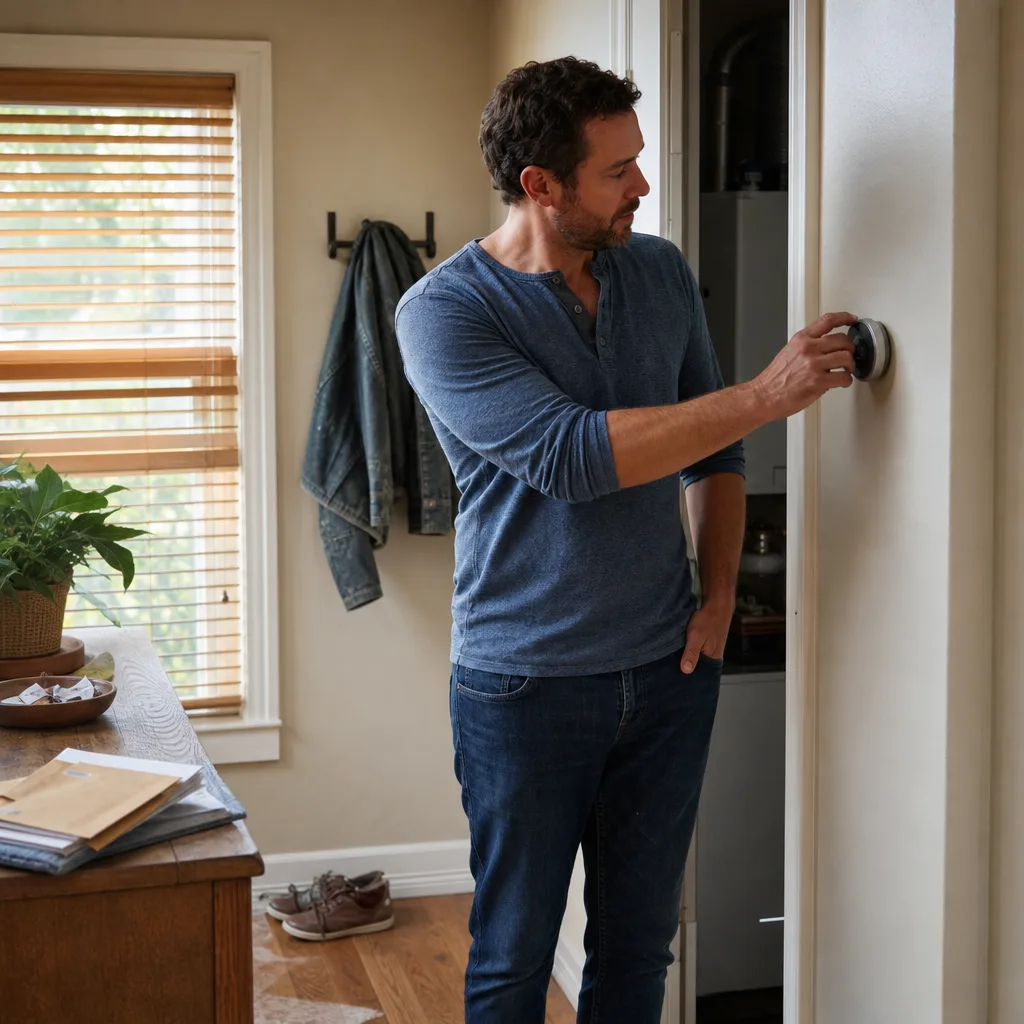
Before you call anyone, check the easy stuff. Make sure the thermostat is set to heat and set above the room temperature. Make sure the breaker for the boiler hasn’t tripped. Those two checks solve more “broken boiler” problems than you’d think.
A repair is usually the right answer when:
- One component failed, like the igniter, the circulator pump that moves hot water through your pipes, a pressure relief valve, or a control board.
- The boiler worked fine until recently and hasn’t needed much work before.
- The leak is coming from a fitting, valve, or pipe connection, not from the boiler body itself.
- Parts for your model are still easy to get.
Installation starts to make more sense when:
- The heat exchanger is cracked or leaking. That’s the heart of the boiler, and fixing it often costs close to what a new unit would.
- You see rust or corrosion on the boiler body, or water pooling under the unit itself.
- You’ve paid for several repairs in the last couple of years and the next one is already on the way.
- Your heating bills keep climbing even though you haven’t changed how you use the heat.
- Some rooms or units never warm up evenly, even after repairs.
- Replacement parts for your model are discontinued or take weeks to arrive.
Timing matters here in North Texas. Our cold snaps tend to show up fast, and a weak boiler is most likely to quit on the first hard freeze. Then you’re making a rushed choice with no heat in the house. If your boiler shows several of the replacement signs above, it’s easier to plan the change on a mild fall day than to scramble in January. That’s true whether it heats your home or a commercial building with tenants who need heat.
A good rule of thumb is to compare the repair against the boiler’s remaining life. If a repair costs a small part of what a new boiler would, and the rest of the system is healthy, repair it. If the repair is big, the boiler is older, and more problems are lined up behind this one, that money is usually better spent on a new installation.
You don’t have to figure this out alone. Xtreme Air Services handles boiler repair and boiler installation, so we have no reason to steer you one way or the other. Our service-call fee runs $26 to $99, and it’s credited toward the repair if you go ahead with us. You get a clear answer on what’s wrong, and you can make the repair-or-replace choice with real numbers in front of you.
Who in Plano Needs Boiler Installation
Most homes in Plano heat with forced air. That means a furnace or heat pump warms air and pushes it through ducts to vents in your floors or ceilings. A boiler works differently. It heats water and sends it through pipes to radiators, baseboard heaters, or tubing under your floors. So the people who truly need boiler installation are a smaller group than you might think.
Boiler installation is likely the right fit if you’re one of these:
- Commercial building owners and property managers. Office buildings, multi-tenant properties, restaurants, schools, and churches often use a boiler for space heat or large-volume hot water. When that boiler goes down, tenants get cold and business slows, so planning the swap matters. Commercial jobs cost more than residential ones because the equipment is bigger and the piping is more involved.
- Homeowners with radiant floor heat or hydronic baseboards. If warm water runs through your floors or along the base of your walls, your heat comes from a boiler, and a new one is the way to keep that system going.
- Anyone whose current boiler is past saving. If the replacement signs above fit your unit, a like-for-like installation using your existing connections is usually the simplest path.
- Owners adding hydronic or radiant heat. This might be part of a commercial build-out, an addition, or a mechanical upgrade where water-based heat makes more sense than ducts.
You probably don’t need a boiler if any of these sound like you:
- Your “boiler” is really a water heater. Lots of folks call the tank in the garage or attic a boiler. If what quit is the thing that makes hot water for your showers and sinks, you need water heater repair or water heater installation, not a boiler.
- Warm air blows out of vents in your home. That’s a forced-air system. You’d be looking at furnace replacement or heat pump installation instead.
- You just need heat in one room, like a converted garage or an addition. A ductless mini-split is often a simpler way to heat and cool one space.
Not sure which one you have? Go look at the equipment. A boiler usually has pipes coming out of the top, a pressure gauge on the front, a small pump on the piping, and often a round expansion tank nearby. Your rooms will have radiators or baseboard units, or the floors will feel warm, and you won’t see heat vents. If you see a big metal cabinet with ductwork attached and vents in every room, you’ve got forced air.
Can’t tell, or you have a little of both? That happens, especially in larger homes and commercial buildings where one system was added on top of another. Snap a photo of the unit and the label on its side. A technician can tell you in a few minutes whether you’re looking at boiler work or a different service altogether. Since our team covers HVAC, plumbing, and electrical, you won’t get bounced to another company if the answer turns out to be a water heater or a furnace.
If you are in the boiler group, the real questions are what the job costs and what’s included. That’s where we’re headed next.
Why Boiler Work Requires More Than a Standard HVAC License
A furnace swap is mostly an HVAC job. A boiler isn’t. When you install a boiler, you’re working with gas, water under pressure, a vent that carries exhaust out of the building, and electrical controls, all at the same time. A mistake in any one of those areas can cause real trouble. That’s why the license on the truck matters more here than it does on most heating jobs.
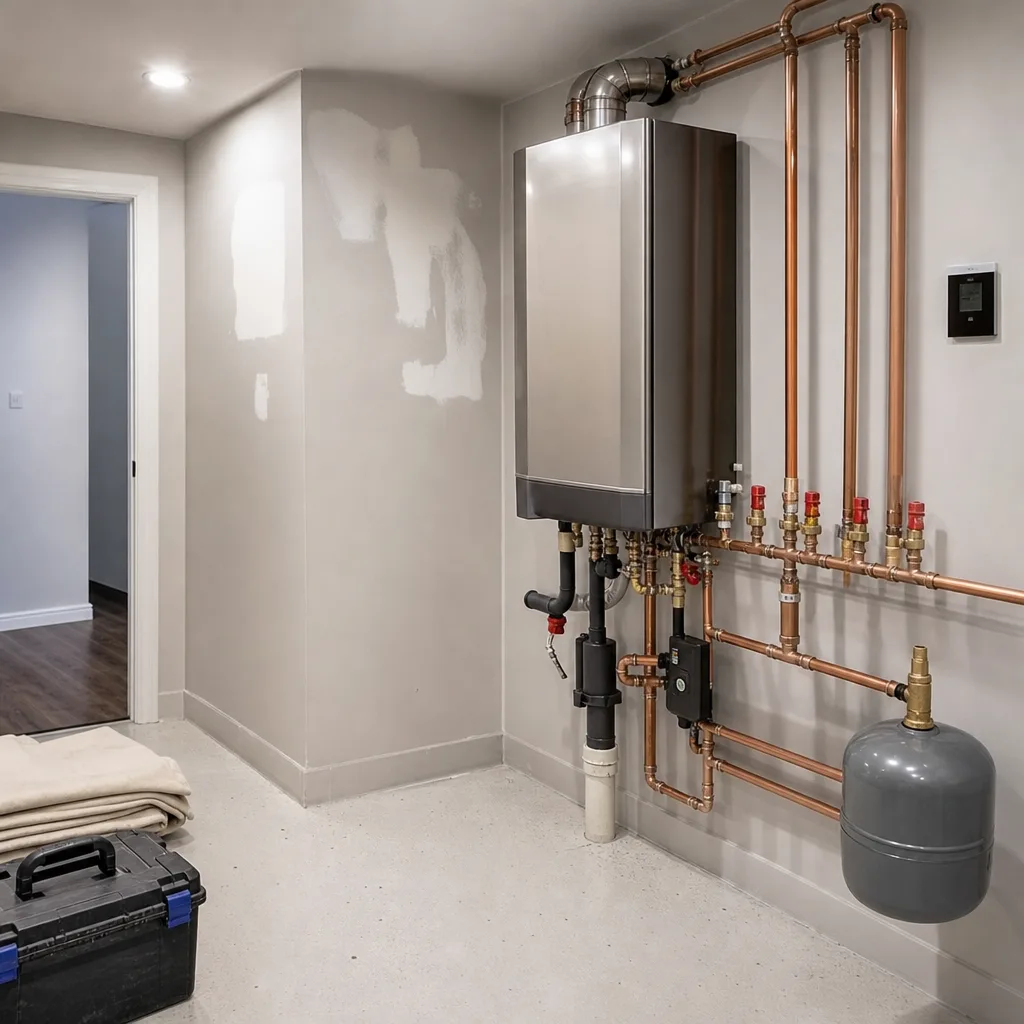
Here’s what a boiler installation touches:
- Gas piping. Most boilers run on natural gas. The gas line has to be sized right, connected tight, and checked for leaks before the burner ever lights.
- Water and pressure. A boiler is a closed system full of hot water under pressure. The pressure relief valve, expansion tank, fill valve, and piping all have to be set up so pressure stays in a safe range.
- Venting. Exhaust has to leave your home or building the right way. A bad vent connection can let combustion gases back inside, and carbon monoxide is one of them.
- Electrical and controls. The burner, circulator pump, and safety switches all run on power and controls that have to be wired and tested correctly.
A company that only holds an HVAC license may have to bring in a plumber or an electrician for parts of the job. Sometimes that works fine. But it also means more people, more scheduling, and more chances for something to fall between two contractors.
Boilers also get extra attention from the state. In Texas, the Texas Department of Licensing and Regulation (TDLR) runs a boiler inspection program that’s separate from HVAC licensing. Boilers in commercial buildings and larger apartment properties are generally held to inspection rules that a boiler in a private single-family home usually isn’t. If you own or manage a commercial property in Plano, ask your installer up front how the new boiler will be inspected and who handles that step. Local permits are a separate question, and they’re often billed apart from the installation itself.
Before you hire anyone for boiler installation, ask these questions:
- What licenses do you hold, and can I see the numbers?
- Who handles the gas line, the water piping, and the wiring? Your own team, or subcontractors?
- Will you pull the permits, or is that on me?
- For a commercial building, how will the boiler be inspected once it’s in?
- How do you test the system before you leave? Ask about the gas leak check, the pressure check, and the venting check.
A good contractor will answer every one of those without getting annoyed. If you get vague answers, that tells you something.
Xtreme Air Services is a fully licensed and insured HVAC, plumbing, and electrical contractor. Our HVAC license is #TACLA29023C, and our plumbing work runs under a licensed master plumber. That means the gas, water, venting, and electrical sides of your boiler installation stay with one accountable team instead of getting split among different companies. You’ll have one point of contact, and nobody can blame a problem on someone else’s part of the job.
Have questions? We’re happy to help.
Call Today, Get Service Today. Xtreme Air Services — West Plano is ready to help.
What Happens During a Boiler Installation
Knowing the steps ahead of time takes a lot of the stress out of a boiler installation. You’ll know what’s going on, why it matters, and what to check before the installer leaves. Here’s what a proper installation looks like from start to finish.
It starts before any work begins. The installer should look at your current boiler, your piping, your vent, and the space where the new unit will sit. They should also size the new boiler for your home or building. A boiler that’s too big turns on and off all the time and wears out sooner. One that’s too small can’t keep up on the coldest nights. Good sizing looks at the space being heated, not just the number on the old unit’s label.
On installation day, the work usually follows this order:
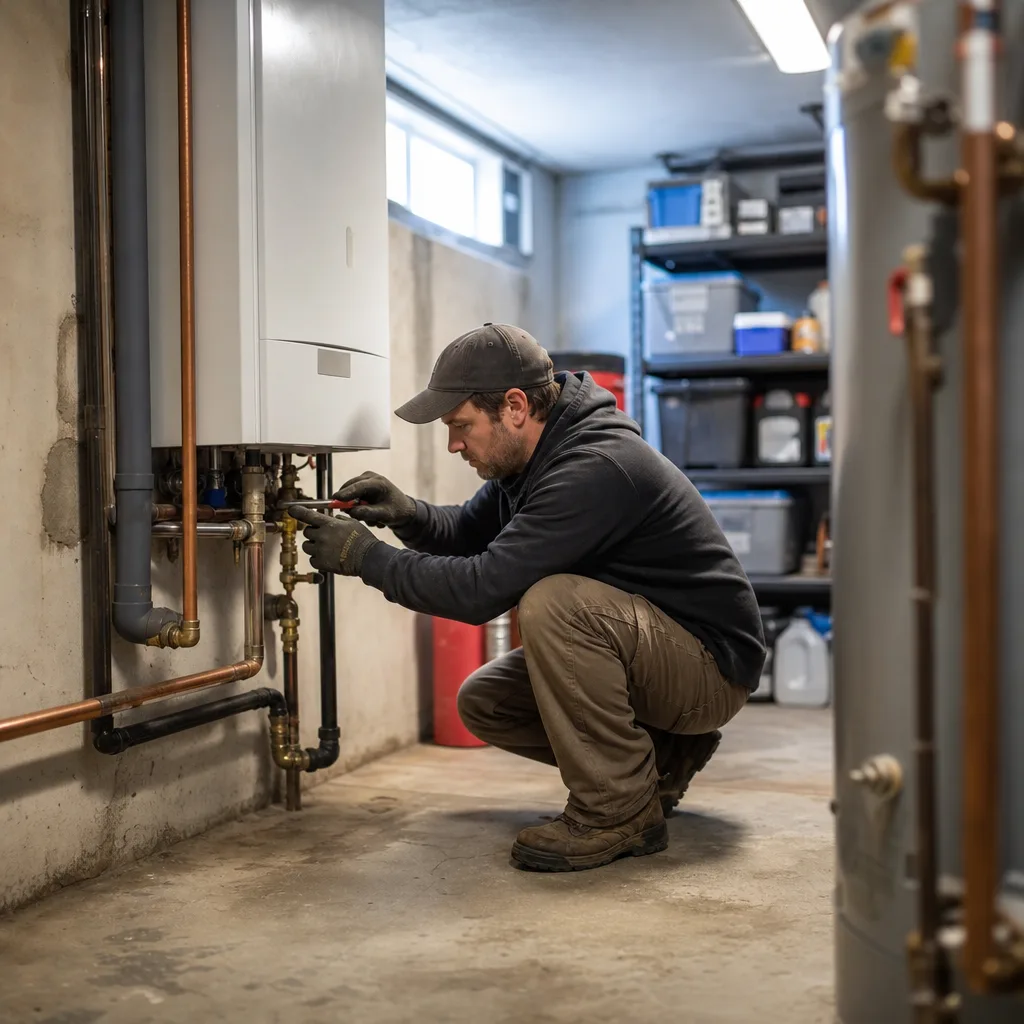
- Shut down and drain. The gas and power to the old boiler get turned off. Then the water is drained out of the system so the old unit can be disconnected.
- Remove the old boiler. The old unit is taken apart and carried out. With Xtreme Air Services, haul-away of the old unit is part of the standard job.
- Set the new boiler. The new unit goes in place, level and secure, with room around it for future service.
- Make the connections. Water piping, gas, venting, and electrical controls all get connected to the new boiler. On a like-for-like job, the installer uses your existing connections wherever they’re in good shape.
- Fill and purge the air. The system is refilled with water and the trapped air is pushed out. Air left in the pipes can cause gurgling sounds and cold spots in some rooms.
- Start up and test. The boiler is fired up for the first time and checked while it runs. This is where the gas, pressure, and venting checks happen.
- Walk you through it. You should hear how the controls work, what normal pressure looks like on the gauge, and what to watch for.
Startup and testing are included in our standard installation, along with the equipment, materials, professional installation, and standard connections. Some things aren’t included unless they’re stated in your estimate. These include plumbing, electrical, or duct changes, code corrections, and permits. If your old setup needs a new gas line size, a rerouted vent, or new wiring to meet code, that work should be listed clearly in your quote before anything starts. That way you’re not surprised partway through.
Expect your heat and possibly some hot water to be off while the old unit is out and the new one goes in. A simple swap with existing connections goes much faster than a job that needs new piping or venting. A commercial boiler takes more planning because of its size and because tenants or customers are counting on heat. If you manage a building, ask for the shutdown window ahead of time so you can let people know.
Watch Our Video
See How We Handle Boiler installation in Plano
Xtreme Air Services — West Plano
What Drives Boiler Installation Cost Up or Down
Here are the real numbers. Boiler installation with Xtreme Air Services typically runs $6,000 to $20,000. Our most common job is a standard like-for-like swap that uses your existing connections with no major changes. That job runs $8,800 to $14,500, and it covers the equipment, materials, professional installation, startup, and testing.
That’s a wide spread, and that’s honest. Two boilers can look alike from the outside and still be very different jobs. Here’s what moves your price up or down.
- Size and capacity. A bigger space needs a boiler that puts out more heat, and bigger units cost more. This is why right sizing matters. You don’t want to pay for more boiler than your home or building needs.
- Efficiency. Boilers carry an AFUE rating. That number tells you how much of the fuel you pay for turns into heat in your home. A higher rating costs more up front and can lower your gas bills over the years.
- Brand and model. Different makes and models carry different price tags, even at the same size.
- Ease of access. A boiler in an open utility room is quicker to swap than one in a tight closet, a crawl space, or a mechanical room that’s hard to reach. More time and more hands mean more cost.
- Condition of your existing setup. If your current piping, gas line, and wiring are in good shape, they can be reused. If they’re corroded, undersized, or worn out, they’ll need work first.
- Code upgrades. Older setups sometimes don’t meet today’s code. Bringing the venting, gas line, or safety controls up to code adds to the job.
- Permits. Permit costs depend on the job and where the property sits.
- Custom fabrication. If the new boiler doesn’t line up with your old piping or vent, parts may need to be custom built to fit.
Commercial boilers cost more. The equipment is larger, the piping is more involved, and the job takes more planning, so expect a commercial price to land above a home price.
As covered above, plumbing, electrical, or duct changes, code corrections, and permits aren’t part of the standard price unless your estimate says so. If your job needs any of them, ask to see each one listed on its own line. Then you can tell exactly what you’re paying for and why.
A few questions help you compare quotes fairly. Is the quoted boiler sized for my space, or just matched to the old label? What’s the AFUE rating? Does the price include haul-away of the old unit? Are permits included or extra? A fair quote answers all of these in writing.
With us, you get upfront flat-rate pricing that you approve before work starts, so there’s no meter running while the crew works. If the total is more than you want to pay at once, flexible financing is available on qualifying installations and larger jobs, on approved credit.
Frequently Asked Questions
Common questions about Boiler installation
How long does a boiler installation take?
A straightforward like-for-like swap usually goes much faster than a job that needs new piping or venting. If your existing gas line, water piping, and wiring are in good shape, the crew can reuse them and finish in less time. Jobs that need code corrections, a rerouted vent, or new electrical work take longer because those steps happen before the new boiler can be connected. Your heat, and possibly hot water, will be off while the old unit comes out and the new one goes in.
Will I lose heat during the boiler installation?
Yes, your heat goes off once the old boiler is drained and disconnected, and it stays off until the new one is tested and running. For a home, that window is usually short on a simple swap with existing connections. For a commercial building, ask your installer for the shutdown window ahead of time so you can let tenants or customers know before work starts.
Can I keep using my old radiators or baseboard heaters with a new boiler?
Yes, in most cases your existing radiators, baseboards, or radiant floor tubing stay in place and connect to the new boiler. A like-for-like installation is built around reusing your current piping and heat distribution wherever it’s in good condition. Only the boiler itself, and any worn piping or controls, typically need replacing.
Ready to Get Started?
Call (469) 217-9095 Today, Get Service Today.