


Sewer Line Repair in Irving: Know Before You Dig
Sewer line problems confirmed before anyone digs, with a step-by-step repair and a quote that shows what's included.
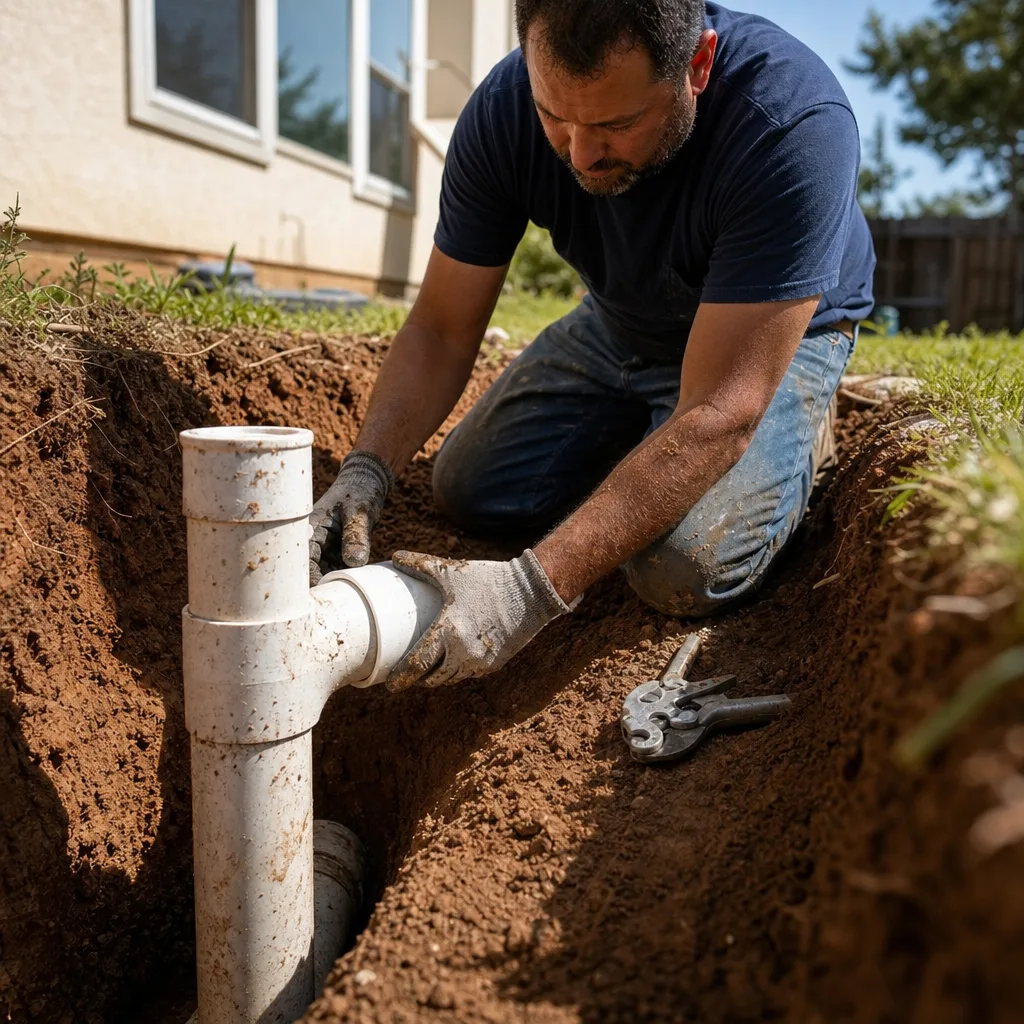
What’s Covered on This Page
- One Slow Drain Is Usually a Clog, Not a Sewer Line Problem
- Urgent Signs Mean Call Today, Not Next Week
- Why Irving’s Clay Soil Puts Stress on Older Sewer Lines
- Trenchless Repair vs. Dig-and-Replace: What Decides Which One You Need
- What’s Included in a Sewer Line Repair, and What Costs Extra
- Will homeowners insurance cover a broken sewer line?
- Is it worth repairing a sewer line instead of replacing the whole thing?
- Can sewer pipes be repaired without digging up the whole yard?
One Slow Drain Is Usually a Clog, Not a Sewer Line Problem
Here’s the truth. A slow bathroom sink doesn’t mean your sewer line is broken. Every drain in your home runs through its own short pipe before it joins the main line. A clog in that short pipe only slows that one fixture. Everything else keeps draining like normal.
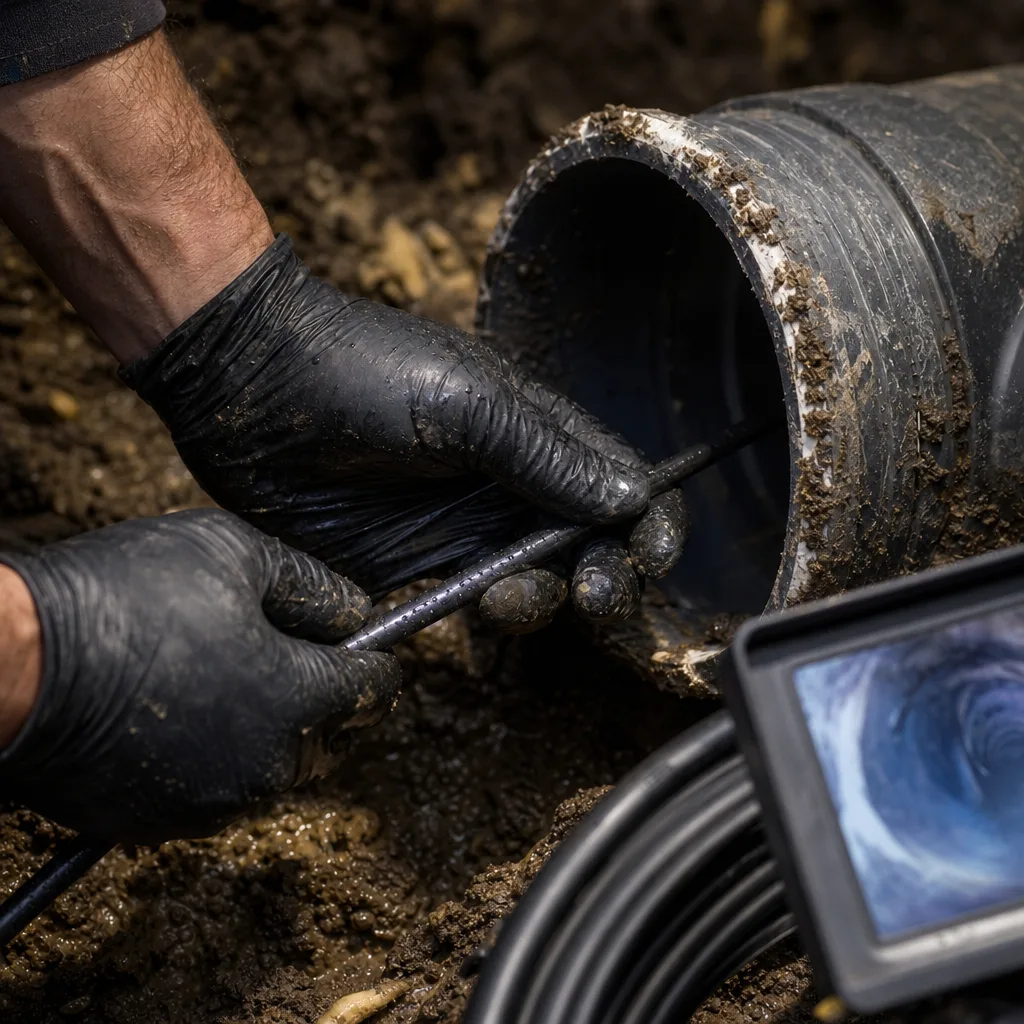
Most single-drain clogs come from everyday stuff:
- Hair and soap buildup in a tub or shower drain
- Grease and food scraps in the kitchen sink
- Wipes, too much paper, or a kid’s toy in one toilet
- Toothpaste and gunk in a bathroom sink
None of these need a sewer repair. A plunger often clears them. If it doesn’t, a drain cleaning visit usually will. That’s a much smaller job than digging up or fixing a sewer line, and it costs a lot less.
A sewer line problem looks different. The main line carries everything out of your home. When it’s blocked or damaged, more than one fixture acts up at once. Watch for signs like these:
- Two or more drains are slow at the same time
- Water comes up in your tub or shower when you flush a toilet
- A toilet gurgles when the washing machine drains
- Your lowest drains back up first, like a downstairs shower
- A sewage smell inside or out in the yard
- A soggy or extra-green patch of grass along the path of your line
Here’s a simple way to check. Run water in a sink on the other side of your home and flush a toilet or two. If only the first drain is slow and the rest of the house drains fine, you most likely have a local clog. If other fixtures gurgle, back up, or drain slowly too, the problem is further down the line.
There’s one gray area worth knowing about. If the same drain clogs again and again, even after it’s been cleared, something past that fixture could be catching debris. That doesn’t mean you need a repair yet. It means it’s worth a closer look. A sewer camera inspection lets you see inside the pipe so you know what’s really going on before anyone talks about digging.
So if you’ve got one slow drain and everything else works fine, you can relax. Try a plunger, or have the drain cleaned. You can hold off on sewer line repair unless the signs above start to show up.
Urgent Signs Mean Call Today, Not Next Week
Not every sewer problem is an emergency. Some can wait a few days. Others get worse every time someone in your home flushes, showers, or runs a load of laundry. Here’s how to tell which one you’re dealing with.
Call today if you notice any of these:
- Dirty water or sewage is coming up into a tub, shower, or floor drain.
- None of your toilets will flush or drain.
- Water backs up into a drain every time the washer or dishwasher empties.
- Sewage is pooling in your yard or seeping up near your foundation.
- The ground over your sewer line has sunk or formed a dip or hole.
- A strong sewage smell fills your home and won’t go away.
Each of these means wastewater has nowhere to go. It’s either coming back into your home or leaking out into the soil. That’s not something to sit on over a weekend. Dirty water on your floors can soak into drywall, baseboards, and flooring fast, and cleanup gets bigger the longer it runs.
While you wait for help, the best thing you can do is stop using water. Hold off on flushing, showers, laundry, and the dishwasher. Every gallon you send down the drain has to go somewhere, and right now that somewhere might be your bathroom floor.
Ground changes deserve a closer look in Irving and across North Texas. Our clay soil swells when it’s wet and shrinks when it dries out. That shifting can stress buried pipes over time. If a soft spot or sunken patch shows up along your line, it can mean water has been leaking under the surface and washing the soil away. Don’t park on it or let kids play on it until someone checks it out.
Some signs give you a little more time. You can usually schedule a visit in the next few days if:
- A few drains are slow, but everything still empties.
- You hear the odd gurgle, but nothing is backing up.
- You smell something faint outside now and then, but not inside.
These still point to a line that needs attention. Just don’t panic. Book a time that works, and keep an eye out for anything on the first list. If things get worse, move it up.
Sewer backups don’t wait for business hours. They tend to show up when the house is full, like a holiday morning or late on a Saturday night. That’s why it matters who picks up the phone. Xtreme Air Services answers the phone around the clock and gets to you the same day, with no extra charge for nights or weekends. So you don’t have to weigh the mess against a bigger bill just because of the clock.
If you’re not sure which list you’re on, that’s okay. Tell us what you’re seeing when you call. Our licensed, background-checked technicians can help you figure out whether it’s a today problem or a this-week problem, and we’ll be straight with you either way.
Why Irving’s Clay Soil Puts Stress on Older Sewer Lines
Your sewer line sits in the ground all year, and in Irving that ground doesn’t hold still. Our clay soil moves with wet and dry spells. What matters for your pipe is how often that happens. A dry summer pulls the soil tight and leaves cracks you can see in the yard. A week of hard spring storms puts the moisture back. Every cycle nudges the pipe a little. After enough years, those small nudges add up.
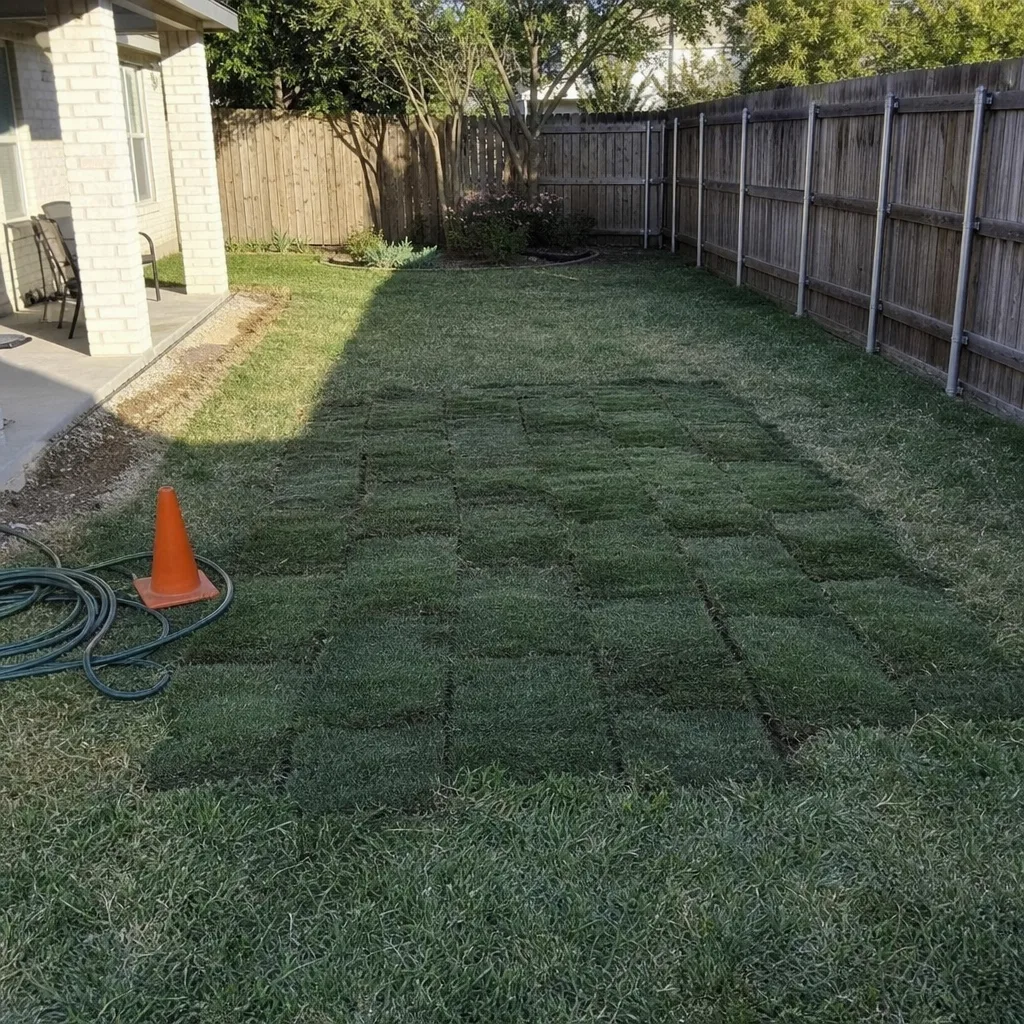
Older homes feel this the most. Many North Texas houses built from the 1950s through the 1990s sit on slab foundations, with the sewer line running under the slab and out through the yard. Depending on when your home was built, that line may be cast iron, clay tile, or an early plastic. Each one wears differently. Cast iron can rust from the inside and get rough and flaky. Clay tile is strong but brittle, and it’s joined in short sections. That means a lot of joints, and joints are where the ground likes to push.
When clay soil keeps shifting around a buried pipe, the damage usually takes one of a few shapes:
- Offset joints, where one section of pipe slips up or down from the next. That creates a lip that catches paper and waste.
- Separated joints, where two sections pull apart and leave a gap. Wastewater leaks out, and soil can wash in.
- A belly, which is a low, sagging stretch of pipe. Water and solids sit there instead of flowing downhill.
- Cracks or breaks from the pressure of soil pressing on brittle pipe.
- Root intrusion. Tree roots go looking for water, and a small gap or crack gives them a way in. Once inside, they grow and trap everything that passes.
These problems often build on each other. A tiny joint gap lets roots in. The roots catch debris and slow the flow. The leaking water softens the soil around the pipe, so the pipe settles even more. That’s how a line that worked fine for decades can start backing up over a single season.
Here’s why this matters to you and your budget. The kind of damage decides the kind of repair. A single cracked section in an easy spot is a very different job from a long belly or a line that’s offset in several places. A root problem in an otherwise solid pipe may need cleaning and a fix at one joint, not a whole new line. You can’t tell which one you have by looking at the yard or listening to the drains.
That’s why a camera look inside the line should come before anyone picks up a shovel. It shows where the trouble is, how deep it is, and what shape it’s in. With that in hand, you’re choosing a repair based on what’s wrong with your pipe, not on a guess about what Irving soil might have done to it.
Need help with Sewer line repair?
Call Today, Get Service Today. Xtreme Air Services — Irving is ready to help.
Trenchless Repair vs. Dig-and-Replace: What Decides Which One You Need
You’ve probably heard that trenchless repair means no torn-up yard, and that’s often true. But it isn’t a better or worse method. It’s a different tool. Your pipe’s condition decides which one fits, and that’s why the camera footage matters so much. Once you can see the damage, the choice usually makes itself.
There are two common trenchless methods. Pipe lining slides a resin-soaked liner into your old pipe and lets it harden, so you end up with a new pipe inside the old one. Pipe bursting pulls a new pipe through the old one and breaks the old pipe apart as it goes. Both need only small access holes instead of a long trench.
Dig-and-replace is what it sounds like. We open the ground over the damaged section, cut it out, and put in new pipe. It’s simple, and for a lot of single-spot problems it’s the most direct fix.
Here’s what tips the decision one way or the other:
- The shape of the pipe. A liner follows the pipe it’s in. If your line has a belly, lining it just gives you a new pipe with the same sag. A collapsed or badly offset section often can’t take a liner at all. Those usually need to be dug up and reset.
- How much of the line is damaged. One cracked joint or a single root entry point is a short, local job. Problems spread along a long run can make a trenchless method more practical than digging in several spots.
- Depth. A shallow line is easier to reach with a shovel. A deep one means more digging, which can shift the math toward trenchless.
- What’s sitting on top. A driveway, patio, mature tree, or the slab of your home can turn a simple dig into a much bigger job. Going under those instead of through them is where trenchless earns its keep.
- Whether the pipe can be cleaned and prepped. Lining needs a clear pipe to bond to. Heavy roots or broken pieces have to be cleared first, and sometimes that isn’t possible.
Those same factors drive what you’ll pay. For Xtreme Air Services, the things that move the price up or down are the depth and length of the damaged run, access and excavation, and whether trenchless methods are used. Our quote includes locating, excavation or access, the repair, and testing. It doesn’t include full line replacement, landscaping or concrete restoration, or permits unless stated. So if your damaged section runs under a patio, ask how the concrete gets handled before you choose a method. A trenchless option may cost more up front but save you a separate concrete bill.
We offer both trenchless sewer repair and traditional section repair, so we don’t have a reason to push one over the other. We’ll show you what the camera found, tell you which methods fit your pipe, and explain why. If only one will work, we’ll say so plainly. If both could, you’ll get upfront flat-rate pricing on each so you can pick what makes sense for your home and your budget.
Watch Our Video
See How We Handle Sewer line repair in Irving
Xtreme Air Services — Irving
What’s Included in a Sewer Line Repair, and What Costs Extra
You want a number before you agree to anything. That’s fair. Here are our real ranges, so you can see where your job may land.
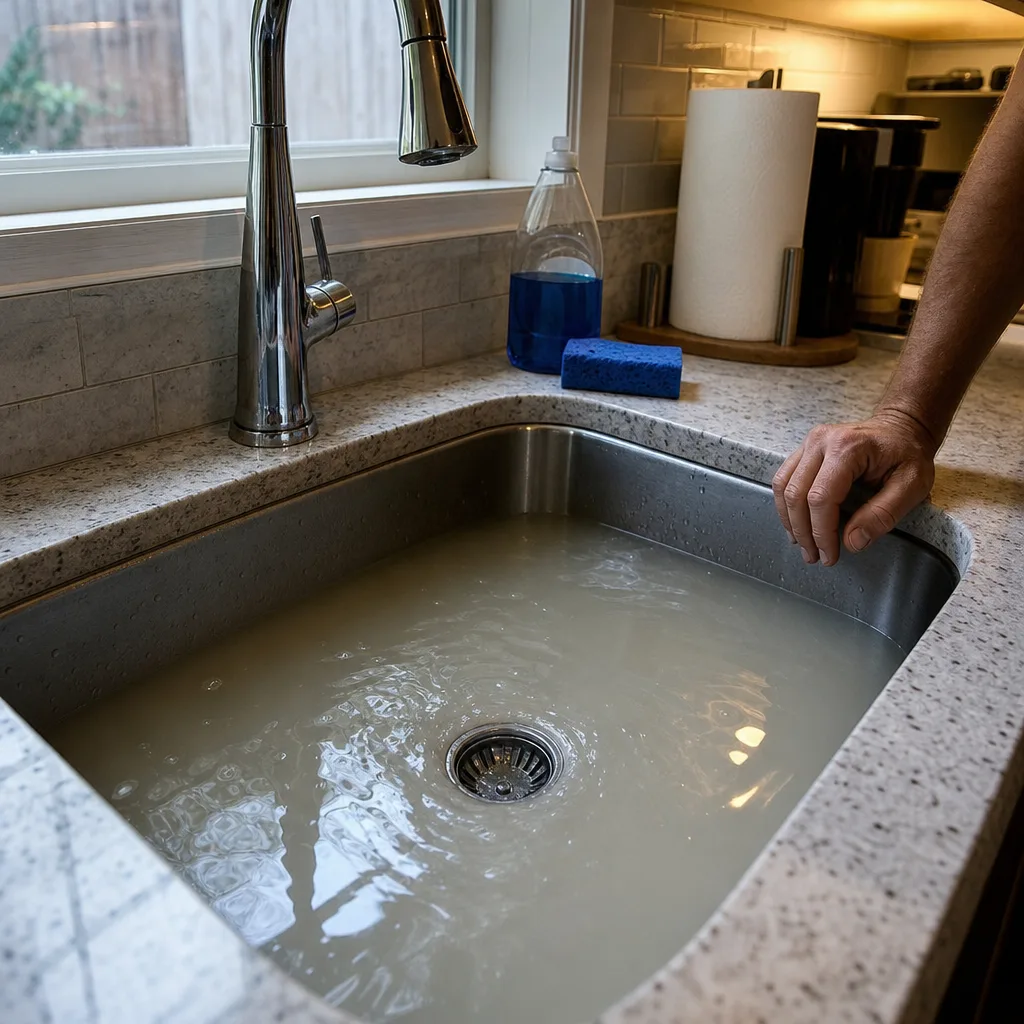
- Most common job: Sewer line repair, which means we locate and repair or replace the damaged section of sewer line and verify proper flow. That usually runs $1,500-$4,000.
- Typical price range for sewer line repair overall: $1,500-$7,000.
- Service-call fee: $26-$99. It’s credited toward the repair if you go ahead with Xtreme Air Services.
Why such a wide range? It comes back to the factors we covered above: how deep and how long the damaged run is, how hard it is to reach, and which repair method fits your pipe. A short, shallow break in an open yard sits near the low end. A deeper run under a driveway sits higher.
The “verify proper flow” part matters more than it sounds. Testing is part of the job. You shouldn’t have to take anyone’s word that the line works. The repair isn’t finished until water is moving through it the way it should.
Now for the costs that can come on top. Knowing them up front is how you avoid a surprise later.
- Full line replacement. Our most common job fixes the damaged section. If the camera shows the whole line is failing, replacing all of it is a separate, bigger job with its own price.
- Putting your yard back. We fill the hole, but sod, flower beds, and sprinkler heads aren’t part of the repair price. If your line runs through a garden you care about, ask how much will be disturbed.
- Concrete. Sidewalks, patios, and driveway sections that have to be cut need to be poured again afterward. That’s a separate cost unless your quote says otherwise.
- Permits. Sewer work often needs one. Permits aren’t included unless stated, so ask whether your job needs one and who pulls it.
None of this is hidden. Our quote spells it out. You get upfront pricing approved before any work starts, so the meter isn’t running while you decide.
If the number is bigger than you planned for, you have options. We offer flexible financing on qualifying installations and larger jobs, on approved credit. Ask about it when you get your quote, before you put the repair off.
Whoever you call, these questions will help you compare quotes fairly:
- Can I see the camera footage of the damage?
- Is this price for one section or the whole line?
- Does it include testing the line after the repair?
- What happens to my concrete, sod, or landscaping?
- Is a permit needed, and is it in this price?
- Is this a flat price, or can it change once you start digging?
A good plumber won’t mind any of these. If someone can’t answer them clearly, that tells you something too.
Frequently Asked Questions
Common questions about Sewer line repair
Will homeowners insurance cover a broken sewer line?
Usually not, unless the damage came from a sudden, named event like a burst pipe. Most policies exclude damage from age, tree roots, or ground shifting, which are the common causes of sewer line failure in Irving. Some insurers offer a separate sewer line endorsement that covers these everyday causes, so it’s worth checking your policy before you assume you’re covered.
Is it worth repairing a sewer line instead of replacing the whole thing?
Yes, if the camera inspection shows only one damaged section and the rest of the pipe is in good shape. A localized problem, like a single offset joint or a root intrusion point, can often be fixed without touching the rest of the line. Repairing only the bad section costs less and disturbs less of your yard than a full replacement.
Can sewer pipes be repaired without digging up the whole yard?
Yes, trenchless methods like pipe lining and pipe bursting fix the pipe through small access holes instead of a long trench. These work well for cracks, root damage, and leaking joints as long as the pipe hasn’t collapsed or sagged into a belly. A camera inspection tells you which method fits your pipe before any digging starts.
Ready to Get Started?
Call (469) 200-2166 Today, Get Service Today.