


AC Fan Motor Replacement in Sunnyvale: Fix a Noisy or Dead Fan Fast
Condenser fan motor testing and replacement in Sunnyvale, fixing noisy, stalling, or dead outdoor fans.
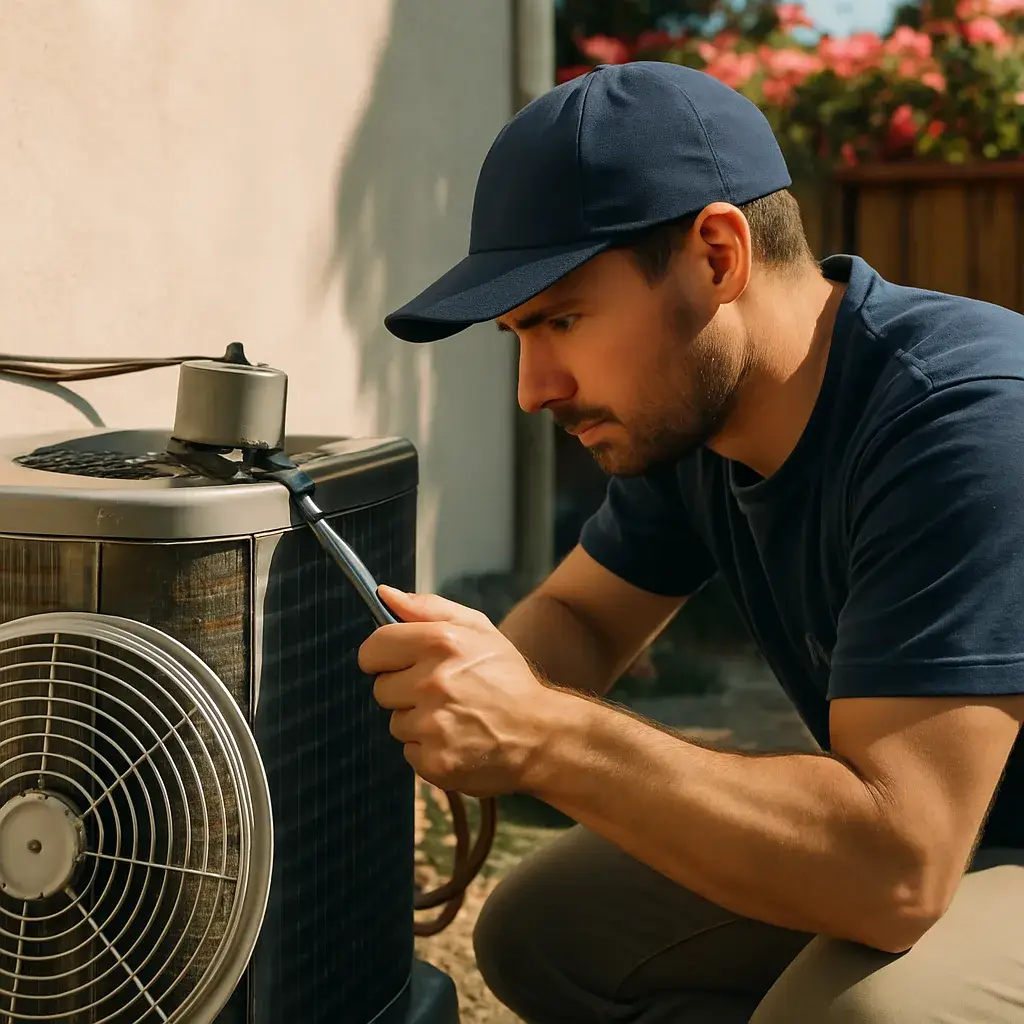
What’s Covered on This Page
- Signs Your AC Fan Motor Is Failing
- Condenser Fan Motor vs. Blower Motor: Two Different Repairs
- When You Don’t Need a Fan Motor Replacement
- What Drives Fan Motor Replacement Cost
- How Professional Fan Motor Replacement Works in Sunnyvale
- How fast can you get someone out to look at a broken AC fan motor in Sunnyvale?
- What happens when a technician shows up to check my fan motor?
- Why do fan motors seem to fail more often in Sunnyvale homes with attic units?
- Can a dirty air filter really feel like a bad fan motor?
- How do I know if it’s the fan motor or just a bad capacitor?
- How long does the actual fan motor replacement take once it’s diagnosed?
Signs Your AC Fan Motor Is Failing
Your system’s fan motor has one job: move air. When it starts to die, it doesn’t usually just quit outright. It struggles first.
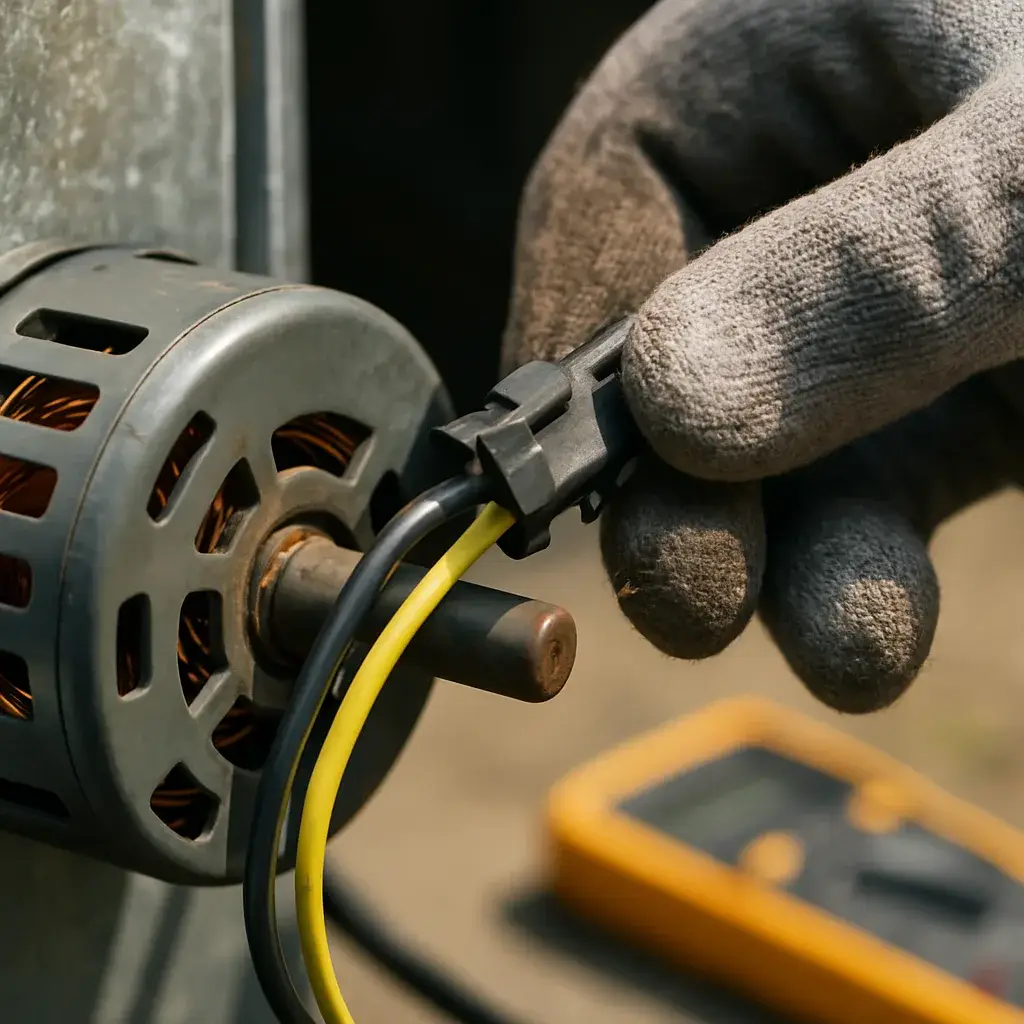
We hear the same story on a lot of calls. The AC clicks on, you hear the compressor kick in, but no air comes through the vents. That’s often the indoor blower motor giving out. Or the outdoor unit runs but your house never cools down, which points to the condenser fan motor stalling out.
- A humming or buzzing sound from the outdoor unit with no fan blade movement
- Weak or warm airflow from the vents even though the system is running
- The outdoor fan spins slowly, wobbles, or starts only after you nudge it
- A burning smell near the air handler or outdoor unit
- The system short cycles, turning on and shutting off every few minutes
If you hear a hum but see no spin, that motor’s shot.
A struggling motor pulls more electricity trying to turn than a healthy one. So if your energy bill jumped and you haven’t changed your habits, that’s worth mentioning to whoever comes out to look at it.
Condenser Fan Motor vs. Blower Motor: Two Different Repairs
Here’s where a lot of confusion starts. Your AC system has two separate motors, and they fail in different ways for different reasons. The condenser fan motor lives outside, in that metal box next to your house, and its job is pulling air across the coil to dump heat outside. The blower motor sits inside, usually in the attic air handler or a closet unit, and it’s the one pushing cooled air through your ducts and out the vents in every room.
So how do you tell them apart from the symptoms alone? You mostly can’t, and that’s fine, that’s our job. But there are clues. If the outdoor unit is running but the fan blade isn’t spinning, or it’s spinning slow and hot to the touch, that points outside. If you’ve got weak or no airflow from the vents while the outdoor unit sounds normal, that points inside to the blower. Homeowners often call us saying the AC quit blowing cold, when really it’s a fan motor issue and the compressor is fine.
This matters because a lot of Sunnyvale homes, especially the older ones near the town center, run attic air handlers that bake in summer heat above 130 degrees. That heat stress wears blower motor bearings faster than you’d expect. Newer subdivision homes with garage-mounted or closet air handlers see less of that strain, but the outdoor condenser fan motor still takes a beating from direct Texas sun and dust.
We test both before we ever quote a repair. Guessing costs you money, testing doesn’t.
When You Don’t Need a Fan Motor Replacement
Not every warm-air complaint means a dead fan motor. Plenty of times when someone calls us worried about a bad motor, we find something smaller going on first.
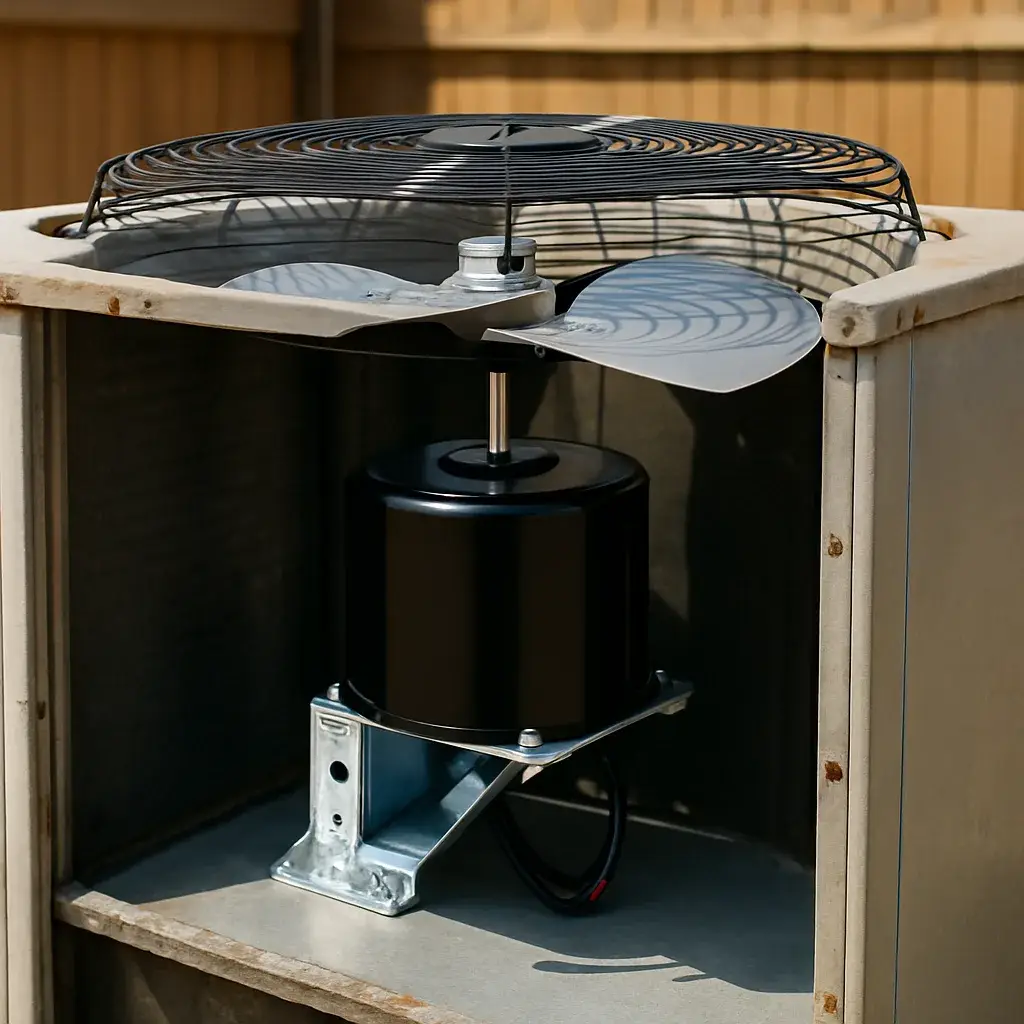
A dirty air filter can choke airflow so bad it feels like the fan quit. Swap the filter, and suddenly the system breathes fine again. A tripped breaker will shut the whole unit down, the fan included, but that’s an electrical fix, not a motor fix. And a bad capacitor often gets blamed on the motor since the symptoms look almost identical: weak start, humming noise, fan that won’t spin on its own.
- Weak airflow that improves after a filter change
- AC not turning on at all, but the breaker is tripped
- A humming fan that spins fine once you nudge the blade by hand (classic capacitor sign)
- Fan runs but the system still isn’t cooling, could be refrigerant or the compressor instead
- Recent maintenance skipped, dust buildup on the fan blade slowing it down
Sound familiar? That’s pretty common in Sunnyvale homes with attic-mounted units. Dust and pollen settle on the blade over a Texas summer and drag the whole thing down without killing the motor itself.
If your fan spins freely, sounds normal, and the airflow problem clears up after basic troubleshooting, you likely don’t need a replacement at all. That’s the real answer, even if it means a smaller ticket for us.
Thinking about AC fan motor replacement? Let’s talk.
Call Today, Get Service Today. Xtreme Air Services is ready to help.
What Drives Fan Motor Replacement Cost
Here’s the honest answer. Most AC fan motor replacement calls in Sunnyvale run 300 to 700 dollars, and the most common version of this job, a straight motor swap with no extra damage, lands between 300 and 475 dollars. That’s not a teaser number. That’s the real range once we’ve looked at your unit.
So why the spread? A few things move the price. Usually it’s the motor itself, but sometimes there’s more going on underneath.
- How far the failure has spread, a burned-out motor with scorched wiring costs more to fix than a clean swap
- The cost and availability of the exact replacement part for your unit’s age and brand
- How old the system is and whether parts are still easy to source
- Whether other components failed alongside the motor, like a capacitor or control board
- Nothing extra for after-hours work, we charge the same rate nights and weekends
Our price covers the diagnosis, the labor, the standard part, and testing everything before we leave. It doesn’t cover a second failed part we find mid-repair, that gets quoted separately before we touch it. We charge a 26 to 99 dollar service call fee just to come out, but it’s credited toward the repair if you move forward with us.
Financing isn’t usually part of this particular job, it’s a smaller repair. But if your system needs bigger work down the line, financing options are there for that.
How Professional Fan Motor Replacement Works in Sunnyvale
A fan motor job isn’t mysterious once you’ve seen a few hundred of them. Most Sunnyvale homes run their outdoor units on a slab pad, exposed to full Texas sun for hours a day. That heat load wears down a motor faster than folks realize. So when your tech shows up, the process follows a pretty tight script.
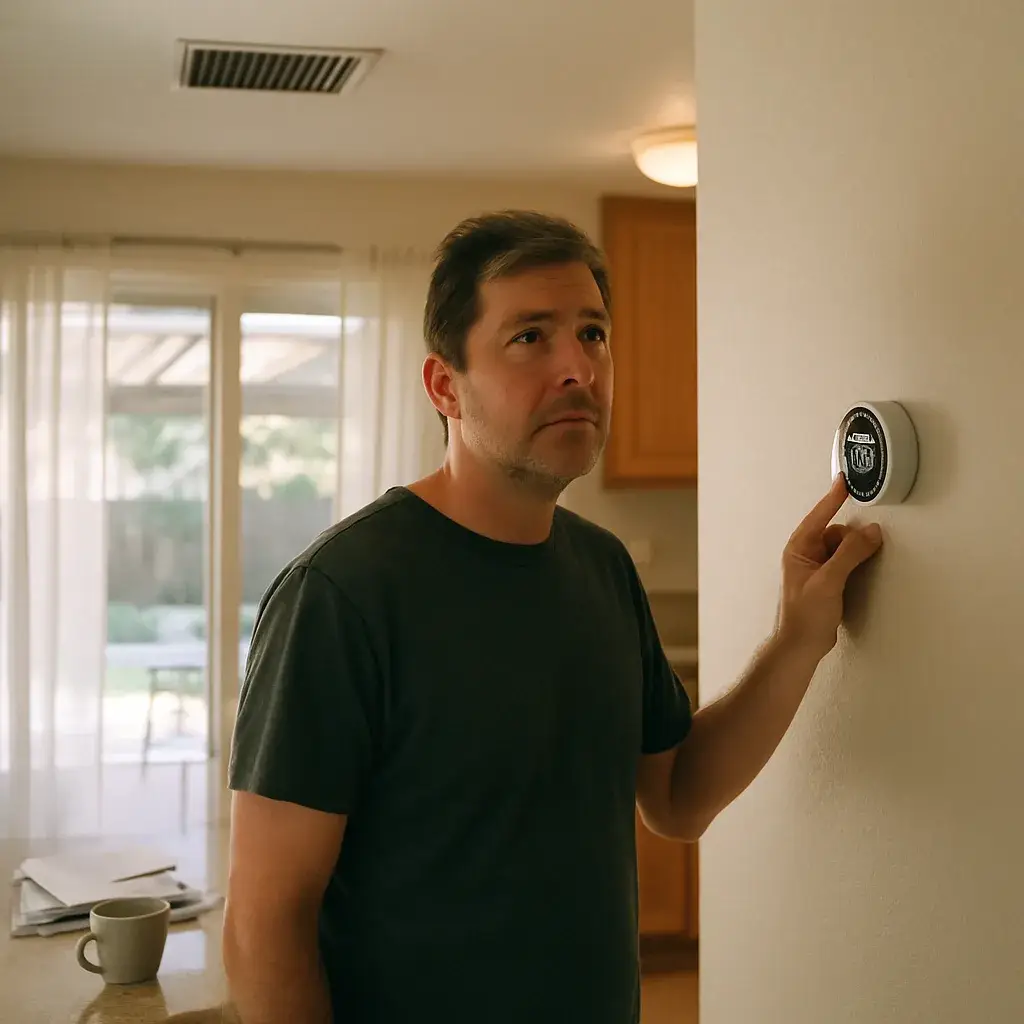
- We check the breaker and capacitor first, since a bad capacitor can look exactly like a dead motor.
- We test the motor windings with a meter to confirm it’s failed, not just struggling.
- We match the replacement part to your system’s brand and specs, condenser fan or blower.
- We swap the motor, reconnect the wiring, and mount the fan blade back to factory position.
- We run the system through a full cycle and check amp draw before we call it done.
That last step matters more than people think. A motor can spin fine and still pull the wrong amperage, and that’s how you end up with a repeat call three weeks later. We won’t leave until the numbers look right. Most jobs like this get handled in a single visit, start to finish.
Frequently Asked Questions
Common questions about AC fan motor replacement
How fast can you get someone out to look at a broken AC fan motor in Sunnyvale?
We aim to get to most Sunnyvale calls the same day or next day, depending on how many calls come in that morning. Summer heat waves push our schedule tighter, so calling early in the day helps. If your outdoor fan has stopped spinning but you still hear the compressor humming, tell us that when you call. It helps us bring the right parts on the first trip.
What happens when a technician shows up to check my fan motor?
We test both the condenser fan motor outside and the blower motor inside before touching anything. This means checking the motor’s electrical draw, watching the fan blade spin, and checking the capacitor too, since a bad capacitor often mimics a dead motor. You’ll get a clear answer about which part failed and why, plus a price before we start any repair. No guessing, no surprise add-ons mid-job.
Why do fan motors seem to fail more often in Sunnyvale homes with attic units?
Attic air handlers near Sunnyvale’s town center can bake above 130 degrees in summer, and that heat stress wears down blower motor bearings faster than normal. Homes with garage or closet-mounted air handlers see less of this strain. The outdoor condenser fan motor still takes a beating from direct sun and dust buildup, no matter where the indoor unit sits. If your system is in the attic, expect motors to wear out sooner.
Can a dirty air filter really feel like a bad fan motor?
Yes, a clogged filter can choke airflow so badly it feels like the fan quit working entirely. Swapping the filter often clears up weak airflow in minutes, no motor replacement needed. We check the filter first on almost every warm-air call, because it’s the cheapest fix if that’s all it is. If your fan still spins slow or hums after a filter change, then we’re looking at the motor itself.
How do I know if it’s the fan motor or just a bad capacitor?
A classic sign of a bad capacitor is a fan that hums but spins fine once you nudge the blade by hand. That’s different from a truly dead motor, which won’t spin at all even with help. Both problems sound almost the same from inside your house, weak start, buzzing noise, no airflow. We test the capacitor and the motor separately before quoting anything, so you’re not paying to replace a part that’s fine.
How long does the actual fan motor replacement take once it’s diagnosed?
Most straight motor swaps take under two hours once we’ve confirmed which motor failed and have the right part on the truck. If the failure spread to the wiring or a control board got damaged too, it can take longer. We test airflow and check the whole system runs cool before we leave, so you’re not calling us back the next day for the same problem.
Ready to Get Started?
Call 972-288-2263 Today, Get Service Today.