


Fix Uneven Airflow with HVAC System Balancing in Sunnyvale
Airflow measured at every register with a meter, dampers adjusted zone by zone, then retested – with a before-and-after report instead of a claim on an invoice.
What’s Covered on This Page
- Signs Your Rooms Are Fighting Your Thermostat
- When Balancing Fixes the Problem and When It Doesn’t
- What Happens During an HVAC Balancing Visit in Sunnyvale
- Preparing the Building Before the Technician Arrives
- Confirming the Fix with a Written Balancing Report
- How long does an HVAC balancing visit take in Sunnyvale?
- What should I expect when the technician arrives to balance my system?
- Why do upper-floor spaces in Sunnyvale buildings stay warm even after the AC runs all day?
- How often should I have my HVAC system balanced?
- Can balancing fix a system that never seems to cool the whole building?
Signs Your Rooms Are Fighting Your Thermostat
You set the thermostat to 72, and the hallway feels fine. But the far suite is stuffy, while the offices upstairs never quite cool down. Sound familiar?
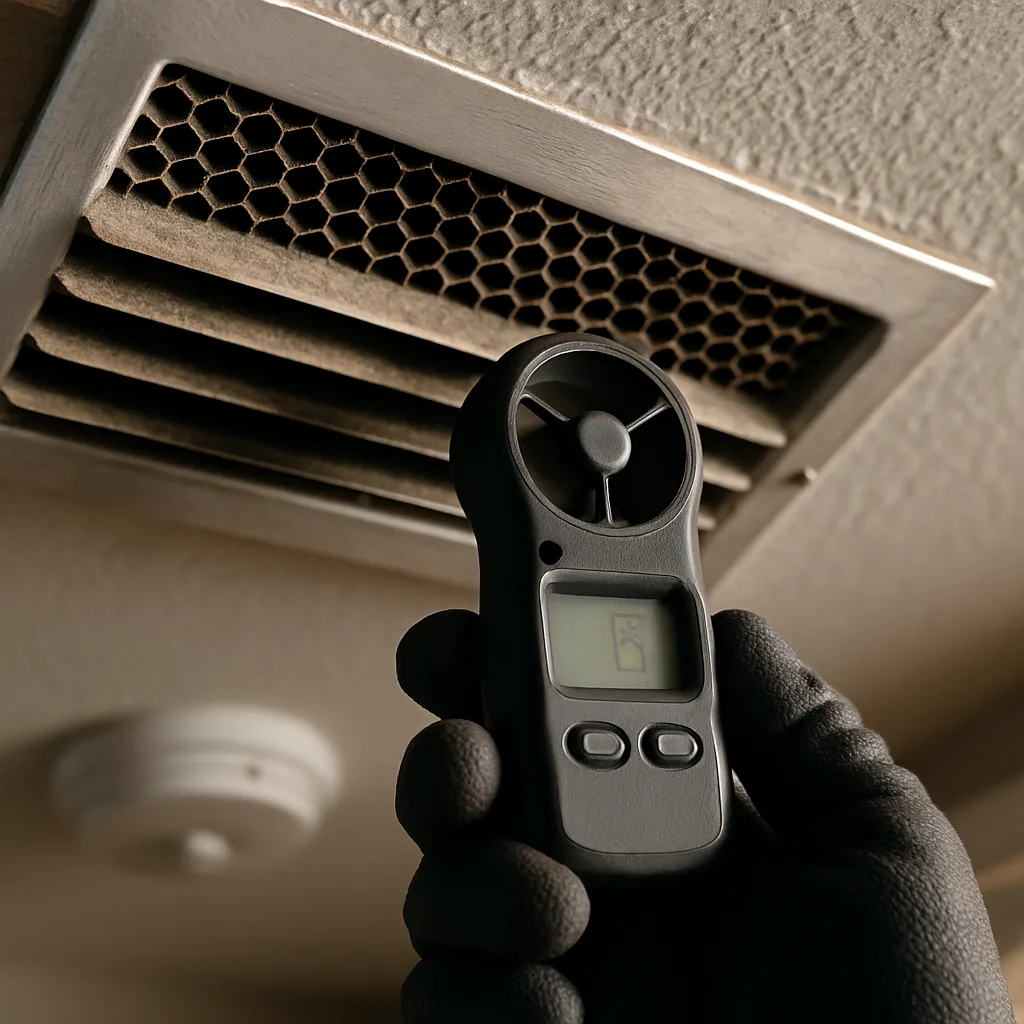
That is a classic sign the system is not balanced. Your thermostat reads one spot in the building. It has no idea the corner office is ten degrees warmer. In a lot of Sunnyvale buildings, duct runs travel long distances through unconditioned space to reach the far end of a floor plate, and airflow drops off along the way. If nobody adjusted the dampers to push more air down that run, that space loses the fight every day in July.
- One or two spaces always feel warmer or cooler than the rest of the building, whatever the thermostat says
- Air barely trickles from vents in back office or upstairs rooms while other vents blow strong
- The system runs constantly to satisfy one hot room, then shuts off before other rooms cool
- Energy bills climb even though the equipment itself seems to be working fine
- Added or converted rooms, such as a garage office, never seem to get their fair share of air
We see this every week. Often the owner has already had the system checked and been told everything is running fine. It is, but the air isn’t distributed properly. That’s a different problem, and balancing can fix it.
When Balancing Fixes the Problem and When It Doesn’t
Balancing works when the equipment is healthy, but the air isn’t shared properly between rooms. One office runs warm, the main floor feels fine, and the thermostat says everything is normal. That is a textbook balancing job. We adjust dampers and registers so each zone gets its fair share of conditioned air, which evens out temperatures across the building.
But balancing can’t fix a system that’s broken.
If your AC won’t lower the temperature, short cycles, or makes grinding or squealing sounds, you likely need a repair. That’s not an airflow distribution problem. Balancing also won’t help if the ductwork is undersized or leaking badly. We’ll tell you if that’s what we find. Adjusting dampers on bad ductwork just moves the problem around. The same applies to a failing blower motor or low refrigerant. Those problems need diagnosis and repair, not adjustment.
How do you know which problem you have? Ask whether the system cools well overall while some spaces lag behind. If the whole building feels wrong, you likely have a larger system problem. We see both in Sunnyvale buildings that have been added to or subdivided, where the original system was sized for the original footprint and airflow to the new area needs adjustment rather than new equipment.
If your system is under five years old and one room is always off, balancing is often the answer. If it’s older and struggling everywhere, have it checked before spending money on adjustment alone.
What Happens During an HVAC Balancing Visit in Sunnyvale
What does a balancing visit look like? It’s a careful process built around measuring airflow.
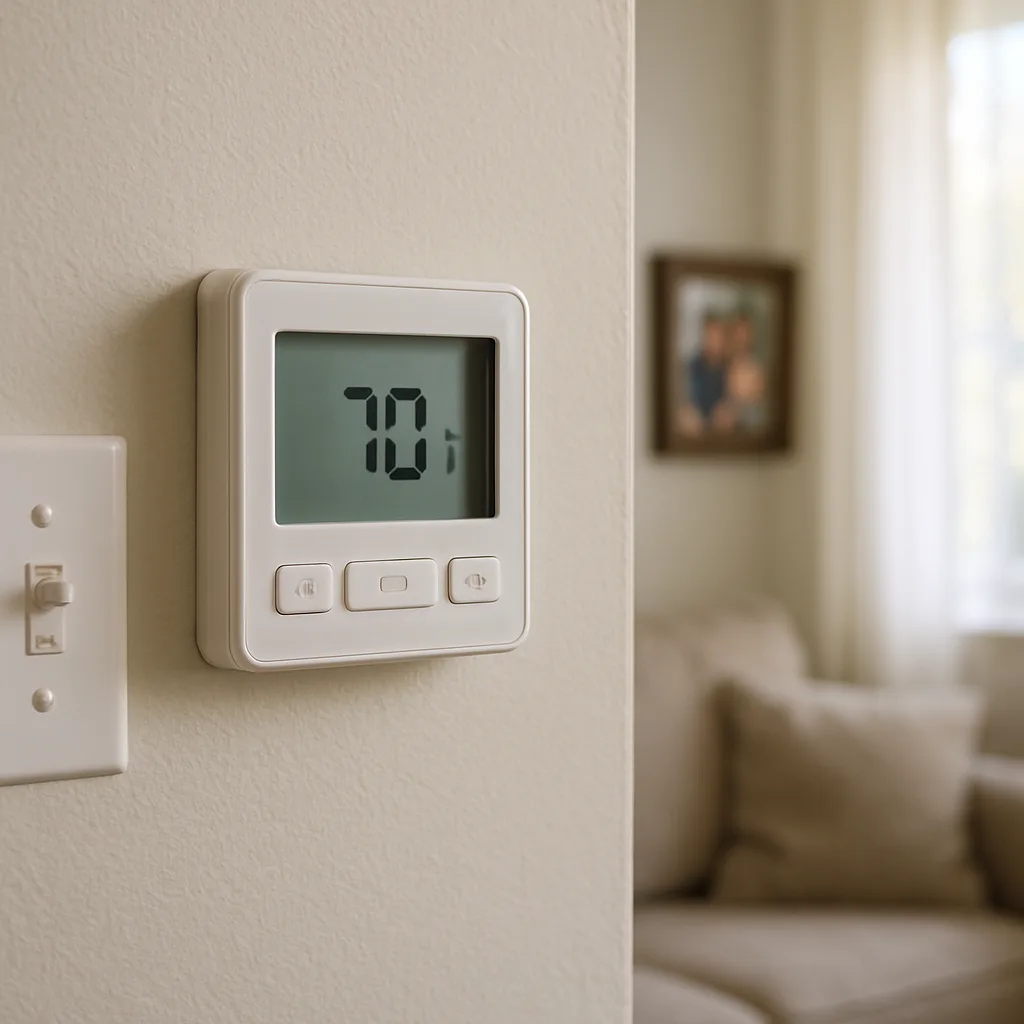
Many Sunnyvale buildings, especially newer construction off Collins Road, run ductwork through unconditioned space. Those long runs pick up heat in summer and lose heat in winter. That changes the air before it ever reaches the diffusers. Our team accounts for those conditions when testing each register.
- We check every zone in the building, not just the space you called about.
- We measure airflow at each register with a meter instead of judging it by feel.
- We compare those readings with the airflow your system is designed to deliver.
- We adjust dampers and registers to correct the imbalance one zone at a time.
- We retest after making adjustments to confirm the readings hold.
- We give you a balancing report with the before-and-after readings.
That report matters because it gives you proof instead of a guess on an invoice. You can see exactly what changed, space by space.
We don’t repair ducts or replace equipment during this visit. If we find a crushed duct run or an undersized return, we’ll explain it and quote that work separately. Balancing adjusts what’s already there instead of replacing it. Most visits take a few hours, depending on the number of zones in the building. 80 six days a week.
Need help with HVAC system balancing?
Call Today, Get Service Today. Xtreme Air Services is ready to help.
Preparing the Building Before the Technician Arrives
You don’t need to do much before we arrive. A little preparation can save time during the visit.
Many Sunnyvale buildings keep air handlers in mechanical rooms or above the ceiling, so we need a clear path to that access first. Stored stock or stacked pallets can cost twenty minutes we would rather spend measuring airflow. The same goes for return grilles hidden behind shelving, which we find more often than you would expect. Clear the registers and returns throughout, including spaces that are rarely used.
- Clear a path to the mechanical room or ceiling access panel
- Move furniture, boxes, or laundry away from vents and returns in every room
- Keep pets in one room so they’re not underfoot near the ladder
- Write down which rooms feel hot, cold, or stuffy and when you notice it
- Have someone on site who knows where the comfort complaints come from
That last step matters more than people expect.
We ask several questions before touching a damper. Does the back office run warm every afternoon? Does the upstairs office struggle to cool down, even in October? Your answers point us toward the zones that need adjustment and reduce the guesswork. You don’t need to unplug anything or run the system differently beforehand. Leave it running as usual so we can measure normal conditions instead of a cold start.
One more thing: If you have a smart thermostat, keep the app login or schedule handy. We’ll want to check when it has been calling for heating or cooling across the zones.
Confirming the Fix with a Written Balancing Report
How do you know the job worked? You don’t have to take our word for it. Every HVAC system balancing job ends with a written balancing report. It’s proof of the work, not a courtesy.
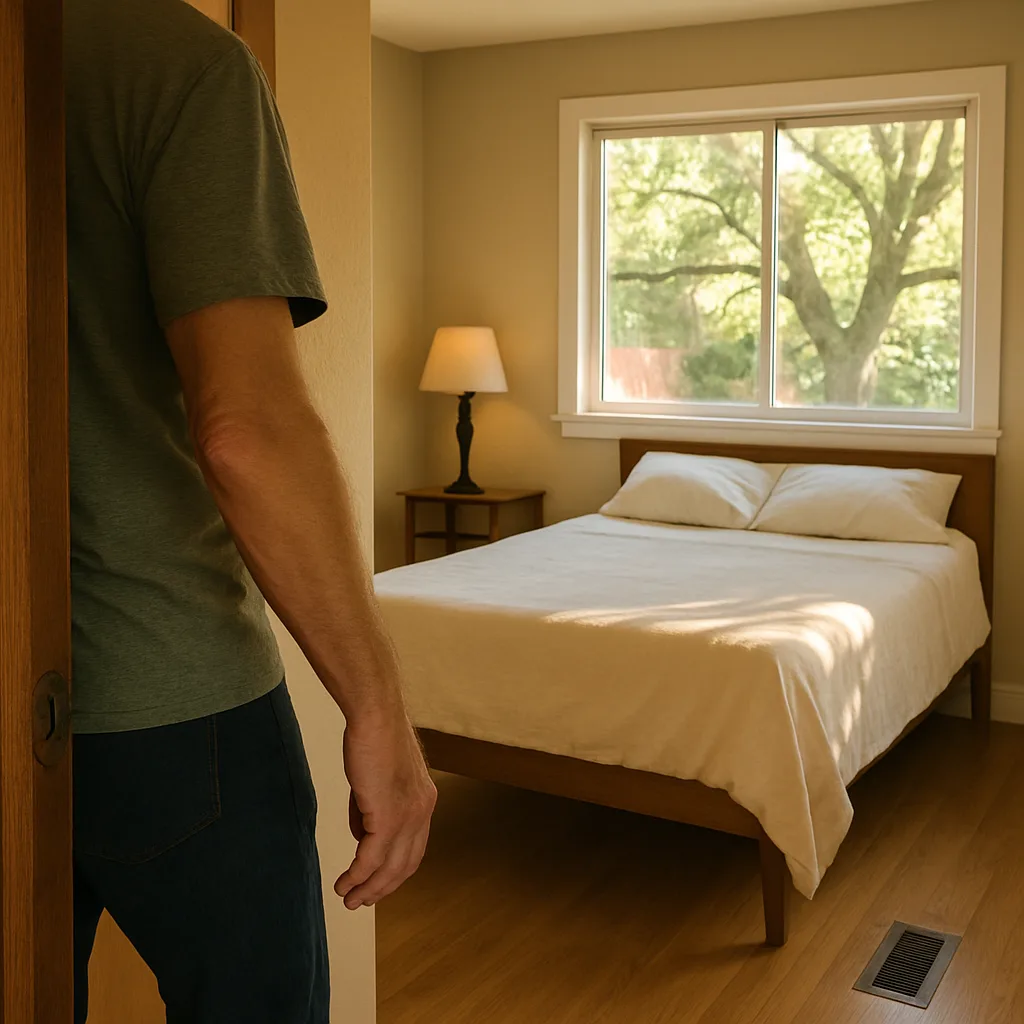
The report shows airflow readings from each register before we touch a damper and after we finish. You will see what changed in each space. If the back office ran five degrees warmer, the first reading may help explain why. The new reading shows the result after the adjustment. You don’t have to guess or rely only on a technician saying it’s better.
We walk you through the report before leaving, and you can ask questions right there. Most owners want to know whether the space will actually feel different. We’ll show you the specific readings that answer that question.
- Pre-adjustment airflow readings for each zone or register
- Post-adjustment readings showing the change
- Notes on the dampers or registers we adjusted
- Flags for problems outside the balancing scope, such as ductwork that needs separate attention
That last point matters. If we find a crushed duct run or disconnected line while balancing your system, it’s not included in the job. We’ll quote that repair separately. We’d rather tell you directly than pretend a balancing adjustment can fix a torn duct.
Keep that report. If the same room gets warm again next summer, the readings give the next technician a useful starting point.
Frequently Asked Questions
Common questions about HVAC system balancing
How long does an HVAC balancing visit take in Sunnyvale?
Most balancing visits take a few hours, depending on how many spaces and zones the building has. We check airflow at every register, not just the one you called about, then adjust and retest each. Buildings with ductwork above the ceiling sometimes take longer because we need clear access first. We give you a realistic estimate before we start, based on the layout and how many zones need attention.
What should I expect when the technician arrives to balance my system?
You can expect us to ask about your comfort problems before we touch anything. We want to know which spaces run hot or cold, and when it is worst. Then we measure airflow at every register with a meter instead of guessing by feel. We compare those readings to what your system should deliver, adjust dampers zone by zone, and retest to confirm the change held. You get a report showing the before-and-after numbers for the building.
Why do upper-floor spaces in Sunnyvale buildings stay warm even after the AC runs all day?
Long duct runs through unconditioned space are usually the culprit in Sunnyvale buildings, especially newer construction off Collins Road. Air travels a long way to reach the far end of a floor, picking up heat as it goes. If nobody adjusted the dampers to push more air down that run, that space loses out every afternoon. Balancing corrects this by redirecting airflow to the zones that need it most, without replacing any equipment.
How often should I have my HVAC system balanced?
There is no fixed schedule, but consider balancing after any addition, remodel, or tenant build-out. Original systems are usually sized for the original footprint, so new spaces frequently get shortchanged on airflow. Buildings with spaces that have always run warm or cold, whatever the season, are also good candidates. If your system is under five years old and one room is consistently off, balancing is usually the right fix.
Can balancing fix a system that never seems to cool the whole building?
No. Balancing only helps when the equipment itself is healthy and the air simply is not shared evenly. If the whole building struggles to cool, or the unit will not drop the temperature at all, that points to a repair issue instead. Balancing can’t fix undersized or leaking ductwork, a failing blower motor, or low refrigerant. We’ll tell you plainly if we find one of these problems during the visit, so you don’t spend money adjusting dampers on a system that needs repair first.
Ready to Get Started?
Call 972-288-2263 Today, Get Service Today.