


Repair or Replace: How We Help You Decide After HVAC System Maintenance
When we would recommend repairing the system we just inspected, when replacement is the better answer, and how we walk you through that decision after a maintenance visit.
What’s Covered on This Page
- When We’d Recommend Repairing Your System
- When We’d Recommend Replacing Instead
- How We Help You Decide
- Related Links
- How do I know whether to repair or replace my system?
- What’s the mistake homeowners make most often when deciding between repair and replace?
- When would you tell me to replace instead of doing another repair?
- Does the cost of a maintenance visit factor into the repair-or-replace decision?
- Will you recommend replacement just because my system is a few years old?
When We’d Recommend Repairing Your System
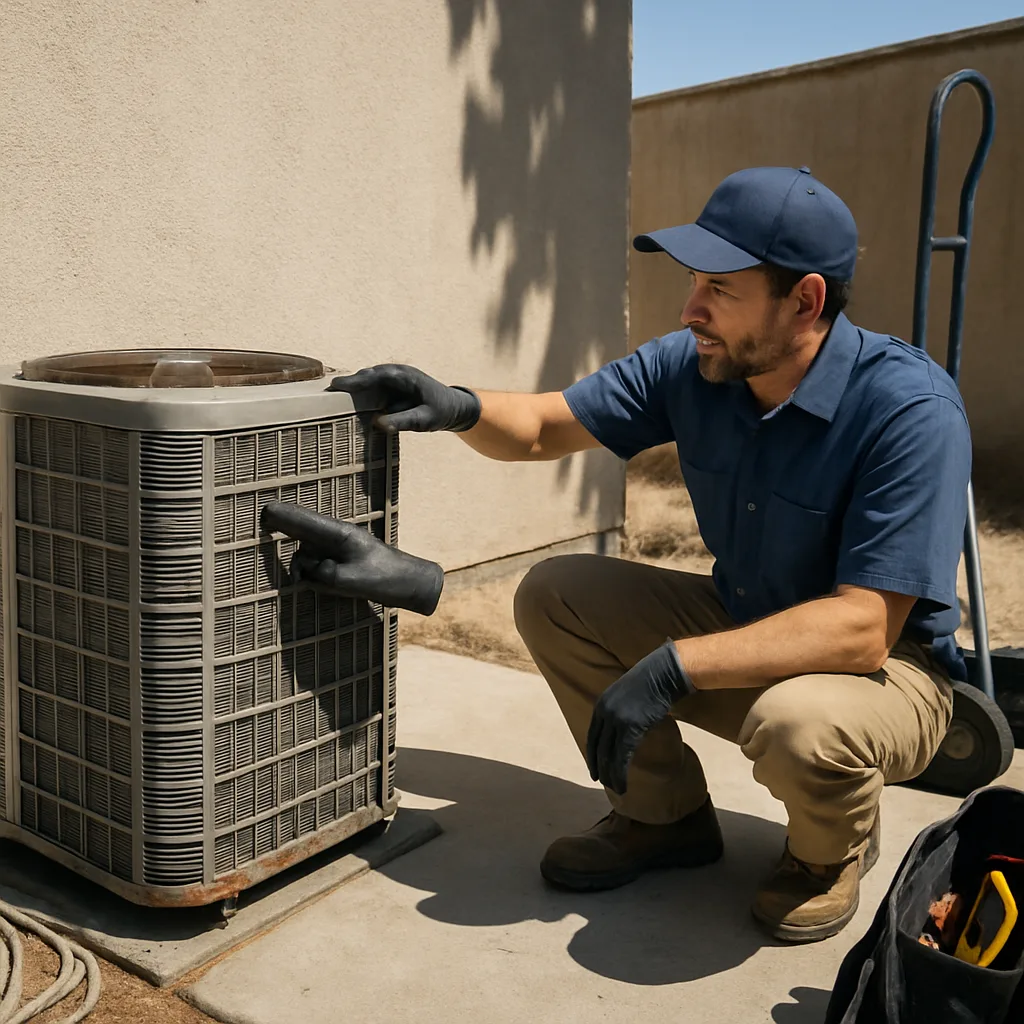
Sunnyvale systems (like those in Mesquite and Forney) face serious Texas heat and humidity. But if your AC is 8 to 12 years old and has had regular filter changes and annual tune-ups, a repair almost always makes more sense than tearing out equipment that still has years of life left. We typically see systems last 10 to 15 years around here. That’s a good window for repair.
Cost is the next thing we look at. If the repair quote is well below 50 percent of a full system replacement, then repair is the smart financial choice. We calculate that percentage against current installed cost, not what you paid originally. This way, the comparison reflects today’s Sunnyvale market pricing for equipment and labor.
We also check if the failure is isolated. A blown capacitor, a failed contactor, a cracked drain pan, or a single bad blower motor are usually one-time issues. They don’t mean your whole system is in decline. But repeat failures of the same part, or many unrelated components failing within a short time, usually point toward replacement instead.
- Your system is under 12 to 15 years old with a documented maintenance history.
- Repair cost is a small fraction of full replacement pricing.
- The failed part is a single component, not part of a pattern.
- The compressor or heat exchanger is unaffected and still sound.
- The part may still be under the manufacturer’s original warranty term.
Before any work begins, we check the manufacturer warranty status. Many parts carry 5 to 10 year coverage that homeowners forget they have. We use the model and serial number to find this. When a repair is the right move, we put the flat rate in writing upfront. There’s no ambiguity about cost once the technician starts the job.
When We’d Recommend Replacing Instead
Most systems that get regular maintenance don’t need replacing anytime soon. A tune-up runs $100 to $300, depending on how many systems you have and if you’re on a maintenance plan. For most homes, that’s money well spent to keep a working system going. But there’s a point where a system has gone past what cleaning and inspection can fix. That’s a different conversation.
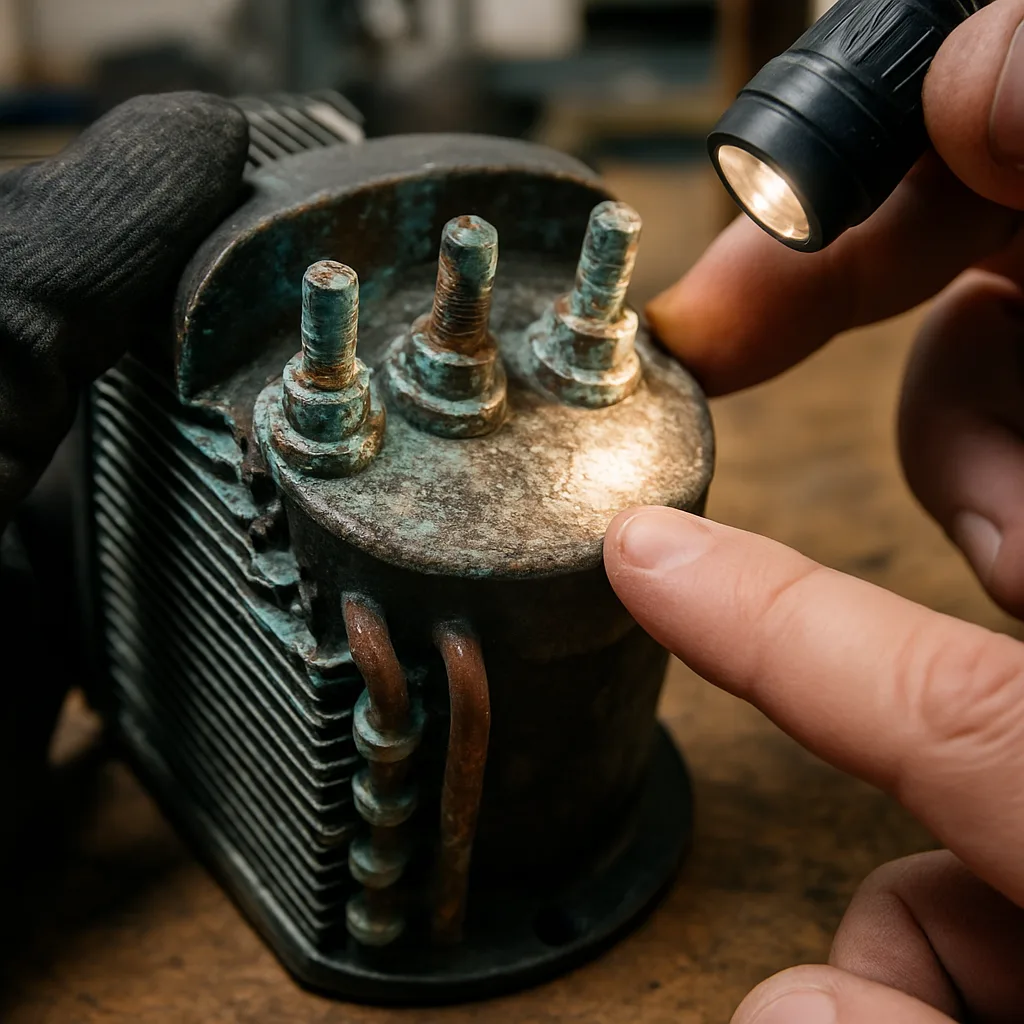
During a maintenance visit, our technician isn’t just checking boxes. If we find something a tune-up won’t solve (like a compressor that’s failing or a coil that’s corroded past repair), we’ll tell you before we do anything else. That’s how we handle every visit, not just installs. If it turns into a bigger job, you get a written, flat-rate quote. We lay out repair-or-replace options side by side. You compare costs and make the call yourself. Nothing gets done until you approve it.
If your system is running fine and passes its inspection, we won’t push you toward a new one just because it’s a few years old. That’s not what the visit is for. Replacement makes sense when the repairs needed are bigger than what maintenance covers. Or when the unit is struggling to keep up, no matter how clean it is. Or when you’re looking at a repair bill that starts competing with the cost of a new high-efficiency system.
- Your system needs a major part, not just a cleaning and adjustment, at nearly every visit.
- Energy bills keep climbing even after maintenance and filter changes.
- The unit struggles to hold temperature on hot North Texas afternoons, despite a clean tune-up.
- You’re comparing a repair estimate against the cost of a new system, and the numbers are close.
If you want the full picture on what routine upkeep covers and how it keeps a system out of replacement territory, our main service page for HVAC system maintenance explains what’s included in every visit.
Either way, the decision starts with an actual look at the equipment. Not a guess over the phone. A technician can walk you through what your system is telling us. We can show you your real options.
How We Help You Decide
For most homes, the decision is simple: one system gets one visit, and that’s the whole job. Our technician inspects it, cleans what needs cleaning, and checks performance and safety. That runs $100 to $200. The price depends on how many systems you have, how easy the equipment is to reach, how much buildup we find, and whether it’s a single visit or part of a maintenance plan. What’s included is the inspection, the cleaning, and the safety check. What’s not included is any repair work the visit turns up. If we find a part that’s worn or failing, that gets quoted separately before we touch it.
Here’s the part that helps you decide. If your system had a maintenance visit within the past year, and it’s running fine, cooling evenly, with no odd noises, we’d tell you it can probably wait. We’d rather be direct about that than book a visit you don’t need yet. But, attic-mounted systems around Sunnyvale and the rest of the DFW area take a real beating from Texas summer heat swings. Units that haven’t been checked in a couple of years often carry dust and strain a homeowner never sees from the thermostat.
If a technician does find something during your HVAC system maintenance visit, here’s what happens next. We explain what we’re seeing in plain terms. We don’t do any repair work until you’ve seen a written, flat-rate price and approved it. The service call fee ($26 to $99) gets credited toward that repair if you decide to move forward with us. Financing isn’t typically part of a maintenance visit since the job itself is small. But it’s available if the visit leads to a bigger repair or a system replacement.
If you’re weighing a one-time check against a maintenance plan, a plan makes more sense for a system you rely on year-round. A single visit fits someone testing the waters or catching up after a gap. Either way starts the same: an inspection, a plain-English explanation, and a price you see before we do anything. You can read more about what’s covered on our HVAC system maintenance page before you book.
Frequently Asked Questions
Common questions about HVAC system maintenance
How do I know whether to repair or replace my system?
We look at three things: your system’s age, how the repair cost compares to a new install, and whether the failure is a single part or a pattern. Systems between 8 and 15 years old with regular tune-ups usually favor repair. We also check the manufacturer warranty using your model and serial number before quoting anything. A technician has to see the equipment to give you real numbers, not a guess over the phone.
What’s the mistake homeowners make most often when deciding between repair and replace?
Homeowners often judge by age alone, assuming an older system automatically needs replacing. Age matters, but a pattern of failures matters more. A single bad capacitor or blower motor on a 10-year-old system is usually a normal repair, not a warning sign. We watch for repeat failures of the same part or several unrelated parts failing close together. That pattern tells us more than the birth year on the nameplate ever could.
When would you tell me to replace instead of doing another repair?
We’d bring up replacement if your system needs a major part at nearly every visit, if energy bills keep climbing despite regular maintenance, or if it struggles to hold temperature on hot North Texas afternoons even after a clean tune-up. We also flag it when a repair estimate starts getting close to the cost of a new high-efficiency system. You’ll see the numbers side by side in writing before you decide.
Does the cost of a maintenance visit factor into the repair-or-replace decision?
A routine tune-up runs $100 to $300 depending on how many systems you have and whether you’re on a maintenance plan. For most homes that keeps the system running well and delays any bigger decision. If a technician finds something a tune-up can’t fix, that’s a separate written quote, not part of the maintenance price. The tune-up itself is rarely the deciding factor in repair versus replace.
Will you recommend replacement just because my system is a few years old?
No. If your system passes inspection and is running fine, cooling evenly with no odd noises, we won’t push a new unit on you just because it’s not brand new. That’s not what a maintenance visit is for. We’d rather tell you it can wait than book work you don’t need yet. Replacement only comes up when the equipment itself is telling us it’s past what cleaning and repair can fix.
Ready to Get Started?
Call 972-288-2263 Today, Get Service Today.