


Emergency Plumbing in Allen: Know When to Call Now
Active leak, backup or no water? Call, tell us what you're seeing, and a licensed plumber heads your way.
What’s Covered on This Page
- Decide If You Have a True Plumbing Emergency
- Know When It’s a Gas Emergency, Not a Plumbing Call
- Shut Off Your Water Before Help Arrives
- What Happens When an Allen Technician Arrives
- Understand What Emergency Plumbing Costs and What’s Included
- What does an emergency plumber usually charge compared to a regular visit?
- Should I keep calling around to find the cheapest emergency plumber, or just call one?
- Is a slow leak under my sink still an emergency if I can’t get a plumber the same hour?
Decide If You Have a True Plumbing Emergency
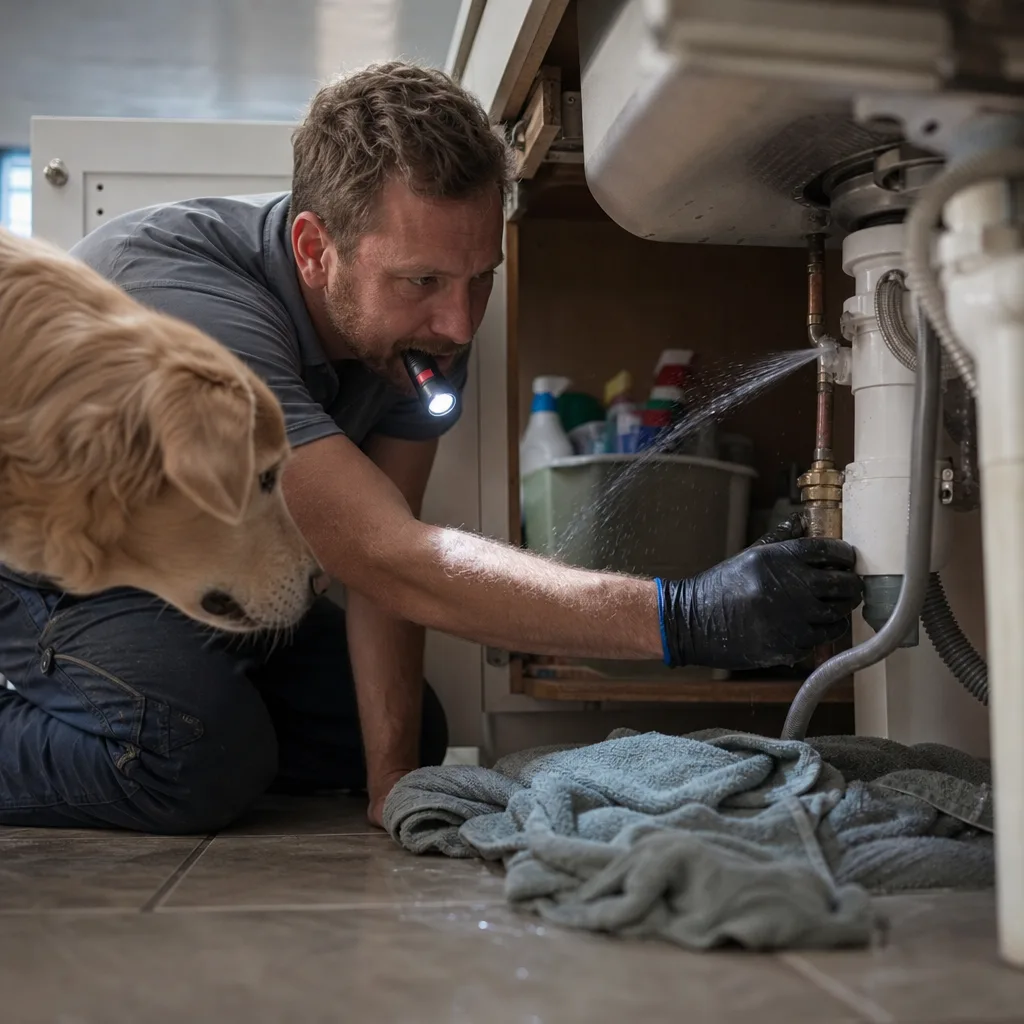
Not every leak needs a plumber at midnight. Ask yourself two things. Is water hurting your home right now? Can you stop it yourself? If water is doing damage and you can’t stop it, you have an emergency. If you can stop it and still live normally until morning, it can wait.
These problems need help right away:
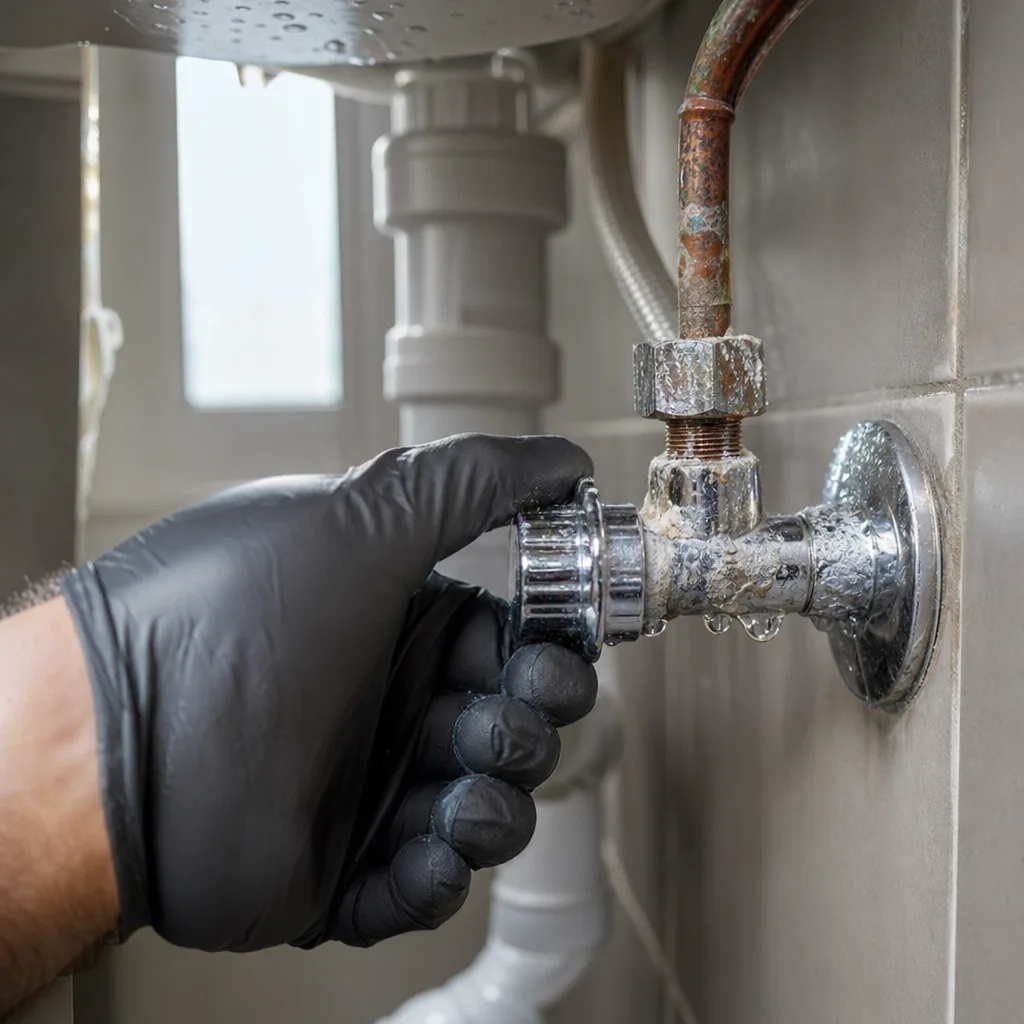
- A burst or split pipe that’s spraying or pouring water.
- Water dripping through a ceiling or a stain that keeps growing. Plenty of North Texas homes run water lines through the attic, so a wet ceiling often means a leaking line right above it.
- Sewage coming up in a tub, shower, or floor drain, or several drains backing up at once. That usually points to the main sewer line, not one fixture.
- No water anywhere in the house.
- A water heater leaking from the tank itself, not just from a loose fitting.
- The only toilet in your home won’t flush or won’t stop overflowing.
These problems can usually wait for a normal appointment:
- A dripping faucet or showerhead.
- One slow or clogged drain while the rest of the house drains fine.
- A toilet that runs, wobbles, or flushes weakly when you have another one that works.
- A leak under a sink that stops when you close the shutoff valve beneath it.
- Low water pressure at one fixture instead of the whole house.
- A dripping outdoor faucet.
Some problems fall in between. Slab leaks are the big one around Allen. Most homes here sit on concrete slab foundations. North Texas clay soil swells when it’s wet and shrinks when it’s dry, and that movement can stress the pipes under your floor. Watch for a warm spot on the floor, damp carpet with no clear source, a water bill that jumps for no reason, or the sound of running water when everything’s turned off. A slab leak rarely floods a room in an hour. It still shouldn’t sit for weeks, because the water keeps soaking into the soil under your home.
Hard freezes cause another kind of in-between problem. A pipe can split during a cold snap and stay dry until it thaws. If water shows up a day or two after a freeze, treat it as urgent. A crack that small can open up fast once the pressure comes back.
Here’s a common example. On a Sunday night you notice a damp spot on the hallway ceiling. If it’s dry to the touch and isn’t spreading, you can book a visit for the next weekday. If it’s soft, dripping, or bigger than it was an hour ago, don’t wait for Monday.
Still not sure? Ask one more question. Will waiting until morning make the damage worse? If the answer is no, it’s fine to wait. If the answer is yes, or you can’t tell, treat it like an emergency.
Know When It’s a Gas Emergency, Not a Plumbing Call
If you smell rotten eggs or sulfur in your home, stop thinking about plumbing for a minute. That’s a possible gas leak, and it comes before everything else on this page. Natural gas has no smell by itself. Gas companies add that rotten egg odor on purpose so you’ll notice a leak fast.
Gas and water emergencies can look alike because they often happen in the same spots. Your gas water heater sits in the garage or a closet, close to the water lines. A gas furnace may share the attic with the water lines overhead. So when something seems wrong near one of those appliances, ask yourself: is it water, or is it gas?
These signs point to gas, not water:
- A rotten egg or sulfur smell inside, especially near the water heater, furnace, stove, or dryer.
- A hissing or whistling sound near a gas line or appliance, with no water in sight.
- Bubbles rising in a puddle or wet ground outside where no water line runs.
- A patch of dead or brown grass in your yard along the path of a buried gas line, when the rest of the lawn looks fine.
- A pilot light or burner flame that keeps going out, or burns yellow instead of blue.
If you smell gas, don’t try to find the leak yourself. Get everyone out of the house, pets included. Don’t flip light switches, unplug anything, start a car in the garage, or light a match on the way out. Any of those can make a spark. Once you’re outside and a safe distance away, call 911 or your gas utility’s emergency line. They’ll come check it and make the area safe.
That order matters. A plumber isn’t your first call when you smell gas. The fire department or gas company is. After they’ve cleared your home, the leak still has to be fixed. That’s when a licensed plumber comes in. Our team handles gas leak detection and gas line repair, and we install gas water heaters, so we can take it from there once your home is safe.
Carbon monoxide can come from a gas water heater or furnace that isn’t venting right. Headaches, dizziness, or sleepiness that get better when you leave the house are a warning sign. Our heating team offers carbon monoxide testing if you want peace of mind after the all-clear.
What if the smell is faint and you’re not sure? Treat it as gas anyway. A false alarm costs you a little time on the curb. Guessing wrong costs far more. Water can wait a few minutes while you get your family outside. Gas can’t.
Shut Off Your Water Before Help Arrives
The best thing you can do in a plumbing emergency is stop the water yourself. Every minute water keeps running, it soaks deeper into drywall, carpet, and cabinets. Closing a valve takes seconds, and it can turn a big repair into a much smaller one.
Your home has two kinds of shutoffs, and it helps to know which one to grab.
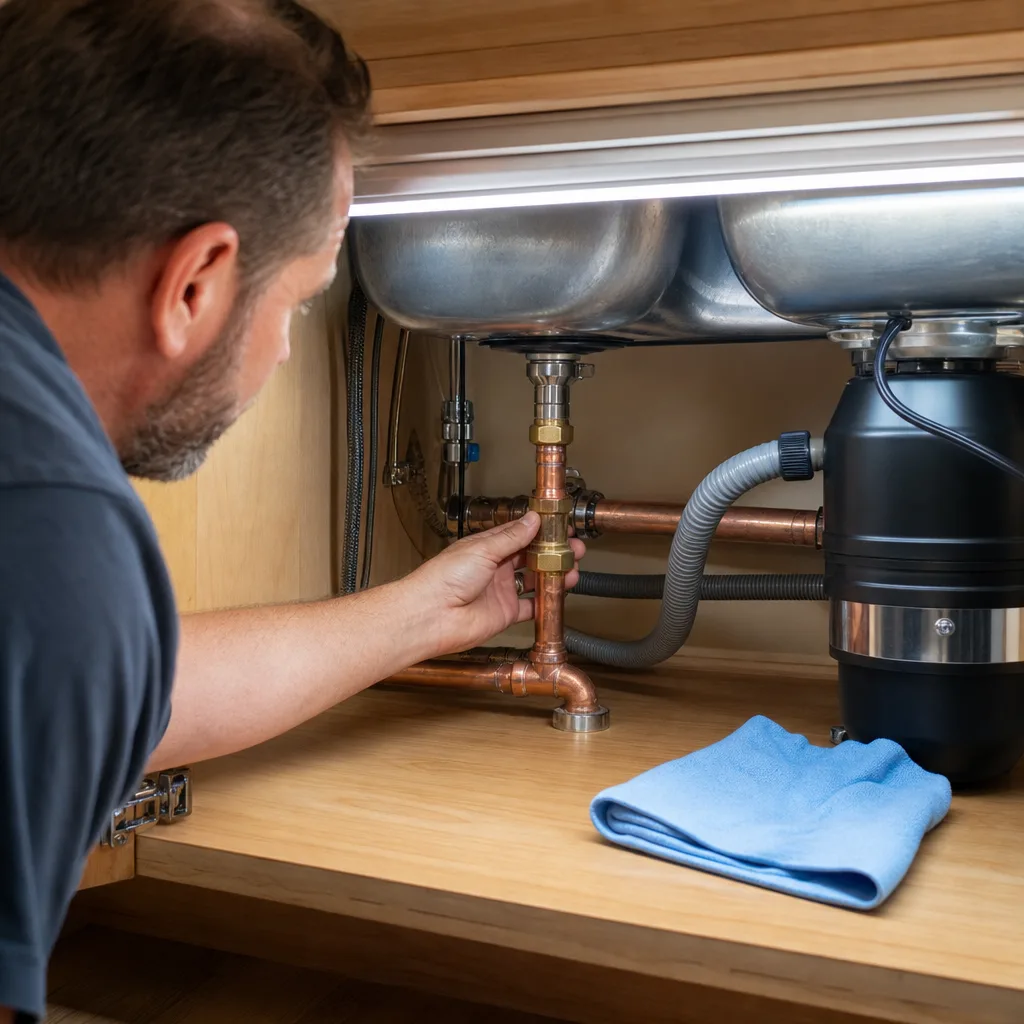
- Fixture valves sit right at the problem: under sinks, behind toilets, and at the washing machine hookups. Use one of these when the leak is at a single fixture. Turn it clockwise until it stops.
- The main shutoff stops water to the whole house. Use it for a burst pipe, a dripping ceiling, or any leak you can’t trace to one spot.
Most homes here sit on a slab, so you won’t find a shutoff in a basement or crawlspace. Look where the main water line enters the house. That’s often in the garage, near the water heater, or outside along the front of the house close to a hose faucet. Some homes have the valve inside a small box set in the ground near the foundation.
If you can’t find a house valve, there’s another one at the water meter box near the street. That valve may need a meter key or a large wrench, and some water utilities would rather you call them before you touch it. So use the house valve first whenever you can.
Once you’ve found the main, here’s what to do:
- Close the main. A round wheel handle turns clockwise until it’s snug. A lever handle only needs a quarter turn, so the lever sits crossways to the pipe.
- Open a faucet at the lowest point of your home, like a bathtub or an outdoor faucet. That lets the water still sitting in the pipes drain out, so the leak slows down faster.
- If the leak is at the water heater, close the cold water valve on top of the tank too. If it’s electric and you can safely reach your breaker panel from a dry spot, switch off its breaker so the heating parts don’t burn out if the tank empties.
- Stay out of standing water that’s near outlets, cords, or plugged-in appliances.
- Move rugs, electronics, and boxes out of the wet area. Take a few photos for your insurance company before you start cleaning up.
What if the valve won’t budge? Older round-handle valves can seize after years of sitting still. Don’t put a big wrench on it and force it, because a snapped valve stem can make the leak worse. Go to the meter valve instead, or keep catching the water with towels and buckets until help arrives.
Once the water is off, you’ve bought yourself time. The damage stops growing, and you can think clearly about what comes next instead of racing the water.
Thinking about Emergency plumbing? Let’s talk.
Call Today, Get Service Today. Xtreme Air Services — Allen is ready to help.
What Happens When an Allen Technician Arrives
When you’re standing in a wet hallway late at night, you want to know two things. Who’s coming to your door, and what happens once they get there? Here’s how an emergency plumbing visit goes, start to finish.
The person who shows up is a licensed, background-checked, and drug-tested member of our team. Our Allen office is on West McDermott Drive, so you’re dealing with a local crew. A night or weekend visit costs the same as a Tuesday morning. We don’t charge extra for nights or weekends.
Every emergency visit follows the same basic steps:
- Find the problem. If you already closed your shutoff, that buys time to trace the leak or blockage to its real source, not just the spot where water showed up. A wet ceiling might lead back to a line in the attic. Several backed-up drains might point to the main sewer line.
- Stop the leak or blockage. The first goal is to make your home safe and dry so the damage stops growing.
- Explain the fix and the price. You’ll hear what’s wrong in plain English and get an upfront flat-rate price. You approve it before any repair work starts. No meter running while we talk.
- Make the repair. The standard repair gets done to bring your water or drains back into service.
- Test it. We turn the water back on and check the repair under normal pressure before calling it finished.
- Clean up. Cleanup of the work area is part of the job, not an add-on.
Diagnosis, labor, the standard repair, testing, and cleanup are all included in that price. There’s also a service-call fee for coming out. If you go ahead with the repair, that fee is credited toward it. So you’re not paying twice just to find out what’s wrong.
Some emergencies turn out bigger than one repair. The leak may be under your slab. The water heater may be past saving. Older pipes may need work to meet today’s code. Major part replacement, code upgrades, and permits aren’t part of the standard repair. If any of those come up, you’ll get a separate quote and a clear explanation before anything moves forward. Often the leak can be stopped tonight, and the bigger decision can wait until you’ve had time to think. Financing is available on larger repairs and replacements if you need it.
What should you have ready? Not much. Clear a path to the problem area and to your main shutoff. Put pets in another room. Have your insurance photos handy if you took them. If you noticed when the leak started or heard anything unusual, mention it. Small details like a warm spot on the floor or a water bill that jumped can help pinpoint the source faster.
One more thing. Because we handle plumbing, electrical, and HVAC under one roof, a problem that touches more than one trade isn’t a dead end. Think of a leak near your breaker panel, or a water heater tied into your gas line. The same company that fixes your pipe can help with what’s next, so you’re not left calling around in the middle of the night.
Watch Our Video
See How We Handle Emergency plumbing in Allen
Xtreme Air Services — Allen
Understand What Emergency Plumbing Costs and What’s Included
Most emergency plumbing jobs with our team run $200 to $550. That covers the most common call: we find the problem, stop the leak or blockage, and make the repair so your water or drains work again. Across all emergency plumbing jobs, the typical range is $200 to $1,000.
There’s also a $26 to $99 service-call fee for coming out. As covered above, that fee is credited toward the repair if you go ahead with us. You’ll know your price before any work starts.
Three things decide where your job lands in that range:
- How serious the emergency is and what kind it is. A split supply line under a sink is a smaller job than a burst pipe in the attic or a main sewer line backing up into your tub.
- The parts it takes. A new valve or a short section of pipe costs less than a bigger part.
- When it happens. With a lot of plumbers, a 2 a.m. call costs more than a weekday afternoon. With us it doesn’t. We don’t charge extra for nights or weekends, so a Sunday-night pipe burst is priced like a Tuesday-morning one.
That last point matters more than it sounds. Some people sit up all night with a bucket because they’re afraid of an after-hours bill. Then the leak spreads into the ceiling or carpet, and the damage grows while they wait for regular hours. You shouldn’t have to make that trade.
It also helps to know how plumbers price work, so you can compare fairly. Some charge by the hour, so the bill climbs the longer the job takes, and you won’t know the total until it’s done. Flat-rate pricing works the other way. You get one price for the job up front, and it doesn’t change if the repair takes longer than expected. Our upfront flat-rate pricing means no meter running while you watch the clock at midnight.
The price covers the plumbing work. The bigger items listed earlier, like major part replacement, code upgrades, or permits, get their own quote if your job needs them. That’s one more reason closing your shutoff early pays off. When less water spreads, the job stays focused on fixing the pipe.
Before you hire any plumber in an emergency, ask these questions on the phone:
- Is there a service-call fee, and does it count toward the repair?
- Do you charge more for nights, weekends, or holidays?
- Will I get a set price before you start, or do you bill by the hour?
- What’s included in that price, and what would be quoted separately?
- Are your plumbers licensed and insured?
A good company will answer every one of those clearly before anyone heads your way. If you get vague answers, keep calling around.
Call 469-299-8996 now
Frequently Asked Questions
Common questions about Emergency plumbing
What does an emergency plumber usually charge compared to a regular visit?
Most emergency plumbing jobs run $200 to $550, with the full range across all jobs landing between $200 and $1,000. A service-call fee of $26 to $99 applies for coming out, but it gets credited toward the repair if you move forward. Night and weekend calls aren’t marked up, so a burst pipe at midnight is priced the same as one on a Tuesday afternoon.
Should I keep calling around to find the cheapest emergency plumber, or just call one?
Call the first licensed, insured plumber who gives you a clear answer about pricing before anyone drives out. Ask if there’s a service-call fee, whether it counts toward the repair, and if nights or weekends cost more. A company that won’t answer those questions clearly on the phone isn’t one you want standing in your flooded hallway at midnight.
Is a slow leak under my sink still an emergency if I can’t get a plumber the same hour?
No, a leak under a sink usually isn’t an emergency if you can stop it by closing the shutoff valve right beneath it. Once that valve is closed, the leak stops spreading and you can safely book a regular appointment instead of waiting up for a late-night visit. Save the urgent call for water you can’t stop yourself, like a burst pipe or a ceiling that’s actively dripping.
Ready to Get Started?
Call (469) 299-8996 Today, Get Service Today.