


Slab Leak Repair in Allen: What’s Included, What’s Not, and What It Costs
Leaks under your slab located and fixed with a spot repair or a reroute – whichever is right for your home.
What’s Covered on This Page
- What Slab Leak Repair Includes in Allen Homes
- Signs You May Have a Slab Leak
- When It’s Not a Slab Leak
- Spot Repair vs. Reroute: How the Decision Gets Made
- Why North Texas Homes Are Prone to Slab Leaks
- How long does slab leak repair take from start to finish?
- Can I keep using water in my house during the repair?
- Will my homeowners insurance cover a slab leak repair?
What Slab Leak Repair Includes in Allen Homes
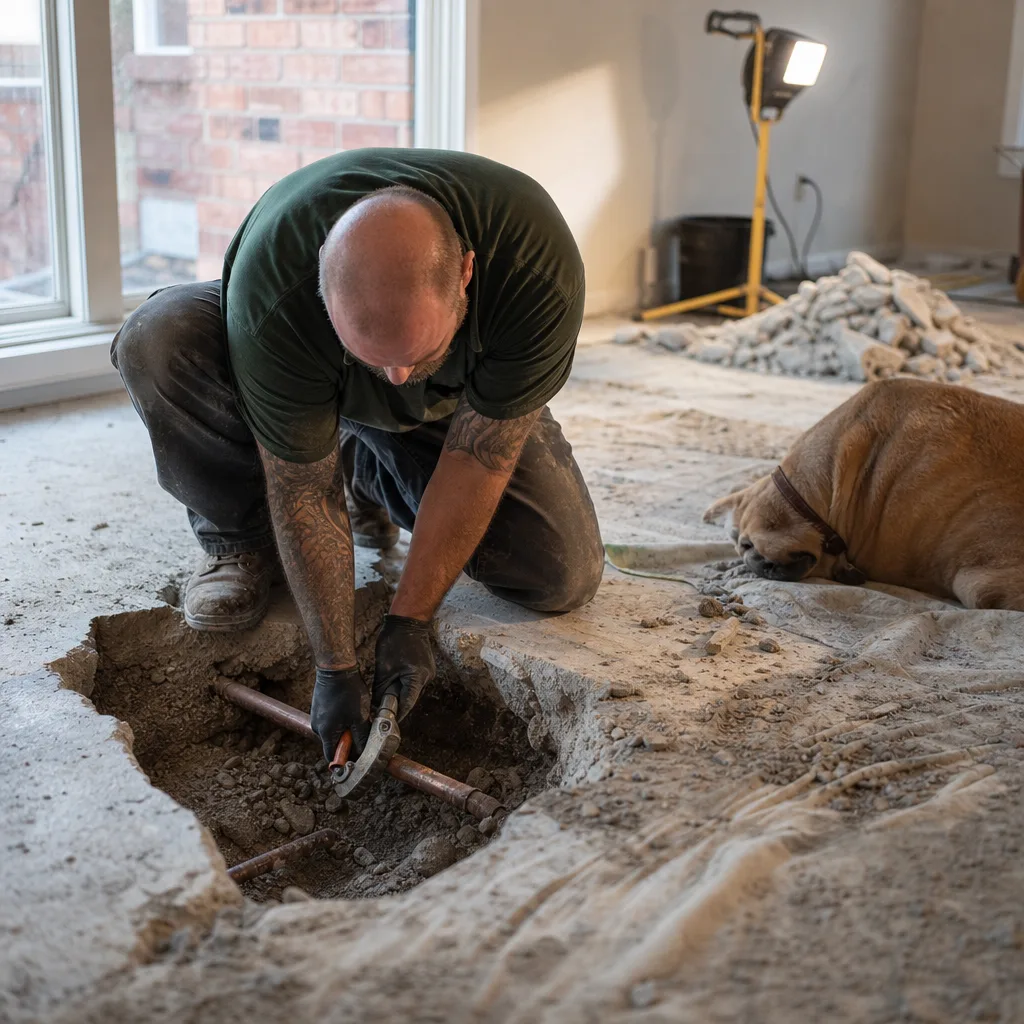
When you call us about a slab leak, you want to know what you’re paying for. Here’s the plain answer. Every slab leak repair we do includes leak location, the repair or reroute, and testing. Those three steps make up the core of the job, and they’re what stop the water.
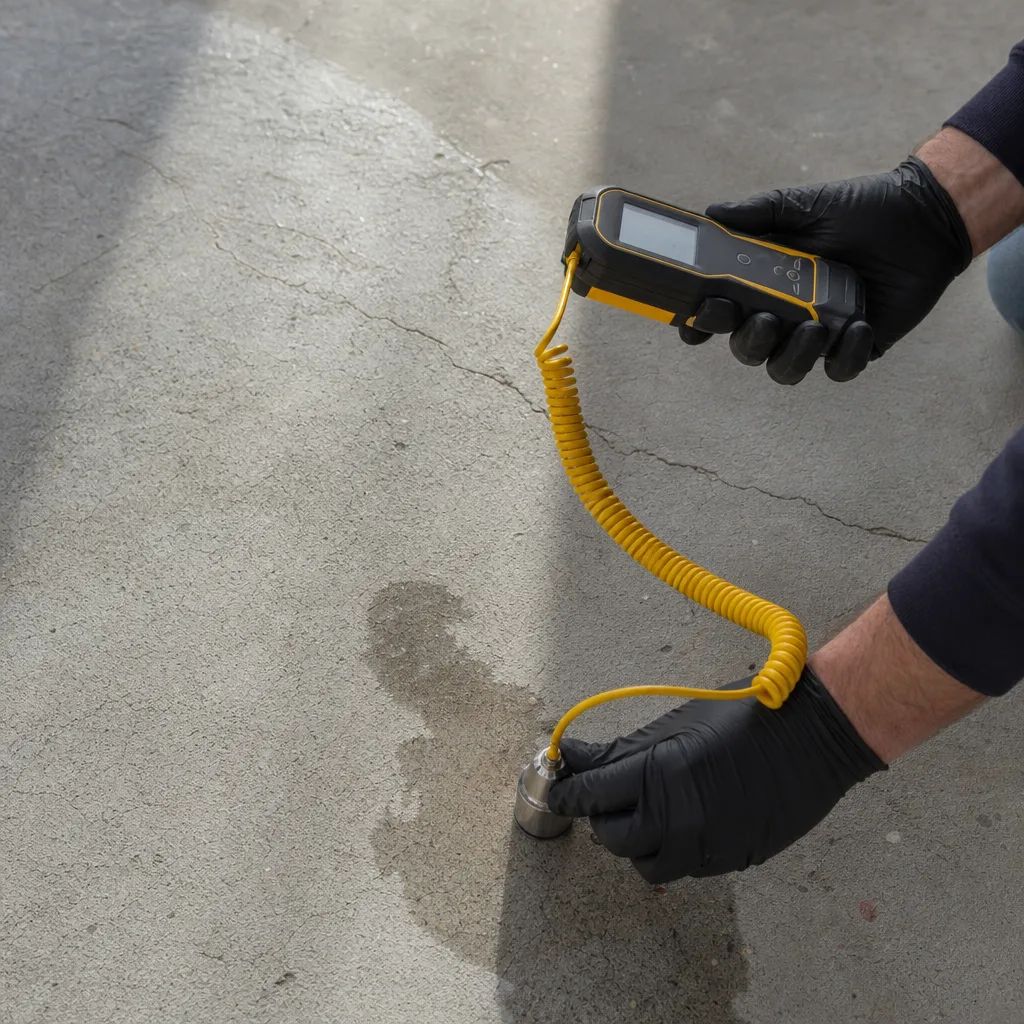
- Leak location: Finding where the line is leaking under your concrete, so the fix goes in the right spot and not a few feet off.
- Repair or reroute: Either fixing the damaged section of pipe or running a new line that skips the bad one.
- Testing: Checking the line after the work to confirm the leak has stopped.
The middle step is the big decision, and it’s worth understanding before anyone starts cutting. A spot repair means opening the slab right over the leak, fixing that one section of pipe, and closing it back up. It makes sense when the leak is in one place and the rest of the line is in good shape. A reroute means leaving the old pipe where it is and running a new line around the problem, often through walls or the attic, so nobody has to break up your floor. It can be the better call when a line has more than one weak spot or the leak sits under something you don’t want torn out, like tile in a kitchen.
There’s a local reason this choice matters in Allen. North Texas sits on expansive clay soil. It swells when it’s wet and shrinks during dry summers, and that steady shifting can stress the pipes running under a slab foundation. If one spot on an older line has given out, it’s fair to ask whether the rest of that line is close behind. A good technician will walk you through that question. The answer drives whether patching one spot or rerouting the line is the smarter use of your money.
It’s just as important to know what isn’t included, so nothing catches you off guard. Unless your quote says otherwise, these are outside the slab leak repair itself:
- Slab and flooring restoration, such as replacing tile, wood, or carpet that had to come up for access
- Work on additional lines beyond the one being repaired
- Permits
We spell this out because the flooring piece is where many homeowners get surprised. If a spot repair means cutting through a tiled bathroom floor, plan for the floor work as a separate step. That’s also one reason a reroute can look better on paper even when the plumbing work is similar.
There’s a $26-$99 service-call fee to get a technician out to your home. If you go ahead with the repair with Xtreme Air Services, that fee is credited toward the job. You’ll know what’s covered and what’s not before any work begins, with upfront flat-rate pricing and no surprises.
Signs You May Have a Slab Leak
A slab leak hides under your concrete, so you won’t see the pipe. What you’ll notice are the side effects. One sign alone can have a simple explanation. Two or three together are worth a closer look.
- A water bill that jumps when your habits haven’t changed. Water lost under the slab still runs through your meter.
- The sound of running water when every faucet, toilet, and appliance is off.
- A warm or hot spot on the floor. If a hot water line is leaking, you may feel heat through tile or under bare feet in one area.
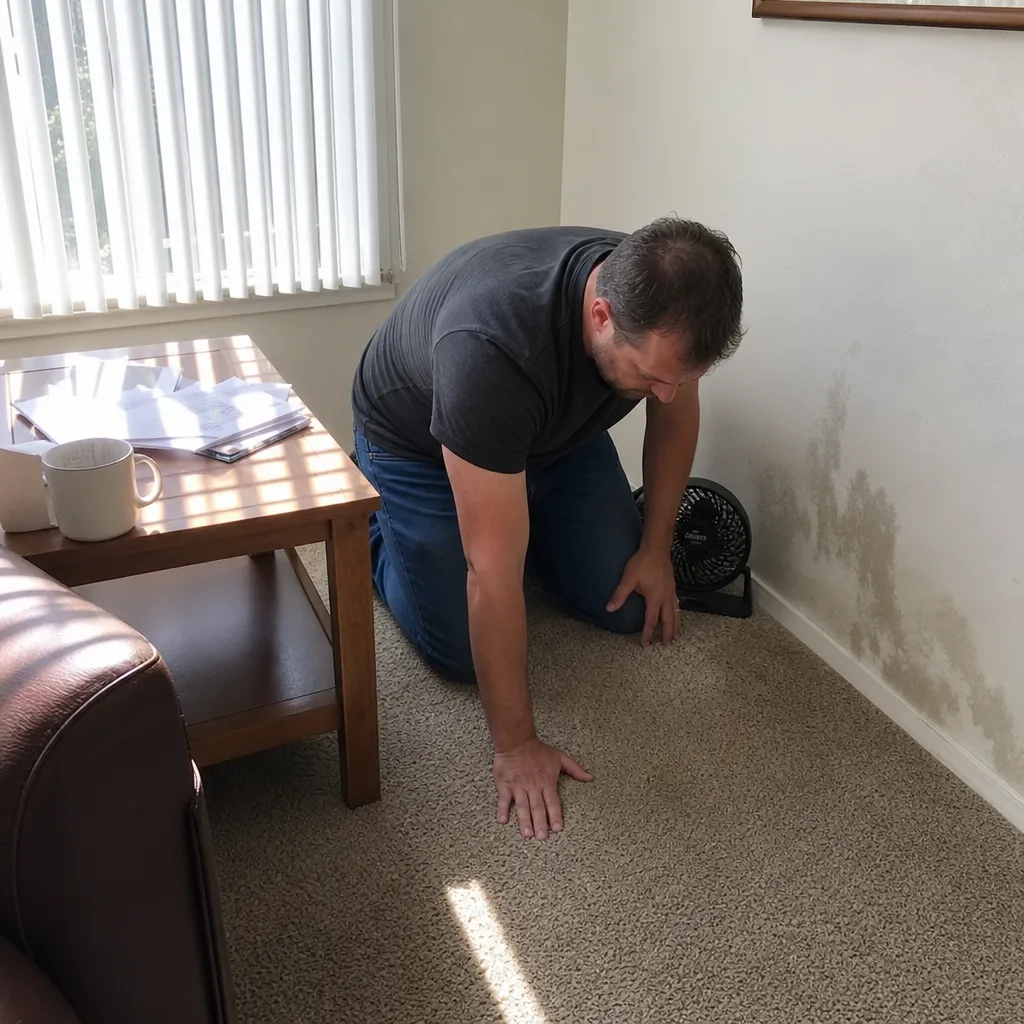
- Damp carpet, swollen baseboards, or wood floors that start to cup or lift with no spill to blame.
- A musty smell or mildew in a room that should be dry.
- A water heater that seems to run all the time, which can happen when hot water is leaking out and being replaced.
- Lower water pressure at your fixtures.
- New cracks in floors or walls, or water pooling near the outside of your foundation.
Cracks deserve a word of caution. In Allen, the shifting clay soil can crack a slab with no leak involved at all. A crack plus a high water bill or a warm spot tells a different story than a crack by itself.
That test tells you water is escaping. It doesn’t tell you where. The leak could be under your slab, but it could also be in the yard line between the meter and your house, an irrigation line, or a fixture you missed. Pinning down the exact spot is the job of leak location, the first step of any repair.
It’s worth ruling out the easy stuff first, because many “slab leaks” turn out to be something much smaller. A toilet that runs or refills on its own is one of the most common causes of a high water bill. A worn flapper is often the culprit, and you can usually swap one yourself in a few minutes. A dripping outdoor faucet, a sprinkler head that’s broken or stuck on, or a leaking irrigation valve can also push up your bill without any trouble under the house.
Damp spots near an indoor closet or utility area aren’t always a pipe in the slab, either. An AC drain line that’s clogged or cracked can drip water onto the floor nearby, and so can a water heater that’s starting to leak at the base.
If you’ve checked those and the meter still moves, or you’ve got a warm spot on the floor with no other cause, it’s time to treat it as a possible slab leak. The sooner the leak is found, the less water ends up under your home and in your floors.
When It’s Not a Slab Leak
Not every warning sign ends with someone cutting into your concrete. Here’s the honest list of times you probably don’t need slab leak repair, and who you should call instead.
- Your meter holds still. If the meter test above shows no movement over a couple of hours, there’s no active leak on your water supply. A higher bill is more likely seasonal. Watering your lawn through an Allen summer, topping off a pool, or having family stay for a week can all push the number up. Compare it to the same month last year before you worry.
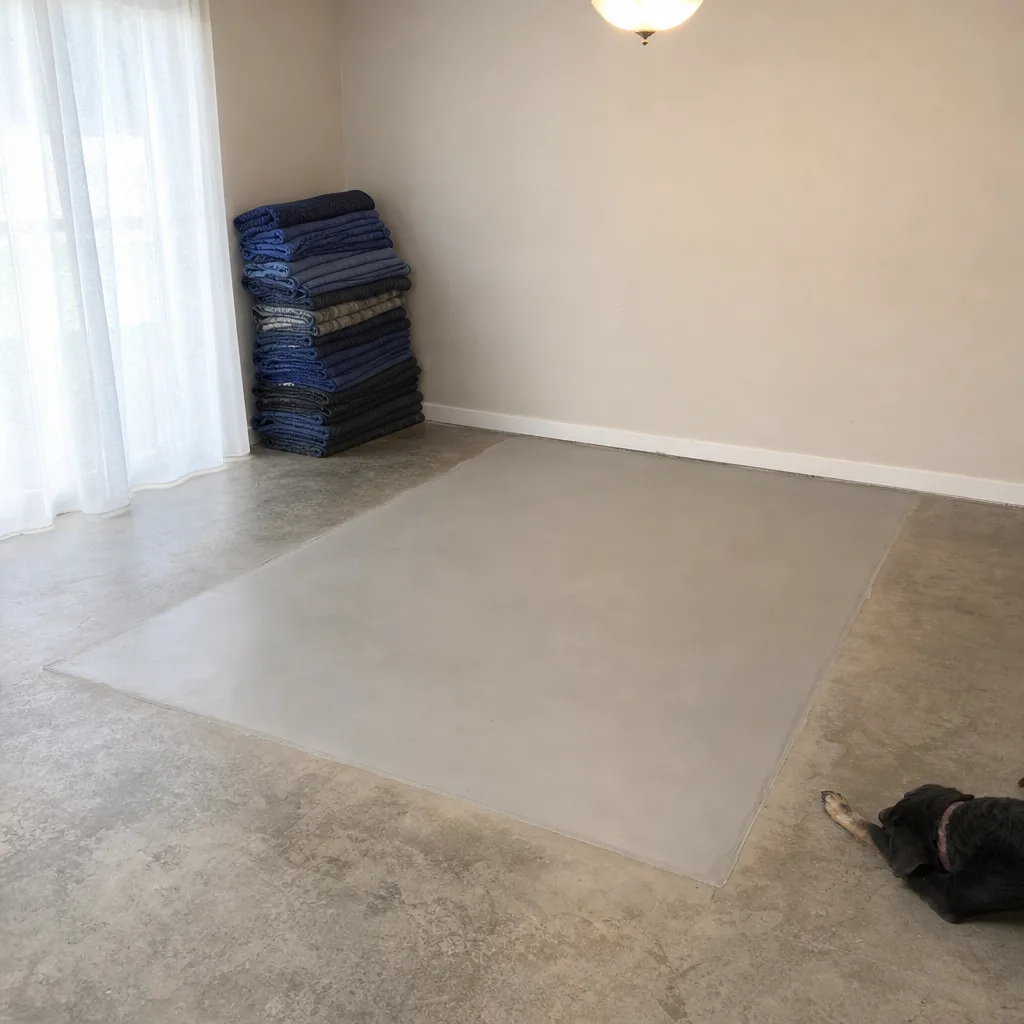
- You have a crack but no water signs. Because of the shifting clay soil, a crack with a normal bill, no warm spots, and dry floors is a foundation question, not a plumbing one. A foundation repair company or a structural engineer is the right call.
- Water shows up only after a storm. If a damp spot appears after heavy rain and dries out between storms, water is likely getting in around a door, a window, or the edge of the slab where the yard slopes toward your house. Gutters and yard grading are the place to start.
- The damp spot is only next to a shower or tub. Worn grout, cracked caulk, or a leaking shower pan can soak the wall or floor right beside it. That’s a shower repair, not a slab job.
- The meter moves, but the leak is outside. The line between your meter and your house runs under the yard, not the slab. A soggy patch of grass or a spot that stays green in a dry spell points there. Fixing it usually means digging in the yard, which is often a simpler job than going through concrete.
- Drains are slow or you smell sewage, but the meter is still. Drain lines under your slab aren’t under pressure, so a leak in one won’t spin your meter. It’s still under the house, but it’s a different problem. A sewer camera inspection is how that one gets found.
For a seasonal bill or a crack with no other signs, it’s fine to wait and watch. Check your meter again in a week. Snap a dated photo of the crack and measure how wide it is, so you can tell if it’s growing. Keep an eye on your next two bills. If nothing changes, you’ve saved yourself money and worry.
Here’s one more case that trips people up. If water is pooling on a floor near an exterior wall after a freeze, the pipe that broke may be inside the wall, not under the slab. A burst pipe in a wall is usually easier to reach and fix. Shut off your main water valve and get it looked at, but don’t assume your foundation needs to be opened.
Slab leak repair comes back on the table when the meter keeps moving with everything turned off and you can’t find the cause, or when you feel a warm spot on the floor that nothing else explains. Until then, the cheapest fix is the one you didn’t need.
Have questions? We’re happy to help.
Call Today, Get Service Today. Xtreme Air Services — Allen is ready to help.
Spot Repair vs. Reroute: How the Decision Gets Made
Once the leak is located, the choice between patching one spot and running a new line comes down to a few things a technician can see and test in your home. None of them is a guess. Here’s what goes into that call.
- How healthy the rest of the line is. If testing shows one leak on a line that’s otherwise solid, a spot repair is usually the simple answer. If the same line has a second weak spot, or the pipe looks worn near the leak, patching one hole can leave you paying for the next one later.
- What’s sitting on top of the leak. A leak under carpet in a bedroom closet is a very different job from one under kitchen tile, cabinets, or a hardwood hallway. Since flooring restoration isn’t part of the repair, what has to come up matters to your total cost.
- How deep the leak is and where it sits. A leak near an outside wall can be easier to reach than one in the middle of the house. Depth changes how much concrete has to be opened.
- Whether there’s a clean path for a new line. A reroute needs a route through walls or the attic. A single-story home with open attic space often has an easy path. A two-story home or finished spaces can make that harder.
- Whether it’s a hot or cold line. A leaking hot water line wastes energy along with water, and a long hot line under the slab is often a strong case for rerouting.
Picture two homes. In one, the warm spot is under a carpeted spare room, the line tests fine everywhere else, and the leak is a few feet from an exterior wall. Opening the slab right there makes sense. In the other, the leak is under the middle of a tiled kitchen and the line has already been patched once. Running a new line overhead and leaving the old one in place may cost less in the end, once you count the tile you didn’t have to replace.
Those same factors drive the price. Leak location and depth, spot repair versus reroute, and access through the slab are what move a job up or down. Our most common slab leak repair, locating the leak and repairing or rerouting the line, runs $2,000-$3,800. Across all slab leak jobs, the typical range is $2,000-$6,000. You’ll get upfront flat-rate pricing and approve it before any work starts, so there’s no meter running while we dig.
Whoever you call, ask these questions before you agree to either option:
- Did you test the whole line, or just find the one leak?
- What flooring or walls will need to be opened, and who puts them back?
- If you reroute, where exactly will the new line run?
- Are permits included in this quote?
A good technician will answer all four without hesitating. If the bigger job is the right fit, flexible financing is available on qualifying larger jobs, on approved credit.
Watch Our Video
See How We Handle Slab leak repair in Allen
Xtreme Air Services — Allen
Why North Texas Homes Are Prone to Slab Leaks
If you’re wondering why slab leaks come up so often around here, it isn’t bad luck. Homes in Allen sit on concrete slabs poured right over the ground. That means many of your water lines run under or through that concrete, where you can’t see them or reach them. Several local conditions all work on those pipes at once.
- The ground keeps moving. The clay soil covered earlier never really sits still. Wet springs and dry summers can push and pull a slab a little at a time, year after year. The pipes under it have to take that movement too.
- Your lines are always under pressure. A supply line under the slab holds water 24 hours a day, every day. A pipe that’s been squeezed or bent by shifting ground can give way at its weakest point.
- Hot water lines work harder. Every time you run a hot shower, that line warms up and grows a tiny bit. Then it cools and shrinks. Over years, that back-and-forth can wear a pipe thin where it touches concrete or another pipe. This is a big reason so many slab leaks show up as a warm spot on the floor.
- Hard water is tough on plumbing. North Texas water carries a lot of minerals. Over time those minerals can build up inside pipes and fittings, which adds wear and makes your whole system work harder.
- Age adds up. A line that’s been in the ground for decades has been through a lot of dry summers, wet springs, and hard freezes. Newer homes have these same conditions working on them, just with less time on the clock.
You can’t change the soil or the weather. But you can take some of the strain off your pipes.
- Keep the soil around your foundation evenly moist during long dry spells. Steady moisture means less shrinking and swelling under your slab. You don’t want soggy ground either, just steady.
- Check your water pressure. Pressure that runs too high puts extra stress on every line in the house. If your pressure regulator has worn out, replacing it is a small job compared to a slab repair.
- Think about softer water. A water softener cuts down on the mineral buildup that wears on pipes, fixtures, and your water heater.
- Run the meter test now and then. That quick check from earlier on this page can catch a slow leak before it soaks your floors.
None of this makes a home leak-proof, and nobody honest will tell you it does. It just tilts the odds in your favor. And if you’ve already had one slab leak, it’s smart to ask how healthy the rest of that line is, which is the same question that drives the spot repair or reroute decision.
If you’ve got a warm spot on the floor, a meter that won’t stop moving, or a water bill that makes no sense, you don’t have to figure it out alone. Our licensed and insured technicians can find the leak, explain your options in plain English, and give you upfront flat-rate pricing before any work starts. Same-day service is available, and there’s no extra charge for nights or weekends.
Call now
Frequently Asked Questions
Common questions about Slab leak repair
How long does slab leak repair take from start to finish?
Most spot repairs take about a day once the leak is located, while a reroute can take longer depending on the path the new line has to take through walls or the attic. Leak location itself can take anywhere from an hour to a few hours, since the technician has to pinpoint the exact spot under your concrete before any cutting starts. A two-story home or a longer line will usually add time compared to a simple single-story reroute.
Can I keep using water in my house during the repair?
You’ll need to shut off water to the affected line while the repair is done, but the rest of your home’s plumbing can often stay in use. If the leak is on your main supply line, your water may need to be off for the whole house during the actual cutting and fixing. Your technician will tell you exactly what needs to be shut off before starting, so you can plan around it.
Will my homeowners insurance cover a slab leak repair?
That depends on your policy, since coverage for slab leaks varies a lot from one insurance company to the next. Many policies cover the cost to access and repair the leak but exclude the flooring or slab restoration that follows, which lines up with why that restoration work isn’t part of the repair itself. It’s worth calling your insurance agent before work starts so you know what documentation they’ll want, like photos of the damage and a copy of your repair quote.
Ready to Get Started?
Call (469) 299-8996 Today, Get Service Today.