


Furnace Installation in Allen: What’s Included and When You Need It
An honest call on repair versus replace first, then a furnace sized right – with what's included spelled out.
What’s Covered on This Page
- Repair or Replace: How to Tell Which One You Need
- What a Standard Furnace Installation Includes
- Why Proper Sizing Matters More Than Brand
- What Happens During Installation Day
- Questions to Ask Before You Hire an Installer
- Can I install a furnace myself?
- Is there a best time of year to buy a furnace?
- How much do big box stores charge to install a furnace?
Repair or Replace: How to Tell Which One You Need
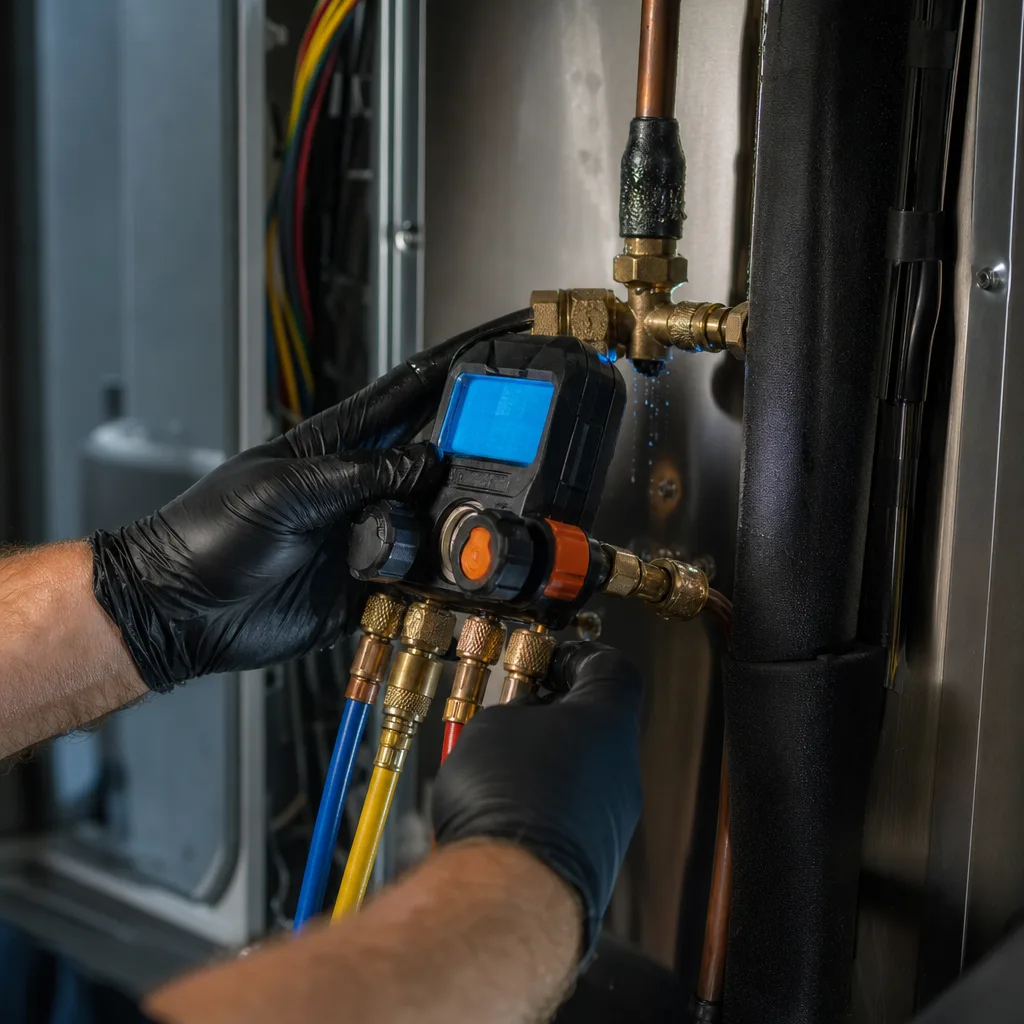
Not every furnace that quits needs to be replaced. Many no-heat calls come down to one small part. When that’s what’s wrong, fixing it is the honest answer.
A repair usually makes more sense when:
- The furnace clicks but won’t light. A worn ignitor or a dirty flame sensor is a common cause, and both are quick fixes.
- Air won’t move through the vents even though the furnace seems to be running. That can point to the blower motor, which can be repaired or replaced on its own.
- The system acts confused, cycling oddly or not responding to the thermostat. Sometimes that’s a control board or the thermostat itself, not the whole furnace.
- The furnace is fairly young, has had few problems, and has kept your home comfortable until now.
In those cases, a new furnace would mean spending money you don’t need to spend yet. You don’t owe anyone a new system just because something broke.
Replacement starts to make sense when the signs point to the furnace as a whole, not just one part:
- It’s well into its second decade, and you’re calling for repairs every winter.
- A technician finds a cracked heat exchanger. That’s the part that keeps combustion gases separate from the air you breathe. Once it’s cracked, the furnace is generally replaced, not patched.
- Some rooms stay cold, and the system runs longer and longer to keep up.
- Your heating bills have crept up even though your habits haven’t changed.
- Parts for your model are hard to find, so each repair takes longer and costs more.
Here in North Texas, our winters are mostly mild, broken up by sudden hard cold fronts. A furnace can sit quiet for weeks and then get pushed hard overnight. That’s often when a tired system finally gives out. It’s also a bad time to be shopping for a new one in a hurry. If your furnace has been limping along, it’s worth deciding before the next cold snap makes the decision for you.
Money helps settle it too. Our most common furnace installation is a standard like-for-like job using your existing connections with no major modifications. It runs $4,300-$5,900, which covers the equipment, professional installation, startup, and testing. If your repair quote is a big slice of that number, and the furnace is already older, putting the money toward a new system is usually the better choice. If the repair is small and the furnace has life left in it, fix it and move on.
Not sure which side you’re on? A diagnostic visit carries a $26-$99 service-call fee, and it’s credited toward the repair if you go ahead with Xtreme Air Services. Our licensed and insured technicians will show you what failed and lay out both options with upfront flat-rate pricing. Then you decide.
What a Standard Furnace Installation Includes
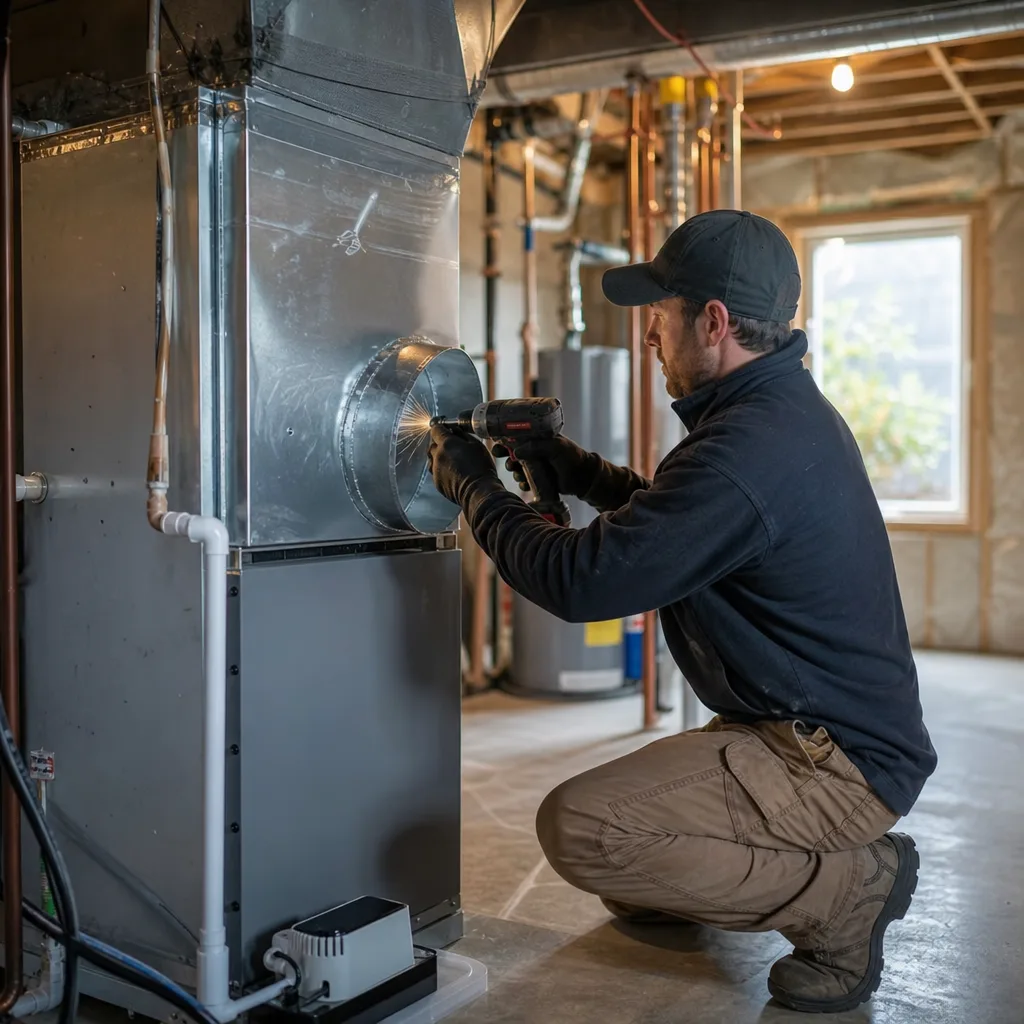
When you hear a price for a new furnace, you should know exactly what it buys. A standard installation covers the new equipment, the work to put it in, and the steps to make sure it runs right. Anything outside that is spelled out before the job starts, so the number you approve is the number you pay.
Here’s what comes with a standard furnace installation from Xtreme Air Services:
- Equipment and materials. This is the new furnace plus the parts needed to install it.
- Professional installation by our licensed and insured technicians.
- Standard connections. The new furnace ties into the gas, power, venting, and ductwork you already have.
- Startup and testing. The furnace gets fired up and checked before we call the job done.
- Haul-away of your old unit. You won’t be left with a dead furnace in the garage or attic.
That’s what a like-for-like job looks like, and it’s what the most common price range from the section above is built on. If your home’s setup works with a new furnace as is, that list is the whole job.
Some homes need more than a straight swap. These items aren’t part of a standard installation unless your quote says they are:
- Duct changes. If your ducts are leaking, crushed, or the wrong size for the new unit, fixing them is extra work.
- Electrical changes. A new circuit, a new disconnect, or wiring updates fall outside standard connections.
- Plumbing or gas line changes. If the gas line needs to be moved, resized, or updated, that’s added.
- Code corrections. If the old setup doesn’t meet today’s code, bringing it up to date is separate.
- Permits, unless your quote includes them.
Where your furnace sits can make a difference. In many North Texas homes, the furnace is up in the attic. Tight attic access, an old platform, or ductwork that has baked through years of Texas summers can turn a simple swap into a bigger job. Older homes are also more likely to have venting or wiring that doesn’t match what a new furnace needs. Newer homes often have a cleaner path for a like-for-like install.
You don’t need to guess which group you’re in. Before any work starts, you get upfront flat-rate pricing that shows what’s included and calls out any extra work your home needs, along with the reason for it. If something on that list surprises you, ask. A good installer can point to the duct, wire, or vent in question and explain why it has to change.
If the total is more than you planned for, flexible financing is available on qualifying installations and larger jobs, on approved credit. That way you can say yes to the right furnace, not just the one that fits this month’s budget.
Why Proper Sizing Matters More Than Brand
A lot of folks shopping for a new furnace focus on the brand. That makes sense, but here’s the honest truth. A good furnace that’s the wrong size for your home will give you trouble. A furnace sized to your home will keep you comfortable for years. Size isn’t a detail. It’s the main thing.
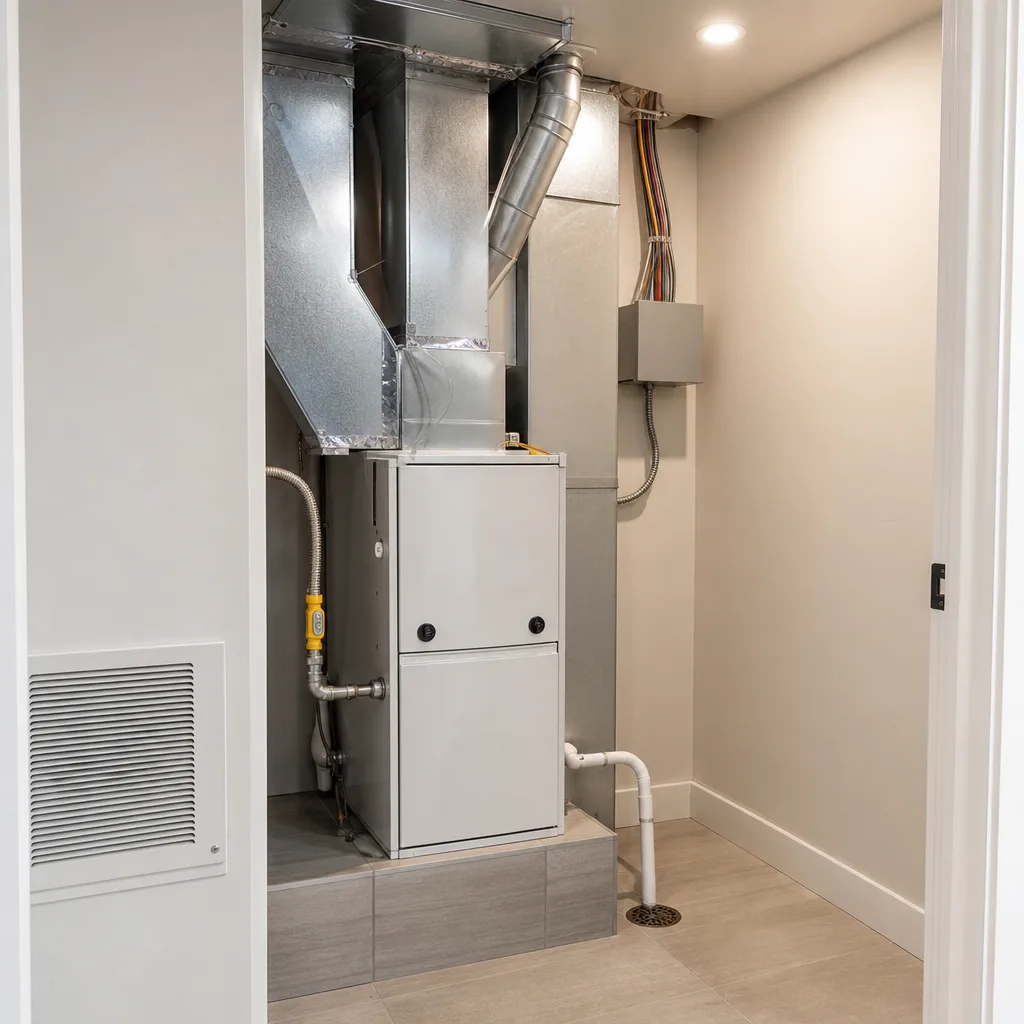
Furnace size is about heating capacity, meaning how much heat the unit can put out. It’s measured in BTUs. It’s not about how big the cabinet is. The goal is to match that output to how much heat your home loses on a cold night. Too much or too little both cause problems.
A furnace that’s too big heats your home in quick bursts and then shuts off. That’s called short cycling. Here’s what you’d notice:
- Rooms warm up fast, then cool off, so the house never feels steady.
- The furnace kicks on and off often, which can be noisy.
- Parts like the ignitor and blower start up more often, so they wear out sooner.
- You pay for a bigger unit than you need, and it doesn’t make you more comfortable.
A furnace that’s too small has the opposite problem. On most North Texas winter days you might not notice. Our winters are mild most of the time. Then a hard cold front blows in, and an undersized furnace runs nonstop and still can’t keep the back bedrooms warm. Those are the nights you need it most.
Getting the size right takes more than your square footage. Two homes the same size can need very different furnaces. Things that change the answer include:
- How well your attic and walls are insulated.
- How many windows you have, how old they are, and which way they face.
- Ceiling height and how open the floor plan is.
- Whether your ductwork can move the airflow the new furnace needs.
- Changes since the old furnace went in, like an added room, new windows, or more attic insulation.
That last one matters more than people think. The furnace you have now might not have been sized right in the first place. Matching it unit for unit can carry an old mistake into a brand-new system. If you’ve made your home tighter over the years, you may need less furnace than you have now.
Ductwork belongs in the same conversation. A properly sized furnace pushing air through ducts that are too small or leaky, which is common in hot North Texas attics, still won’t heat evenly. Size and ducts have to work together.
Size also affects the price, since capacity is one of the things that moves the cost up or down. So you want a size picked for your home, not a bigger unit added “just to be safe.”
When you’re comparing quotes, ask each installer how they came up with the size. A real answer covers your insulation, windows, and ducts. If the answer is “it matches what you had” or a quick guess based on square footage, keep asking. As a Trane Comfort Specialist, our team installs good equipment. We also know the best furnace only works as well as the sizing behind it.
Need help with Furnace installation?
Call Today, Get Service Today. Xtreme Air Services — Allen is ready to help.
What Happens During Installation Day
A straight like-for-like furnace swap is usually a one-day job. Your heat will be off while the work is happening, so it helps to know what’s coming and what to look for before anyone packs up.
A little prep makes the day go smoother:
- Clear a path to the furnace. If it’s in the attic, move boxes away from the ladder and the walkway. If it’s in a closet or the garage, give the crew room to carry the old unit out.
- Keep pets in another room. Doors will be opening and closing all day.
- Plan for a few hours without heat. If a cold front is on the way, a space heater in one room or a warm layer for the kids can help.
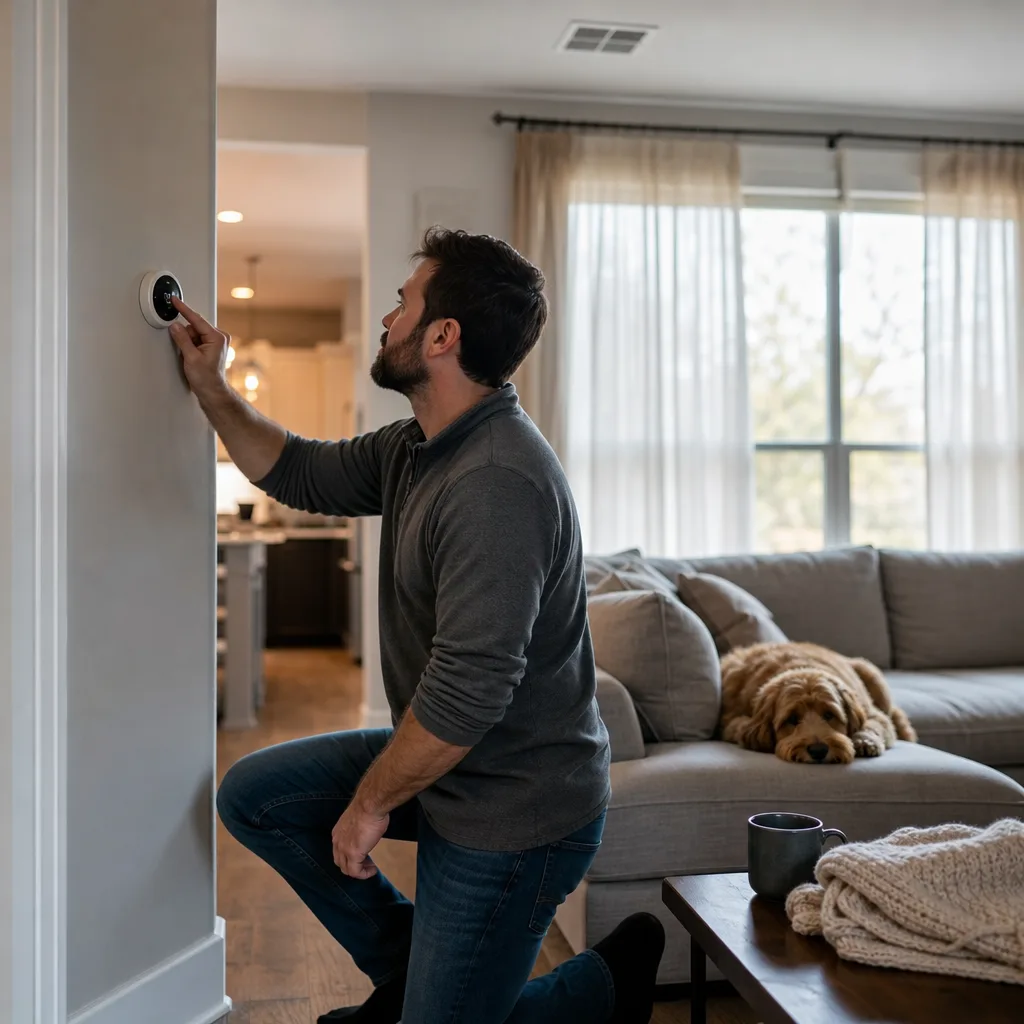
- Know where your thermostat is and how you like it set. You’ll want to try it out with the installer before they go.
Here’s the general order of work on a proper furnace installation. First, the gas and power to the old furnace get shut off and it’s disconnected from the ducts, the gas line, and the vent. Then it comes out, and the new furnace goes in its place.
Next comes the hookup. The new unit gets tied into your ductwork, gas line, vent, and thermostat wiring. Every gas joint should be checked for leaks before the furnace ever lights.
If you’re stepping up to a high-efficiency furnace, expect a bit more work here. AFUE is the number that tells you how much of your gas turns into heat for your home. Furnaces rated 90% AFUE or higher squeeze out so much heat that they make water as they run. That means they need plastic vent pipe and a drain line for that water. In a North Texas attic, where summer heat can bake a space to well past the temperature outside, that drain line has to be routed so it won’t clog or leak onto the ceiling below.
Then it’s startup and testing, which is part of every standard installation with Xtreme Air Services. The furnace gets fired up and run through full heating cycles. A good startup checks that the burners light cleanly, the gas pressure is right, the blower moves enough air, and the air coming out is warming up the way it should.
Before the installer leaves, you should be able to say yes to each of these:
- The furnace ran a full cycle while you watched, and you felt warm air at the vents in more than one room.
- Your thermostat turns the heat on and off the way you expect.
- There’s no gas smell near the furnace or the gas line.
- If it’s a high-efficiency unit, you were shown where the drain line runs and where it empties.
- Your questions got answered in plain English, not brushed off.
It’s fair to ask to see the test readings. A careful installer won’t mind walking you through them. With the old unit hauled away and the paperwork in hand, you shouldn’t have any loose ends to chase.
You’ll also know who’s in your home. Our licensed and insured technicians are background-checked and drug-tested team members. Most people never think to ask about that until a stranger is standing in their hallway, so we’d rather tell you up front.
Watch Our Video
See How We Handle Furnace installation in Allen
Xtreme Air Services — Allen
Questions to Ask Before You Hire an Installer
A new furnace is a big check to write. Before you sign anything, ask a few plain questions. A good installer will be glad you asked. A rushed one will get vague. These are the questions we’d want our own family to ask.
- Are you licensed for HVAC work in Texas, and what’s your license number? HVAC contractors in Texas are licensed through the Texas Department of Licensing and Regulation, or TDLR. A real contractor can give you the number on the spot, and you can look it up yourself.
- Are you insured? If someone gets hurt in your attic or something gets damaged, you want the contractor’s insurance covering it, not your homeowner’s policy.
- Who’s coming to my house? Ask whether the crew works for the company and whether they’ve been background-checked. You’re letting these people into your home for most of a day.
- How did you pick this size? We covered why sizing matters above. Here, just listen for an answer about your home, not a guess.
- Is this price final, and what isn’t in it? Get the total in writing before work starts. Ask the installer to name anything that could be added later, like duct, electrical, or gas line changes.
- Is the permit included? Some quotes include it and some don’t. Ask so the permit cost doesn’t show up as a surprise on the final bill.
- What happens to my old furnace? It should leave with the crew, not end up in your garage.
- Do you charge more for nights or weekends? If your furnace quits on a Saturday during a cold front, you want to know that answer now.
- Is financing available, and who qualifies? If a company offers it, ask about the terms and whether credit approval is needed.
Watch for a few warning signs too. Be careful if someone quotes a price over the phone without seeing your furnace, ducts, or vent. Be careful if they push you to sign today or won’t put the scope in writing. Be careful if the price is way below everyone else’s. Very low quotes often leave out the startup checks we covered earlier, or the extras show up after the old unit is already out.
Here’s how we answer those questions. Xtreme Air Services holds HVAC License #TACLA29023C. We’re licensed and insured, and our team members are background-checked and drug-tested. You get upfront flat-rate pricing before any work starts. A standard installation includes the equipment, professional installation, standard connections, startup and testing, and haul-away of the old unit. Duct, electrical, and plumbing changes, code corrections, and permits aren’t included unless your quote says so, and we’ll tell you why if your home needs any of them. There’s no extra charge for nights or weekends. Flexible financing is available on qualifying installations and larger jobs, on approved credit.
Our office is at 1333 W McDermott Dr, Suite 200, in Allen. If you’re weighing a new furnace, call and talk to a real person. We’ll look at your setup and give you a straight answer, even if that answer is a repair.
Call 469-299-8996
Frequently Asked Questions
Common questions about Furnace installation
Can I install a furnace myself?
No, you shouldn’t install a furnace yourself. A furnace connects to gas lines, electrical circuits, and venting that must meet code, and mistakes can cause gas leaks or carbon monoxide problems. HVAC contractors in Texas must be licensed through the Texas Department of Licensing and Regulation, which reflects how much training real installation work requires. Hiring a licensed technician also means someone checks gas pressure, airflow, and venting before you ever trust it to heat your home.
Is there a best time of year to buy a furnace?
Late summer and early fall are usually the easiest time to schedule a furnace installation. Demand is lower before the first hard cold front hits North Texas, so you have more flexibility picking an install date instead of waiting during a cold snap. Furnaces often fail during that first sudden freeze after sitting unused for weeks, which is also the worst time to shop under pressure.
How much do big box stores charge to install a furnace?
We can’t speak to what other companies or retailers charge, since pricing structures vary by installer. What matters more than comparing quotes is knowing what’s included, like professional installation, standard connections, startup and testing, and haul-away of the old unit. Before you commit anywhere, ask for a written quote that spells out exactly what’s covered and what could be added later.
Ready to Get Started?
Call (469) 299-8996 Today, Get Service Today.