


Whole-Home Standby Generator Installation in Carrollton
Turnkey standby generators sized to your home's real load – gas line, panel, permits and startup handled as one job.
What’s Covered on This Page
- A Standby Generator Install Is an Electrical Job and a Gas Job, Not Just an Equipment Purchase
- Sizing and Site Assessment Come Before Any Equipment Is Chosen
- What Happens During Installation: Pad, Gas Line, Transfer Switch, and Commissioning
- What Drives the Cost of a Standby Generator Project
- Automatic Transfer Switch vs. Portable Generator Hookup
- Is a whole-home standby generator a tax write-off?
- Does installing a whole-home generator lower my homeowners insurance?
- What is the 80% rule people mention for sizing generators?
A Standby Generator Install Is an Electrical Job and a Gas Job, Not Just an Equipment Purchase
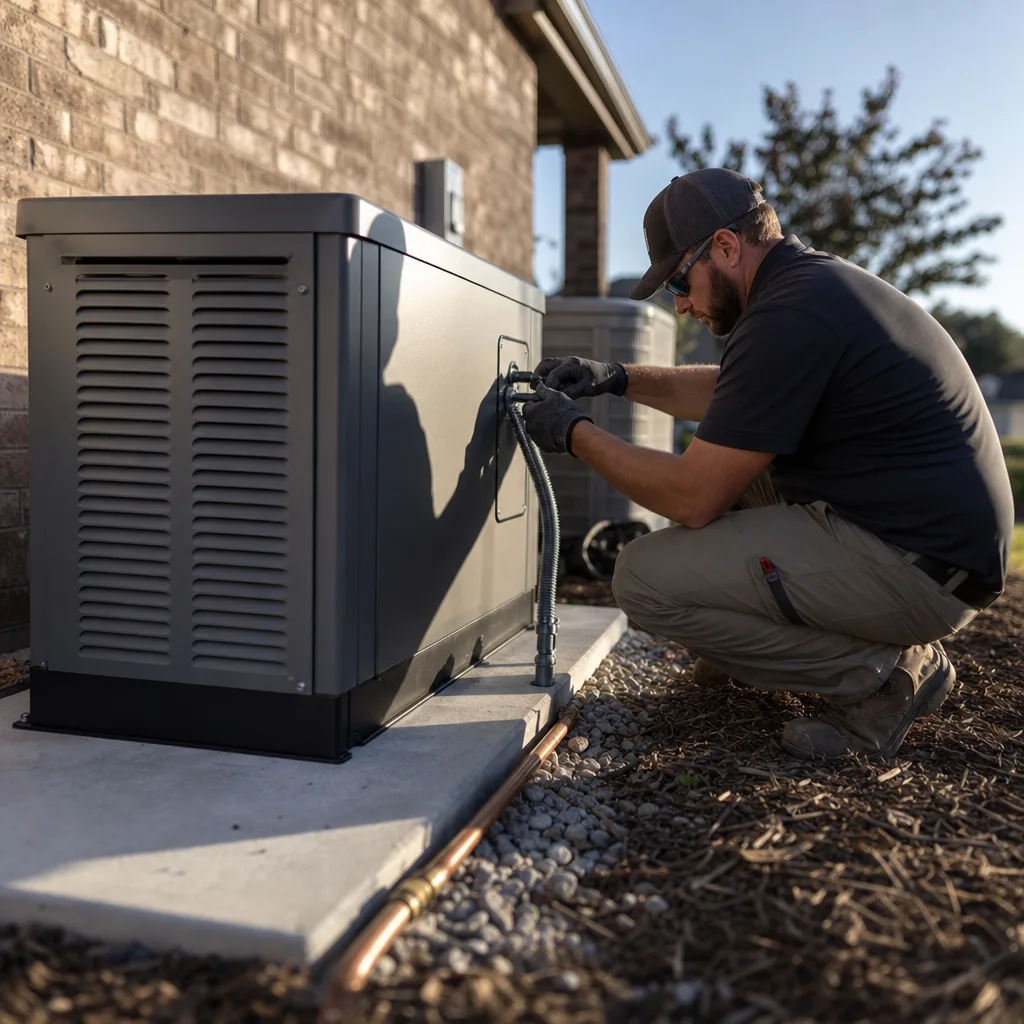
It’s easy to shop for a standby generator like you’d shop for a fridge. You compare sizes, pick one, and wait for delivery. But a standby generator doesn’t plug in. It ties into two of the most important systems in your home, your electrical service and your natural gas line. Both have to be done right for the unit to start by itself when the lights go out.
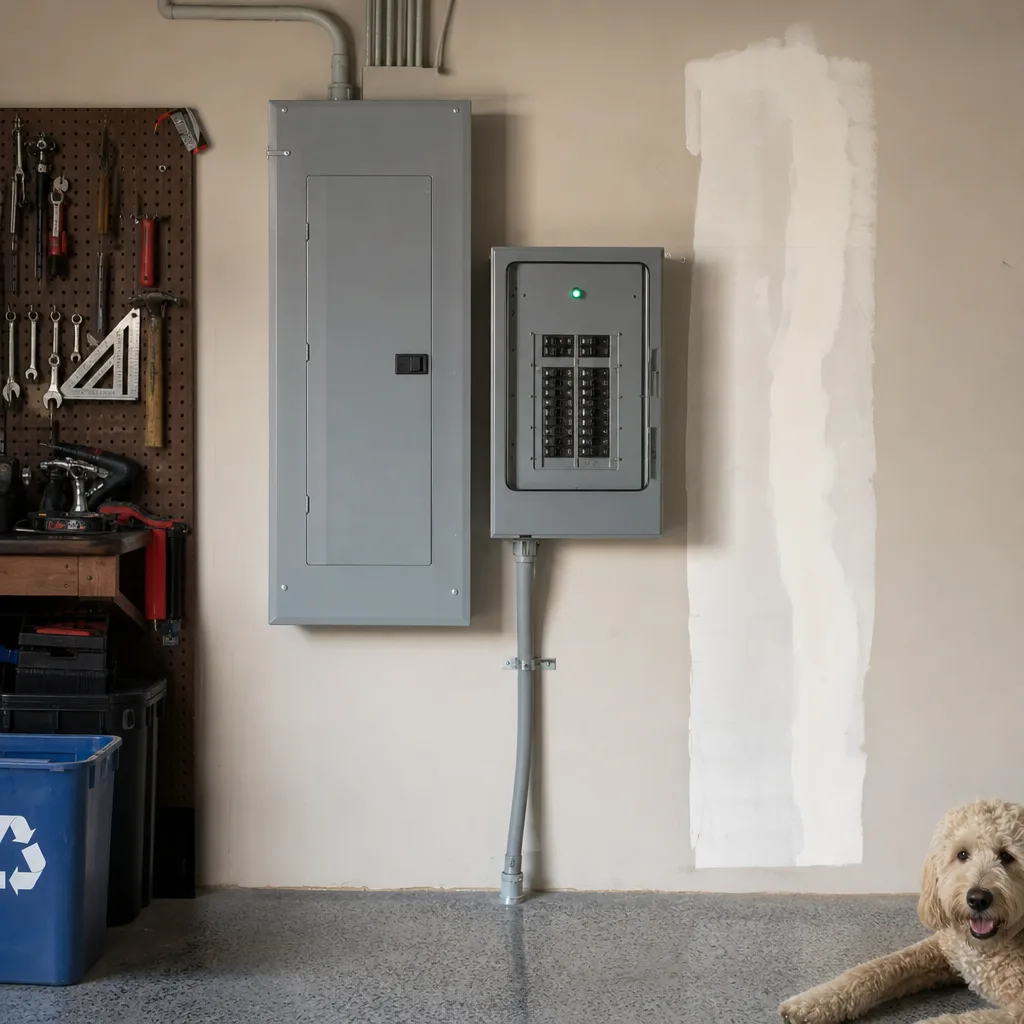
On the electrical side, the key part is the automatic transfer switch. Think of it as a traffic cop for your power. When the grid drops, it senses the outage, starts the generator, and switches your home over. When grid power comes back, it switches you back and lets the generator cool down and shut off. It also keeps generator power from flowing back onto the utility lines, which protects the line workers fixing the outage on your street.
Getting that switch right means looking at your panel, how far it sits from where the generator will go, and what your home draws. If your panel is older or already full, it may need work before it can take a transfer switch. That’s why the type of switch and the distance to the panel both affect your price.
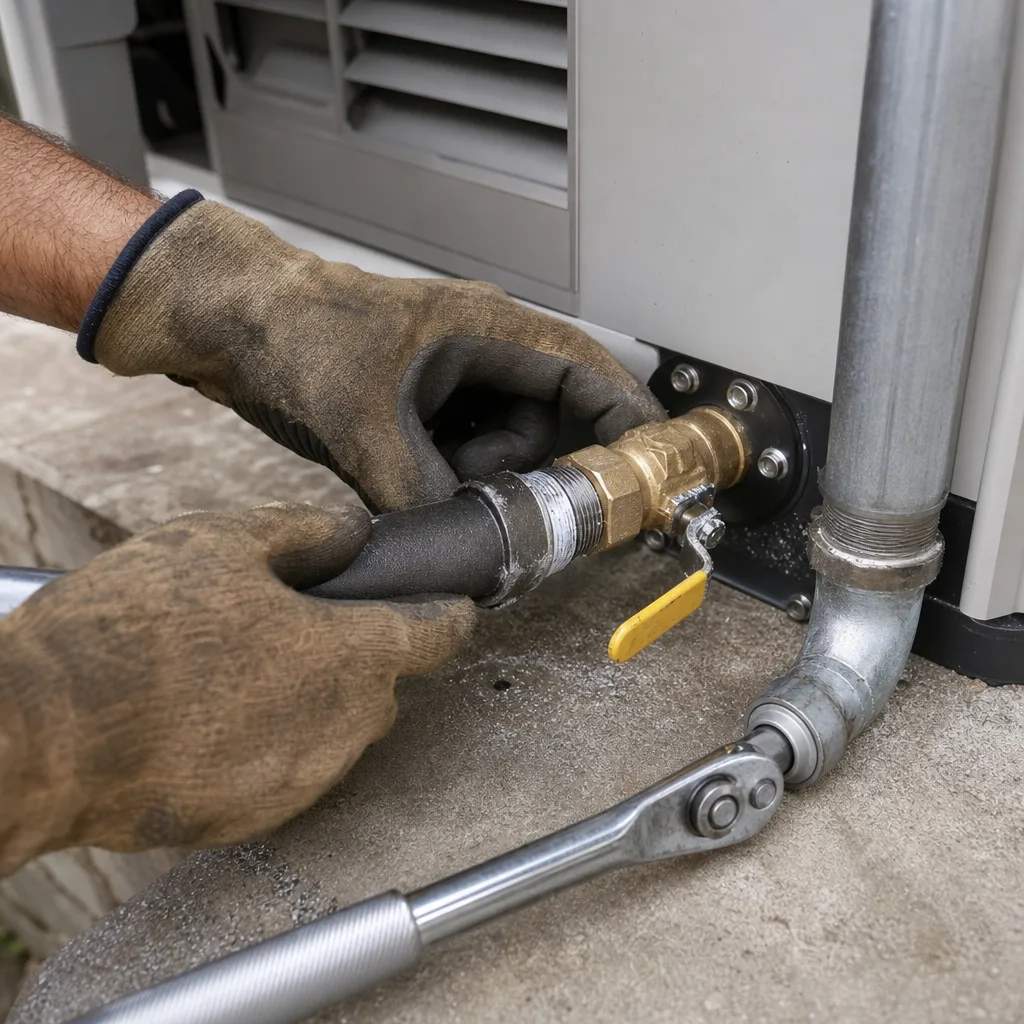
The gas side counts just as much. A generator running your whole home burns a lot of fuel, often more than your furnace, water heater, and stove use at once. If the line feeding it is too small or too long, or the pressure is too low, the generator can stall or struggle right when you need it most. So we look at the length of the gas run, the line size, and the pressure before anything gets installed.
Then there’s the ground it sits on. North Texas clay soil swells when it’s wet and shrinks when it’s dry, so the pad and site prep need to keep the unit level and stable for years.
- Electrical: transfer switch, panel connection, and wiring run
- Gas: line sizing, run length, and pressure check
- Site: pad, placement, and prep
- Finish: startup and testing so you know it works before you need it
This is where hiring one company makes your life simpler. Xtreme Air Services is a licensed and insured HVAC, plumbing, and electrical contractor, so the electrical work and the gas hookup are handled by one team under one roof. You don’t need to schedule an electrician, a plumber, and a generator dealer, or wonder whose fault it is if something doesn’t line up.
Our typical install includes the generator, the transfer switch, professional installation, the gas and electrical connections, and startup and testing. Some things fall outside that scope, so we’ll tell you up front. These include extensive gas or service upgrades, landscaping, code corrections beyond the job, and permits unless they’re stated in your quote. That way you know exactly what you’re paying for before work starts.
Sizing and Site Assessment Come Before Any Equipment Is Chosen
The most common mistake we hear about starts with a question like “What size generator should I buy?” before anyone has looked at the house. The honest answer is that the right size depends on what you want running when the power’s out. You can’t know that from a spec sheet.
Generators are sized in kilowatts, or kW. That’s simply how much power the unit can put out at once. Too small, and it struggles or trips when your big loads kick on. Too big, and you’ve paid for power you’ll never use. Size is also one of the biggest things that moves the price of the job, so getting it right protects your budget as much as your comfort.
In North Texas, the load that usually decides the size is your central air conditioner. A summer outage here isn’t just dark. It’s hot, fast. An AC compressor pulls a big burst of power for a second when it starts, much more than it uses while running. The generator has to handle that burst without stalling. If your home has two AC systems, a pool pump, an electric dryer, or an EV charger, all of that changes the math.
That’s why a real sizing look starts with a few plain questions:
- Do you want the whole home powered, or only the essentials like the fridge, lights, AC, and Wi-Fi?
- How many AC systems do you have, and how big are they?
- Which appliances run on electricity and which run on gas? A gas range and water heater lighten the electrical load.
- Is anyone in the home on medical equipment that has to stay on?
- Are you planning to add anything soon, like a pool, an EV charger, or a room addition?
Here’s a simple example. One family wants everything to run like normal, both AC units included. Another is fine keeping one side of the house cool and the kitchen going. Those two homes might be the same size on the same street, but they need very different generators. Neither answer is wrong. It’s your call, and you should know the trade-off before you choose.
Where the generator sits matters just as much as how big it is. A good site assessment checks:
- Distance to your electrical panel, since a longer run means more wire and more labor
- Distance to your gas meter and whether the line can feed the unit, which ties back to the gas sizing above
- Safe space from windows, doors, vents, and property lines, following local code and the maker’s clearance rules
- Room to work on it later, so a service tech can open the panels without crawling through shrubs
- Drainage and ground conditions for the pad
- HOA rules, if your neighborhood has them, on where equipment can go and whether it needs screening
A spot that looks perfect from the back porch can turn out to be too close to a bedroom window or too far from the gas meter. Finding that out on paper costs nothing. Finding it out after the pad is poured costs a lot more.
Our team offers generator sizing and backup power assessments for exactly this reason. Once your loads and your site are clear, picking the equipment is the easy part, and the quote you get reflects your home instead of a guess.
What Happens During Installation: Pad, Gas Line, Transfer Switch, and Commissioning
Once the size and spot are settled, the install itself follows a clear order. Knowing that order helps you plan your day, and it gives you a way to check that nothing got skipped.
Before anyone digs, buried utility lines in your yard should be marked so the gas and wire runs don’t hit anything. Permits are pulled for the electrical and gas work if your city requires them. Permits are only part of your price if they’re stated in your quote, so ask about this when you get it.
- The pad goes down first. The ground is leveled and a firm base is laid, then the pad is set on top. It should sit flat and a little above the ground around it so rain drains away from the unit instead of pooling under it.
- The generator is set on the pad. These units are heavy, so expect a small crew and some equipment in your side yard for this step.
- The gas line is run from your meter to the generator. When it’s connected, the line is pressure-tested to make sure it doesn’t leak. Your gas may be off for part of the day while the tie-in is made, so plan around hot water and cooking.
- The transfer switch is wired in next to your electrical panel, and wire is run out to the generator. Your power will be off for a few hours during this part. If anyone in your home uses medical equipment, tell the crew ahead of time so you can plan for it.
- An inspection follows if your city requires one, and the inspector checks the gas and electrical work before it’s put to use.
The last step is commissioning, and it’s the one that matters most. This is where the system gets started, set up, and tested so you know it works before a storm proves it for you. Startup and testing are part of our typical install, because a generator that hasn’t been tested under real conditions is only a promise.
A good test copies a real outage. Grid power to the house is cut on purpose, and you watch what happens. The generator should start by itself, take over your home within seconds, and carry the load. In North Texas, that test means much more if your AC is running while it happens, since that’s the load that will push the unit hardest in a July outage. Then grid power is turned back on, and the system should switch back and shut the generator down on its own.
Before the crew leaves, make sure you can answer yes to each of these:
- Did you see the generator start and take over during a test outage?
- Did your AC and other big loads run while it was on generator power?
- Did it switch back and shut down on its own when grid power returned?
- Do you know when its weekly self-test runs, so the short hum doesn’t surprise you?
- Do you know what the status lights mean and who to call if one comes on?
Most homes are back to normal by the end of the work, with the gas back on and the lights running on grid power. The difference is what happens next time the power drops on your street. You won’t be digging for flashlights. Your home will switch over by itself while you stay right where you are.
Need help with Whole-home standby generator installation?
Call Today, Get Service Today. Xtreme Air Services — Carrollton is ready to help.
What Drives the Cost of a Standby Generator Project
Let’s talk numbers, because you deserve them before anyone comes out. A whole-home standby generator installation with us typically runs $8,000 to $18,000. Our most common job is a turnkey install: a standby generator with an automatic transfer switch, gas hookup, and pad, commissioned and tested. That job runs $10,000 to $14,000.
That’s a wide range, and it’s wide for a reason. Two homes on the same street can land at very different prices because of what’s behind the walls and under the yard. Here’s what moves your number.
- Generator size (kW). This is usually the biggest swing. A unit sized for essentials costs less than one built to run two AC systems at once, so the sizing choices from your assessment show up right here.
- Transfer switch type. A switch that covers your whole panel costs more than one that only handles certain circuits. A switch that can manage big loads, like holding off the dryer while the AC starts, adds cost too.
- Gas line run and pressure. A short run near the meter is simple. A long run across the yard, or a line that needs upsizing to feed the unit, adds material and labor.
- Pad and site prep. A flat, open side yard is easy. A sloped spot, poor drainage, or ground that needs extra base work to stay level on our clay soil adds to the job.
- Distance to the panel. The farther the generator sits from your electrical panel, the more wire and trenching it takes.
- Code upgrades. If your panel or wiring doesn’t meet current code, it may need work before the generator can tie in. This comes up more in older homes with full or aging panels.
- Permits. Permit fees depend on your city and the work involved, and they’re only part of the price if they’re stated in your quote.
Some costs sit outside the base install, as covered above. That’s why a price over the phone without a look at your home is really just a guess. We’d rather show you a real number than a low one that grows later.
That’s how we price it. You get upfront flat-rate pricing that you approve before work starts, so there’s no meter running and no surprise line items at the end. If something like a panel upgrade turns out to be needed, you’ll hear about it and see the price before anyone touches it.
If the total feels like a lot at once, you have options. We offer flexible financing on qualifying installations and larger jobs, on approved credit. That can let you protect your home this storm season instead of waiting another year.
Whoever you talk to, ask these questions so you can compare quotes fairly:
- What size generator is this, and what will it run during an outage?
- Is the transfer switch whole-home or limited to certain circuits?
- Does the price include the gas line from the meter, and has the line size been checked?
- Are permits included, or are they extra?
- Is startup and a full test outage part of the price?
- What would make the final price change, and will I approve that first?
A quote that answers all six clearly is one you can trust. If a quote dodges them, the low number up top probably isn’t the number you’ll pay.
Watch Our Video
See How We Handle Whole-home standby generator installation in Carrollton
Xtreme Air Services — Carrollton
Automatic Transfer Switch vs. Portable Generator Hookup
Not every home needs a whole-home standby generator. Some families are better served by a portable generator and a proper hookup. Here’s how to tell which one fits you.
With a standby system, the automatic transfer switch we covered earlier does the work for you. The power drops, the generator starts, and your home switches over in seconds. That happens whether you’re asleep, at work, or out of town. You don’t touch a thing.
A portable setup works differently. You buy a portable generator, and an electrician installs a power inlet on the outside of your home along with a manual transfer device at your panel. When the lights go out, someone has to do these steps:
- Wheel the generator out and set it up outside, away from the house
- Start it and plug it into the inlet
- Flip the switch at the panel to move your circuits over
- Refuel it every several hours for as long as the outage lasts
That proper inlet and transfer device matters. It’s what keeps generator power from flowing back onto the utility lines, just like the automatic switch does on a standby unit. A portable hookup done right is a safe, real option. It just takes more effort, and it gives you less power.
Most portable units can’t start a central air conditioner. At best, they run a window unit or a few fans. So you’re choosing which circuits stay on: the fridge, a few lights, the furnace blower in winter, phone chargers, and maybe the Wi-Fi.
A portable hookup is probably the smarter choice if any of these sound like you:
- Outages at your place are rare and short, and you’ve gotten by fine without AC for a few hours
- You’re comfortable heading outside in a storm to start and refuel a generator
- You plan to move in the next few years and don’t want to leave a big install behind
- Your budget is better spent on something else right now, like an aging AC or panel
If that’s you, there’s no shame in going smaller. We also handle portable generator hookups, and we’ll tell you straight if that’s all you need.
A standby system earns its price when the power has to come back without anyone lifting a finger. These are the cases where it’s worth it:
- Someone in your home relies on medical equipment that can’t wait for a person to get a generator running
- You have older family members who can’t handle a portable unit, or you travel and want the house protected while you’re gone
- You work from home and can’t afford to lose a day
- You want your AC running through a summer outage, or heat and moving pipes through a hard winter freeze
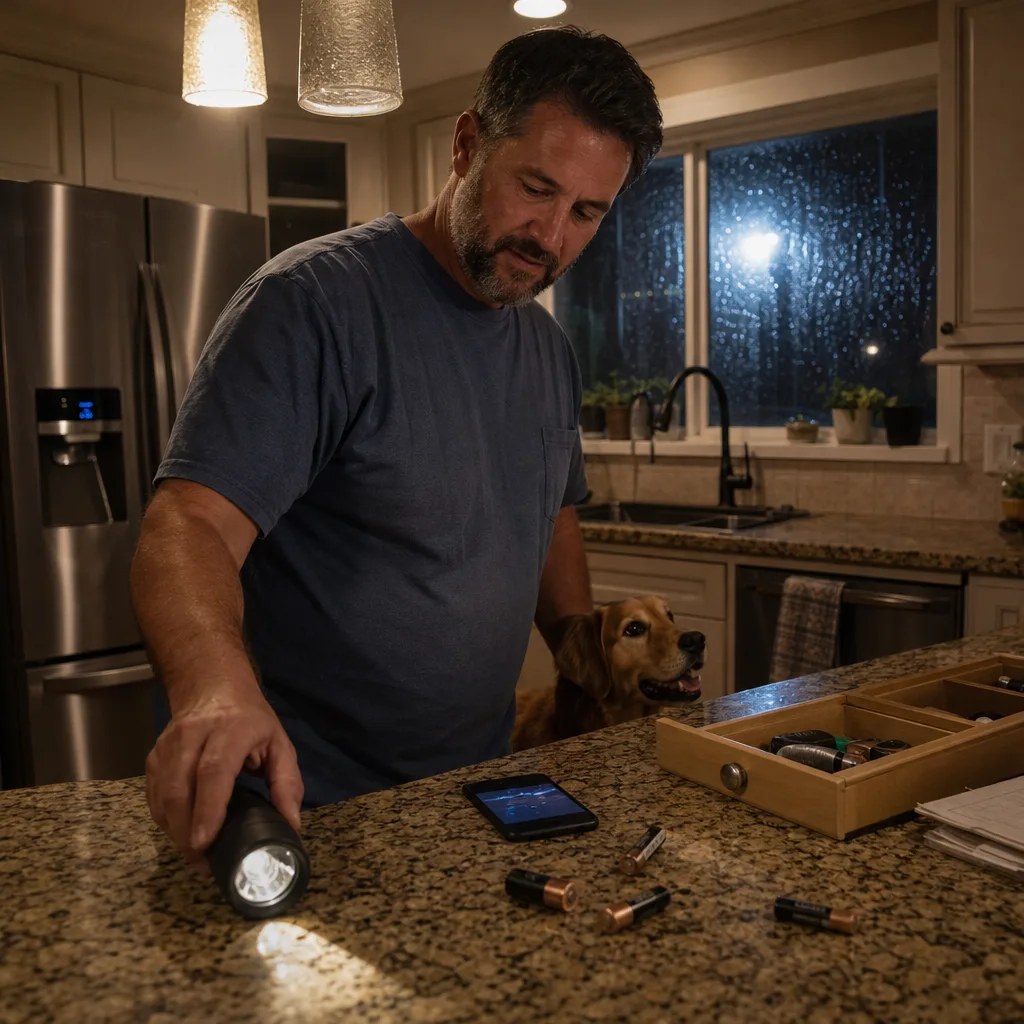
Picture a July storm that knocks the power out at 2 a.m. With a portable setup, someone gets up, finds a flashlight, and goes out in the rain. With standby, the house hums back on and most people sleep right through it. Neither choice is wrong. It comes down to who’s home, what has to stay on, and how much hands-on work you’re willing to do in the dark.
If you’re still on the fence, that’s exactly what a backup power assessment is for. Our licensed and insured team will look at your loads, your panel, and your gas line, then give you upfront flat-rate pricing for whichever option fits your home.
Call 469-269-6099
Frequently Asked Questions
Common questions about Whole-home standby generator installation
Is a whole-home standby generator a tax write-off?
Usually not, unless a doctor says you need it for medical equipment or it’s tied to a documented home business use, and even then rules vary. Most homeowners install one purely for comfort and safety during outages, not for a tax break. Talk to a tax professional about your specific situation before counting on any deduction.
Does installing a whole-home generator lower my homeowners insurance?
It can, but it depends entirely on your insurance company and policy, not on the generator itself. Some insurers offer a small discount because a standby system reduces risks like frozen pipes or sump pump failure during an outage. Call your agent and ask directly, since this isn’t something we control as your installer.
What is the 80% rule people mention for sizing generators?
It’s a rule of thumb some installers use, meaning a generator should run at about 80% of its rated capacity during normal use, not maxed out. Running a unit at 100% constantly shortens its life and leaves no room for startup surges, like your AC compressor kicking on. This is exactly why a real load assessment of your home matters more than picking a number off a spec sheet.
Ready to Get Started?
Call (469) 269-6099 Today, Get Service Today.