


AC Replacement in Fort Worth: Know When It’s Time and What Drives the Price
An honest read on whether it's time to replace, what a standard replacement includes, and the permit step explained.
What’s Covered on This Page
- Repair or Replace: How to Tell Which One Your System Needs
- When Replacement Is Not the Right Call
- What Drives Your AC Replacement Price
- The City of Fort Worth Permit Requirement for AC Replacement
- What Happens on Replacement Day
- Can I replace my own AC system instead of hiring someone?
- What temperature should I set my thermostat to during a Fort Worth summer?
- How much does a new AC unit cost for a smaller home, like 1,400 square feet?
Repair or Replace: How to Tell Which One Your System Needs
Here’s the truth most people don’t expect from a company that installs new systems. Plenty of ACs that quit in July don’t need to be replaced at all. If your unit is fairly young and has run well until now, one failed part is usually the whole story.
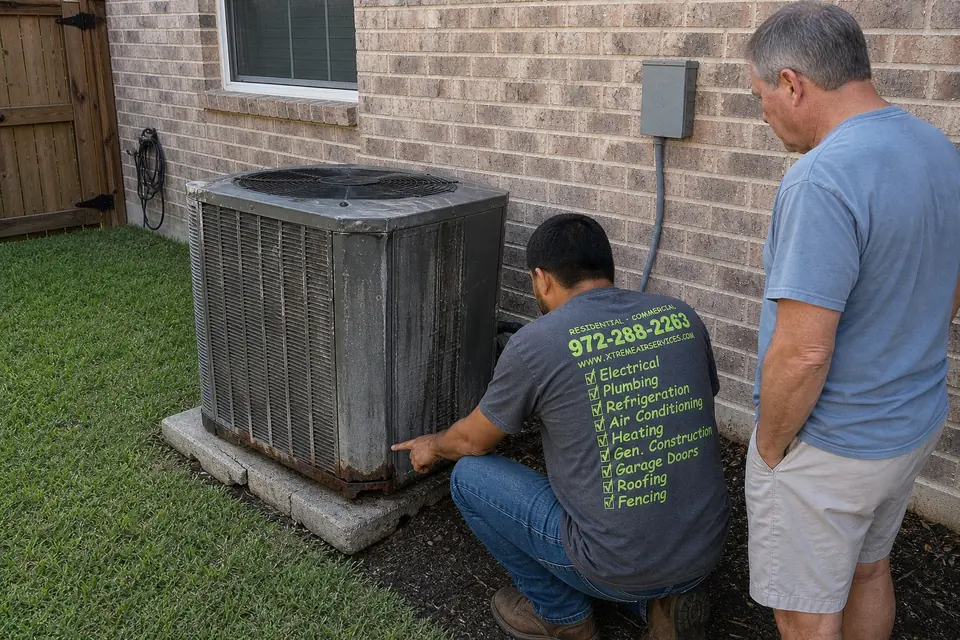
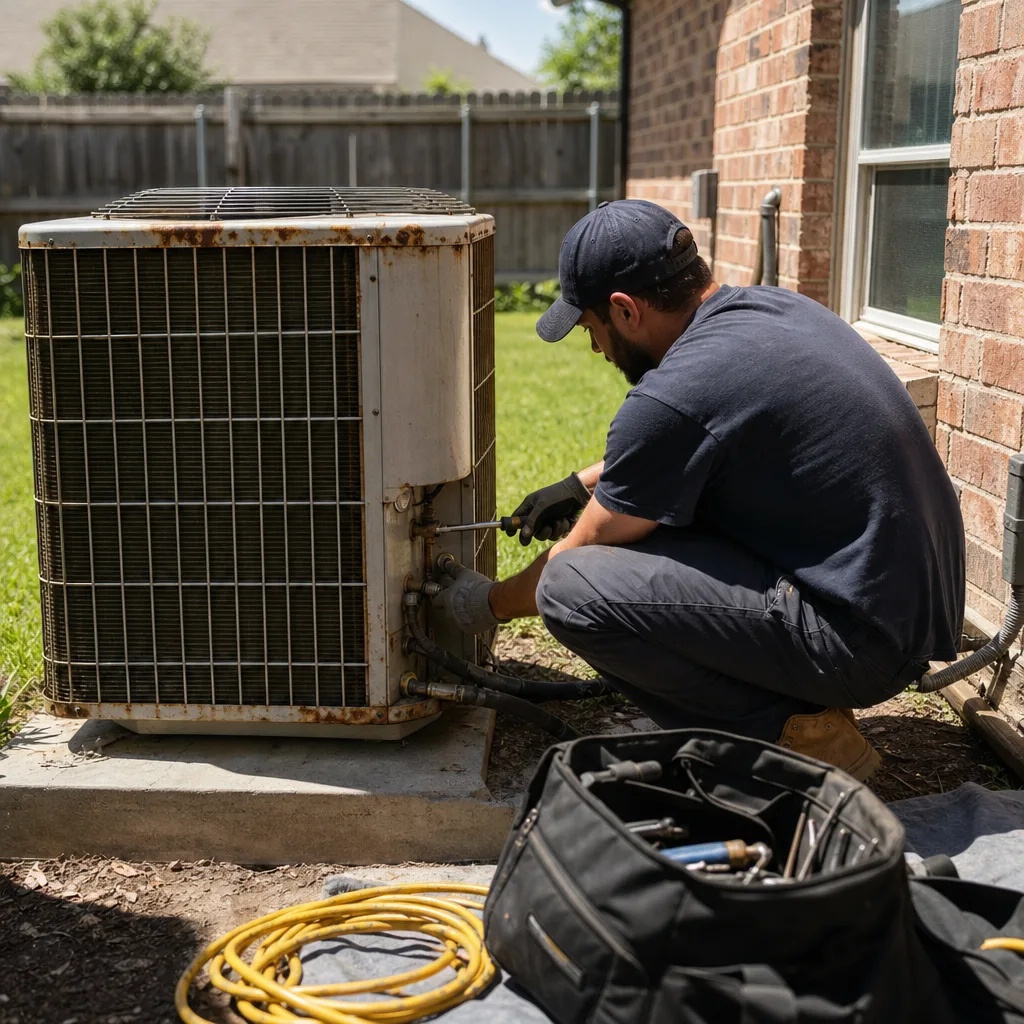
These problems are normally repairs, not a reason to buy a new system:
- A bad capacitor. That’s the small part that helps the motors start. When it fails, the outdoor unit hums but won’t kick on.
- A clogged condensate drain line. Water backs up and a safety switch shuts the system off.
- A dirty filter or iced-over coil. Airflow gets choked and the house stops cooling.
- A tripped breaker, a worn contactor, or a thermostat that’s lost its settings.
If that’s what’s going on with your system, fix it and keep your money. You don’t need a new system to solve a small problem.
Replacement starts to make sense when the signs stack up. Watch for these:
- The system is getting up in years and you’ve paid for repairs more than once in the last couple of summers.
- The compressor has failed. That’s the heart of the outdoor unit, and on an older system, replacing it can cost a big share of what a new system would.
- It runs on R-22, an older refrigerant that’s been phased out. Topping it off keeps getting harder and more expensive, and a leak can turn into a bigger bill every year.
- It runs nonstop on hot afternoons and still can’t pull the house down to your setting.
- Your summer power bills keep climbing even though your habits haven’t changed.
Fort Worth summers are hard on equipment. A system here runs long hours for months, and an air handler in a hot attic works harder still. That’s why a system that’s simply worn out can’t keep up on the hottest days. North Texas clay soil can also shift a slab or outdoor pad over time, which strains refrigerant lines on older setups. None of that means you should replace early. It means age and repeat failures matter more here than they might somewhere milder.
Picture two neighbors on the same hot afternoon. One has a system that’s not that old, and the fan just stopped spinning. That’s very likely a capacitor, and it’s a quick fix. The other has an older R-22 unit that’s needed refrigerant two summers running and now has a compressor that won’t start. Spending more on that system is usually throwing good money after bad.
If you’re not sure which neighbor you are, start with a diagnosis. Our service-call fee is $26 to $99, and it’s credited toward the repair if you go ahead with Xtreme Air Services. You’ll get upfront pricing before any work starts, so you can weigh a repair against a replacement with real numbers in front of you and decide what’s right for your home.
When Replacement Is Not the Right Call
Sometimes a brand-new system won’t fix the thing that’s bothering you. If the real problem lives somewhere else in your home, you’d spend thousands and still have the same complaint next summer. Here’s when we’d tell you to hold off.
Your ducts are leaking or crushed. In a lot of Fort Worth homes, the ductwork runs through the attic. If those ducts are torn, loose at the joints, or flattened, a lot of your cold air ends up cooling the attic instead of your living room. A new system pushes air through those same ducts, so the leak just costs you more. The signs are rooms that stay warm no matter what, weak airflow at the far vents, and more dust than usual. Duct sealing or duct repair should come first. A new system on top of bad ducts is money you won’t get back.
Only one room or one floor is the problem. Maybe it’s the upstairs bedroom, a converted garage, or an addition that was never tied in well. If the rest of your home cools fine, your system isn’t failing. It just can’t reach that space. A ductless mini-split for that room, or a zoning system that sends air where it’s needed, can solve it for far less than replacing the whole system.
You want to go bigger because the house feels warm. Bigger isn’t better with air conditioning. A unit that’s too large cools the air fast, shuts off, and never runs long enough to pull moisture out. Your home ends up cool but sticky, and the system wears out faster from starting and stopping. If your house feels muggy, a larger unit can make it worse. The right size comes from a cooling load calculation, which looks at your home’s size, insulation, windows, and sun exposure. It’s not a guess based on the old unit’s label.
Your system is older but still doing its job. Age alone isn’t a reason to replace. If your AC keeps up on hot afternoons, your power bills are steady, and you haven’t been paying for repairs every summer, keep it running. Regular maintenance helps it last. Clean coils, a clear drain line, and a fresh filter go a long way.
If you know your system is near the end, you can choose your timing. Replacing in spring or fall means you can compare options without the house sitting at 85 degrees. Planning ahead is your call to make, and waiting is a fair choice too.
- Warm rooms but a healthy system: check the ducts first.
- One problem room: look at a mini-split or zoning before a whole new system.
- Muggy house: don’t upsize. Get the sizing right.
- Old but steady system: keep it maintained and plan replacement on your own schedule.
If one of these sounds like your home, a new AC isn’t your first move. Fixing the real problem is cheaper, and it makes your home more comfortable.
What Drives Your AC Replacement Price
Most AC replacements we do fall between $5,000 and $12,000. The most common job is a standard like-for-like swap that uses your existing connections with no major changes. That job runs $6,400 to $9,200, and it covers the equipment and materials plus professional installation, startup, and testing.
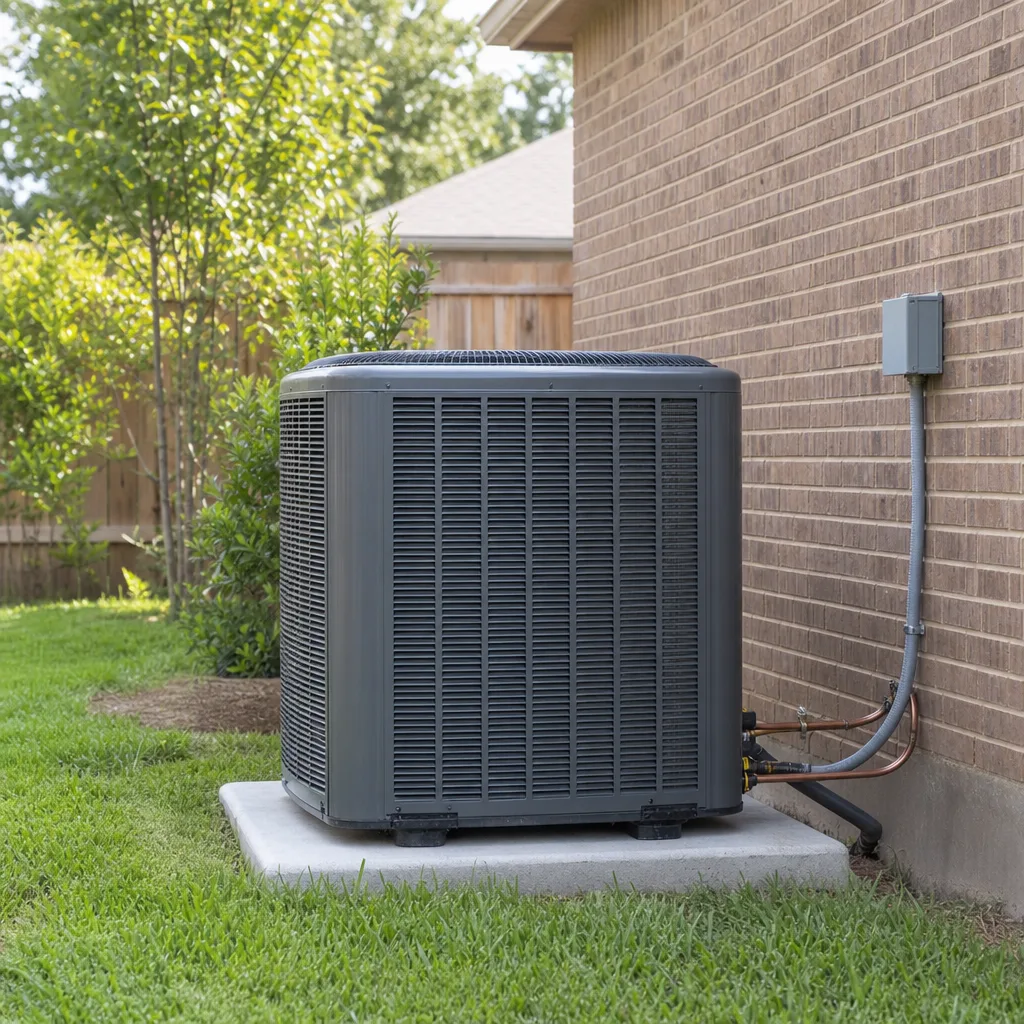
Where your home lands in that range comes down to a few real things. Three of them do most of the work: the size of the system, its efficiency rating, and how hard it is to reach.
- System size. AC capacity is measured in tons. A bigger home usually needs more tons, and more tons cost more. The right size comes from the load calculation we covered above, not from a bigger-is-better guess.
- Efficiency. SEER2 is a rating that tells you how much cooling you get for each dollar of electricity. A higher number costs more up front but uses less power. That matters in a Fort Worth summer, when your system may run most of the day for months.
- Brand and model. Equipment lines with variable-speed motors run longer at lower speeds. That gives you steadier temperatures and better humidity control, and those models cost more than basic single-speed units.
- Ease of access. An air handler in a tight, hot attic takes more time and more hands to swap out than one in a garage or closet.
- The condition of what’s already there. If your ductwork, wiring, or plumbing connections need work, that’s added to the job.
- Code upgrades, permits, and any custom fabrication. For example, a new unit might not line up with the old connections and need a custom-made fitting.
Here’s what’s included in a standard replacement and what isn’t, so nothing catches you off guard.
- Included: equipment and materials, professional installation, standard connections, startup and testing, and haul-away of your old unit.
- Not included unless your quote says so: duct, electrical, or plumbing modifications, code corrections, and permits.
That second list is where price surprises usually hide, no matter who you hire. Two quotes can look thousands of dollars apart when one includes duct changes and permits and the other leaves them out. Before you compare numbers, make sure you’re comparing the same job.
Ask any contractor these questions before you sign:
- What size system are you quoting, and how did you figure that size?
- What’s the SEER2 rating, and what will it mean for my summer power bills?
- Does the price include permits and haul-away of my old unit?
- If you find duct or electrical problems, will I see that price before you do the work?
With us, you get upfront flat-rate pricing that you approve before any work starts. No meter is running, and the number doesn’t change halfway through the install. If an extra item comes up, like a duct repair, you’ll see it and decide on it before we touch it.
If the total is more than you planned for this month, flexible financing is available on qualifying installations and larger jobs, on approved credit. A dead system in August shouldn’t force you into the cheapest unit you can find, or into one that’s the wrong size for your home.
Thinking about AC replacement? Let’s talk.
Call Today, Get Service Today. Xtreme Air Services — Fort Worth is ready to help.
The City of Fort Worth Permit Requirement for AC Replacement
Replacing a central air conditioner in Fort Worth isn’t just swapping a box. The City of Fort Worth treats it as mechanical work that needs a permit and an inspection. A permit isn’t paperwork for its own sake. It’s how a second set of eyes confirms your new system was hooked up safely.
Think about what a new AC touches in your home. It connects to your electrical panel. It moves refrigerant under pressure. It drains water from the attic every hot afternoon. If any of that is done wrong, you might not notice for months, until a breaker keeps tripping or a ceiling stain shows up under the air handler.
When the city inspector comes out, they’re looking at the parts of the job that matter most for safety and long-term performance. That typically includes:
- Electrical connections, including the right breaker size and a proper shutoff near the outdoor unit.
- Condensate drainage, so water from the coil goes where it should and not into your ceiling.
- Safe access to equipment in the attic, so the next technician can service it without stepping through drywall.
- General installation work that meets the city’s adopted codes.
Those attic details matter here. Many Fort Worth homes have the air handler up in an attic that gets brutally hot in summer. A poorly secured drain line or a cramped, unsafe walkway up there is the kind of problem an inspection is meant to catch before it becomes your problem.
Skipping the permit can come back on you later. When you sell your home, a buyer’s inspector may flag new equipment with no permit on record. Unpermitted work can also make insurance claims harder if something goes wrong. Saving a little now isn’t worth a headache at closing.
Here’s a red flag to watch for with any contractor: an offer to knock money off the price if you skip the permit. That usually means they don’t want anyone checking their work. A company that does the job right the first time has no reason to avoid an inspector.
In Texas, HVAC work also has to be done by a contractor licensed through the Texas Department of Licensing and Regulation. Xtreme Air Services is a licensed and insured HVAC contractor, HVAC License #TACLA29023C. You can ask any company for its license number and look it up yourself. It takes two minutes and tells you a lot.
Before you sign, ask these simple questions:
- Will this job be permitted with the City of Fort Worth?
- Is the permit cost in my quote, or is it a separate line?
- Will someone be here for the inspection, and what happens if something needs fixing?
- What’s your TDLR license number?
As we covered in the pricing section, permits aren’t part of our standard replacement price unless your quote says so. That’s on purpose. You’ll see it in writing before work starts, so there’s no surprise and no question about whether your new system was done by the book.
Watch Our Video
See How We Handle AC replacement in Fort Worth
Xtreme Air Services — Fort Worth
What Happens on Replacement Day
Once you’ve said yes, the day itself is simpler than most people expect. A straightforward like-for-like swap is often a one-day job. A tight attic, duct changes, or electrical updates can stretch it longer. Here’s what a careful replacement looks like, so you know what you’re paying for and what to look for.
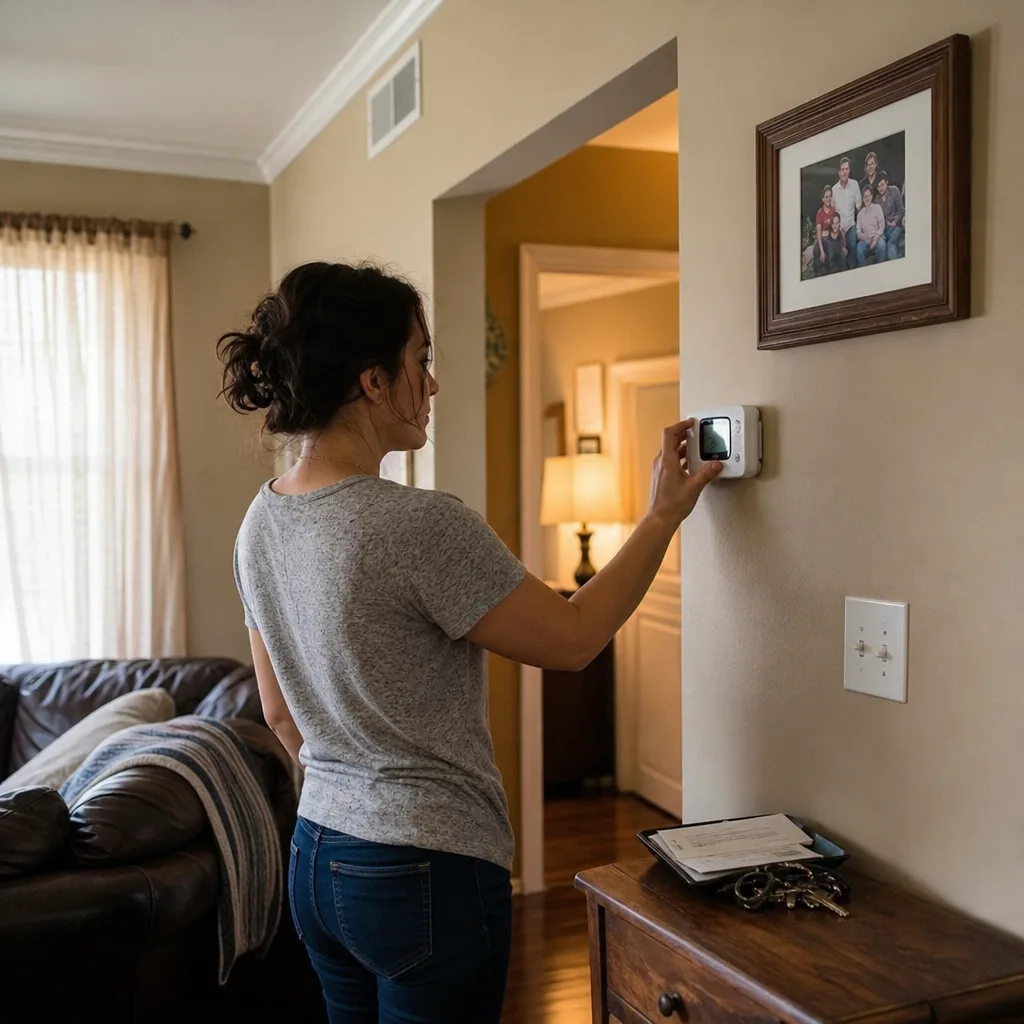
Before the crew shows up, clear a path to your attic access, your outdoor unit, and your thermostat. Move cars out of the garage if the attic hatch is there. Put pets in a closed room. Your house will warm up while the system is off, so on a hot Fort Worth afternoon it helps to close the blinds and keep a fan running.
Here’s the work itself, in plain English:
- Power off and refrigerant out. The power to the system gets shut off at the breaker. The old refrigerant is recovered with a machine, not released into the air.
- Old equipment out. The outdoor unit and the indoor coil or air handler come out. Haul-away of your old unit is part of a standard replacement with us.
- New outdoor unit set. It needs to sit level on a solid pad. On clay soil that shifts, a pad that has tilted over the years should be re-leveled now.
- New indoor equipment installed. In many Fort Worth homes, this happens in the attic, along with the drain line and a drain pan with a shutoff switch that stops the system if water backs up.
- Lines connected and sealed. The copper refrigerant lines get joined, then pressure-tested for leaks.
- Moisture pulled out. A vacuum pump draws air and moisture out of the lines before refrigerant goes in. Skipping or rushing this step can shorten the life of a brand-new system.
- Wiring and thermostat. The outdoor shutoff, breaker, and thermostat get connected to match the new equipment.
Then comes startup and testing, which is included in our standard replacement. This is where the system gets checked while it runs. The refrigerant charge is confirmed and the air coming out of your vents is measured. The drain is also checked to make sure water is flowing where it should. A system can turn on and still be set up wrong. Testing is how you know it isn’t.
Before the crew leaves, take five minutes and check a few things yourself:
- Cool air is coming from every vent, including the rooms farthest from the unit.
- The outdoor unit is level and running without rattling.
- You know where your filter goes, what size it is, and how often to change it.
- You know how to work your thermostat, especially if it’s new.
- The work area is clean, and your old unit is gone.
- You’ve been told when the city inspection will happen.
You should also feel fine about who’s in your home all day. Our licensed and insured technicians are background-checked and drug-tested team members, and as a Trane Comfort Specialist we install equipment we know well. The price you approved before work started is the price you pay. Nothing changes halfway through the job.
Call 817-677-1907
Frequently Asked Questions
Common questions about AC replacement
Can I replace my own AC system instead of hiring someone?
No, you shouldn’t replace your own AC system. In Fort Worth, a licensed contractor is required to handle refrigerant and electrical connections, and the city requires a permit and inspection on this type of mechanical work. A DIY swap also skips the vacuum and pressure-test steps that keep moisture out of your lines, which can shorten a brand-new system’s life.
What temperature should I set my thermostat to during a Fort Worth summer?
A common setting is 78 degrees when you’re home, since that balances comfort with lower power bills during long, hot afternoons. Your right number depends on your home’s insulation and how well your system is sized, which is why a cooling load calculation matters more than copying a neighbor’s setting.
How much does a new AC unit cost for a smaller home, like 1,400 square feet?
A smaller home like that generally needs a smaller tonnage system, which tends to land toward the lower end of a standard replacement range. The real number still depends on your system’s efficiency rating, how accessible your attic or air handler is, and whether your existing ductwork and electrical connections need any work.
Ready to Get Started?
Call (817) 677-1907 Today, Get Service Today.