


Furnace Installation in Fort Worth: What to Know Before You Buy
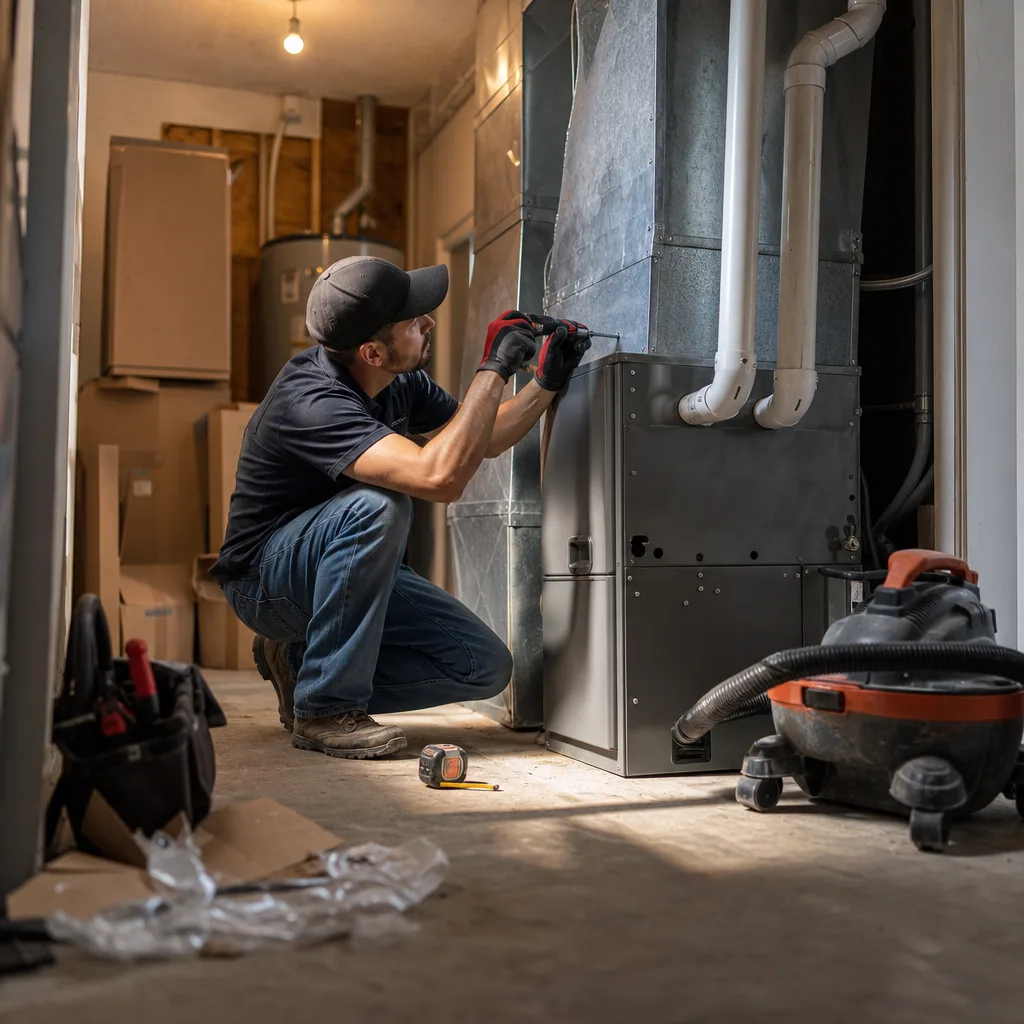
Furnace installs matched to the cooling coil and blower they work with, so your whole system runs as one.
What’s Covered on This Page
- Signs It’s Time to Replace, Not Repair, Your Furnace
- When Furnace Installation Is Not the Right Fix
- What’s Included in a Professional Furnace Installation
- What Drives Furnace Installation Cost
- Permits and Licensing Required for Furnace Installation
- What is the $5000 rule for furnaces?
- Can I install my own furnace in Fort Worth?
- How long does a furnace installation take?
Signs It’s Time to Replace, Not Repair, Your Furnace
Nobody wants to buy a furnace they don’t need. So let’s be straight with you. Most furnace problems are fixable, and a good technician should tell you that when it’s true. But some signs point to a system that’s near the end, and putting more money into it just delays the bill.
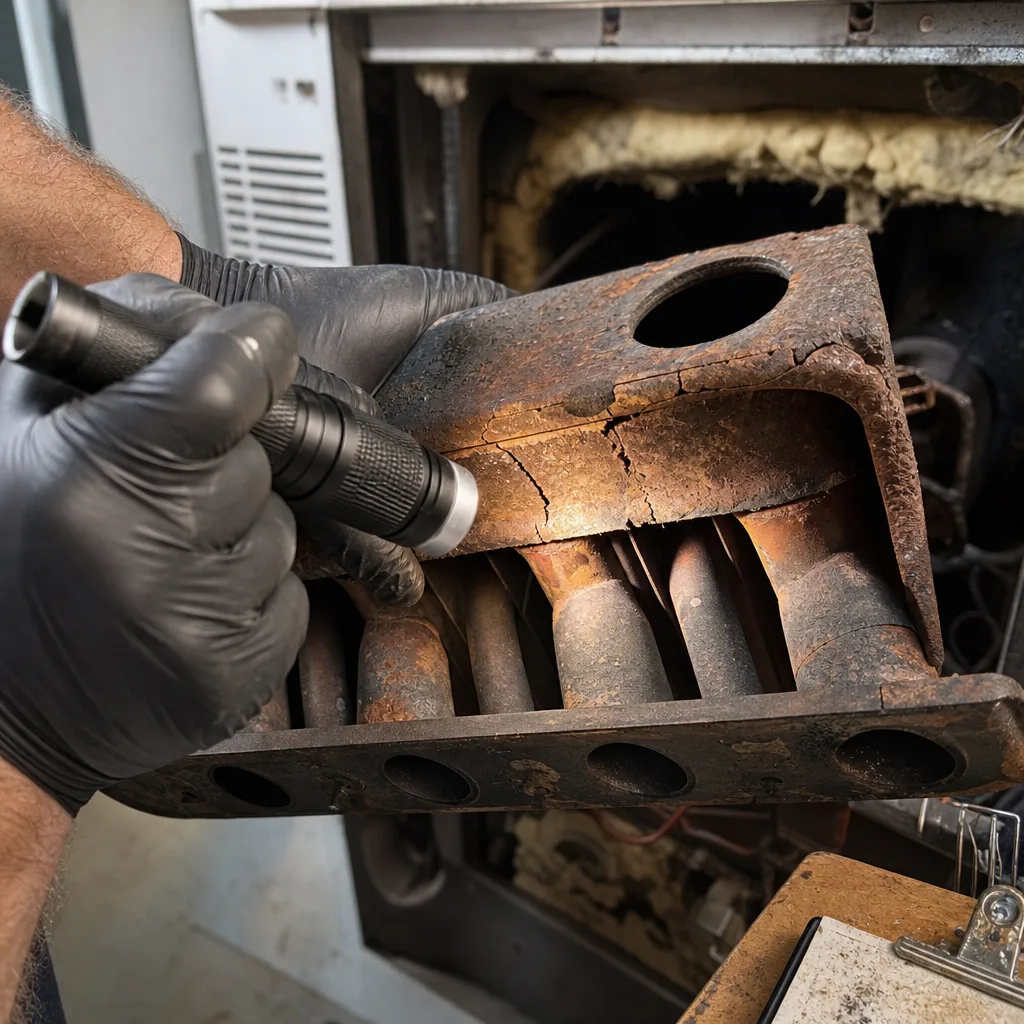
Here’s what tells you it’s time to replace:
- Repairs keep coming back. If you’re calling for help every winter, those bills add up fast. When a single repair costs a big chunk of what a new furnace would, replacement usually makes more sense.
- The heat exchanger is cracked. This is the part that keeps combustion gases away from the air you breathe. A crack can let carbon monoxide into your home, and it’s often a sign the whole furnace is worn out.
- Some rooms never warm up. If the furnace runs and runs but your back bedrooms stay cold, it may be too small, too worn, or both.
- Your gas bills climb while your comfort drops. Older furnaces lose efficiency over time. You pay more and feel less.
- Parts are hard to get. Older models can be slow or costly to fix because the parts aren’t easy to find anymore.
- You see warning signs at the burner. A yellow, flickering flame instead of a steady blue one, soot around the unit, or rust on the cabinet all deserve a closer look.
North Texas adds its own twist. Our winters are short, so a furnace here can sit quiet for months and then get slammed when a sudden cold front rolls in. That’s often when a tired system finally quits, right when you need it most. Many Fort Worth homes also have the furnace in the attic, where summer heat bakes the equipment for months. That hard life can wear parts out sooner than you’d expect.
Now the other side. You probably don’t need a new furnace if:
- It’s a single worn part, like an ignitor, flame sensor, or blower motor, on a furnace that’s otherwise running well.
- The problem is a dirty filter or a thermostat issue. A clogged filter can make a good furnace shut itself off. Check that first. It’s an easy fix you can handle yourself.
- The furnace is fairly new and has been reliable until now.
In those cases, a repair is the honest answer. A furnace isn’t worn out just because it broke once.
If you’re stuck in the middle, ask for both numbers: the cost to fix it now and the cost to replace it. Then ask what else is likely to fail soon. A clear side-by-side lets you make the call, not the salesperson. If you’re ever worried about carbon monoxide, get a carbon monoxide test before you decide anything else. Your family’s safety comes before any repair-or-replace debate.
When Furnace Installation Is Not the Right Fix
Sometimes the furnace isn’t the problem at all. You can put in a brand-new unit and still have cold rooms, high bills, or a noisy system, because the real issue lives somewhere else in the house. Before you buy, make sure a new furnace is what will fix the problem you have.
Here are the cases where a new furnace usually isn’t the answer.
- Your ducts are leaking or crushed. In many Fort Worth homes, the ducts run through the attic. If a joint has pulled apart or a flex duct got stepped on, warm air pours into the attic before it ever reaches your bedroom. A new furnace just pushes more air through the same holes. Duct sealing or duct repair is the fix here.
- One room is cold and the rest of the house is fine. A converted garage, a sunroom, or a bonus room over the garage often sits at the end of a long duct run. A bigger furnace won’t fix that. A ductless mini-split or a zoning system can heat that one space without overworking the whole house.
- You want a bigger furnace because the house feels chilly. Bigger isn’t better. An oversized furnace heats fast, shuts off, then kicks back on again and again. That on-and-off cycle wastes energy, wears parts faster, and leaves hot and cold spots. The right size comes from a load calculation that looks at your home’s square footage, windows, insulation, and layout, not from the size of the old unit.
- Your home is all-electric or has no gas line. Running new gas service just to add a gas furnace can cost more than it’s worth. Since our winters are short, a heat pump can handle most of your heating and all of your cooling with one system.
- Your attic is letting the heat out. Thin insulation and air leaks around attic hatches, recessed lights, and plumbing openings let warm air escape. Sealing those gaps can do more for comfort and bills than new equipment.
Here’s a simple test. Ask yourself whether the furnace makes heat but the heat doesn’t reach you, or whether the furnace itself is failing. If the burners light, the blower runs, and warm air comes out at the vents closest to the unit, the furnace is probably doing its job. The trouble is getting that heat where you want it.
A good contractor should check the ducts, the airflow, and the size of your home before quoting a furnace. If someone hands you a price for a new unit without looking in the attic or asking which rooms are uncomfortable, ask why. You deserve to know the cause before you pay for the cure.
If the honest answer is that you need duct work, a heat pump, or no new equipment at all, that’s the answer you should get. Fixing the right thing the first time saves you money and gets your home comfortable faster.
What’s Included in a Professional Furnace Installation
A professional furnace installation should cover more than the box and the labor to set it in place. You’re paying for a furnace that’s sized right, hooked up safely, started up, and tested before anyone leaves your home. When you compare quotes, knowing what’s in the price matters as much as the price itself.
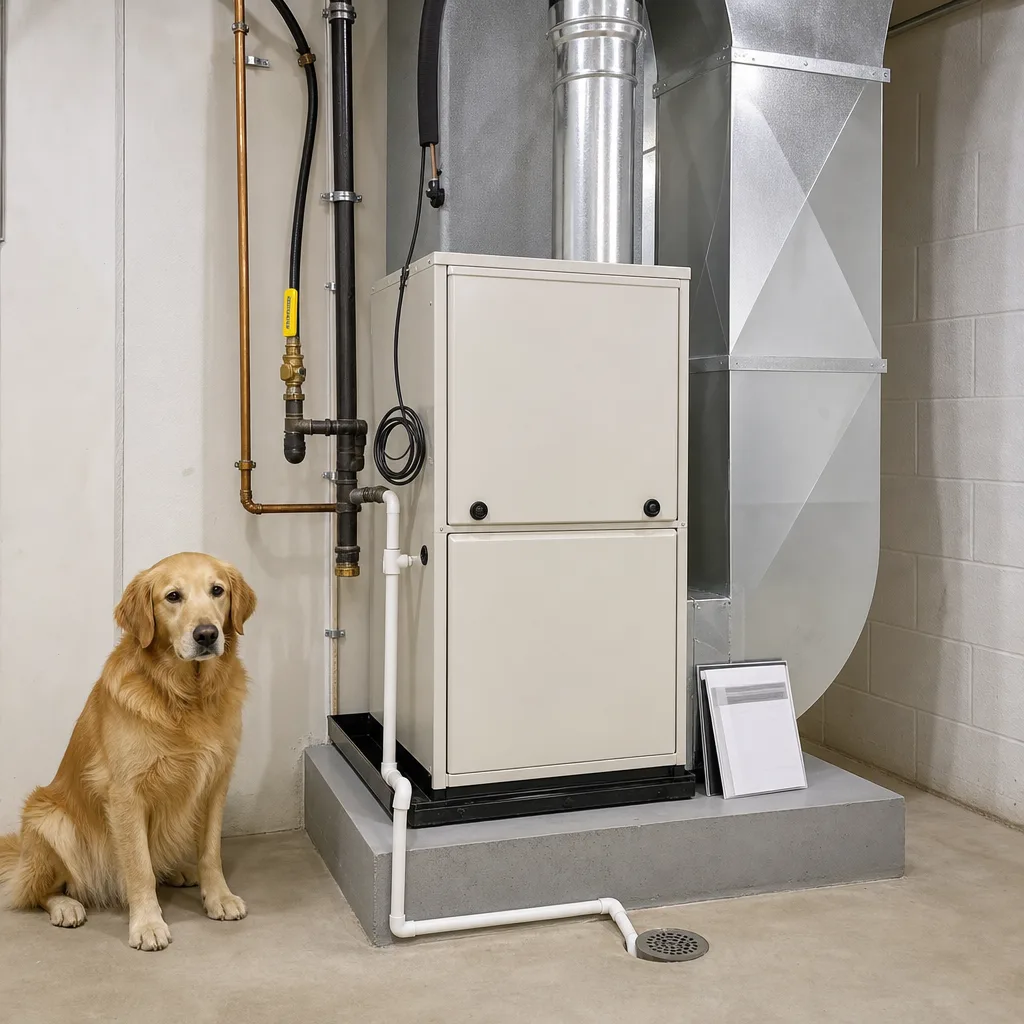
Here’s what’s included when Xtreme Air Services installs your furnace:
- The equipment and materials. That means the furnace itself plus the parts needed to connect it.
- Professional installation by our licensed and insured technicians.
- Standard connections. The new unit ties into your existing gas, power, venting, and ductwork where those are in good shape.
- Startup and testing. The furnace is fired up and checked so you know it’s heating the way it should.
- Haul-away of your old unit. You won’t be left with a dead furnace in the garage or attic.
Our most common job is a standard like-for-like furnace installation that uses your existing connections with no major changes. That job typically runs $4,300 to $5,900. Across all furnace installations, our typical price range is $3,500 to $7,500. You get upfront flat-rate pricing before any work starts, so there’s no meter running and no surprise at the end.
So why the spread? A few things move the number up or down:
- Size and efficiency. A bigger furnace or a higher-efficiency model costs more. AFUE is the efficiency rating. It tells you how much of the gas you pay for turns into heat for your home, so a higher AFUE means less fuel wasted.
- Brand and model. Features like a variable-speed blower, which runs slower and quieter for more even heat, add to the price.
- Ease of access. A furnace in a tight attic is harder to swap than one in an open closet or garage. That’s common in Fort Worth, where many systems sit in the attic.
- Condition of what’s already there. Worn ductwork, old wiring, or gas piping that isn’t up to today’s standards can add work.
- Code upgrades, permits, and any custom fabrication. If a new furnace doesn’t line up with your old connections, parts may need to be custom-built to fit.
Now the part some contractors leave off the quote. These items are not included unless your estimate says so: duct, electrical, or plumbing modifications, code corrections, and permits. That doesn’t mean you’ll need them. Plenty of homes don’t. But if your old furnace was installed before current code, or the ducts have seen better days, those fixes are separate line items. You should see them written down before you agree to anything.
If the total is more than you planned for, you have options. Flexible financing is available on qualifying installations and larger jobs, on approved credit. As a Trane Comfort Specialist, we can walk you through efficiency levels side by side. That way you can pick the furnace that fits your home and your budget, not just the one with the biggest number on the label.
Need help with Furnace installation?
Call Today, Get Service Today. Xtreme Air Services — Fort Worth is ready to help.
What Drives Furnace Installation Cost
Your home is the biggest factor in where your price lands. Two houses on the same street can get very different quotes for the same furnace. If your new furnace can go right where the old one sat and use the same hookups, you’re likely near our most common job. Each change away from that adds work, and work is what you pay for.
These situations are what usually move a quote up:
- Going from a standard furnace to a high-efficiency one. The most efficient gas furnaces pull so much heat from the flame that they make water as they run. That means they need plastic vent pipe instead of a metal flue, plus a drain line to carry the water away. In an attic, that drain needs a safe path out, and the pipe has to be protected so it doesn’t freeze during a hard cold snap.
- Matching your air conditioner. Your furnace and AC share the same blower and ductwork, and the indoor cooling coil usually sits right on top of the furnace. If the new furnace is a different size or shape, that coil may need a custom-built piece to fit. If your AC is near the end of its life too, it can make sense to look at both at once.
- Moving the furnace. Relocating a unit from a hall closet to the attic or garage means new gas, power, venting, and duct connections.
- Older gas and flue setups. Many homes built decades ago have gas lines, flues, or wiring sized for a smaller or different furnace. Bringing those up to today’s standards is extra work, and it’s work you want done right.
Some things don’t change the price as much as people expect. A furnace that’s in good shape doesn’t need to be bigger just because the house feels drafty. And a higher price tag doesn’t always mean more comfort. The right furnace is the one sized and set up for your home.
Timing matters too, though not always in the way you’d think. If your furnace is limping along, getting a quote before it fails gives you time to compare options and think through financing without a cold house pushing you. If it quits on a freezing night, you’re not stuck paying more for bad timing. There’s no extra charge for nights or weekends.
To get your real number, a technician needs to see the furnace, the space around it, the venting, and how it ties into your AC and ducts. Our service call fee runs $26 to $99, and it’s credited toward the work if you go ahead with Xtreme Air Services. You’ll get upfront flat-rate pricing in writing before anything starts, so you know exactly which of these factors apply to your home and what they cost.
Watch Our Video
See How We Handle Furnace installation in Fort Worth
Xtreme Air Services — Fort Worth
Permits and Licensing Required for Furnace Installation
Yes, a furnace installation in Fort Worth usually needs a permit, and it should be done by a licensed HVAC contractor. A gas furnace burns fuel inside your home and vents exhaust out through the roof or wall. The permit and inspection are how a second set of eyes confirms that’s set up safely. The license is how you know the person doing the work is trained and accountable.
Most people think of a permit as paperwork. It’s really a safety check you get for your money. When the inspector comes out, they’re looking at the parts of the job you can’t easily judge yourself:
- The vent pipe. It has to carry exhaust, including carbon monoxide, all the way outside without leaks or bad slopes.
- The gas connection. Fittings and shutoff valves need to be tight and in the right place.
- Clearances. The furnace needs enough space around it, which matters a lot in a cramped Fort Worth attic.
- Combustion air. A gas furnace needs enough fresh air to burn cleanly.
- Electrical hookup. The power to the unit needs to be wired and protected the right way.
In Texas, HVAC contractors are licensed by the Texas Department of Licensing and Regulation, also called TDLR. That license means the contractor has met state training and testing rules and carries the required insurance. Xtreme Air Services holds HVAC License #TACLA29023C. You can look up any contractor’s license on the TDLR website in about a minute, and you should. A real contractor will be glad you checked.
Gas line work is its own trade. If your new furnace needs gas piping changed beyond the simple hookup, that work may call for a licensed plumber. Our team handles both HVAC and plumbing, so you don’t have to bring in a second company and coordinate two schedules.
Skipping the permit can come back to bite you later, even if the furnace runs fine today. A home inspector may flag unpermitted mechanical work when you go to sell. Your insurance company may ask questions after a claim. And if something was done wrong, you could end up paying to open it back up and fix it. A permit costs far less than any of that.
Watch out for these red flags when you’re getting quotes:
- Someone offers a lower price if you skip the permit.
- The installer asks you, the homeowner, to pull the permit in your own name.
- The contractor can’t or won’t give you a license number.
- The quote never mentions a permit or an inspection at all.
Also check where your address falls. Some homes with a Fort Worth mailing address sit in a neighboring city or in unincorporated Tarrant County, and the permit and inspection come from whoever has authority over that property. Your contractor should know which office handles your home.
Before you sign, ask straight out: Who’s pulling the permit? Is it in the estimate or listed separately? When will the inspection happen, and will someone be there for it? Permits aren’t part of the base price unless your estimate says so. You should still see that line in writing, so the only surprise on install day is how quiet your new furnace runs.
Frequently Asked Questions
Common questions about Furnace installation
What is the $5000 rule for furnaces?
It’s a simple test to help you decide between repair and replacement. Multiply the furnace’s age by the repair cost, and if that number tops $5,000, replacement usually makes more financial sense. A 15-year-old furnace needing a $400 repair would score 6,000, pointing toward a new unit instead.
Can I install my own furnace in Fort Worth?
No, you should not install your own furnace here. A furnace installation needs a permit and a licensed HVAC contractor, since it involves gas lines, venting, and combustion safety checks an inspector has to sign off on. Skipping this can cause problems later with your home insurance or a future sale.
How long does a furnace installation take?
Most standard installations finish in a single day when the new unit uses your existing gas, power, and duct connections. Jobs take longer if your furnace sits in a tight attic space, which is common in many Fort Worth homes, or if older gas lines or wiring need updates to meet code.
Ready to Get Started?
Call (817) 677-1907 Today, Get Service Today.