


Heating System Repair in Fort Worth: Fix the Part, Not the Whole System
Furnace and heat pump problems fixed on the first visit, with an honest call on repair versus replace.
What’s Covered on This Page
- Most Heating Repairs Are One Fixable Part, Not a Full Replacement
- Signs Your Furnace Needs a Repair Call Now
- Check These Three Things Before You Call
- Older Fort Worth Homes Often Need Different Furnace Repairs
- What Happens During a Heating Repair Visit
- What is the $5,000 rule for HVAC systems?
- How much should I expect to pay just to have someone come look at my furnace?
- Is it worth calling a technician for a minor heating problem, or should I wait?
Most Heating Repairs Are One Fixable Part, Not a Full Replacement
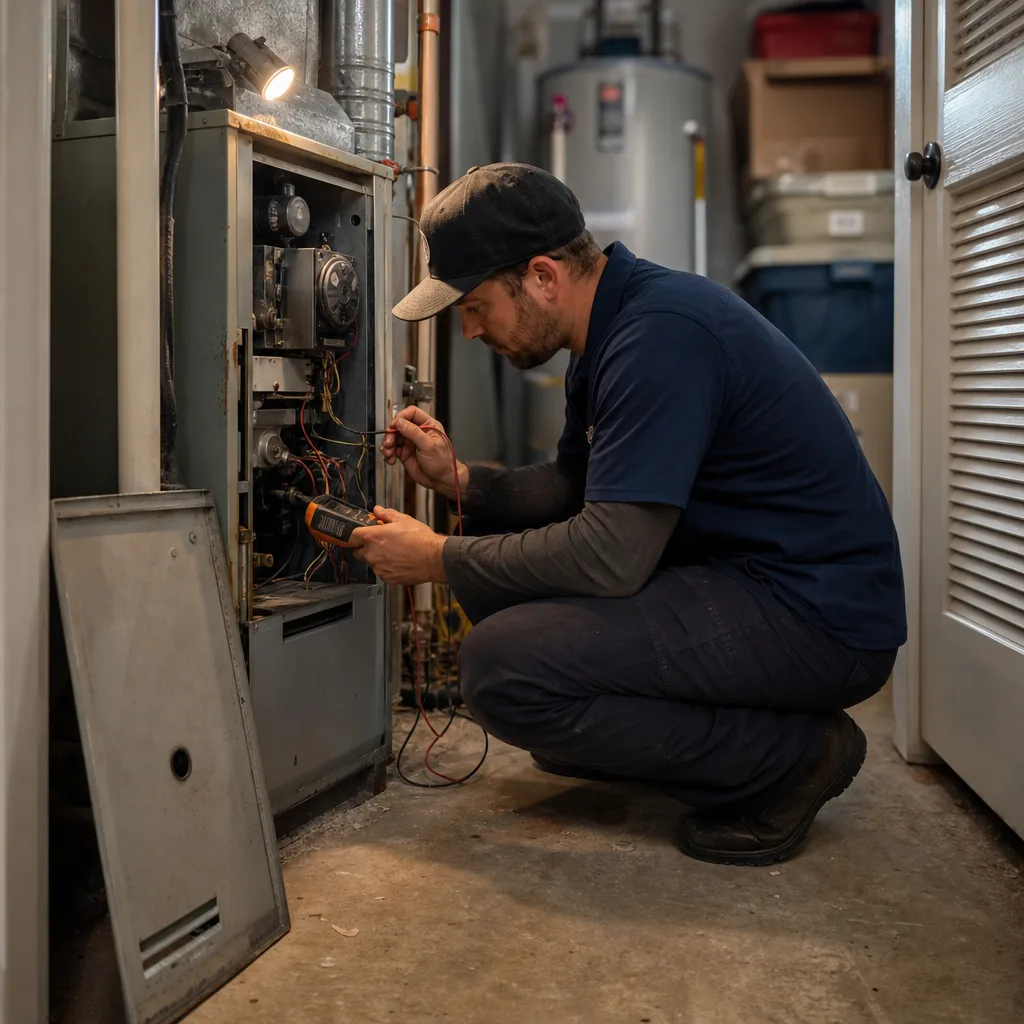
A cold house can make it feel like the whole system has given out. In most cases it hasn’t. A furnace or heat pump is a group of parts working together, and one small part can stop all of them. When that part is fixed or swapped out, the rest of your system usually goes right back to work.
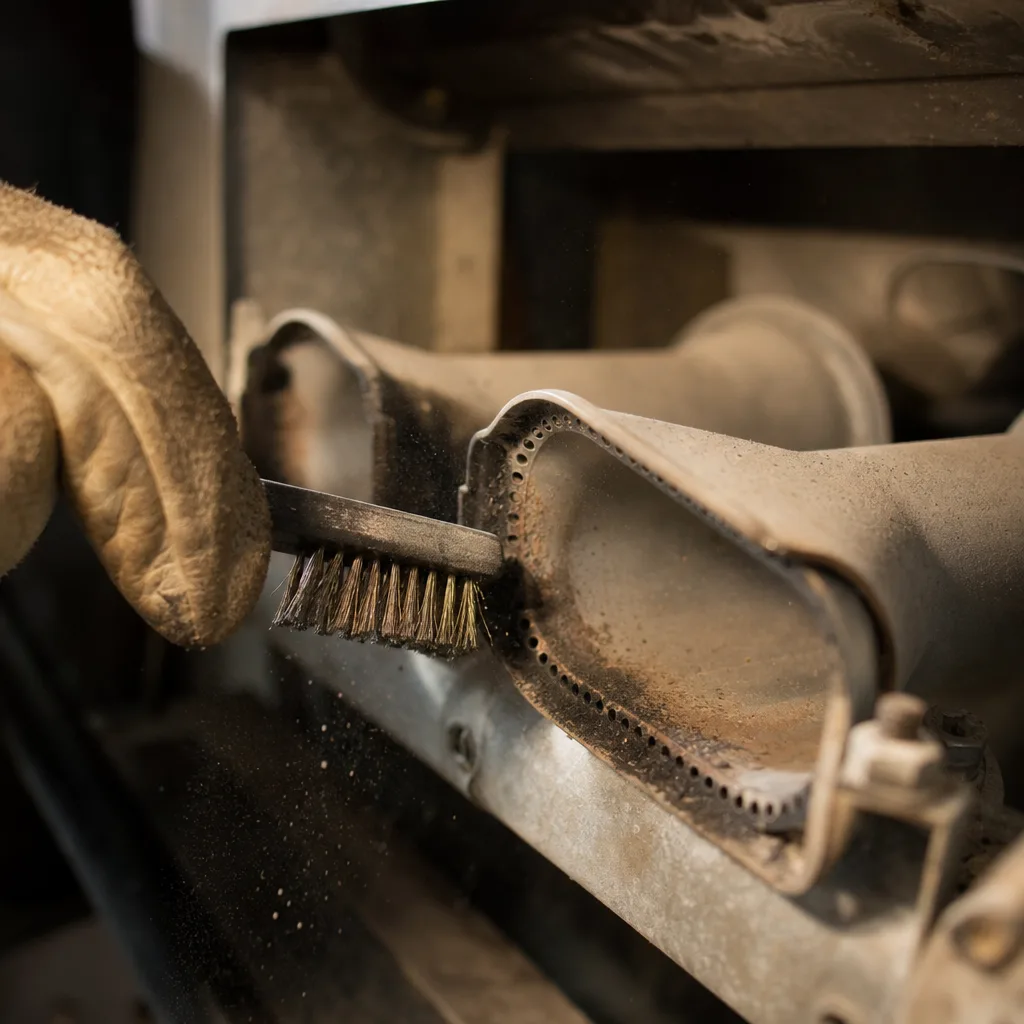
That’s how our team handles a heating repair. We find the part that failed, repair or replace it, and then check that your system runs correctly before we call the job done. For us, most calls come down to one common failure that we fix on the first visit.
These are the parts that tend to cause most no-heat problems:
- Ignitor: On a gas furnace, this part heats up to light the burners. When it cracks or wears out, the furnace tries to start and then gives up.
- Flame sensor: This part confirms the burners are lit. A layer of grime can make it miss the flame, so the furnace shuts off a few seconds after it lights. Sometimes a cleaning is all it needs.
- Blower motor: This fan pushes warm air through your vents. If the furnace runs but little or no air comes out, the blower is a likely cause.
- Control board: This is the furnace’s brain. When it fails, the system may do nothing, act erratically, or flash an error light.
- Thermostat: Sometimes the furnace is fine and the thermostat just isn’t telling it to run. A dead battery, a bad setting, or a failing unit can all look like a broken heater.
- Heat pump parts: Heat pumps have their own common failures, and these are often one-part fixes too.
North Texas weather plays a part here. Your heater sits unused for most of the year while your AC does the heavy lifting. Then a cold front moves through Fort Worth, the temperature drops fast, and your system has to start working hard overnight. Dust that collected over the summer and a part that was already worn can both fail on that first cold night. That timing makes the problem feel sudden and serious, even when the fix is small.
So when should you think about replacement? Only after someone has found the real cause. Some failures involve major components, or more than one part has failed at once. Those jobs are quoted separately, so you see the price before any work starts. If a bigger repair or a new system does make sense, financing is available for those larger jobs. Our team won’t steer you toward a new system when a single part will get your home warm again.
The point is simple. Don’t assume the worst before anyone has looked at your system. A licensed technician can usually find the problem quickly, explain it in plain English, and tell you whether it’s a one-part fix. Most of the time, it is.
Signs Your Furnace Needs a Repair Call Now
Not every heating hiccup means you need a technician tonight. Some do, though, and a few are safety issues before they’re repair issues. Here’s how to tell which one you’re dealing with.
Before you call, take two minutes to rule out the easy stuff. These checks fix more no-heat calls than you’d think:
- Make sure the thermostat is set to Heat and set a few degrees above room temperature.
- Swap the thermostat batteries if the screen is blank or dim.
- Check your breaker panel for a tripped breaker labeled furnace or air handler.
- Look at your air filter. A packed, gray filter can choke airflow and make the system shut itself down.
- Make sure the furnace door panel is fully closed. Many furnaces won’t run with it loose.
If your heat comes back after one of those, you’re done. You don’t need us. If it doesn’t, or if you notice any of the signs below, it’s time to have a technician look at it.
- The furnace lights, runs a few seconds, then shuts off, over and over. That pattern often points to one of the parts we covered above.
- The blower runs, but the air from your vents feels cool or barely warm.
- Some rooms stay cold while others are fine, or airflow is much weaker than it used to be.
- You hear new noises when the heat kicks on, like a loud bang, screeching, or grinding.
- A small light on the furnace is blinking a pattern. That’s often an error code.
- The breaker trips again after you reset it. Don’t keep flipping it back on.
- A burning smell lasts past the first day or two of the season.
That last one needs a quick note. A light, dusty smell the first time you turn on the heat each fall is normal. It’s dust burning off parts that sat all summer. If it fades within a day, you’re fine. If it hangs on, smells like hot plastic or wiring, or keeps getting stronger, shut the system off and call.
Timing matters in Fort Worth. A cold front can drop the temperature fast, and your system has to go from idle to working hard in a single evening. If your furnace is acting strange on a mild afternoon, that’s the best time to get it checked, not at 2 a.m. after the temperature has fallen. Short cycling or weak airflow rarely fixes itself. It usually gets worse under heavy use.
And if the problem shows up on a Saturday night, don’t sit in the cold waiting for Monday to save money. Xtreme Air Services charges no extra for nights or weekends, so the right time to call is when you notice the problem.
Check These Three Things Before You Call
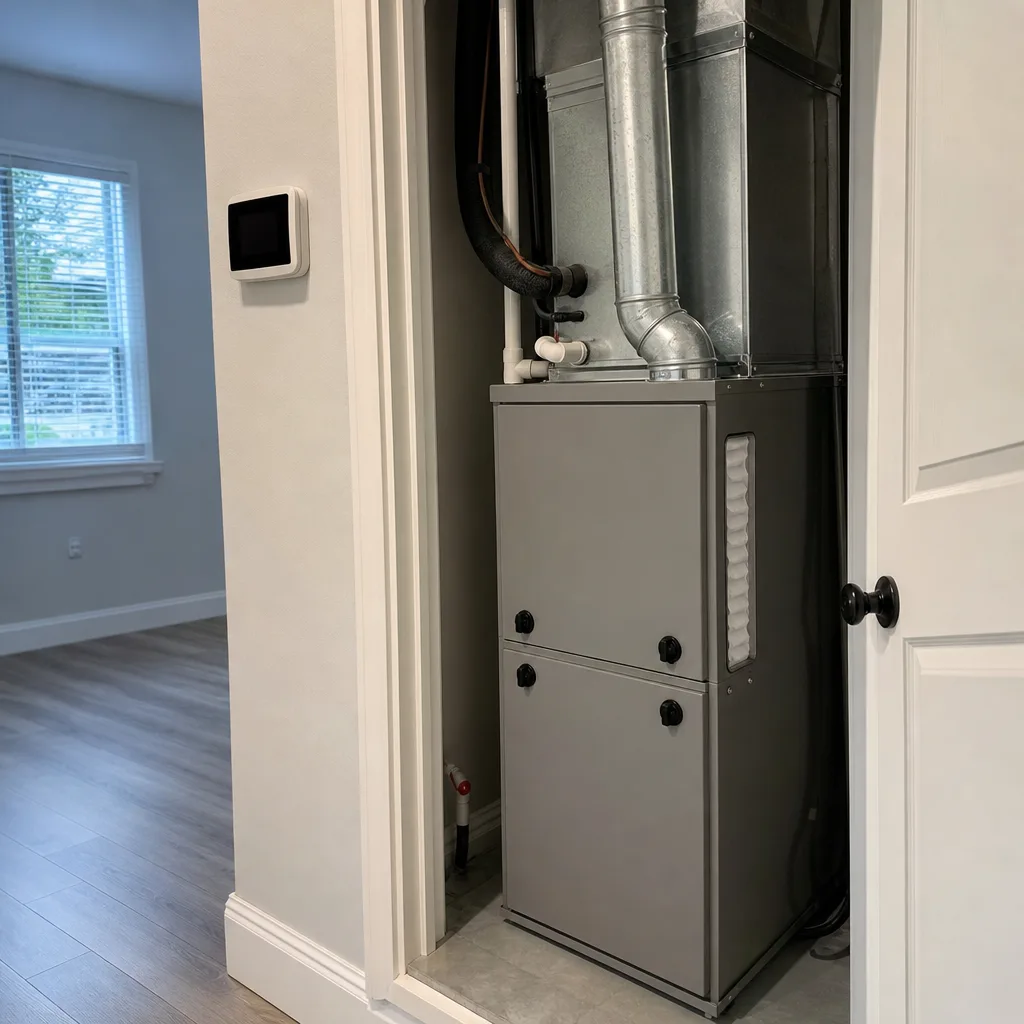
You’ve done the quick checks and the heat still isn’t coming back. Now you’re picking who to call. Before anyone comes out, ask three things. Any honest company should answer all three on the phone, in plain English, before a technician touches your system.
1. What does it cost just to have someone come out?
Most heating companies charge a service-call fee for the trip and the diagnosis. That’s normal. What you want to know is how much it is and whether it counts toward the repair. Some companies keep the fee no matter what. Others apply it to the job if you go ahead.
With Xtreme Air Services, it’s a $26-$99 service-call fee, and it’s credited toward the repair if you proceed with us. Our typical heating repair runs $150-$700. Our most common job, finding the one failed part, fixing or replacing it, and checking that the system runs right, runs $150-$400. As we covered above, nights and weekends don’t change that price.
2. What does the repair price include, and what doesn’t it?
A low number doesn’t help you if it leaves out half the job. Ask what’s in the price before you say yes. Here’s what our repair price covers and what gets quoted separately:
- Included: diagnosis, labor, and the standard replacement part, plus testing and cleanup.
- Quoted separately: additional failed parts, major components, code upgrades, or permits.
That second line matters. If your technician finds a second bad part or a bigger problem, you hear about it and see the price before any extra work starts. Several things can push the cost up or down: how much has failed, what the part costs and whether it’s in stock, and how old your equipment is and what brand it is. A good technician walks you through those factors instead of handing you a surprise bill at the end.
3. Who’s coming to your house?
You’re letting a stranger into your home, often late, often with your kids around. Ask whether the technician is licensed and whether the company runs background checks. In Texas, HVAC contractors are licensed by the Texas Department of Licensing and Regulation, and a real contractor will give you their license number without any fuss.
Ours is HVAC License #TACLA29023C. Xtreme Air Services is licensed and insured, and our team members are background-checked and drug-tested. Your neighbors across North Texas have given us a 4.8-star rating across more than 2,900 reviews on Google, Angi, and HomeAdvisor. We’re also a Trane Comfort Specialist, which matters if the fix ever turns into a bigger conversation about your system.
If a company dodges any of these three questions, keep looking. If it answers all three clearly, you’re in good hands.
Call 817-677-1907
Ready when you are – get in touch today.
Call Today, Get Service Today. Xtreme Air Services — Fort Worth is ready to help.
Older Fort Worth Homes Often Need Different Furnace Repairs
Fort Worth has a real mix of homes. There are established neighborhoods full of decades-old slab ranch houses, and there are newer subdivisions where the furnace is only a few years old. Both can lose heat on the same cold night. The repair often looks different, though, because older equipment fails in its own ways.
If your home is older, your furnace may be too. It may also be an older style of unit than the ones in newer homes. Here’s what that can mean when the heat goes out:
- Pilot lights instead of ignitors: Some very old gas furnaces use a small flame that stays lit all the time. When that flame won’t stay on, the cause is often a thermocouple, a small safety part that senses the pilot. That’s usually a one-part fix.
- Older thermostats and wiring: An old dial or mercury thermostat, or worn wiring behind it, can stop a healthy furnace from getting the signal to run.
- Worn motors and belts: Older blowers may have parts that newer furnaces don’t use, and those parts wear out over time.
- Tired ductwork: Ducts in an older attic can sag, separate, or leak. You get warm air at the furnace and cool rooms down the hall, even when the furnace itself is working fine.
- Hard-to-find parts: The original part for an older or discontinued model may not be on the truck. Sometimes a compatible replacement works. Sometimes it has to be ordered.
That last point is where older homes affect the price. Part cost and availability, along with your equipment’s age and brand, are among the things that move a repair up or down. When we know about one of those factors, you’ll hear about it before any work starts, not after.
An older furnace doesn’t automatically need replacing. A 20-year-old furnace with a bad thermocouple still has a one-part problem. Age just means your technician should look a little closer while they’re there. That includes checking whether more than one part is worn and whether a major component, like the heat exchanger that keeps combustion gases separate from the air you breathe, is in good shape. If something bigger turns up, it’s quoted separately so you can decide with the full picture in front of you. Financing is available on those larger repairs and replacements.
Newer homes have their own quirks. Many have the furnace or air handler up in the attic, where North Texas summer heat bakes the wiring and parts for months before the system ever runs in winter. Newer furnaces also lean on circuit boards and sensors, so a failed control board or a dirty flame sensor is a common way for a newer unit to stop.
Either way, the approach is the same. Find the part that failed, fix it, and test the system before calling the job done. Your home’s age changes which parts we check first. It doesn’t change the goal of getting your heat back without selling you more than you need.
Call now
Watch Our Video
See How We Handle Heating system repair in Fort Worth
Xtreme Air Services — Fort Worth
What Happens During a Heating Repair Visit
It’s easier to let someone into your home on a cold night when you know what’s coming. Our heating repair visits follow three steps. We find the part that failed, we repair or replace it, and we test your system to make sure it runs correctly before we call the job done. Here’s what that looks like on your end.
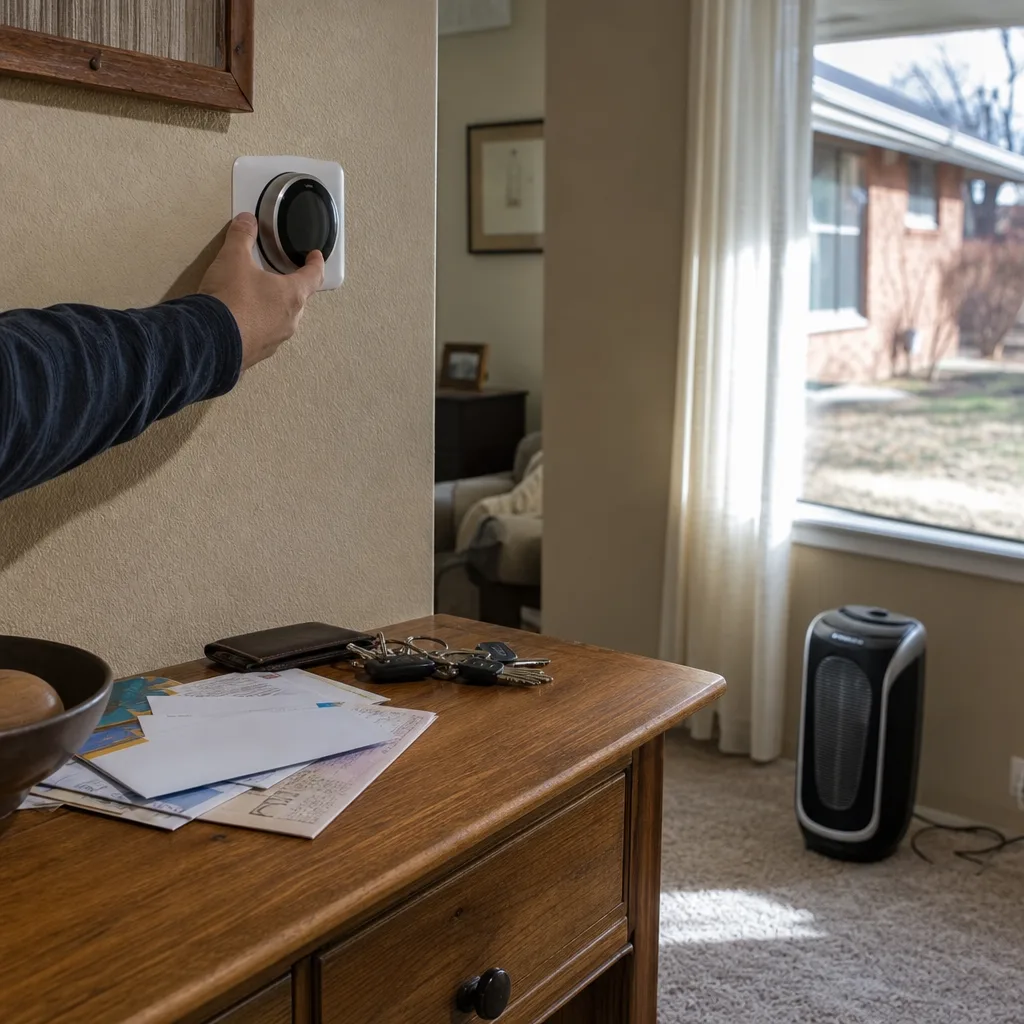
A few small things before the technician arrives can save time and get your heat back sooner:
- Clear a path to your furnace or air handler. If it’s in the attic, move anything stored under the pull-down ladder.
- Jot down what you noticed: when the problem started, what the system did, and any sounds or smells.
- If a light on the furnace is blinking, count the blinks or take a short video. That pattern can point straight to the problem.
- Know where your breaker panel and air filter are.
- Put pets in another room so the door can stay open.
- If you smelled burning or the breaker kept tripping, leave the system off. Don’t keep resetting it.
Once the technician is there, they’ll usually want to watch your system try to start. A gas furnace runs through the same steps every time. The thermostat calls for heat, a small fan clears the burner area, the ignitor glows, the burners light, the flame sensor confirms the flame, and then the blower pushes warm air through your vents. When something fails, the furnace stops at a certain step. Seeing where it stops is how a good technician finds the bad part instead of guessing and swapping parts until something works.
Before any repair starts, you’ll know the price. We use upfront flat-rate pricing that you approve first. There’s no meter running while the technician works. If they find something beyond the main repair, you’ll hear about it and see the separate quote before anything else gets done.
Then the part gets repaired or replaced. The standard replacement part, labor, testing, and cleanup are all part of the repair. When the work is done, the system gets tested through a full heating cycle, not just switched on for a few seconds.
Before the technician leaves, check a few things yourself. It’s your home, and you should feel sure the job is done right the first time:
- Hold your hand over a vent in a room that was cold. The air should feel clearly warm, not lukewarm.
- Ask which part failed and why. You should get a plain-English answer.
- Ask to see the old part if you’re curious. A cracked ignitor or a grimy flame sensor is easy to spot.
- Ask if anything else looked worn, so you’re not caught off guard on the next cold front.
That last question matters in Fort Worth. Your system may only run hard a handful of nights each winter, so it helps to know about a weak part now instead of finding out during the next cold snap.
Call 817-677-1907
Frequently Asked Questions
Common questions about Heating system repair
What is the $5,000 rule for HVAC systems?
The $5,000 rule is a simple way to decide between repair and replacement. Multiply the repair cost by the age of your furnace in years. If that number is above $5,000, replacement usually makes more sense than repair. Most heating repairs fall well under that line because they’re a single worn part, not a major component failure.
How much should I expect to pay just to have someone come look at my furnace?
A service-call fee covers the trip and the diagnosis, and it’s standard across the heating repair industry. With Xtreme Air Services, that fee is $26-$99, and it gets credited toward the repair if you move forward with us. Ask any company you call whether their fee applies to the job, since some keep it no matter what.
Is it worth calling a technician for a minor heating problem, or should I wait?
Call as soon as you notice a real problem, since short cycling and weak airflow usually get worse, not better. A light dusty smell the first time you run your heat each fall is normal and fades within a day. If a problem shows up on a mild afternoon, that’s the best time to get it checked, before a cold front pushes your system into overdrive overnight.
Ready to Get Started?
Call (817) 677-1907 Today, Get Service Today.