


Heat Pump Installation in Fort Worth: Is It the Right Call for Your Home?
Heat pumps that cool in summer and heat in winter, sized for Fort Worth's mixed climate and installed to spec.
What’s Covered on This Page
- How Fort Worth’s Climate Affects Your Heat Pump Decision
- Signs It’s Time to Replace Instead of Repair
- When You Don’t Need a Full Heat Pump Installation
- What a Proper Installation Checks Before Any Equipment Goes In
- What Happens on Installation Day
- What is the downside of having a heat pump in Fort Worth?
- How much outdoor space does a heat pump need?
- Is there a most reliable heat pump brand for Fort Worth homes?
How Fort Worth’s Climate Affects Your Heat Pump Decision
Your heat pump is one machine that does two jobs. In summer it pulls heat out of your house. In winter it runs the other way and pulls heat in. In Fort Worth, the summer job is the big one. Long stretches of triple-digit days mean your system may run for hours at a time from late spring into fall.
That’s why the cooling rating deserves most of your attention. SEER2 is the number that tells you how much cooling you get for each dollar of electricity. A higher SEER2 usually costs more up front, but it can lower your bill every summer month, and Fort Worth has a lot of those.
Winter is a different story. On most winter days here, a heat pump heats your home well and uses less power than plain electric heat. HSPF2 is the heating version of that efficiency number. But as it gets colder outside, a heat pump puts out less heat and has to stop now and then to defrost its outdoor coil. When a hard freeze settles in for a few days, it needs help.
So before you pick a system, decide how you want to handle the coldest nights. Here are the common options:
- Electric heat strips: coils inside the indoor unit that kick on when the heat pump can’t keep up. They’re simple, but they draw a lot of power, so your electrical panel may need a look first.
- Dual fuel: a heat pump paired with a gas furnace. The heat pump handles mild days, and the furnace takes over in deep cold. This can make sense if you already have gas.
- Variable-speed heat pumps: these adjust their output in small steps instead of just on or off, which helps them hold heat better as temperatures drop.
Humidity is the other half of Fort Worth comfort. A house can hit 74 degrees and still feel sticky. Variable-speed systems tend to run longer at a lower speed, which gives them more time to pull moisture out of the air. If your home always feels a little damp in summer, that’s worth bringing up.
Size matters more than most people think. A unit that’s too big cools the house fast, shuts off, and leaves the air clammy. A unit that’s too small runs nonstop on the worst days and still falls behind. The fix is a cooling load calculation, which looks at your square footage, insulation, windows, and which way your home faces. Ask for one instead of matching the size of your old unit.
Last, think about where the equipment lives. North Texas clay soil swells when it’s wet and shrinks when it’s dry, which can tip an outdoor pad over time. A heat pump should sit level so defrost water drains away and doesn’t freeze around the base. Spring hail can also bend the fins on the outdoor coil. Many Fort Worth homes, from older ranch houses to newer subdivisions, keep the indoor unit in a hot attic. The condition of those attic ducts can make or break how well your new system performs.
Signs It’s Time to Replace Instead of Repair
Not every breakdown means you need a new system. Sometimes one part fails and the rest of the unit has years left. Other times the repair bills keep coming, and you’re putting money into a system that won’t give it back. Here’s how to tell which one you’re dealing with.
These signs point toward replacement:
- Repairs keep stacking up. One service call a year is normal. A new problem every few months usually means the whole system is wearing out, not just one part.
- A big part fails on an older system. When the compressor or the outdoor coil goes on a unit that’s already up in years, the repair can cost a large share of a new install. That money often makes more sense put toward new equipment.
- Your system uses R-22 refrigerant. This older refrigerant isn’t made anymore, so recharging it gets harder and more expensive every year. If your system leaks R-22, a repair is often a short-term patch.
- Your summer bills keep climbing. Older units lose efficiency over time. Because a Fort Worth system runs for hours on end from late spring into fall, a tired unit costs you more each month.
- The house never feels right. Some rooms stay hot, the air feels damp, or the system runs and runs on the worst days. That can point to a unit that was sized wrong from the start, which a repair won’t fix.
- You’re relying on backup heat more than you should. If your heat strips seem to run all winter, even on mild days, your heat pump may not be pulling its weight anymore.
Now the other side. Repair is usually the better choice when your system is fairly young, it’s been reliable until now, and the problem is a single part. A bad capacitor, a worn fan motor, a clogged drain line, or a thermostat issue can all be fixed without replacing anything big. If that’s your situation, fix it and keep your money. A new system isn’t worth buying just because it’s newer.
It also pays to check the simple stuff before you call anyone. A dirty air filter, a tripped breaker, or a thermostat set to the wrong mode can make a healthy system act broken. Swap the filter and check the breaker first. You might save yourself a visit.
If you’re still not sure, a diagnosis gives you a real answer instead of a guess. Our service-call fee is $26-$99, and it’s credited toward the repair if you go ahead with Xtreme Air Services. A good technician should show you what failed, tell you what the repair costs, and explain plainly whether that repair is worth it on a system your age. With upfront flat-rate pricing, you’ll see the number before any work starts, so you can make the call that’s right for your home and your budget.
A simple rule helps: if the repair would cost a big chunk of a new system and your unit is already near the end of its life, replacement usually wins. If the fix is small and the system is solid, repair it and move on.
When You Don’t Need a Full Heat Pump Installation
A new heat pump is a big purchase, and it isn’t always the right fix. A lot of comfort problems come from the things around your system, not the system itself. If your equipment runs fine and isn’t old, one of these smaller jobs may fix what’s bugging you for a lot less money.
- Only one room is the problem. A converted garage, a sunroom, or a new addition that never gets comfortable usually doesn’t call for a whole new system. A ductless mini-split can heat and cool that one space on its own, so you don’t stretch your main system past the size it was built for.
- The air leaks out before it reaches you. If your vents feel weak and your attic ducts are old, torn, or pulled apart at the joints, you may be cooling your attic instead of your living room. Duct sealing or duct repair can bring that airflow back. A brand-new unit pushing air through the same leaky ducts would lose it all the same.
- Upstairs and downstairs never match. In a two-story home where one floor bakes all summer, the fix may be a zoning system. Zoning gives each area its own thermostat, so you don’t need bigger equipment to get the upstairs comfortable.
- The house feels sticky, but the temperature is fine. If your system holds the setting and the air still feels damp, a whole-home dehumidifier can pull out that extra moisture without touching your heat pump.
- Your furnace is solid and only the cooling side died. If you have a gas furnace in good shape, you may not need to replace everything. A technician can check whether a new heat pump can pair with the furnace you already have. That’s the dual fuel setup covered above, and it lets you keep the parts that still work.
- You’re moving soon. If you plan to sell in the next year or so and your system still runs, a reasonable repair may be the better use of your money than a full install you won’t live with for long.
Sometimes the honest answer is simply “not yet.” If your system still cools and heats, and it’s spring or fall, you don’t have to rush. Mild weather gives you time to get a proper load calculation, compare a couple of options, and choose the right system on your own schedule. Waiting for your system to quit on a 105-degree afternoon leaves you choosing fast. Rushed choices are how people end up with the wrong size or features they didn’t need.
There’s also no reason to replace a heat pump just because a newer model has a higher efficiency rating. If yours is working, keeping you comfortable, and your bills haven’t jumped, it’s doing its job. Let it keep going.
If one of these fits your home, start there. A full heat pump installation should solve a problem nothing smaller can. When a repair, a duct fix, or a single-room unit will do the job, that’s the smarter money, and a good contractor should tell you so.
Need help with Heat pump installation?
Call Today, Get Service Today. Xtreme Air Services — Fort Worth is ready to help.
What a Proper Installation Checks Before Any Equipment Goes In
The heat pump is only half the job. The other half is everything it connects to: your ducts, your wiring, your drain line, and your thermostat. Skip those, and a brand-new system can run worse than the old one. Here’s what should get a close look before anything new is set in place.
- Your ducts. Beyond the load calculation covered above, someone should check whether your ducts can carry the air the new system needs. Ducts that are too small, crushed, or leaking in a hot attic can make a new unit noisy, starve rooms of air, and shorten its life. A good installer tells you what shape they’re in before you buy.
- Your electrical service. A heat pump needs the right breaker, the right wire size, and a disconnect switch near the outdoor unit. If you’re adding heat strips, the panel question from earlier comes into play here. It’s far better to find a problem now than on the first cold night.
- The refrigerant lines. These copper lines run between the indoor and outdoor units. If your old system used R-22, those lines may be the wrong size or carry leftover oil. They need to be checked and cleaned out or replaced, because a new refrigerant pushed through bad lines can cause trouble down the road.
- A matched indoor and outdoor unit. A heat pump’s efficiency rating assumes the outdoor unit is paired with a matching indoor coil. Bolting a new outdoor unit to an old coil can quietly cost you the SEER2 rating you paid for.
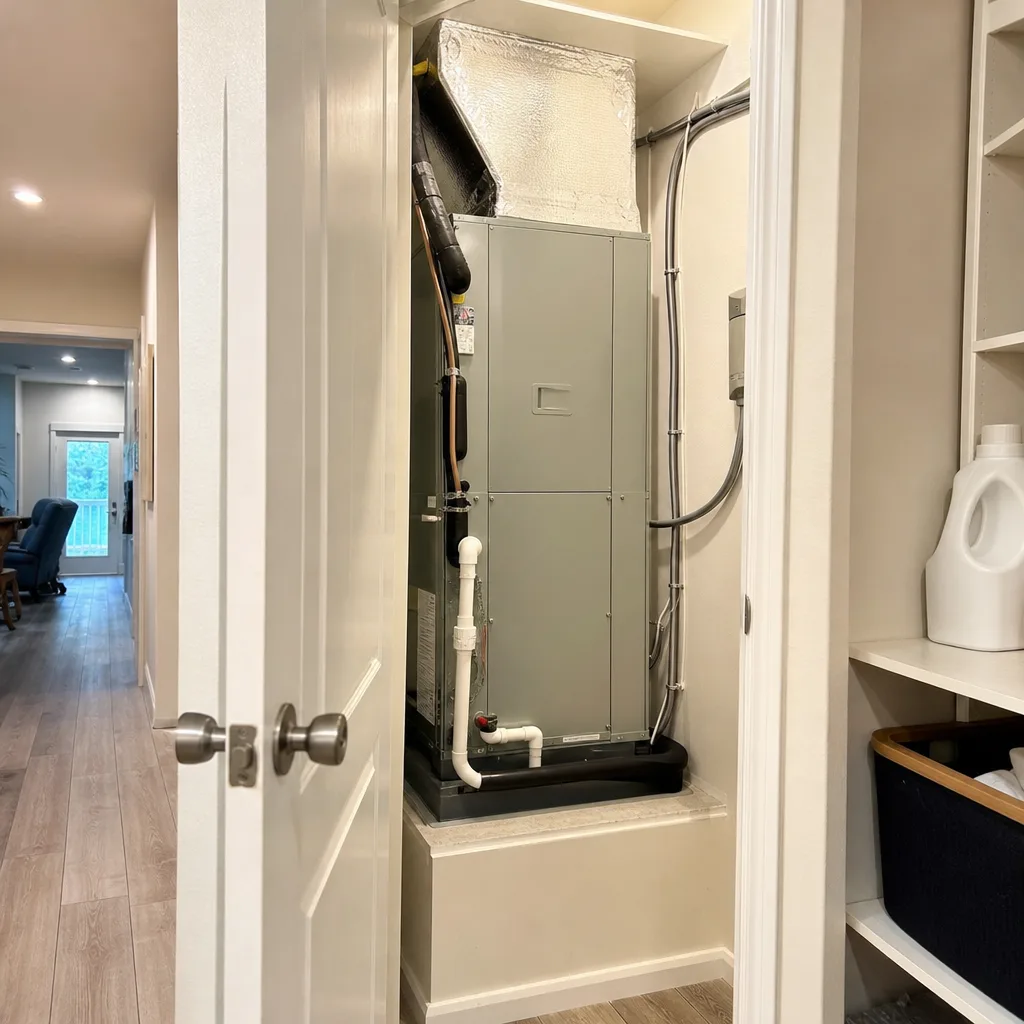
- The condensate drain. When your indoor unit sits in the attic, over your ceilings, it makes water all summer long. A clear drain line, a drain pan under the unit, and a safety switch that shuts things off if water backs up all help keep a clogged line from turning into a stained ceiling.
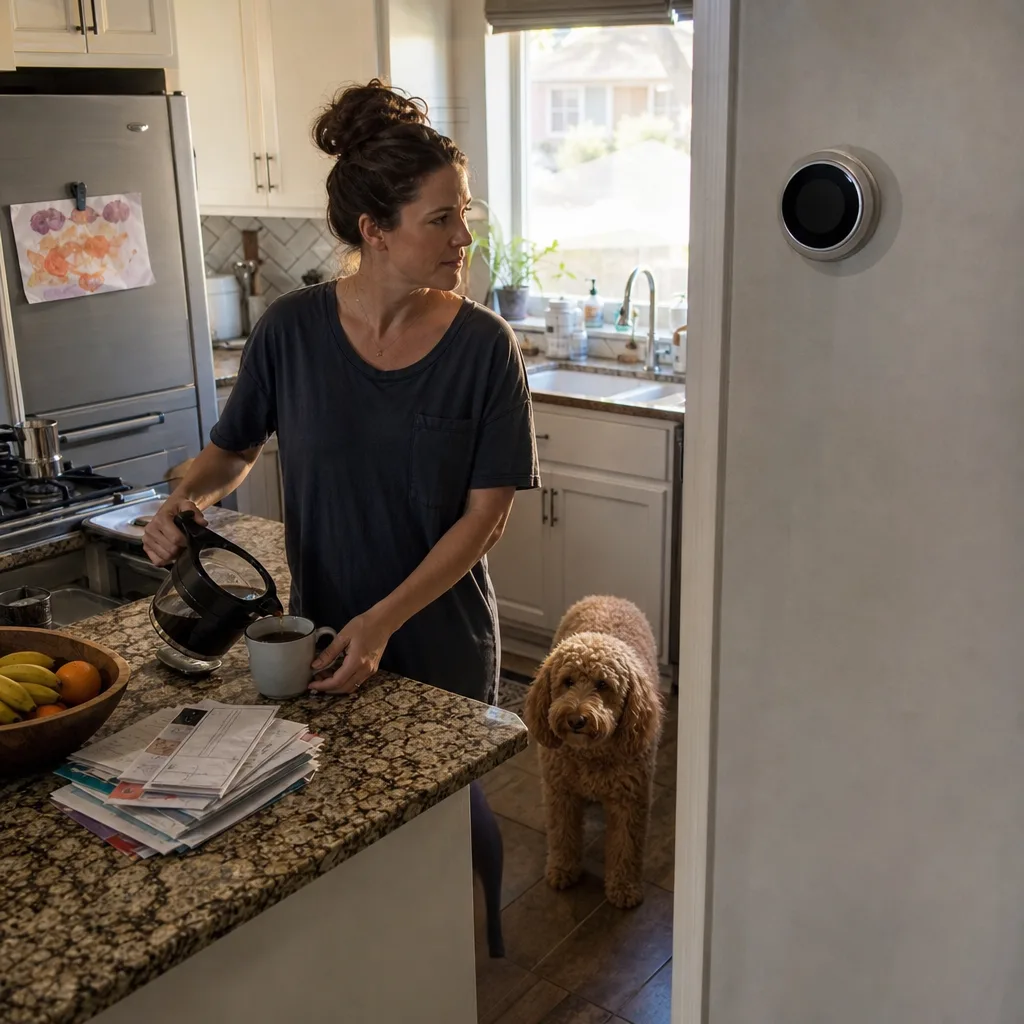
- Your thermostat. A heat pump needs a thermostat that knows how to run it, including switching between heating and cooling and bringing on backup heat only when it’s truly needed. An old cooling-only thermostat often won’t do it. A wrong setup can leave your heat strips running when they don’t need to.
- The outdoor spot. Beyond keeping the pad level on clay soil, the unit needs room to breathe. Fences, shrubs, and dryer vents too close to the coil all hurt performance.
These checks also protect your wallet. A standard installation covers equipment and materials, professional installation, standard connections, startup and testing, and haul-away of your old unit. Duct, electrical, and plumbing changes, code corrections, and permits aren’t included unless they’re stated. So when problems with the ducts or wiring get found up front, they show up in your quote, not as a surprise halfway through the job.
Before you sign with anyone, ask three plain questions. Did you check my ducts and electrical, and what did you find? Are the indoor and outdoor units a matched pair? Who’s pulling the permit? A contractor who’s done the homework will answer all three without hesitating. If you get a shrug, or a price before anyone has looked in your attic, that tells you something too.
Watch Our Video
See How We Handle Heat pump installation in Fort Worth
Xtreme Air Services — Fort Worth
What Happens on Installation Day
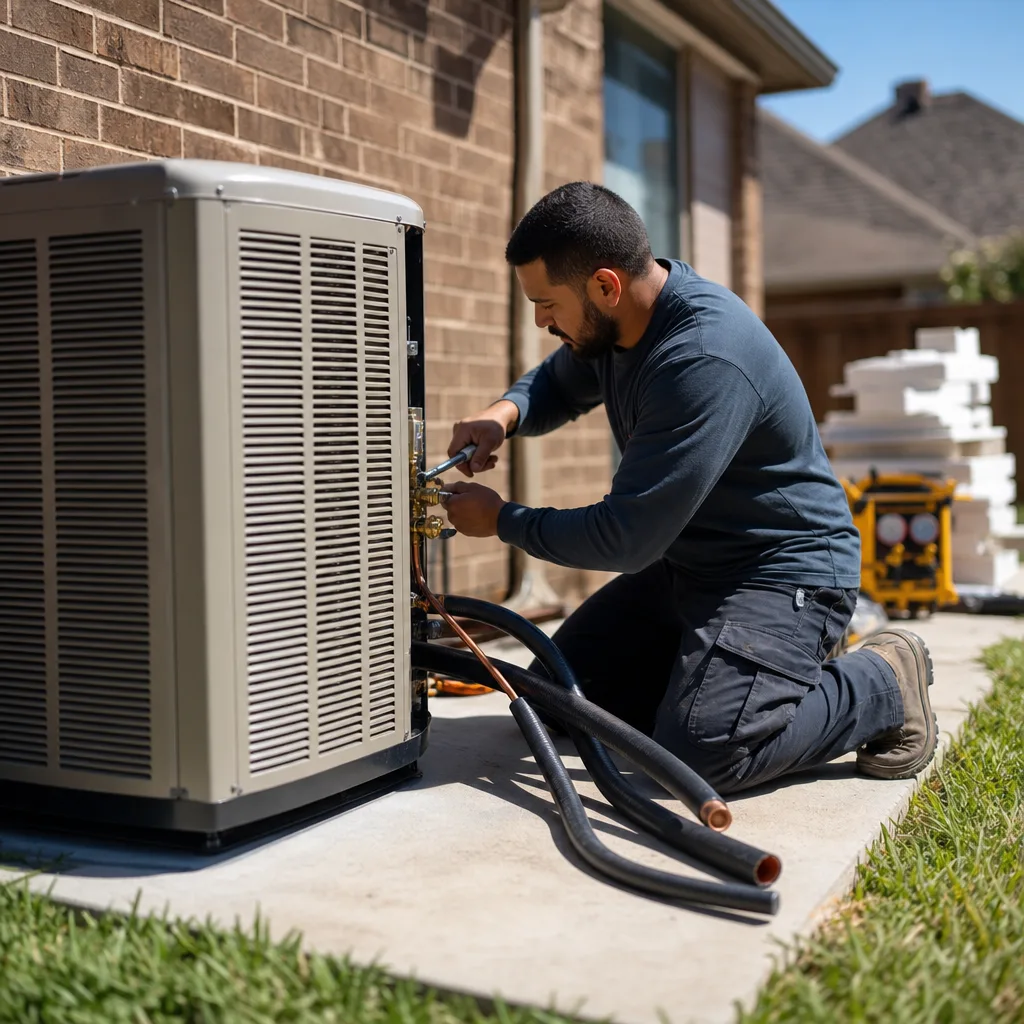
A standard like-for-like swap, using your existing connections with no major changes, often wraps up in a day. Jobs with duct, electrical, or line set changes can take longer. Either way, the work happens in your yard, your attic, and wherever your thermostat hangs. You don’t need to stay home and watch, but it helps to be around at the start and the end.
Here’s how a careful installation usually goes, step by step:
- Protect your home. Floors get covered along the path to the attic, and power to the system gets shut off at the breaker and the outdoor disconnect.
- Remove the old refrigerant the right way. It should be pumped out with recovery equipment, not vented into the air. Releasing it is against federal rules, and only certified technicians are allowed to handle it.
- Take out the old equipment. The outdoor unit comes off its pad, and the old indoor coil or air handler comes out of the attic. Haul-away of the old unit is part of a standard installation, so it won’t be left by your curb.
- Set the new units. The outdoor unit goes on a level pad with room to breathe. The matched indoor unit goes in the attic with its drain pan and safety switch.
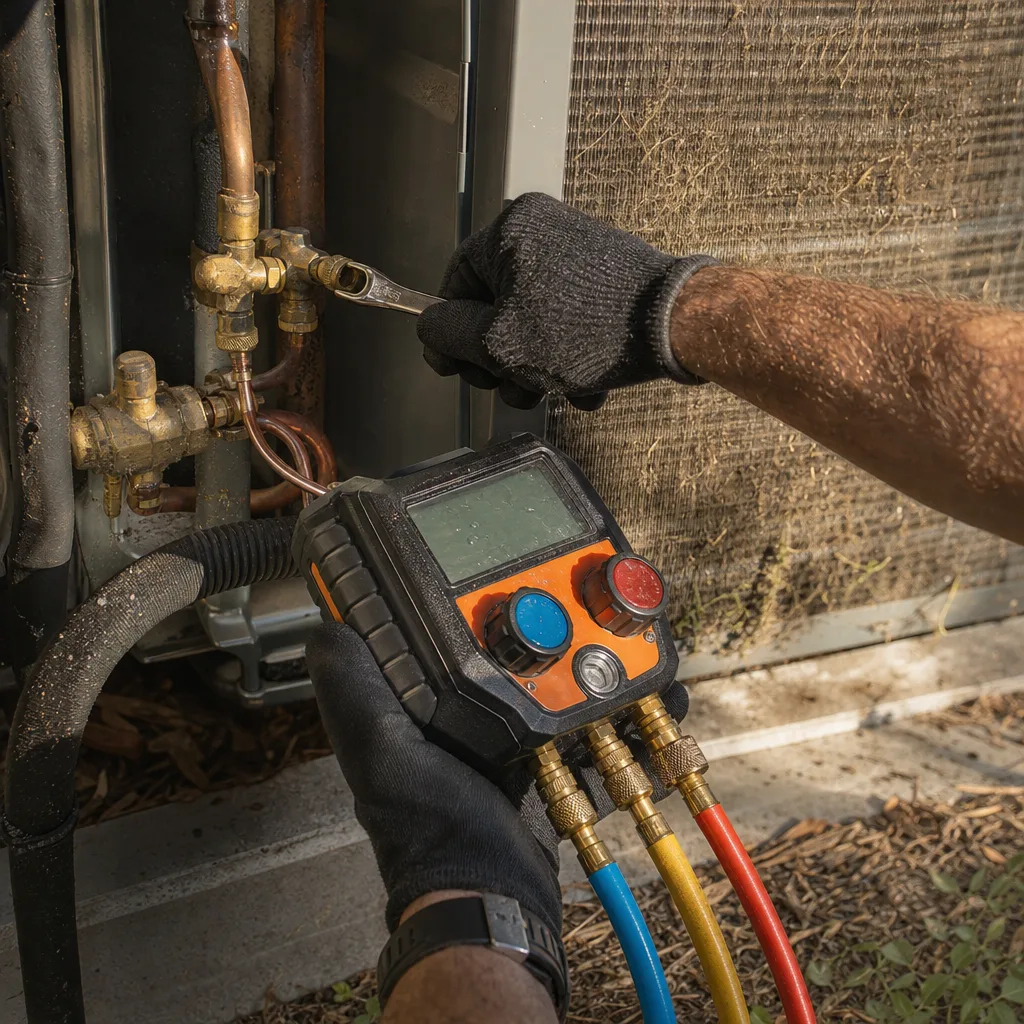
- Connect the refrigerant lines. The copper joints get brazed, which is a kind of high-heat soldering. A good tech runs nitrogen through the lines while brazing so scale doesn’t form inside the pipe.
- Pressure test and pull a vacuum. The lines get pressurized to check for leaks. Then a vacuum pump pulls out air and moisture. Moisture left inside can damage a new compressor, so this step shouldn’t be rushed.
- Wire it and set the thermostat. The outdoor unit, indoor unit, backup heat, and thermostat all get connected and programmed to work together.
The last hour matters most. Startup and testing are part of a standard installation, and this is where a crew proves the system works instead of just flipping it on. Your heat pump should be run in cooling mode and in heating mode. The tech should check the refrigerant charge against the manufacturer’s specs, measure the temperature of the air at the vents, and confirm that backup heat comes on only when it should. They should also check that the drain carries water away.
On a 100-degree July day, the attic can get brutally hot, and that’s when corners get cut. A vacuum that’s stopped early or a charge that’s set by guesswork won’t show up on day one. It shows up months later as a weak system or a failed part. So it’s fair to ask your installer what readings they took and what they found.
Before the crew leaves, someone should walk you through the new thermostat. Ask how to switch modes, what “aux” or “emergency heat” means on the screen, and where your new filter goes and what size it takes. If a permit was pulled, ask when the city inspection will happen and whether you need to be home for it.
When the day is done right, the only signs anyone was there should be a new unit outside, a cooler house, and a thermostat you know how to use.
Frequently Asked Questions
Common questions about Heat pump installation
What is the downside of having a heat pump in Fort Worth?
The main downside is backup heat during hard freezes, since a heat pump alone loses output as temperatures drop. Fort Worth only sees a handful of these cold snaps each winter, so most homeowners pair the system with heat strips or a gas furnace for those few nights. The rest of the year, a heat pump handles both heating and cooling well, which is why it still makes sense here.
How much outdoor space does a heat pump need?
Your outdoor unit needs clear space on all sides so air can flow through the coil properly. Keep fences, shrubs, and dryer vents a few feet back from the unit, and make sure it sits on a level pad. North Texas clay soil shifts with wet and dry seasons, so a pad that starts level can tilt over time if it isn’t set up right.
Is there a most reliable heat pump brand for Fort Worth homes?
Reliability depends more on correct sizing and installation than on brand alone. A well-matched, properly installed system from a reputable manufacturer will outlast a mismatched or poorly set up unit from any brand. What matters most is a proper load calculation, a matched indoor and outdoor unit, and correct startup testing, all of which affect how long any heat pump lasts in our climate.
Ready to Get Started?
Call (817) 677-1907 Today, Get Service Today.