


Boiler Installation in Frisco: Is It the Right Call for Your Building?
Boiler installs for buildings that heat with water, with what's included and what drives the cost explained.
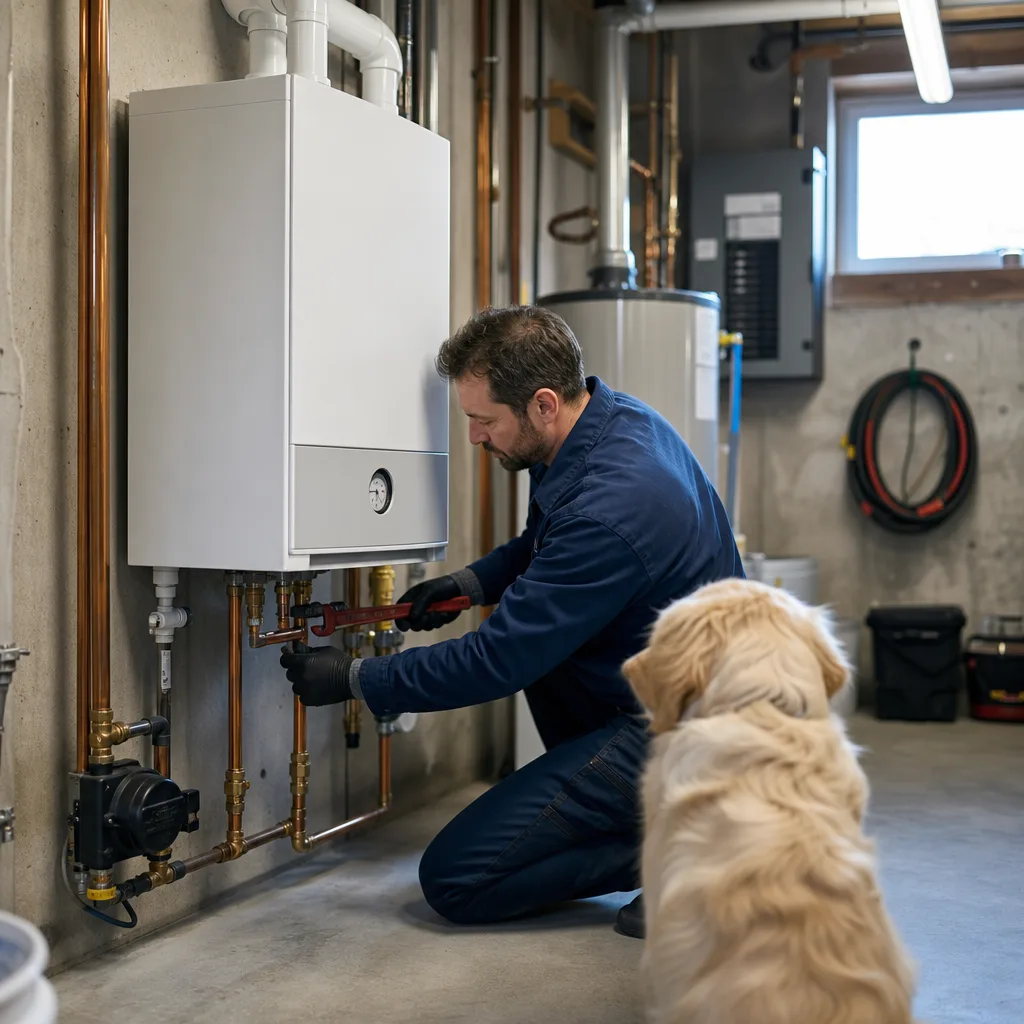
What’s Covered on This Page
- Who Needs a New Boiler in a Forced-Air Market
- Boiler vs. Furnace: Confirming You Need the Right System
- What a Professional Boiler Installation Includes
- What Drives Boiler Installation Cost Up or Down
- Licensing and Permits for Mechanical Work in Frisco
- Can a boiler and a water heater be the same thing?
- How long does a boiler usually last before it needs replacing instead of repairing?
- Do I need a permit just to swap out an old boiler for a new one?
Who Needs a New Boiler in a Forced-Air Market
Most homes around Frisco heat with forced air. A furnace or heat pump warms the air, and a blower pushes it through ducts and out your vents. A boiler works a different way. It heats water and sends it through pipes to baseboards, radiators, or tubing under your floors. So the first question isn’t which boiler to buy. It’s whether you need one at all.
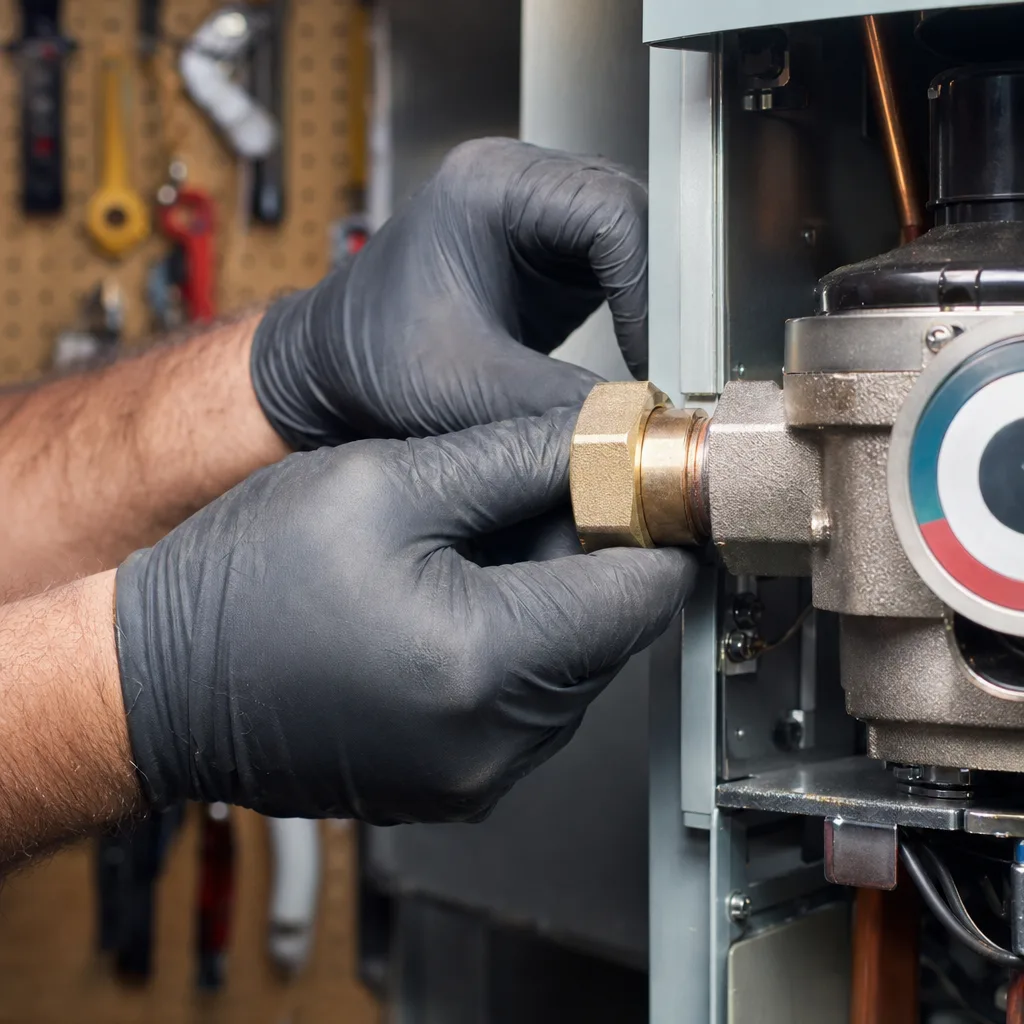
Here’s who a boiler installation is really for:
- You already have a boiler and it’s failing. The pipes, baseboards, or floor loops are already in place, so swapping out the boiler is the natural move.
- You want radiant floor heat. Warm water running under tile or concrete gives quiet, even heat with no blowing air. Some people choose it for a new build, an addition, or a big remodel.
- You run a commercial building with a hot-water heating loop. Offices, schools, and other larger buildings often heat this way, and the boiler is the heart of that system.
- Your boiler keeps needing repairs. When you’re calling for service again and again, or the repair quote starts to rival the cost of new equipment, replacing it usually makes more sense.
Some signs point to a boiler that’s near the end. Water pools around the base. Some rooms stay cold while others are fine. You hear banging or gurgling in the pipes. The pressure won’t hold steady. Or your gas bill keeps climbing while you’re no less cold. Any one of these is worth a look. Several at once is a good reason to start planning.
Now the other side. If your home has vents in the floors or ceilings and a furnace in the attic or a closet, you don’t need a boiler. Adding one would mean running new pipes and putting in new heat emitters across the whole house. That’s a big project, and it won’t get you more comfort than a well-sized furnace or heat pump. In that case, look at furnace replacement or heat pump installation instead.
You also may not need a new boiler if yours is still in good shape. A bad pump, a worn valve, or a faulty control can often be fixed without replacing the whole unit. If that’s your situation, boiler repair is the honest place to start, and we’ll tell you so.
Here’s a quick example. Say you’ve got a home with radiant floors, and one zone has gone cold while the boiler runs nonstop. That might be a single failed part, or it might be a tired boiler that can’t keep up anymore. A licensed technician can check the system and tell you which one it is before you spend a dollar on new equipment.
Getting this choice right up front matters more than any brand or model. A new boiler belongs in a building that’s built for hot-water heat. Everywhere else, the smart money goes toward the system your home already uses.
Boiler vs. Furnace: Confirming You Need the Right System
You can usually confirm what you have in about five minutes. Walk your home, find the heating equipment, and look for a few clues. Here’s what to check so you know you’re asking for the right job.
Start with the rooms. Look at how the heat gets in.
- Metal grilles in the floor, walls, or ceiling mean you have forced air. A furnace or heat pump is doing the work.
- Low metal baseboards along the walls, or old-style radiators, mean you have hot-water heat. That’s a boiler system.
- Floors that feel warm with no vents anywhere could mean radiant tubing fed by a boiler. Check the next clue before you decide.
Next, find the equipment. In a lot of Frisco homes it’s up in the attic, in a closet, or in the garage. A furnace has a filter slot and connects to large metal ducts. A boiler connects to pipes, not ducts. You’ll usually see a pressure gauge, a small pump on the piping, and a round tank that holds extra water as it heats and expands.
Don’t mistake your water heater for a boiler. A standard tank water heater makes hot water for your showers and sinks. It doesn’t heat your rooms. Some homes have a combi boiler, which handles both jobs in one wall-hung unit. If your heat and your hot water both quit at the same moment, a combi unit may be the reason.
Warm floors can fool you too. A heated bathroom floor is often an electric mat under the tile, not a water system. If you can’t find any pipes or a pump feeding it, you don’t need a boiler to fix it.
Then think about summer. A boiler only heats. It doesn’t cool your home at all. In North Texas, your air conditioning works far harder and far longer than your heat does. So if you’re choosing a boiler for radiant floors in a new build or addition, plan your cooling at the same time. Homes with hot-water heat often pair it with ductless mini-splits or a separate duct system for AC. Leaving that out of the plan is how people end up with warm floors and a hot house all summer.
Some homes run both. You might have a furnace for most of the house and a small boiler feeding radiant floors in one wing or an addition. In that case you’re only replacing the piece that failed. You’re not redoing the whole house.
Commercial buildings get the same check. Many offices and shops here heat and cool with rooftop units, not a hot-water loop. If your building has big boxes on the roof and ducts overhead, you likely need rooftop unit service, not a new boiler.
Before you call, snap a few photos. Get the whole unit, the piping or ducts around it, and the data plate, which is the label with the model and serial number. Those photos let a licensed technician tell you right away whether you’re looking at a boiler swap, a repair, or a different system entirely. That way the first visit is spent on your real problem, not on figuring out what’s in the closet.
What a Professional Boiler Installation Includes
A real boiler installation is more than unbolting the old unit and setting a new one in its place. The boiler is only as good as the sizing, piping, venting, and startup around it. Here’s what a complete job should cover, so you can read any quote with confidence.
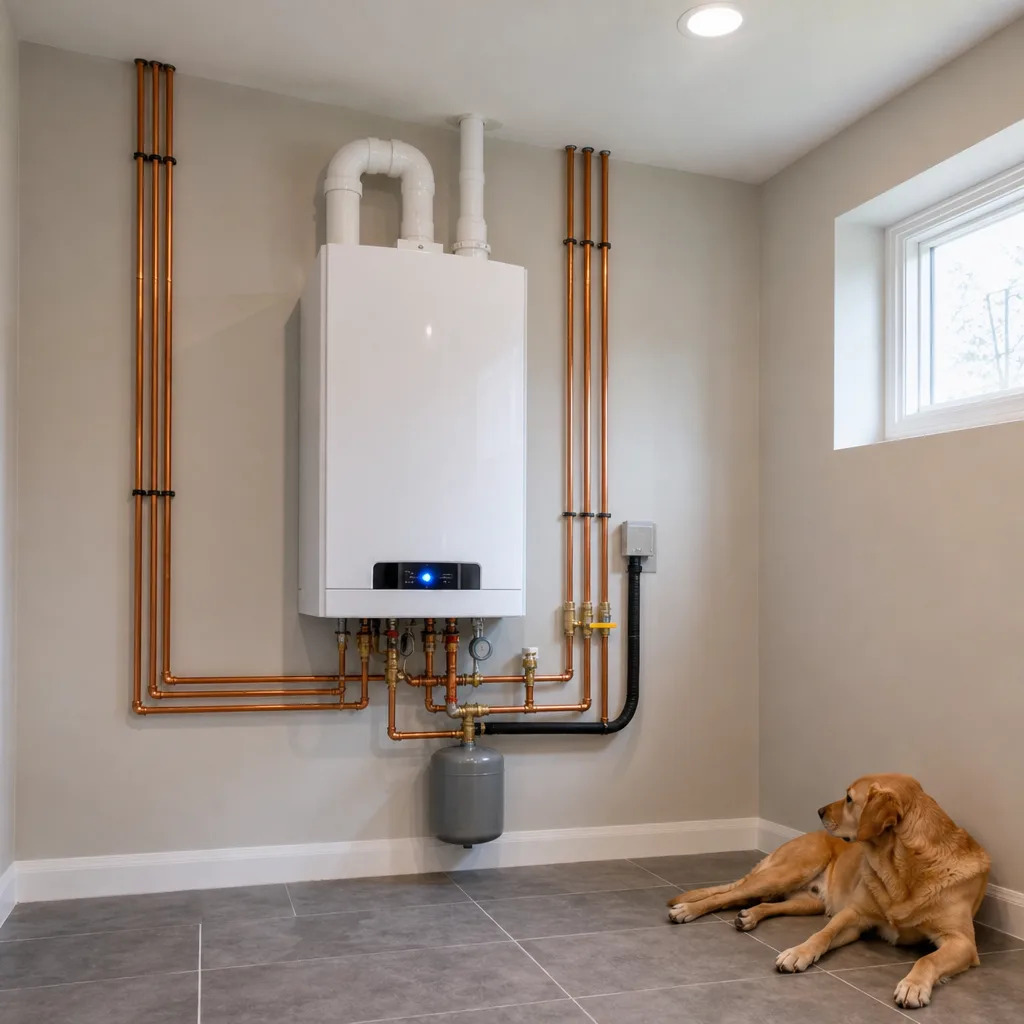
It starts with sizing. A good installer figures out how much heat your home or building loses on a cold night, instead of just matching the number on the old boiler. Many older boilers were oversized from day one. A boiler that’s too big turns on and off in short bursts. That wastes gas and wears out parts faster. One that’s too small runs nonstop on the coldest nights in a North Texas freeze and still leaves rooms chilly. Getting the size right is where comfort and efficiency come from.
From there, a full installation should handle each of these pieces:
- Removing the old boiler and hauling it away, so you aren’t left with a heavy unit in your garage.
- Setting the new boiler and connecting it to your existing heating pipes, gas line, and water supply.
- Venting it safely, so exhaust gases leave your home the way the manufacturer requires.
- Checking the parts around the boiler, like the circulator pump, the expansion tank, and the pressure relief valve, and replacing any that won’t hold up.
- Filling the system, bleeding out trapped air, and bringing it up to the correct pressure.
- Starting it up and testing it, including firing the burner, checking that every zone heats, and confirming the controls and thermostat respond.
That last step is the one that gets rushed most often, and it matters the most. A boiler that fires once isn’t the same as a boiler that’s been tested. Startup is where you find out that a zone valve sticks, there’s air in a floor loop, or the venting isn’t drawing right. Those problems are easy to fix on install day and frustrating to chase a week later.
Here’s how our quotes break down. When Xtreme Air Services installs a boiler, the price includes the equipment and materials, professional installation, standard connections, startup and testing, and haul-away of the old unit. Our most common job is a like-for-like boiler installation that uses your existing connections with no major changes, and it typically runs $8,800 to $14,500.
That last point is worth asking any installer about. If two bids look far apart, one of them may be leaving out venting updates, a new expansion tank, or the permit. Ask each company to put in writing what’s included and what isn’t. You want to compare the same job, not just the same boiler.
Our licensed and insured technicians work under HVAC License #TACLA29023C, and financing is available on qualifying installations, on approved credit. That way a failing boiler doesn’t have to wait for the perfect month in your budget.
Have questions? We’re happy to help.
Call Today, Get Service Today. Xtreme Air Services — Frisco is ready to help.
What Drives Boiler Installation Cost Up or Down
Boiler installations from Xtreme Air Services typically run $6,000 to $20,000. That’s a wide range, and it’s fair to ask why. The short answer is that no two heating systems are set up the same way. A simple like-for-like swap sits near the lower end. A job that needs new venting, piping changes, or code updates moves up from there.
Here’s what pushes your price one way or the other.
- Size and capacity. A bigger building needs a boiler that puts out more heat, and bigger boilers cost more. This is one more reason the sizing step matters. You don’t want to pay extra for a boiler that’s larger than your home needs.
- Efficiency. Boilers are rated by AFUE. It tells you how much of the gas you pay for turns into heat for your home. A higher-efficiency boiler costs more up front but uses less fuel each winter.
- Brand and model. Different models come with different features and controls. That changes the equipment cost.
- Ease of access. A boiler in an open garage is quicker to swap than one in a tight closet or a hard-to-reach mechanical room. More time and labor to get the old unit out and the new one in means a higher price.
- Condition of your existing system. If the pipes, wiring, or gas line around your boiler are in good shape, the install stays simple. If they’re worn, leaking, or undersized, they may need work first.
- Code upgrades and permits. An older boiler may have been put in under rules that don’t match today’s requirements. Bringing the setup up to code adds cost, and so does the permit.
- Custom fabrication. Some jobs need piping or venting built to fit the space. That takes extra time and materials.
Efficiency can also change the venting. A high-efficiency boiler often vents differently than an older one. It also makes a little water as it runs, so that water needs a drain. If you’re moving from an older boiler to a high-efficiency model, ask your installer whether your quote covers new venting and a drain line. That one detail can explain a big gap between two bids.
Commercial jobs cost more. Office buildings, schools, and other larger spaces need bigger equipment, more piping, and more controls. So expect a commercial boiler quote to land higher than a home install.
Then there’s the first visit. We charge a $26 to $99 service-call fee to come out and look at your system. If you go ahead with Xtreme Air Services, that fee is credited toward the work. So you’re not paying twice just to find out what you need.
What you won’t get is a number that changes once the work starts. We use upfront flat-rate pricing. You see and approve the price before we touch anything. If something like a worn pipe or a code issue turns up during the check, we’ll tell you what it is, why it matters, and what it costs. Then you decide.
Watch Our Video
See How We Handle Boiler installation in Frisco
Xtreme Air Services — Frisco
Licensing and Permits for Mechanical Work in Frisco
A boiler burns gas, holds hot water under pressure, and sends exhaust out of your home. That’s why Texas doesn’t let just anyone put one in. Before you hire, make sure the person doing the work holds the right license and plans to pull a permit.
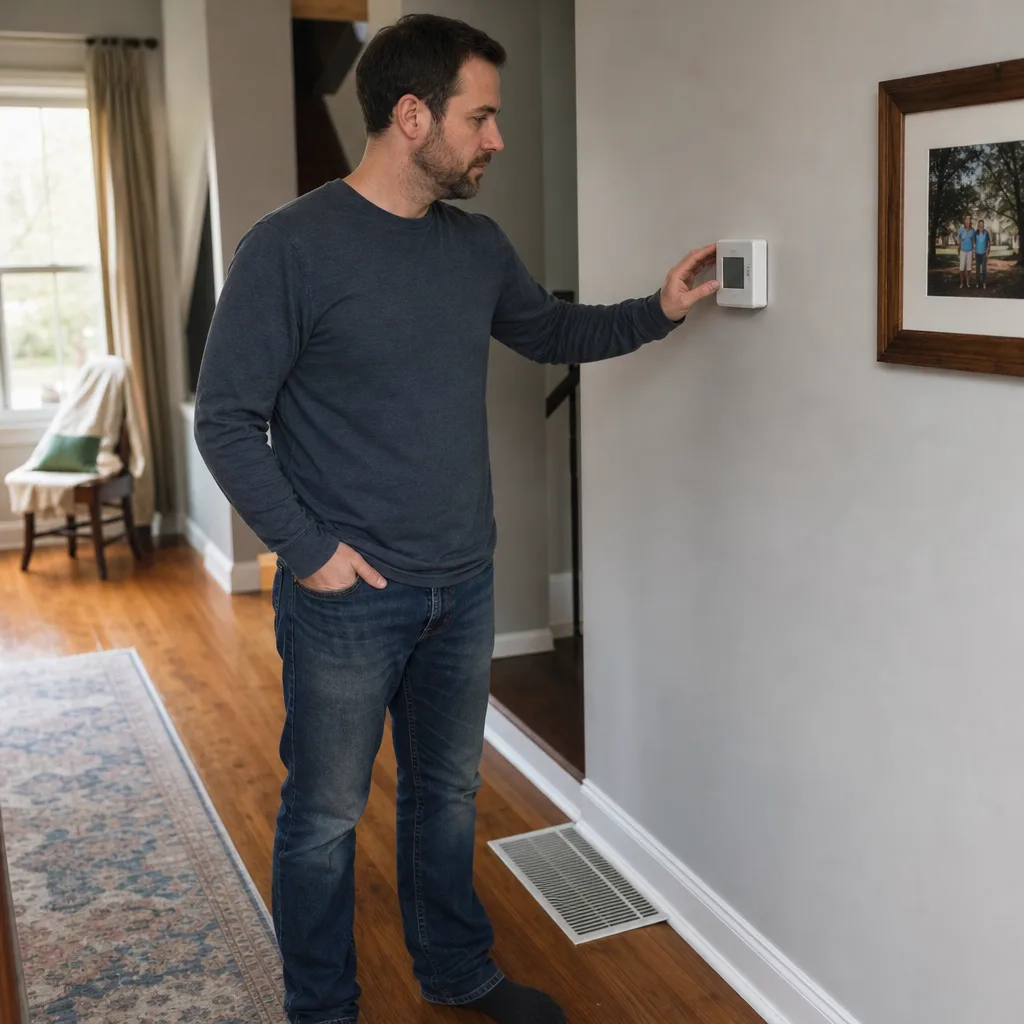
In Texas, heating and air conditioning contractors are licensed by the Texas Department of Licensing and Regulation, known as TDLR. A boiler job also touches gas piping and water lines, and that work belongs to a licensed plumber. So a complete boiler installation often needs more than one trade working under a license. Our HVAC work is done under HVAC License #TACLA29023C, and because we handle HVAC, plumbing, and electrical under one roof, you aren’t stuck lining up three different companies for one boiler.
Then there’s the permit. Like most North Texas cities, Frisco expects a permit when heating equipment, gas lines, or venting are replaced. After the work is done, a city inspector checks it. That visit isn’t red tape for its own sake. The inspector looks at the things you can’t easily check yourself:
- Whether the gas connection is tight and properly sized
- Whether the venting carries exhaust safely out of the building
- Whether the pressure relief valve is in place and piped where it should be
- Whether the boiler has the clearance and combustion air it needs
A permit also protects you later. If you sell your home, a buyer’s inspector may ask whether the boiler was installed with a permit. An unpermitted install can slow down a sale or raise questions with your insurance company after a problem. A permit on file shows the work was checked.
Commercial buildings carry one more layer. Texas runs a state boiler inspection program through TDLR, and many boilers in offices, schools, and other public buildings fall under it, with their own inspection rules. Most single-family home boilers don’t. If you manage a commercial property, ask your installer up front how they’ll handle both the city permit and any state boiler requirements.
Here’s how to protect yourself with any contractor, us included:
- Ask for their license number and look it up on the TDLR website. It takes about a minute.
- Ask who pulls the permit. It should be the contractor, not you.
- Ask whether the permit is in the quote or listed as a separate cost, so you can compare bids fairly.
- Be careful with anyone who offers a lower price for skipping the permit. That savings disappears fast if the job fails inspection later.
You should never have to wonder whether your boiler was put in the right way. Our licensed and insured technicians are background-checked and drug-tested, and you’ll know the full upfront flat-rate price before any work starts.
Call 469-490-3595
Frequently Asked Questions
Common questions about Boiler installation
Can a boiler and a water heater be the same thing?
No, a standard tank water heater and a boiler do different jobs. A water heater only makes hot water for showers and sinks. A boiler heats your rooms through pipes to baseboards, radiators, or floor tubing. Some homes use a combi boiler, which handles both jobs in one wall-hung unit, so if your heat and hot water both fail together, that could be the reason.
How long does a boiler usually last before it needs replacing instead of repairing?
There’s no fixed number, but repeated repairs are the real signal. If you’re calling for service again and again, or a repair quote starts to rival the cost of a new unit, replacement usually makes more sense. Watch for water pooling at the base, uneven heat between rooms, banging pipes, or pressure that won’t hold steady. Any one of those is worth a look, and several together is a good reason to start planning a replacement.
Do I need a permit just to swap out an old boiler for a new one?
Yes, Frisco expects a permit whenever heating equipment, gas lines, or venting get replaced, even on a like-for-like swap. After the work is done, a city inspector checks the gas connection, the venting, the pressure relief valve, and the clearance around the unit. Skipping the permit can cause problems later if you sell the home or file an insurance claim.
Ready to Get Started?
Call (469) 490-3595 Today, Get Service Today.