


Transfer Switch Installation in Irving: Connect Your Generator the Right Way
Automatic or manual transfer switches installed to code, so your generator powers your home safely.
What’s Covered on This Page
- Automatic vs. Manual Transfer Switches: Making the Right Call
- What’s Included When You Book This Installation
- What Drives Your Installation Cost Up or Down
- How the Installation Works, Start to Finish
- When You Might Not Need a Full Transfer Switch
- How long does it take to install a transfer switch?
- Will my power be off during the installation?
- Can I install a transfer switch myself to save money?
- What happens if my panel is too old or full for a transfer switch?
Automatic vs. Manual Transfer Switches: Making the Right Call
Both switches do the same core job. They keep your generator’s power and the utility’s power from ever meeting on your home’s wiring. That protects your appliances, your generator, and the line workers out fixing the outage. The difference is who does the switching: you or the switch.
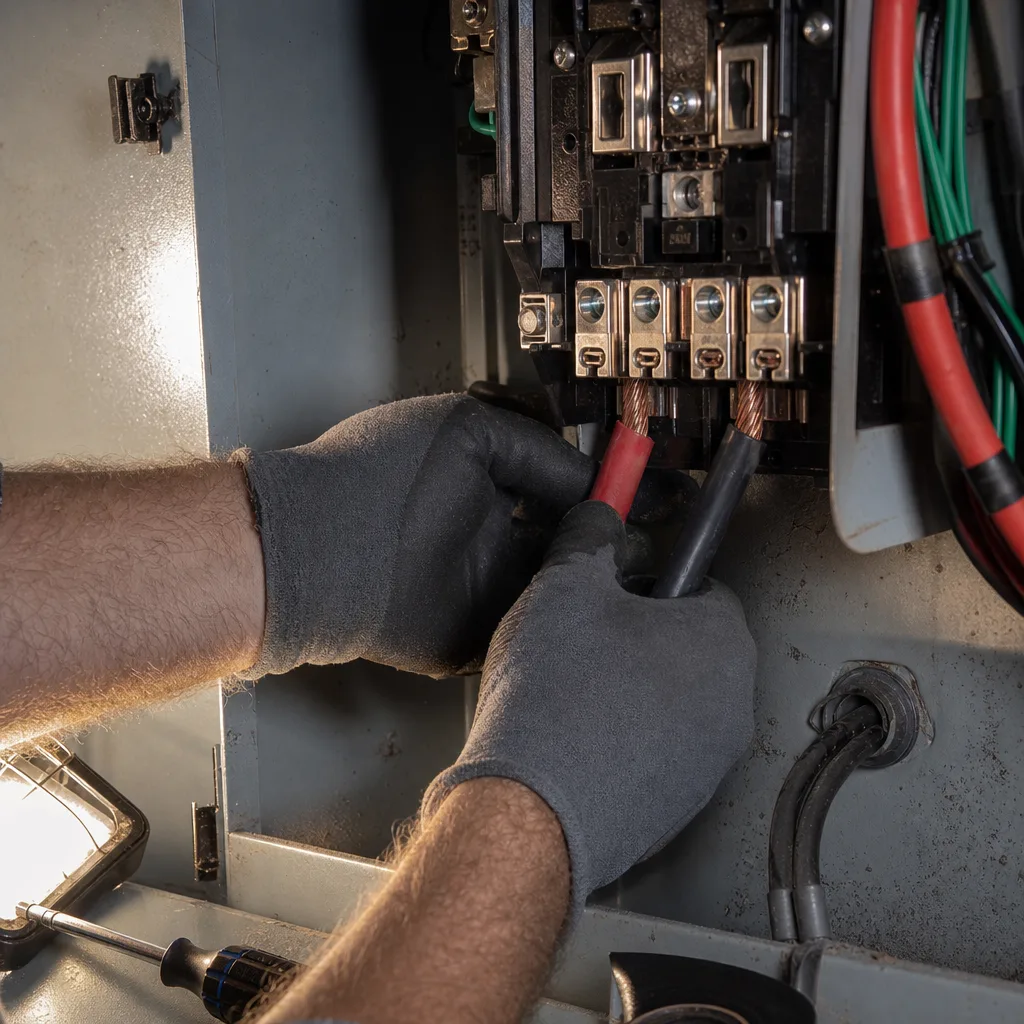
With a manual switch, you’re in charge. When the power goes out, you roll out your portable generator, start it, plug it into an inlet on the outside of your house, and flip the switch inside. You also pick which circuits get power, such as the fridge, a few lights, the furnace fan, or a window unit. When the power comes back, you switch back and shut the generator down.
An automatic switch watches the utility line for you. When it senses an outage, it tells your standby generator to start and moves your home over to generator power, usually within seconds. When the grid comes back, it switches you back and lets the generator cool down and shut off on its own. You might not even wake up.
- What kind of generator do you have? Most portable generators can’t start themselves, so they pair with a manual switch. A whole-home standby generator is built for an automatic switch.
- Will someone always be home and able to do it? Hauling a generator out in a thunderstorm or on an icy night isn’t easy for everyone.
- Does anyone depend on power for health? An oxygen concentrator, CPAP, or medication that needs to stay cold is a strong reason to go automatic.
- Do you travel or work long days? An automatic switch protects your home, your fridge, and your pets while you’re gone.
- How much of the house do you want powered? A manual setup usually covers a handful of key circuits. An automatic setup with a standby unit can carry far more.
North Texas weather plays into this too. A summer outage in Irving can turn a closed-up house hot fast, and a winter freeze can leave you without heat right when pipes are at risk. If you’re comfortable handling a portable generator in those conditions, a manual switch will serve you well. If that thought makes you nervous, automatic takes the job off your plate.
Here’s the honest part. If you already own a good portable generator and you’re home most of the time, you don’t need to spend more on an automatic switch. A manual switch, installed right, is a safe and solid setup. Automatic is about convenience and peace of mind, and it’s only worth it if those matter to you.
Switch type is one of the things that moves your price up or down, along with the number of circuits, your panel’s condition and space, and how far the generator sits from the panel. If you’re starting from scratch, our team also handles portable generator hookup and whole-home standby generator installation, so we can match the switch to the generator from day one.
What’s Included When You Book This Installation
When you book a transfer switch installation with us, you’re paying for a finished, working setup. That isn’t just a box on the wall. You get a switch that’s connected to your home’s panel safely and tested before we call it done. Most jobs finish the same day, so you’re not left with an open panel and a half-done project overnight.
Here’s what your installation includes:
- The transfer switch and the materials needed to install it
- Professional installation by our licensed and insured technicians
- All connections between the switch and your panel
- Testing, so you know the switch does its job before a storm puts it to work
Here’s what isn’t included unless your quote says it is:
- The generator itself
- Panel upgrades
- Code corrections
- Permits
We’d rather you hear that now than find out later. If your panel is out of space, or the wiring around it doesn’t meet today’s code, that work is separate. It’s also something our team can take care of. Electrical panel replacement and code correction are both services we offer, so you won’t need a second company for that part. We’ll tell you up front if your home needs it.
Where you land in that range comes down to the factors covered above, like switch type, how many circuits you want powered, your panel, and how far the generator sits from it. Code upgrades and permits can move the number too. An automatic switch for a standby generator usually sits higher than a manual switch for a portable unit. That’s another reason a manual setup is a smart choice if it fits how you live.
There’s a $26 to $99 service-call fee to come out and look at your setup. If you go ahead with the installation, that fee is credited toward the job. You’ll know your price before any work starts. That’s what upfront flat-rate pricing means to us: no meter running, and no surprise line items when we’re packing up.
If you’re adding a transfer switch as part of a bigger project, like a new standby generator, the total can climb fast. Flexible financing is available on qualifying installations and larger jobs, on approved credit. That way you can get your home protected before storm season instead of waiting until you’ve saved up the full amount.
One more thing worth knowing: the people who show up at your door are background-checked and drug-tested, and they’ll explain what they found in plain English. If your panel’s in good shape and your generator’s ready to go, we’ll say so. Your neighbors trust us because we don’t add work you don’t need.
Call 469-200-2166
What Drives Your Installation Cost Up or Down
Two homes on the same street can get very different quotes for the same transfer switch. That’s not guesswork. It comes down to six things, and once you know them, you can look at your own setup and get a good feel for where you’ll land.
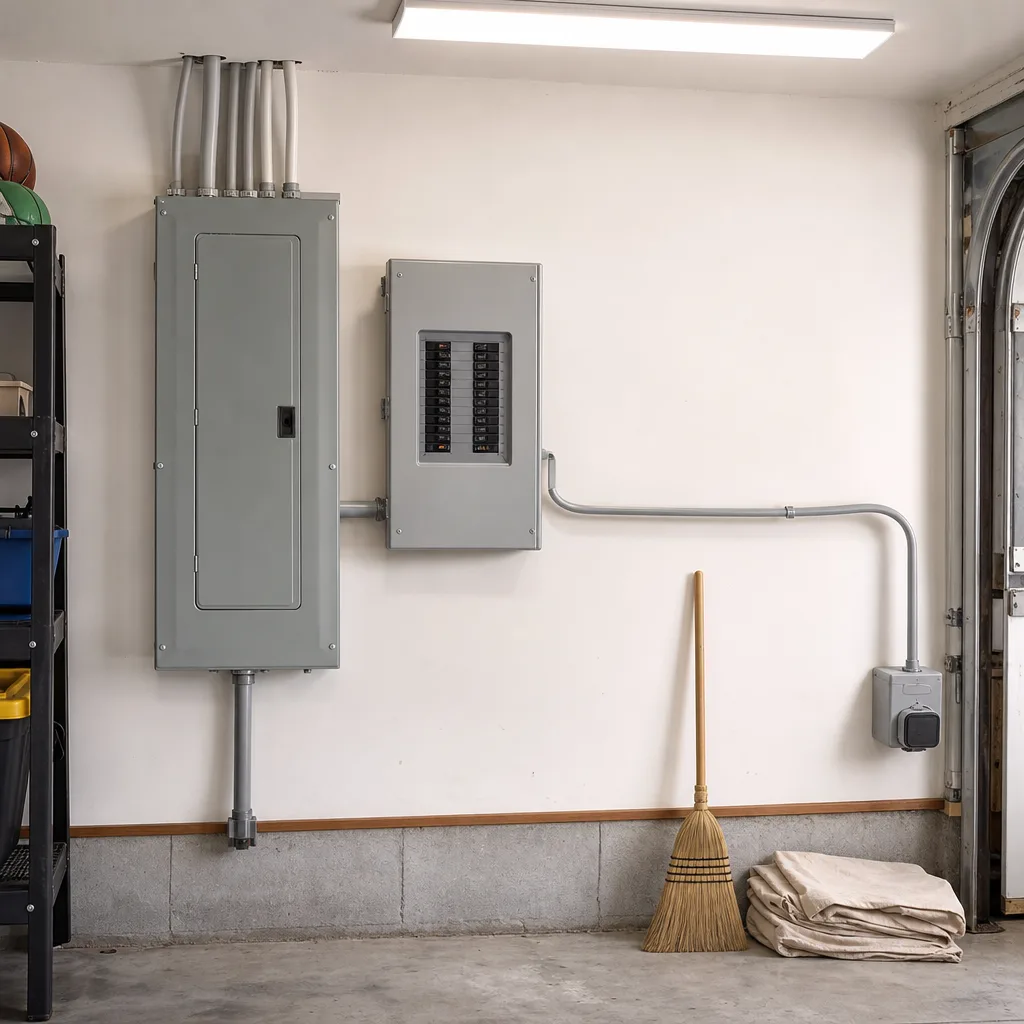
Switch type. We covered the automatic vs. manual choice above. In short, an automatic switch has more parts and wiring, so it costs more to buy and install than a manual one.
Number of circuits. Every circuit you want on backup power has to be wired through the switch. A small setup might cover the fridge, a few lights, and the furnace fan. A bigger one might add the well pump, the garage door, a home office, and a window AC unit. More circuits means more wire, more connections, and more time. Before you call, walk through your house and decide what you can’t live without during an outage. That list shapes your price more than almost anything else.
Panel condition and space. Your electrical panel is where the switch ties in, so its shape matters. A clean panel with room to spare keeps the job simple. A panel that’s packed full, worn out, or showing signs of heat damage may need work before a switch can go in safely. That work is quoted separately, and we’ll tell you plainly whether you need it or not.
Distance to the generator. The farther your generator sits from your panel, the longer the wire run. A generator parked right outside the wall behind your panel is about as easy as it gets. One set across the yard or on the far side of the house means more wire, and sometimes conduit or trenching to protect it. Where the generator can safely go also depends on keeping exhaust away from windows and doors, so the closest spot isn’t always the right one.
Code upgrades. Electrical code changes over time. If the wiring around your panel was done to older rules, some of it may need to be brought up to date before the new work can pass. That’s not an upsell. It’s what makes the whole system safe to run when the power’s out.
Permits. Hooking a generator into your home’s wiring usually calls for a permit and an inspection through your city. Permit costs and steps vary by city, so this is a line item to ask about up front, not one to find out about later.
Whoever you hire, a fair quote should answer these questions before any work starts:
- Is this an automatic or manual switch, and why is it the right one for my generator?
- Which circuits will have power during an outage?
- Does my panel need any work first, and is that part of this price?
- How far is the wire run, and is trenching or conduit included?
- Who pulls the permit, and is the permit fee in this number?
If a quote can’t answer those clearly, you don’t really know what you’re paying for. When our team gives you a price, it covers each of these points, so the number you approve is the number you pay.
Thinking about Transfer switch installation? Let’s talk.
Call Today, Get Service Today. Xtreme Air Services — Irving is ready to help.
How the Installation Works, Start to Finish
A transfer switch installation is usually a one-day job. Most of our jobs finish the same day. Here’s what that day looks like, so nothing catches you off guard.
Before the install, a few small things make the day go faster:
- Clear a path to your electrical panel. Move boxes, bikes, or shelves out of the way so there’s room to work.
- Have your generator’s model and wattage handy. It’s printed on a label on the generator. That number tells us how much load the switch can safely carry.
- Bring your list of must-have circuits, like the fridge, furnace fan, and a few lights.
- Plan for the power to be off for part of the day. Keep the fridge and freezer closed, and charge your phone and laptop the night before.
On install day, the power gets shut off first. Nobody should work inside a live panel, so expect your house to go dark while the wiring gets done. For some setups, especially a switch that sits between the meter and the panel, the utility may need to cut power at the meter. For most North Texas homes, that’s Oncor. If your setup needs that step, you’ll hear about it before the day of the install.
Next, the switch gets mounted, usually right beside your panel. Then the circuits you picked are moved so they run through the switch. That’s the part that keeps your generator and the utility line from ever feeding your house at the same time. For a portable generator, a weatherproof inlet box goes on the outside wall. That’s where you’ll plug in during an outage, so you never run a cord through a window or a cracked door. For a standby generator, the wire run goes out to the unit, along with the control wiring that tells it when to start.
If your city requires a permit, an inspection may happen once the wiring is in. Some cities inspect on a different day than the install, so ask how that fits your schedule.
The last step, and the one that matters most, is testing. A switch that’s never been tested is just a guess. Before the job is called done, you should see these things happen with your own eyes:
- Utility power is cut off to fake an outage.
- The generator powers the circuits you chose, and only those circuits.
- With an automatic switch, the generator starts and takes over on its own, then switches back when utility power returns.
- With a manual switch, you flip it yourself while someone watches, so you know you can do it in the dark during a storm.
Ask every question you have during that test. If something doesn’t power up the way you expected, that’s the moment to fix it, not at 2 a.m. during a summer outage in Irving. Your price is approved before any work starts, and our licensed and insured technicians don’t leave until the switch is connected and tested.
Call now
Watch Our Video
See How We Handle Transfer switch installation in Irving
Xtreme Air Services — Irving
When You Might Not Need a Full Transfer Switch
Not every home needs a transfer switch. If your backup power needs are small, or your timing isn’t right, you can wait or use something simpler. Here’s when that’s the case.
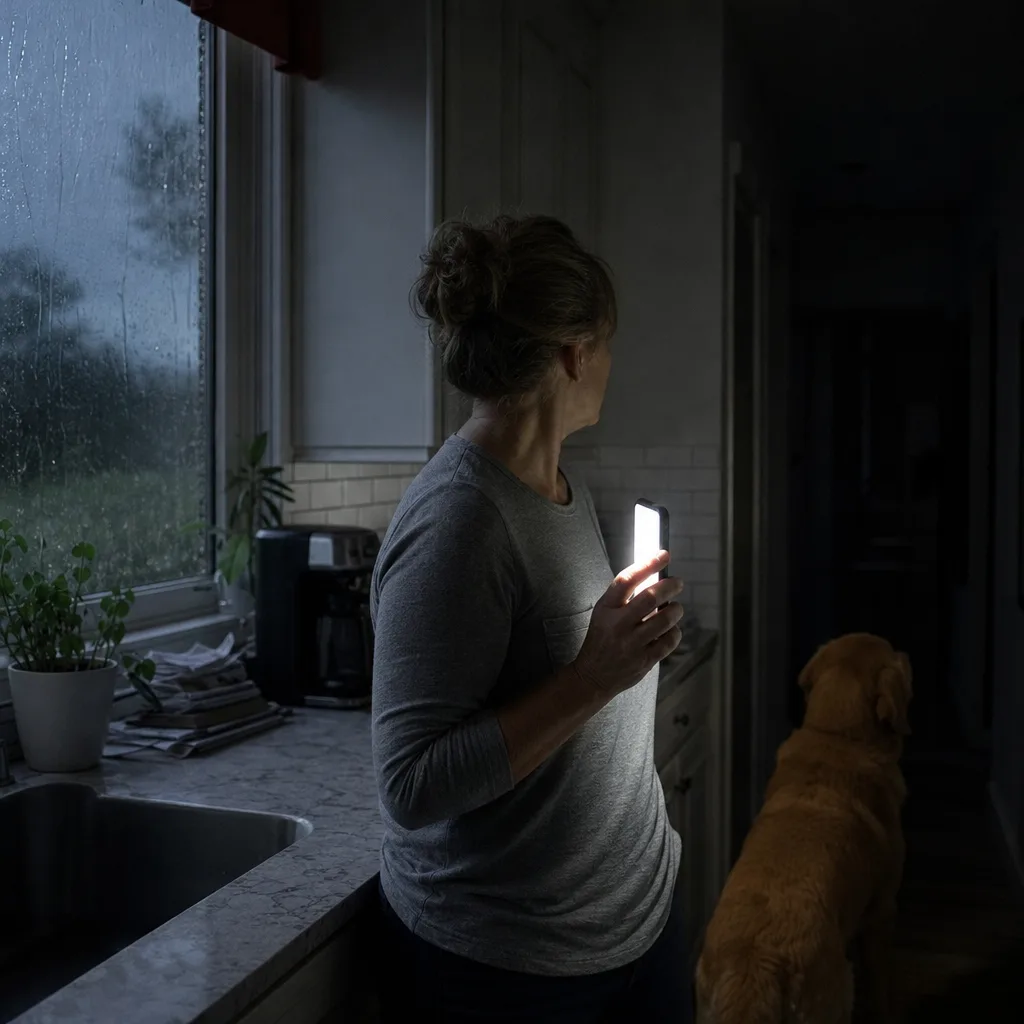
You only need to run one or two things. Say your goal is to keep the fridge cold and charge a few phones during a short outage. In that case, a portable generator with heavy-duty outdoor extension cords plugged straight into it can do the job. You run the generator outside, away from the house as covered above, and run a cord to the fridge. It’s more hassle than a switch, but if you lose power once every few years for a few hours, that tradeoff can make sense.
What you should never do is plug a generator into a wall outlet to feed the house. That shortcut skips the one job a transfer switch exists to do. If you want generator power going into your home’s wiring, it needs a proper connection, not a cord with two male ends.
Your panel may take an interlock kit. An interlock is a metal plate that fits on your panel. It’s built so your main breaker and a generator breaker can’t be on at the same time. For some homes with a portable generator, it’s a lower-cost way to get a safe hookup. It only works if a listed interlock is made for your exact panel model and your city accepts it. Ask about both before you buy one online.
You need power for a CPAP or other small medical device. A good battery backup or portable power station can run a CPAP through the night with no fuel, no noise, and no wiring. If that’s your main worry, start there. Bigger medical needs, like an oxygen concentrator that runs all day, are a different story.
You rent your home. Adding a transfer switch means changing the electrical panel, and that’s the owner’s call. Talk to your landlord before anyone touches the wiring.
You haven’t picked a generator yet. The switch has to match the generator, so hold off on the switch until you know what you’re buying. Many whole-home standby generators come with an automatic transfer switch in the box. If yours does, you won’t need to buy a separate one, just have it installed.
- Short, rare outages and only a fridge to protect: cords from a portable generator can be enough.
- A portable generator and a panel with a listed interlock your city accepts: an interlock kit may cost less.
- A CPAP or small device is the main concern: try a battery backup first.
- You rent: get the owner’s okay first.
- No generator yet: choose the generator first, then the switch.
If none of these fit, and you want lights, the fridge, the furnace fan, and more running through an Irving summer storm or a hard winter freeze without stringing cords through the house, a transfer switch is the right tool for the job.
Frequently Asked Questions
Common questions about Transfer switch installation
How long does it take to install a transfer switch?
Most transfer switch jobs finish in a single day. The crew shuts off power, mounts the switch beside your panel, wires the circuits you chose, and tests everything before leaving. If a permit inspection is required, that may happen on a separate day, so it’s worth asking how that fits your schedule.
Will my power be off during the installation?
Yes, your power goes off for part of the day while the panel is worked on. No one can safely wire a live panel, so plan on the outage ahead of time. Keep your fridge and freezer closed, and charge your phone and laptop the night before so you’re not caught off guard.
Can I install a transfer switch myself to save money?
No, a transfer switch has to tie into your home’s electrical panel, and that work calls for a licensed electrician. A switch that’s wired wrong or never tested can let generator power and utility power meet on the same line, which is exactly what the switch is supposed to prevent. It also puts line workers at risk during an outage.
What happens if my panel is too old or full for a transfer switch?
If your panel is packed full, worn out, or showing heat damage, it may need work before a switch can go in safely. That’s quoted as a separate job, not folded into the switch price, so you’ll know up front whether your panel needs attention first.
Ready to Get Started?
Call (469) 200-2166 Today, Get Service Today.