


Cooling Tower Installation in Dallas: Know Your Scope Before You Budget
Cooling tower installs for commercial chilled-water plants, with the permit and mechanical code requirements explained.
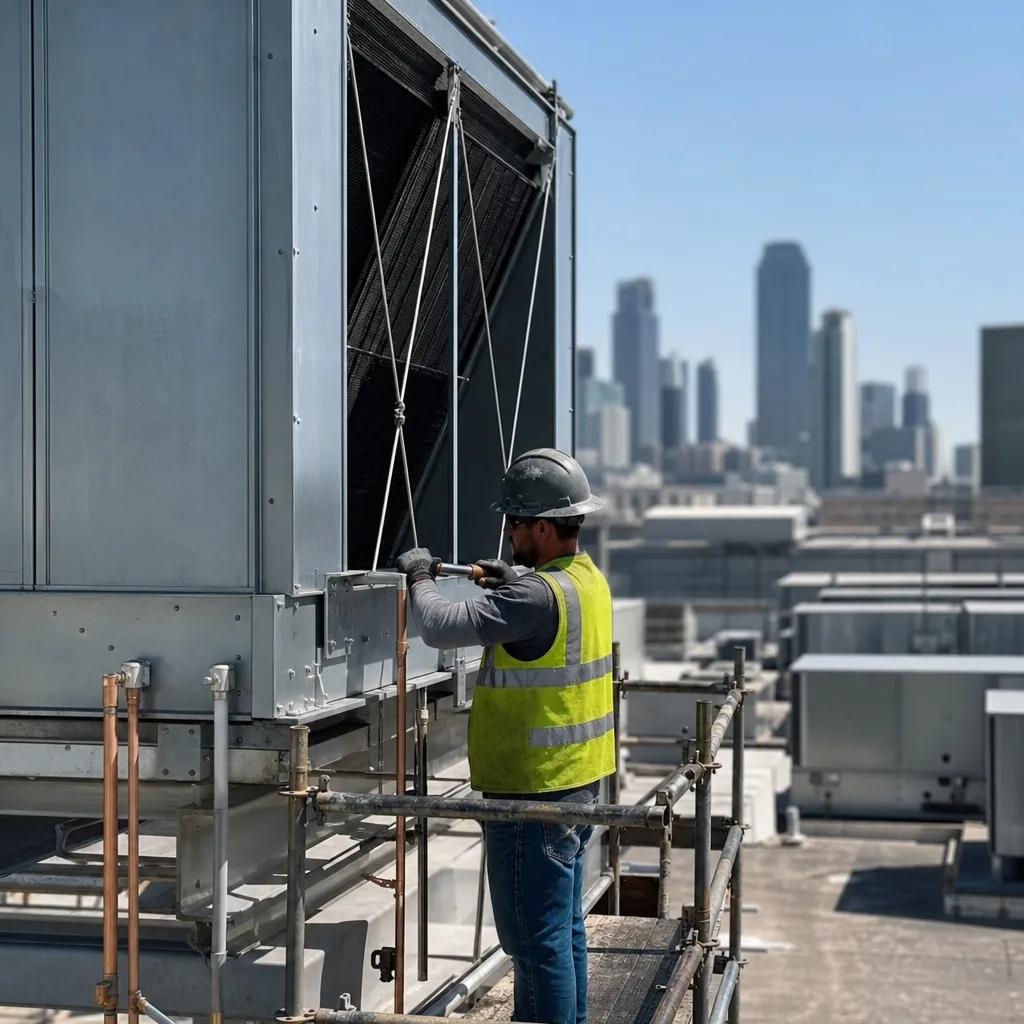
What’s Covered on This Page
- Standard Installation vs. Projects That Need Code Upgrades
- Signs Your Cooling Tower Needs Full Replacement, Not a Repair Call
- Why Dallas Commercial Buildings Lean on Cooling Towers Through a Long Cooling Season
- What Happens During a Cooling Tower Installation Project
- Questions to Ask Before You Sign a Cooling Tower Quote
- How long does a cooling tower installation take from start to finish?
- Can my building stay cool while the old tower is being replaced?
- Why do some cooling towers need water treatment set up right at installation?
- What’s the difference between a repair and needing a full cooling tower replacement?
Standard Installation vs. Projects That Need Code Upgrades
The biggest question behind your price isn’t the tower. It’s what has to change around it. A cooling tower ties into your condenser water piping, your electrical service, your makeup water line, and whatever is holding it up, whether that’s a roof or a pad. If all of that can stay as it is, you’re looking at a standard job. If any of it has to change, the scope grows.
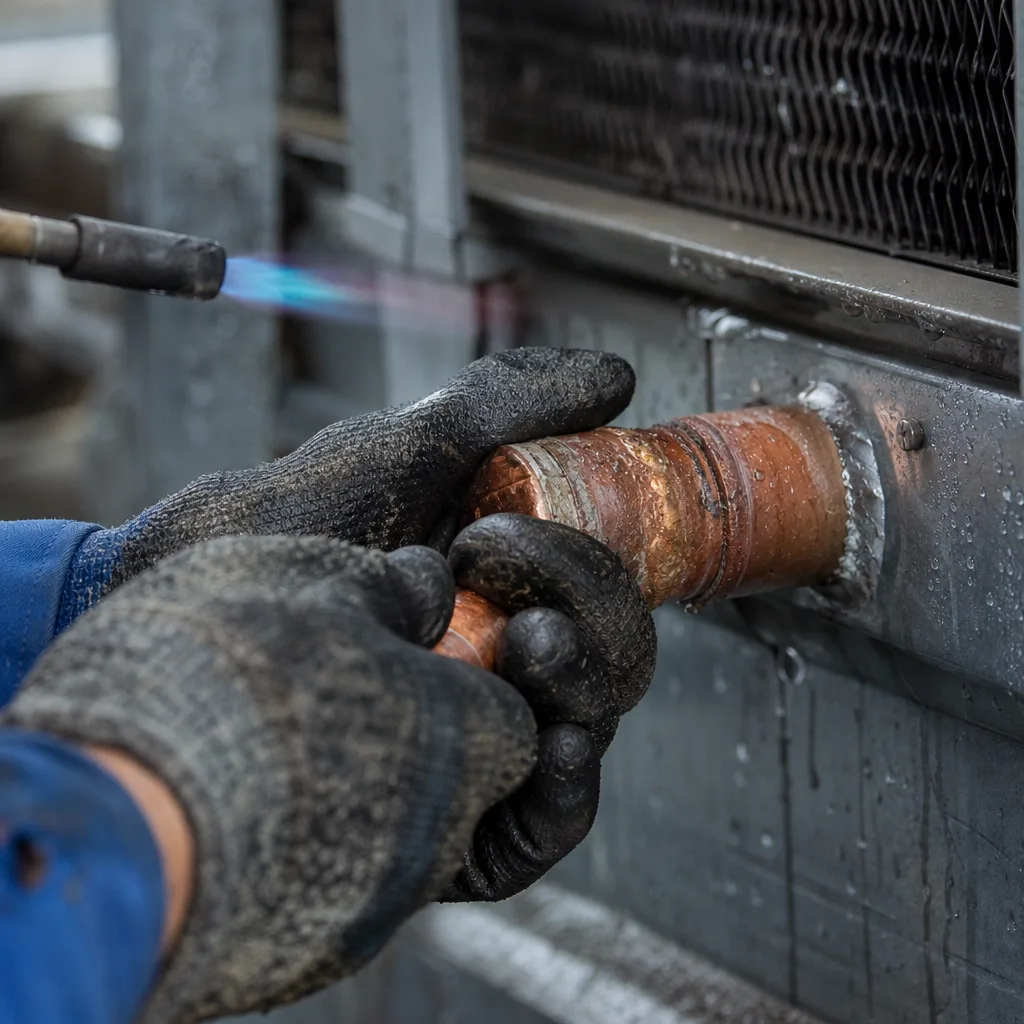
Here’s what a standard installation looks like for us: a like-for-like job using your existing connections with no major modifications. Our most common job of this kind is $28,000-$64,000. That includes:
- Equipment and materials
- Professional installation
- Standard connections to what’s already there
- Startup and testing
- Haul-away of the old unit
Some things aren’t part of that standard scope unless your estimate says so. These include duct, electrical, or plumbing modifications, code corrections, and permits. We’d rather you hear that now than find it on the final bill.
So how do you know which kind of project you have? These are the signs a job is moving past like-for-like:
- You’re going up in size or capacity. A bigger tower can need larger piping, a heavier electrical feed, or more structural support.
- The tower is moving. A new spot means new pipe runs, new wiring, and sometimes a new pad or roof support.
- Your existing wiring or piping is in rough shape. Corroded condenser water lines or a worn electrical disconnect may not be safe to tie into.
- Something on site doesn’t meet current code. Older Dallas buildings may have installs that were fine when they went in but need correcting when the equipment is replaced.
- The site is hard to reach. Tight rooftops, crowded mechanical yards, or limited crane access all add time and cost.
- Your setup needs custom fabrication. Odd pipe connections, adapters, or supports built to fit can change the price.
Dallas conditions matter here too. Long, hot summers keep a cooling tower running hard for months, so an undersized replacement shows up fast as poor performance on the hottest days. North Texas also has hard water, and the scale it leaves behind can wear on the piping and fittings around an old tower. That’s why we check the condition of your existing connections before calling any job like-for-like.
The full list of what moves cost up or down is equipment size, capacity, and efficiency, the brand and model, ease of access, the condition of your existing wiring and plumbing, code upgrades, permits, and any custom fabrication. Our typical price range across all cooling tower projects is $10,000-$100,000, and those factors decide where yours lands.
The good news is you don’t have to guess. A walk-through of your site shows whether your current connections can stay or need work. Then you get upfront flat-rate pricing that spells out what’s included and what isn’t before any work starts. If your project does need the extra work, we can handle the electrical, plumbing, and piping side too, so you’re working with one team instead of coordinating three.
Signs Your Cooling Tower Needs Full Replacement, Not a Repair Call
Most cooling tower problems start as one part acting up. A fan motor quits, a float valve sticks, or spray nozzles clog. Those are repairs. Replacement makes sense when the tower itself, meaning the frame, the basin, and the casing, is wearing out. At that point, every repair is money spent on a shell that’s still failing.
Here’s what points toward a full replacement:
- The basin or casing leaks in more than one spot. One leak can be patched. Rust coming through in several places usually means the metal is thin all over, and the next leak is already on its way.
- The structure is weak. Sagging supports, soft or rotted wood on older towers, or rusted-through bolts and framing aren’t parts you swap out. They’re what holds everything else up.
- It can’t keep up on hot days anymore. If your condenser water runs warmer every summer, and your chiller or other cooling equipment strains or trips out in the afternoon, the tower may not be shedding heat the way it used to.
- The fill is crushed, sagging, or packed with scale. Fill is the material inside that spreads water out so it cools. You can replace it, but if the casing around it is also failing, new fill goes into a tower that won’t last.
- Repairs keep coming back. When the same tower needs a fan, then a gearbox, then a basin patch in a short stretch, the total starts adding up to real money with no end in sight.
- Your building’s cooling needs changed. Added space, new equipment, or more people can push the load past what the old tower was sized for. No repair adds capacity.
Dallas puts extra wear on all of this. Long, hot summers keep a tower running hard for months at a time, so a weak one shows its age right when your building needs it most. North Texas hard water also leaves scale on the fill and inside the piping. Over the years, that scale cuts how well the tower cools and speeds up wear on the parts around it.
Picture a tower that made it through last July but ran warm every afternoon, needed a basin patch in the spring, and now has rust stains running down the side panels. Each problem looks small alone. Together, they tell you the tower is near the end.
Now the honest side. If the frame and basin are solid and only one part has failed, fix the part. A worn fan motor, a bad float valve, clogged nozzles, or tired fill in a sound tower are all repairs, not reasons to buy a new tower. If you aren’t sure which one you have, a mechanical troubleshooting visit can tell you. Good maintenance can also add years to a healthy tower, so replacing one that still has life left doesn’t do you any favors.
When the signs do point to replacement, the next question is what has to change around the new tower. That’s what decides whether you’re looking at a standard swap or a bigger project, as covered above.
Why Dallas Commercial Buildings Lean on Cooling Towers Through a Long Cooling Season
In a big Dallas building, the cooling tower is where the heat finally leaves. Office buildings, hospitals, schools, and manufacturing plants often cool with a water-cooled chiller, and that chiller depends on the tower to get rid of the heat it pulls out of your building. When the tower can’t keep up, the chiller can’t either, and everyone inside feels it.
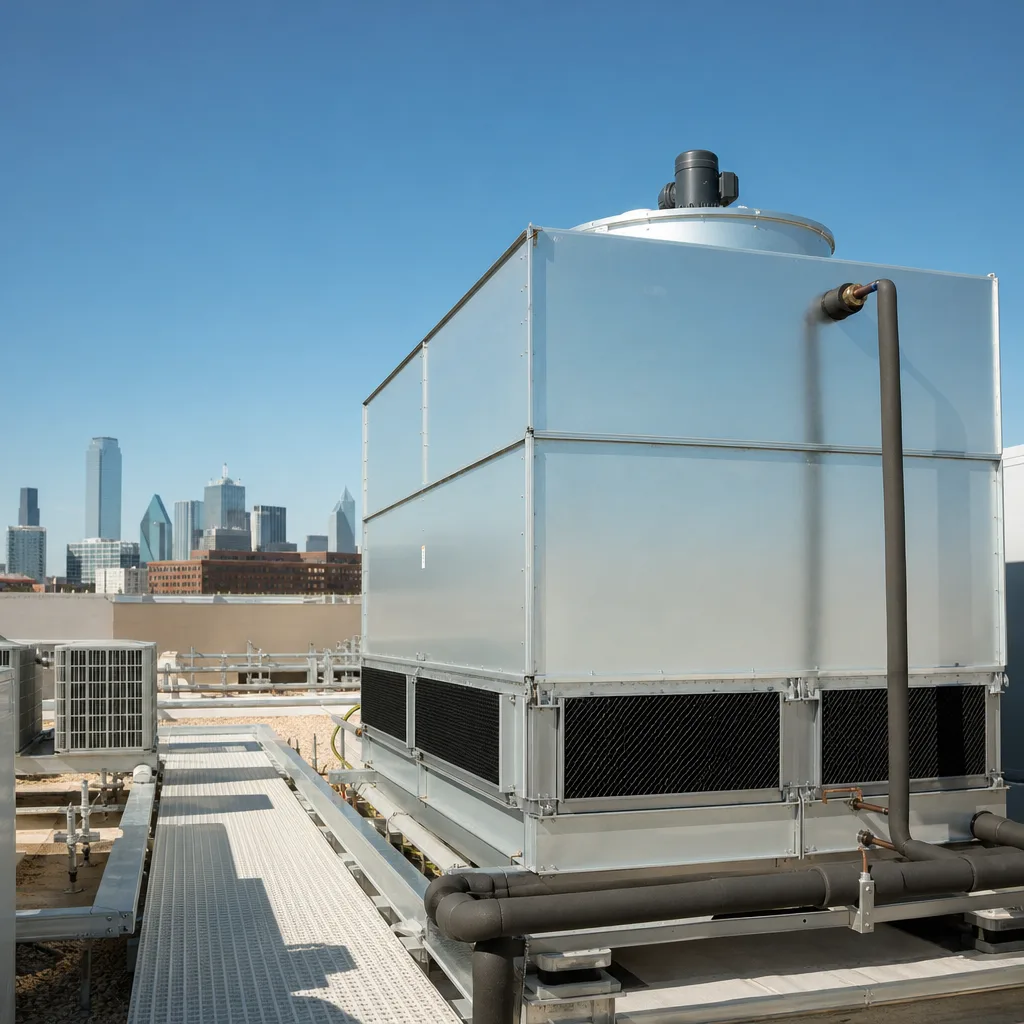
Here’s how it works in plain terms. The chiller moves heat from your building into a loop of water called condenser water. Pumps send that warm water up to the tower. The tower spreads it over the fill while a big fan pulls air through. A small share of the water evaporates, and it carries a lot of heat away with it. The cooled water drops into the basin and heads back to the chiller to do it again. A makeup water line refills what evaporates.
So why not just use air-cooled equipment? For smaller buildings, that’s often the right call. But air-cooled units shed heat by blowing outdoor air across coils, and on a blazing afternoon that air is already hot. A cooling tower leans on evaporation instead, which handles heat well even when the air is hot. For large cooling loads, that usually means steadier performance and lower operating cost. It’s a big reason so many larger commercial buildings across Dallas are built around a chiller and tower.
Because the Dallas cooling season runs long, your tower isn’t backup equipment that sits idle most of the year. It’s carrying real load for months. That puts a lot on the line when it fails:
- Tenants and employees in hot offices, which leads to complaints, lost work, and lease headaches
- Patients, students, or guests who count on a safe, comfortable space
- Server rooms and electronics that don’t handle heat well
- Production lines or process cooling that stop when the water runs too warm
- Stored products or inventory that need steady conditions
That’s why timing matters so much on a replacement. The easiest window is the cooler part of the year, when your building needs less cooling and a few days of downtime won’t hurt as much. Replacing a tower in the middle of summer can still be done, but you’ll want a clear plan for temporary cooling or a short, scheduled shutdown that your tenants hear about ahead of time.
A good installation plan also looks past the tower itself. Your chiller, pumps, and controls all have to work with the new tower, or you won’t get the performance you paid for. Before you sign off on a plan, ask these questions:
- When is the best time of year to do this work for my building?
- How long will the system be down, and what keeps the building cool in the meantime?
- Will my current pumps and controls work with the new tower?
- How will the crew get equipment onto my roof or into my mechanical yard?
If the signs covered above say your tower is near the end, planning the swap for a slow month is far easier than doing it after the tower quits on a hot August afternoon. If the job turns out to need more, we also handle chiller installation, pump installation and repair, and building automation, so those parts can be planned together instead of piece by piece.
Have questions? We’re happy to help.
Call Today, Get Service Today. Xtreme Air Services — North Dallas is ready to help.
What Happens During a Cooling Tower Installation Project
A cooling tower installation follows a clear order. The site is checked, the swap is planned, the old tower comes out, the new one goes in, and everything is tested before your chiller relies on it. Knowing the steps helps you plan for downtime and spot a rushed job.
Here’s how a typical project moves from start to finish.
- Site check and sizing. Someone looks at your current tower, its supports, and the piping and wiring around it. They also look at how much heat your building needs to get rid of. This is where a job gets labeled standard or bigger, as covered above.
- Planning the shutdown and the lift. Many towers are set in place by crane, so the plan covers where the crane parks, how the old unit comes down, and how long your cooling will be off. This is when you line up temporary cooling or give tenants notice.
- Removing the old tower. The basin is drained, then the piping and power are disconnected. After that, the old unit is taken apart or lifted out.
- Getting the base ready. The roof steel, frame, or concrete pad has to be level and strong enough for the new tower once it’s full of water. A tower holding water weighs far more than it does empty.
- Setting the new tower. The new unit is lifted into place and anchored. Some larger towers arrive in sections and are put together on site.
- Making the connections. Condenser water supply and return lines, the makeup water line, the drain and overflow, and power to the fan motor all get tied in. On a like-for-like job, these hook up to what’s already there.
- Flushing, filling, and startup. The system is flushed and filled. Then the fan, pumps, and water distribution are run and checked.
- Haul-away. The old tower leaves your property.
Startup is the step that’s easiest to rush and the one that matters most. A good startup checks that the fan spins the right way and runs without heavy shaking. It confirms that water spreads evenly across the fill instead of channeling down one side. It also makes sure the basin holds the right level and your controls start and stop the tower when they should. Given how hard North Texas water is, it’s also the right time to make sure water treatment is set up from day one, not added after scale has already started.
Before you sign, ask any installer three things. Who handles the crane and the lift plan? How long will your building be without tower cooling? What gets tested at startup, and will you see the results? Clear answers to those questions tell you a lot about how the job will go.
With Xtreme Air Services, a standard installation includes the equipment and materials, professional installation, standard connections, startup and testing, and haul-away of the old unit. You’ll get upfront pricing before any work starts, from a licensed and insured team that also handles the electrical and plumbing side. Flexible financing is available on qualifying installations, on approved credit.
Call 469-213-3107
Watch Our Video
See How We Handle Cooling tower installation in Dallas
Xtreme Air Services — North Dallas
Questions to Ask Before You Sign a Cooling Tower Quote
Two cooling tower quotes can look far apart and still be for very different jobs. The bottom line only tells you part of the story. These questions show you what each quote really covers, so you’re comparing the same work and not getting surprised halfway through.
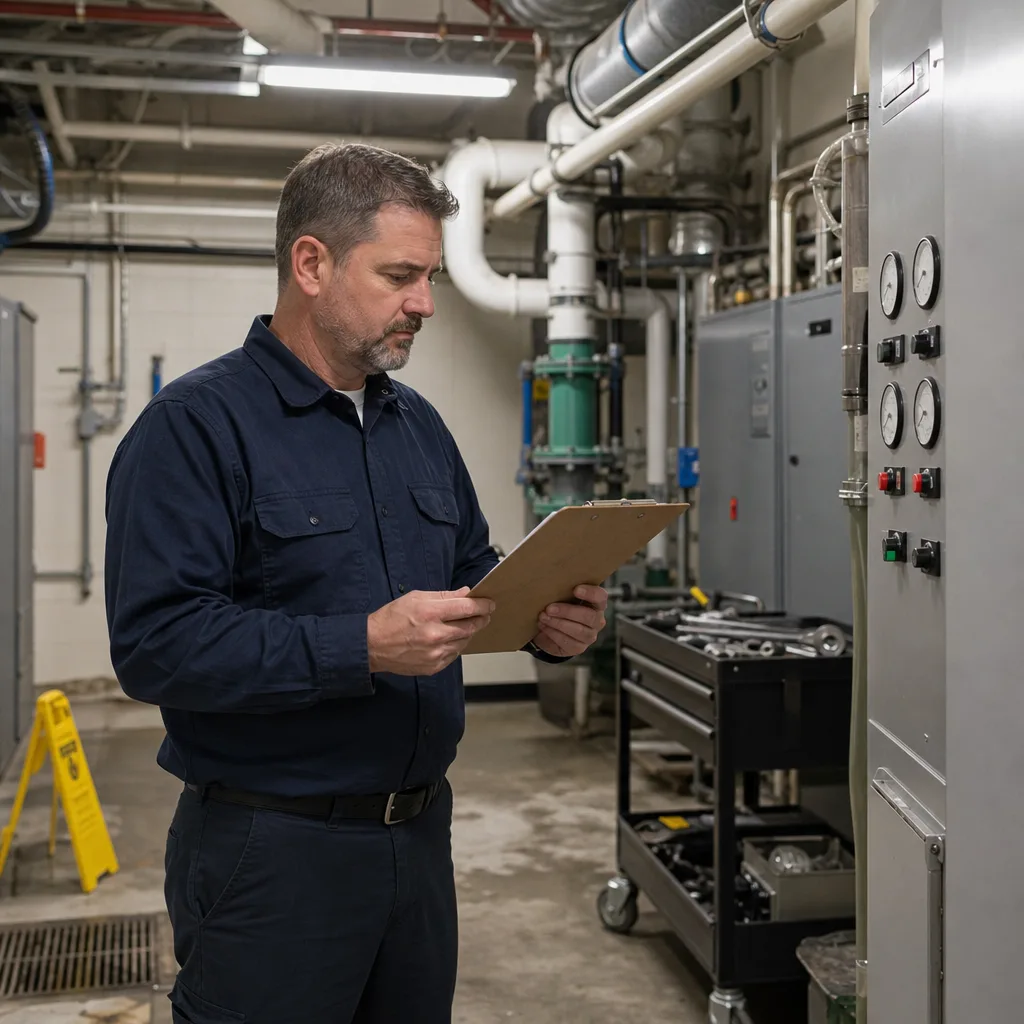
- What’s included, and what’s left out? Ask for it in writing, line by line. Equipment, installation, connections, startup, and haul-away should be spelled out. Permits, code corrections, and electrical or plumbing changes should be either priced in or listed as separate items.
- Who’s pulling the permit, and is it in the price? Some quotes leave permits out without saying so. You want to know who handles it and what it costs before work starts.
- How did you size the new tower? A quote that only copies the old tower’s nameplate may miss changes in your building, like added space or new equipment. Ask whether they looked at how much heat your building needs to get rid of today.
- What happens if you find a problem once the old tower comes out? Corroded condenser water lines or a worn electrical disconnect sometimes show up only after the old unit is gone. Ask how that gets priced and whether you approve it before anyone moves ahead.
- Who’s doing the electrical and plumbing work? If the installer hands that off to other companies, you end up coordinating several crews. Ask whether one team owns the whole job.
- Are you licensed and insured for this work? Ask for the license number and proof of insurance. That matters even more when there’s a crane lift over your roof or parking lot.
- What are the payment terms? Find out what’s due up front, what’s due at completion, and whether financing is an option for a project this size.
Here’s how that plays out. Say one quote comes in well below the others. Then you read the fine print and see that permits, electrical changes, and code corrections are all excluded. Once those get added back, the gap may shrink or vanish. Asking these questions up front keeps you from finding that out on the final invoice.
Here’s how we answer them. Our standard installation scope and exclusions are laid out in writing, as covered above, and you get upfront flat-rate pricing before any work starts. Our team is licensed and insured, and our HVAC License is #TACLA29023C. We handle the electrical, plumbing, and piping side ourselves, so you have one team accountable for the whole job instead of three. Flexible financing is available on qualifying installations and larger jobs, on approved credit.
If another contractor’s quote is on your desk, these questions work just as well for that one. A good installer won’t mind answering any of them. If someone gets vague about scope or permits, that tells you something too.
Call 469-213-3107
Frequently Asked Questions
Common questions about Cooling tower installation
How long does a cooling tower installation take from start to finish?
Most standard jobs take a few days once the crane lift and shutdown are scheduled, but the full timeline depends on your building. Removing the old tower, setting the new one, making connections, and running startup testing all add time. Projects that need code corrections or custom fabrication take longer because extra work has to happen before the new tower goes in.
Can my building stay cool while the old tower is being replaced?
It depends on your setup, but most buildings need a plan for temporary cooling or a short scheduled shutdown. That’s why timing the job for cooler months, when cooling demand is lower, makes the swap easier on tenants. If the work has to happen in summer, ask your installer how they’ll keep critical spaces like server rooms or patient areas comfortable during the downtime.
Why do some cooling towers need water treatment set up right at installation?
North Texas hard water leaves scale behind fast, and that scale wears on fill and piping over time. Setting up water treatment during startup, rather than after scale has already built up, protects the new tower from the same wear that likely damaged the old one. It’s one of the checks worth confirming before you sign off on a finished installation.
What’s the difference between a repair and needing a full cooling tower replacement?
A repair fixes one failed part, like a fan motor, float valve, or clogged nozzles, while the frame, basin, and casing are still solid. Replacement makes sense once the structure itself is failing, such as leaks in more than one spot, sagging supports, or repairs that keep coming back on the same unit. A mechanical troubleshooting visit can tell you which situation you’re in.
Ready to Get Started?
Call (469) 213-3107 Today, Get Service Today.