


Slab Leak Repair in Dallas: Choosing the Right Fix for Your Home
Leaks under your slab located and fixed with a spot repair or a reroute – whichever is right for your home.
What’s Covered on This Page
- Signs You May Have a Slab Leak
- When It’s Not a Slab Leak
- How Leak Location Finds the Problem Before Any Repair Begins
- Spot-Repair vs. Reroute: How the Fix Gets Decided
- What’s Included and What’s Not in a Slab Leak Repair
- Is a slab leak covered by homeowners insurance?
- Who pays for a leak if it’s in my water line, not my pipes?
- What happens if my water meter shows a leak but I can’t find it?
Signs You May Have a Slab Leak
A slab leak hides under your concrete, so you won’t see a puddle right away. What you’ll notice are small clues that something’s off. One clue alone may not mean much. Two or three together are worth a closer look.
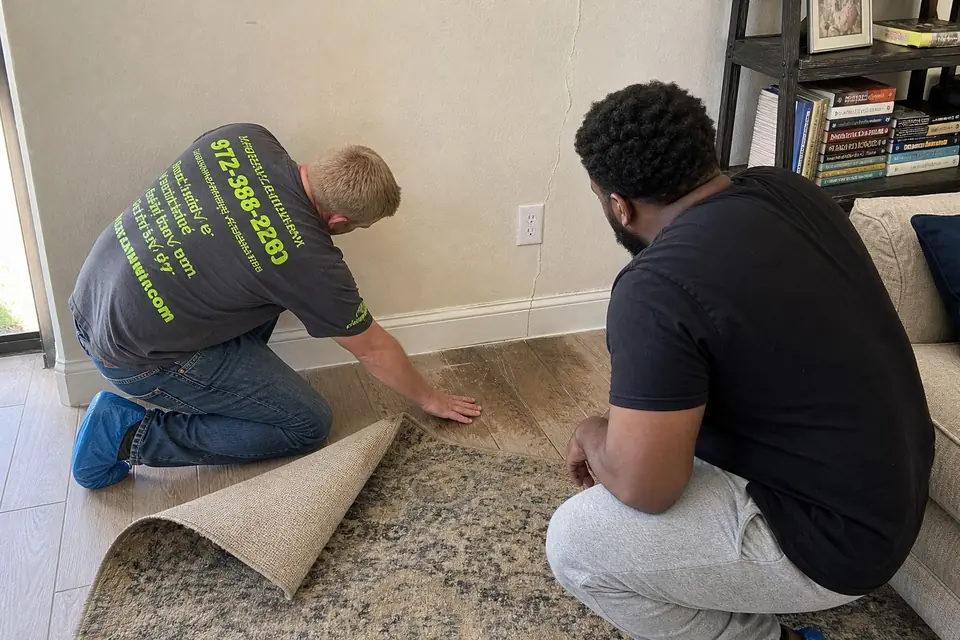
- A warm or hot spot on the floor. If a hot water line is leaking, the concrete above it heats up. Bare feet on tile or wood often find it first.
- A water bill that climbs while your habits stay the same. A steady leak runs all day and all night, every day.
- The sound of running water when every faucet, toilet, and appliance is off.
- Damp or musty carpet, warped wood floors, or loose tiles away from any sink, tub, or toilet.
- A water heater that seems to run all the time, even when nobody’s using hot water.
- Lower water pressure at your faucets and shower with no clear reason.
- Mildew smells or water stains along the base of an inside wall.
Here’s a test you can do yourself before you call anyone. Turn off every faucet, appliance, and sprinkler in the house. Find your water meter, usually in a box near the street, and write down the reading. Many meters also have a small triangle or dial that spins when water is moving. Wait an hour without using any water, then check again. If the numbers moved or the dial is spinning, water is going somewhere. Before you assume the slab, check your toilets. A running toilet flapper is a common cause of a moving meter and a cheap fix you can often handle on your own.
Dallas homes face a specific risk. Most houses here sit on slab-on-grade foundations, and many ranch homes built from the 1950s through the 1990s run their water lines right under that concrete. Our clay soil swells when it’s wet and shrinks during hot, dry summers. That steady movement shifts the slab and puts stress on the pipes underneath. Over the years, that stress, along with normal wear on older lines, can open a pinhole or a crack you’ll never see from inside.
Be careful with one sign in particular. Cracks in your walls, doors that stick, or cracks in the floor can point to a slab leak, but they can also come from the soil movement alone, with no leak at all. That’s why a cracked wall isn’t proof by itself. If your meter test is clean and you don’t have warm spots or a rising bill, the cracks may be a foundation question, not a plumbing one.
If your meter moves with everything off and your toilets check out, that’s a strong sign of a hidden leak. The sooner it’s found, the less water soaks into the soil and floors under your home.
When It’s Not a Slab Leak
A lot of things look like a slab leak and aren’t. Before anyone talks about opening your floor, rule these out. Some take five minutes, and a few you can fix yourself today.
If your meter moves but your floors look fine, the water may be leaving somewhere outside the slab.
- Your sprinkler system. A cracked head or a leaky valve can run all day. Look for a soggy patch, grass that’s greener than the rest of the yard, or water near the curb. Shut the irrigation off at its own valve and run the meter check again.
- The line from the meter to your house. It runs under your yard, not under your slab. A wet strip of ground between the street and your house is the clue. It still needs a repair, but it’s a different job.
- Outdoor faucets and pool fill lines. A slow drip outside adds up, and it’s easy to miss behind a bush.
- Your water heater’s relief valve. That’s the small pipe on the side of the tank. If it drips into a pan or out an outside wall, you’re paying for that water, and the heater keeps refilling and reheating. That alone can explain a heater that seems to run all the time.
If your floor is wet but the meter holds still with everything off, your pressurized lines under the slab are probably fine. The water is coming from something that only leaks when it’s used, or from outside.
- Your AC drain line. In a Dallas summer, your AC pulls a lot of water out of the air. If the drain line clogs, that water backs up and spills over, often near the closet that holds your indoor unit. Wet carpet by a hall closet in July often points here.
- Appliances. Check the ice maker line behind the fridge, under the dishwasher, and the hoses behind the washer.
- Showers and tubs. A bad shower pan or tub drain only leaks while someone’s bathing, so a meter test won’t catch it. Damp flooring on the other side of a bathroom wall is the usual tell.
- Storm water. After a hard North Texas thunderstorm, water can push in under a door or window seal. Damp along an outside wall right after rain that dries out over a few days is weather, not plumbing.
If you’ve only got one sign, give it a second look before you worry.
- A warm spot can come from afternoon sun through a window or from sitting next to the water heater closet. A leak keeps the floor warm at night too, with no sun and no heat source nearby.
- Low pressure at just one faucet is often a clogged aerator. Dallas water leaves scale behind. Unscrew the tip, rinse it, and see if the flow comes back. Low pressure everywhere can mean your pressure regulator is wearing out, which is a much smaller fix than a slab repair.
- A higher bill in summer may just be the lawn and the pool. Compare it to the same month last year, not last month.
Here’s the honest bottom line. If your meter test comes back clean, your floors are dry away from any sink or appliance, and your bill matches last summer’s, you most likely don’t have a slab leak. You don’t need to book anything. Keep an eye on it, and run the meter check again if something changes.
How Leak Location Finds the Problem Before Any Repair Begins
Before anyone touches your floor, the leak has to be found. Not guessed at, found. That one step decides almost everything that comes after it: how big the opening is, which repair makes sense, and what you’ll pay. A good locate can turn a scary job into a small, targeted fix.
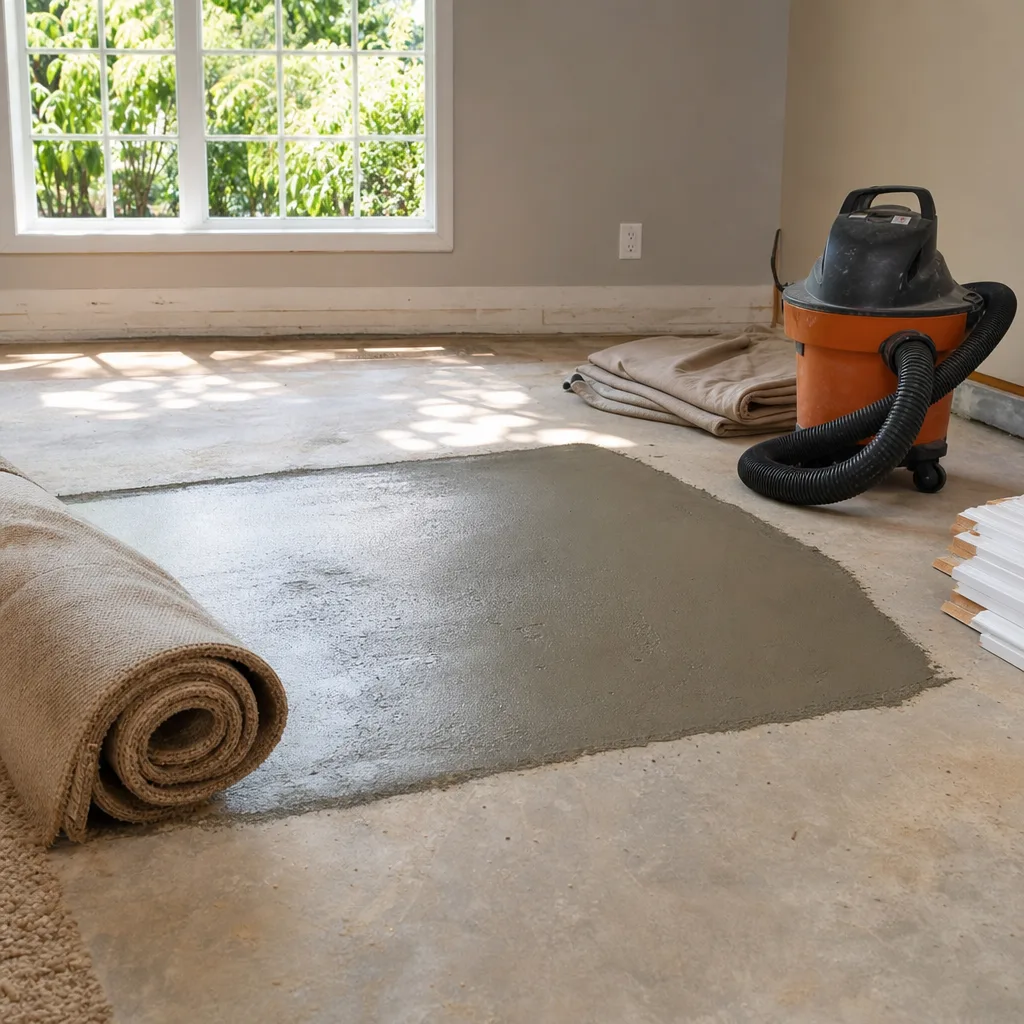
Your meter test told you water is escaping. It didn’t tell you where. Under a Dallas slab, your water lines can run from one end of the house to the other, under tile, carpet, and cabinets. Opening the wrong spot means more broken concrete, more damaged flooring, and a repair bill for a hole that didn’t need to exist.
Here’s how plumbers typically narrow it down.
- Confirm which line is leaking. The hot and cold sides can be shut off and tested one at a time. If pressure drops on just one side, you know which pipe to chase. A hot side leak is also why some people feel a warm spot on the floor.
- Listen through the concrete. Water pushing out of a pressurized pipe makes a hiss or a rush. With sensitive listening gear, a tech can follow that sound across the floor until it’s loudest.
- Look for heat. On a hot line, a thermal camera can show the warm path of the pipe and the spot where heat spreads out into the slab.
- Mark the spot. Once the readings agree, the location gets marked on the floor, so the opening is as small as it can be.
The locate also tells you what kind of repair fits. One pinhole in an otherwise solid pipe usually points to a spot repair, where a small section of floor is opened and that piece of pipe is fixed. If the line is old and wearing out, or the leak sits under something hard to get to, like kitchen cabinets or a large tiled area, running a new line around the slab may make more sense than digging. You can’t make that call well without knowing exactly where the leak is.
With Xtreme Air Services, leak location is part of the slab leak repair, along with the repair or reroute and testing afterward. Restoring the slab and your flooring isn’t included, which is one more reason a precise locate matters. The smaller the opening, the less floor you’ll need to put back.
Whoever you call, ask a few simple questions before anyone picks up a hammer:
- Is the leak on the hot side or the cold side?
- Where exactly is it marked, and how confident are you in that spot?
- Based on where it is, do you recommend a spot repair or a reroute, and why?
- Will the line be tested after the repair to make sure it holds?
To help the visit go faster, know where your water meter and main shutoff are, clear furniture away from any warm or damp spots you’ve noticed, and keep a recent water bill handy. Those small things help the tech get to the right answer sooner, and they help you understand that answer when you hear it.
Have questions? We’re happy to help.
Call Today, Get Service Today. Xtreme Air Services — North Dallas is ready to help.
Spot-Repair vs. Reroute: How the Fix Gets Decided
Once the leak is marked, you’ve got two main ways to fix it. You can go through the floor and repair that one spot, or you can go around the floor with a new line and stop using the old one. Neither choice is always right. The best fix depends on your pipe, your house, and how long you plan to live there.
A spot repair is the direct route. A small section of concrete gets opened right over the mark. The damaged piece of pipe is cut out and replaced, and the line is pressure tested to make sure it holds. Then the hole is filled back in. It’s a good fit when the pipe is solid except for one pinhole or crack, and the leak sits somewhere easy to reach, like an open floor or a closet.
A reroute skips the slab. A new water line runs through your attic or walls to reach the fixtures the old line fed. The leaking line under the concrete gets shut off and left in place. Nobody has to break up your floor, which matters a lot when the leak is under kitchen cabinets, a big tiled room, or hardwood you don’t want torn up. In Dallas, a line that runs through the attic needs proper insulation. Attics here bake in summer, and the hard winter freezes we get can split an unprotected pipe.
These are the questions that usually tip the decision one way or the other:
- How old is the pipe, and what shape is it in? A newer line with one bad spot is worth saving. An older line in a 1950s to 1990s ranch home that’s thinning out may just leak again a few feet away.
- Is this your first slab leak? If you’ve already had one fixed on the same line, a second leak is a strong sign the whole run is wearing out.
- What’s sitting on top of the leak? Opening a closet floor is one thing. Opening tile you can’t match or cabinets you’d have to pull out is another.
- How long are you staying? If you plan to be in the house for years, a fix that heads off the next leak can be worth more than the quickest patch.
Keep the soil in mind too. The clay movement under Dallas homes doesn’t stop after one repair. It keeps putting stress on whatever old pipe is still under the concrete. That’s one reason a reroute can make sense for an older line, even when the first leak looks small.
Cost follows the same logic. Whether you need a reroute or a spot repair, along with how deep the leak sits and how hard the slab is to get through, are the main things that move the price. With Xtreme Air Services, the repair or reroute and the testing afterward are both part of the slab leak repair. Putting your slab and flooring back is not included, so a spot repair under expensive tile can cost more overall than it first looks.
If your lines are leaking in more than one place, the conversation may move to repiping the whole house. That’s a separate job with its own page. For a single leak, though, you should hear a clear reason for the recommendation, tied to your pipe and your floor. If you don’t get one, ask for it.
Watch Our Video
See How We Handle Slab leak repair in Dallas
Xtreme Air Services — North Dallas
What’s Included and What’s Not in a Slab Leak Repair
Let’s talk money, because that’s what’s on your mind. Most slab leak repairs with Xtreme Air Services run $2,000-$3,800. That covers the most common job: finding the leak under your slab and then repairing or rerouting the line to stop it. Our typical range for slab leak work overall is $2,000-$6,000. Where your job lands depends on the things covered above: where the leak sits, how deep it is, and whether a spot repair or a reroute makes more sense for your home.
Here’s what that price includes:
- Leak location. Finding and marking the leak is part of the job, not a separate surprise bill.
- The repair or the reroute. Whichever fix fits your pipe and your floor is covered.
- Testing. The line gets tested after the work so you know it’s holding before anyone calls it done.
And here’s what’s not included, so you can plan for it now instead of finding out later:
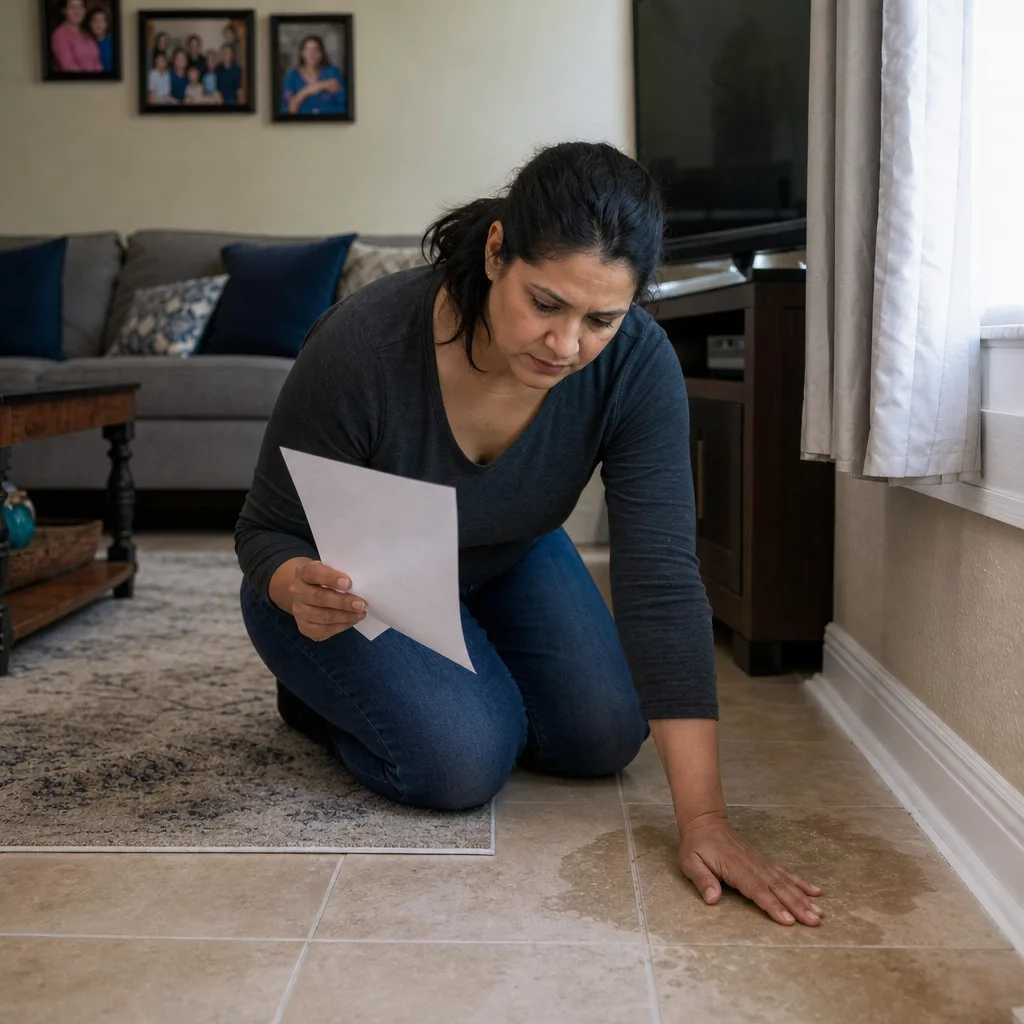
- Slab and flooring restoration. If the concrete gets opened, putting your tile, wood, or carpet back to how it looked is a separate cost. If you saved extra tile or flooring from when it was installed, dig it out now. A matching piece can save you a lot of trouble.
- Additional lines. The price covers the leak we’re there to fix. If testing shows a second line is also leaking, that’s its own repair, and you’ll hear about it before any work starts on it.
- Permits, unless stated. Ask whether your job needs a permit and who will handle it. If it’s part of your quote, it will say so.
There’s also a service-call fee of $26-$99 to come out and look. If you go ahead with the repair with Xtreme Air Services, that fee is credited toward the job. You’re not paying twice.
A few thousand dollars isn’t small, and a slab leak rarely shows up when it’s convenient. Flexible financing is available on qualifying installations and larger jobs, on approved credit. If that would help, just ask when you call.
Before you say yes to anyone, get the scope in writing. Your quote should name the fix, spot repair or reroute, and say what’s covered and what isn’t. That’s how upfront flat-rate pricing should work: you see the number and approve it before the work begins, with no meter running.
If your meter test points to a hidden leak, every day it runs means more water under your floor. Our licensed and insured, background-checked technicians offer same-day service available across Dallas, with no extra charge for nights or weekends.
Call 469-213-3107
Frequently Asked Questions
Common questions about Slab leak repair
Is a slab leak covered by homeowners insurance?
Sometimes, but it depends on your policy and what caused the leak. Many policies cover the sudden damage a slab leak causes, like wet flooring, but not the worn-out pipe itself. Some policies also cap how much they’ll pay toward cutting into the slab. Call your insurance agent before work starts and ask them directly what your plan covers, so you know what to expect before you get a bill.
Who pays for a leak if it’s in my water line, not my pipes?
You’re responsible for everything from the meter to your house, including the line that runs under your yard to your foundation. The city or utility usually owns the line up to the meter. If your meter test shows water moving but your floors are dry, the leak may be in that yard line instead of under your slab. That’s still your repair, but it’s a different job than a slab leak.
What happens if my water meter shows a leak but I can’t find it?
A moving meter with no visible leak almost always means the water is hidden, either under your slab or underground between the meter and your house. Start by ruling out running toilets and outdoor faucets, since those are common and cheap to fix. If those check out clean and the meter still moves, the leak needs to be located with listening equipment or a thermal camera before anyone opens the floor.
Ready to Get Started?
Call (469) 213-3107 Today, Get Service Today.