


Whole-Home Standby Generator Installation in Dallas
Turnkey standby generators sized to your home's real load – gas line, panel, permits and startup handled as one job.
What’s Covered on This Page
- Whole-Home Standby vs. Portable Generator Hookup
- What a Turnkey Installation Includes
- Why This Job Requires Both an Electrical and Gas Permit in Dallas
- Sizing and Site Factors That Set Your Price
- Why North Texas Homes Need Backup Power Planning
- Can I just hook a generator up to my house myself?
- Does adding a standby generator increase my home’s value?
- How long does it take to go from calling an installer to having a working generator?
Whole-Home Standby vs. Portable Generator Hookup
Not every home needs a standby generator. Here’s the honest difference so you can choose what fits your family and your budget.
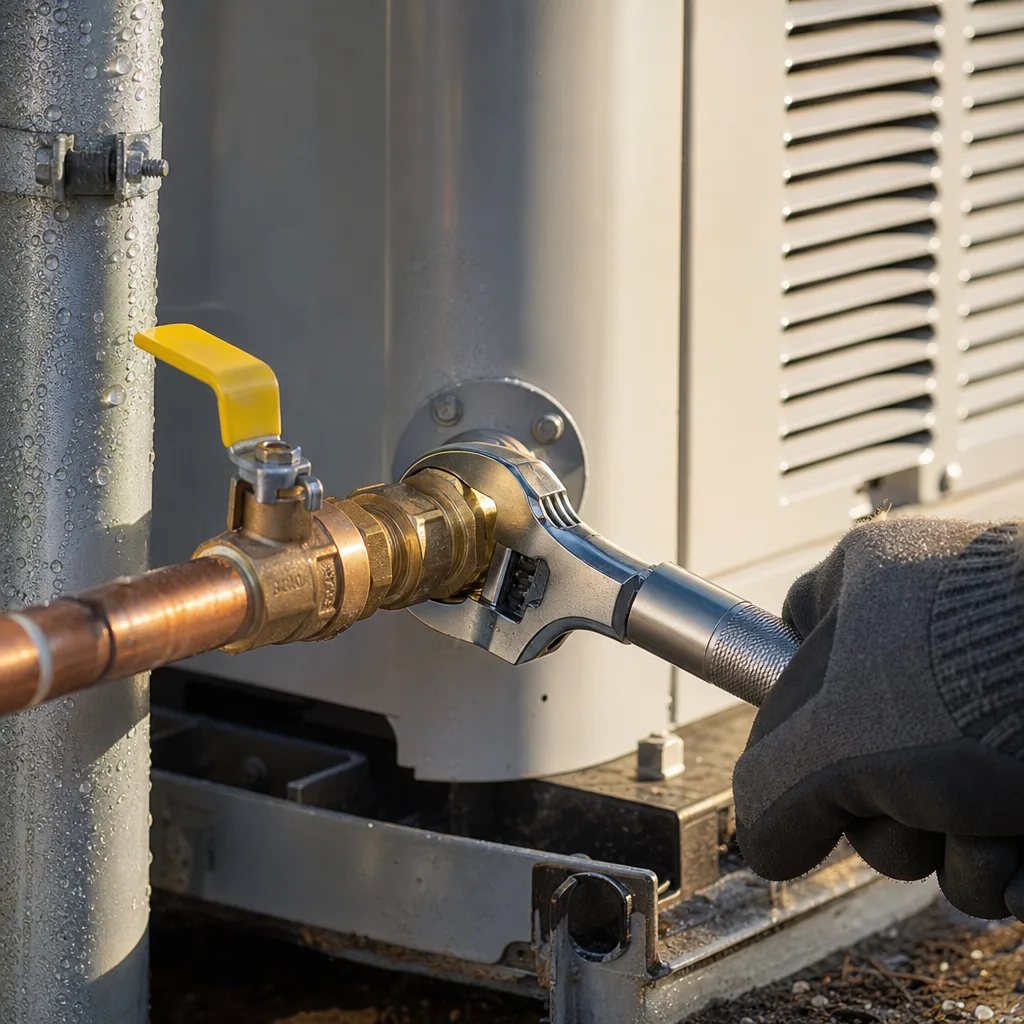
A whole-home standby unit sits on a pad outside your house and stays hooked up to your natural gas line and your electrical panel. When the power goes out, an automatic transfer switch notices and starts the generator for you. You don’t have to be home or do anything. When power comes back, it switches back and shuts itself off.
A portable generator is a manual job. You wheel it out, fuel it with gasoline, start it, and plug it into a hookup on your house. Then you keep it running by refueling it every several hours, sometimes in the dark or in the rain. Most portables also don’t make enough power to run central air, so in a Dallas July you’re usually choosing between the fridge, a few lights, and some fans.
- A portable hookup is probably enough if your outages are short, someone’s almost always home, and you mainly want to save the food in the fridge, keep the lights on, and charge phones.
- It also makes sense if you already own a good portable generator and just need a safe way to connect it to your home.
- A standby generator makes more sense if someone in your home relies on medical equipment, if older family members or pets would be home alone during an outage, or if you travel and can’t refuel anything.
- It’s also the better choice if you need real cooling in summer heat or steady heat when a hard winter freeze knocks out power for days.
One rule applies either way. A generator should never feed power into your home’s wiring without a proper transfer switch or approved hookup. Without one, power can flow backward onto Oncor’s lines and put utility crews in danger, and it can damage your own wiring and appliances. Plugging extension cords straight into the generator is fine. Wiring it into the house the wrong way isn’t.
If a portable setup sounds right for you, that’s a good, sensible choice, and we can help with that too. We offer portable generator hookup and transfer switch installation as separate services, so you aren’t stuck choosing between a full standby system and nothing at all.
Many Dallas homes are slab-on-grade ranch houses built between the 1950s and 1990s, and the panel and gas service in those homes can matter as much as the generator. An older panel may need work before either option is hooked up safely. That’s worth knowing early, whichever way you go.
What a Turnkey Installation Includes
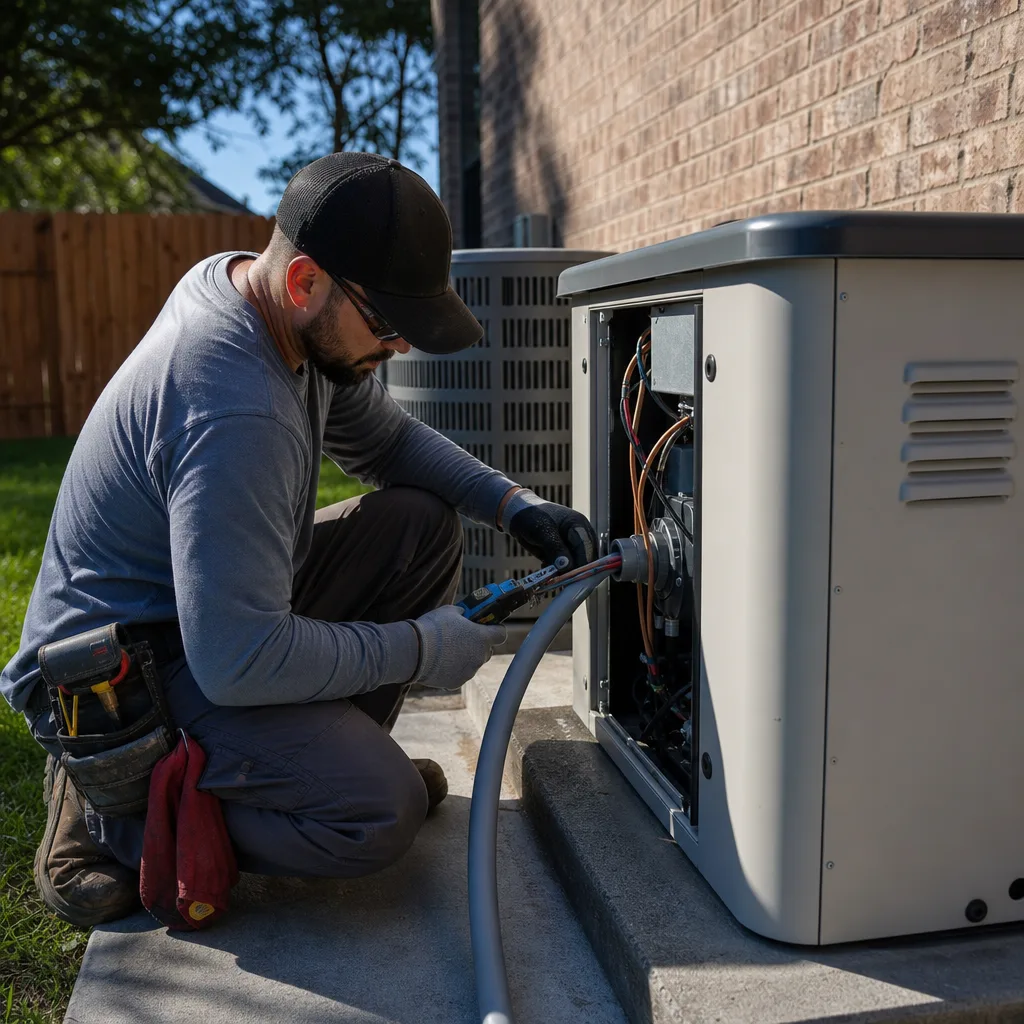
Turnkey means you shouldn’t have to hire anyone else to get a working generator. With our most common job, we install a standby generator with an automatic transfer switch, gas hookup, and pad. Then it’s commissioned and tested, so it’s ready the next time Oncor’s power drops. That job usually runs $10,000-$14,000.
Here’s what’s included in a turnkey install:
- The generator. This is the unit that sits outside your home and makes the power.
- The transfer switch. This is the part that notices the outage and hands your home over to the generator. It also keeps power from flowing back onto the utility lines.
- Professional installation. That includes setting the unit on its pad in the right spot outside your house.
- Gas and electrical connections. The generator gets tied into your natural gas line and your electrical panel, so it runs on its own without refueling.
- Startup and testing. The system is fired up and checked before it’s handed over, so you’re not finding problems during a real storm.
That last step matters more than most people think. A generator that starts in your driveway isn’t the same as a system that takes over your whole home when the grid goes down. When you get any quote, ask how the installer will test the switchover. Ask whether you’ll see it work before they leave.
Some things aren’t part of the standard package. We’d rather tell you now than surprise you later. These are excluded unless your quote says otherwise:
- Extensive gas or electrical service upgrades. A bigger generator can need more gas than your current line or meter supplies.
- Landscaping. That covers replanting, new beds, or putting back decorative stone around the pad.
- Code corrections beyond the job’s scope. This includes existing wiring problems found in the house that aren’t part of the generator work.
- Permits, unless your quote states they’re included.
Those exclusions are why prices vary so much from house to house. Our typical range is $8,000-$18,000. A newer home with the panel close to the gas meter sits at a very different spot in that range than an older ranch house. That’s especially true for a house with a long gas run, or a panel that needs work first, as we covered above.
When you compare quotes, put them side by side and check each line. Does the price include the transfer switch? The pad? The gas connection? Testing? Permits? A lower number that leaves out the switch or the gas work isn’t really lower. It just moves the cost to later. We give you upfront flat-rate pricing before any work starts. You’ll know what’s covered and what isn’t, and nothing gets added without your okay.
If the total is more than you want to pay all at once, flexible financing is available on qualifying installations and larger jobs, on approved credit.
Why This Job Requires Both an Electrical and Gas Permit in Dallas
A standby generator isn’t one job. It’s two. Half of it is electrical work inside your panel. The other half is gas work on the line that feeds your home. Each half is its own licensed trade in Texas, and each one gets checked by the city on its own terms.
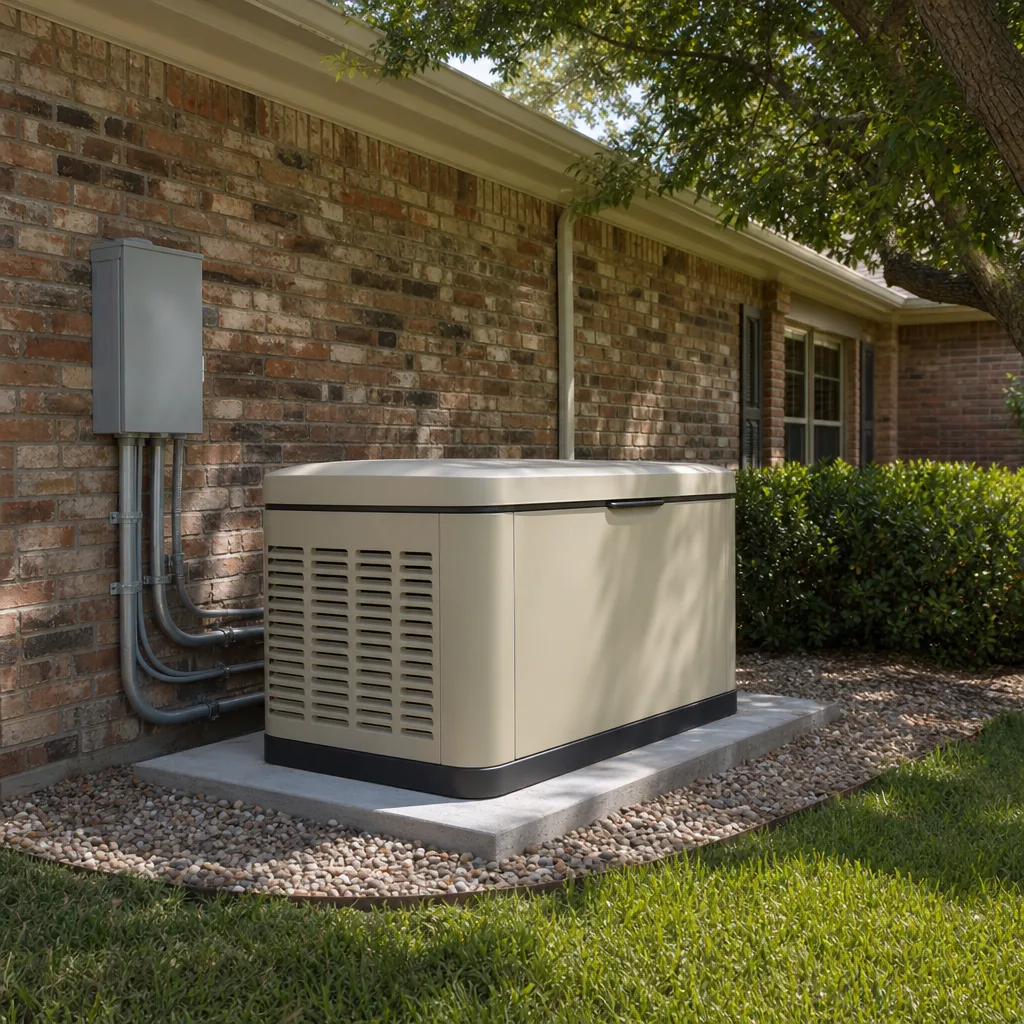
That’s why a properly done install in Dallas usually needs both an electrical permit and a gas permit. Here’s what each one covers:
- The electrical side: the transfer switch, the wiring between the generator and your panel, grounding, and making sure power can’t flow backward onto Oncor’s lines. An inspector looks at whether the switch and wiring are the right size for the generator and whether your panel can safely handle the connection.
- The gas side: the new line from your meter out to the generator pad. An inspector checks that the pipe is sized for how much gas the generator burns at full load and that the line holds pressure without leaking.
The gas side is where a lot of trouble starts. A generator running your whole home burns far more gas than a water heater or a furnace. If the pipe is too small or runs too far, the generator can start up fine on a nice day and then stumble when your AC kicks on during a July outage. A pressure test and a sizing check catch that before you need the power, not after.
Permits can feel like red tape. They work in your favor in a few real ways:
- Someone besides the installer checks the work. A city inspector has no reason to cut corners on your house.
- Your insurance company may ask. If there’s ever a fire or a gas problem, unpermitted work can make a claim harder.
- Selling your home gets easier. Buyers and their inspectors often ask whether a generator was permitted. A permit on file answers that question fast.
Older Dallas ranch homes tend to be where both inspections matter most. The gas meter may be on one side of the house and the panel on the other, so you’re looking at a longer gas run and more wiring. The original panel may also need attention before an inspector will sign off. Neither is a reason to skip the generator. Both are reasons to have the whole thing looked at by people licensed for each part.
We’re a licensed and insured HVAC, plumbing, and electrical contractor, so the gas side and the electrical side of your install stay with one team. You don’t have to coordinate a plumber and an electrician on different days, or wonder whose job it is when something doesn’t line up.
When you compare quotes, ask a few plain questions. Who pulls the electrical permit, and who pulls the gas permit? Are the permit fees in the price, or separate? As we covered earlier, they’re often listed separately. Will the install be inspected before the generator is put into service? If an installer tells you permits aren’t needed for a whole-home generator, that’s your sign to keep looking.
Need help with Whole-home standby generator installation?
Call Today, Get Service Today. Xtreme Air Services — North Dallas is ready to help.
Sizing and Site Factors That Set Your Price
Two homes on the same street can get very different quotes for the same brand of generator. The gap usually comes down to a short list of things: how big the generator needs to be, what kind of transfer switch it uses, how gas gets to it, where it sits, and how far it is from your panel.
Generator size is the biggest one. Size is measured in kilowatts, or kW. That’s simply how much power the unit can make at once. The question isn’t how big your house is. It’s what you want running at the same time when the grid is down.
- Central AC is the big load. In a Dallas summer outage, keeping one or more AC systems running is what pushes most homes toward a larger generator.
- Electric appliances add up fast. An electric range, electric dryer, electric water heater, or pool pump all draw a lot of power, especially when they start up together.
- Gas appliances help. If your furnace, water heater, and stove run on gas, your generator only has to power their fans and controls, so you may not need as large a unit.
Too small, and the generator struggles or shuts down when the AC kicks on. Too big, and you pay for power you’ll never use. That’s why careful sizing matters before anyone picks a model. We offer backup power assessment and generator sizing as their own services if you’d like a clear answer first.
The transfer switch type also affects price. A switch that can carry your whole house costs more than one that only covers a group of essential circuits, like the fridge, some lights, outlets, and the furnace fan. Some setups also manage big loads, letting the AC run only when the generator has room for it. That can let a smaller generator do more.
Gas line run and pressure come next. The farther the generator sits from your gas meter, the longer and often larger the pipe needs to be. If your current meter can’t supply enough gas for the generator plus everything else in your home, that becomes a bigger upgrade, which is one of the exclusions covered earlier.
Pad and site prep matter more in North Texas than in a lot of places. Our expansive clay soil swells when it’s wet and shrinks when it’s dry. A pad set on poorly prepared ground can shift or tilt over time. A flat, open, easy-to-reach spot costs less to prepare than a slope, a tight side yard, or an area that has to be cleared first. Placement also has to keep safe distances from windows, doors, and vents so exhaust stays out of your home.
Distance to the panel works the same way as the gas run. A longer wire run between the generator and your electrical panel means more wire and more labor. If the panel itself is older or full, code upgrades may be needed before the generator can connect. Permit costs, as covered above, round out the list.
None of these factors is a surprise once someone has looked at your home. Ask any installer to tell you which of them apply to your house and how each one changes the number.
Watch Our Video
See How We Handle Whole-home standby generator installation in Dallas
Xtreme Air Services — North Dallas
Why North Texas Homes Need Backup Power Planning
In Dallas, losing power can do more than make things inconvenient. Our weather hits from both ends of the year, and the outages that hurt most usually come right when you need power the most.
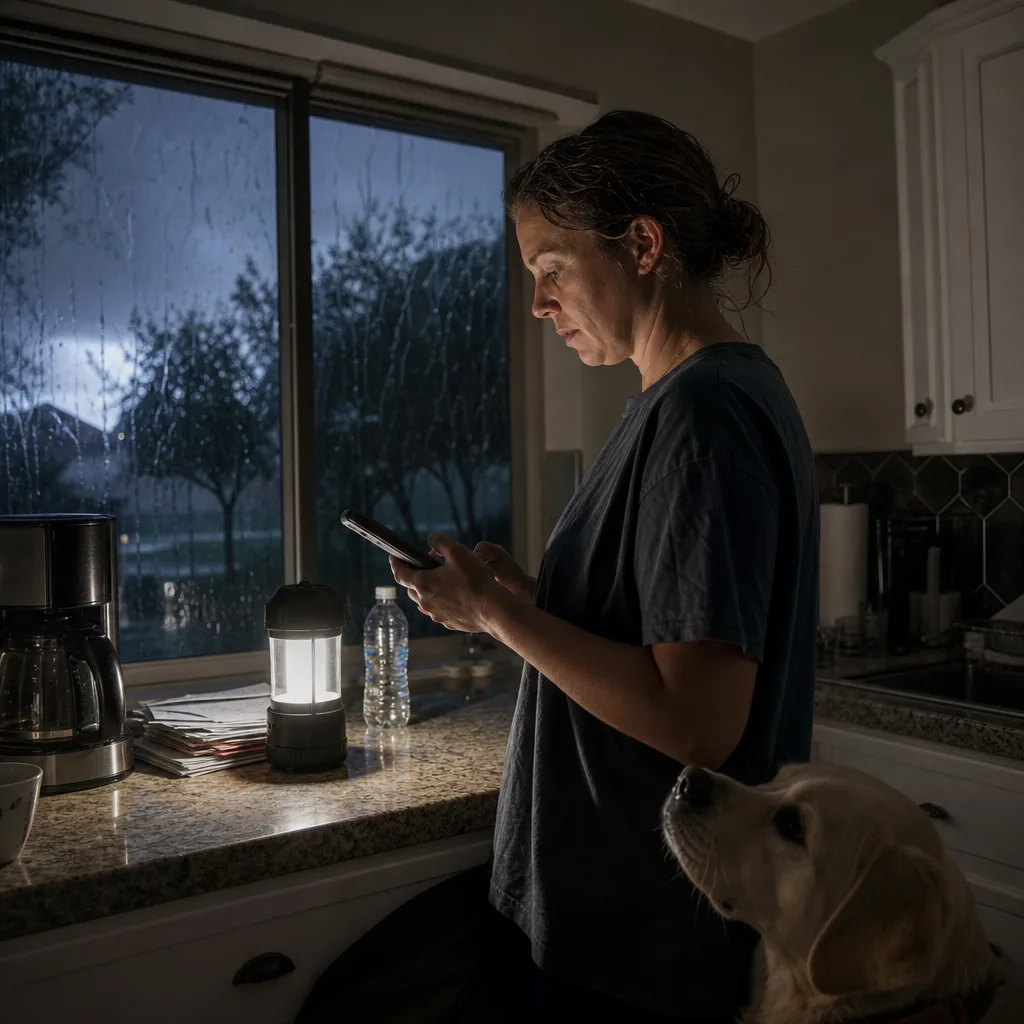
Here’s what that looks like across a North Texas year:
- Spring storm season. Severe thunderstorms, high winds, and hail can bring down tree limbs and overhead lines. Oncor crews may need hours or days to get to every street after a big storm.
- Summer heat. When the AC stops on a 100-degree afternoon, a closed-up house heats up fast. Attic temperatures climb even faster, and that heat pushes down into your living space. For young kids, older family members, and pets, that becomes a health concern, not just a comfort problem.
- Hard winter freezes. A cold front can drop temperatures quickly. If the power stays off long enough, the house loses heat, and water lines in exterior walls or the attic are at risk of freezing and bursting. A burst pipe can leave you with water damage on top of the outage.
That last point is easy to overlook. A generator that keeps your heat running in a freeze also helps protect your plumbing. It isn’t just keeping the lights on. It’s helping keep your home in one piece.
There’s a hard truth about timing, too. You can’t get a standby generator installed once the storm is already on the radar. Sizing, a gas and electrical plan, permits, inspections, and setting the pad all take time. The best time to plan is a calm week in spring or fall, when nobody’s rushing and you can make a clear decision.
Planning ahead also means you get the right answer for your house, not just the first unit someone has in stock. That means knowing what you need running, whether your panel and gas service are ready, and which option fits your budget. Sometimes that answer is a full standby system. Sometimes it’s a portable hookup. Either way, you’ll know before the lights go out.
Here’s a simple way to start, even before you call anyone. Walk through your home and write down what you’d want working during a three-day outage in August. Then do the same for a three-day outage in a February freeze. That short list tells an installer most of what they need to know to point you toward the right setup.
Xtreme Air Services is a licensed and insured HVAC, plumbing, and electrical contractor, with a 4.8-star reputation across 2,900+ reviews on Google, Angi, and HomeAdvisor. That means one local team can look at your AC load, your gas line, and your panel together and give you upfront flat-rate pricing before any work starts. If a full system is more than you want to pay at once, flexible financing is available on qualifying installations, on approved credit.
Call 469-213-3107
Frequently Asked Questions
Common questions about Whole-home standby generator installation
Can I just hook a generator up to my house myself?
No, you should never connect a generator to your home’s wiring without a proper transfer switch. Doing this can send power backward onto Oncor’s lines, which is dangerous for repair crews, and it can also damage your own wiring and appliances. A licensed electrician needs to install the transfer switch and tie it into your panel correctly so this never happens.
Does adding a standby generator increase my home’s value?
A standby generator can make your home more appealing to buyers, especially in Dallas where spring storms and summer heat cause real outages. Buyers often ask whether a generator was permitted, since unpermitted work can slow down a sale or raise questions during inspection. A documented, properly permitted install gives future buyers confidence the system was done right.
How long does it take to go from calling an installer to having a working generator?
Plan for several weeks, not a few days, since sizing, permits, inspections, and pad setup all take time. This is why waiting until a storm is already forecast is too late. Homeowners who plan during a calm week in spring or fall get the system in place before the next summer heat wave or winter freeze hits.
Ready to Get Started?
Call (469) 213-3107 Today, Get Service Today.