


Transfer Switch Installation in Plano: Connect Your Generator the Safe Way
Automatic or manual transfer switches installed to code, so your generator powers your home safely.
What’s Covered on This Page
- Automatic vs. Manual Transfer Switches: Choosing the Right Type
- What’s Included in a Transfer Switch Installation
- Why Panel Connections Require a Permit in Plano
- When You Don’t Need a Transfer Switch
- Backup Power Readiness After North Texas Storms
- How long does a transfer switch installation take?
- Can I install a transfer switch myself?
- What size transfer switch do I need for my generator?
- Will a transfer switch work during a long power outage like the 2021 winter storm?
Automatic vs. Manual Transfer Switches: Choosing the Right Type
Both types do the same core job. They keep your home on one power source at a time, either Oncor’s lines or your generator, and never both. That’s what makes backup power safe. Without a transfer switch, a generator can push power back out onto the utility lines. That puts line workers at risk and can damage your equipment when the grid comes back on.
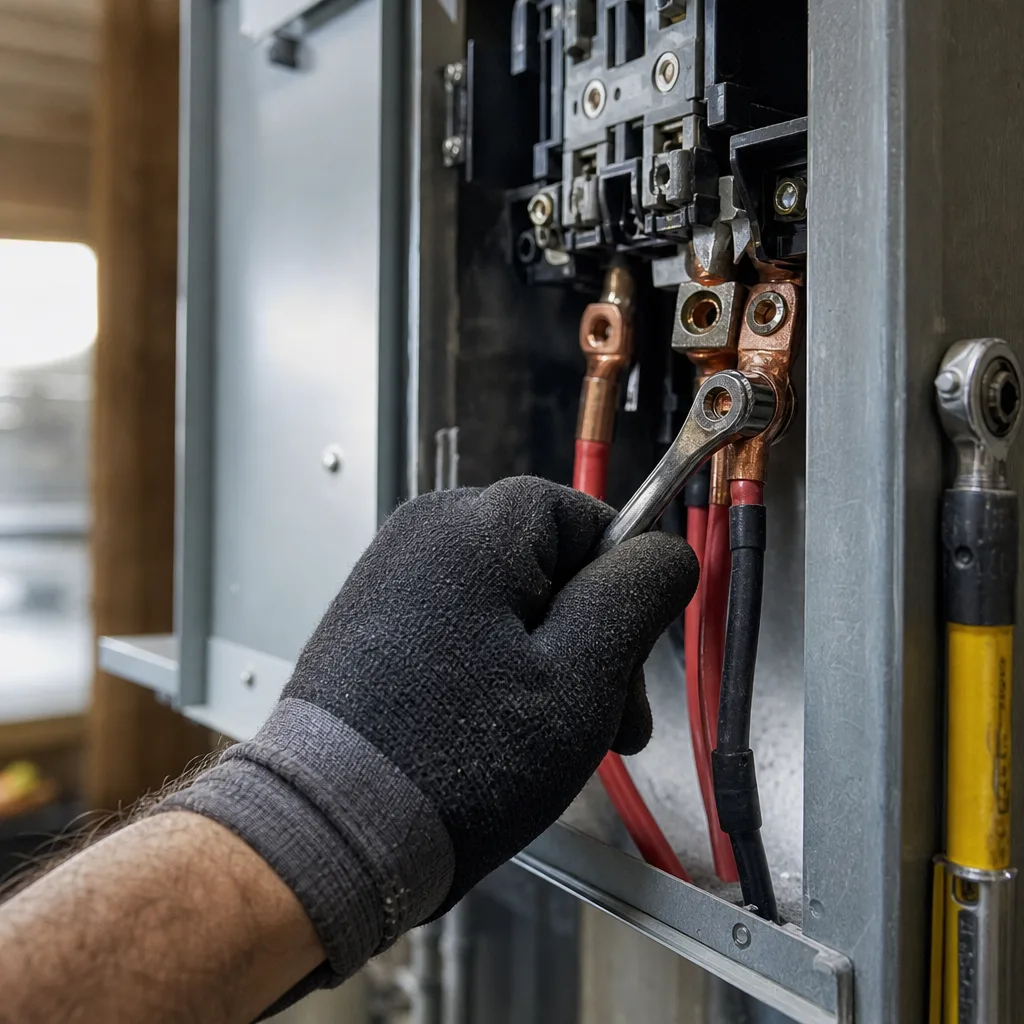
The difference is who does the switching, you or the switch.
- Manual transfer switch: When the power goes out, you roll out your portable generator, plug it into an outdoor inlet, start it, and flip the circuits you picked over to generator power. It covers the circuits you choose ahead of time, like the fridge, a few lights, the furnace fan, or the garage door.
- Automatic transfer switch: This pairs with a permanently installed standby generator. It senses the outage, tells the generator to start, and moves your home over to backup power without you doing anything. When utility power returns, it switches back and lets the generator shut down on its own.
A manual switch makes sense if you already own a portable generator and someone is usually home to set it up. It’s also a good fit if your outages tend to be a few hours after a spring thunderstorm, not days. If all you want is a cold fridge, working lights, and a charged phone, you don’t need more than that. We’ll tell you so.
An automatic switch makes sense if nobody should have to go outside in the dark to start a generator. Think of a family member who relies on medical equipment, an older parent living with you, a home office that can’t go down, or a house that sits empty while you travel. It also makes sense when the outage itself is the danger. During the February 2021 winter storm, plenty of North Texas homes lost heat for days in freezing weather. In a long outage like that, it matters that backup power starts on its own, even if you’re asleep or away.
Switch type is one of the things that moves your price, along with how many circuits you want covered, how much room is in your panel, and how far the generator sits from it. A manual setup that covers a handful of circuits is a simpler job than an automatic switch running a whole house. Before any work starts, we’ll walk you through what’s included so you can weigh both options side by side.
If you’re still on the fence, start with two questions. What do you need running during an outage? Who will be home to make it happen? Your answers usually point straight to the right switch.
What’s Included in a Transfer Switch Installation
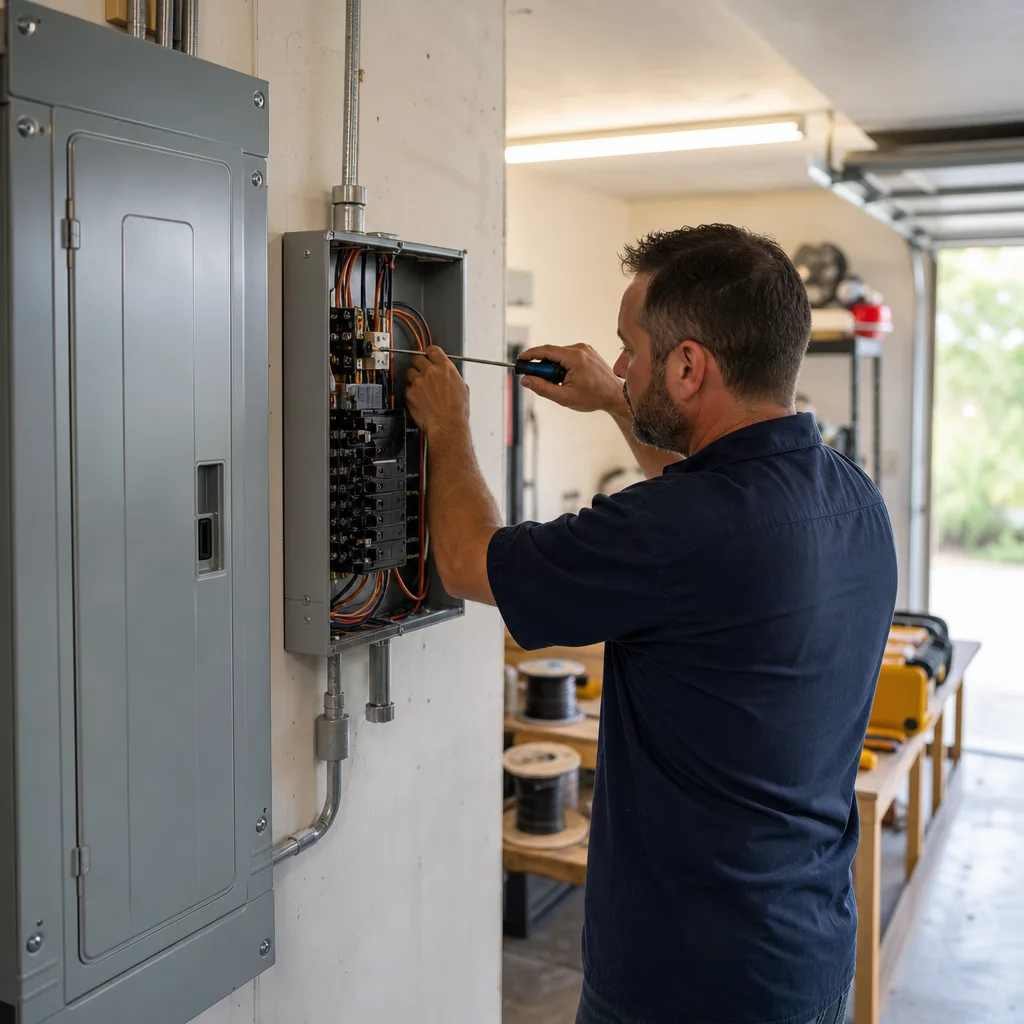
When we quote your transfer switch installation, the goal is simple. By the time we’re done, your generator is safely connected to your home’s panel and it’s been tested. Most jobs finish the same day, so you aren’t waiting through the next storm for backup power.
Here’s what your price covers:
- The transfer switch and materials. You won’t get a separate bill for the switch or the parts it takes to hook it up.
- Professional installation by our licensed and insured team.
- The connections that tie the switch into your panel and link it to your generator.
- Testing, so you know the setup works before you need it in the dark.
Some things aren’t part of the standard job. We’d rather tell you now than surprise you later.
- The generator itself. If you don’t have one yet, we also handle whole-home standby generator installation and portable generator hookup.
- Panel upgrades. If your panel is full, worn out, or doesn’t have room for the switch, that’s separate work.
- Code corrections. If existing wiring in your home doesn’t meet code, fixing it is priced on its own.
- Permits, unless your quote says they’re included.
Pay attention to those last three words, “unless they’re included.” Two quotes can look far apart just because one includes the permit and the other leaves it out. When you compare prices, ask each company the same question: does this cover the permit, and what happens if the panel needs work? You should get a straight answer before anyone picks up a tool.
Here’s a common example. You open your panel door and every breaker slot is filled. That doesn’t mean you can’t have a transfer switch. It just means the panel may need attention first, and that should show up in your quote as its own line, not as a surprise halfway through the job. With our upfront flat-rate pricing, you see and approve the price before work starts, so the meter isn’t running while we figure things out.
On cost, a transfer switch installation typically runs $500 to $1,500. Our most common job, installing an automatic or manual switch, connected and tested, runs $700 to $1,100. Where your home falls in that range depends on the factors covered above, plus any code upgrades and permits.
There’s a $26 to $99 service-call fee to come out and look at your setup. If you go ahead with the job, we credit that fee toward the work. If the total is more than you planned to spend at once, flexible financing is available on qualifying installations and larger jobs, on approved credit.
So when you read your quote, you should be able to point to four things: the switch, the installation, the connections, and the testing. Anything outside those four should be listed clearly, with a price next to it. That’s how you know exactly what you’re getting and what it costs.
Why Panel Connections Require a Permit in Plano
A transfer switch isn’t like plugging in a new appliance. It ties straight into your electrical panel, the heart of your home’s wiring, and it decides where your power comes from. That’s why the City of Plano treats it as electrical work that needs a permit and an inspection, not a weekend project.
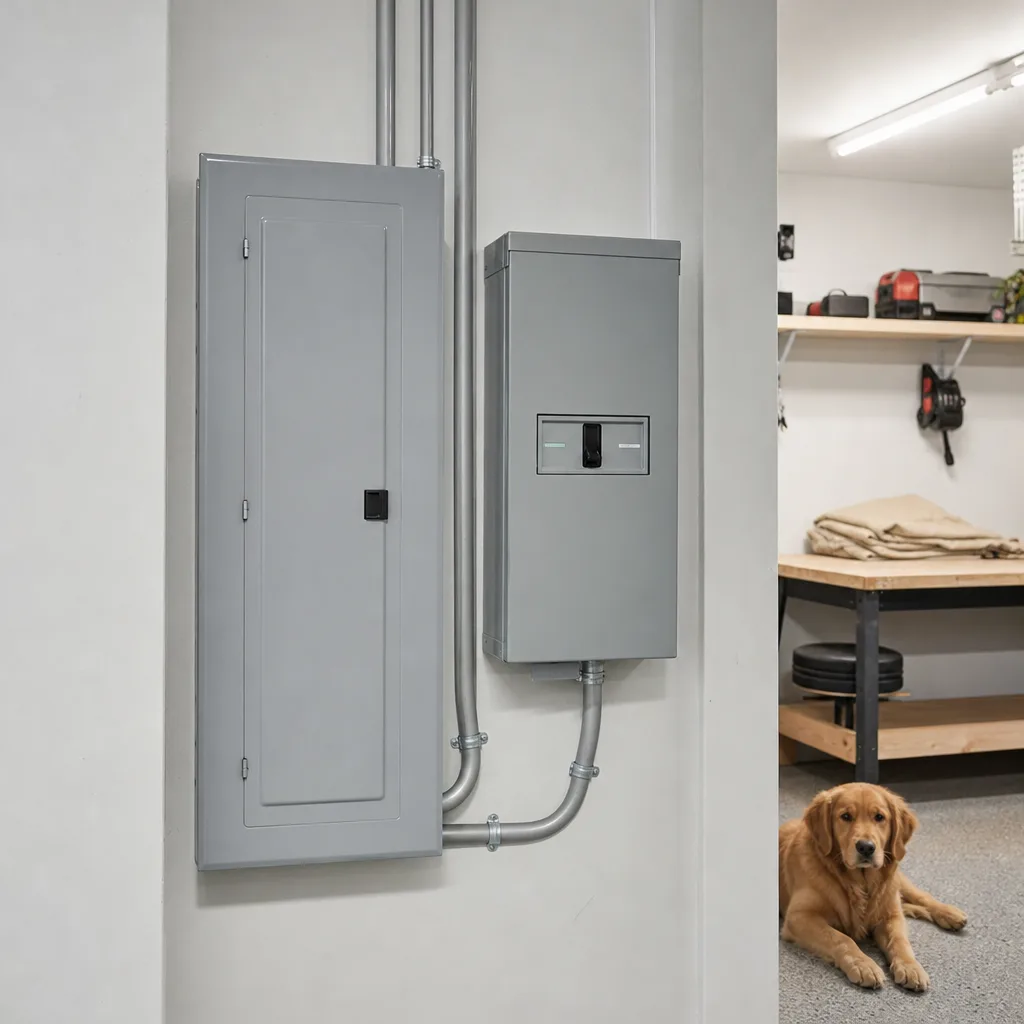
We know a permit can feel like one more fee and one more wait. But think about what the inspector is checking. It’s the stuff you can’t see once the panel cover goes back on.
- The switch is rated for the load. It has to handle the circuits you want covered without overheating.
- The wire and breakers are the right size. Wire that’s too small for the current can get hot inside your walls.
- Grounding is done right. The generator and the panel need a safe path for stray current, or a fault can leave metal parts live.
- The inlet and switch are placed and labeled correctly, so you or a firefighter can tell what’s what in the dark.
- The switch truly keeps your home on one source at a time, which prevents the backfeed problem covered above.
An inspection is a second set of trained eyes on work that carries real fire and shock risk. It protects you, and it protects the Oncor crews working on the lines down your street during an outage.
It protects you later, too. If you ever have a fire or a storm claim, your insurance company may ask whether electrical work was permitted. And when you sell your home, a buyer’s inspector may spot a transfer switch and ask for the paperwork. A closed permit answers that question in one sheet. An unpermitted switch can mean delays, a repair request, or pulling the work apart so someone can look at it.
In Texas, electrical work like this should be done by a licensed electrician. The Texas Department of Licensing and Regulation handles that licensing. A permit and a license go together. If someone offers to wire your generator into the panel cheap, with no permit and no license, that’s your cue to keep looking.
You may have heard of shortcuts, like running a generator into a dryer outlet with a homemade cord. Skip it. There’s no switch to stop power from flowing both ways, and nothing an inspector would ever sign off on.
Before you hire anyone, ask these questions:
- Who pulls the permit, you or me?
- Is the permit fee in this quote, or separate?
- Will you be there for the inspection, and who fixes anything the inspector flags?
- Are you licensed for electrical work in Texas?
As we mentioned with pricing, permits aren’t part of the standard job unless your quote says so. We’ll tell you upfront where the permit stands on your job, so it doesn’t turn into a surprise later. The goal is a switch that works the first time the lights go out and paperwork that holds up years from now.
Thinking about Transfer switch installation? Let’s talk.
Call Today, Get Service Today. Xtreme Air Services — North Plano is ready to help.
When You Don’t Need a Transfer Switch
Not every home needs a transfer switch, and we’d rather tell you that now than sell you something you won’t use. Here are the cases where you can skip it, or at least wait.
You only plug a few things straight into a portable generator. Maybe you run a heavy-duty outdoor extension cord to the fridge and a lamp during a short outage. That doesn’t need a transfer switch, because nothing ties into your panel. The generator stays outside, the cords plug right into it, and your home’s wiring never gets involved. Use cords rated for the load, and follow your generator manual on where to set it up. The trade-off is hassle. You’ll run cords through a cracked door or window, and you can’t power anything hardwired, like your furnace fan, well pump, or garage door opener.
You just need to keep small electronics alive. If your real worry is a phone, a laptop, the Wi-Fi router, or a CPAP machine overnight, a portable battery power station may cover you. It plugs in like any other device, so there’s no panel work and no permit.
You don’t own a generator yet. Since your generator decides which switch you need, buying a switch first gets the order backward. Pick the generator, then match the switch to it.
Your standby generator job already covers it. An automatic switch is part of setting up a permanent standby generator. If you’re having one installed, make sure the switch isn’t also showing up as a second, separate job on a different quote. You shouldn’t pay twice for the same piece.
You rent, or you’re moving soon. A renter can’t add a switch to a panel they don’t own without the landlord’s okay. If you’re selling your Plano home in the next few months, a switch may not pay off for you. That’s especially true if your outages are rare.
Your outages are short and rare. If you’ve lost power for an hour or two a couple of times in recent years, and nobody at home depends on electricity for their health, you may be fine without any backup setup. That’s a fair choice. You can always add a switch later if things change.
You may also hear about a generator interlock, a sliding plate on the panel that stops the main breaker and the generator breaker from being on together. It does the same core job of keeping your home on one source. Whether it’s allowed and fits depends on your panel, so ask a licensed electrician before you buy one.
One thing doesn’t change. If you want a generator to power anything through your home’s wiring, you need a proper, permitted way to do it. That’s the one case where skipping the switch isn’t an option, for the backfeed reasons covered above. Everything else on this list is your call, and it’s a perfectly reasonable one.
Watch Our Video
See How We Handle Transfer switch installation in Plano
Xtreme Air Services — North Plano
Backup Power Readiness After North Texas Storms
Most people start thinking about a transfer switch the morning after the power comes back. You sat in a dark, warm house, listened to the fridge go quiet, and decided you didn’t want to do that again. That’s the right instinct. The best time to act on it is before the next storm, not during it.
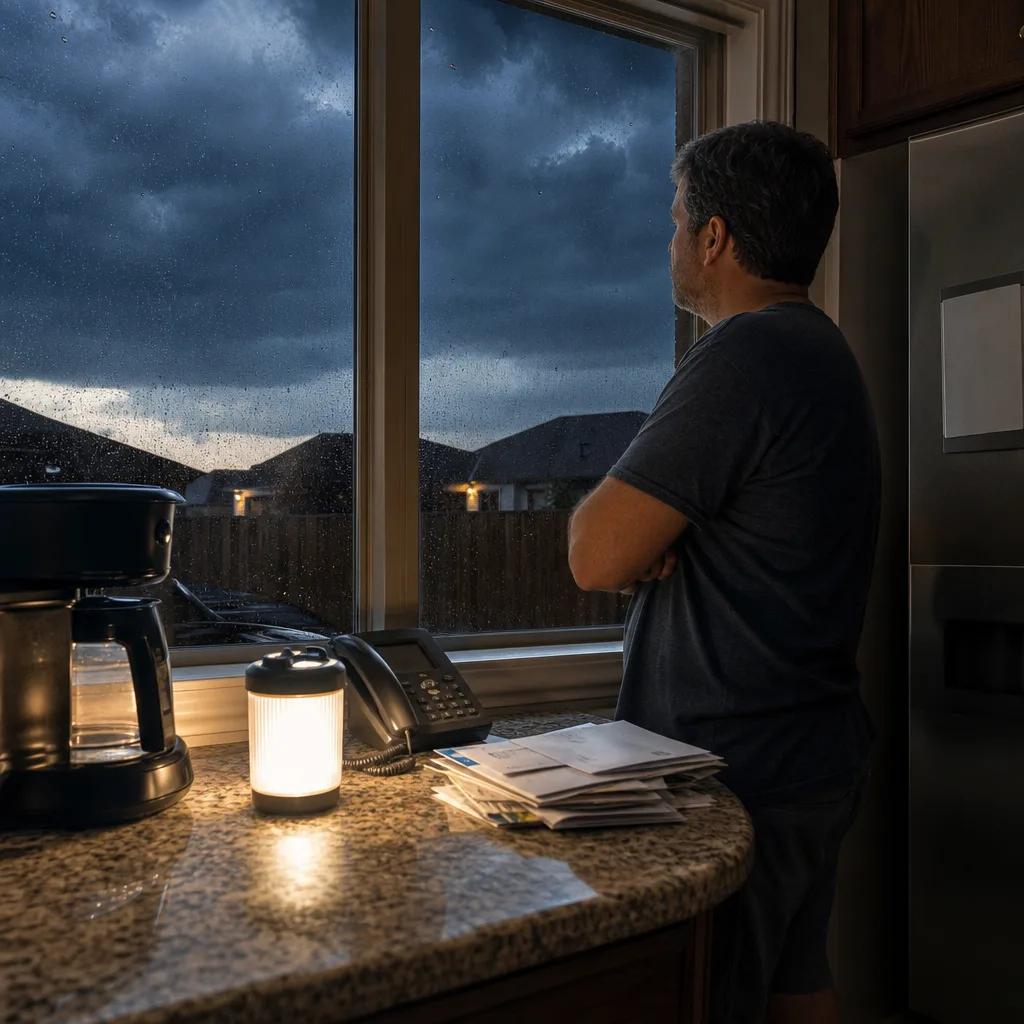
North Texas gives you outages in every season. Spring brings severe thunderstorms and hail. Summer heat puts a heavy load on the grid. Winter can turn hard and fast, as February 2021 showed. A switch installed in a calm week is ready when any of those hit. Most installs finish the same day, and our testing confirms the setup works before you ever need it.
A switch that’s installed but never used can still let you down. A few habits keep it ready:
- Know what’s covered. With a manual switch, you picked certain circuits. Write them down and tape the list near the switch. If central air isn’t on that list, you’ll want to know that before a July outage, not during one.
- Practice in daylight. Run through the full startup once on a clear afternoon. Roll the generator out, plug into the inlet, start it, and flip your circuits. Doing it the first time by flashlight in the rain is no fun.
- Keep the path clear. Make sure nothing blocks your way to the inlet box, the generator, or the switch. After a storm, look for branches or debris near the generator and check the inlet cover and generator housing for hail dents or cracks.
- Follow your generator’s manual on fuel and running. Stale fuel is a common reason a portable unit won’t start when you need it. Standby generators usually run a short self-test on a schedule set by the maker, so learn what yours sounds like and when it runs.
- Switch back the right way. When Oncor restores power, an automatic switch handles the return on its own. With a manual switch, follow the order in your switch’s instructions.
If something seems off, don’t wait for the next outage to find out. Watch for a generator that’s slow to start, a switch that didn’t change over during a test, or a breaker that trips when the generator kicks in. We also handle generator maintenance and generator load testing. A load test runs your generator under real demand, so you know it can carry what you need.
Here’s the simple version. A good backup setup is one you’ve seen work, you know how to use, and you trust to carry your home through a long night. Getting there takes the right switch, a clean connection to your panel, and a test before the storm shows up.
Call 469-527-5131
Frequently Asked Questions
Common questions about Transfer switch installation
How long does a transfer switch installation take?
Most transfer switch installations finish in a single day. That covers mounting the switch, connecting it to your panel and generator, and testing it before we leave. If your panel needs upgrades or code corrections first, that extra work can add time, so we’ll flag it upfront in your quote.
Can I install a transfer switch myself?
No, this isn’t a DIY job. A transfer switch ties directly into your home’s electrical panel, and in Plano that work requires a permit, an inspection, and a licensed electrician through the Texas Department of Licensing and Regulation. Wiring it wrong risks backfeed, which can shock utility line workers and damage your equipment when power returns.
What size transfer switch do I need for my generator?
The right size depends on your generator’s output and how many circuits you want covered during an outage. A manual switch for a portable generator usually handles a handful of key circuits, like the fridge, furnace fan, and some lights. An automatic switch for a whole-home standby generator is sized to carry your entire panel load, so the generator and switch need to be matched together before installation.
Will a transfer switch work during a long power outage like the 2021 winter storm?
Yes, as long as it’s properly installed, tested, and your generator has fuel or a steady supply. During the February 2021 winter storm, many North Texas homes lost heat for days in freezing weather, which is exactly the scenario an automatic switch is built for. It starts the generator and switches your home over without anyone going outside in the dark, even if you’re asleep.
Ready to Get Started?
Call (469) 527-5131 Today, Get Service Today.