


Whole-Home Standby Generator Installation in Plano
Turnkey standby generators sized to your home's real load – gas line, panel, permits and startup handled as one job.
What’s Covered on This Page
- What Whole-Home Standby Generator Installation Includes
- Four Factors That Decide If Your Install Is Simple or Complex
- The Installation Process From Sizing to Startup
- Permits and Licensing Requirements in Plano
- When a Portable Generator Is Enough Instead
- Can I keep my generator running on Generac oil and filter changes myself, or do I need a pro?
- What happens if my generator won’t start when I need it during a storm?
- Can I rent a generator instead of buying one for a short-term need in Plano?
What Whole-Home Standby Generator Installation Includes
When you price a standby generator, it’s easy to focus on the box that sits outside. But the box is only part of the job. A generator that’s sized wrong, fed by a gas line that can’t keep up, or wired without the right switch won’t carry your home when the power goes out. That’s why we treat this as one complete system, and why it matters who installs it.
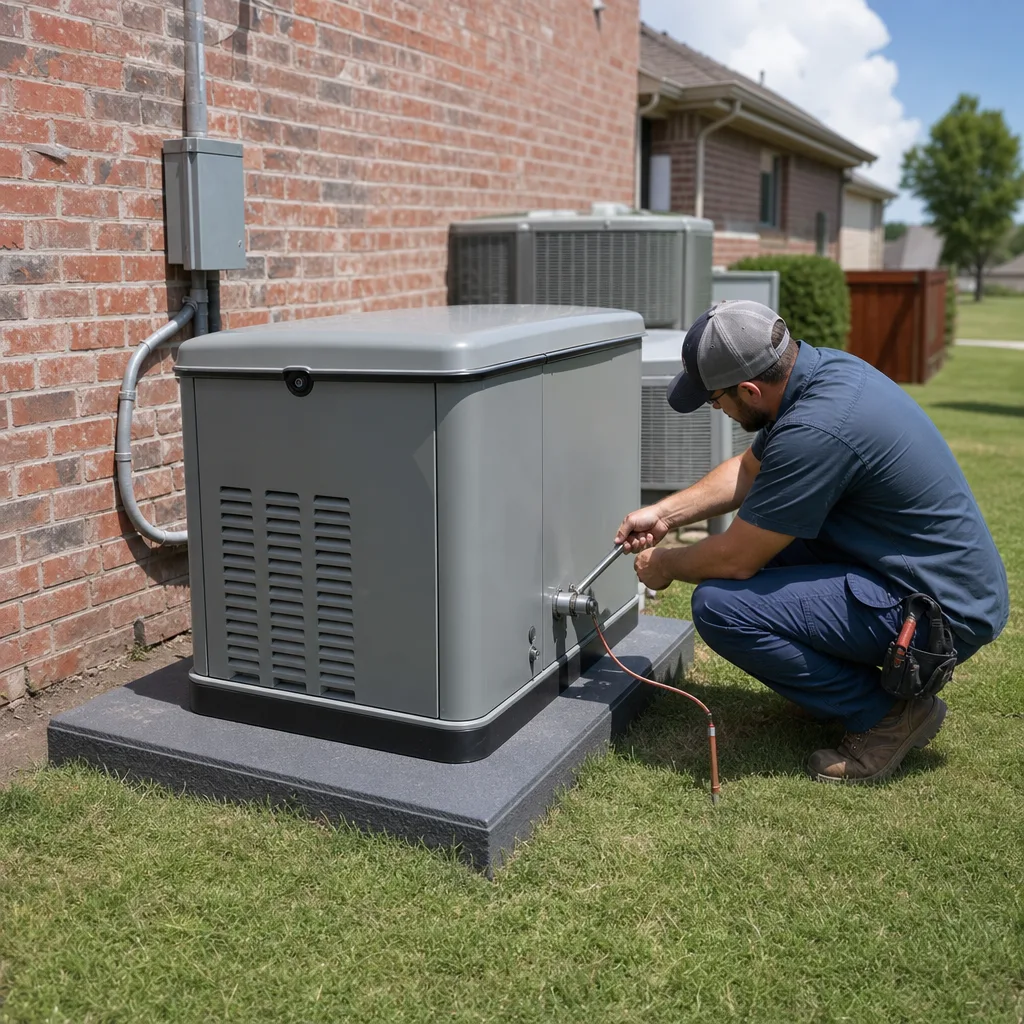
Our most common job is a turnkey install. We set a standby generator with an automatic transfer switch, gas hookup, and pad, then commission and test it. Here’s what’s included:
- The generator itself, sized in kilowatts (kW) to the load you want to run.
- An automatic transfer switch. This device senses when grid power drops, starts the generator, and switches your home over without you lifting a finger. When power comes back, it switches you back.
- Professional installation by licensed and insured technicians.
- Gas and electrical connections, from your fuel supply to the unit and from the unit to your panel.
- Startup and testing, so you know it works before you ever need it.
Some work falls outside the standard scope. It’s better to know that now than to find out halfway through the job. These items are excluded unless your quote states them:
- Extensive gas or electrical upgrades, such as a larger gas meter or a new main panel.
- Landscaping around the generator pad.
- Code corrections beyond the scope of the install, like existing wiring problems found along the way.
- Permits, unless stated in your quote.
Why would those come up? A standby generator burns a lot of natural gas while it runs. If your current gas line or meter already feeds a furnace, a water heater, and a range, it may not have room for one more big appliance. The same goes for an older electrical panel that’s out of space. These aren’t upsells. They decide whether your generator runs your home through a long outage.
This is also where having one company for both trades helps you. Xtreme Air Services is a licensed HVAC, plumbing, and electrical contractor. The gas side and the electrical side of your install are handled by one accountable team, so you don’t end up stuck between two crews pointing at each other.
On price, our typical range for this work is $8,000 to $18,000. The most common turnkey job runs $10,000 to $14,000. Where your home lands depends on generator size, transfer switch type, the length and pressure of the gas line run, pad and site prep, the distance to your panel, any code upgrades, and permits. You’ll get upfront pricing before work starts. Flexible financing is available on qualifying installations, on approved credit.
When you compare quotes from other installers, line them up against the list above. Ask each one whether the transfer switch, gas hookup, pad, and testing are included. Ask what happens if your gas line or panel needs work. A quote that looks lower but leaves those out isn’t really a lower price.
Four Factors That Decide If Your Install Is Simple or Complex
Two homes on the same street can get very different quotes for a standby generator. That’s not guesswork. It comes down to four things about your house. Once you know them, you can usually tell if you’re looking at a simple install or a bigger job.
1. How much of your home you want to keep running. This sets the generator size. If you only want the fridge, lights, Wi-Fi, a few outlets, and the furnace fan, a smaller unit can handle it. If you want everything, including central air in a Texas July, you need a lot more power. AC is usually the biggest load in a North Texas home. Some homes get a middle path, where the system holds off on big appliances until there’s room for them. The more you want to run at once, the bigger the unit and the switch.
2. How far the gas has to travel, and how big the pipe is. You already know the meter has to keep up. The other half is distance. A generator that sits close to the meter with a short, open run is the easy case. A long run along the side of the house, under a patio, or across a driveway means more pipe, maybe bigger pipe, and maybe trenching. Longer runs lose pressure, so the pipe size has to match the distance.
3. The path from the generator to your electrical panel. The transfer switch has to tie into your panel, so your panel matters. A newer panel near the outside wall where the generator will sit keeps things simple. An older or full panel, or one on the far side of the house, adds wire, labor, and sometimes a panel upgrade. Plenty of Plano homes built decades ago still have their first panel, so this is worth checking early.
4. Where the generator can sit. The unit needs a level pad and safe space from windows, doors, vents, and anything that burns. North Texas clay soil swells when it’s wet and shrinks when it’s dry, so a pad on poorly prepared ground can tip or crack over time. A flat side yard with room to spare is easy. A tight side yard, a slope, a fence in the way, or HOA rules about where equipment can go all add work.
Before you get any quote, walk outside and look at where your gas meter and panel are. Note how far apart they are and where a generator might fit. Ask any installer to check all four of these factors in person. A quote that skips them is a guess, and guesses tend to get more expensive once the work starts.
The Installation Process From Sizing to Startup
A standby generator goes in through a set of steps that build on each other. A shortcut early in the job shows up later, usually during your first real outage. Here’s how a complete install moves from first visit to a unit you can count on.
1. Sizing starts with your list, not a guess. The process begins with what you want running when the grid goes down. That could be the fridge and lights, or the whole house with central air in August. A proper load calculation adds up those appliances and accounts for the surge a big motor like an AC compressor pulls when it kicks on. Ask to see the sizing in writing. A size picked by eye is how homes end up with a generator that can’t start the AC.
2. You approve the scope and price before anything starts. With Xtreme Air Services, you get upfront pricing before work begins. Your quote should name the generator size and the transfer switch type. It should also say whether any gas or panel upgrades are needed and whether permits are included. If something is excluded, you should see it on paper now.
3. Permits and the utility come next. Most cities require permits for new gas and electrical work, and an inspector checks the finished install. If your gas meter needs an upgrade, the gas utility has to handle its side, and that can affect scheduling. It’s normal for this step to take time. Don’t treat that as a red flag.
4. The install day work. Once the paperwork is set, the physical work follows a clear order:
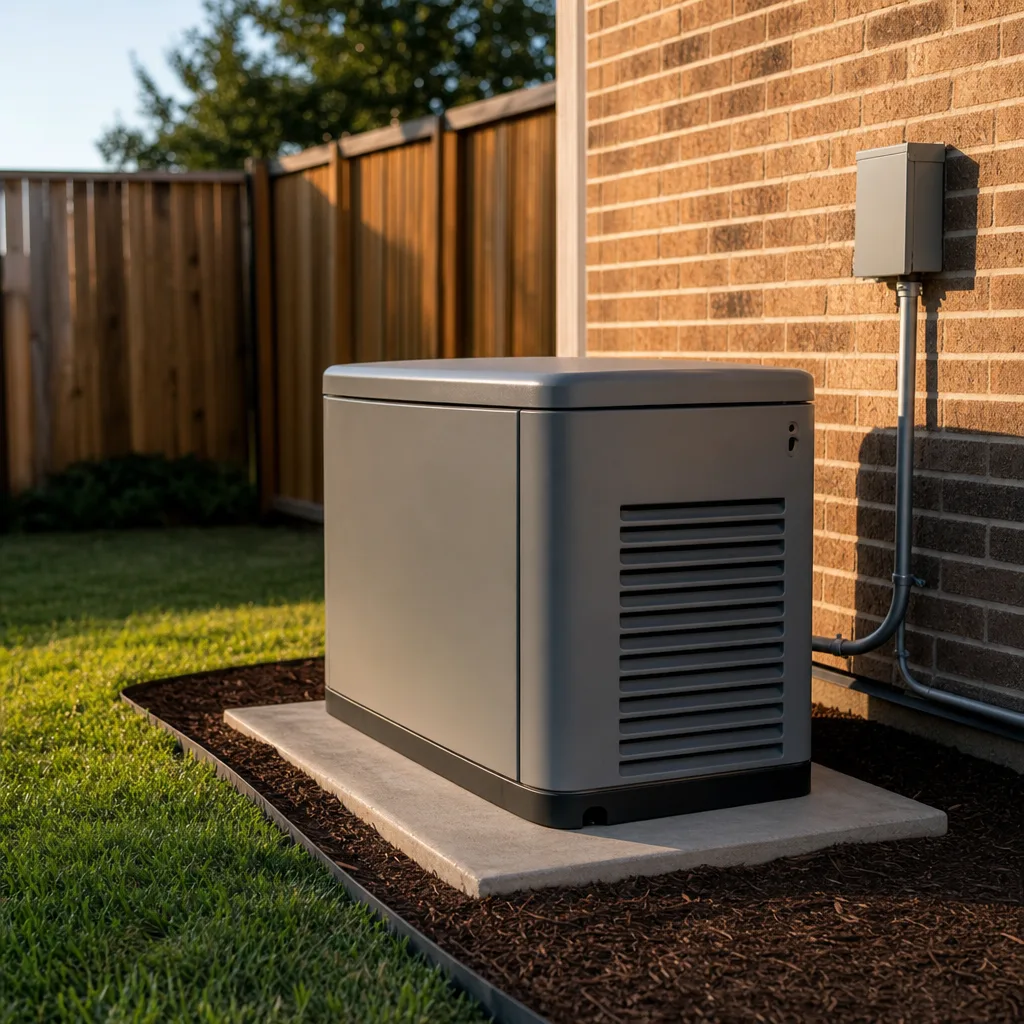
- Pad and placement. The unit is set level on its pad at the spot chosen during the site check, with required clearances kept.
- Gas line. Pipe is run and sized for the distance. Then it’s pressure-tested for leaks before the generator ever gets fuel.
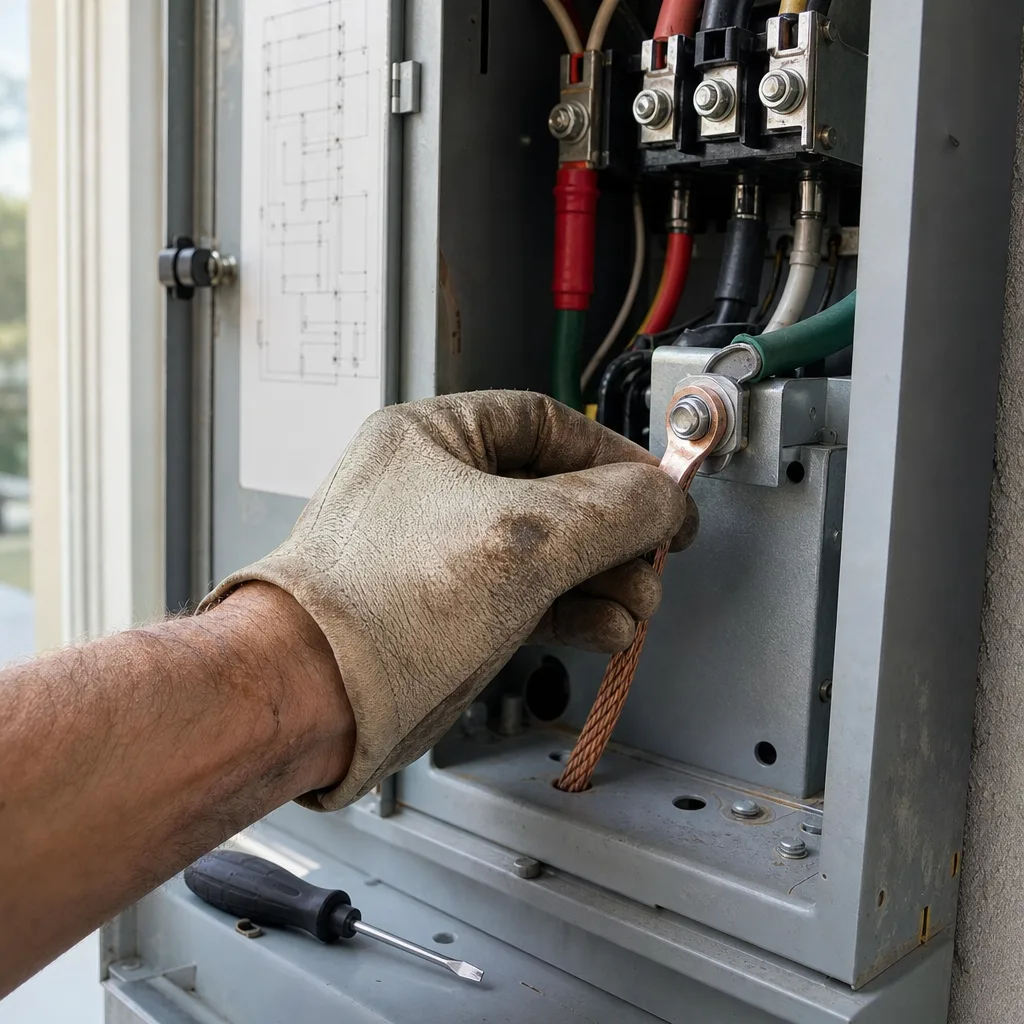
- Transfer switch and wiring. The switch is tied into your panel and the generator is wired to the switch. Expect a short, planned power shutoff while your panel is connected.
5. Startup and testing prove the system works. This is the step that matters most, and it’s part of our standard turnkey job. A generator that turns on in the driveway hasn’t proven anything yet. Real commissioning means cutting utility power on purpose to copy an outage. Then the installer watches the transfer switch move your home to generator power and checks that the unit carries the load you paid for. Last, they restore grid power and confirm the switch moves you back.
Before the crew leaves, you should know a few things. You should know what the controller lights mean. You should know when the generator runs its weekly self-test, which is a short, scheduled run that keeps the engine ready. And you should know who to call if a warning ever shows up.
Timing helps too. North Texas storm season builds in spring, and summer brings the heaviest AC load of the year. If you start the process in the off months, your generator can be installed, inspected, and tested before you need it most.
Need help with Whole-home standby generator installation?
Call Today, Get Service Today. Xtreme Air Services — North Plano is ready to help.
Permits and Licensing Requirements in Plano
A standby generator touches two systems that can hurt people if they’re done wrong: your natural gas line and your electrical panel. That’s why the City of Plano wants permits and inspections for this kind of work, and why Texas requires licensed trades to do it. Knowing who’s responsible for each piece keeps you from getting stuck with the problem later.
The licensed contractor doing the work should pull the permits, not you. If an installer asks you to pull an owner’s permit yourself, take that as a warning sign. When you sign as the owner, you can take on responsibility for work you didn’t do and can’t check. A licensed company that pulls its own permits is putting its name on the job.
Permits aren’t part of our standard turnkey price unless your quote says so. Either way, you should know before work starts who’s filing them and what they cover.
Here’s what each part of the job calls for in Texas:
- Electrical work. Wiring the transfer switch into your panel should be done by a licensed electrician. In Texas, electricians are licensed through the Texas Department of Licensing and Regulation (TDLR).
- Gas piping. Running and connecting the gas line to the generator is gas work. It should be done by someone licensed for gas piping, and the line should be pressure-tested before it’s approved.
- Inspection. A city inspector looks at the finished install before it’s signed off. Don’t count on the generator during a storm until that final inspection has passed.
You can check any installer’s license yourself. Ask for the license numbers, then look them up on the state’s public search. It takes a couple of minutes and tells you whether the license is active. Xtreme Air Services is a licensed and insured HVAC, plumbing, and electrical contractor, and our HVAC license is #TACLA29023C. Because the gas side and the electrical side of your install fall under one company’s licenses, you’re not hiring separate crews and hoping their permits line up.
Your HOA is a separate step, and it’s easy to miss. Many Plano neighborhoods have HOAs with rules about where outdoor equipment can sit, how visible it can be, and whether it needs screening. A city permit doesn’t mean your HOA has approved anything. If you have an HOA, send in their approval request early, before the pad goes down. Moving a generator after it’s set is a lot harder than picking the right spot the first time.
Before you sign with anyone, ask these four questions:
- Who’s pulling the permits, and are they included in my price?
- Who’s licensed for the electrical work, and who’s licensed for the gas work?
- Will you be there for the inspection and fix anything the inspector flags?
- Is my generator spot likely to pass both city clearances and my HOA’s rules?
Clear, specific answers to those questions are a good sign. If you get vague ones, that’s a reason to keep looking.
Watch Our Video
See How We Handle Whole-home standby generator installation in Plano
Xtreme Air Services — North Plano
When a Portable Generator Is Enough Instead
A standby generator isn’t the right buy for every home. If your outages are short and rare and you just need a few things running, a portable generator may do the job for a lot less money. Here’s how to tell.
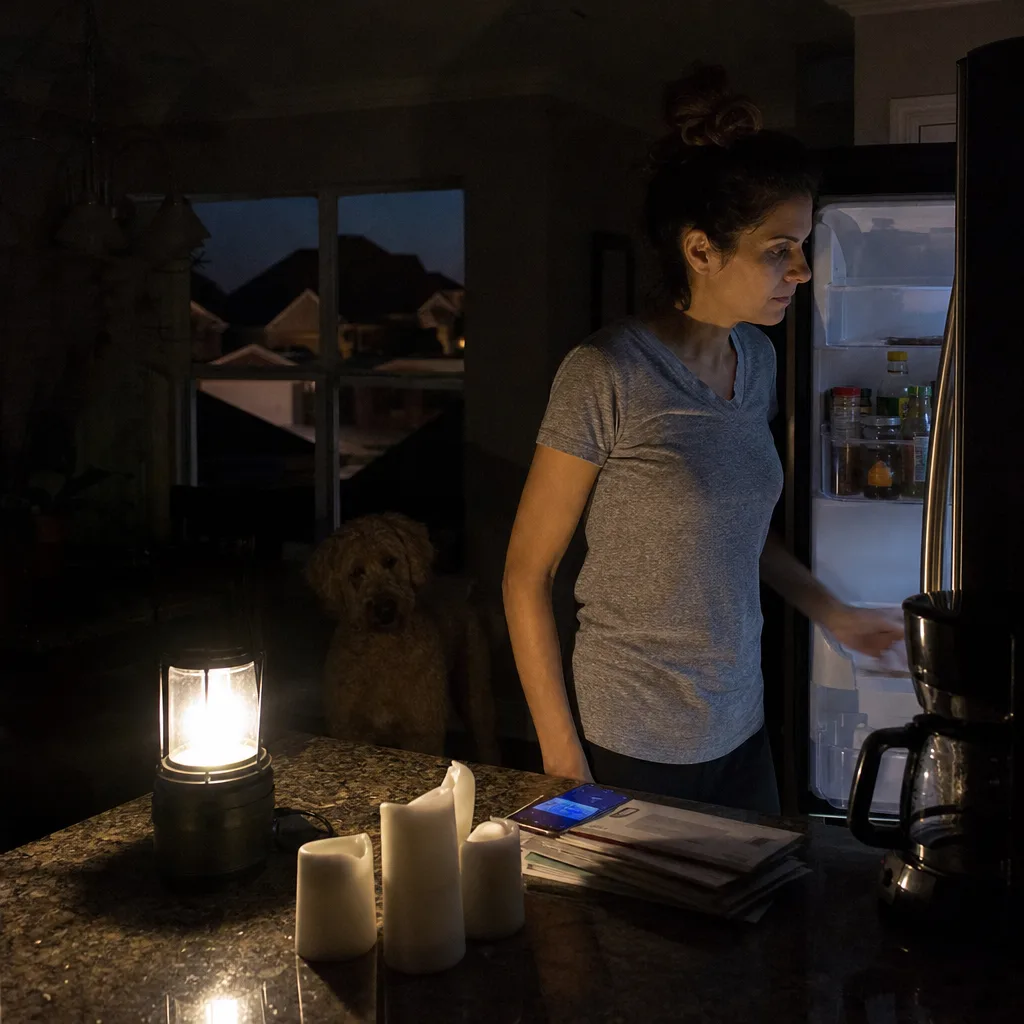
A portable generator is probably enough if most of these sound like you:
- Your power rarely goes out, and when it does, it’s back within a few hours.
- You only need the basics: the fridge and freezer, some lights, phone chargers, the Wi-Fi router, and a fan or two.
- Someone is almost always home during storms and can start, fuel, and watch the generator.
- You can go without central air for a short outage.
- You rent, or you plan to move in the next few years, so a permanent install doesn’t make sense.
- Nobody in your home depends on powered medical equipment.
If that’s your situation, a portable unit is a reasonable, honest choice. It costs far less than the turnkey price range above. You can store it in the garage. You can take it with you when you move.
Just know what you’re signing up for. A portable generator doesn’t start itself. When the power drops, someone has to roll it outside, fuel it, start it, and run cords or connect it to the house. Most run on gasoline, so you’ll need to store fuel safely and refill the tank during a long outage, sometimes in the middle of the night or during bad weather. They’re loud, and they have to run outdoors, away from your home, because their exhaust contains carbon monoxide. Never run one in a garage, even with the door open.
Most portable units also can’t run central air. In a North Texas summer, that matters. A short outage in April is easy to ride out. A multi-day outage in August, or during a hard winter freeze when you need the furnace, is a different story.
One more thing: don’t plug a portable generator into a wall outlet to power your house. That can send electricity back onto the utility lines and put line workers and your neighbors in danger. If you want to run some of your home’s circuits from a portable unit, the safe way is a proper inlet and transfer switch put in by a licensed electrician. We offer portable generator hookup and transfer switch installation if you go that route.
So where’s the line? A standby system starts to earn its cost when any of these are true:
- You travel, and your home needs protecting while you’re away.
- An older relative or someone with medical needs lives with you.
- You want your AC or heat to keep running through a long outage.
- You work from home and can’t afford to lose power for a day or more.
- You don’t want to handle fuel and cords in a storm.
If none of those fit, save your money and buy a good portable. That’s the advice we’d give a neighbor, and it’s the advice we’re giving you.
Frequently Asked Questions
Common questions about Whole-home standby generator installation
Can I keep my generator running on Generac oil and filter changes myself, or do I need a pro?
You can handle basic checks yourself, but a yearly professional service catches problems before an outage. Routine upkeep like oil, filters, and the weekly self-test keeps the engine ready, but a trained tech can spot battery or wiring issues you’d miss. Many Plano homeowners skip this until a storm hits, and that’s when a weak battery or old oil shows up at the worst time.
What happens if my generator won’t start when I need it during a storm?
Most no-start problems trace back to a weak starting battery or a skipped self-test. Your generator runs a short self-test on its own schedule to keep the engine ready, so a no-start usually means that routine check was missed or the battery has aged out. If your unit won’t fire up when grid power drops, call for service right away rather than waiting until the next scheduled checkup.
Can I rent a generator instead of buying one for a short-term need in Plano?
Yes, a rental or rent-to-own portable generator can work if you only need backup power for a short stretch, like a move or a one-time project. It’s a different solution than a whole-home standby system, since portables need to be manually started, fueled, and watched during an outage. If you expect ongoing storm season outages year after year, a standby system saves you the hassle of renting every time.
Ready to Get Started?
Call (469) 527-5131 Today, Get Service Today.