


HVAC System Maintenance in Plano: What’s Included and When to Book
A full inspection, cleaning and safety check on every visit, so you know exactly what you're paying for.
What’s Covered on This Page
- What a Maintenance Visit Covers, and What It Doesn’t
- How Often Plano Homeowners Should Schedule Service
- Signs a System Can Wait, and Signs to Book Now
- Filter Changes and Yard Debris: What Homeowners Can Handle Alone
- What Happens During and After the Visit
- What is the $5,000 rule for HVAC systems?
- Is paying for HVAC maintenance worth it?
- How much is a typical HVAC service call?
What a Maintenance Visit Covers, and What It Doesn’t
Here’s the simple version. Our most common job is routine maintenance on one system. That visit has three parts: a full inspection, a cleaning, and a check of how well and how safely the system runs. For most homes, that’s $100-$200.
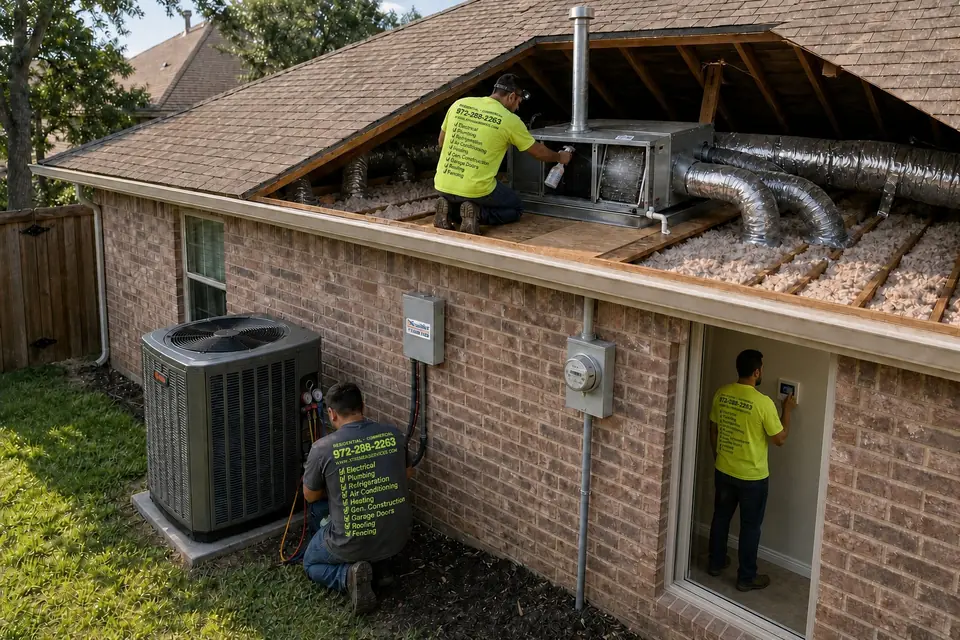
- Full inspection: a hands-on look at your system to spot wear, damage, or parts that are starting to struggle, before they leave you hot on a July afternoon.
- Cleaning: dust and grime make your system work harder for the same cool air. Clearing that buildup helps it breathe easier.
- Performance and safety check: making sure the system is cooling or heating the way it should and running safely, so you’re not guessing whether it’s ready for the season.
What’s not included is just as important to know up front. Repair parts and corrective work aren’t part of the maintenance price. Say the inspection finds a part that’s worn out or a line that’s clogged. Fixing it is a repair, not maintenance. You’ll get a separate quote for it, and nothing happens until you say yes. That’s how upfront flat-rate pricing should work. No meter running, no surprise line items.
If you do decide to move ahead with a repair, our $26-$99 service-call fee is credited toward that repair when you proceed with Xtreme Air Services. You don’t pay twice for us to show up.
Across all maintenance work, prices typically run $100-$300. Where you land in that range comes down to four things:
- Number of systems or units: a larger home with two systems takes more time than one.
- Accessibility: lots of North Texas homes have equipment up in the attic, and a cramped attic in summer heat is slower going than a unit in a hall closet.
- Level of buildup or neglect: a system that’s gone years without a cleaning needs more work than one that’s serviced every season.
- One-time visit or maintenance plan: whether you book a single visit or set up regular service through a plan affects the price.
One more thing so you’re not caught off guard. Financing isn’t typically offered for a maintenance visit, since it’s a smaller job. If the inspection turns up a bigger repair, or you start weighing a replacement, financing is available for those.
The point is that you should know exactly what you’re buying. A maintenance visit is a check-up and a cleaning with a clear price. Anything beyond that is your call, with the number in front of you first.
How Often Plano Homeowners Should Schedule Service
For most Plano homes, the simple answer is once a year for each system. Book your cooling check in spring, before the heat settles in. Book your heating check in fall, before the first cold front blows through. A heat pump is different because it cools in summer and heats in winter, so it’s working all year. That’s why a heat pump is worth a visit in both spring and fall.
Spring timing matters more here than in a lot of places. In North Texas, your AC doesn’t just run in July. It can run hard from late spring well into fall. A worn part that’s easy to handle in April can turn into a hot house in August, when it’s 100 degrees out and everyone is calling for help at once. A spring visit gives you room to decide on any repair calmly, on your schedule, instead of in a rush.
Fall matters too. Your furnace or heat strips may have sat idle all summer. Then a front rolls in and temperatures drop fast overnight. That’s a bad moment to find out the heat won’t come on. A fall check gets your system ready before you need it.
Some homes need a little more attention. Think about booking a bit sooner, or keeping a strict yearly schedule, if any of these sound like your house:
- Your equipment sits in the attic. Summer attic heat is rough on parts, and it’s easy to forget about a unit you never see.
- You have two systems, like one for upstairs and one for downstairs. Each system needs its own check.
- Your system has been running for many years, which is common in older established homes. Older parts tend to wear faster.
- You have pets, a lot of dust, or construction going on nearby. All of that clogs filters and coils faster.
- You’ve skipped a year or two. A long gap usually means more buildup to clear.
Here’s a common way a missed visit shows up. You notice one bedroom stays warmer every afternoon, or the system seems to run longer than it used to. That doesn’t always mean something’s broken. It’s still a good sign it’s time for that yearly check instead of waiting it out.
Now the honest part. You don’t need a technician out every few months. Between visits, you can handle the basics yourself.
- Check your air filter about once a month, and swap it when it looks dirty.
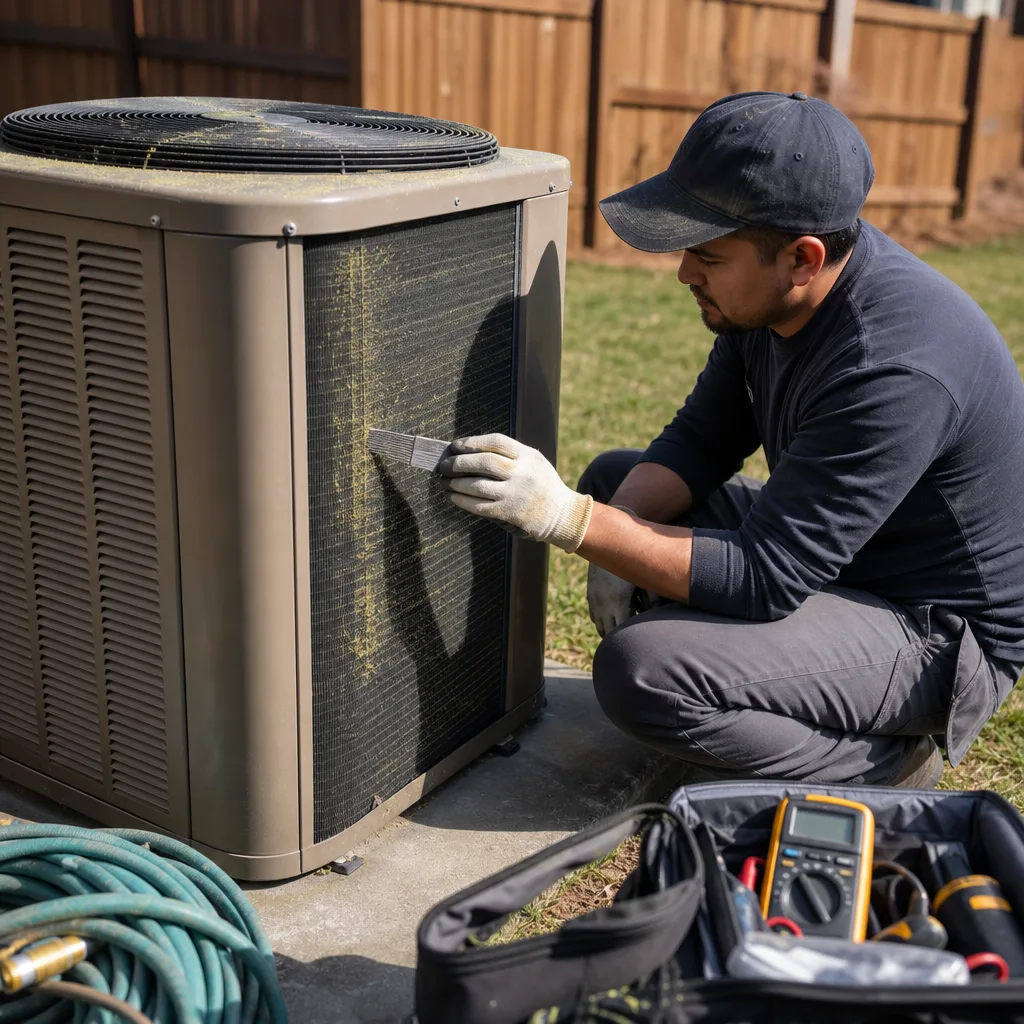
- Keep leaves, grass clippings, and storm debris away from the outdoor unit so it can breathe.
- Keep vents and returns clear of furniture and rugs.
If your system was serviced this year and it’s running well, you can wait until next season. Booking extra tune-ups won’t make a healthy system healthier.
If you’d rather not have to remember the dates, Xtreme Air Services also offers preventative maintenance plans. As we covered above, choosing a one-time visit or a plan is one of the things that affects your price. Either way, once a year per system, timed before the season starts, is the schedule that keeps most Plano homes comfortable.
Signs a System Can Wait, and Signs to Book Now
Not every system needs a technician right now. Here’s how to tell the difference, starting with the good news.
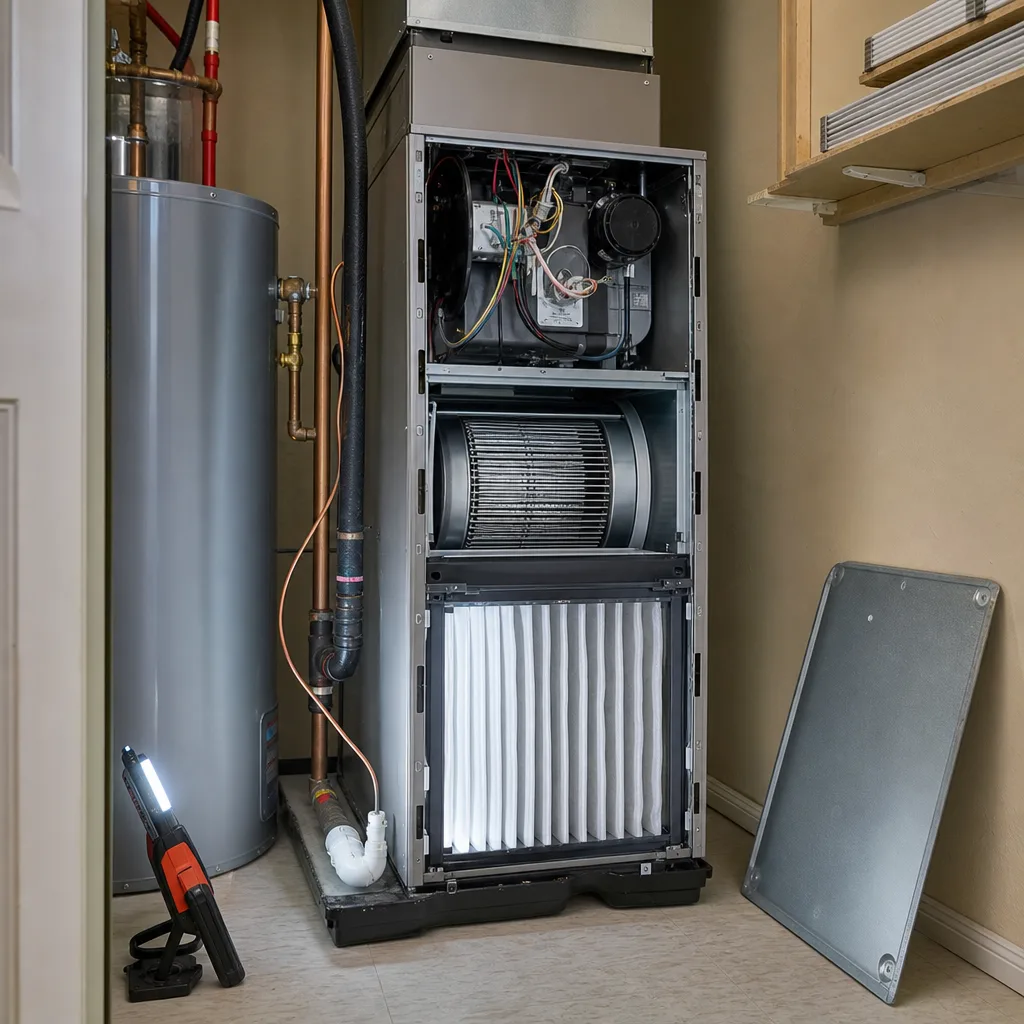
Your system can probably wait until its next regular visit if all of these are true:
- It was serviced within the last year.
- It turns on, runs, and shuts off on its own without fuss.
- Every room feels about the same.
- Your energy bills look normal for the time of year.
- There’s no water, ice, or strange smell anywhere near the equipment.
If that’s your house, you’re in good shape. Keep up with the basics and book on your normal schedule. We’d rather tell you that than sell you a visit you don’t need.
Book maintenance soon if your system still works but something feels a little off:
- It’s been more than a year since anyone looked at it, or you just bought the house and don’t know its history.
- Your summer bill jumped, but your habits didn’t change.
- The air coming out of the vents feels weaker than it used to.
- The house feels damp or sticky even when it’s cool. Your AC is supposed to pull moisture out of the air, not just cool it.
- You hear a new rattle, hum, or click that wasn’t there last season.
These are early signs. They don’t always mean a part is failing. Often it’s dirt and wear that a cleaning and check can catch while it’s still a small problem. Getting it looked at now means you can decide on any fix calmly, not on the hottest day of the year.
Some signs mean you need a repair, not a tune-up. Call us and tell us it’s a repair if you notice any of these:
- Ice on the copper lines or the indoor coil.
- Water pooling around the indoor unit, or a fresh stain on the ceiling under an attic system.
- Warm air blowing when the AC is set to cool.
- The system turns on and off every few minutes, over and over.
- A burning or electrical smell, or a loud grinding or screeching noise.
- The breaker for your HVAC keeps tripping.
A maintenance visit isn’t built to fix these. You’d end up booking twice. Telling us up front gets the right technician out with the right plan the first time.
Not sure which group you’re in? That’s normal. Describe what you’re seeing and hearing over the phone, and we’ll help you figure out whether it can wait, needs a check-up, or needs a repair. You’ll get the price before any work starts, so you stay in control of the decision.
Call 469-217-9095
Ready when you are – get in touch today.
Call Today, Get Service Today. Xtreme Air Services — West Plano is ready to help.
Filter Changes and Yard Debris: What Homeowners Can Handle Alone
You already know the air filter and the outdoor unit are yours to look after between visits. Here’s how to do both the right way, and where to stop and leave it for a technician.
Changing the filter takes about five minutes once you know where it lives.
- Find it first. Most filters sit behind a return grille in a hallway wall or ceiling, or in a slot right at the indoor unit. If your equipment is in the attic, the filter is often at the grille below it, so you don’t have to climb up there at all.
- Read the size off the old filter before you shop. The numbers are printed right on the cardboard edge.
- Look for the arrow on the frame. It points toward the unit, the same way the air flows. A filter put in backward won’t catch dirt as well.
- Write the date on the frame with a marker. Next month, you’ll know exactly how long it’s been in.
- Make sure it fits snugly. Gaps around the edges let dust slip past the filter and settle on parts you can’t easily reach.
A thicker, denser filter isn’t always better. Some systems can’t push enough air through a very restrictive filter, so it ends up working harder. If you’re not sure which type your system can handle, ask your technician at your next visit. It’s a quick answer that saves you guessing in the store aisle.
Your outdoor unit pulls in air through its sides and pushes heat out the top. Anything that blocks that airflow makes it work harder in the Texas heat.
- Keep a few feet of open space around it. Trim shrubs, tall grass, and vines back so they don’t crowd the sides.
- Mow so the clippings blow away from the unit, not into it. Grass sticks to the thin metal fins and builds a mat over time.
- After a spring storm or hailstorm, walk out and pull branches, leaves, and debris off the top and sides by hand.
- Don’t cover the unit during the cooling season, and never run it with a cover on.
Here’s where your part ends. Anything inside the cabinet is a technician’s job. That includes the electrical parts, the refrigerant lines, the coils, and the condensate drain. The fins bend easily, and a pressure washer can flatten them in seconds and choke off airflow. Cleaning the coils properly is part of what you’re paying for in the maintenance cleaning, so leave it for the visit.
If you pull out the filter and find it wet, or you spot ice or water while you’re poking around, stop there. Those are the repair signs we covered above, not a DIY project.
These small jobs won’t replace your yearly check, but they make a real difference. A clean filter and a clear yard mean your system breathes easier between visits, and there’s less buildup for us to clear when we come out.
Watch Our Video
See How We Handle HVAC system maintenance in Plano
Xtreme Air Services — West Plano
What Happens During and After the Visit
A maintenance visit is easy on your end. A little prep helps the technician spend time on your system instead of hunting for it, and a few good questions afterward mean you walk away knowing exactly where things stand.

Before the technician arrives, take ten minutes to get ready:
- Clear a path to the indoor unit. If it’s in the attic, move boxes away from the pull-down ladder. If it’s in a closet, clear the floor in front of it.
- Unlock the side gate so the outdoor unit is easy to reach, and put dogs inside for a bit.
- Jot down anything you’ve noticed, like a room that runs warm, a new noise, or a bill that jumped. Small details help point the check in the right direction.
- If you know roughly how old the system is or when it was last serviced, have that handy. If you just bought the house and don’t know, that’s fine too.
During the visit, the work follows the three parts we covered above: inspection, cleaning, and a performance and safety check. A thorough check generally looks at the things that quietly wear out in a North Texas summer. That includes electrical connections and the parts that help the outdoor unit start, the condensate drain that carries water away from an attic unit, the coils and blower, and how cold the air is at your vents compared to the air going in. On the heating side, it covers whether the system fires up and runs safely. You don’t need to stand over anyone’s shoulder, but you’re welcome to ask what’s being checked and why.
When the visit wraps up, ask the technician to sort what they found into three plain groups:
- Good to go: parts that look healthy and need nothing until next season.
- Keep an eye on: parts showing some wear but working fine for now. Ask what sign would tell you it’s getting worse.
- Needs a fix: anything worth repairing now. This gets its own quote, and you can take your time deciding.
That middle group matters most. A worn part isn’t always an emergency, and a good technician will tell you when something can wait until the next visit. If you hear only “fix it now” with no reason attached, it’s fair to ask why.
Over the next few days, pay attention to how the system behaves. It should turn on, run, and shut off on its own, and the rooms should feel about the same as each other. Write the service date somewhere you’ll see it, like on the filter frame or in your phone calendar. Then set a reminder for the next season so you’re booking in spring or fall, not in a rush in August.
That’s really all there is to it. You get a clean system, a clear picture of its health, and a price on anything extra before it happens.
Call 469-217-9095
Frequently Asked Questions
Common questions about HVAC system maintenance
What is the $5,000 rule for HVAC systems?
It’s a quick way to decide between repairing or replacing a system. You multiply the repair cost by the age of the unit, and if that number tops $5,000, replacement usually makes more financial sense than another repair. A maintenance visit helps here because the inspection tells you the real condition of your system before you’re stuck making that call during a breakdown.
Is paying for HVAC maintenance worth it?
Yes, because a yearly check catches small wear before it turns into a breakdown on the hottest day of summer. In North Texas, your AC runs hard from late spring into fall, so a part that’s easy to fix in April can leave you without cooling in August. Spotting that early, on your schedule, is worth more than the cost of the visit.
How much is a typical HVAC service call?
A service call is different from a maintenance visit. Our service-call fee runs $26-$99, and that fee gets credited toward the repair if you move forward with us. A maintenance visit is priced separately, typically $100-$300, since it covers a full inspection and cleaning rather than diagnosing one specific problem.
Ready to Get Started?
Call (469) 217-9095 Today, Get Service Today.