

Process Cooling System Installation in Sunnyvale That Keeps Production Running
Chillers, cooling loops, and heat rejection sized to your actual process load, so production does not stop when the outdoor temperature hits 105.
What’s Covered on This Page
- Signs Your Facility Needs a New Process Cooling System
- Choosing Between a Like-for-Like Replacement and a Full Capacity Upgrade
- When Repair or Maintenance Makes More Sense Than a New Install
- What Happens Before, During, and After Installation Day
- Licensing, Permits, and Code Requirements for Commercial Cooling Installs in Sunnyvale
- How long does a process cooling system installation take?
- What happens when your technician arrives to install our cooling system?
- Will my Sunnyvale building need an electrical upgrade for a new cooling system?
- How do I know if I need a repair or a full system replacement?
- What are the signs my process cooling system is undersized for my current operation?
- Should I choose a like-for-like replacement or a capacity upgrade?
Signs Your Facility Needs a New Process Cooling System
Most calls we get start the same way. A plant runs fine for years, then something changes. A new line gets added or an extra shift gets scheduled, and the cooling system can’t keep up. We see this every week in facilities that added equipment without rechecking their cooling capacity.
- Process temperatures drift outside spec even though the system runs constantly
- The compressor short-cycles or trips on high pressure during peak production hours
- Repair costs keep climbing, and parts for the old unit are getting harder to find
- The unit is undersized for current output, not just old
- Energy bills climb year over year with no change in production volume
- Corrosion or refrigerant leaks keep appearing in the same spots
Age matters, but it’s not the whole story. A 12-year-old unit sized correctly can outlast a 5-year-old unit that never matched the load. The real question isn’t how old it is. It’s whether the system can still handle the job you’re asking it to do today.
Not sure if what you’re seeing counts? That’s common. Give us a call, and we’ll walk through it with you. You’ll get a straight answer.
Choosing Between a Like-for-Like Replacement and a Full Capacity Upgrade
Most process cooling system installation calls we get fall into one of two groups. You may be replacing a tired unit with one built the same way. Or your operation has grown, and the old system can’t keep up anymore. Those jobs aren’t the same project, even if they look similar on paper.
A like-for-like replacement uses your existing connections, electrical service, and footprint. It’s the most common job we run, with faster scheduling, fewer surprises, and less mess. But matching the old tonnage may cause the same headache in two years. That’s especially true if you added another shift or brought in equipment that runs hotter.
How do you know what you need? Start with whether the current system struggles to hold temperature during peak production hours. Then check whether you’ve added square footage, new machines, or extra shifts since the last installation. If either answer is yes, a straight swap probably won’t cut it.
- Current cooling load compared with what your process generates now
- Available electrical capacity. Many older Sunnyvale manufacturing and fabrication buildings were wired for smaller 3-phase loads than today’s high-efficiency equipment needs
- Physical access and clearance for larger condensing units or piping runs
- Whether a capacity change triggers code upgrades or permits
We walk the site, measure the actual load, and give it to you straight. If a like-for-like unit will serve you well, we won’t talk you into more than you need.
When Repair or Maintenance Makes More Sense Than a New Install
Not every cooling problem means you need a new system. That surprises people.
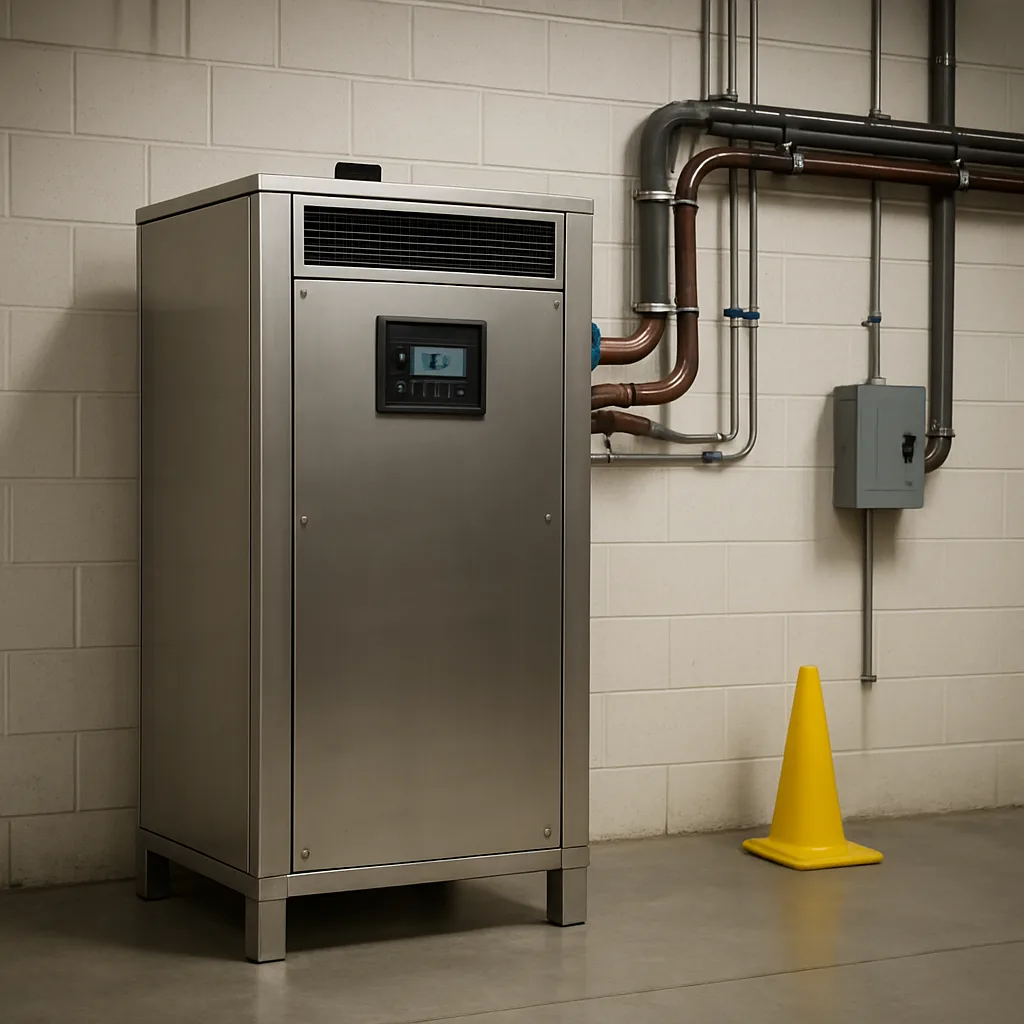
A repair often solves the problem when your process cooling equipment is fairly young. The same applies when its connections, wiring, and plumbing are in good shape. A failed compressor, dirty coil, bad control board, or slow refrigerant leak doesn’t mean the whole system is done. We first check the age of the major components, especially the compressor. That’s usually the most expensive part to replace. If it has life left and the rest of the system checks out, we’ll say so.
Here’s a scenario we run into often. A shop owner notices product temperatures creeping up during peak hours. The system may also be short-cycling more than it used to. Sometimes it’s a maintenance issue, such as dirty coils, low refrigerant charge, or a clogged filter. It isn’t always a system-wide failure.
Routine maintenance catches many of these issues before they become an emergency. Scheduled inspections, coil cleaning, and electrical checks can add years to an otherwise sound system. There’s no reason to replace equipment that’s still doing its job. 80 six days a week.
When does repair stop making sense? It may be time when the compressor is failing on an older unit or parts are hard to source. Replacement may also make more sense when the system can’t meet your current load despite proper maintenance. Outdated or undersized ductwork, wiring, or plumbing can also limit performance. Patching the equipment alone won’t fix that underlying problem.
We’ll tell you straight which side of that line you’re on. That’s the point of the visit.
Need help with Process cooling system installation?
Call Today, Get Service Today. Xtreme Air Services is ready to help.
What Happens Before, During, and After Installation Day
Installation day doesn’t start when the truck arrives. It starts days earlier as we confirm equipment specs, check clearances, and prepare the right parts. Jobs run long when someone skips that step. We don’t skip it.
Here’s the general order, though each job varies somewhat based on access and the existing setup.
- Walkthrough and staging: we confirm the installation location and protect floors and walkways. We also stage the new equipment before disconnecting anything.
- Shutdown and disconnect: power gets locked out, refrigerant or fluid lines are recovered properly, and the old unit comes offline.
- Removal and haul-away: the old equipment comes out as part of a standard installation.
- Set and connect: the new unit gets set, secured, and connected to existing lines and controls.
- Startup and testing: we run the system and check pressures and temperatures. Then we confirm that it holds steady under load.
- Final walkthrough: we show you what changed and how to run the system. We also answer your questions before leaving.
That last step matters more than people expect. A cooling system you don’t understand is one you’ll call about every other week. We’d rather spend ten extra minutes at the end than leave you guessing later.
Startup and testing isn’t a formality.
That’s when we catch small problems before they cause a callback. These may include a loose fitting, an airflow imbalance, or a sensor reading that’s slightly off. If something needs adjustment, that’s the time to fix it. You shouldn’t discover it three weeks later when the process line is already running hot.
Licensing, Permits, and Code Requirements for Commercial Cooling Installs in Sunnyvale
A process cooling system isn’t a plug-and-play appliance. It involves refrigerant lines, electrical circuits, and sometimes structural mounting. The Town of Sunnyvale expects a mechanical permit before the equipment goes in. Skipping that step can lead to a fine. It may also put a later insurance claim at risk because the work wasn’t inspected.
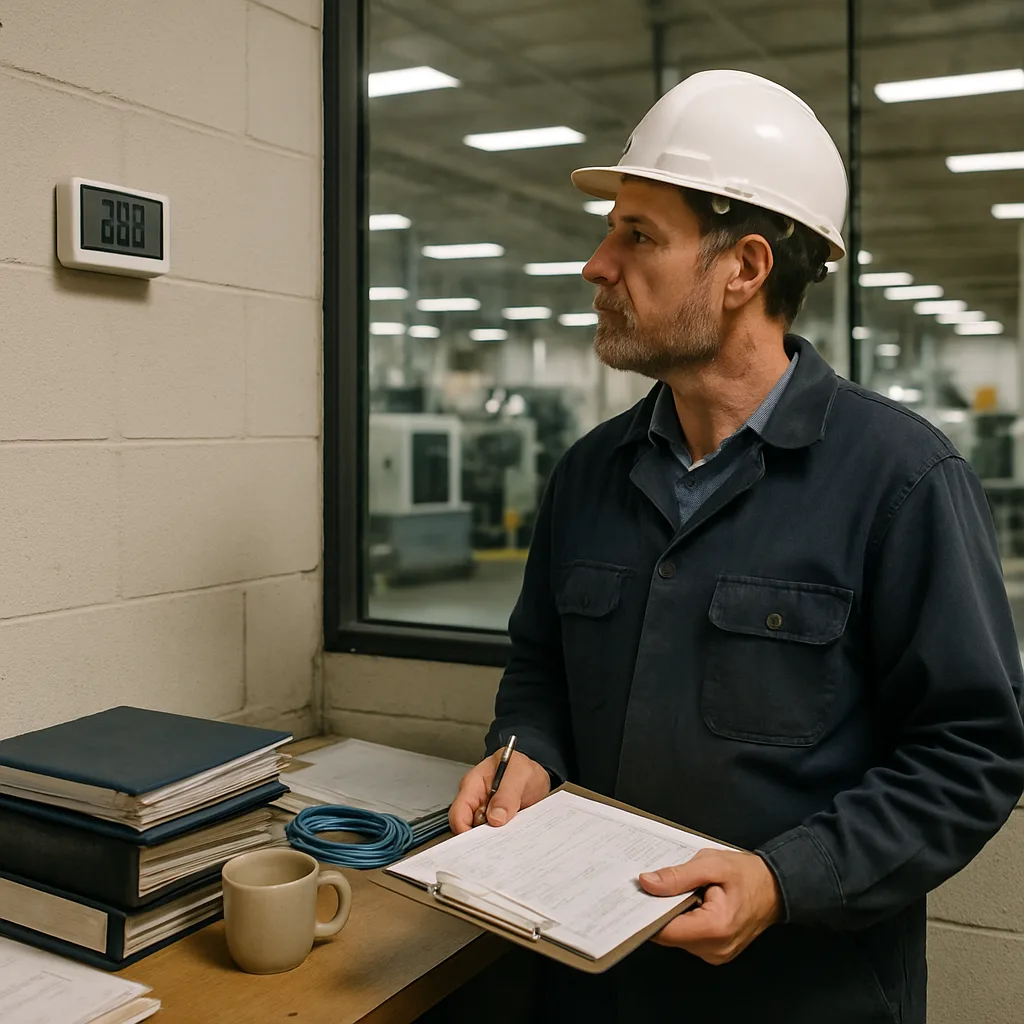
Permits protect you, not just the city. An inspector verifies that the electrical disconnect has the right rating and the refrigerant lines are sized correctly. The inspector also checks whether the unit is secured for wind and weight loads. Sunnyvale sits in North Texas hail and storm territory, so proper mounting and anchoring matter here.
Xtreme Air Services operates under HVAC License TACLA29023C. That license lets us pull the required mechanical permits and handle the paperwork when the inspector arrives.
- Ask whether the contractor pulls the permit or expects you to handle it
- Confirm that the technician making electrical connections is properly licensed for that work
- Ask whether a certified technician will handle the refrigerant
- Find out whether the quote includes the final inspection or only the installation day
Before you sign anything, ask who’s pulling the permit. If a contractor shrugs at that question, you have your answer.
Frequently Asked Questions
Common questions about Process cooling system installation
How long does a process cooling system installation take?
Most installations run one to two days once the new equipment is on site. The timeline depends on access, electrical work, and whether it’s a like-for-like swap or a capacity upgrade. We stage equipment and confirm specs before installation day, which keeps the schedule tight. A straight swap using existing connections moves faster than a job that needs new electrical service or piping runs. We’ll give you a realistic timeline after walking your site, not a generic estimate.
What happens when your technician arrives to install our cooling system?
We start with a walkthrough to confirm the installation location and protect your floors and walkways before touching anything. The old unit gets shut down, power locked out, and refrigerant lines recovered properly before removal. Then we set and connect the new unit, run startup testing, and check pressures and temperatures under load. Before we leave, we walk you through what changed and how to run the system, so your team isn’t guessing later.
Will my Sunnyvale building need an electrical upgrade for a new cooling system?
It depends on your building’s age and the new unit’s power needs. Many older Sunnyvale manufacturing and fabrication buildings were wired for smaller 3-phase loads than today’s high-efficiency cooling equipment requires. We check available electrical capacity during the site visit, along with clearance for larger condensing units or piping runs. If a capacity change triggers a permit or code upgrade, we’ll flag that early so it doesn’t stall your installation day.
How do I know if I need a repair or a full system replacement?
It comes down to the age of your major components, especially the compressor. If the compressor still has life left and the rest of the system checks out, a repair usually solves the problem. Replacement makes more sense when the compressor is failing on an older unit, parts are hard to find, or the system can’t meet current load despite proper maintenance. We check this during the visit and tell you straight which side of that line you’re on.
What are the signs my process cooling system is undersized for my current operation?
The clearest sign is temperature drift during peak production, even when the system runs constantly. Compressor short-cycling or tripping on high pressure during busy hours points to the same problem. This shows up often in Sunnyvale facilities that added a new production line or extra shift without rechecking cooling capacity. Climbing energy bills with no production change is another clue. If any of this sounds familiar, a load check will tell you if a straight swap will hold up.
Should I choose a like-for-like replacement or a capacity upgrade?
Start by checking whether your current system struggles to hold temperature during peak hours, and whether you’ve added equipment or shifts since the last installation. If either is true, matching the old tonnage will likely cause the same problem again in a couple years. A like-for-like replacement is faster and uses your existing connections, but it only makes sense if your load hasn’t grown. We measure the actual load on site before recommending either option.
Ready to Get Started?
Call 972-288-2263 Today, Get Service Today.