


Repiping in Sunnyvale: Fix Pipe Failures Before They Become Slab Leaks
Whole-home pipe replacement in copper or PEX, planned around your walls and your schedule so the water is off for hours, not days.
What’s Covered on This Page
- Warning Signs Your Pipes Are Failing
- When a Spot Repair Beats a Full Repipe
- PEX vs. Copper: Choosing the Right Material
- What Happens During a Whole-Home Repipe
- What Drives Repiping Costs Up or Down
- How long does a whole-home repipe take in Sunnyvale?
- What happens when your plumber comes out for a repipe walkthrough?
- Why do some Sunnyvale homes have both old galvanized and newer copper pipe?
- How do I know if I need a full repipe or just a spot repair?
- Should I choose PEX or copper for my Sunnyvale home?
Warning Signs Your Pipes Are Failing
Pipes don’t fail all at once. They wear out slowly, one clue at a time, and many homeowners miss the early signs.
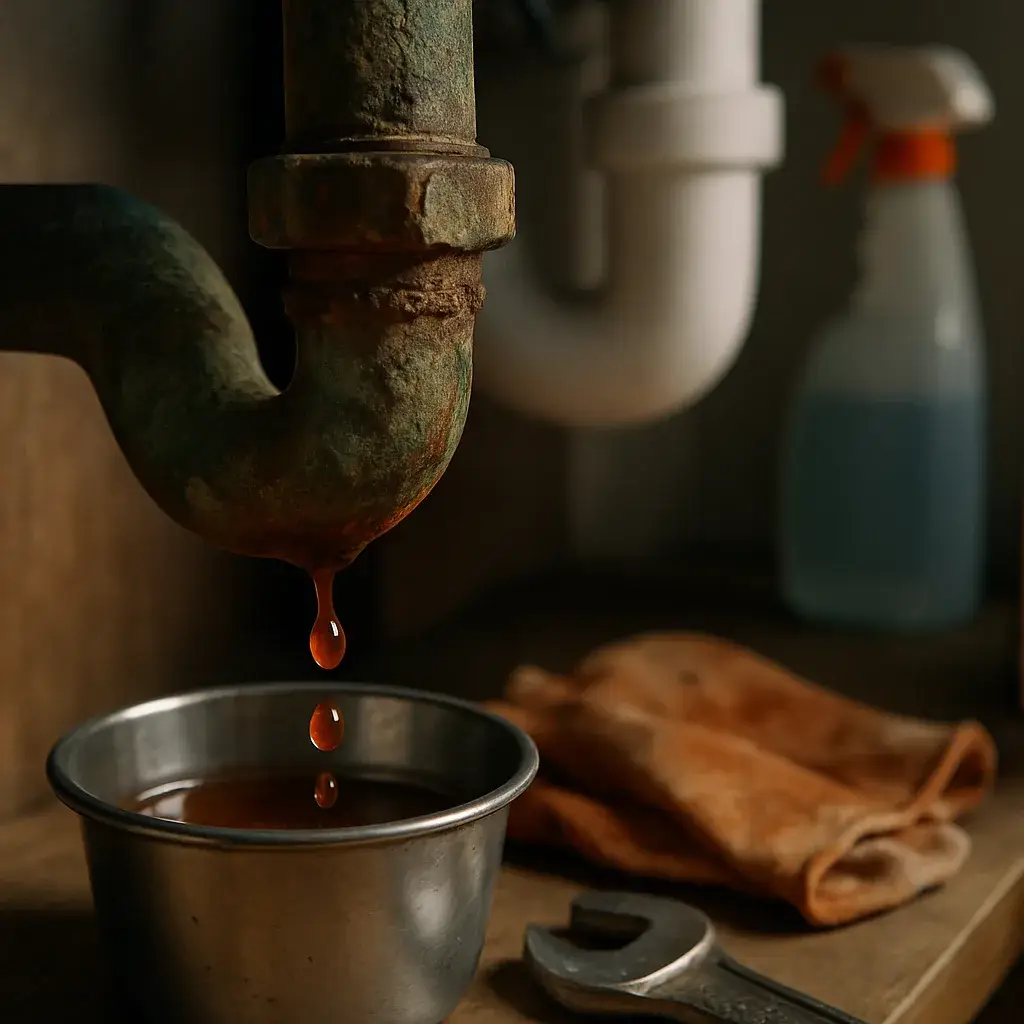
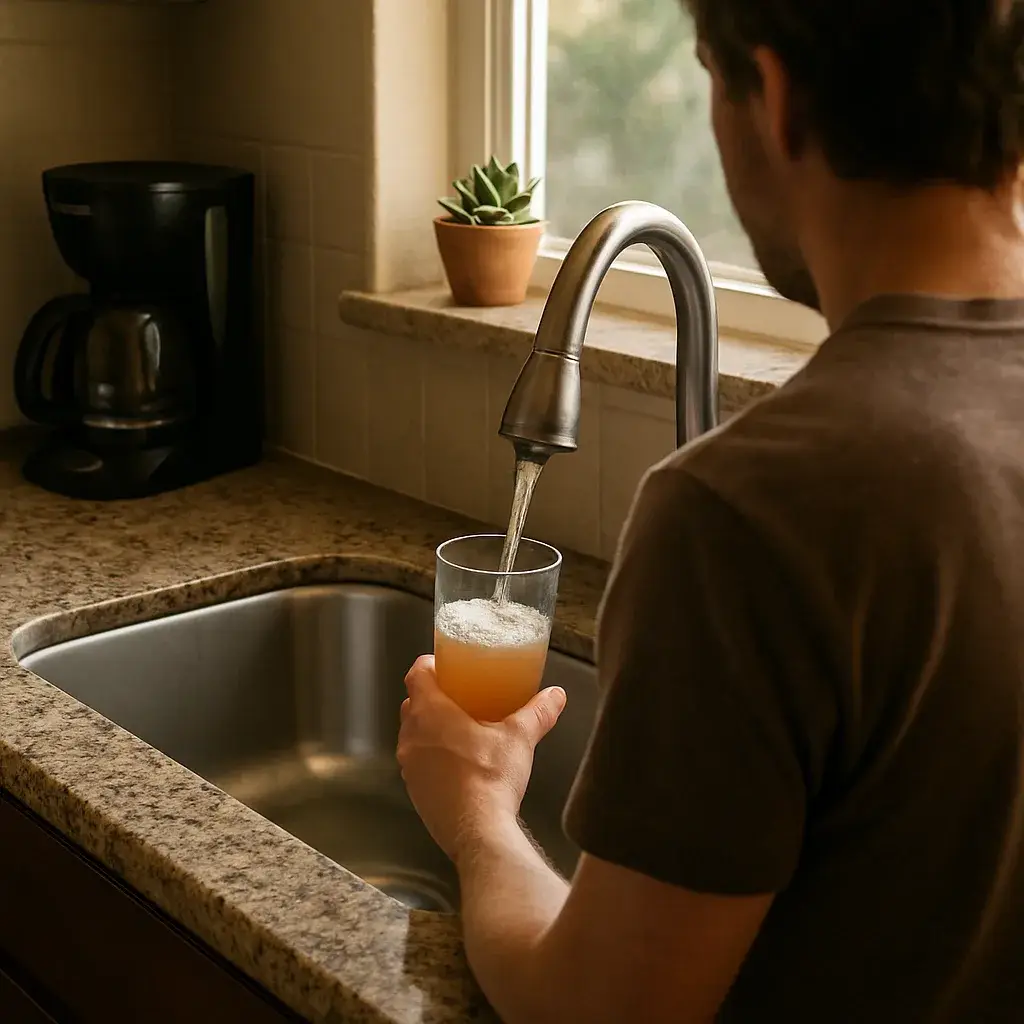
Here’s what we hear most on service calls: water that runs brown or rusty for a few seconds after you open the tap. Water pressure that once felt strong may start feeling weak, especially upstairs. You might hear knocking inside the walls when a washer or dishwasher shuts off. A musty smell near a wall or under a cabinet may never seem to go away.
- Rust-colored or cloudy water right after you turn on a faucet
- Water pressure that drops when two fixtures run at once
- Green or white crust building up around a fitting or valve
- Pinhole leaks showing up more than once in the same year
- Pipes that feel cold and sweaty or hot near a joint
One customer described it perfectly. Her shower changed from a strong stream to a weak trickle over about six months. She figured her water heater was dying, but the heater wasn’t the problem. The pipe feeding it was.
One pinhole leak calls for a repair. Three pinhole leaks in one year point to a pattern. That often means the whole line is aging, not just one weak spot.
When a Spot Repair Beats a Full Repipe
Not every leak means your whole house needs new pipes. You may have one bad spot, a failed fitting, or one pinhole leak in an otherwise healthy line. In that case, a spot repair is usually the right call. We see this every week.
A repipe makes sense when the pipe material itself is failing, not just one section. Old galvanized steel corrodes from the inside out. Once that corrosion starts, it doesn’t stop at one spot. Multiple copper pinhole leaks within a year or two often mean the full pipe run is wearing thin.
- You have one leak in one location, and the rest of your plumbing tests fine
- Your home has newer copper or PEX with no history of repeat leaks
- The damaged section is easy to access without slab cutting or major drywall work
- Water pressure and flow are normal throughout the rest of the house
If that’s your situation, don’t let anyone talk you into replacing pipe that doesn’t need it. Some older homes near central Sunnyvale have galvanized lines mixed with newer copper from past repairs. What looks like a repipe job may be one aging section that needs replacement. A technician should tell you what you have before any work starts, not after.
PEX vs. Copper: Choosing the Right Material
PEX or copper? It’s your call, but you need some information first. Both materials do the same basic job: they carry water safely through your home. They behave differently once they’re inside your walls.
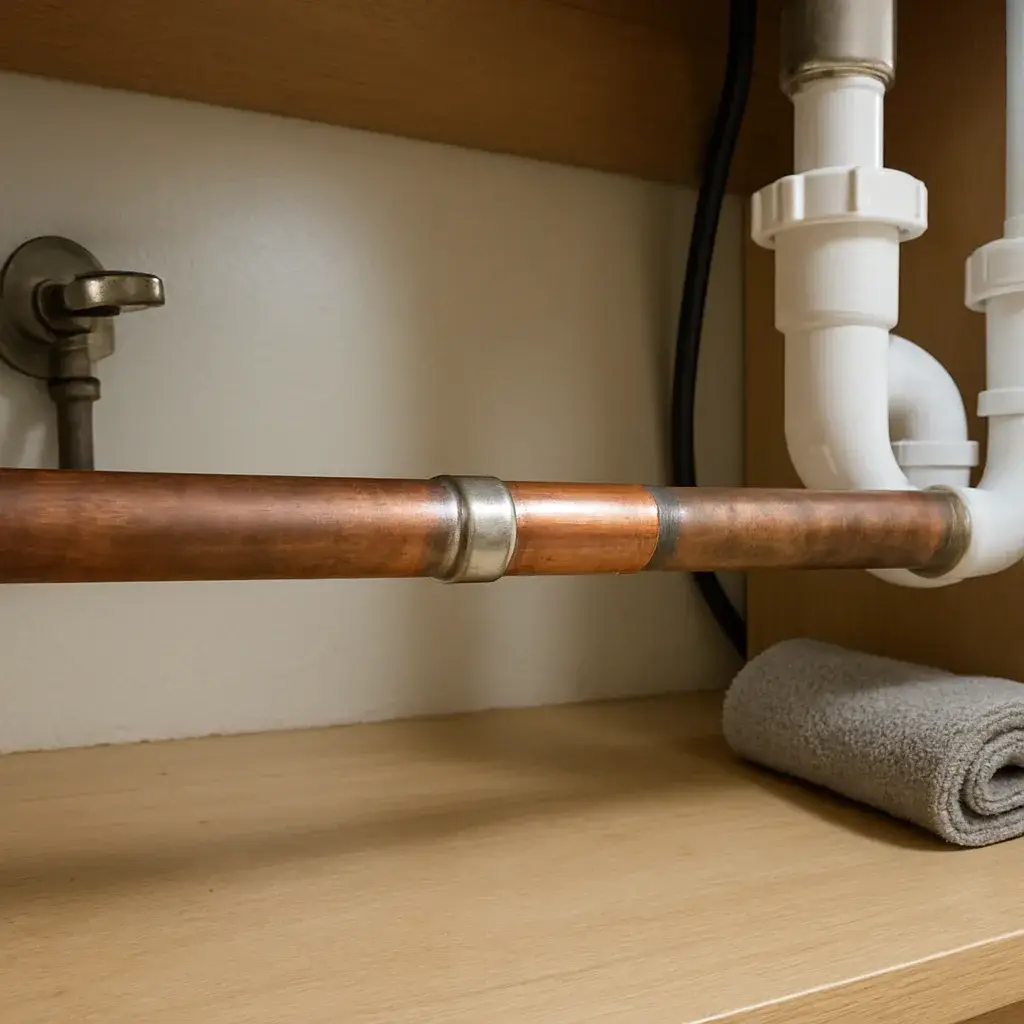
PEX is flexible plastic tubing. It bends around corners and passes through tight framing without needing many extra joints. Copper needs more elbows and fittings to make the same turns. That matters in older homes with tight wall cavities because fewer connections leave fewer places for future leaks.
- PEX resists mineral buildup better, a useful benefit with North Texas hard water
- Copper has a long track record and handles UV exposure well when left exposed
- PEX installs faster in most homes and may require fewer drywall openings
- Copper may become more vulnerable to pinhole leaks over time because of water chemistry
- Both meet most local plumbing codes, but confirm local requirements before you commit
Customers ask which one is better about once a week. The answer depends on your home’s layout, your water, and what’s already behind the walls. We walk through the house first and inspect the existing pipe runs. Then we explain which material fits your situation instead of pushing one choice across the board.
Pipe material is one of the larger cost factors in a repiping job. Home size and wall access also affect the price. Neither option is wrong; the right one depends on what your home needs.
Ready when you are – get in touch today.
Call Today, Get Service Today. Xtreme Air Services is ready to help.
What Happens During a Whole-Home Repipe
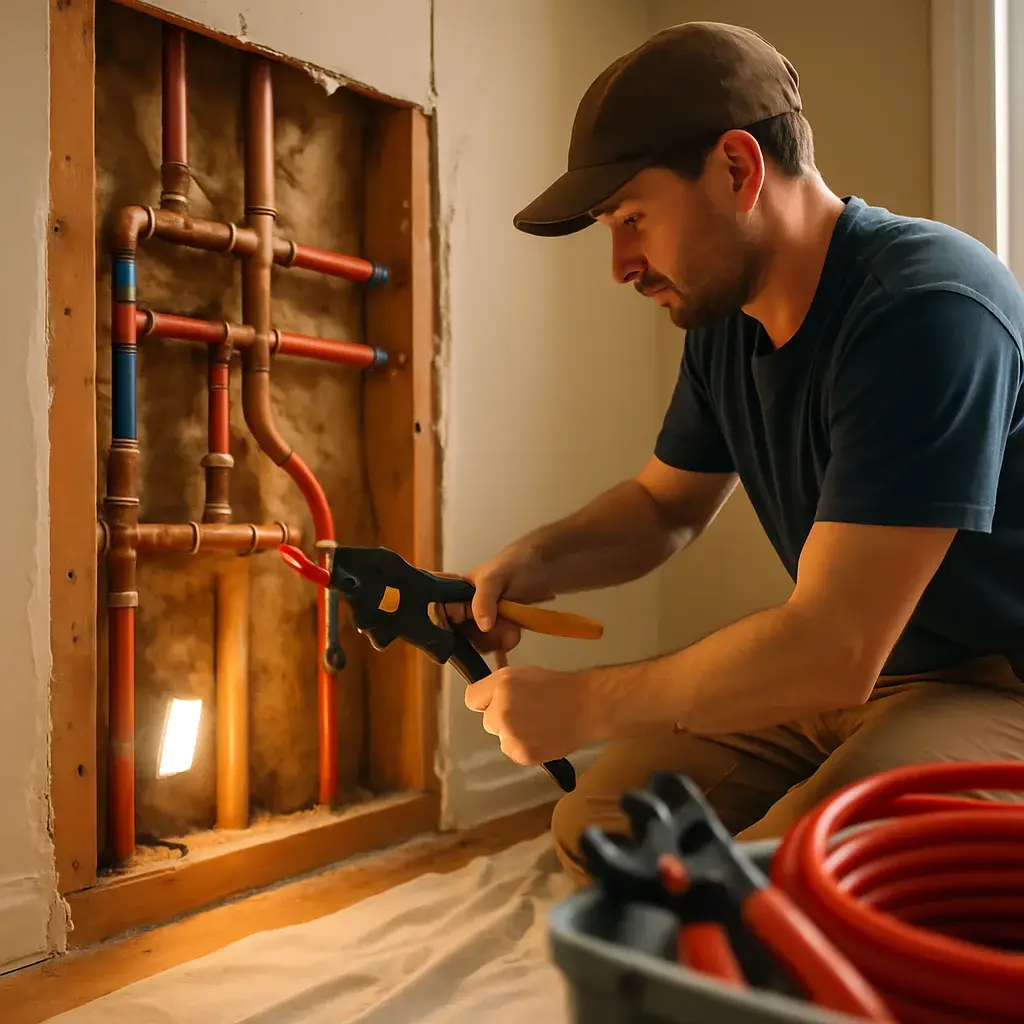
Most homeowners worry about the disruption. You may expect your walls to stay open for a week and your water to remain off. That’s not how we handle a repipe.
Most Sunnyvale homes sit on slab foundations, so supply lines usually run through the attic instead of beneath the floor. That changes how we reach the pipes. It often requires less cutting inside your living space than you might expect.
- We shut off your water, then confirm the fixture count and pipe routes against the walkthrough plan.
- We run new PEX or copper lines through the attic and walls along the shortest safe route to each fixture.
- We make small drywall access points when a straight run isn’t possible. Then we connect the new pipes to each sink, tub, toilet, and water heater.
- We test each joint and connection before closing anything. This catches weak spots now instead of six months later.
- We turn the water back on and check each fixture for leaks. We finish by running a full system startup check.
Most jobs take a few days, not weeks. Drywall access points stay open while our team inspects the work. You or your contractor then handles patching and painting because those finishes aren’t part of the repipe.
Experience helps us find old galvanized pipe hidden behind water heaters or inside hallway walls.
What Drives Repiping Costs Up or Down
Two homes on the same street can receive very different quotes for the same job. That’s not a sales trick; it’s how repiping works. The final price depends on what’s behind your walls, not a made-up flat rate.
Pipe material matters. PEX is flexible and usually faster to run. Copper takes more labor and soldering skill. Neither material is wrong, but each requires different amounts of labor and material.
- Home size and fixture count: more sinks, tubs, and toilets require more connections
- Pipe material: choosing PEX or copper changes labor time and material cost
- Access: pipes inside walls or tight spaces take longer to reach
- Foundation type: many Sunnyvale homes sit on slabs, so new lines often run through the attic instead of beneath the floor
- Drywall repair: opening walls for new pipes means someone must close them afterward
- Code upgrades and permits: replacing older piping may require updates to meet current code
A straightforward one-story home with easy attic access takes less time to repipe than a complicated two-story home. A house with partial repiping may take longer, not less time. The plumber must identify what’s old and what’s new before touching anything.
Ask the plumber walking through your home what is driving your price up. If they can’t point to something specific, keep asking.
Frequently Asked Questions
Common questions about Repiping
How long does a whole-home repipe take in Sunnyvale?
Most whole-home repipes take a few days, not weeks. Since most Sunnyvale homes sit on slab foundations, we run new pipes through the attic and walls instead of tearing up floors. This keeps the job faster and cuts down on mess inside your living space. We test every joint before closing anything up, then run a full system check once the water is back on. Drywall patching and painting come after, handled by you or your contractor.
What happens when your plumber comes out for a repipe walkthrough?
We start by shutting off the water and checking your fixture count and pipe routes. This walkthrough tells us what material you have now and where the pipes run behind your walls. You’ll get a clear picture of what a repipe or a spot repair would involve before any work starts. We explain what we find in plain language, so you know exactly what’s happening in your own home.
Why do some Sunnyvale homes have both old galvanized and newer copper pipe?
Many older homes near central Sunnyvale ended up with a mix because of past repairs done section by section. A previous owner or plumber may have replaced one bad run with copper while leaving the rest of the galvanized line in place. This mix can make a small leak look like it needs a full repipe when only one aging section is the real problem. A technician should check the whole system before recommending any work.
How do I know if I need a full repipe or just a spot repair?
You likely only need a spot repair if you have one leak and the rest of your plumbing tests fine. A full repipe makes more sense when the pipe material itself is breaking down, like corroding galvanized steel or copper with repeat pinhole leaks. Three pinhole leaks in one year usually points to a pattern in the whole line, not just one weak spot. We check your pipes first, then tell you which option fits.
Should I choose PEX or copper for my Sunnyvale home?
The right choice depends on your home’s layout and what’s already behind your walls, not a one-size answer. PEX bends around tight framing with fewer joints, which works well in older homes with cramped wall cavities. Copper has a long track record but needs more fittings to make the same turns. We walk through your home and inspect the existing pipe runs before recommending either material for your repipe.
Ready to Get Started?
Call 972-288-2263 Today, Get Service Today.