


Generator Pad / Placement in Sunnyvale: Get Your Site Right Before Install Day
Proper siting and a level, code-compliant pad built for Sunnyvale clay soil, so your unit sits right for the long haul.
What’s Covered on This Page
- Site Selection Starts With Code Clearance Rules
- Concrete Pads vs. Gravel Beds vs. Composite Pads
- Site Conditions That Affect Pad Placement in Sunnyvale
- How Pad Placement Fits Into a Full Generator Installation
- When Your Existing Slab Already Works
- How long does a generator pad installation take in Sunnyvale?
- What happens during the site visit before you pour or set a pad?
- Why does clay soil in Sunnyvale cause problems for generator pads?
- Should I choose concrete, gravel, or a composite pad for my generator?
- How close does a generator pad need to be to my house in Sunnyvale?
Site Selection Starts With Code Clearance Rules
Before we pour a single inch of concrete, we walk the yard. Every generator pad placement starts with clearance math, not concrete math. Manufacturers set minimum distances from windows, doors, and fresh air intakes. Local code adds its own rules on top of that. Get it wrong and you’re looking at a failed inspection or a generator that can’t legally run.
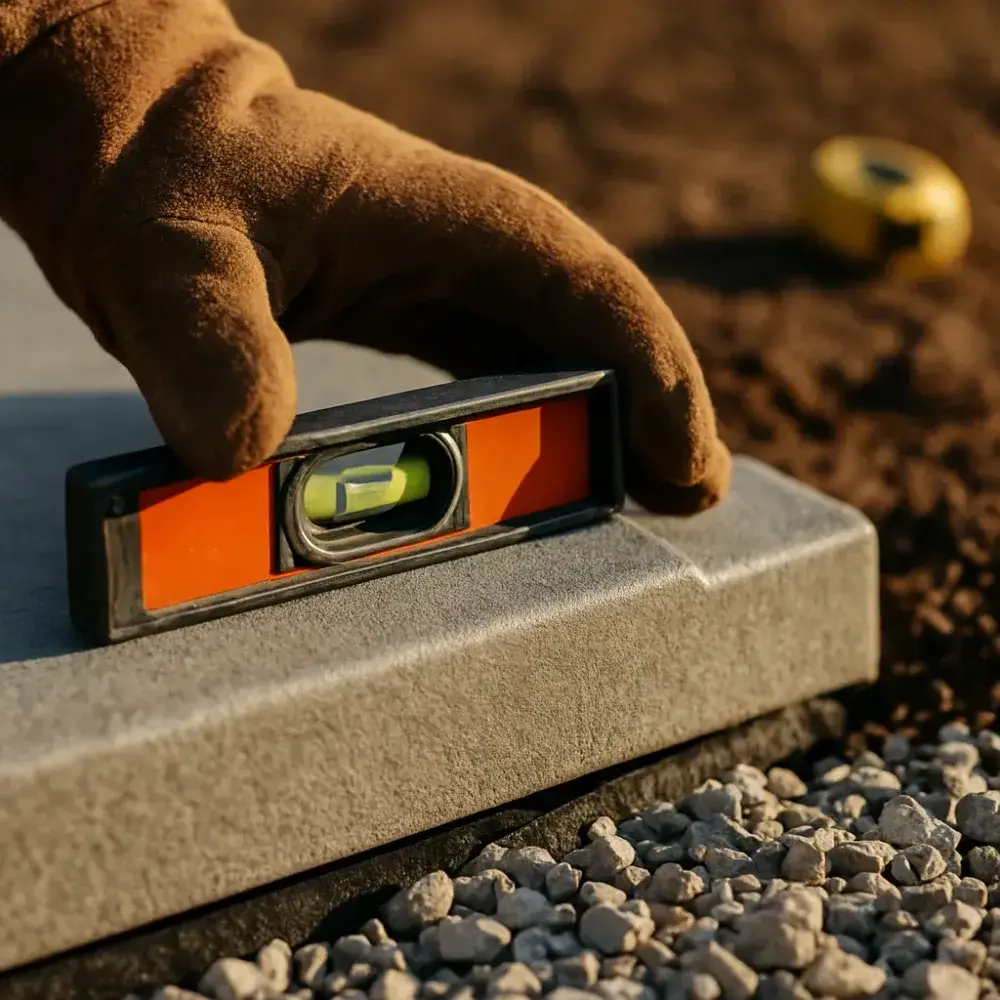
Sunnyvale sits on North Texas clay soil, and that soil moves. It swells when it’s wet and shrinks hard during a dry summer. So the spot that looks level in April can tilt by August. We check drainage, grade, and soil compaction before we ever recommend a pad location, because a generator that’s even slightly out of level will wear its engine mounts faster and trip on vibration.
Distance from the home matters just as much as distance from soil trouble. Gas lines, electrical panels, and the transfer switch all need a clear run to the unit, and the pad has to sit close enough to keep those runs short without crowding a window or a gas meter. We also think about property line setbacks and how close a neighbor’s fence sits, since some HOAs and local rules add their own buffer on top of manufacturer specs.
Here’s the thing nobody tells you up front: the “best” spot for looks is rarely the best spot for code. That side yard that hides the unit from the street view might sit too close to a bedroom window for noise and exhaust rules. We’d rather walk you through the real options now than have you fail an inspection later. Once we’ve picked the right spot, everything else, pad size, material, anchoring, falls into place fast.
Concrete Pads vs. Gravel Beds vs. Composite Pads
So which pad is right for your generator? It depends on your soil, your budget, and how much site work you’re willing to do first. Concrete is the standby most homeowners picture, and for good reason. A poured or set concrete pad gives you a flat, solid surface that won’t shift under a few hundred pounds of steel and won’t sink into soft clay after a wet Texas spring. Sunnyvale sits on clay-heavy soil that swells and contracts with moisture, so a properly prepped concrete pad matters more here than in sandier ground.
Gravel beds are the budget-friendly option, and they work fine for smaller units on decent drainage. But they need more upkeep. Gravel shifts, settles, and can wash out during a hard rain if the grading isn’t right. We see this every week on older properties where a previous gravel pad has tilted just enough to throw the generator out of level.
Composite pads, sometimes called poly or resin pads, split the difference. They’re lighter, faster to place, and hold up well against ground moisture without the cure time concrete needs. For a lot of Sunnyvale homeowners on a tighter timeline before storm season, that speed matters.
- Concrete: best for long-term stability on clay or uneven soil, needs cure time before generator placement
- Gravel: lowest upfront cost, needs solid drainage and periodic releveling
- Composite: quick install, good moisture resistance, lighter footprint on softer ground
Site Conditions That Affect Pad Placement in Sunnyvale
Sunnyvale sits on that heavy North Texas clay you’ve probably fought with in your own yard, the kind that swells when it’s wet and cracks hard in a dry August. That soil matters a lot when we’re setting a generator pad. A pad poured straight onto shifting clay without the right base prep can heave or tilt within a year or two, and a generator that’s not level can trip its own internal sensors.
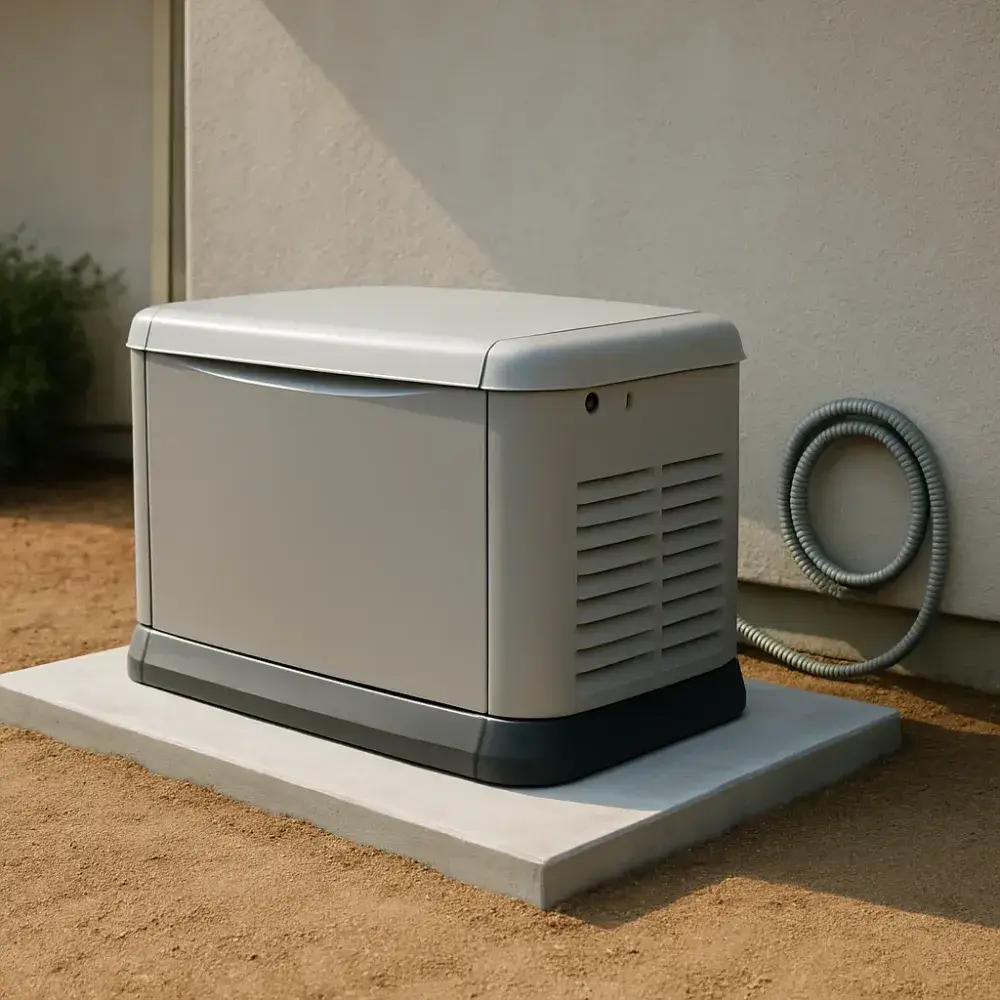
Lot size and layout play a role too. Older sections of Sunnyvale tend to have tighter side yards between the house and the property line, which limits where a pad can legally go once you factor in code-required clearances from windows, doors, and combustion air intakes. Newer builds on bigger lots usually give us more room to work with, but that doesn’t mean placement is automatic. Drainage swales, sprinkler lines, and utility easements all show up more than folks expect.
Grade matters, a lot. If your yard slopes toward the house, or toward where the pad needs to sit, water will find that generator eventually. We check the slope before we ever mix a bag of composite or measure concrete forms. Access matters just as much. Can equipment even get back there without tearing up a fence or crossing a septic line?
Here’s what we’re checking on-site:
- Soil type and how it’s likely to shift through Texas wet-dry cycles
- Distance from the home, gas meter, and electrical service
- Required clearance from windows, doors, and vents
- Grading and drainage direction around the planned spot
- Access for equipment and future service work
Our licensed and insured team walks the site first, every time, before we talk pad type or placement.
Watch Our Video
See How We Handle Generator pad / placement in Sunnyvale
Xtreme Air Services — Serving Sunnyvale and surrounding areas
Proudly serving Sunnyvale – reach out anytime.
Call Today, Get Service Today. Xtreme Air Services is ready to help.
How Pad Placement Fits Into a Full Generator Installation
Here’s the thing folks don’t realize until we’re standing in their side yard: the pad comes before almost everything else. You can’t run the fuel line, land the transfer switch, or pull the electrical connection to a generator that’s still sitting on dirt. Pad placement is step one, and every other trade in the install builds off it.
Get the position wrong and it cascades. Too close to the house and you’re fighting clearance rules meant to keep exhaust away from windows and doors. Too far and you’re paying for extra conduit and gas line runs that didn’t need to exist. We walk the site first, check the electrical panel location, check where the gas meter sits, and figure out the shortest safe path before we ever mix concrete or set a composite pad.
Distance from the home matters more than most people expect. So does site grading, especially on the older lots around Sunnyvale where the ground doesn’t always slope the way a builder’s plan says it should. A pad that looks level on day one can shift if the water’s got nowhere to drain.
Once the pad’s set and leveled, the rest of the crew can move. Electrical hookups, gas line connection, transfer switch wiring, it all lines up behind a pad that’s square, stable, and positioned to code. Skip that step or rush it, and you’re stuck redoing work nobody wants to redo.
Pad placement doesn’t include the generator itself, and it doesn’t cover the gas or electrical hookups. Those get scoped separately. But it’s the piece that has to be right before anything else can go in the ground.
Pad and placement is one step in a bigger job — see our Generator Installation Service in Sunnyvale for how the full install comes together.
When Your Existing Slab Already Works
Not every home needs a new pad. Some don’t need one at all.
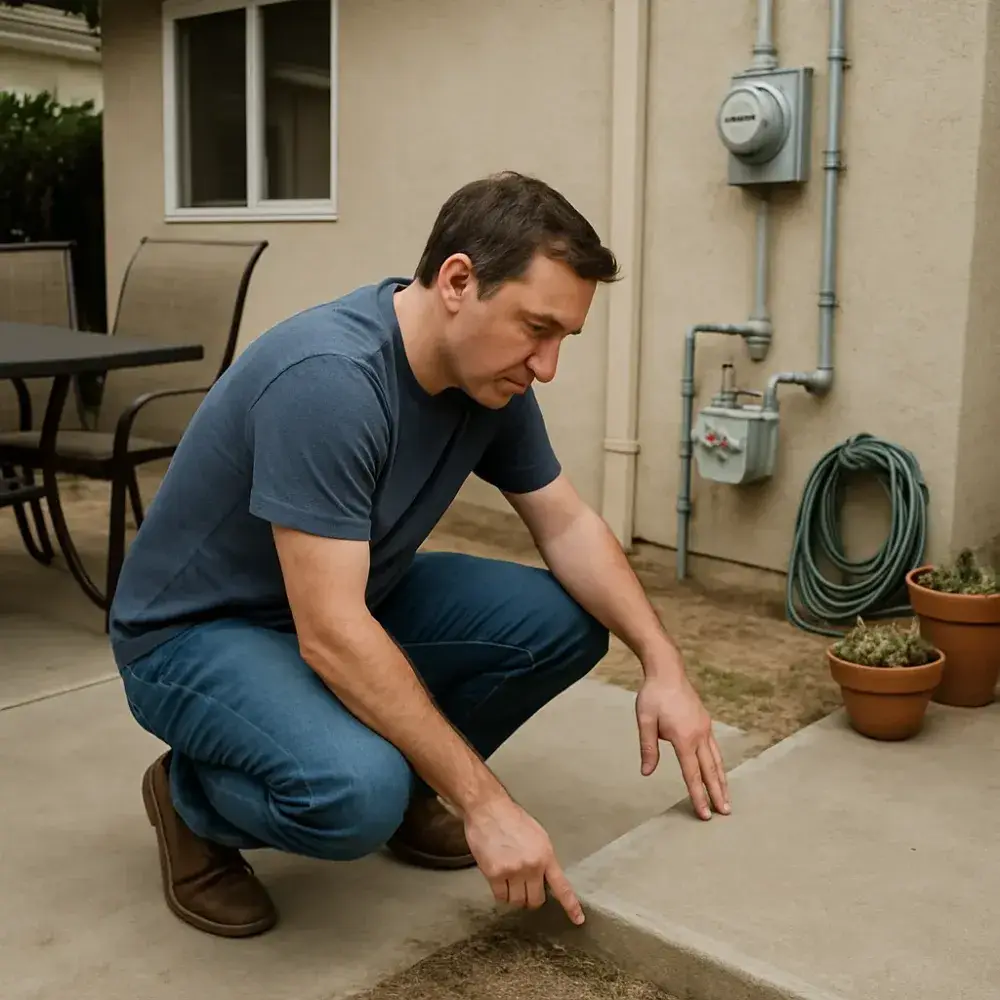
If you’ve already got a concrete patio, an old AC pad, or a poured slab sitting near your electrical panel and gas meter, that surface might do the job just fine. A lot of the older homes around Sunnyvale, the ones built back before newer subdivisions went in, already have a solid concrete slab tucked along the side yard. If it’s level, wide enough for the generator’s footprint, and sits the right distance from your house and windows, you may not need us to pour anything new.
Here’s what we check before telling you to spend a dime. Is the surface flat, or has it settled and shifted over the years? Sunnyvale sits on clay-heavy soil, and clay shifts with the seasons, so a patio poured fifteen years ago might not be level anymore even if it looks fine from the porch. We’ll set a level on it. If it rocks or slopes, that’s a problem for a generator, not just a cosmetic one.
Size matters too. Standby generators need clearance on every side for airflow and service access, and a patio built for a grill and two chairs usually isn’t sized right. So we measure first, always.
And distance from the home counts, along with distance from windows, doors, and vents. If your existing slab checks every box, we’ll tell you straight up that you don’t need a new one. That’s the honest answer, even when it means a smaller job for us.
Frequently Asked Questions
Common questions about Generator pad / placement in Sunnyvale
How long does a generator pad installation take in Sunnyvale?
Most pad installs take one to two days, depending on the pad type you choose. Concrete needs cure time before we can set the generator on it, so that job runs a bit longer than gravel or composite. Composite pads move fastest since there’s no curing wait, which helps if you’re racing to get ready before storm season. We’ll walk your yard first and give you a realistic timeline once we know your soil conditions and which pad fits your site best.
What happens during the site visit before you pour or set a pad?
We walk your yard and check clearance from windows, doors, and vents before we talk pad type. Our licensed and insured team measures distance to the gas meter and electrical panel, checks the grade for drainage, and looks at how the soil has likely shifted over past wet-dry cycles. We also check access, so equipment can reach the spot without tearing up a fence or crossing a septic line. You’ll know exactly where the pad is going and why before any work starts.
Why does clay soil in Sunnyvale cause problems for generator pads?
North Texas clay swells when it’s wet and shrinks hard in a dry summer, which can shift a pad that looked level in spring. A generator that’s out of level wears its engine mounts faster and can trip on vibration or internal sensors. That’s why we check soil compaction and drainage before recommending any spot, not just the site that looks flat today. On older Sunnyvale lots especially, we’ve seen gravel pads tilt within a year or two without the right base prep.
Should I choose concrete, gravel, or a composite pad for my generator?
It depends on your soil, timeline, and how much upkeep you want later. Concrete gives the most long-term stability on Sunnyvale’s clay-heavy ground but needs cure time before the generator goes on it. Gravel costs less upfront but needs good drainage and occasional releveling. Composite pads install fast and resist moisture well, which suits homeowners on a tighter schedule. We’ll walk you through which option fits your yard and situation during the site visit.
How close does a generator pad need to be to my house in Sunnyvale?
It has to be far enough from windows, doors, and fresh air intakes to meet manufacturer and local code clearances, but close enough to keep gas and electrical runs short. Too close and you risk a failed inspection over exhaust and noise rules near bedroom windows. Too far and you’re paying for extra conduit and gas line that didn’t need to exist. Tighter side yards in older parts of Sunnyvale often limit where a pad can legally sit once those clearances are factored in.
Ready to Get Started?
Call 972-288-2263 Today, Get Service Today.