


Heating Maintenance & Tune-Up in Sunnyvale: Stay Warm Without Surprise Repair Bills
A full heating tune-up before winter – inspection, cleaning, and safety testing that keeps small wear from becoming a cold-snap breakdown.
What’s Covered on This Page
- Signs Your Furnace Needs a Tune-Up Before Winter
- What’s Included in a Full Heating Tune-Up
- When You Can Skip a Full Tune-Up This Season
- How Heating Tune-Up Pricing Structures Work
- Scheduling Ahead of Sunnyvale’s Winter Cold Snaps
- How quickly can you get someone out for a heating tune-up in Sunnyvale?
- What should I expect when the technician arrives for a tune-up?
- Why do Sunnyvale homes with attic furnaces need more frequent tune-ups?
- How often should I get my furnace tuned up?
- Can a heating tune-up prevent a no-heat emergency?
Signs Your Furnace Needs a Tune-Up Before Winter
So how do you know your furnace needs attention before winter sets in? Most folks don’t think about the furnace until it fails to fire on that first genuinely cold morning, but your system usually gives warning signs weeks, sometimes months, before that happens.
We hear the same story a lot around here. Someone flips the thermostat on for the season, and the furnace runs but the air feels lukewarm. Or it clicks on, runs for two minutes, shuts off, and repeats. That short-cycling pattern almost always means something’s dirty or worn inside.
- Weak or lukewarm airflow from the vents, even with the thermostat set high
- A burning dust smell that lingers longer than the first few minutes of the season
- Furnace cycling on and off in short bursts instead of running a full heating cycle
- Strange noises, banging, rattling, or a hum that wasn’t there last winter
- Higher gas or electric bills than last season with no other change in the house
Sunnyvale homes with attic-mounted furnace units tend to show buildup faster, since dust and debris settle into the blower and coil over the summer while the system sits idle. A cold front rolling through North Texas doesn’t wait for a good time. The furnace that struggles is the one that skipped its check-up last fall.
What’s Included in a Full Heating Tune-Up
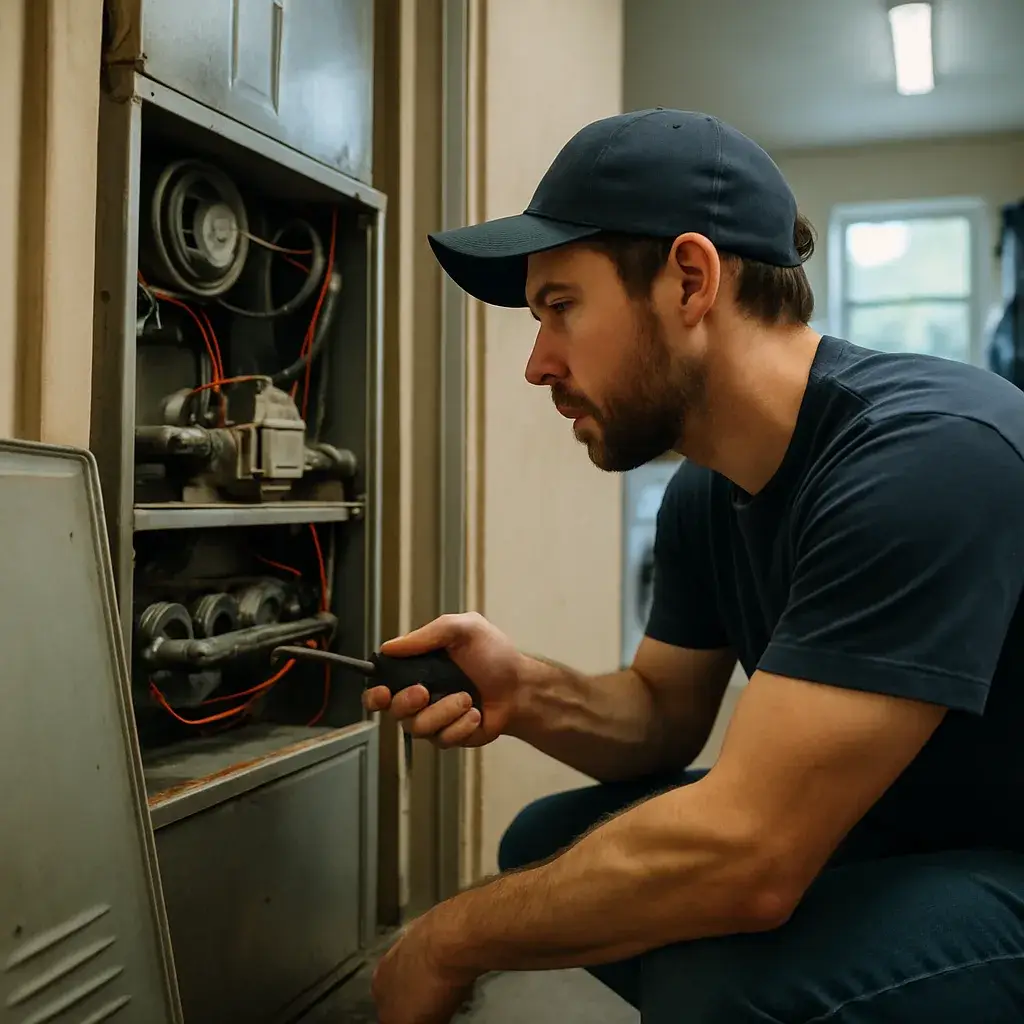
So what happens when we show up for a heating tune-up? It’s not just a quick look and a handshake. A real tune-up means we go through your whole system, top to bottom, and check the parts that quietly fail without warning.
- Full visual and mechanical inspection of the furnace or heat pump
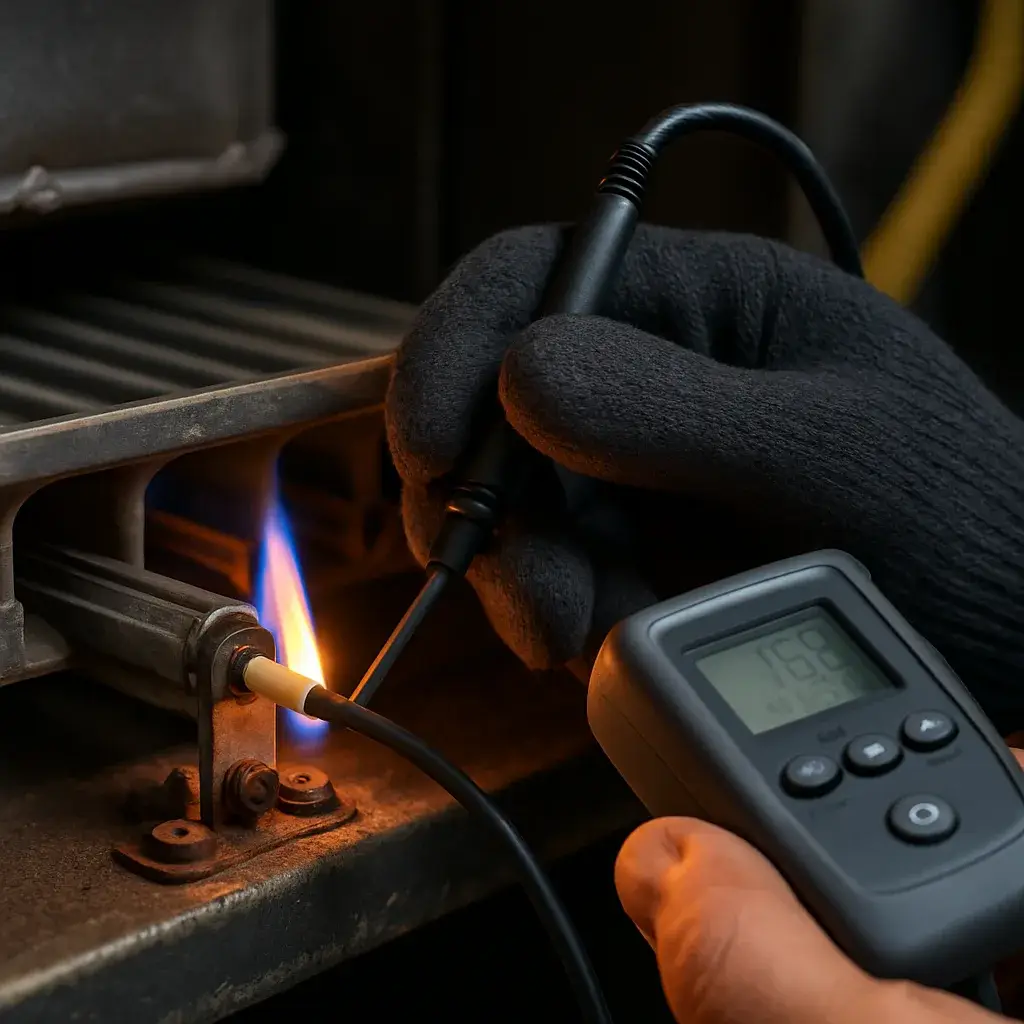
- Cleaning the burner assembly, blower wheel, and flame sensor
- Checking ignition and heat exchanger condition
- Testing airflow, static, and thermostat response
- Carbon monoxide testing for gas furnaces
- Checking electrical connections and capacitors for wear
That flame sensor cleaning matters more than people think. A dirty sensor is one of the top reasons a furnace shuts itself off mid-cycle, and we see it constantly once fall hits. Carbon monoxide testing isn’t optional in our book either. It’s a fast check, but it’s the one that protects your family, not just your comfort.
We’ll also swap or check your filter, since a clogged filter chokes airflow and makes the whole system work harder than it should.
A tune-up covers the inspection, the cleaning, and the safety check. If we find a part that’s worn out or failing, that’s a separate repair, quoted before we touch anything. You approve it or you don’t.
When You Can Skip a Full Tune-Up This Season
Not every heating system needs a full tune-up every year. If your furnace is brand new, installed last winter or this fall, you’re probably fine skipping it this season. New systems come clean and tight from the factory.
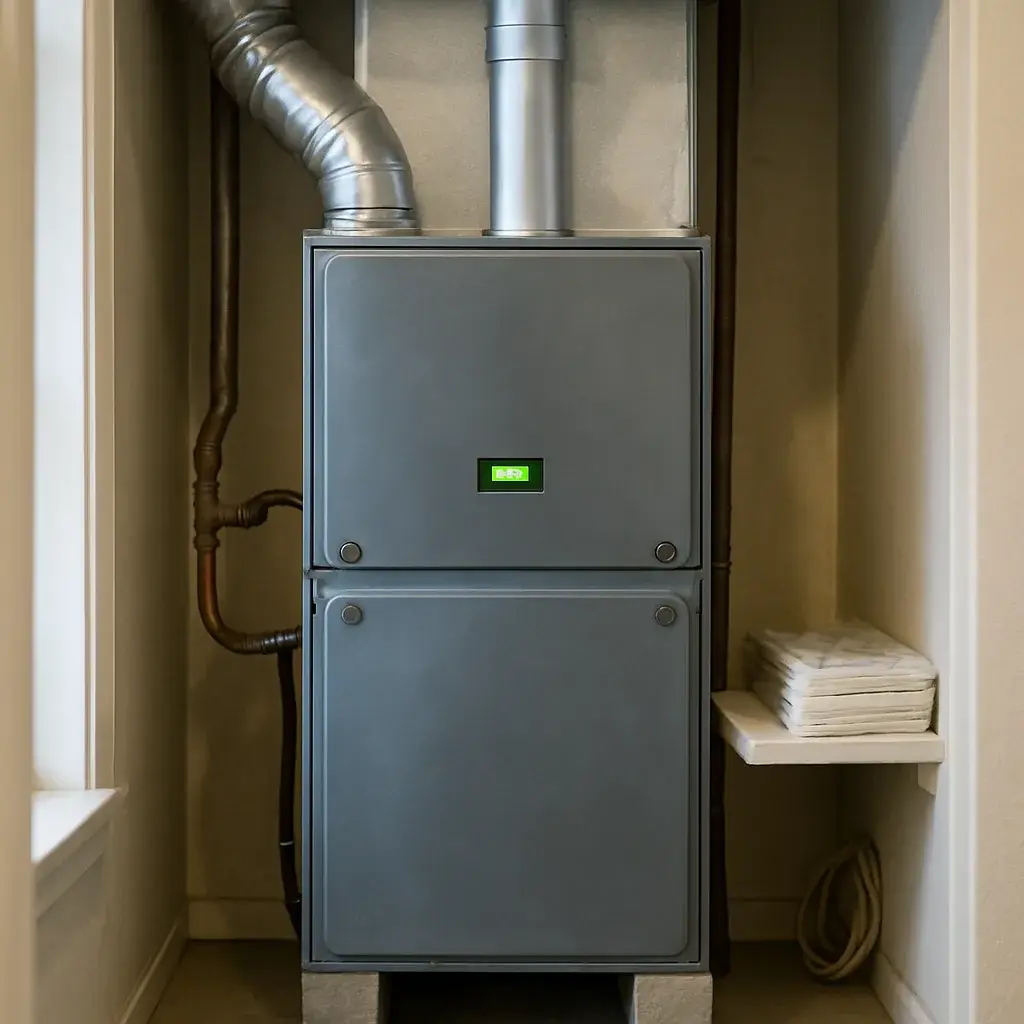
Had service done less than six months ago with no complaints since? Same story. There’s no real benefit to paying for an inspection and cleaning on a system that’s already been checked and is running quiet, heating evenly, and cycling normally.
- The furnace is under a year old and hasn’t been used through a full winter yet
- A tune-up already happened this heating season and nothing has changed since
- You’re renting and the lease says the landlord handles system service
But here’s where we draw a hard line. If your furnace won’t fire up at all, that’s not a tune-up call. That’s a repair call, and treating it like routine maintenance just delays the real fix. Same goes for a system blowing cold air or tripping the breaker. Those are diagnose-and-repair situations, not clean-and-check ones.
So how do you know which one you’ve got? Ask yourself if the system runs. If it runs but you haven’t had eyes on it this year, a tune-up makes sense. If it won’t run at all, skip straight to a repair visit instead.
Need help with Heating maintenance / tune-up?
Call Today, Get Service Today. Xtreme Air Services is ready to help.
How Heating Tune-Up Pricing Structures Work
Here’s how it works in plain terms. A heating tune-up is priced as one flat job, not an hourly guess. For a single system, most homes fall in the $75 to $125 range for the most common job, a full inspection, cleaning, and safety check. The wider range for heating maintenance overall runs $75 to $200, and where you land inside that range depends on your setup, not on who picks up the phone.
So what’s included? The visit covers a full inspection, a cleaning, and a performance and safety check on your system. What it doesn’t cover is any repair part or corrective work we find while we’re in there. If your ignitor‘s cracked or your flame sensor’s fouled, we quote that separately, before we touch anything.
A few things move the price up or down.
- How many systems or units your home has
- How easy the equipment is to reach, attic units take longer than closet units
- How much buildup or neglect has piled up since the last check
- Whether this is a one-time visit or part of an ongoing maintenance plan
There’s also a service-call fee, $26 to $99, and it gets credited toward the repair if you move forward with us. Financing isn’t typically part of this smaller job, it’s built for the bigger repairs and full system replacements. Ask us upfront what your home’s setup means for the visit, we’ll walk you through it before anyone touches your furnace.
Scheduling Ahead of Sunnyvale’s Winter Cold Snaps
Sunnyvale doesn’t get a long, slow winter. It gets short, sharp cold fronts that drop the temperature 20 or 30 degrees overnight. One day it’s 60, the next morning your furnace is working overtime for the first time in months. That’s exactly when a furnace that’s been sitting untouched since last February decides to quit.
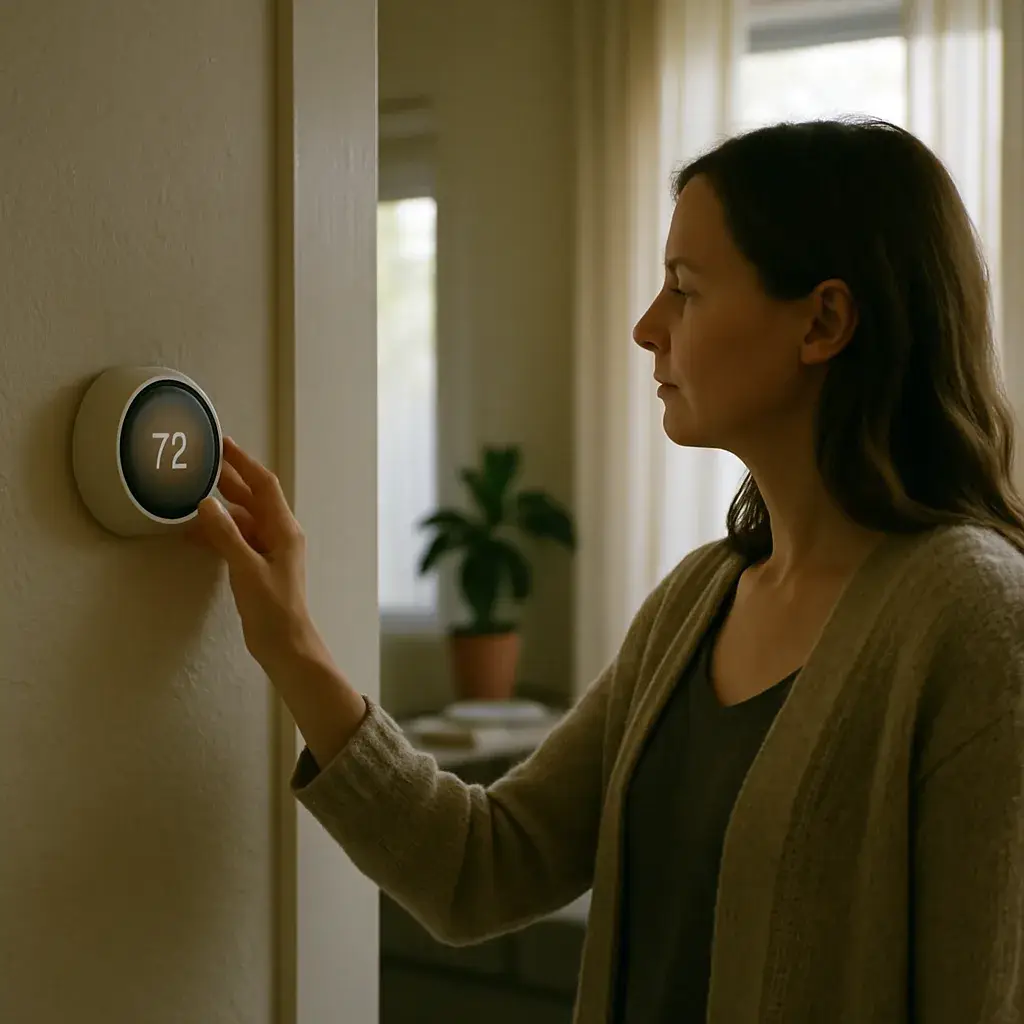
We see this every week once the first real cold snap rolls through. A dirty flame sensor or a clogged filter didn’t matter much in October. In a hard freeze, it’s the difference between heat and no heat.
So when should you book heating maintenance? Early fall, before the first cold front, is the smart window. Not because your furnace breaks down on a schedule, but because tune-up appointments fill up fast once the temperature drops and everyone in the DFW Metroplex calls at once.
- Book in September or October, ahead of the season’s first cold front
- Don’t wait for a hard freeze warning, that’s when everyone else calls too
- Older Sunnyvale homes with attic-mounted furnaces benefit most from a pre-season check, since attic units run harder once temps drop fast
- If your system already struggled last winter, get it looked at before the first cold morning, not during it
A little planning here beats a 6 a.m. call with a cold house and kids getting ready for school. A furnace that’s been checked before the cold hits just runs quieter and more even through the whole season.
Frequently Asked Questions
Common questions about Heating maintenance / tune-up
How quickly can you get someone out for a heating tune-up in Sunnyvale?
Most tune-up visits get scheduled within a day or two, especially outside of a hard cold front. When temperatures drop fast, call as soon as you notice a problem rather than waiting for the coldest morning. Sunnyvale’s cold snaps hit overnight, so furnaces that were fine one day can struggle the next. Booking ahead of a forecasted temperature drop helps you avoid the rush everyone else creates when the cold arrives.
What should I expect when the technician arrives for a tune-up?
Expect a full walkthrough of your system, not just a quick glance. We inspect the furnace, clean the burner assembly and blower wheel, check the flame sensor, and run a carbon monoxide test on gas units. We’ll also test airflow and your thermostat response. If we find a worn part during the inspection, we’ll quote that repair separately before touching it, so you’re never surprised by unexpected work.
Why do Sunnyvale homes with attic furnaces need more frequent tune-ups?
Attic-mounted furnace units collect dust and debris faster because they sit idle through the hot months with less airflow around them. By the time fall hits, buildup on the blower and coil is often heavier than in a closet unit. That buildup makes the system work harder and raises the odds of short-cycling once you switch the heat back on. A yearly check before winter catches this before it turns into a no-heat morning.
How often should I get my furnace tuned up?
Once a year, ideally before the first real cold front, keeps most furnaces running the way they should. If your system already had a tune-up within the last six months and nothing has changed, you can usually skip a second visit that season. Systems installed within the past year, still under their first winter, also don’t typically need it yet. Annual timing matters more than the exact month, as long as it happens before heavy use starts.
Can a heating tune-up prevent a no-heat emergency?
Yes, most no-heat calls trace back to a problem a tune-up would have caught early. A dirty flame sensor, a clogged filter, or worn electrical connections often cause a furnace to shut off mid-cycle or blow weak air. Catching these during an inspection means fixing a small issue on your schedule instead of losing heat on the coldest night of the year. That’s the main reason we push for a check-up before winter fully sets in.
Ready to Get Started?
Call 972-288-2263 Today, Get Service Today.