

Heating System Inspection in Sunnyvale: Find Furnace Problems Before They Become Emergencies
A full inspection of the heating system end to end, so you find the worn parts before the first hard freeze does.
What’s Covered on This Page
- Warning Signs Your Furnace Needs an Inspection Now
- Inside a Professional Heating System Inspection
- Skip the Inspection If These Apply to You
- Pre-Winter Checks That Matter in North Texas
- Choosing a Licensed Inspector in Sunnyvale
- How soon can I get a heating system inspection in Sunnyvale?
- What happens when the technician arrives at my home?
- What is the most common heating problem in Sunnyvale homes?
- Do I need a heating inspection every year?
- Can I fix a heating problem myself before calling for an inspection?
- Why should I schedule an inspection before a cold snap hits Sunnyvale?
Warning Signs Your Furnace Needs an Inspection Now
A furnace rarely quits without warning. It usually tells you first.
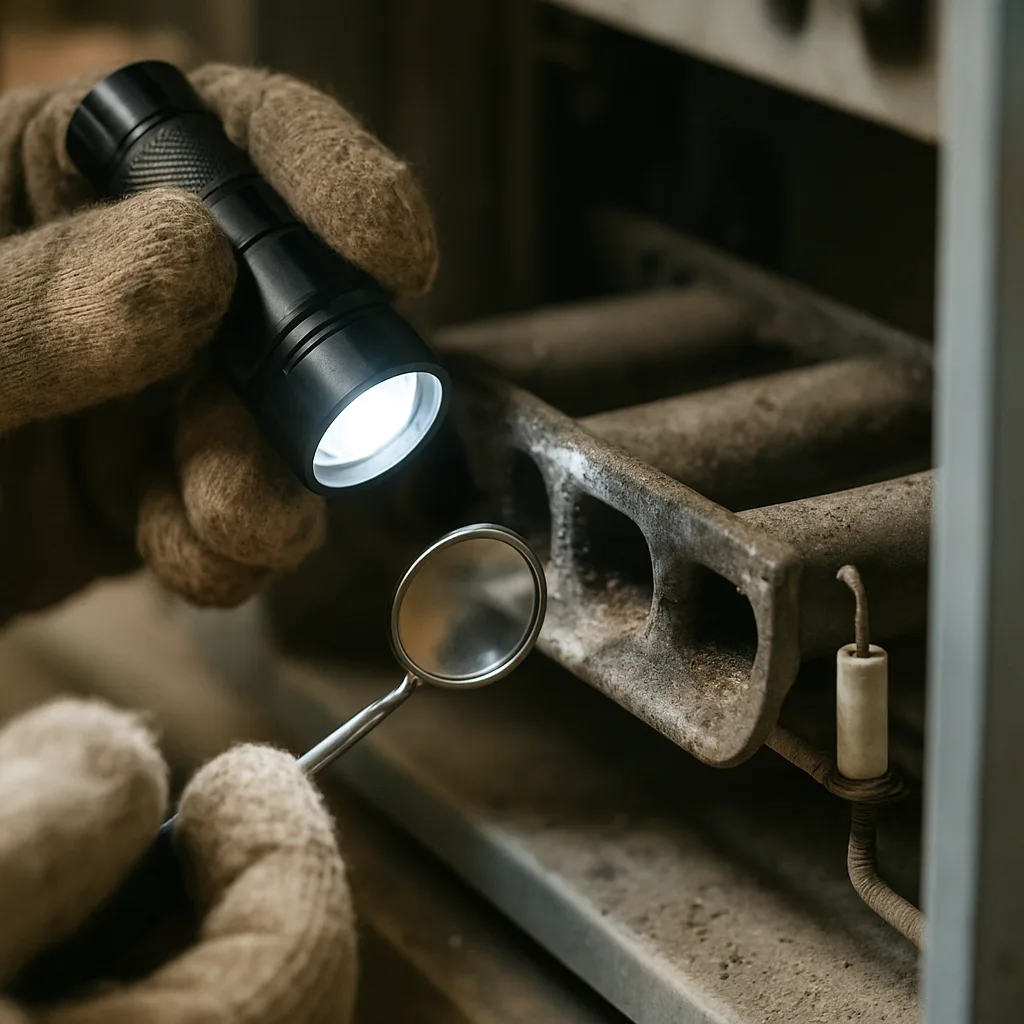
You might notice a burning dust smell when it starts after sitting idle for months. That is often normal for the first few minutes. If it lingers or smells like plastic or rotten eggs, stop and call. Your furnace may also start and shut off again within a few minutes. This short cycling can point to a dirty flame sensor or an airflow problem. Adjusting the thermostat will not fix either one.
- Rooms that heat unevenly, with one side warm and the other stuck in the 60s
- A furnace that runs longer than it used to just to reach the same temperature
- Rattling, clicking, or a booming sound when the burners ignite
- A pilot light or flame that looks yellow or flickers instead of burning steady blue
- Higher gas bills with no real change in how you use the heat
Any one of these signs might be nothing by itself. If you notice two or three, have the system checked before a North Texas hard freeze leaves you without heat overnight.
Inside a Professional Heating System Inspection
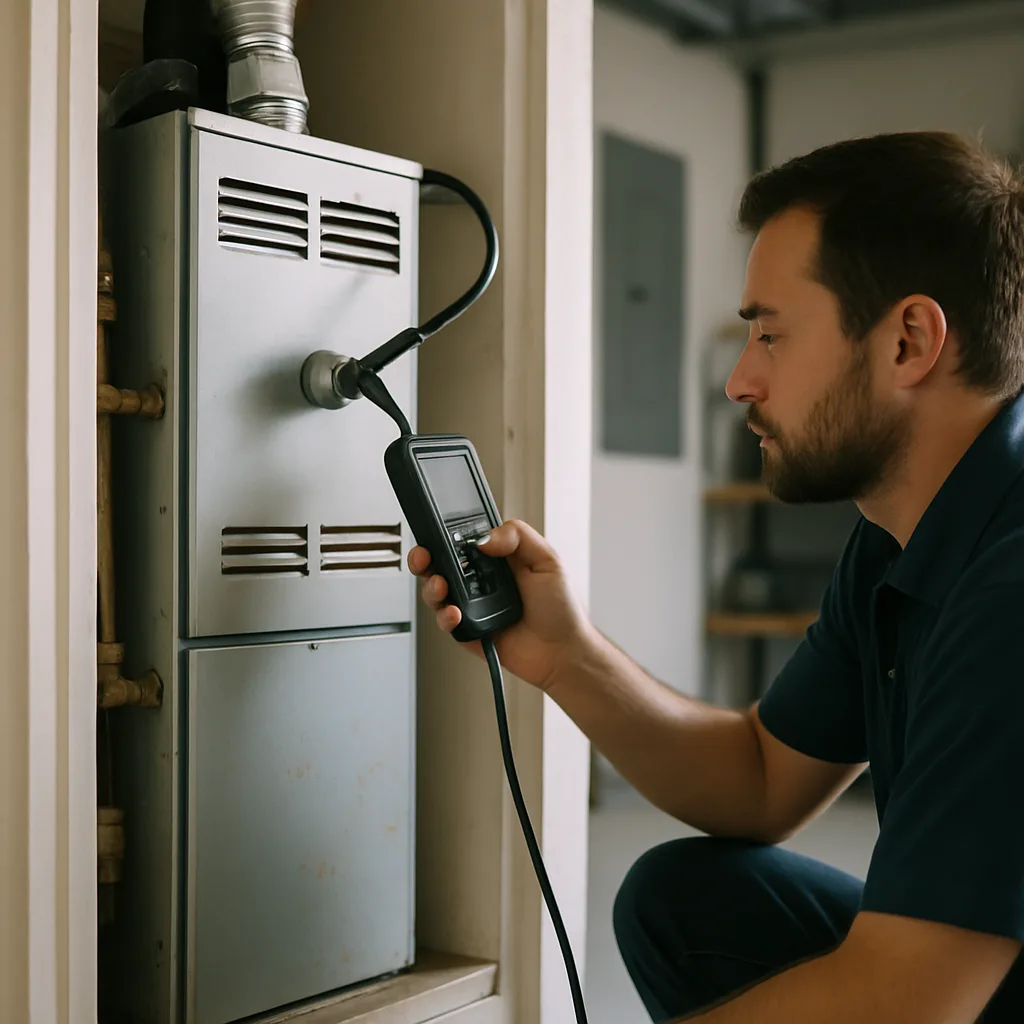
Booking a heating system inspection in Sunnyvale usually starts with a quick phone call or online request. You choose a visit that fits your day, whether you prefer an early morning or late afternoon appointment. Most local technicians offer same-week availability. Many also provide a two-hour arrival window instead of making you wait all day. Once on-site, the technician introduces themselves and asks about concerns you have noticed. These may include strange odors, uneven heating, or a furnace that cycles too often. The technician then checks your equipment and heating performance throughout the home.
The on-site inspection is methodical, not rushed. A technician will typically spend thirty to sixty minutes examining the furnace or heat pump. They also test safety components and check airflow through the ductwork. Afterward, you receive a written summary in plain language. It explains what was tested, what passed, what raised concern, and the recommended next steps. You can keep this document for your records or use it when deciding whether to schedule repairs.
- Flame sensor inspection to confirm proper ignition and shutoff response
- Ignitor testing to verify a consistent, safe start to the heating cycle
- Blower motor evaluation for airflow strength, noise, and wear
- Carbon monoxide testing to check for dangerous gas leaks
- Heat exchanger check for cracks, corrosion, or structural weakness
This visit is diagnostic only. The technician identifies issues and gives you recommendations. Repair work is scheduled and priced separately, including replacing a failing ignitor or sealing a duct leak.
A standard heating system inspection in Sunnyvale generally costs between one hundred and three hundred dollars. Most households pay between one hundred and two hundred dollars, depending on system size and access. Some companies charge a smaller service-call fee, typically twenty six to ninety nine dollars. That fee may be credited toward repairs if you approve the recommended work.
Skip the Inspection If These Apply to You
Not every heating hiccup in a Sunnyvale home warrants a technician visit. Sometimes, a five-minute fix at home will solve the problem. Knowing the difference saves you money and keeps your schedule clear during the busy winter months.
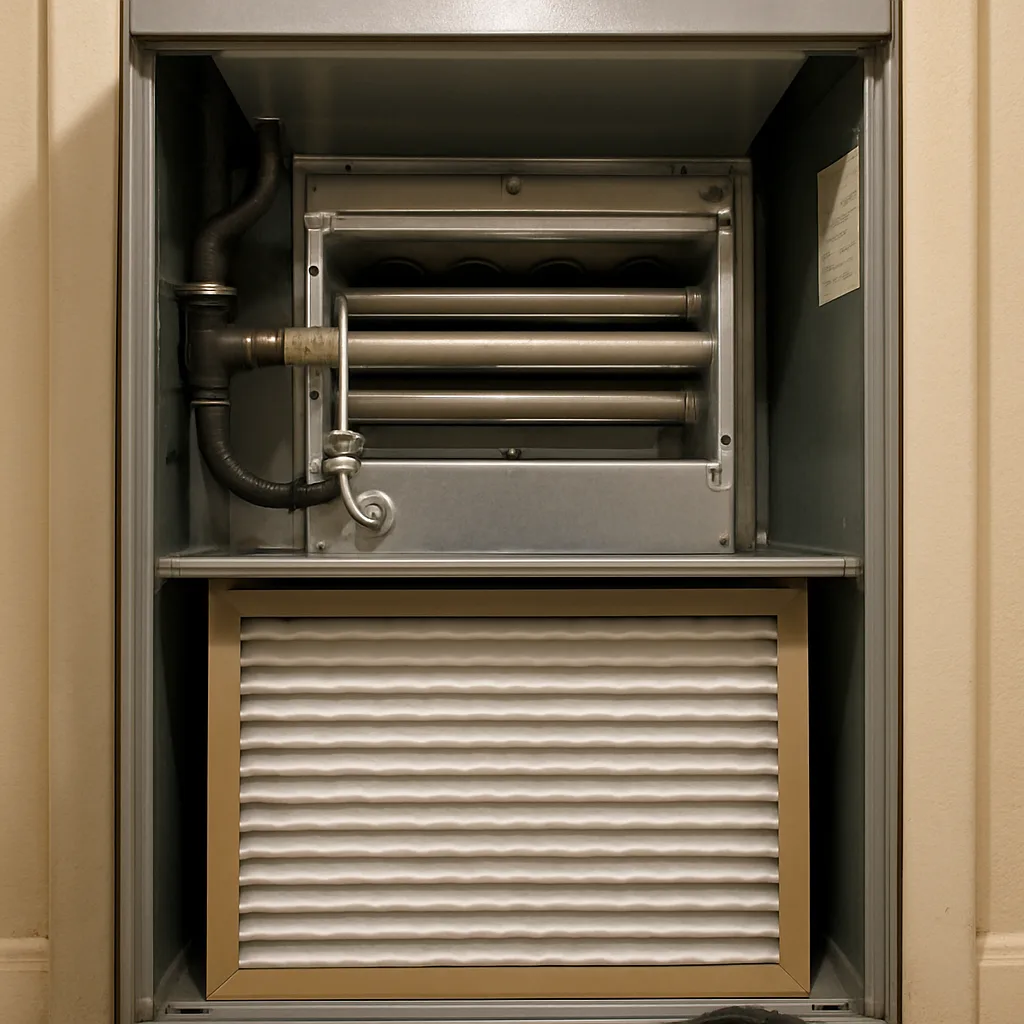
- Swapping a dirty air filter for a clean one every one to three months, depending on pets and household dust
- Resetting a breaker that tripped once after a storm or power blip, as long as it does not trip again
- Replacing dead thermostat batteries when the display goes blank or the readings look erratic
- Relighting an older system’s pilot light by following the manufacturer’s printed instructions, provided it stays lit
- Correcting a programmable thermostat schedule that was set incorrectly during a recent update
Timing matters as much as the symptoms. Your furnace may be heating evenly, cycling normally, and still be within the manufacturer’s recommended service interval. For most gas furnaces, that interval is usually twelve months. If so, a full inspection is not urgent. Another visit only a few months after a clean bill of health rarely finds a new problem. It mostly adds cost without much benefit.
The same applies to newer installations. A furnace installed within the last year by a licensed Sunnyvale contractor typically comes with a workmanship warranty. It does not need a diagnostic check unless something seems wrong. Watch for unusual noises, weak airflow, or an unexplained spike in your energy bill.
The honest rule of thumb is that inspections earn their value when something is uncertain, aging, or underperforming. If your system is quiet, consistent, and recently serviced, trust that baseline instead of paying for reassurance you already have.
Thinking about Heating system inspection? Let’s talk.
Call Today, Get Service Today. Xtreme Air Services is ready to help.
Pre-Winter Checks That Matter in North Texas
A blue norther can drop the temperature 30 degrees overnight in Sunnyvale. By then, your furnace may not have fired since last March.
That is when a weak ignitor or dirty flame sensor may quit. Calls spike across North Texas during the same week the temperature drops.
- Flame sensor check, since a dirty sensor can make the furnace shut off right after it starts
- Ignitor test, since this part wears out slowly and may fail without warning
- Carbon monoxide testing near the unit and supply vents to check for a gas leak
- Filter check, since a clogged filter restricts airflow and strains the blower motor
- A check of ductwork and airflow, especially with an attic-mounted system
Many Sunnyvale homes have furnaces in the attic. That space can swing from freezing to over 100 degrees as the seasons change. Over time, those temperature swings are hard on wiring, connections, and the control board.
Waiting until the first cold snap is not a great plan.
Book a heating system inspection before the first cold front. We can catch a cracked ignitor or dirty sensor while it is still an easy fix. Wait until January, and you may be calling for emergency no-heat repair on the coldest night of the year.
Choosing a Licensed Inspector in Sunnyvale
Texas regulates HVAC licensing, and that oversight protects Sunnyvale homeowners. Every legitimate heating and air conditioning contractor in the state must be licensed under Texas Occupations Code Chapter 1302. The Texas Department of Licensing and Regulation, or TDLR, administers the law. Licensed contractors carry a credential beginning with TACLA, followed by a registration number. This is more than a formality. It shows that the contractor has met state requirements covering Texas HVAC work and code compliance. Before anyone works on your furnace or heat pump, ask for the TACLA number. You can verify it on the TDLR website if you have any doubt.
Licensing is the starting point. A short phone screening before the appointment can save you time, money, and frustration once the technician arrives.
- Is the contractor licensed, and can you provide the TACLA number in advance?
- Which components do you check during the inspection, including heat exchanger condition, gas connections, the ignition system, blower motor amperage, and carbon monoxide readings?
- If the inspection finds a needed repair, is the diagnostic or trip fee credited toward that repair?
- During a Dallas-Fort Worth cold snap, how quickly can you realistically get someone to my door?
- Will I receive a written, upfront price before work begins, with no surprise add-ons after the technician arrives?
The scheduling question matters most during winter cold snaps. Temperatures across DFW can fall quickly, and furnace failures may spike overnight. Companies without enough local technicians may push appointments out three or four days. That can leave families without reliable heat during the coldest part of the season. A Sunnyvale-based operation serving nearby communities such as Rowlett, Mesquite, and Forney may offer same-day scheduling when demand rises.
Ask about background checks, too. Reputable local companies screen technicians before they enter a customer’s home and will explain that process directly. Then ask whether you will receive upfront flat-rate pricing before any tools come out. You should also know whether the trip fee is credited toward approved repairs. Together, these questions give you a practical way to compare Sunnyvale heating inspectors.
Frequently Asked Questions
Common questions about Heating system inspection
How soon can I get a heating system inspection in Sunnyvale?
Most Sunnyvale homes can get an inspection the same week you call. Technicians usually offer a two-hour arrival window instead of an all-day wait. You pick a morning or afternoon slot that fits your schedule. Booking gets tighter once temperatures drop and furnaces get tested for the first time since spring, so calling early in the season helps you avoid the rush.
What happens when the technician arrives at my home?
The technician introduces themselves and asks about any odors, noises, or uneven heating you have noticed. They then spend thirty to sixty minutes testing your furnace, checking safety components, and reviewing airflow through your ducts. Afterward, you get a plain-language written summary showing what passed, what raised concern, and what to do next. Nothing gets repaired during this visit without your approval.
What is the most common heating problem in Sunnyvale homes?
A dirty flame sensor is one of the most common issues local technicians find. It causes the furnace to fire up and then shut off within a few minutes, a pattern called short cycling. This often shows up right when temperatures drop and the furnace runs hard for the first time in months. It cannot be fixed by adjusting your thermostat, so it needs a hands-on check.
Do I need a heating inspection every year?
Most gas furnace manufacturers recommend a check every twelve months. If your system was inspected recently and is heating evenly with no strange noises, you likely do not need another visit yet. Systems installed within the last year by a licensed contractor usually do not need a check unless something feels off, like weak airflow or a sudden jump in your energy bill.
Can I fix a heating problem myself before calling for an inspection?
Yes, some issues are simple home fixes. Try swapping a dirty air filter, resetting a tripped breaker, or replacing dead thermostat batteries first. If your furnace still cycles oddly, smells off, or heats unevenly after these steps, that points to a deeper issue. A short cycling furnace or a flickering flame usually means it is time to call a technician instead of troubleshooting further.
Why should I schedule an inspection before a cold snap hits Sunnyvale?
A sudden temperature drop can push a furnace that has not run since spring past its limit. Weak ignitors and dirty flame sensors often fail right when you need heat most. Getting your system checked before that first hard freeze means a technician can catch a worn part while it is still working, instead of you waking up to a cold house and a backed-up service schedule.
Ready to Get Started?
Call 972-288-2263 Today, Get Service Today.