


Sewer Line Repair in Sunnyvale: Know the Signs Before You Dig
Cracked, offset, and root-invaded sewer lines located and repaired, dig or no-dig, quoted only after the camera goes in.
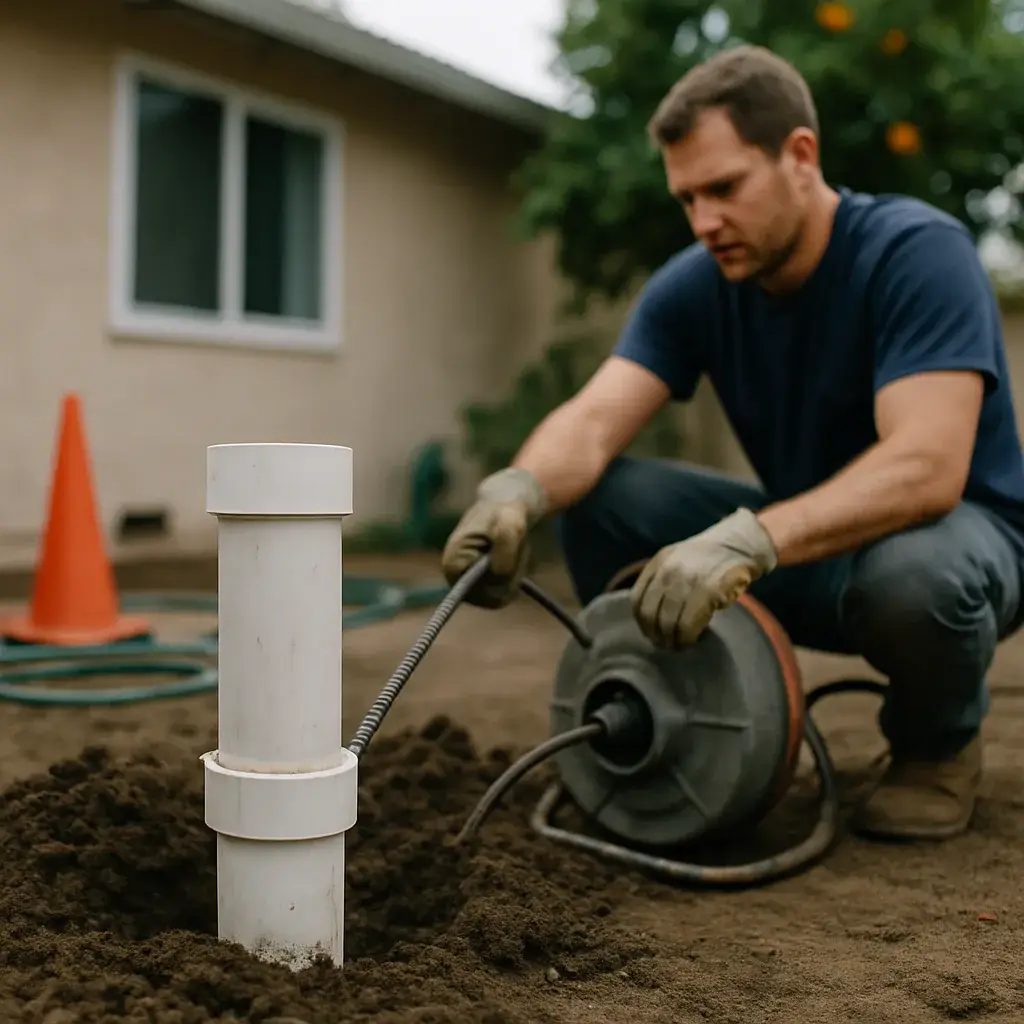
What’s Covered on This Page
- Signs Your Sewer Line Needs Repair
- When It’s Just a Clog, Not a Broken Sewer Line
- Trenchless vs. Dig-and-Replace: Choosing the Right Method
- What Drives Sewer Line Repair Cost
- What Happens During a Sewer Line Repair Visit
- How fast can you get out to fix a sewer line problem in Sunnyvale?
- What happens when the technician arrives for a sewer line inspection?
- Why do so many Sunnyvale homes have sewer line trouble?
- How do I know if I need a full sewer line repair or just a drain cleaning?
- Should I go with trenchless repair or dig-and-replace for my sewer line?
- Is a camera inspection really necessary before sewer line repair?
Signs Your Sewer Line Needs Repair
Sewer line trouble doesn’t always show up as one dramatic backup. It can start with a toilet that gurgles after you run the washing machine. Maybe the tub takes forever to drain. You might shrug it off once, then notice it again the next week.
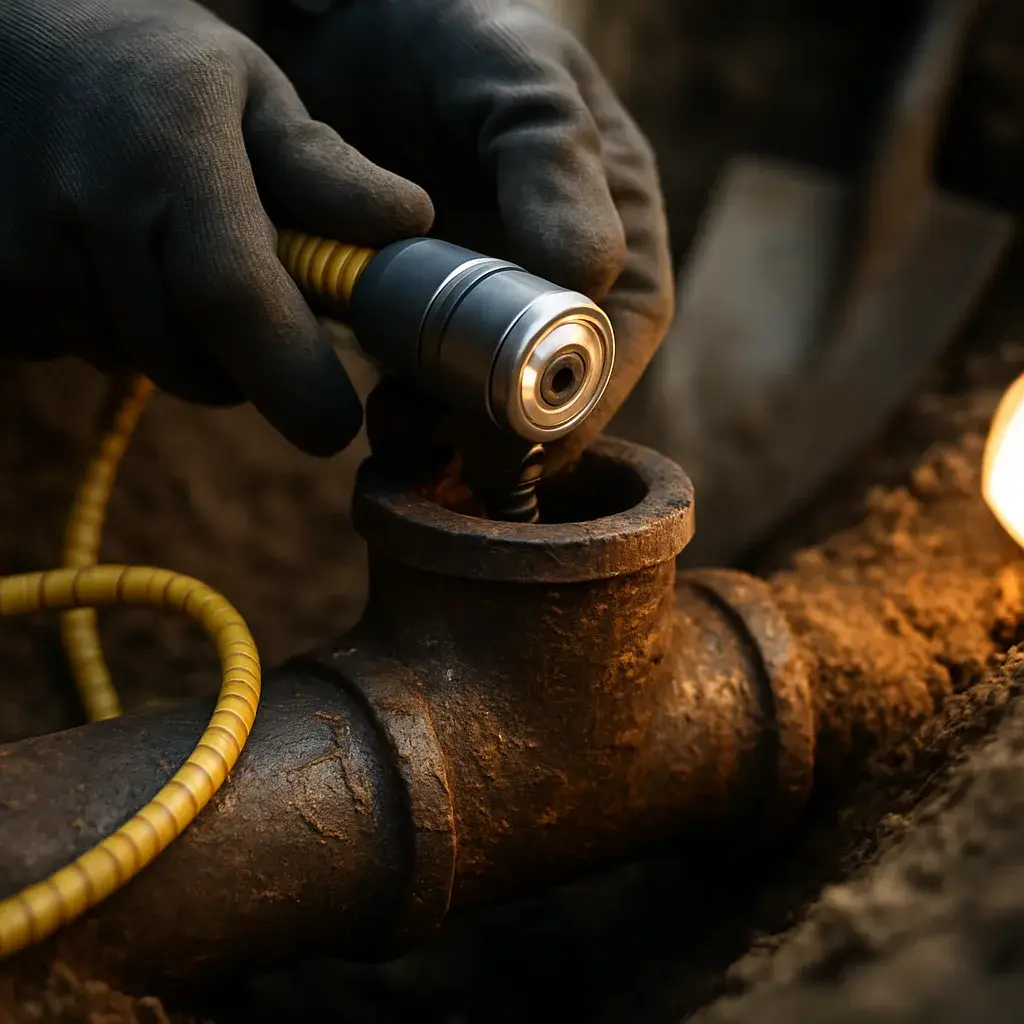
- Multiple drains backing up at the same time, especially the lowest one in the house
- Gurgling or bubbling sounds coming from toilets when other water runs
- A sewer smell in the yard or near a cleanout, even on dry days
- A soggy or unusually green patch of grass with no obvious cause
- Slow drains in more than one bathroom that plunging doesn’t fix for long
Many Sunnyvale homes sit on slab foundations with clay soil underneath. That clay shifts with the weather. It swells when it rains and pulls back when it’s dry. This movement stresses the pipe running under the slab. Mature trees on older lots can also cause root intrusion over time. If you’re seeing several of these signs, don’t wait for them to clear up on their own.
When It’s Just a Clog, Not a Broken Sewer Line
Not every slow drain in a Sunnyvale home means the sewer line is broken. Many older properties have clay or Orangeburg piping that develops isolated clogs before any structural failure occurs. If only one sink, tub, or toilet is acting up, the problem is usually local. Hair, grease, soap scum, or an object may be lodged in that branch line. The main sewer may be fine.
The number of affected fixtures is the key signal. Multiple fixtures backing up together can point to a blockage farther down the system, near the city connection. Pay close attention to the lowest drains, such as a garage floor drain or downstairs bathtub. Other whole-house signs include gurgling toilets when the washing machine runs. Sewage smells in the yard and shower backups after flushing also warrant a closer look at the main line.
- Single fixture slow or backed up: usually a localized clog, not a line issue
- Multiple drains failing together: likely a main line restriction or break
- Sewage odor or wet spots in the yard: possible line damage worth investigating
- Gurgling sounds across fixtures when one is used: signals a shared blockage point
- Recurring backups after snaking: sign the real cause has not been found yet
These symptoms can overlap, so we recommend a camera inspection before finalizing any repair estimate. A quick scope through the cleanout shows where the blockage sits. It can identify a simple clog, root intrusion, or a break in the pipe. The camera also shows the condition of the surrounding line. This step typically takes under an hour and can keep you from paying for excavation or lining work you don’t need.
Trenchless vs. Dig-and-Replace: Choosing the Right Method
Trenchless sewer repair covers two common techniques: pipe bursting and cured-in-place pipe lining. Both use small access points instead of a long open trench across your yard or driveway. One access point is usually at the cleanout and another is near the connection. Pipe bursting pulls a new pipe through the old one while fracturing the original pipe outward. Lining places a resin-saturated liner inside the existing pipe. It then cures into a smooth new interior wall. These methods suit lines with a consistent diameter, moderate depth, and no major structural collapse.
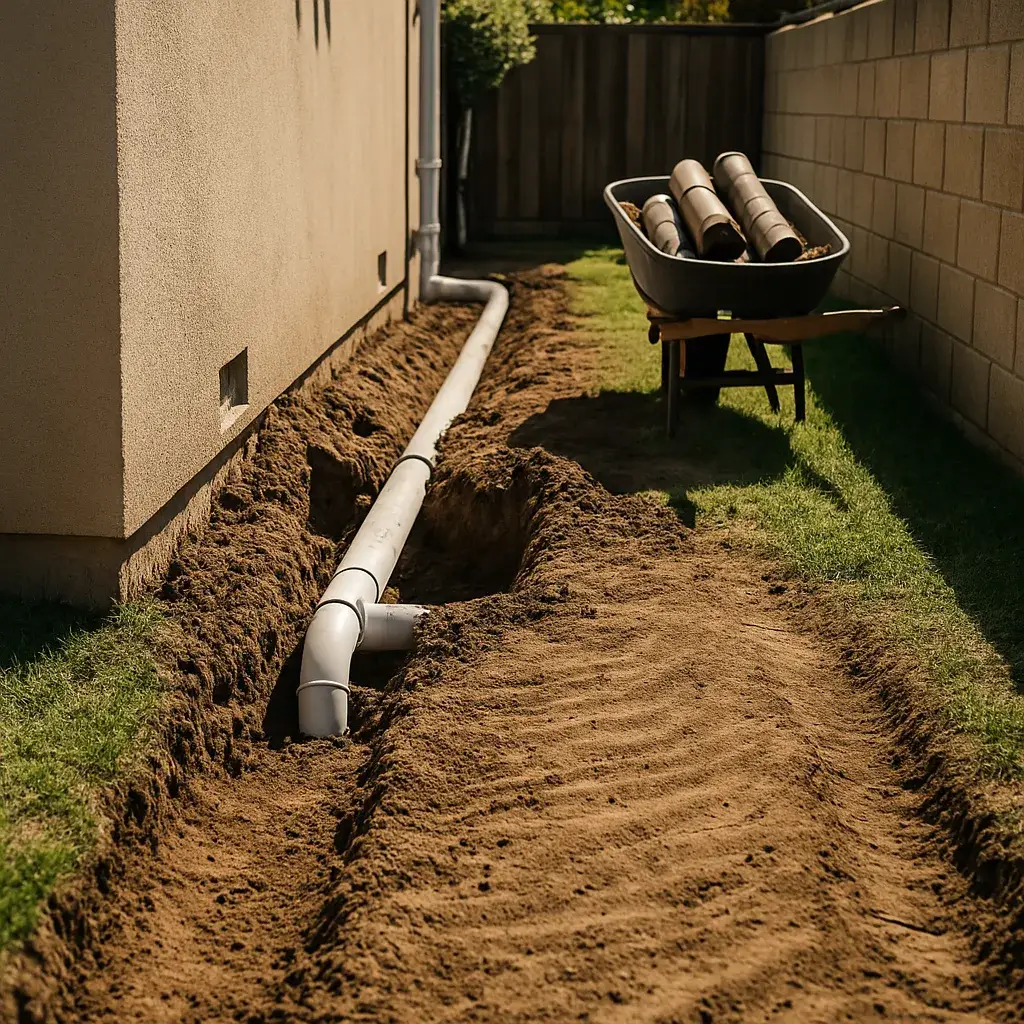
Dig-and-replace, also called open-trench repair, exposes the pipe’s path. The damaged sections or entire line can then be replaced with new pipe. Original clay or Orangeburg pipe in older homes may have settled, bellied, or collapsed in places. That can rule out lining or bursting for the damaged segment. Open-trench work is often more reliable when joints have separated or a pipe has severe bellying. It also suits collapsed pipes because technicians can inspect and correct the surrounding soil bed directly.
Eligibility depends on several factors. There is no single rule that trenchless always costs less or dig-and-replace fixes more. A technician should base the recommendation on camera footage, pipe depth, and total run length. The number of bends also matters. So does the line’s distance from foundations, mature trees, and utility lines.
- Pipe depth: lines under 4 to 6 feet are often better candidates for trenchless work
- Run length: very long or heavily bent runs may need staged access points or partial open trench
- Access: fences, mature landscaping, or hardscape over the line can favor trenchless to avoid demolition
- Pipe condition: collapsed, misaligned, or severely bellied sections usually require excavation
- Soil and slope: Sunnyvale’s clay-heavy soil can shift pipe grade over time, and digging may be needed to reveal the full problem
The timing of this decision matters. A trustworthy technician will review the camera footage with you before any excavation or lining equipment arrives. You should hear which method fits and why. The method shouldn’t change midway through the job just to justify an added cost. Ask for an upfront explanation in plain language, tied to what the camera shows. That keeps the repair straightforward instead of open-ended.
Need help with Sewer line repair?
Call Today, Get Service Today. Xtreme Air Services is ready to help.
What Drives Sewer Line Repair Cost
Sewer line repair pricing in Sunnyvale isn’t a flat rate because each property and failure is different. Three variables affect the number most: the damaged section’s depth, its length, and how easily a technician can reach it. A cracked pipe six feet under a side yard differs from the same crack twelve feet under a driveway. Mature oak roots or a poured patio slab can further complicate access. Older Sunnyvale properties with mature landscaping or additions over plumbing runs often present tougher access than newer homes with predictable layouts.
The repair method also affects cost. Trenchless methods, such as pipe lining or pipe bursting, avoid large-scale digging. They can cost less when the line’s condition and layout support them. Traditional excavation may be the only practical option with multiple failure points or severe collapse. Some properties also lack the access needed for trenchless equipment. Neither method is always cheaper; the right choice depends on the inspection camera footage.
A properly scoped quote should define what’s included before you receive a price. That detail is the basis of upfront pricing because the number only matters when both sides agree on the work it covers.
- Included in a standard repair scope: locating the line and finding the failure with a camera inspection; accessing the damaged section; completing the repair; and testing afterward to confirm it holds under normal flow.
- Typically excluded unless stated: full line replacement beyond the damaged section; landscaping restoration, including sod, plants, or irrigation; concrete or hardscape restoration; and permit fees required by the Town of Sunnyvale for certain excavation work.
These exclusions vary by job. Ask whether restoration and permitting are bundled into your quote or billed separately. For a broader pricing breakdown, our pricing guide covers common scenarios in more detail.
What Happens During a Sewer Line Repair Visit
Here’s what happens once our truck pulls into your driveway. A technician first runs a camera down the line instead of guessing. The camera shows the location and severity of a break, root intrusion, or bellied pipe. We charge a $26 to $99 service call fee for the visit. If you move forward with us, that fee is credited toward the repair. From there, the work follows a predictable order.
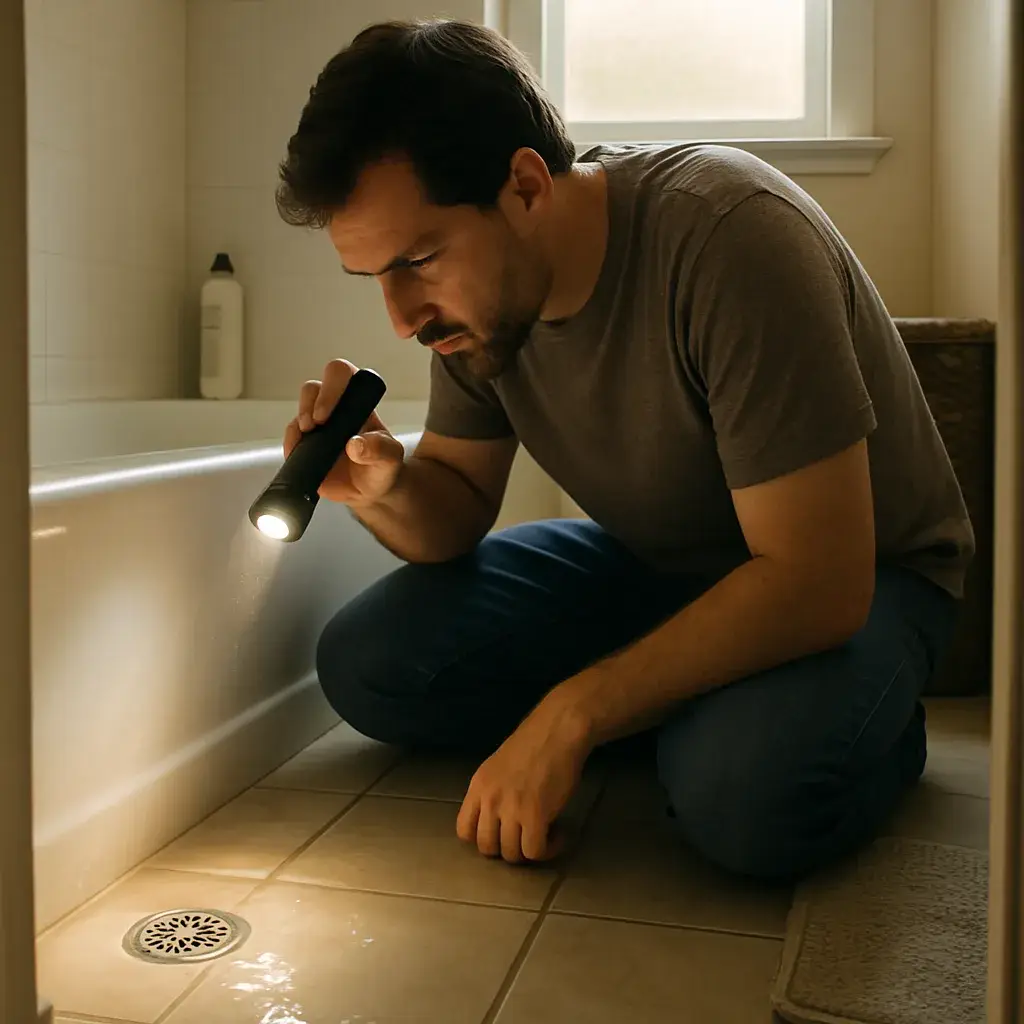
- Camera inspection to pinpoint the exact damaged section, not just a general area
- Marking the dig site and locating utilities before anything gets touched
- Accessing or excavating only what’s needed to reach the damaged run
- Cutting out the bad pipe and repairing or replacing that section
- Backfilling the trench and testing flow to confirm the fix worked
The damage often sits in one short stretch of pipe, not the whole line. That’s why we don’t quote a full replacement when a section repair will do the job.
Here’s what the repair covers upfront: locating the problem, gaining access, fixing that section, and testing the flow afterward. Unless discussed first, it doesn’t include full line replacement, landscaping or concrete restoration, or permits.
Wondering how long you’ll be without a working sewer line? Most jobs like this wrap up in a single visit.
Frequently Asked Questions
Common questions about Sewer line repair
How fast can you get out to fix a sewer line problem in Sunnyvale?
We treat sewer line calls as same-day priorities whenever we can, since backups get worse fast. If you notice multiple drains backing up or a sewage smell in the yard, call right away instead of waiting to see if it clears. Sunnyvale’s clay soil shifts with the seasons, so a small crack can turn into a bigger break within days. Getting a technician out quickly means we can scope the line before the damage spreads to more of your plumbing.
What happens when the technician arrives for a sewer line inspection?
The technician runs a camera through your cleanout to see exactly what’s happening inside the pipe. This scope usually takes under an hour and shows whether you have a simple clog, root intrusion, or a broken section. You’ll see the footage yourself before any work starts. That way, you know if you need drain cleaning or a full sewer line repair, and there are no surprises once the job begins.
Why do so many Sunnyvale homes have sewer line trouble?
Many Sunnyvale homes sit on slab foundations over clay soil, and that soil swells and shrinks with the weather. This constant movement puts stress on the pipe running under the slab, especially in older homes with clay or Orangeburg piping. Mature trees on older lots add another risk, since roots search out these aging pipes over time. If your home fits this description, watch for gurgling toilets or soggy yard spots as early warning signs.
How do I know if I need a full sewer line repair or just a drain cleaning?
You likely need drain cleaning if only one sink, tub, or toilet is slow, since that usually means a local clog. A full sewer line repair becomes more likely when several drains back up together, especially the lowest one in the house. Gurgling toilets when you run the washing machine is another whole-house sign. We always recommend a camera inspection first, since it can save you from paying for repair work you don’t need.
Should I go with trenchless repair or dig-and-replace for my sewer line?
The right method depends on your pipe’s depth, length, and condition, not a fixed rule. Trenchless methods like pipe bursting or lining work well for lines under 4 to 6 feet with no major collapse. Dig-and-replace fits better when joints have separated or the pipe has severe bellying, which shows up often in older Sunnyvale homes with clay or Orangeburg pipe. Your technician should walk you through the camera footage first, so the method matches what’s happening underground.
Is a camera inspection really necessary before sewer line repair?
Yes, a camera inspection is the fastest way to know exactly what’s wrong before any digging or lining starts. It takes under an hour and shows whether you’re dealing with a simple clog, root intrusion, or a structural break. Skipping this step can lead to unnecessary excavation or repeat backups if the real cause goes unnoticed. Seeing the footage yourself also means you understand the recommended fix before work begins.
Ready to Get Started?
Call 972-288-2263 Today, Get Service Today.