


Gas Line Installation in Sunnyvale: Licensed Plumbers You Can Trust
New gas runs for ranges, dryers, pool heaters, and outdoor kitchens – sized, pressure-tested, and permitted.
What’s Covered on This Page
- Signs Your Home Needs a New Gas Line
- When a Repair Is Enough and a New Install Isn’t
- How Gas Line Installation Works, Start to Finish
- What Drives Gas Line Installation Costs
- Licensing, Permits, and Safety Checks in Sunnyvale
- How fast can you get out to my house for gas line installation in Sunnyvale?
- What happens when your plumber arrives to install a gas line?
- Why do older Sunnyvale homes need a new gas line instead of a repair?
- How long does gas line installation take from start to finish?
- Can you run a gas line through the attic in a Sunnyvale home?
Signs Your Home Needs a New Gas Line
Folks usually call us for one of two reasons. They smell gas, or they bought a stove, generator, or outdoor grill with no line to hook it up to.
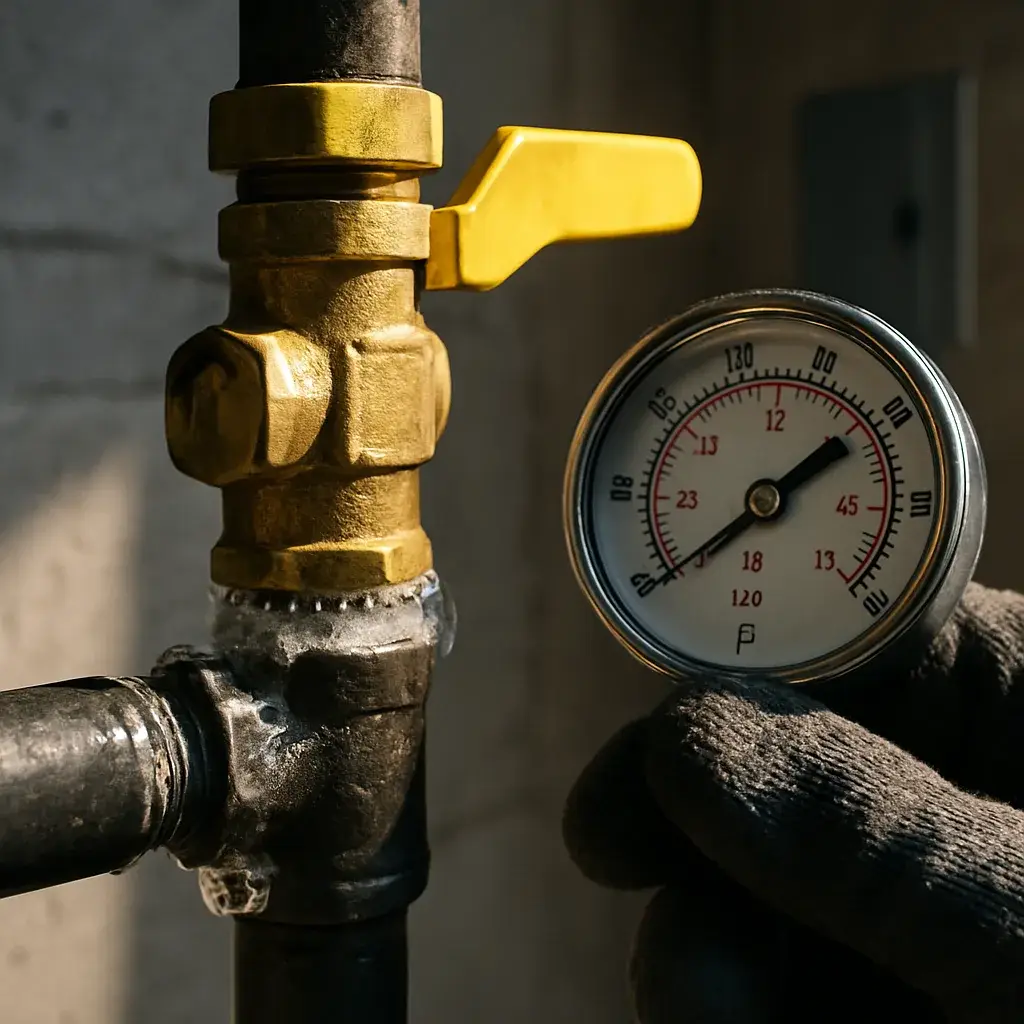
- A rotten-egg or sulfur smell near an appliance, meter, or wall – even if it’s faint or comes and goes
- A hissing sound around a fitting or connection point
- Dead or discolored plants in a strip near buried piping
- Higher gas bills with no change in how you use appliances
- A pilot light that won’t stay lit. This sometimes points to a supply problem, not just the appliance
- Adding a gas range, water heater, dryer, fire pit, or standby generator with no existing line
Many older sections of Sunnyvale have galvanized or undersized black iron pipe. It may have been fine for one stove when the house was built. Add a generator or outdoor kitchen, and that old line may not be rated for the added demand. You need a new run that’s sized and tested properly.
Smell gas right now? Get out, don’t flip a switch, and call the gas company first. If you’re planning for a new appliance, that’s a routine call rather than an emergency.
When a Repair Is Enough and a New Install Isn’t
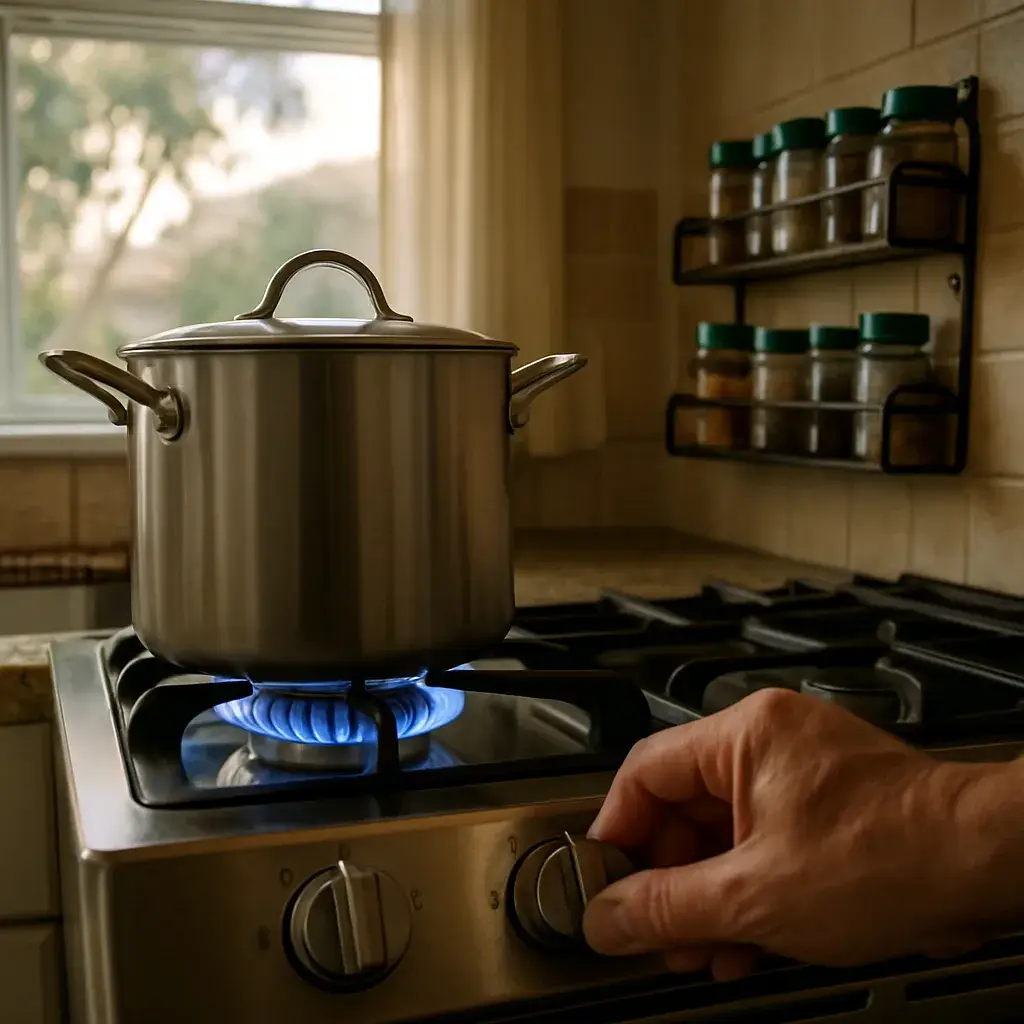
Not every gas job requires a new gas line. If an old, corroded fitting leaks on the existing line to your stove, that’s a repair. We fix and test it, then you’re done. A new installation is different. You need one when no line reaches the planned appliance location. Common examples include a gas dryer replacing an electric model, an outdoor kitchen, a relocated furnace, or a distant pool heater.
Here’s the honest answer. If your appliance is connected but smells off or has an unusual flame, call us. Expect a repair visit rather than an installation. It may be a loose fitting or bad connector, not a reason to run new pipe.
- You smell gas near an appliance that’s already connected – repair, not installation
- You’re adding a brand-new appliance with no line nearby – that’s installation
- The line exists but must move a few feet for a remodel – usually a modification priced closer to a repair
- You’re converting a whole system, such as electric to gas cooking – full installation with permits
Before booking, ask yourself whether a pipe is already there or must be built from scratch. That question quickly sorts most calls into the right service.
How Gas Line Installation Works, Start to Finish
Curious what happens after you book gas line installation with us? You should know before we touch your wall or attic. Here’s the sequence, with no skipped steps.
- We walk the job with you first. We locate the appliance, the existing gas source, and anything between them.
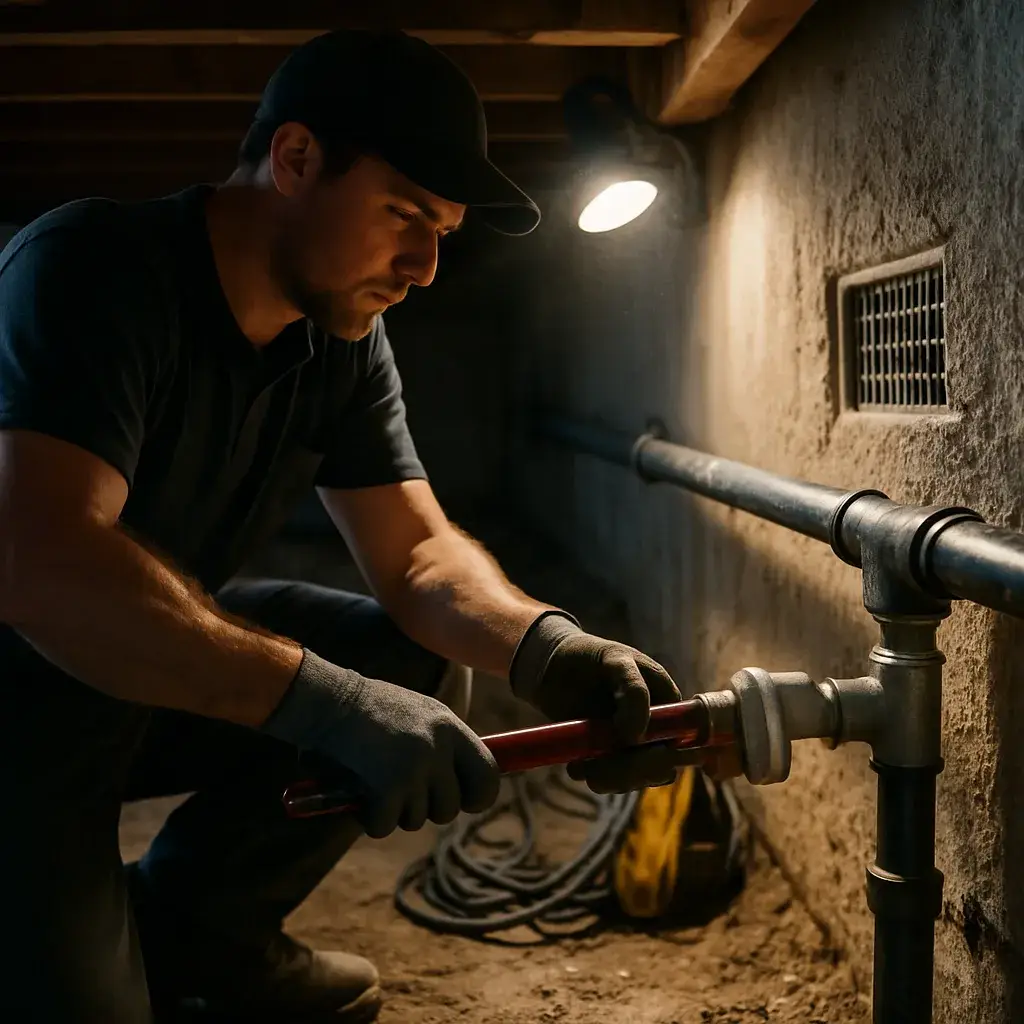
- We size the pipe and plan the route. In many Sunnyvale homes, that means working through the attic. Most local homes have slab foundations without basement access.
- We run the line using black iron pipe or CSST. The code requirements for the route and appliance determine the material.
- We connect the new line to the appliance and cap every open joint along the route.
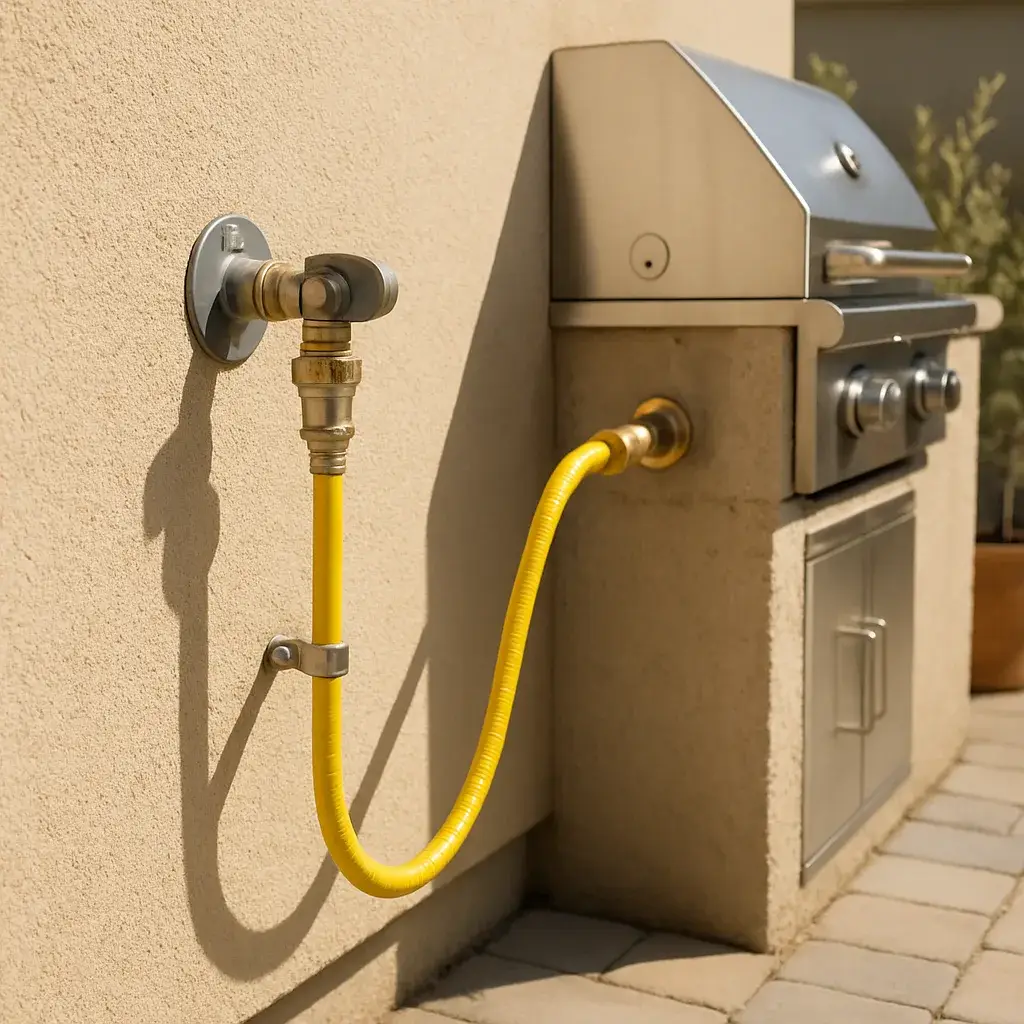
- We test the whole system before connecting any appliance to live gas. We never skip this step.
- We check the gauge for a set time and watch for any pressure drop that signals a leak.
- We complete the final inspection and startup. You’ll see the appliance working before we leave.
On older Sunnyvale properties, the attic route is often trickier than the pipe work. Access can matter more than distance. A short run through a tight attic may take longer than a long run through an open crawl space. The test isn’t optional. It shows whether the system is safe before gas reaches your appliance.
Need help with Gas line installation?
Call Today, Get Service Today. Xtreme Air Services is ready to help.
What Drives Gas Line Installation Costs
Every gas line job is different, so pricing depends on the work. We can’t quote a number over the phone without seeing the setup. We can explain exactly what affects the price.
Length and routing matter most. A short run to a kitchen range costs less than one crossing an attic. Running down an exterior wall to a pool heater adds more work. Pipe material and size also play a role because some appliances need larger lines. The number of appliances and ease of access affect the price too.
- Length and routing of the run
- Pipe material and size needed for the appliance
- Number of appliances being connected
- Ease of access to attics, crawl spaces, or walls
- Code upgrades required for the run
- Permits, where applicable
For the most common job, we typically land between $900 and $1,700. That covers running and connecting a new gas line to one appliance off existing service, with testing and inspection. Overall, most gas line installation jobs we handle fall between $500 and $2,500 depending on scope. That includes materials, installation, connections, testing, and startup. It excludes the appliance, structural changes, code corrections, and permits unless we spell that out beforehand.
Before hiring any contractor, ask what’s included in the price and what isn’t. The answer tells you a lot about who you’re talking to.
Licensing, Permits, and Safety Checks in Sunnyvale
Gas line work isn’t a DIY weekend project or a job for just any handyman. Texas requires a licensed plumber to run and connect gas lines. Sunnyvale’s building department requires a permit before the line gets buried or run through a wall.
That matters because an inspector from outside our company checks the work before it’s covered. You get a second set of eyes on your gas line. We test every line we install. The inspector confirms that it holds before anything gets closed in.
Xtreme Air Services carries HVAC License #TACLA29023C, and our plumbing work runs under Master Plumber Larry Breedlove. That’s more than paperwork. It separates insured and inspected work from a line without either protection.
Skipping the permit might save a few days. It can also mean your homeowner’s insurance won’t cover a later gas-related claim.
What should you ask before hiring someone for this work? Ask whether they’ll pull the permit and request their license number. You should also ask who conducts the test. If they hesitate on any of those questions, that’s your answer.
- Confirm the contractor holds a Texas plumbing license, not just a general contractor license
- Ask who pulls the Sunnyvale permit and schedules the inspection
- Ask how the line gets tested and for how long
- Ask what happens if the inspector flags something before final sign-off
We handle the permit, test, and inspection scheduling as part of the job. You won’t have to chase any of it down yourself.
Frequently Asked Questions
Common questions about Gas line installation
How fast can you get out to my house for gas line installation in Sunnyvale?
We schedule most gas line calls within a day or two of your call. If you smell gas right now, that’s different, get outside, don’t flip any switches, and call the gas company first. For planned work like adding a grill, generator, or gas dryer, we set up a walk-through visit so we can size the job before we show up with materials. That first visit is quick and lets us give you a real plan, not a guess.
What happens when your plumber arrives to install a gas line?
We start by walking the job with you before touching anything. We locate your appliance, find the existing gas source, and figure out what’s between them, whether that’s an attic, a wall, or an exterior run. From there we size the pipe, plan the route, and run either black iron pipe or CSST depending on the job. We test the whole system before any appliance gets connected to live gas. You’ll see it working before we pack up.
Why do older Sunnyvale homes need a new gas line instead of a repair?
Many older Sunnyvale homes have galvanized or black iron pipe sized for just one appliance. That pipe may have worked fine for decades with one stove, but adding a generator, outdoor kitchen, or second unit puts more demand on the system than it was built for. In that case a repair won’t fix it, you need a new run that’s properly sized and tested. If your current line is leaking at a fitting, though, that’s usually a repair, not a full install.
How long does gas line installation take from start to finish?
Most single-appliance gas line jobs take one visit, though the exact time depends on the route more than the distance. On older Sunnyvale properties with slab foundations, we often route new lines through the attic since there’s no basement access. A short run through a tight attic space can take longer than a longer run through open crawl space. We always finish with a pressure test before connecting your appliance, so the timeline includes that safety check.
Can you run a gas line through the attic in a Sunnyvale home?
Yes, and it’s the most common route we use here. Most Sunnyvale homes sit on slab foundations without basement access, so the attic becomes the practical path for a new gas line. Access matters more than distance in these homes, a tight, cluttered attic can slow the job down even on a short run. We check the attic during our first walk-through so there are no surprises once the work starts.
Ready to Get Started?
Call 972-288-2263 Today, Get Service Today.