


Home Rewiring in Sunnyvale: Safer Circuits, Fewer Surprises
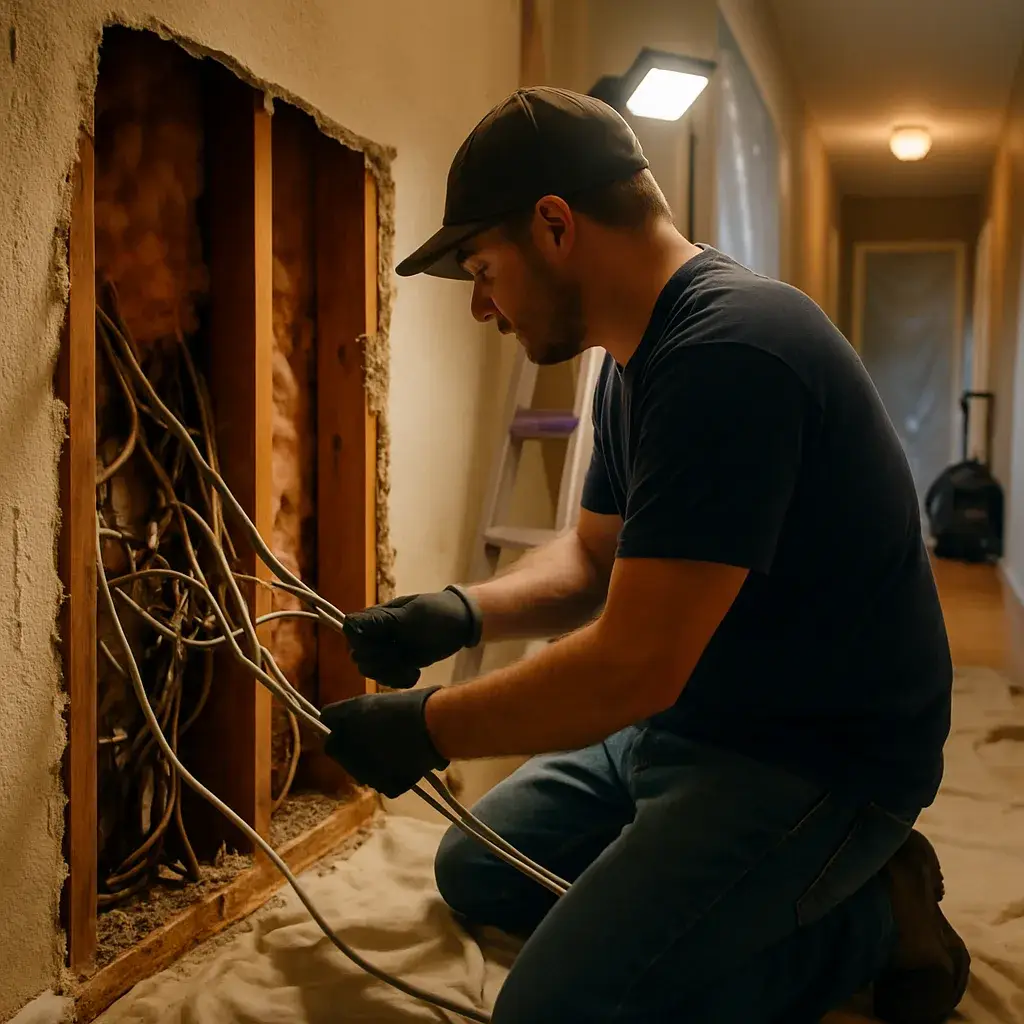
Whole-home rewiring planned around your walls and your schedule, with cloth, aluminum, and knob-and-tube runs replaced and wall damage kept to a minimum.
What’s Covered on This Page
- Signs Your Wiring Needs More Than a Quick Fix
- When a Full Rewire Isn’t the Right Call
- What Drives Rewiring Cost Up or Down
- How the Rewiring Process Works From Inspection to Final Test
- Protecting Sunnyvale Homes Through Peak Summer Electrical Load
- How long does a full home rewire take in Sunnyvale?
- What should I expect when your electrician arrives to start the job?
- How do I know if my house needs a full rewire or just a repair?
- Does my home get tested after the rewiring is finished?
- Will Sunnyvale’s hot summers make my old wiring worse?
- Do I need to move out of my house during a rewiring project?
Signs Your Wiring Needs More Than a Quick Fix
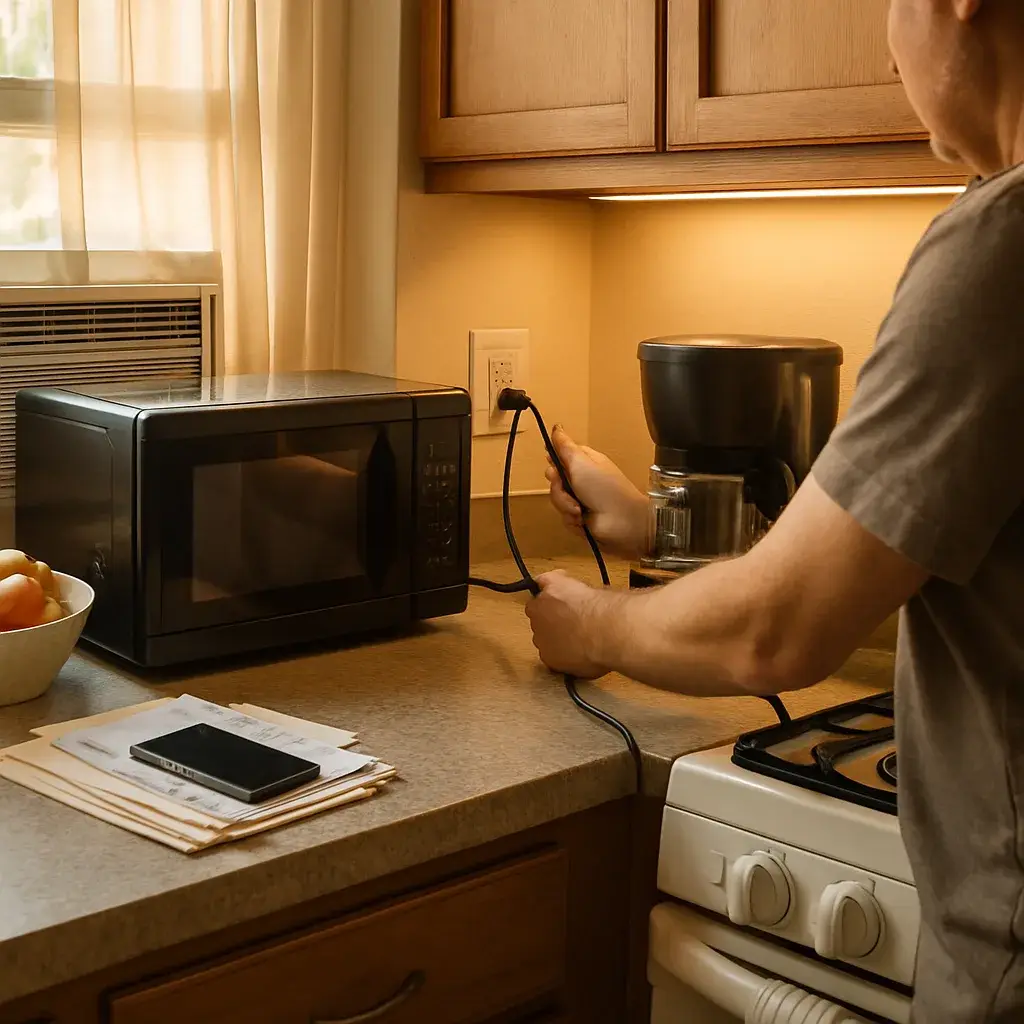
Here’s the thing about wiring problems, they rarely show up all at once. One outlet stops working, then a breaker starts tripping when you run the microwave and the AC together. Usually it’s the same story, aging wiring that’s simply outmatched by modern power demand.
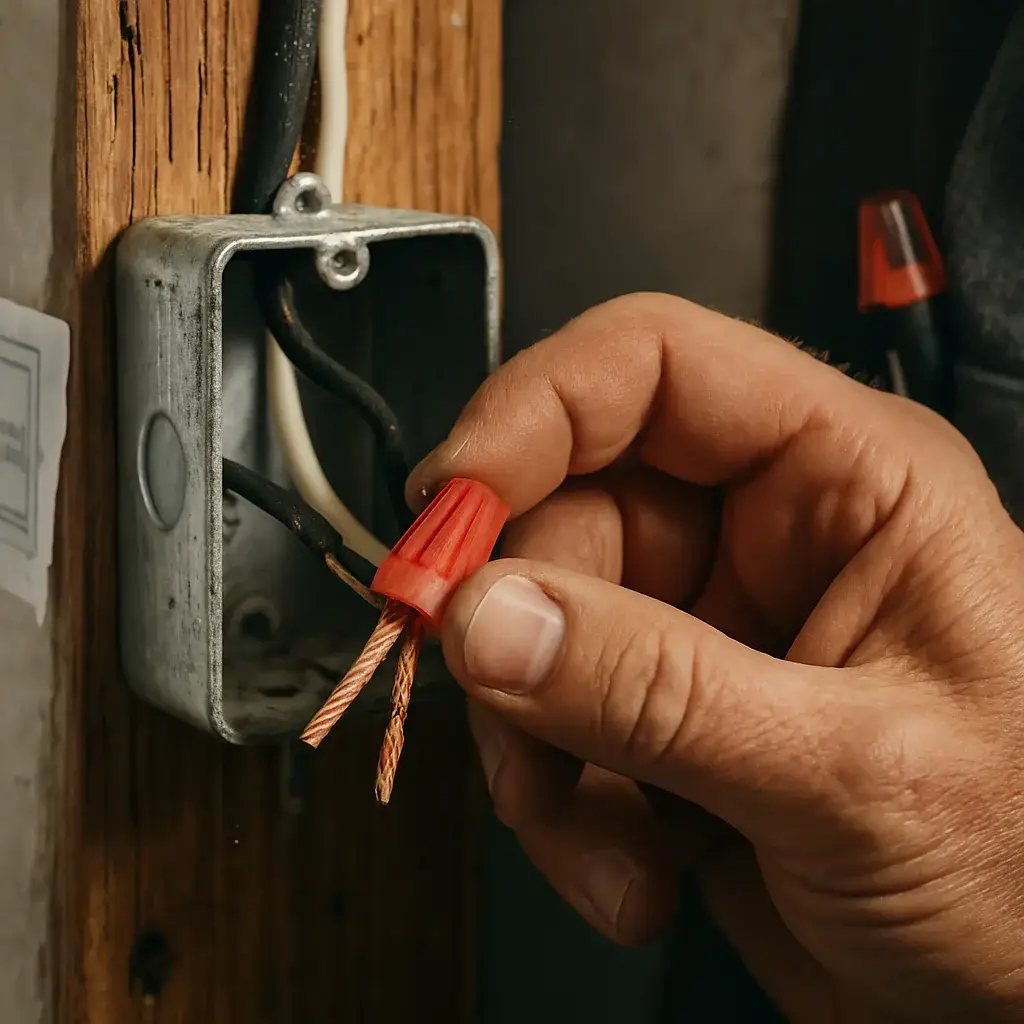
A lot of homes around Sunnyvale were built before central air and whole-house electronics were the norm. That older wiring wasn’t sized for today’s load. So the small stuff, a flickering lamp, a warm switch plate, is often the first warning sign of something bigger underneath the walls.
- Lights that flicker or dim when an appliance kicks on
- Breakers that trip more than once or twice a month
- Outlets or switch plates that feel warm to the touch
- A burning smell near outlets or the panel with no clear source
- Two-prong outlets or visible cloth-covered wiring in the attic
- Buzzing sounds coming from walls, switches, or fixtures
Any one of these on its own might be a quick repair. Two or three together, especially in a home over 30 years old, usually points to wiring that’s worn out its welcome. That’s not a scare tactic, that’s just what we see.
When a Full Rewire Isn’t the Right Call
Not every electrical headache means your whole house needs rewiring. Say one bedroom outlet stopped working and the rest of the house is fine. You flip the breaker, it resets, the outlet still won’t power your phone charger. That’s usually a bad outlet or a tripped GFCI somewhere upstream, not a wiring problem that runs through your walls.
We get calls from folks who assume the worst because a breaker trips during a thunderstorm or the lights flicker when the AC kicks on. Usually it’s a loose connection, an overloaded single circuit, or a breaker that’s just old and tired. None of that calls for tearing into drywall.
Adding a dedicated circuit for a new hot tub, a shop freezer, or an EV charger is a different job entirely, and a much smaller one. So is swapping out a couple of outlets for GFCI protection near a sink or a garage.
A full rewire earns its keep when the problem is systemic. Frequent breaker trips across multiple rooms, warm outlet covers, a burning smell near the panel, or wiring that’s aluminum or the old cloth-wrapped type. If you’re only fighting one outlet or one stubborn breaker, you probably don’t need the big job.
Honestly, telling a customer they don’t need the expensive fix costs us nothing. We’d rather you trust what we tell you next time something really is wrong.
What Drives Rewiring Cost Up or Down
Every home is different, so every rewiring job prices out different. Our typical range runs $8,000 to $20,000, and the most common job, a full home rewire with new circuits and grounding, usually lands between $10,500 and $15,000. Where you land in that range depends on a handful of things we look at during the walkthrough.
- Home size and number of circuits needed
- How easy it is to get into your walls, attic, or crawlspace
- The condition of your existing wiring
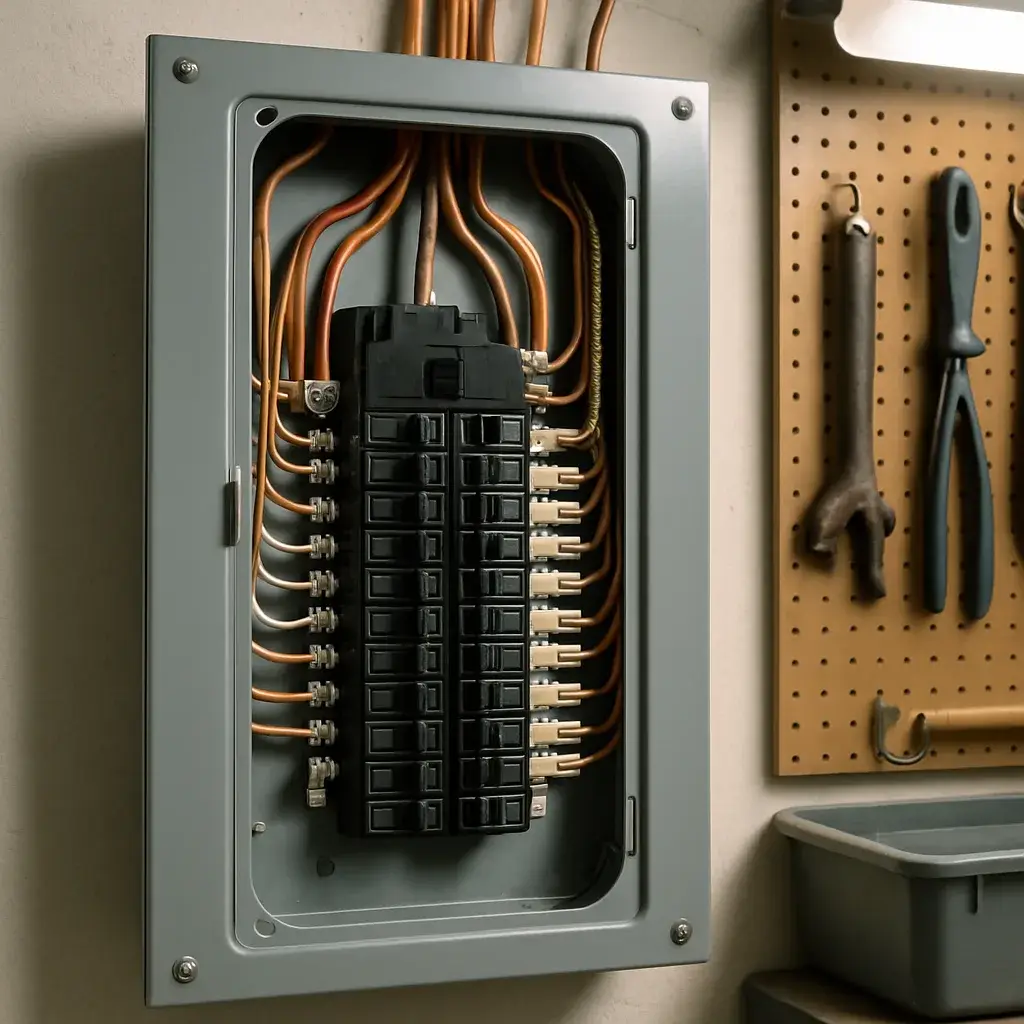
- Whether your panel needs an upgrade too
- Drywall repair after the wire runs
- Code upgrades required by the current electrical code
- Permit requirements for your project
Access matters more than people expect. A lot of Sunnyvale homes sit on slab foundations with no basement, so we run wire through the attic and drop it down interior walls. Tight attics and finished ceilings slow that down, and slower means more labor hours.
So does what we find once we open things up. Homes with aluminum wiring or older cloth-wrapped wire need extra care, sometimes extra parts, to bring everything up to code safely.
One more thing worth asking about up front, whether financing fits your project. We offer flexible financing on qualifying jobs, on approved credit, so a bigger scope doesn’t have to mean paying it all at once.
Have questions? We’re happy to help.
Call Today, Get Service Today. Xtreme Air Services is ready to help.
How the Rewiring Process Works From Inspection to Final Test
Home rewiring isn’t just pulling new wire and hoping for the best. It’s a process, and every step matters. Here’s what happens once you decide to move forward.
- We start with a walkthrough of your panel, attic, and crawlspace to see what we’re really dealing with.
- We map out every circuit in the home, room by room, so nothing gets missed and nothing gets doubled up.
- We plan the new wire runs, working around your attic HVAC ductwork and framing instead of against it.
- We pull the old wiring and run new circuits, matching the panel to the load your home needs.
- We install new devices, outlets, switches, and grounding, then label everything at the panel.
- We test every circuit under load before we call the job finished, not just check that the lights turn on.
That last step is the one folks forget to ask about. A lot of homes we get called to have wiring that was ‘finished’ by somebody who never tested it under real load. Lights work fine, sure, until you run the microwave and the dryer at the same time. We don’t sign off until it’s tested.
Older homes off Sunnyvale’s established streets, the ones with plaster walls or a garage that got converted decades ago, usually mean more attic and crawlspace access work. That changes the scope, so we walk it with you first, not after.
You’ll know what’s happening at every stage. No surprise walls opened up without a heads up.
Protecting Sunnyvale Homes Through Peak Summer Electrical Load
Summer in Sunnyvale means your AC runs almost nonstop from June through September, and that’s exactly when old wiring shows its weak spots. A system built decades ago wasn’t sized for today’s central air, plus a fridge, plus a couple window units in the garage. Add all that up on a 100 degree afternoon and something’s got to give.
We see this every July. A breaker trips right when the AC compressor kicks on, or a customer notices the wall near the panel feels warm to the touch. That’s not random. That’s wiring telling you it’s maxed out.
- Lights dim or flicker the moment the AC compressor starts
- Breakers trip mid-afternoon during the hottest stretch of the day
- Outlets or switch plates feel warm after hours of AC and fan use
- A faint buzzing sound near the panel or outlets under load
- Circuits that worked fine in spring start tripping in July
None of that is normal wear. It’s a sign the circuits weren’t built for the load they’re carrying now. Home rewiring fixes this at the source, not by adding another band-aid breaker but by putting in circuits sized for the way you use power today, air conditioning, appliances, and all.
So if your panel feels like it’s working overtime every summer, it probably is. Fixing the wiring before peak heat hits again beats troubleshooting a tripped breaker at 4pm in August.
Frequently Asked Questions
Common questions about Home rewiring
How long does a full home rewire take in Sunnyvale?
Most full rewires take one to two weeks, depending on your home’s size and attic access. Homes on slab foundations, common across Sunnyvale, need extra time because we run every wire through the attic and down interior walls. Tight attics or finished ceilings can add a day or two. We walk your home first so you know a realistic timeline before work starts, not a guess.
What should I expect when your electrician arrives to start the job?
Your electrician starts with a walkthrough of your panel, attic, and crawlspace before touching any wire. This step maps out every circuit in your home so nothing gets missed or doubled up. You’ll hear what we find, what needs replacing, and where we plan to route new wire around your attic ductwork. No walls get opened without you knowing first.
How do I know if my house needs a full rewire or just a repair?
One dead outlet or a single stubborn breaker usually means a small fix, not a full rewire. Systemic signs like breakers tripping in multiple rooms, warm outlet covers, or a burning smell near the panel point to bigger wiring trouble underneath your walls. Older Sunnyvale homes with aluminum wiring or cloth-covered wire in the attic also tend to need the full job.
Does my home get tested after the rewiring is finished?
Yes, every circuit gets tested under real load before we call a job done. We’ve seen homes where wiring looked “finished” but lights worked fine only until someone ran the microwave and dryer together. Testing under load catches problems that a quick visual check misses. You get a working system, not just outlets that light up during a walkthrough.
Will Sunnyvale’s hot summers make my old wiring worse?
Yes, summer heat pushes old wiring past its limit when your AC runs nonstop from June through September. Wiring built decades ago wasn’t sized to handle central air plus a fridge and everyday electronics all at once. That extra summer load is often what turns a small flicker into a tripped breaker. Getting wiring checked before peak season helps you avoid that stress.
Do I need to move out of my house during a rewiring project?
No, most homeowners stay in their house during a rewire since we work room by room. Older homes with plaster walls or a converted garage may need more attic and crawlspace access, which can shift daily work areas. We walk through the scope with you first, so you know which rooms will see activity each day.
Ready to Get Started?
Call 972-288-2263 Today, Get Service Today.