


Hot Tub / Spa Wiring in Sunnyvale: Licensed Power for Your Backyard Spa
Spa circuits run with the GFCI disconnect, bonding, and burial depth the code requires – sized to the unit nameplate, permitted, and inspected.
What’s Covered on This Page
- Signs Your Hot Tub Needs New Electrical Wiring
- Why Hot Tub Wiring Requires a Licensed Electrician, Not a DIY Fix
- When Your Current Spa Circuit Doesn’t Need a Rewire
- Installing a Dedicated Spa Circuit for Sunnyvale Backyards
- GFCI Protection and Disconnect Rules That Pass Inspection
- Do you handle hot tub wiring anywhere in Sunnyvale, or just certain areas?
- What happens when your electrician shows up to wire my hot tub?
- Why do so many older Sunnyvale homes have hot tub wiring problems?
- Does my hot tub need a new dedicated circuit, or is my current outlet fine?
- How long does it take to install a dedicated hot tub circuit?
- What is a GFCI disconnect and why does my spa need one nearby?
Signs Your Hot Tub Needs New Electrical Wiring
Your spa trips the breaker every few days. Or maybe it’s plugged into a garage outlet that also runs your freezer and half your power tools. We see this every single week in Sunnyvale, especially in older homes near the town center that weren’t built with a 240-volt spa circuit in mind.
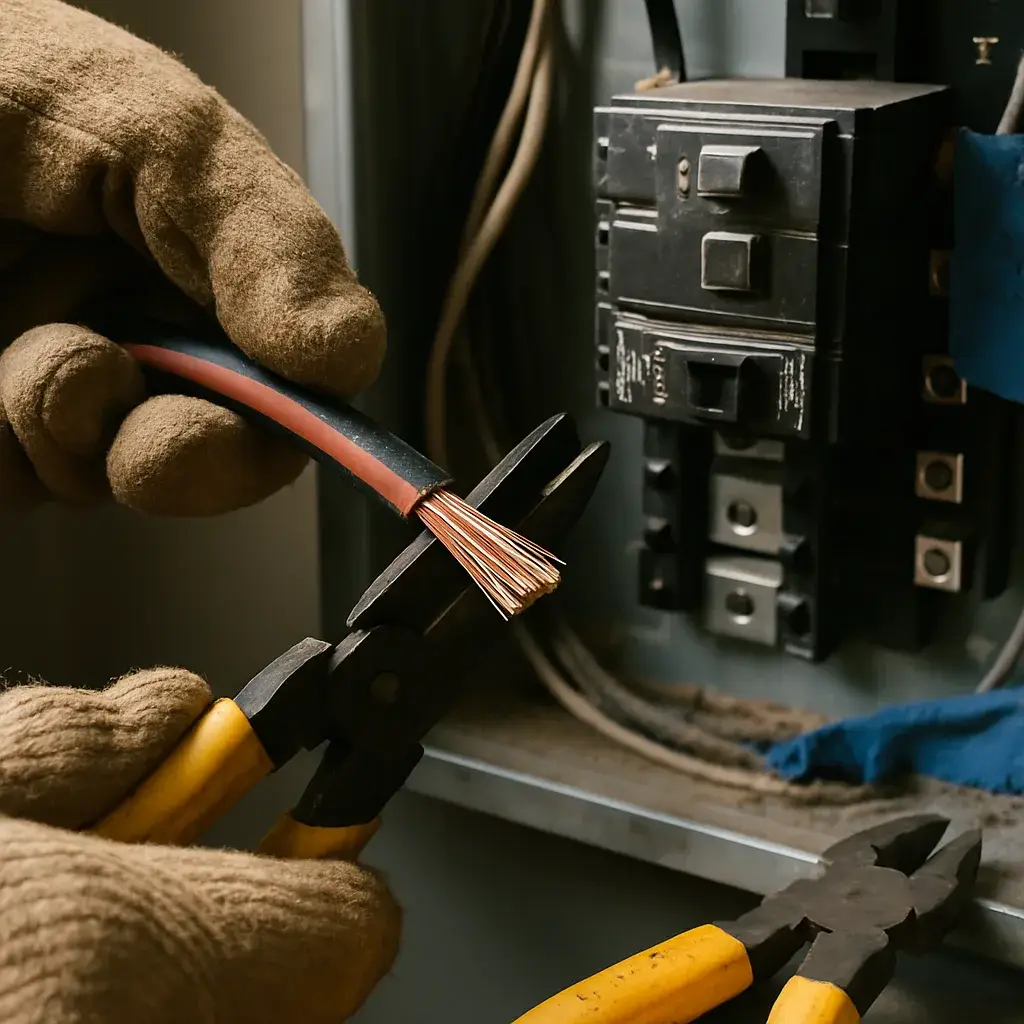
So how do you know if your wiring is a problem and not just an inconvenience? Look for these signs.
- The breaker trips often, or feels warm to the touch after the spa runs
- You’re using an extension cord or a standard outlet instead of a dedicated circuit
- There’s no GFCI shutoff switch near the spa, or it’s more than a few feet away
- The spa was installed years ago and has never been inspected against current code
- Your panel is already maxed out and can’t take another circuit without an upgrade
Any one of those means your spa isn’t protected the way it should be. The fix isn’t complicated. It’s a dedicated circuit, a proper disconnect, and testing to confirm it holds up under real use. What it isn’t is optional, water and electricity share a lot of history, and none of it good.
Why Hot Tub Wiring Requires a Licensed Electrician, Not a DIY Fix
Water and electricity don’t mix. You know that. But a hot tub takes it further, mixing water, high amperage, and outdoor exposure all in one spot. That combination is exactly why the electrical code requires a dedicated GFCI protected circuit and a disconnect switch placed where you can see the spa. It’s not a suggestion, it’s the rule.
We get calls where a previous owner ran a regular extension cord to a spa, or tied it into an existing outdoor outlet that wasn’t rated for the load. That’s a shock hazard waiting to happen, and it’s also a fast way to trip breakers or damage the spa’s control board. Often, when we’re called out for a spa that keeps shutting off, it traces back to wiring that was never sized right in the first place.
Sizing the circuit correctly takes real knowledge. You have to match the wire gauge and breaker to the spa’s amperage, figure out how far the run is from your panel, and know if your panel even has room for another circuit. Get any of that wrong and you either trip the GFCI constantly or, worse, you don’t trip it when you should.
A licensed electrician pulls the permit, does the load calculation, and signs off that the job meets code. That inspection isn’t paperwork for its own sake, it’s what protects your family every time you step into that water.
When Your Current Spa Circuit Doesn’t Need a Rewire
Not every spa needs new wiring. Some folks call us worried they need a whole new circuit when what they’ve got is already doing its job.
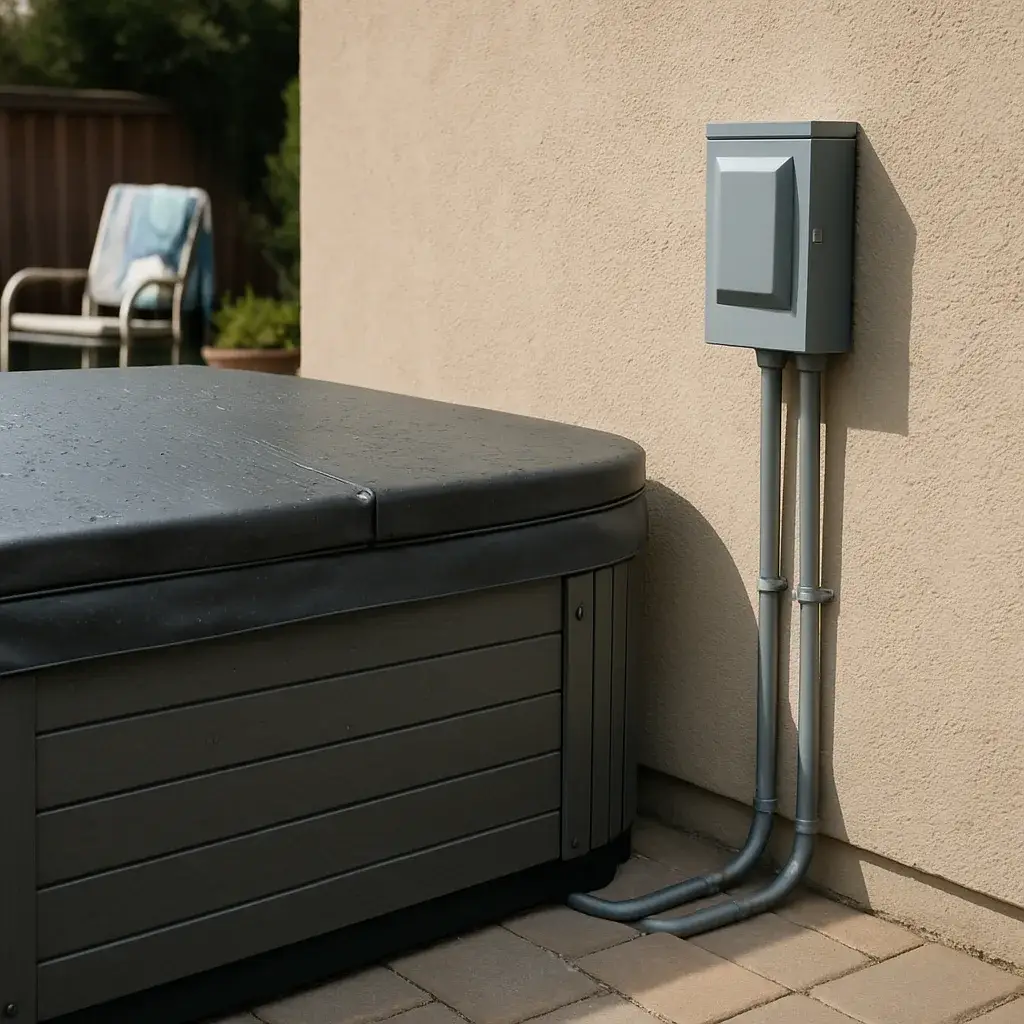
If you’re plugging in a small portable spa that runs on a standard 120-volt outlet, and that outlet is already GFCI protected, you might not need anything new. A lot of the smaller plug-and-play spas sold around Sunnyvale are built for exactly that setup. Swap the old spa for a similar-sized replacement on the same pad, and the existing circuit can often handle it just fine, no trenching, no new breaker, no disconnect.
Same goes for a breaker that trips once and never again. That’s usually moisture in the connection or a GFCI doing its job on a rainy week, not a sign your wiring failed.
So how do you know the difference? A few honest signs your current setup is fine:
- Your spa’s amperage rating matches what’s already installed and hasn’t changed with the new unit
- The breaker trips rarely and only in wet weather, not every time you run the jets
- You’ve got a working GFCI shutoff switch near the spa already
- You’re replacing a spa with one the same size, not upgrading to a bigger unit with a higher draw
If any of that sounds like your situation, hang onto your money. We’d rather tell you the truth than run a new circuit you don’t need. Now, if the breaker trips constantly, there’s no GFCI in sight, or the new spa pulls more power than the old one – that’s a different conversation, and we’ll get into that next. 80 six days a week.
Ready when you are – get in touch today.
Call Today, Get Service Today. Xtreme Air Services is ready to help.
Installing a Dedicated Spa Circuit for Sunnyvale Backyards
Here’s what happens once we get to your place. Most Sunnyvale backyards we work in sit behind homes built in the last couple decades, which usually means the electrical panel is in the garage and the spa’s going in on a patio thirty to sixty feet away. That distance matters. It’s one of the first things we check before we even open the truck.
- We look at your panel first, checking if it has room for a new breaker or if it’s already maxed out.
- We figure the wire path from the panel to the spa location, through the attic, along the exterior wall, or underground.
- We size the circuit to match your spa’s amperage draw, not just a generic number.
- We run the wire and set a GFCI-protected disconnect where you can see the spa, required so you can cut power fast if something’s wrong.
- We land the wiring at the spa’s connection point and torque everything to spec.
- We test the whole circuit under load before we call it done.
That disconnect switch isn’t optional, and it’s not just a formality. It has to sit where you can see the tub, usually five feet or more away, so nobody’s standing in wet grass reaching for a breaker inside the house. We see this every single week, somebody bought a spa, had a buddy wire it up fast, and now there’s no visible shutoff anywhere near the water.
Trenching adds a step if the run has to go underground instead of through the attic. Older sections of Sunnyvale with mature trees can mean root work, newer subdivisions usually give us a cleaner shot.
Most jobs like this finish the same day, start to finish.
GFCI Protection and Disconnect Rules That Pass Inspection
Every hot tub circuit we run has to have GFCI protection. No exceptions. That’s not us being extra careful, it’s the code, and it’s there because water and electricity in the same backyard is a serious mix.
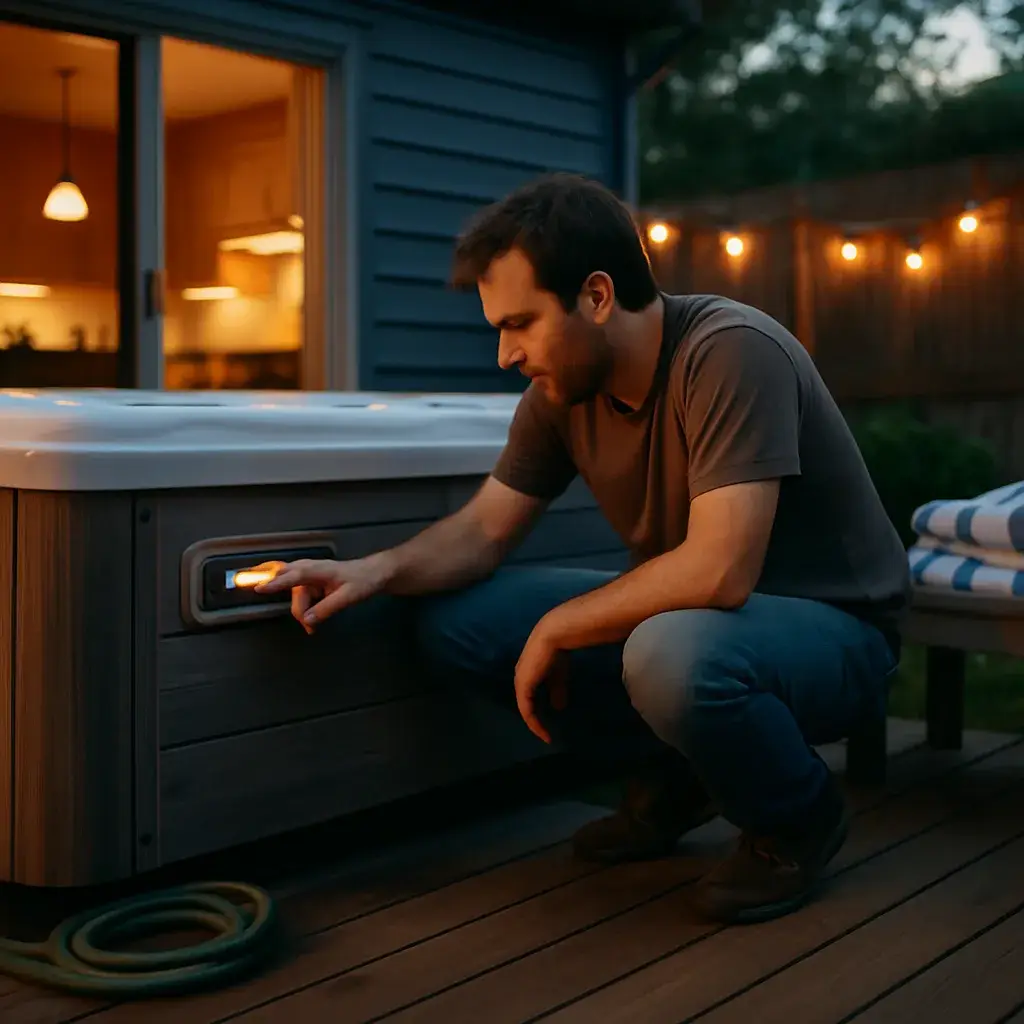
The disconnect is the other piece people forget about. It has to sit where you can see the spa from it, and it needs to be at least five feet from the water’s edge unless it’s built for wet locations. Too close, and it fails. Too far or hidden behind a fence, and it fails too.
- GFCI-protected breaker or GFCI disconnect rated for the spa’s amperage
- Shutoff switch positioned where you can see the spa, at least five feet from the water
- Weatherproof, in-use cover on any outdoor disconnect
- Proper bonding of metal parts around the spa, pumps, and equipment pad
- Circuit sized to match what the spa’s data plate calls for
We see spas get delivered before the electrical is even planned, and that’s backwards. The panel location, the spa’s amp draw, and where the disconnect can legally sit all need to line up before day one.
Get any one of these wrong, and the inspector red-tags the job. That means the spa sits there, unused, until it’s fixed. We test every circuit before we call it done, so you’re not the one finding out it failed.
Frequently Asked Questions
Common questions about Hot tub / spa wiring
Do you handle hot tub wiring anywhere in Sunnyvale, or just certain areas?
We wire hot tubs throughout Sunnyvale, including older homes near the town center where spas were often added without a proper 240-volt circuit. We schedule around your backyard access and panel location, since some homes need a longer wire run from the garage to the patio. Give us a call and we’ll set a time that works, whether you’re dealing with a brand new spa or one that’s been tripping breakers for years.
What happens when your electrician shows up to wire my hot tub?
We start by checking your electrical panel to see if it has room for a new breaker, then map out the wire path to your spa. That path might run through the attic, along an exterior wall, or underground if trenching is needed. We size the circuit to match your spa’s actual amperage, install a GFCI disconnect you can see from the tub, and test everything under load before we leave. Most jobs finish the same day.
Why do so many older Sunnyvale homes have hot tub wiring problems?
A lot of homes near the town center were built before spa circuits were common, so past owners often ran an extension cord or tied into a garage outlet already loaded with a freezer and power tools. That setup wasn’t built for the amperage a spa pulls. We see this weekly. It usually shows up as a breaker that trips often or feels warm after the spa runs, both signs the wiring was never sized right.
Does my hot tub need a new dedicated circuit, or is my current outlet fine?
If you have a small plug-and-play spa on a standard 120-volt GFCI outlet, and you’re replacing it with a similar-sized unit, your current setup often works fine. But if your spa runs on 240 volts, trips the breaker often, or has no visible GFCI disconnect nearby, you likely need a dedicated circuit. We’ll check your amperage rating against what’s installed and tell you if you need new wiring or not.
How long does it take to install a dedicated hot tub circuit?
Most spa wiring jobs in Sunnyvale finish in a single day, from checking the panel to testing the finished circuit. The timeline can stretch if the wire has to run underground instead of through the attic, especially in older parts of Sunnyvale with mature trees and root systems near the patio. Newer subdivisions usually give us a clean, faster path from the panel to the spa location.
What is a GFCI disconnect and why does my spa need one nearby?
A GFCI disconnect is a switch that cuts power to your spa instantly if it senses a ground fault, and code requires it within sight of the tub, usually five feet away or more. Without one nearby, you’d have to run back inside to the panel if something went wrong while standing in wet grass. We see spas with no visible shutoff switch often, usually because a past install skipped this step.
Ready to Get Started?
Call 972-288-2263 Today, Get Service Today.