


HEPA Filtration in Sunnyvale: Is Your Ductwork Ready for It?
High-efficiency filtration fitted only after your blower and duct sizing are checked, so a denser filter cleans the air instead of starving the system.
What’s Covered on This Page
- How to Tell If Your Ductwork Can Handle HEPA Filtration
- Local Air Quality Triggers Behind HEPA Filtration in Sunnyvale
- When Whole-Home HEPA Filtration Isn’t the Right Fit
- What a Whole-Home HEPA Filtration Installation Involves
- How to Confirm Your New Filtration Is Working Correctly
- How quickly can you get out to a home in Sunnyvale for a HEPA filtration check?
- What should I expect when your technician shows up to inspect my ductwork?
- Why does my Sunnyvale home have so much dust even with a good filter?
- Can my old ductwork handle a HEPA-grade filter?
- Do I need duct sealing before adding whole-home HEPA filtration?
- How do I know my new HEPA filtration system is working?
How to Tell If Your Ductwork Can Handle HEPA Filtration
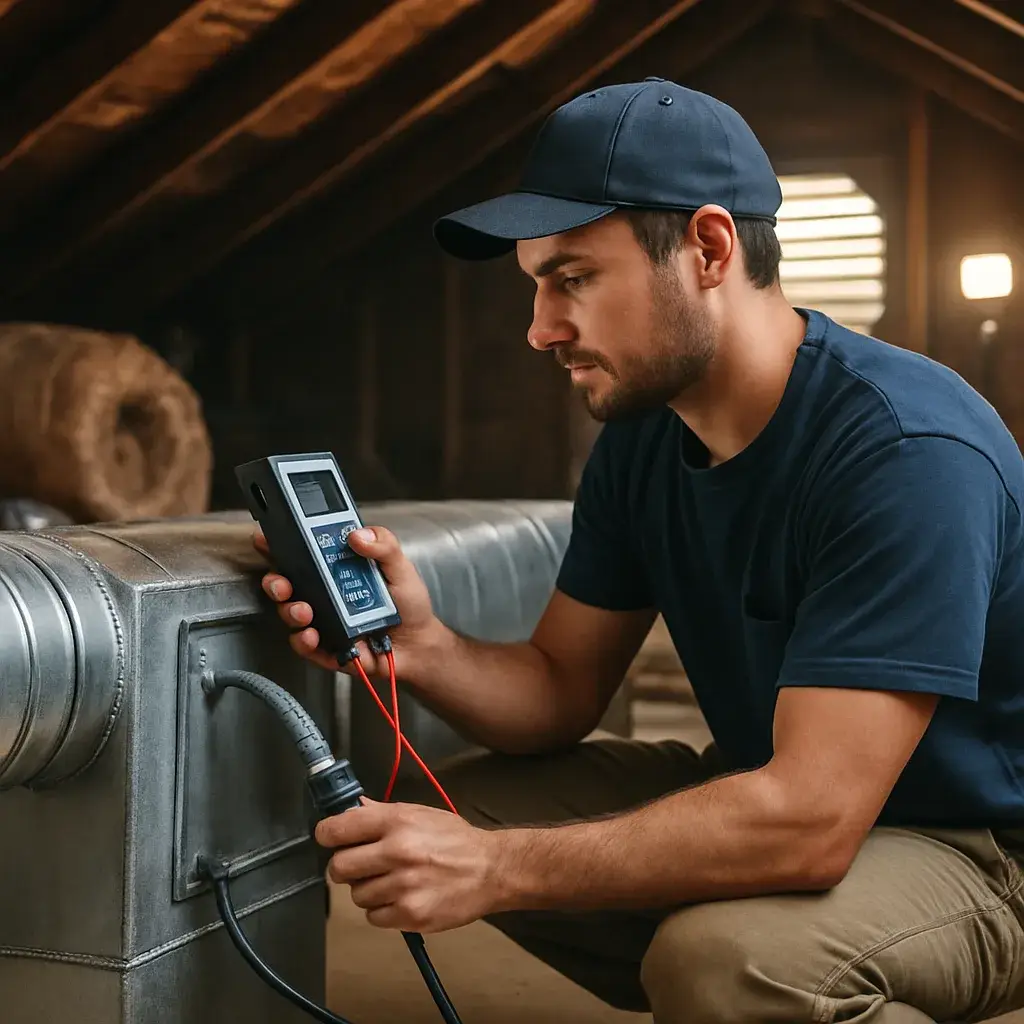
Here’s the thing nobody tells you at the big box store. A denser filter blocks more particles, but it also blocks more air. Your blower motor has to work harder to pull air through it. If your ductwork is already tight or undersized, that extra resistance, what we call static pressure, can starve your system. We check static pressure before we ever recommend a filter upgrade, not after.
- A single return grille feeding the whole house, common in slab-on-grade ranch homes built through the 1990s around Sunnyvale
- Flex duct runs that look crushed, kinked, or pinched when you check the attic
- Weak airflow at the far bedrooms even before adding a new filter
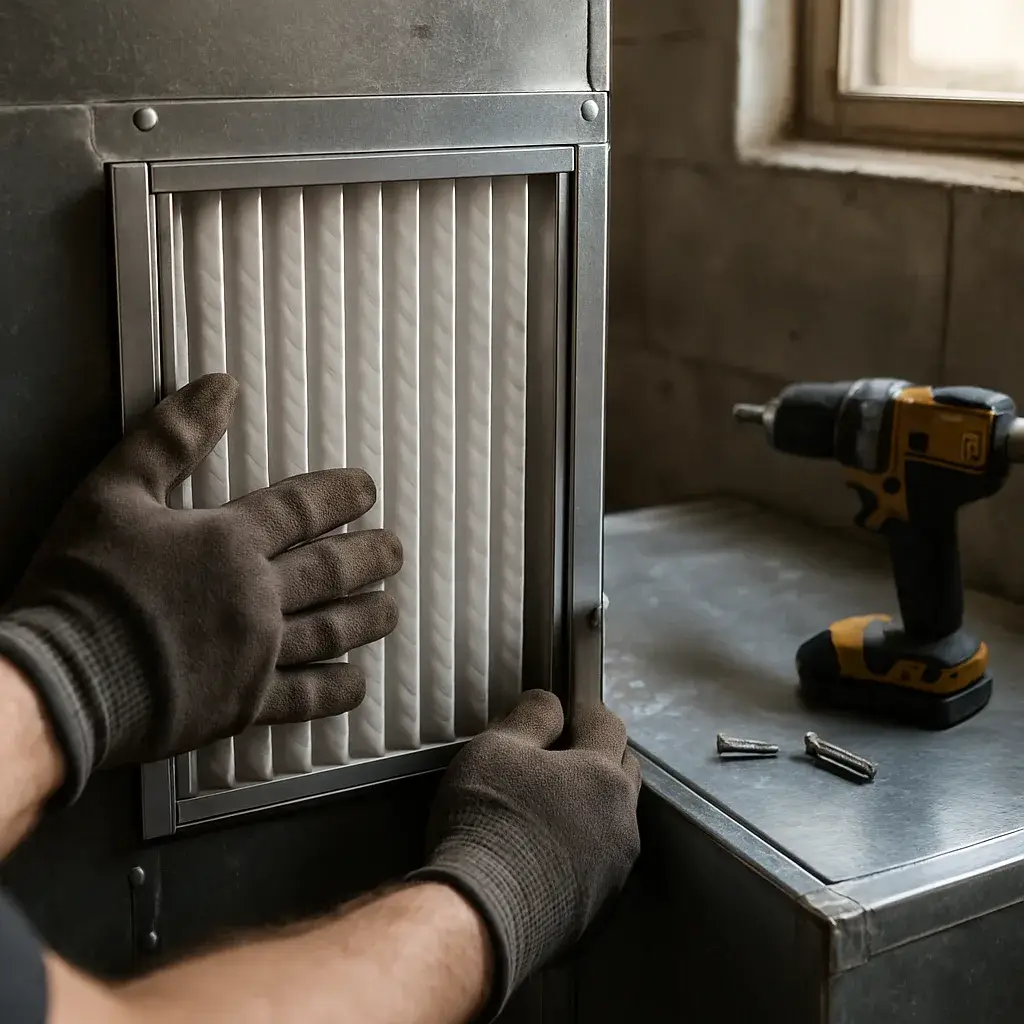
- A filter cabinet or slot too small for a thicker media filter without modification
- Ductwork sized for the original builder-grade system, not upgraded when the AC was replaced
So how do you know for sure? Usually it’s the return side, not the supply side, that’s the bottleneck. Attic ductwork here takes a beating too, summer heat swings stress the seals, and that changes airflow year over year. If your ducts pass, we install the filtration system, connect it, and test airflow before we leave. If they don’t, we’ll tell you straight, sometimes a duct modification comes first.
Local Air Quality Triggers Behind HEPA Filtration in Sunnyvale
Sunnyvale sits on that stretch of clay soil east of Dallas, and clay soil doesn’t just move your foundation. It kicks up a fine, chalky dust every time the ground shifts or a truck rolls down U.S. 80. That dust gets pulled right into your return air, especially in homes built in the 1970s through 90s with older duct runs. And it doesn’t stop there.
Attic HVAC systems, common all over Sunnyvale, sit in space that can hit 130 degrees or more in July. That heat stresses filters and seals, and a stressed seal leaks unfiltered attic air, insulation fibers included, straight into your supply air. We check this constantly on maintenance calls. Often, a customer with a musty smell or visible dust on furniture has a filtration gap somewhere in that attic run.
New construction near the newer subdivisions on the Kaufman County side adds another layer, fresh drywall dust, sawdust, and fine particulate that standard one-inch filters just aren’t built to catch. Storm season brings a third trigger. Hail and high wind events stir up pollen and debris fast, then it sits in the air for days after.
- Clay soil dust pulled in through older duct systems
- Attic heat weakening filter seals and letting insulation fibers through
- Construction dust from newer subdivision builds
- Pollen and debris spikes after wind and hail events
None of these are dramatic on their own. Together, they’re why so many Sunnyvale homes deal with more indoor dust than folks expect.
When Whole-Home HEPA Filtration Isn’t the Right Fit
Look, HEPA filtration isn’t the right call for everybody who asks us about it.
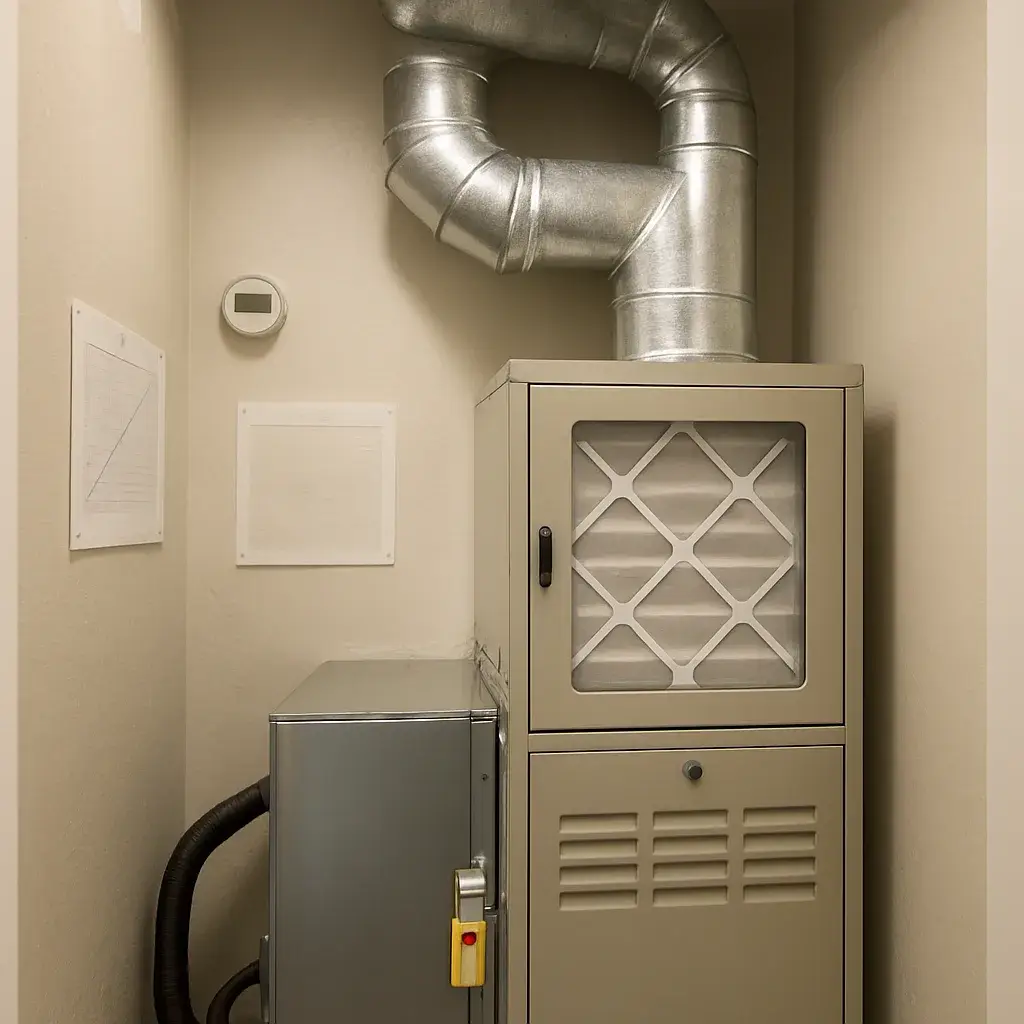
If your ductwork is leaking or crushed, a HEPA-grade filter won’t fix your air quality problem. We see this a lot in older slab homes off U.S. 80 where the attic ducts have sagged or separated over the years. Air just leaks out before it ever reaches the filter. Duct sealing needs to happen first, or you’re paying for filtration that never gets a fair shot at your air.
Some folks just need a basic filter upgrade, not a full system.
- You mainly want fewer dust bunnies on the furniture, a good pleated filter change might solve it
- Your system is old and undersized already, adding high-MERV media can choke airflow further
- You’re renting and won’t be in the home long term to see the payoff
- Your real issue is humidity or a musty smell, not particles, that’s a different fix entirely
- You’ve never had your ducts inspected, so nobody knows what’s moving through your system
And if you’ve got a newer high-efficiency furnace with a small blower motor, cramming in a dense filtration system without checking static pressure can strain the equipment. That’s not a scare tactic, it’s just physics. So before anybody sells you a system, ask what your duct condition and blower capacity support. If the answer is fuzzy, get that answered first.
Thinking about HEPA filtration? Let’s talk.
Call Today, Get Service Today. Xtreme Air Services is ready to help.
What a Whole-Home HEPA Filtration Installation Involves
Most homes in Sunnyvale run the HVAC system and ductwork through the attic, and that attic space gets brutally hot in summer. Before we touch anything, we check your blower motor, your duct size, and how much static pressure your system can handle. A HEPA-level filter is dense. Push it into the wrong system without checking first, and you choke the airflow. That’s the mistake we’re here to avoid.
- We inspect your existing system, ductwork, and return air setup to see what it can support.
- We size the filtration unit or high-MERV media cabinet to match your blower and your home’s square footage.
- We install the filtration housing in line with your return duct, sealing every connection so no air skips around it.
- We connect and test the system under real airflow conditions, not just a quick power-on check.
- We walk you through filter change intervals and what you’ll notice in the air once it’s running.
On a straightforward setup this is a same-day job. Older ductwork or a cramped attic can slow things down, and we’ll tell you that up front, not after we’ve started cutting into your duct work.
How to Confirm Your New Filtration Is Working Correctly
So you just had a whole-home filtration system put in. How do you know it’s working, not just sitting in the ductwork looking nice? Fair question. Our technician checks a few things before we ever leave your driveway, and you can keep an eye on a few more over the following weeks.

First, we check static pressure. A HEPA or high-MERV media filter is denser than a standard filter, and if the system can’t pull air through it properly, your blower motor works harder and airflow drops at the vents. We test this on startup, not after the fact.
- Airflow at your registers should feel the same or close to what you had before, not noticeably weaker
- No gaps around the filter frame where unfiltered air can sneak past
- Your system still hits the temperature you set within a normal cycle, no long-running or short-cycling
- No new rattling, whistling, or burning smell near the air handler
- Dust on furniture and windowsills should noticeably slow down within a few weeks
That last one is the real tell. Most folks notice it before they notice anything technical, less dust on the ceiling fan blades, fewer sneezes first thing in the morning. It doesn’t happen overnight, though, most homes see the difference build over two to four weeks as the system keeps cycling air through the new media.
If airflow feels weak or your energy bill jumps right after install, don’t just live with it. Call us back and we’ll check the static pressure again, that’s part of doing the job right the first time.
Frequently Asked Questions
Common questions about HEPA filtration
How quickly can you get out to a home in Sunnyvale for a HEPA filtration check?
We can usually get out within a day or two to check your ductwork before any HEPA filtration install. Sunnyvale homes near U.S. 80 often need a quick static pressure check first, since older duct runs weren’t built for denser filters. That inspection is fast, and it tells us right away whether your system is ready or needs a duct fix first. We’d rather check now than have you deal with a strained blower later.
What should I expect when your technician shows up to inspect my ductwork?
Expect a full walkthrough of your return air setup, attic ductwork, and blower motor before any filter goes in. Your technician will check for crushed flex duct, undersized returns, and weak airflow at far bedrooms. This usually takes less than an hour. If everything checks out, we install and test the same day. If not, we’ll explain exactly what needs fixing first, no guessing involved.
Why does my Sunnyvale home have so much dust even with a good filter?
Clay soil dust and attic heat are usually the culprits in Sunnyvale homes. That fine, chalky dust from shifting clay soil gets pulled straight into older return air systems, especially in houses built through the 1990s. Attic heat above 130 degrees in July also stresses filter seals, letting unfiltered air and insulation fibers slip into your supply air. A HEPA upgrade only helps once those leaks and seal issues are addressed.
Can my old ductwork handle a HEPA-grade filter?
Many older Sunnyvale homes need a duct check before HEPA filtration will work right. Slab-on-grade ranch homes with a single return grille or crushed flex duct in the attic often can’t handle the extra static pressure a denser filter creates. We check your blower motor and duct size first. If your system passes, we install that same day. If not, a duct modification usually comes before the filter.
Do I need duct sealing before adding whole-home HEPA filtration?
Yes, if your ducts are leaking or sagging, sealing needs to happen first. We see this often in older slab homes off U.S. 80, where attic ducts have separated over time. A HEPA filter can’t clean air that’s already leaking out before it reaches the filter housing. Sealing those gaps first means your new filtration system gets a fair shot at improving your air.
How do I know my new HEPA filtration system is working?
Your technician tests airflow under real conditions before leaving, not just a quick power-on check. We confirm static pressure is within range for your blower and duct size, then walk you through what filter change intervals to expect. A properly working system should also reduce visible dust and musty smells within the first few weeks, especially in attic-ducted Sunnyvale homes.
Ready to Get Started?
Call 972-288-2263 Today, Get Service Today.