


Heating System Repair in Allen: Is It a Quick Fix or Something Bigger?
Furnace and heat pump problems fixed on the first visit, with an honest call on repair versus replace.
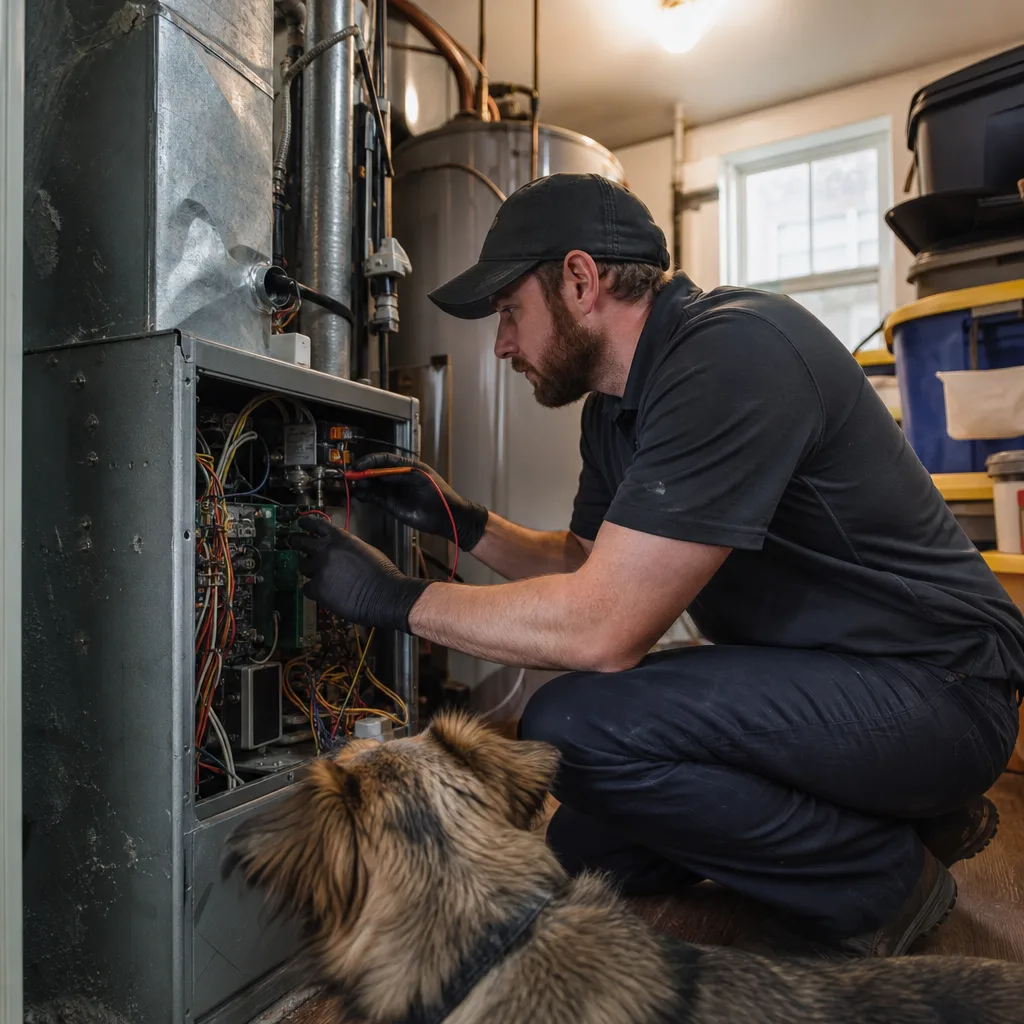
What’s Covered on This Page
- Why Furnaces Fail Suddenly During Allen Cold Fronts
- Common Furnace Problems Behind a No-Heat Call
- Check These Three Things Before You Call for Repair
- No Heat, Burning Smell, or CO Alarm Means Call Now
- What Happens During a Heating Repair Visit
- Can I fix my heater myself before calling someone?
- What usually causes a heater to stop working out of nowhere?
- Is it normal to smell something when I first turn my heater on for the season?
Why Furnaces Fail Suddenly During Allen Cold Fronts
North Texas has a long cooling season and a short heating season. Your furnace or heat pump might barely run from spring until late fall. Dust settles on the burners. A small part slowly wears out, and nobody notices because the heat isn’t on. Then a front pushes through Allen and the temperature drops fast, sometimes in just a few hours. Your system goes from resting to running nonstop, and whatever was already weak shows up right away.
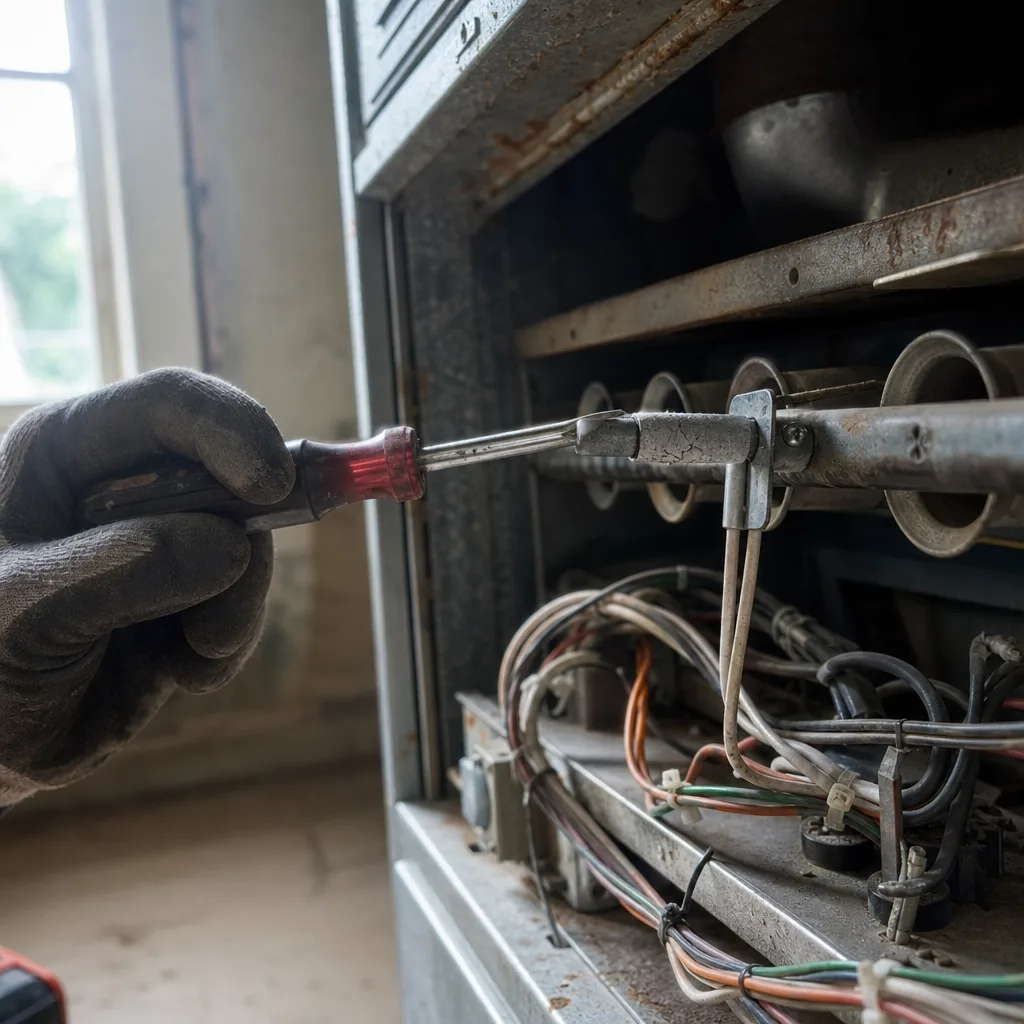
These are the parts that most often give out under that sudden load:
- Dirty flame sensor. This small metal rod tells the furnace the burner lit. When it’s coated with grime, the furnace lights, runs a few seconds, then shuts off. It may repeat that over and over.
- Worn ignitor. This part glows red hot to light the gas. It’s brittle and wears a little with every start. One that worked fine last winter can crack on the first cold morning.
- Clogged filter. A packed filter chokes the airflow, so the furnace runs hot. A safety switch then shuts the burner off. You’ll feel lukewarm air, or the system will keep cycling on and off.
- Weak blower motor or capacitor. The capacitor gives the blower motor a kick to get it started. A tired one can limp through mild days and then quit during a long, steady run.
- Heat pump defrost trouble. In cold, damp weather, ice builds on the outdoor coil. If the defrost control or its sensor fails, the unit ices over and starts blowing cool air.
- Frozen condensate line. High-efficiency furnaces make water as they run. If the drain line passes through a cold attic or runs outside and freezes, a safety switch stops the furnace.
- Thermostat problems. Dead batteries or a loose wire can look exactly like a furnace that won’t fire.
Where your equipment sits matters too. Many North Texas homes have the furnace up in the attic. That space bakes all summer and then turns cold in a hard freeze. Months of attic heat are rough on wiring and electronic parts. A sudden cold snap is often what finally exposes the damage.
That’s the real reason a sudden breakdown isn’t usually a sign your whole system is done. Most of the time, one part in the startup chain stopped doing its job. Every furnace follows the same steps: call for heat, start the inducer, prove the airflow, light the gas, prove the flame, and run the blower. A good technician tests each step in order until one fails, then fixes that part. For Xtreme Air Services, most heating system repair calls come down to a single common failure fixed on the first visit.
Guessing works against you here. Swapping parts until the heat comes back costs you money and time. Finding the exact part that failed gets your home warm again, and it tells you whether the rest of the system is in good shape for the rest of the winter. If you want fewer surprises next year, a fall heating maintenance visit is the time to catch a cracked ignitor or a dirty flame sensor before the cold arrives.
Common Furnace Problems Behind a No-Heat Call
What your furnace does when it fails tells you a lot. Before you call anyone, take a minute to watch and listen. Each of these patterns points to a different spot in the startup chain.
- Nothing happens at all. No click, no hum, no fan. Start with the thermostat and the power. If the thermostat screen is blank, the furnace switch is off, or a breaker tripped, the furnace never got the message to start. If all of those check out, a blown fuse on the control board or a failed transformer is a likely cause.
- You hear a small motor, but no flame. That’s usually the inducer fan, which clears exhaust before the burners light. If the burners never light after that, the trouble is often the ignitor, a pressure switch that won’t close, or a blocked vent pipe.
- The flame lights, then dies within seconds. This is the classic dirty flame sensor pattern from the section above. It can repeat several times before the furnace locks itself out.
- The fan runs, but the air is cool or lukewarm. On a gas furnace, the burners may be shutting off on a safety limit, often because of poor airflow. On a heat pump, the unit may be stuck in a defrost problem or low on refrigerant.
- The heat turns on and off every few minutes. Short cycling like this usually comes from overheating, a weak flame signal, or a thermostat placed in a bad spot.
- The blower won’t stop running. Check that the thermostat fan is set to Auto, not On. If it’s on Auto and the fan still runs nonstop, a relay or the control board may be stuck.
- A loud bang or boom when it starts. That can mean the gas lit late and built up before it caught. Don’t keep restarting it. Shut it off and call for service.
Most newer furnaces also have a small blinking light on the control board, often visible through a little window in the lower panel. Count the blinks and jot down the pattern. That code helps the technician narrow things down faster. If your furnace is in the attic, as it is in many North Texas homes, only climb up there if you can do it safely.
Some no-heat calls don’t need a technician at all. Check these first:
- The thermostat is set to Heat, the setpoint is a few degrees above room temperature, and the batteries are fresh.
- The furnace power switch is on. It looks like a regular light switch and is usually mounted on or near the unit.
- The breaker for the furnace hasn’t tripped.
- The filter isn’t packed with dust. If it is, swap it out.
- The front panel on the furnace is pushed on tight. A loose panel trips a safety switch, and the furnace won’t start.
If one of those gets your heat running and it stays running, you’re done. You don’t need us, and you shouldn’t pay for a visit you didn’t need.
If the heat comes back for an hour and quits again, that’s not bad luck. It’s a part on its way out. Resetting the furnace over and over can buy you a little warmth, but it won’t fix the part that’s failing, and it can put extra wear on parts that are still good. When you call, tell us what you saw and heard and any blink code you wrote down. Those details point straight to the problem, so the repair goes faster.
Check These Three Things Before You Call for Repair
You’ve already tried the quick fixes from the list above, and the heat still isn’t coming back. Before you pick up the phone, take five minutes to gather three things. They help the technician show up ready to find the one part that failed, which makes a first-visit fix more likely.
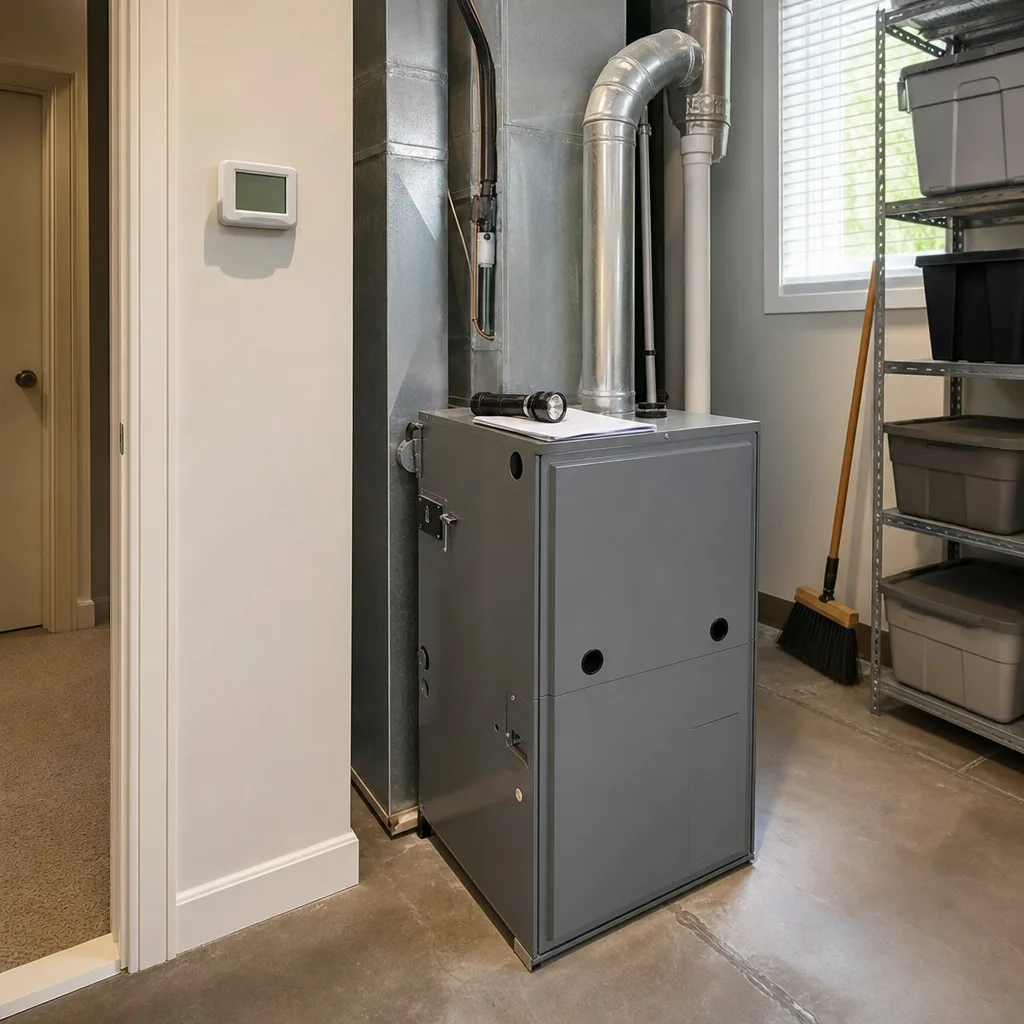
1. The label on your furnace or heat pump.
Every unit has a metal or sticker label called a rating plate. On a furnace, it’s usually inside the front panel door. On a heat pump, look on the side of the outdoor unit. Snap a photo of it. You want the brand, the model number, and the serial number. The serial number often tells a technician how old the system is.
This matters because part cost and availability is one of the things that moves the price of a repair up or down. Some ignitors and control boards fit lots of furnaces. Others only fit one brand or one model. When we know what you have before we arrive, it’s easier to have the right part on hand and get your home warm the same day.
2. What’s happened with this system lately.
Think back over the last year or two. Was the furnace serviced last fall? Has this same problem happened before? Did someone replace a part recently? Did the heat act up during the last cold front and then seem fine?
You don’t need exact dates. A rough story is plenty. A furnace that keeps losing its flame every winter points somewhere different than one that quit for the first time in ten years. History also tells us whether we’re looking at a single worn part or something bigger. That’s the difference between a quick repair and a bigger conversation about your system.
3. How a technician will get to it.
Lots of North Texas homes have the furnace in the attic, and getting there is often the slowest part of the visit. If yours is up there, know where the attic access is. That might be a pull-down ladder in the garage or a hatch in a closet ceiling. Clear a path to it if you can. If the furnace is in a hall closet or the garage, move anything stacked in front of it.
- Put pets in another room so the door can stay open.
- Note whether the outdoor heat pump is blocked by snow, ice, or a fence gate that locks.
- Have the photo of the label and your notes ready on your phone.
With those three things in hand, the call gets easy. Tell us what you saw and heard, read off the label info, and share the history. Then ask about the service-call fee up front. At Xtreme Air Services, it’s $26-$99, and it’s credited toward the repair if you go ahead with us. There’s also no extra charge for nights or weekends, so a cold Saturday night costs the same as a Tuesday morning.
Ready when you are – get in touch today.
Call Today, Get Service Today. Xtreme Air Services — Allen is ready to help.
No Heat, Burning Smell, or CO Alarm Means Call Now
Most heating problems can wait a few hours for a technician. A few can’t. Here’s how to tell which one you’re dealing with.
First, the honest part. If you just turned the heat on for the first time this season and smell something like hot dust, that’s usually normal. Dust that settled on the burners and heat exchanger over the long Allen summer is burning off. It should fade within an hour or so. Open a window, let it run, and you probably don’t need us.
These signs are different. They mean stop and act now:
- Your carbon monoxide alarm goes off. Carbon monoxide, or CO, is a gas you can’t see or smell. Don’t try to find the cause. Get everyone, pets included, outside into fresh air and call 911. Once the fire department says it’s safe, call us before you run the furnace again.
- You smell gas, like rotten eggs. Don’t flip light switches, don’t touch the thermostat, and don’t try to relight anything. Leave the house and call your gas company or 911 from outside.
- You smell burning plastic, rubber, or hot wires. That’s not dust. It can be a motor overheating or wiring melting. Turn the furnace off at the thermostat and at the power switch near the unit, then call for service.
- You see smoke or scorch marks near the furnace, or you heard that delayed bang on startup from the list above. Shut it off and leave it off.
- The heat is out during a hard freeze. A cold house is more than uncomfortable when there’s a baby, an older family member, or someone who’s sick at home. Water lines in exterior walls and attics can freeze too.
A quick word on that CO alarm. If your home has gas heat and you don’t have a working carbon monoxide alarm near the bedrooms, that’s worth fixing this week. If yours went off and the system checks out, our team also offers carbon monoxide testing and a furnace safety inspection, so you can feel sure about running the heat again.
Here’s why calling right away matters when the problem isn’t an emergency, too. A no-heat call on the first cold night of a front is still usually one failed part, the kind of fix covered earlier on this page. Waiting doesn’t make that part cheaper. Running a furnace that keeps short cycling or smelling hot can wear out parts that were still fine. That turns a single repair into two.
Cold fronts don’t wait for business hours, and you shouldn’t pay more because yours didn’t either. At Xtreme Air Services, there’s no extra charge for nights or weekends, and same-day service is available. You’ll get upfront flat-rate pricing before any work starts. Our licensed and insured technicians are background-checked and drug-tested, so you know who’s walking into your home. Our office is on W McDermott Dr in Allen, so you’re calling a local team.
Call 469-299-8996
Watch Our Video
See How We Handle Heating system repair in Allen
Xtreme Air Services — Allen
What Happens During a Heating Repair Visit
A heating repair visit has three jobs. First, find the part that failed. Next, fix or replace it. Then prove your system runs right before anyone packs up. You see the price and say yes before any work starts, so you’re never guessing what the bill will be.
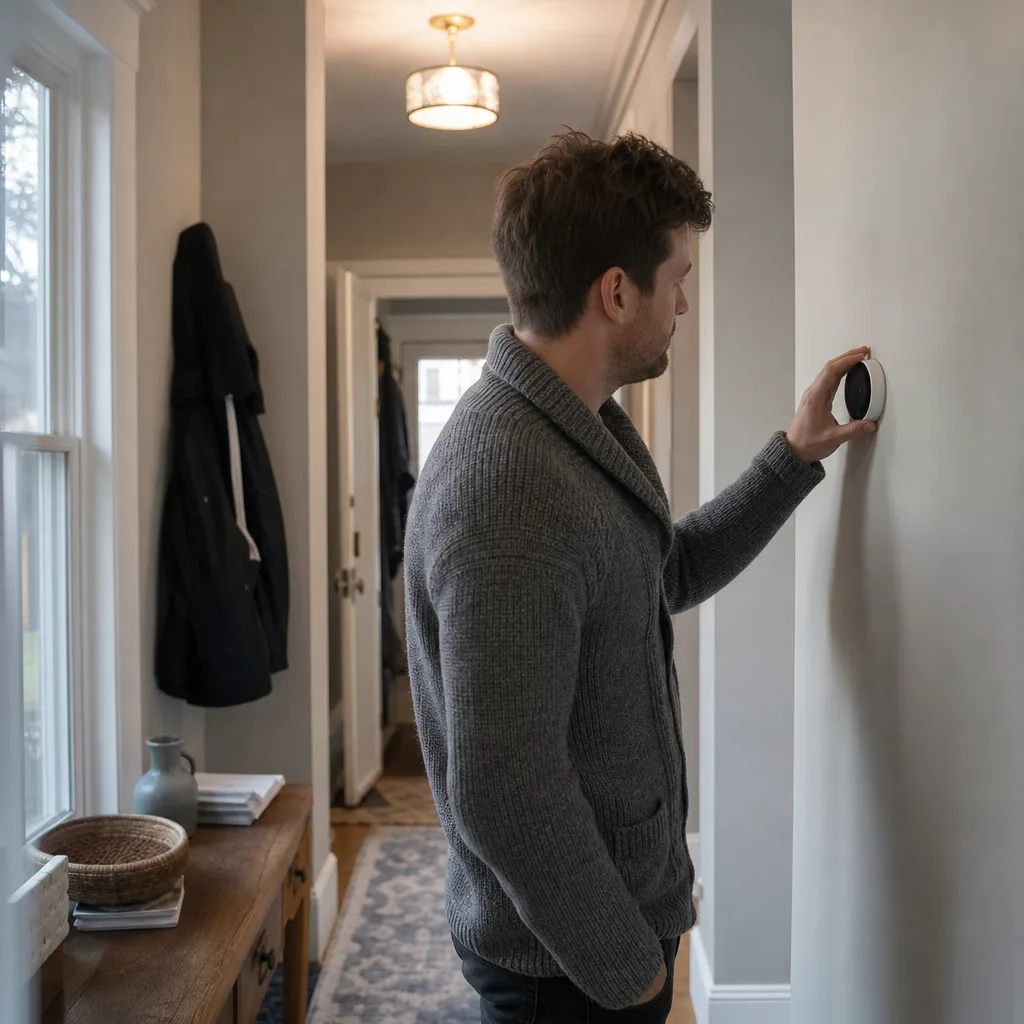
Finding the problem. It starts with you. Tell the technician what you saw and heard, read off the blink code, and show the photo of the label. Then they test the startup steps in order until one fails, as we covered near the top of this page. If your furnace is in the attic, the clear path you made saves real time here.
The price, before any work. Once the failed part is found, you get an upfront flat-rate price for the fix. You approve it before work starts, and no meter is running while the technician works. Our most common heating repair, one failed part that’s found, fixed, and tested, runs $150-$400. Our typical range for heating repairs is $150-$700. Where your job lands depends on how much failed, what the part costs and whether it’s in stock, and your system’s age and brand.
Here’s what that price covers and what it doesn’t:
- Included: diagnosis, labor, and the standard replacement part, plus testing and cleanup.
- Not included unless quoted separately: additional failed parts, major components, code upgrades, or permits.
So if a second part turns out to be worn, it doesn’t just show up on your bill. It gets its own quote, and you decide. This is a good time to ask a few questions. Which part failed? Why did it fail? Can I see the old one? Is anything else close to wearing out? A good technician will be glad you asked.
Fixing it and proving it works. After the repair, the system gets tested. Seeing the burner light once isn’t enough. A real check means the heat comes on, stays on, and warm air reaches your rooms without the system cycling off. Then the work area gets cleaned up, so you’re not left with dust, packaging, or old parts on your floor.
If the news is bigger. Sometimes the problem isn’t a small part. It’s a major component on an older system. When that happens, you’ll hear it straight, with a separate quote and time to think it over. You won’t get pushed into a decision on a cold night. Financing usually isn’t needed for a smaller repair, but it’s available on larger repairs and replacements. If repair no longer makes sense, we can walk you through furnace replacement as a separate option.
Our licensed and insured technicians are background-checked and drug-tested, and our office is right on W McDermott Dr in Allen. If your heat is out, you’ll get a clear answer and a clear price before anything gets fixed.
Call 469-299-8996
Frequently Asked Questions
Common questions about Heating system repair
Can I fix my heater myself before calling someone?
You can safely try a few things first, like checking the thermostat, the power switch, the breaker, and the filter. If the panel on the furnace is loose, that alone can trip a safety switch and stop it from starting. If those checks don’t bring the heat back, or it comes on and quits again within an hour, that points to a worn part and it’s time to call for repair.
What usually causes a heater to stop working out of nowhere?
Most sudden no-heat calls trace back to one weak part giving out when the furnace finally has to run hard. Common culprits are a dirty flame sensor, a cracked ignitor, a clogged filter, or a frozen condensate line. These parts often sit unused most of the year, so a hard cold front is usually what exposes the one that’s already worn out.
Is it normal to smell something when I first turn my heater on for the season?
Yes, a brief dusty smell the first time you run your heat each season is usually normal. That’s dust burning off the burners and heat exchanger after months of sitting unused. It should fade within about an hour with a window cracked. If you smell gas, burning plastic, or hear a loud bang on startup instead, shut the system off and call right away.
Ready to Get Started?
Call (469) 299-8996 Today, Get Service Today.