


Heat Pump Installation in Plano: Replace or Repair, Done Right
Heat pumps that keep your home cool in August and warm through a cold front – replaced only when a repair won't do.
What’s Covered on This Page
- How to Tell If You Need Replacement, Not Repair
- What a Standard Heat Pump Installation Includes
- What Drives Your Installation Cost Up or Down
- Why a Heat Pump Fits North Texas Homes
- What Happens on Installation Day
- How long does a heat pump last before I need to think about replacement?
- Can I get heat pump installation quotes compared side by side before deciding?
- What’s the difference between a heat pump and a regular AC with a furnace?
How to Tell If You Need Replacement, Not Repair
Most people don’t wake up wanting a new heat pump. They want the house cool in August and warm when a cold front blows through Plano. So the real question isn’t whether you can buy new. It’s whether fixing what you have will still leave you comfortable a year from now.
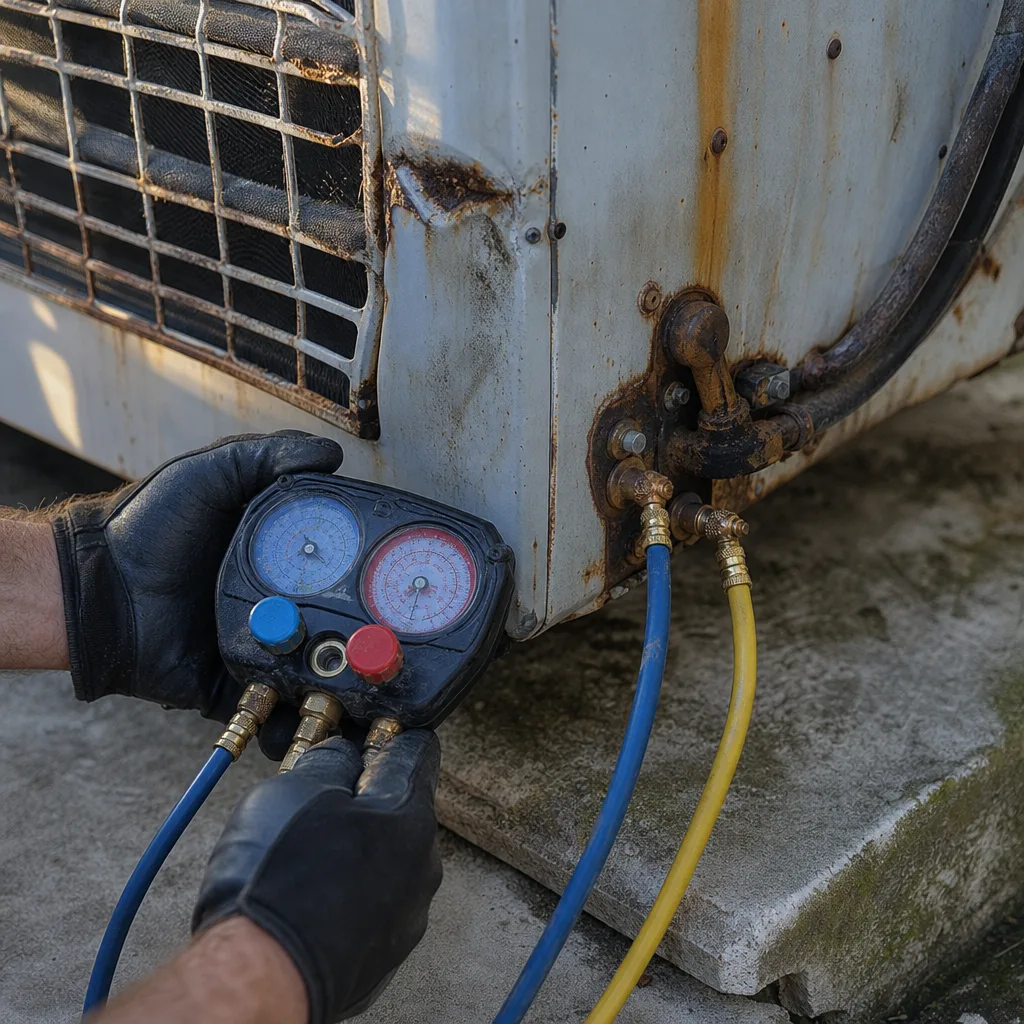
Here are the signs that point toward replacement:
- Your system is getting up there in age, and you’ve paid for more than one big repair in the last couple of years.
- A major part failed, like the compressor, on a system that’s already older. Pouring that kind of money into worn equipment rarely pays off.
- Your system uses R-22 refrigerant. It’s no longer made in the U.S., so recharging an older unit keeps getting harder and pricier.
- Some rooms never feel right. One bedroom stays hot all summer, or the house feels sticky even when the thermostat says it’s cool.
- Your energy bills keep climbing even though your habits haven’t changed.
- Your AC quit and your furnace is old too. That’s often the best moment to switch both over to one heat pump that heats and cools.
That last one is worth a closer look. A lot of homes have a separate air conditioner outside and a furnace in the attic or a closet. When the AC dies, you can replace it alone. But if the furnace is close behind, a heat pump handles both jobs with one outdoor unit. It does all your cooling and most of your heating, which fits our long summers and fairly mild winters.
Now the honest part. Sometimes you don’t need a new system at all. If your heat pump is fairly young and it stopped because of a bad capacitor, a failed fan motor, a clogged drain line, or a thermostat problem, fix it. Those are common, affordable repairs, and a healthy system can give you plenty of good years after them. Before you call anyone, check the easy things. A dirty filter or a tripped breaker can make a working system act broken, and you can handle both yourself.
A good technician should show you both paths side by side. What does the repair cost? What’s still likely to wear out? What would a new system change for your comfort and your bills? If someone pushes replacement without walking you through that, it’s fair to get a second opinion.
When our team comes out to look at a problem system, there’s a $26-$99 service-call fee. It’s credited toward the repair if you go ahead with Xtreme Air Services. That way you get a real answer about repair or replacement before you commit to anything, with upfront flat-rate pricing and no surprises.
What a Standard Heat Pump Installation Includes
A standard heat pump installation swaps your old system for a new one that fits into your existing setup without major changes. With Xtreme Air Services, that most common job runs $6,400-$9,200. It covers the equipment and materials, plus professional installation, startup, and testing. Across all our heat pump installations, the typical range is $5,000-$12,000. Where your home lands depends on what it needs.
“Like-for-like” just means the new system uses your existing connections. Your ducts, wiring, and lines are in good shape, and nothing has to be rebuilt to make the new equipment work. A lot of homes fit that picture, and that’s where the $6,400-$9,200 range applies.
Here’s what’s included in that standard job:
- The new equipment and the materials to install it
- Professional installation by our licensed and insured technicians
- Standard connections to your existing setup
- Startup and testing, so you know the system runs right before we leave
- Haul-away of your old unit, so it isn’t left sitting beside your house
And here’s what’s not included unless your quote says so:
- Changes to your ductwork, electrical, or plumbing
- Code corrections, meaning fixes to older work that doesn’t meet today’s rules
- Permits
We tell you this upfront because those items are where surprise charges usually come from. If your home needs any of them, you should see it written into your price before work starts, not added on afterward.
So what pushes a job toward the low or high end? A few things:
- Size and capacity. Bigger homes need bigger systems, measured in tons. A system that’s sized right for your house keeps you comfortable without running nonstop.
- Efficiency. SEER2 tells you how well a system cools, and a higher number means lower cooling bills. HSPF2 does the same for heating. Higher-efficiency systems cost more upfront and less to run.
- Brand and model. As a Trane Comfort Specialist, we can walk you through Trane heat pumps, from simpler models to variable-speed systems that run more quietly and control humidity better.
- Ease of access. A unit in a tight attic or a hard-to-reach spot takes more labor.
- The condition of your ductwork, wiring, and plumbing. Worn parts may need work before a new system can do its job.
- Code upgrades, permits, and any custom fabrication your home calls for.
Efficiency matters a lot in Plano. Your system works hard through long, hot summers, so a better SEER2 rating pays you back every month the AC runs. Winters here are fairly mild, which is why a heat pump can handle most of your heating too.
When you compare quotes, line them up on these same points. Ask each company what’s included, what’s left out, and whether permits are part of the price. A lower number that skips haul-away or leaves out needed duct work isn’t really lower.
If the price is the hard part, flexible financing is available on qualifying installations and larger jobs, on approved credit. Either way, you’ll get upfront flat-rate pricing you approve before we start.
What Drives Your Installation Cost Up or Down
The heat pump you pick moves the price. The bigger swings, though, come from what your home needs around it. Two houses on the same Plano street can get the same model and end up at very different totals. Here’s what makes the difference, so you can guess where your home lands before anyone climbs into your attic.
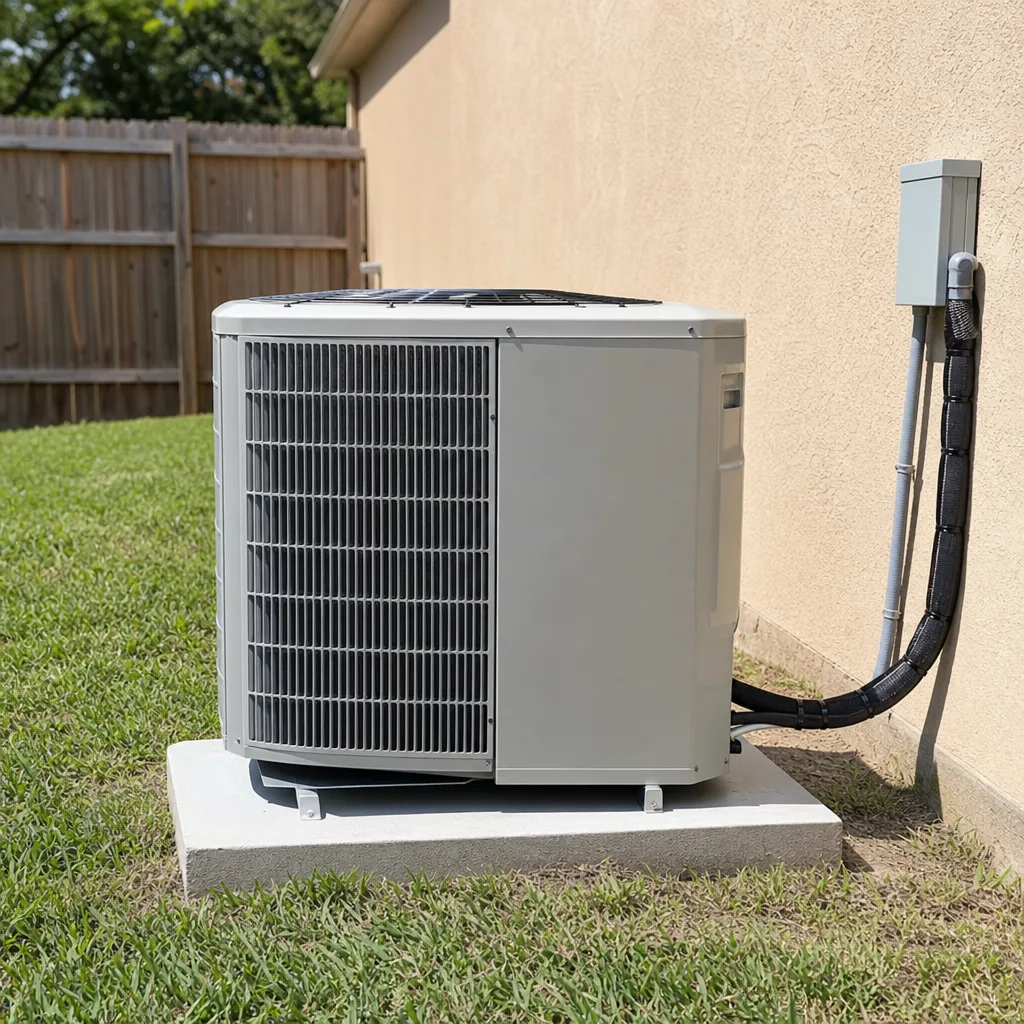
Are you switching from a gas furnace? That’s one of the biggest questions. A heat pump runs on electricity. Many also have backup electric heat strips that kick on during the coldest nights, like when a hard freeze rolls through North Texas. Those strips pull a lot of power, so they need a circuit and breaker sized for the load. If your electrical panel is full or older, it may need work first. We handle electrical panel upgrades too, so that part doesn’t mean calling a second company.
Your refrigerant lines matter. These are the copper pipes between the outdoor unit and the indoor coil. If your old system used R-22, those lines may not be a good match for today’s refrigerants. Then they’ll need to be cleaned out or replaced. It’s a simple job when the lines run along an outside wall. It’s more work when they’re hidden inside walls or ceilings.
Most Plano homes have their ductwork in the attic, and attics here bake all summer. Ducts that leak or were sized too small years ago will waste what you paid for. A high-efficiency heat pump can’t hit its rating if cool air is leaking into a hot attic. Sometimes sealing the ducts fixes it. Sometimes a few runs need to be replaced.
Proper sizing can cost less than you’d think. Bigger isn’t better. An oversized system cools fast, shuts off, and starts again over and over. That leaves your house cool but sticky. A cooling load calculation looks at your square footage, insulation, windows, and which way your house faces. It tells you the size you really need. If your current unit is oversized, the right size may be smaller and cost less.
Older installs often fall short of today’s rules. When a new system goes in, the area around it may need updates, such as:
- A drain pan and shutoff switch under an attic unit, so a clogged drain can’t leak into your ceiling
- A proper electrical disconnect next to the outdoor unit
- A new pad if the old one has sunk or tilted as the clay soil shifts
- A thermostat that works with variable-speed equipment, if you’re stepping up to one
None of these are upsells. They’re the difference between a system that just runs and one that runs safely and the way it’s built to.
So where will your home likely land? If you’re replacing a heat pump or AC that’s working well enough, with sound ducts and good wiring, you’re likely in standard like-for-like territory. If you’re leaving gas heat, upgrading a lot in efficiency, or living with rooms that never felt right, plan on some added work. Then make sure your quote spells it out.
Timing helps too. If you replace an aging system before it quits, you have time to get the sizing, ducts, and electrical right. You won’t be rushing a decision on the hottest week of July.
Need help with Heat pump installation?
Call Today, Get Service Today. Xtreme Air Services — North Plano is ready to help.
Why a Heat Pump Fits North Texas Homes
A heat pump doesn’t burn fuel to make heat. It moves heat from one place to another. In summer, it pulls heat out of your house and dumps it outside, just like a regular AC. In winter, it runs in reverse. It pulls heat from the outdoor air, even cold air, and brings it inside. Moving heat takes a lot less energy than creating it, and that’s where the savings come from.
That design fits the way Plano’s weather really works. Your system spends most of the year cooling, so you want the best cooling equipment you can get. A heat pump is that same cooling equipment, with heating built in. You’re not paying to keep a separate furnace in the attic that sits idle for months.
Summer comfort here isn’t only about temperature. It’s about humidity too. A muggy August afternoon can leave your house at 74 degrees and still feel clammy. Variable-speed heat pumps help with that. Instead of blasting on and off, they run longer at a lower, steady speed. That gives the indoor coil more time to pull moisture out of the air. The house feels drier and more even from room to room, and you’ll often find you can set the thermostat a little higher and still feel cool.
What about the cold snaps? It’s a fair question, because North Texas does get hard freezes. Here’s what you can expect from a heat pump when a cold front blows through:
- On most winter days, the heat pump handles the job on its own and runs very efficiently.
- As it gets colder, it works harder. The air from your vents may feel warm, not hot. That’s normal. A heat pump delivers steady heat instead of short bursts.
- Now and then you may see steam rising off the outdoor unit while the fan stops. That’s defrost mode clearing frost off the coil. It’s not a breakdown.
- On the coldest nights, the backup heat strips we covered above step in to help.
Now, a heat pump isn’t the only smart setup. If your gas furnace is fairly new and in good shape, you don’t have to rip it out. A dual-fuel system pairs a new heat pump with your existing furnace. The heat pump does all the cooling and most of the heating. When it gets really cold, the furnace takes over. You keep gas heat for the hard freezes and still get efficient electric heating the rest of the winter. For some homes, that’s the better choice. A good technician should tell you so, even if it means a smaller job.
The right answer comes down to your house: the size, the ducts, the panel, and what you already have working. That’s the point of this whole page. A heat pump only saves you money and keeps you comfortable when it’s matched to your home and installed right. A Trane Comfort Specialist team that’s licensed and insured can look at all of it and give you a clear recommendation with upfront flat-rate pricing before any work starts.
Call 469-527-5131
Watch Our Video
See How We Handle Heat pump installation in Plano
Xtreme Air Services — North Plano
What Happens on Installation Day
A standard like-for-like swap often fits into a single day. Jobs that add duct, electrical, or code work can take longer. Either way, the day follows the same basic order: the old system comes out, the new one goes in, and then it’s tested in both heating and cooling before anyone calls it done.
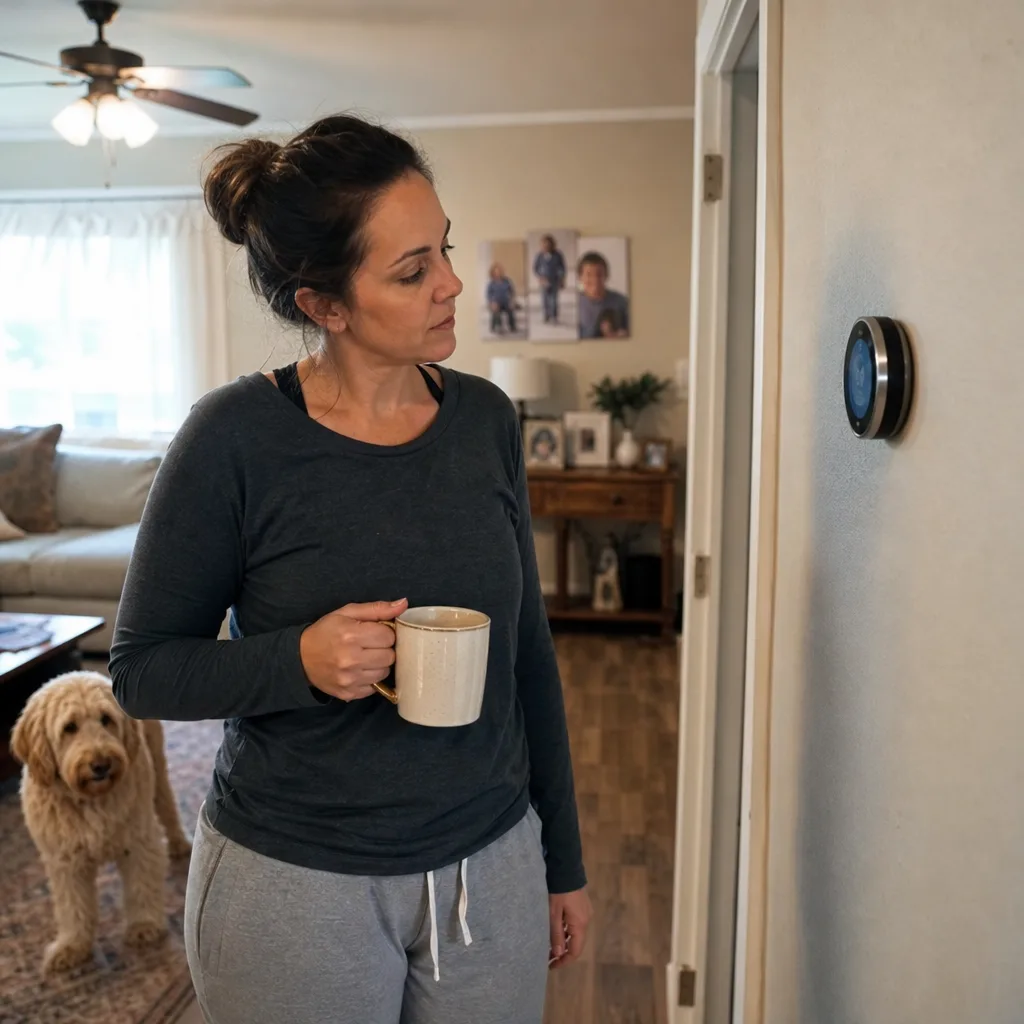
You can help the day go smoothly with a little prep:
- Clear a path to your attic access or indoor unit closet, and move anything stored right around the equipment.
- Make room around the outdoor unit. Trim back shrubs and move grills, bikes, or patio furniture.
- Keep pets in a separate room. Doors and the attic hatch will be open a lot.
- Plan for the AC and heat to be off for part of the day. On a hot Plano afternoon, the house will warm up some, so close the blinds early.
Removal comes first. The power gets shut off, and the refrigerant in your old system is recovered with proper equipment. It’s not supposed to be released into the air. Then the old outdoor unit and indoor coil come out. Haul-away of your old unit is part of our standard install, so it won’t be left beside your house.
Next, the new equipment goes in. The outdoor unit is set level on its pad. The indoor coil or air handler goes in your attic or closet. The refrigerant lines and wiring are connected, plus the drain line and any safety items your home needs, like the drain pan and disconnect covered above.
The step you can’t see matters most. Before refrigerant goes into a new system, the lines should be checked for leaks. Then they’re pulled into a deep vacuum to clear out air and moisture. Moisture left in the lines can slowly damage a new compressor. A rushed installer may skip this step. A careful one won’t.
Then comes startup and testing, which is included with every standard job. A good test isn’t just flipping it on and hearing it run. The system should be checked in cooling and in heating, and the backup heat should be checked too. The refrigerant charge, airflow, and the temperature of the air at your vents should all be measured and confirmed against what that equipment is built to do.
Before the installer leaves, take five minutes and ask:
- Can you show me it running in both heat and cool mode?
- How do I use the thermostat, and what settings make sense for this system?
- Where’s the filter, what size is it, and how often should I change it?
- Is anything on my quote still left to finish, like a permit inspection?
Those answers tell you more about the quality of the job than the shiny new unit outside. A heat pump that was matched to your home but installed in a rush won’t give you the comfort or the lower bills you paid for. The installation day is where that match either holds up or falls apart.
Frequently Asked Questions
Common questions about Heat pump installation
How long does a heat pump last before I need to think about replacement?
Most heat pumps last 12 to 15 years with regular care, though hard-working systems in Plano’s long cooling season can wear faster. Once you’re past that age and facing repeated repairs, replacement usually makes more financial sense than fixing it again. Watch for repairs becoming more frequent in the last few years, since that pattern often signals the system is nearing the end of its useful life.
Can I get heat pump installation quotes compared side by side before deciding?
Yes, and you should line up quotes on the same points every time. Ask each company what’s included, what’s left out, and whether things like haul-away or duct repairs are part of the number. A quote that looks lower but skips needed work isn’t the better deal once you compare full scope.
What’s the difference between a heat pump and a regular AC with a furnace?
A heat pump both cools and heats your home using one outdoor unit, while a standard AC only cools and needs a separate furnace for heat. In winter, a heat pump pulls warmth from outside air and brings it indoors instead of burning fuel. That setup fits North Texas well, since you get long cooling seasons and fairly mild winters where the heat pump can handle most of the heating load on its own.
Ready to Get Started?
Call (469) 527-5131 Today, Get Service Today.