

Most homeowners don’t think about their plumbing until something goes wrong. By then, the damage is already done. The reality is that household leaks waste nearly 10,000 gallons of water per year in the average home. That’s not from dramatic pipe bursts. It’s from small drips, slow-running toilets, and worn-out seals you walk past every day. A consistent home plumbing maintenance checklist is the most practical way to catch these issues before they turn into expensive repairs. This guide gives you exactly that.
Table of Contents
- Key takeaways
- 1. Core plumbing criteria every homeowner should monitor
- 2. Weekly and monthly maintenance tasks
- 3. Seasonal plumbing maintenance tasks
- 4. Annual maintenance tasks for whole-system health
- 5. Plumbing issue comparison: warning signs, causes, and fixes
- 6. When to DIY and when to call a professional
- What I’ve learned after seeing too many avoidable plumbing disasters
- Keep your plumbing in top shape with professional support
- FAQ
Key takeaways
| Point | Details |
|---|---|
| Small leaks cause big losses | Undetected drips and toilet leaks can waste thousands of gallons yearly and spike water bills. |
| Schedule by frequency | Organize tasks as weekly, monthly, seasonal, and annual to make upkeep manageable. |
| Test before you see damage | Use dye tests and pressure gauges to find hidden leaks before visible damage appears. |
| Know your DIY limits | Simple fixes like aerator cleaning are fine to do yourself; pipe repairs and water heater work need a pro. |
| Seasonal prep protects pipes | Winter prep and spring inspection catch freeze damage and corrosion before they escalate. |
1. Core plumbing criteria every homeowner should monitor
Before you pull out a wrench or call anyone, you need to know what you’re actually looking for. A solid home plumbing inspection guide starts with understanding the four areas most likely to develop problems: leaks, water pressure, drainage, and corrosion.
Leak detection is where most homeowners fall short. Hidden leaks under sinks and in toilets are the highest-impact problems in most homes, yet they’re invisible to a casual glance. The EPA notes that undetected household leaks are one of the most common sources of wasted water, which is why catching them early matters. You won’t always see water. You’ll notice a slightly higher water bill, a faint musty smell under a cabinet, or a soft spot in drywall near a pipe.
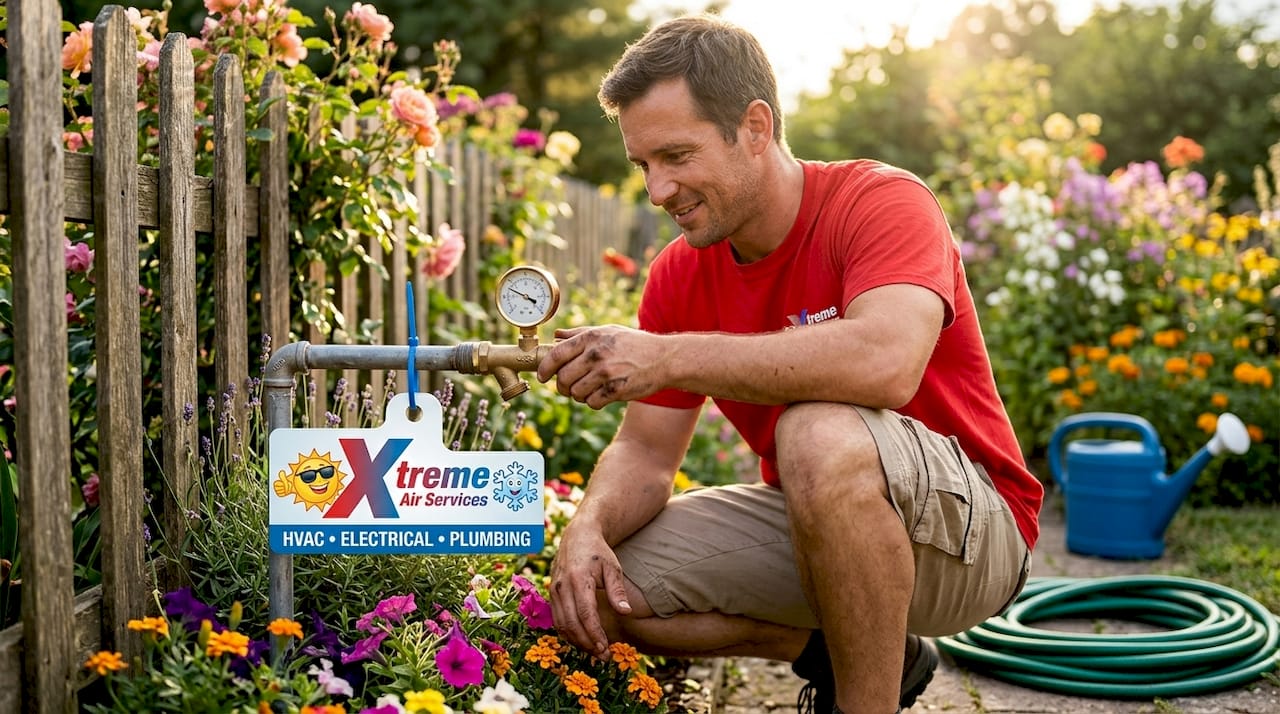
Water pressure is another critical metric. Normal residential pressure runs between 45 and 80 PSI. A sudden drop often signals a partially closed shutoff valve or sediment buildup in the line. Pressure inconsistency is one of the earliest warning signs of a deeper problem, and a $15 pressure gauge from any hardware store is all you need to check it.
Drainage performance tells you about clogs, venting issues, and pipe slope problems before they back up. Slow drains in multiple fixtures at once usually point to a main line issue. A single slow drain is typically a localized clog.
Corrosion is the silent system killer. Older homes with copper or galvanized steel pipes are especially vulnerable. Green staining around copper joints, rust-colored water, or flaking visible on exposed pipes all signal that corrosion is active.
Here are the basic tools worth keeping on hand for routine checks:
- A residential water pressure gauge (attaches to any hose bib)
- Food coloring or dye tablets for toilet leak testing
- A flashlight for checking under sinks and around water heaters
- A moisture meter for checking drywall near pipes
Pro Tip: Watch your water meter. Turn off all water in the house, read the meter, wait 30 minutes without using any water, and read it again. If the number changed, you have an active leak somewhere.
2. Weekly and Monthly Home Plumbing Maintenance Checklist Tasks
Consistency is what makes plumbing upkeep actually work. You don’t need to spend hours on it. A few focused minutes each week builds the habit that catches problems early.
Every week, do a quick visual scan under kitchen and bathroom sinks. Look for moisture on the cabinet floor, staining on pipes, or any drips. Check toilet bases for water pooling. Run every faucet and shower briefly to confirm drainage is moving freely. These checks take under five minutes total and are the backbone of any preventative plumbing checklist.
Every month, go deeper:
- Flush floor drains in the basement or utility room with a bucket of water to keep trap seals full and prevent sewer gas from entering the home.
- Check faucet aerators on kitchen and bathroom sinks. Unscrew the aerator tip, rinse out any sediment, and screw it back on.
- Test your garbage disposal by running water through it fully and checking the reset button underneath for any signs of overheating.
- Inspect the toilet tank. Lift the lid and look for any parts that appear worn, bent, or corroded.
- Run water in guest bathrooms or any rarely used fixtures. Traps dry out over time if unused, which allows sewer gases to enter living areas.
Pro Tip: To test for a toilet tank leak, place a few drops of food coloring in the tank and wait 10 minutes without flushing. If color appears in the bowl, the flapper is leaking. This test alone can save hundreds of gallons monthly.
3. Seasonal plumbing maintenance tasks
Seasons change what your plumbing faces. A proper seasonal plumbing maintenance guide accounts for those shifts rather than treating every month the same.
Spring is recovery season. After winter, seasonal plumbing inspections help identify any pipe cracks, hidden leaks, or corrosion that developed during cold months. Walk the perimeter of your home and turn on outdoor spigots to check for cracked fittings. Check your sump pump by pouring water into the pit and confirming the float triggers the motor.
Summer brings heavier water usage. This is the time to check irrigation systems for leaks at connections, test outdoor hose bibs for pressure drops, and inspect washing machine hoses. Rubber hoses on washing machines are a leading cause of interior flooding and should be replaced every five years or replaced with braided steel lines.
Fall is preparation season. Before temperatures drop:
- Drain and disconnect garden hoses from outdoor spigots.
- Shut off the water supply to any exterior hose bibs if your home has interior shutoff valves for them.
- Insulate exposed pipes in unheated spaces like the garage, crawlspace, or basement.
- Clear gutters and downspouts to prevent ice dam backups from forcing water toward your foundation.
Winter requires active monitoring. Know where your main shutoff valve is located and confirm it operates freely. If you leave your home for extended periods, keep the thermostat at 55°F or above to prevent pipe freezing. For vacant or vacation properties, consider a water leak sensor that alerts you by phone.
4. Annual maintenance tasks for whole-system health
Once a year, go through your full checklist for plumbing repairs and preventive maintenance that goes beyond the routine. These are the tasks that protect your system at a deeper level.
Flush your water heater. Sediment builds up at the bottom of the tank over time, reducing efficiency and accelerating corrosion. Connect a hose to the drain valve, run it to a floor drain or outside, and flush until the water runs clear. Most manufacturers recommend doing this annually.
Inspect all visible pipes for corrosion. Visible pipe inspection is a core annual task. Look at exposed pipes in the basement, under sinks, and around the water heater. Green staining on copper means oxidation. Orange or brown rust on steel pipes means the corrosion is active.
Test all shutoff valves. Every fixture in your home has a dedicated shutoff valve. Valves that haven’t been turned in years can seize up or fail exactly when you need them most. Turn each one fully off and back on to confirm it moves freely.
Check the main water pressure at the meter. If you haven’t done this recently, now is the time. If pressure reads above 80 PSI, a pressure-reducing valve may be needed to protect appliances and fittings from stress.
Look for signs of hidden water damage. Check ceilings below bathrooms, basement walls near the water heater, and the area around the washing machine. Water stains, peeling paint, or soft flooring are all evidence of leaks you haven’t located yet.
5. Plumbing issue comparison: warning signs, causes, and fixes
Understanding the problem before you react to it saves you time and money. Here’s a direct comparison of the most common issues homeowners encounter:
| Issue | Warning signs | Common cause | Maintenance action |
|---|---|---|---|
| Dripping faucet | Visible drip, increased water bill | Worn rubber washer or O-ring | Replace washer; check valve seat |
| Slow drain | Water pools, slow clearing | Hair, grease, or soap buildup in trap | Clean trap; use a drain snake monthly |
| Low water pressure | Weak flow at multiple fixtures | Sediment buildup or partially closed valve | Flush aerators; check shutoff valves |
| Running toilet | Hissing sound, color dye test positive | Worn flapper or float mechanism | Replace flapper; adjust or replace float |
| Hidden leak | Higher bills, musty smell, staining | Cracked pipe, loose connection | Dye test, meter test, professional inspection |
| Pipe corrosion | Rust-colored water, visible staining | Age, mineral content, pH imbalance | Annual inspection; replace corroded sections |
A few deeper notes on these issues:
- Dripping faucets are underestimated. The American Water Works Association drip calculator shows how even a slow one-drip-per-second faucet wastes over 3,000 gallons per year.
- Low pressure at a single fixture is almost always the aerator. Low pressure throughout the whole house is a system-level issue worth investigating more carefully.
- Testing water pressure regularly helps you catch sediment issues or partially closed valves before they damage fixtures downstream.
6. When to DIY and when to call a professional
Knowing where your skill set ends is just as important as knowing how to maintain home plumbing in the first place. The good news is that a meaningful percentage of routine maintenance is genuinely homeowner-friendly.
Tasks you can reasonably handle yourself:
- Replacing faucet washers and O-rings
- Cleaning or replacing aerators and showerheads
- Unclogging drains with a hand snake or plunger
- Replacing toilet flappers and fill valves
- Insulating pipes with foam sleeve insulation
- Testing water pressure with a gauge
- Running dye tests and meter leak checks
Tasks that require a licensed plumber:
- Any work involving the main water line
- Water heater replacement or significant repairs
- Repiping corroded or damaged pipe sections
- Diagnosing low pressure that doesn’t resolve with aerator cleaning
- Any gas line adjacent to water heater work
- Sewer line inspections or cleanouts
Scheduling routine professional inspections once a year, even if nothing seems wrong, is the single most reliable way to catch problems that DIY checks miss. A plumber with a camera inspection tool can see inside walls and below slabs where no homeowner checklist can reach.
The 10% rule of preventive maintenance is worth keeping in mind: completing maintenance tasks within 10% of their due date dramatically improves system reliability and reduces emergency repair costs. That applies to your plumbing just as much as to any mechanical system.
What I’ve learned after seeing too many avoidable plumbing disasters
I’ve been in and around home services long enough to see a clear pattern. The homeowners who face $4,000 pipe repairs or mold remediation jobs didn’t ignore their plumbing on purpose. They just never built a habit around looking at it.
In my experience, the most overlooked items on any home plumbing maintenance checklist are the ones that require zero tools. Running the guest bathroom faucet once a month. Lifting the toilet tank lid to check for visible wear. Looking under the kitchen sink when you put away cleaning supplies. None of these take more than 60 seconds. All of them catch problems months before they escalate.
What I’ve found is that the homeowners who do best are not the ones who know the most about plumbing. They’re the ones who pay attention consistently. They notice when something sounds different, smells different, or drains slower than it used to. That awareness is the actual foundation of good plumbing upkeep. The checklist is just the structure that makes it repeatable.
My honest recommendation: combine your own monthly walkthroughs with a professional inspection every one to two years. You’ll handle the routine catches yourself, and a plumber will find the things you can’t see. That combination keeps costs low, keeps your system in good shape, and eliminates the unpleasant surprise of discovering a slow leak that’s been feeding mold inside your wall for six months.
— Xtreme
Keep your plumbing in top shape with professional support
DIY maintenance goes a long way, but some jobs need a trained eye and the right equipment.

At Xtreme Air Services, our licensed plumbers provide thorough residential plumbing services including pipe inspection, drain cleaning, water heater flushing, and full system assessments for homeowners who want to stay ahead of problems. Whether you’ve completed your own home plumbing maintenance checklist and want a professional review, or you’ve spotted something you’re not sure about, our team is ready to help. We serve homeowners across Dallas, Plano, Irving, and Sunnyvale, TX with honest, reliable service you can count on year-round. Don’t wait for a leak to become a flood.
FAQ
How often should I do a home plumbing inspection?
A basic visual check should happen monthly, with a full home plumbing inspection at least once a year. Professional inspections every one to two years catch issues that DIY walkthroughs miss.
What is the easiest way to detect a hidden toilet leak?
Place a few drops of food coloring in the toilet tank and wait 10 minutes without flushing. If color appears in the bowl, your flapper is leaking and needs to be replaced.
How do I know if my water pressure is too high?
Attach a standard pressure gauge to an outdoor hose bib and read the result. Pressure above 80 PSI puts stress on pipes and fixtures and typically requires a pressure-reducing valve installed by a plumber.
What plumbing tasks should I do before winter?
Disconnect and drain outdoor hoses, shut off exterior hose bib supply lines, insulate exposed pipes in unheated areas, and confirm your main shutoff valve operates freely. These steps form the core of any seasonal plumbing maintenance guide for cold climates.
How much water can a leaking faucet or toilet waste per year?
Household leaks waste nearly 10,000 gallons annually on average, with toilets and faucets being the primary sources. A single dripping faucet can waste over 3,000 gallons per year on its own.
Recommended
- Heating & Air Conditioning Repair In Dallas, Plano, Irving & Sunnyvale, TX– Residential & Commercial HVAC Maintenance Services
- 503 Service Unavailable
- 503 Service Unavailable
- 503 Service Unavailable
Need professional help? Explore our residential plumbing services.