

A/C System Installation in Sunnyvale: Sized Right, Installed Right
Correctly sized A/C system installation for Sunnyvale homes, with a full load calculation and airflow tested at every vent.
What’s Covered on This Page
- Signs Your A/C System Needs Full Replacement
- Repair or Replace: Know the Real Difference
- Why Correct Sizing Beats a Bigger Unit
- What Happens During A/C System Installation
- A/C Installation Costs: What Drives the Price
- How long does it take to install a new A/C system in Sunnyvale?
- What should I expect when your team arrives for A/C installation?
- Do older Sunnyvale homes with attic systems need extra work during installation?
- Will a bigger A/C unit cool my house faster?
- How do I know if I need a repair or a full A/C system installation?
- What happens after my new A/C system is installed?
Signs Your A/C System Needs Full Replacement
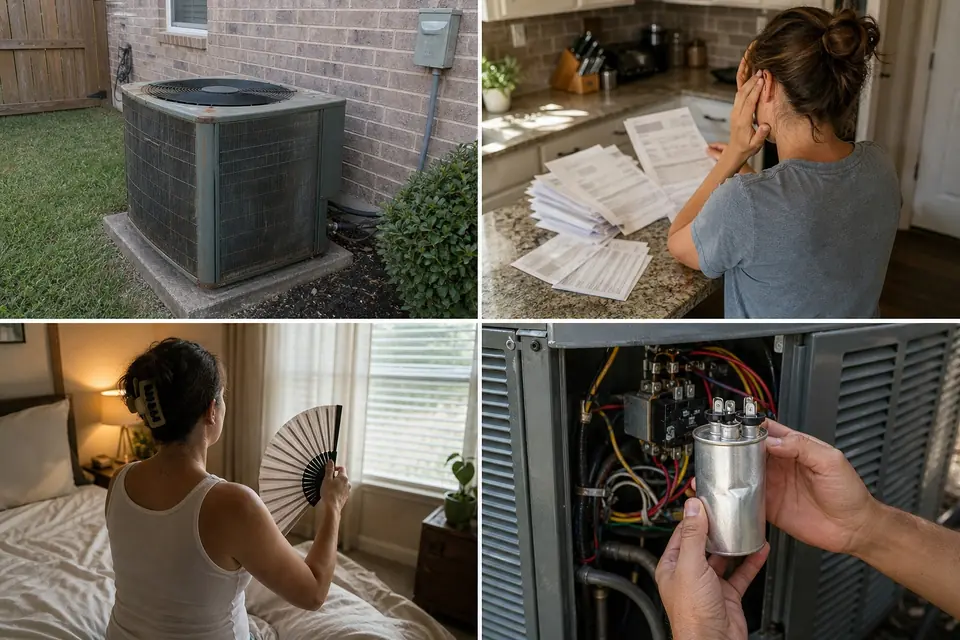
So how do you know it’s time? Usually it’s not one big failure. It’s a pattern. The tech comes out, fixes something small, and three months later you’re calling again. That pattern is the real signal, not the size of any one repair.
- Your system is past the ten to fifteen year mark and parts are getting harder to find
- You’ve had two or more repair calls in the last year for different problems
- The unit still uses older R-22 refrigerant, which is expensive and being phased out
- Energy bills keep climbing even though your habits haven’t changed
- Some rooms never cool right no matter what the thermostat says
- The outdoor unit is loud, rattling, or leaking oil around the base
A lot of Sunnyvale homes run the whole system out of the attic, and attic heat in July puts extra strain on an aging unit that’s already working hard. We see it every summer, an older system limps through June, then quits the first hot week of July. That’s not bad luck, that’s wear catching up all at once.
One repair is rarely the wrong call. Three repairs on the same unit usually is.
Repair or Replace: Know the Real Difference
So how do you know which one you need? Good question, and it’s the one we get asked most standing in someone’s garage.
If your unit is under ten years old and the fix is a bad capacitor, a low refrigerant charge, or a worn contactor, repair it. Those are common failures, and they don’t mean the whole system is done. We see this every week, one small part quits and everything else in the unit is still fine.
- The compressor has failed, not just a part around it
- You’ve called for repairs more than twice this year
- The unit is past 12 to 15 years old
- Your energy bills keep climbing even after tune-ups
- The system uses older refrigerant that’s getting harder to source
Any two of those together, and A/C system installation usually makes more sense than another patch job. Sunnyvale has a real mix of older homes with original attic systems from the 90s and newer builds with tighter, better-insulated ductwork. That age gap changes the math. An older attic unit working overtime against Texas summer heat wears out faster than a newer system in a well-sealed home.
Nobody wants to hear replace when they were hoping for a quick fix.
We won’t tell you to replace a unit that still has good years left in it, and we won’t talk you into a repair on something that’s going to keep failing on you. That’s just doing right by our customers.
Why Correct Sizing Beats a Bigger Unit
Bigger isn’t better. That’s the part nobody tells you at the big box store.
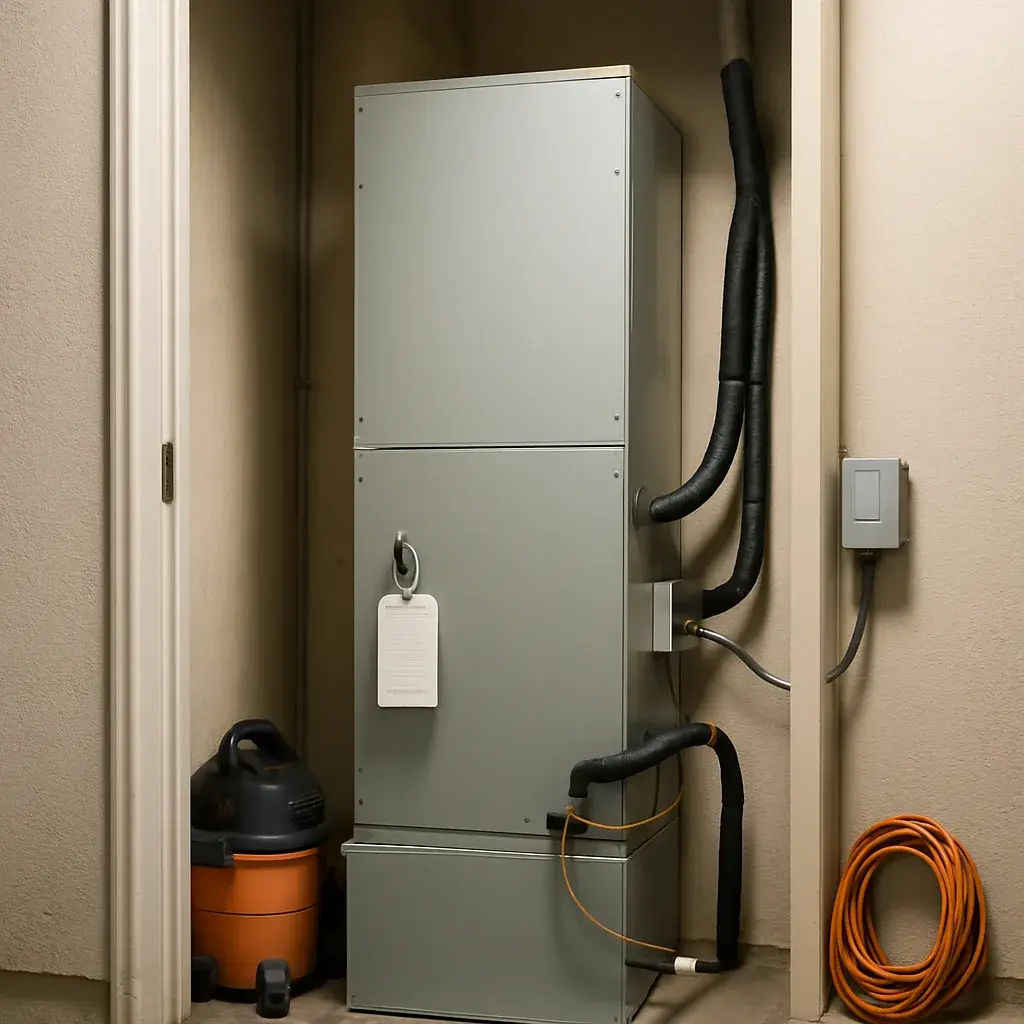
A lot of homeowners think a bigger unit cools faster and lasts longer. It doesn’t work that way, and we see the fallout from oversized systems all the time. An oversized A/C blasts cold air, hits the thermostat setting fast, then shuts off. This short cycling never runs long enough to pull humidity out of the air, so your house feels cold and clammy at the same time. Meanwhile the compressor is starting and stopping way more than it should, and that wear adds up fast.
Correct sizing comes from a cooling load calculation, not a guess based on square footage. We look at your home’s insulation, window count and direction, ceiling height, and even how many people live there. A Sunnyvale home built in the last ten years with tighter construction and better windows needs less tonnage than an older home nearby with the same floor plan. Get that number wrong and you’ve bought a problem that’ll bug you every summer.
So what does right-sizing get you? Steady temperatures room to room, lower humidity indoors, and a compressor that runs in long, efficient cycles instead of slamming on and off.
- Even cooling instead of hot and cold spots between rooms
- Better humidity control, so the air feels comfortable, not clammy
- Longer equipment life from fewer start-stop cycles on the compressor
- Lower energy bills because the system runs the way it was designed to
A proper cooling load calculation takes real time. But skipping it is exactly how a homeowner ends up with a unit that costs more to run and still doesn’t feel right.
Have questions? We’re happy to help.
Call Today, Get Service Today. Xtreme Air Services is ready to help.
What Happens During A/C System Installation
Here’s what a real install day looks like at your house. We don’t just haul in a box and bolt it to the old spot. Every A/C system installation follows the same order, whether it’s a small ranch home or a two-story with a tricky attic run. We walk Sunnyvale homeowners through these details before any work begins.
- We confirm the load calculation and equipment size before anything gets touched.
- The old condenser and indoor coil come out, and we haul the old unit away.
- We check the pad, the line set, and the electrical whip for wear or code issues.
- The new outdoor unit gets set and leveled on the pad.
- The indoor coil or air handler gets connected using your existing ductwork connections.
- We pull a vacuum on the line set, charge the refrigerant, and wire in the electrical connections.
- Startup and testing come last, we run the system, check airflow, and check the temperature split at the vents.
That last step matters more than people think. A system that runs rough in month two got rushed on startup. We don’t skip it, and we don’t guess on the charge. Standard installs use your home’s existing connections, no surprise demo work.
Older homes with original ductwork sometimes need more than a straight swap. If that’s your house, we’ll tell you before we start, not after. It is a common find in older Sunnyvale homes.
A/C Installation Costs: What Drives the Price
Nobody likes a mystery number. So let’s talk straight about how A/C installation pricing works, not just for us, for pretty much anybody doing this job right.
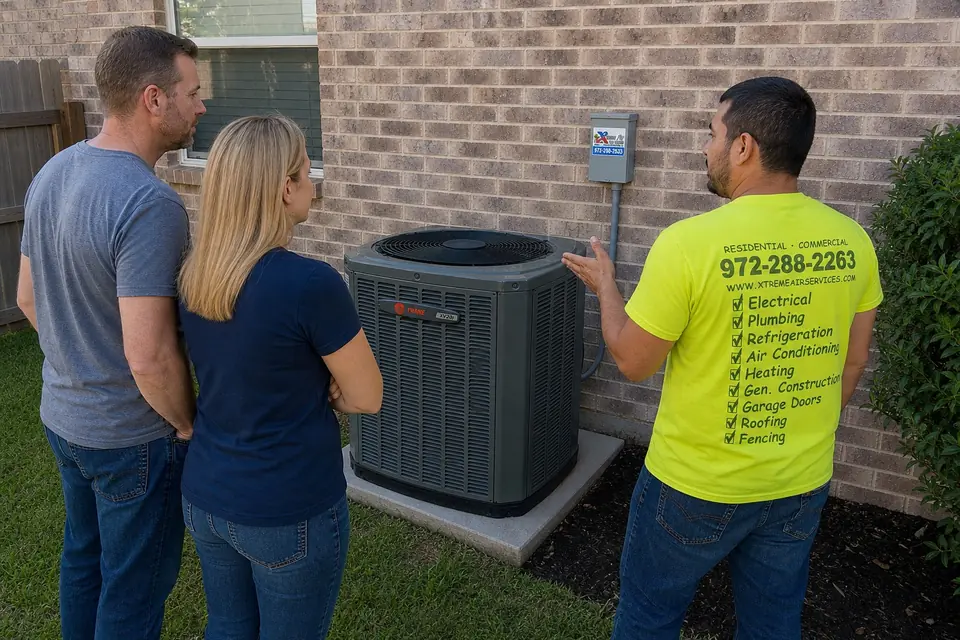
Most standard installs, the kind where we’re swapping out an old unit and reusing your existing connections, run in the $7,000 to $10,000 range. Across all the systems we install, prices land anywhere from $5,500 up to $13,000. That’s a wide range, and here’s why. Sunnyvale homes vary enough that we verify this on site instead of assuming.
- Equipment size and efficiency – a bigger home or a higher SEER2 rating means a bigger unit and a bigger price tag
- Brand and model you choose
- How easy your unit is to access – an attic install takes longer than a ground-level swap
- The condition of your existing ductwork and wiring
- Whether your home needs code upgrades to meet current standards
- Permit requirements and any custom fabrication your setup calls for
A standard installation covers the equipment, professional installation, startup, testing, and hauling away your old unit. It does not cover duct, electrical, or plumbing modifications, code corrections, or permits unless we’ve already talked about those upfront.
We charge $26 to $99 for a service call, and if you move forward with the install, that fee gets credited toward the job. We also offer financing on qualifying installations, because a new system shouldn’t have to wait on your next paycheck. Our team handles this work across Sunnyvale six days a week.
Ask any installer these same questions before you sign anything: what’s included, what’s not, and what could change the price once they’re inside your attic looking at your actual ductwork.
Frequently Asked Questions
Common questions about A/C system installation
How long does it take to install a new A/C system in Sunnyvale?
Most A/C system installations take one full day, start to finish. Our crew arrives early, pulls the old unit, sets the new outdoor unit, connects the coil, and runs a full test before we leave. Homes with tricky attic access or older ductwork sometimes need a bit longer. We tell you upfront if your job looks like a two-day install, so you’re not left guessing or planning around a surprise.
What should I expect when your team arrives for A/C installation?
You can expect us to walk the job before we touch anything. We confirm the load calculation, check your pad, line set, and electrical whip, then get to work removing the old system. We haul away the old unit ourselves. Standard installs use your existing ductwork connections, so there’s no surprise demo work. If your home needs more than a straight swap, we tell you before we start, not halfway through.
Do older Sunnyvale homes with attic systems need extra work during installation?
Sometimes, yes. A lot of Sunnyvale homes run the whole A/C system out of the attic, and attic heat adds real strain on equipment during summer months. Older attic setups from decades back may need updated line sets or electrical connections to meet current code. Newer builds with tighter, better-insulated ductwork usually need less adjustment. We check your specific setup during the visit so there are no surprises on install day.
Will a bigger A/C unit cool my house faster?
No, a bigger unit doesn’t cool your house better, it causes problems. An oversized system blasts cold air, hits the thermostat fast, then shuts off before it pulls humidity out of the air. That short cycling leaves your home feeling cold and clammy at the same time. Correct sizing comes from a cooling load calculation based on your insulation, windows, and layout, not a guess based on square footage alone.
How do I know if I need a repair or a full A/C system installation?
Watch for a pattern, not just one bad repair. If your unit is under ten years old and the problem is a single part like a capacitor or contactor, repair usually makes sense. But if you’ve called for repairs more than twice this year, or the unit is past 12 to 15 years old with climbing energy bills, replacement is usually the smarter move. Two or more of these signs together mean it’s time to talk installation.
What happens after my new A/C system is installed?
After installation, we run the system and check the temperature split at every vent before we consider the job done. This startup testing matters because a system that runs rough a month later usually got rushed at this step. We don’t guess on the refrigerant charge or skip the vacuum process. Once we confirm steady airflow and correct cooling across your home, you’re set to run the system as normal.
Ready to Get Started?
Call 972-288-2263 Today, Get Service Today.